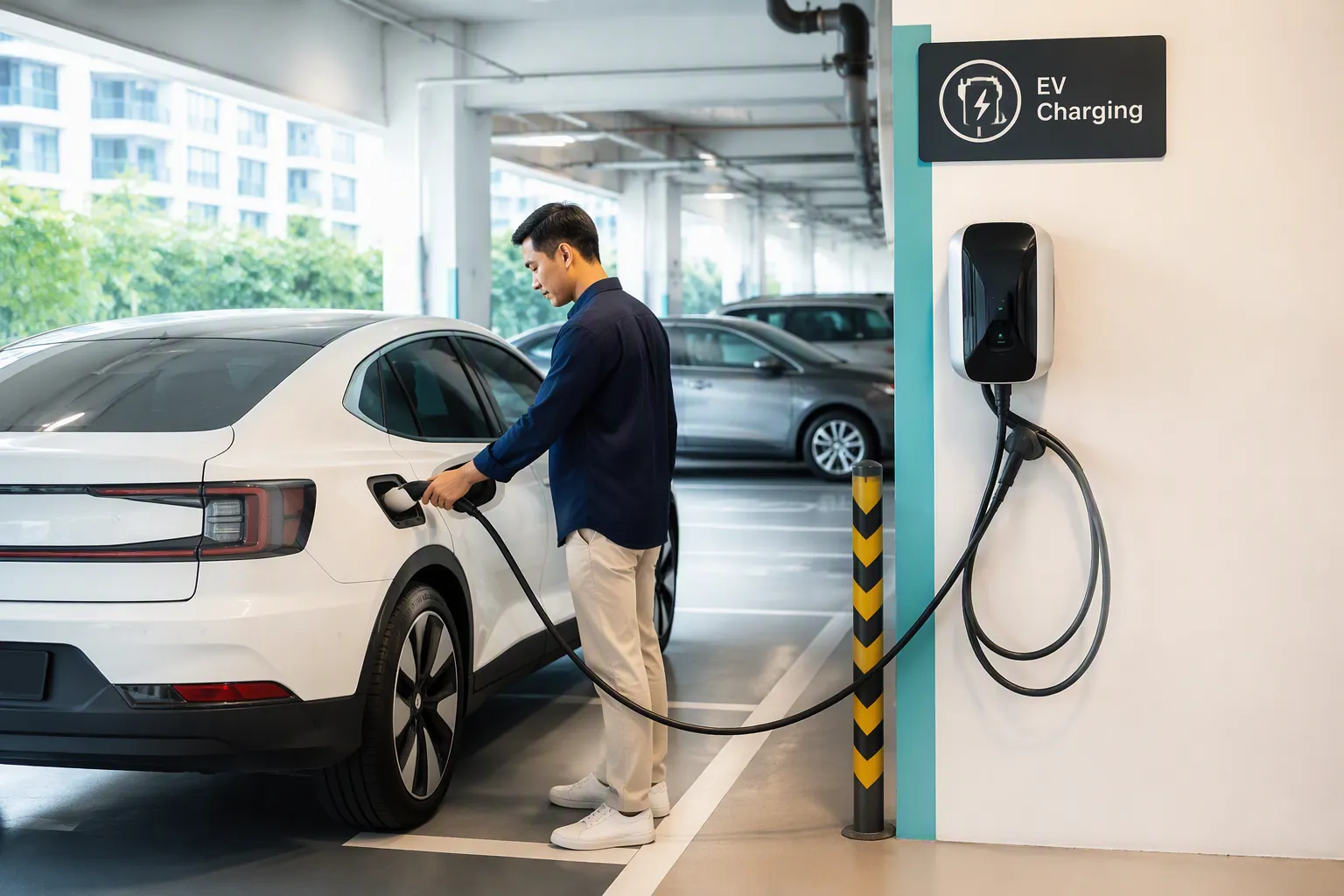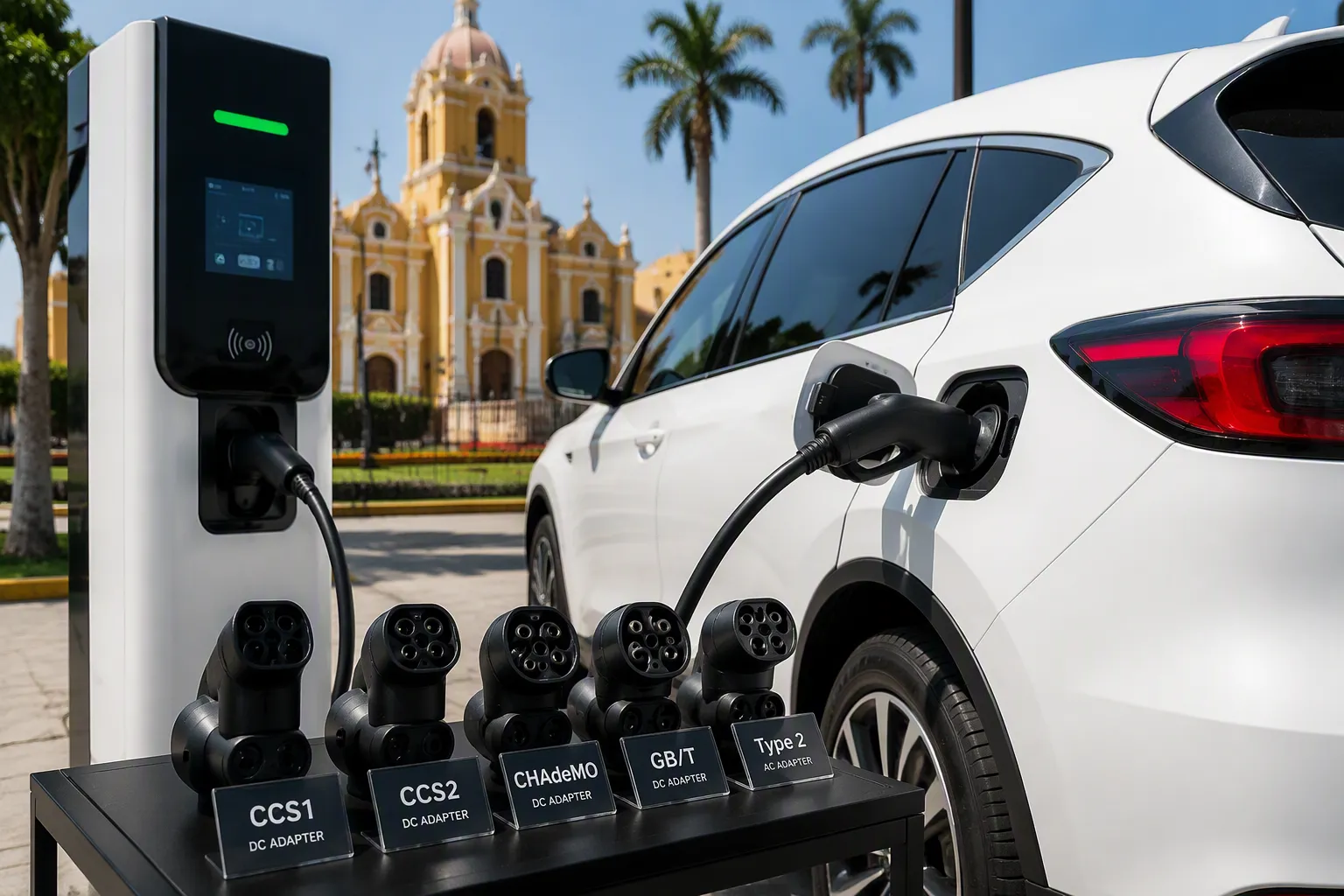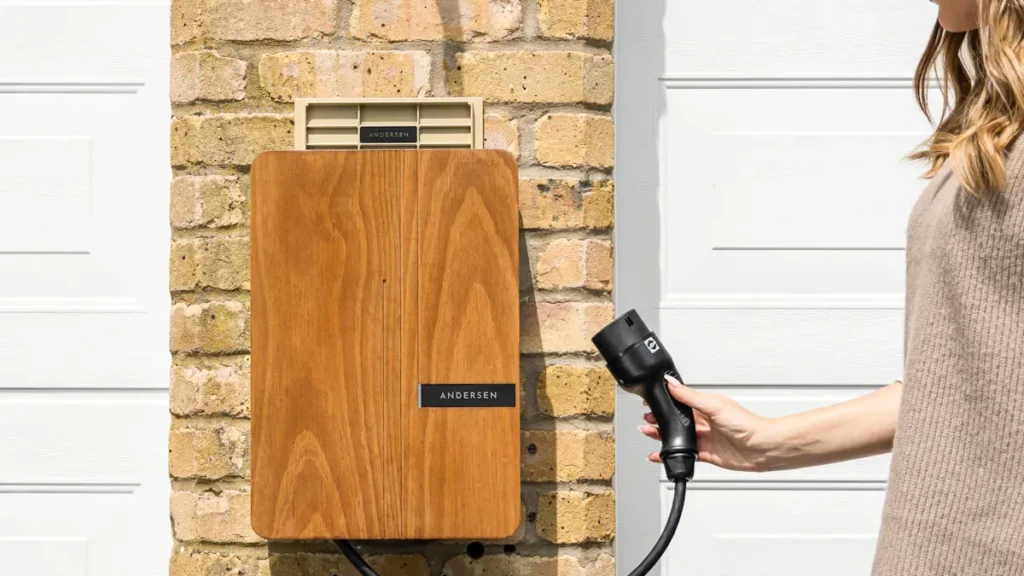
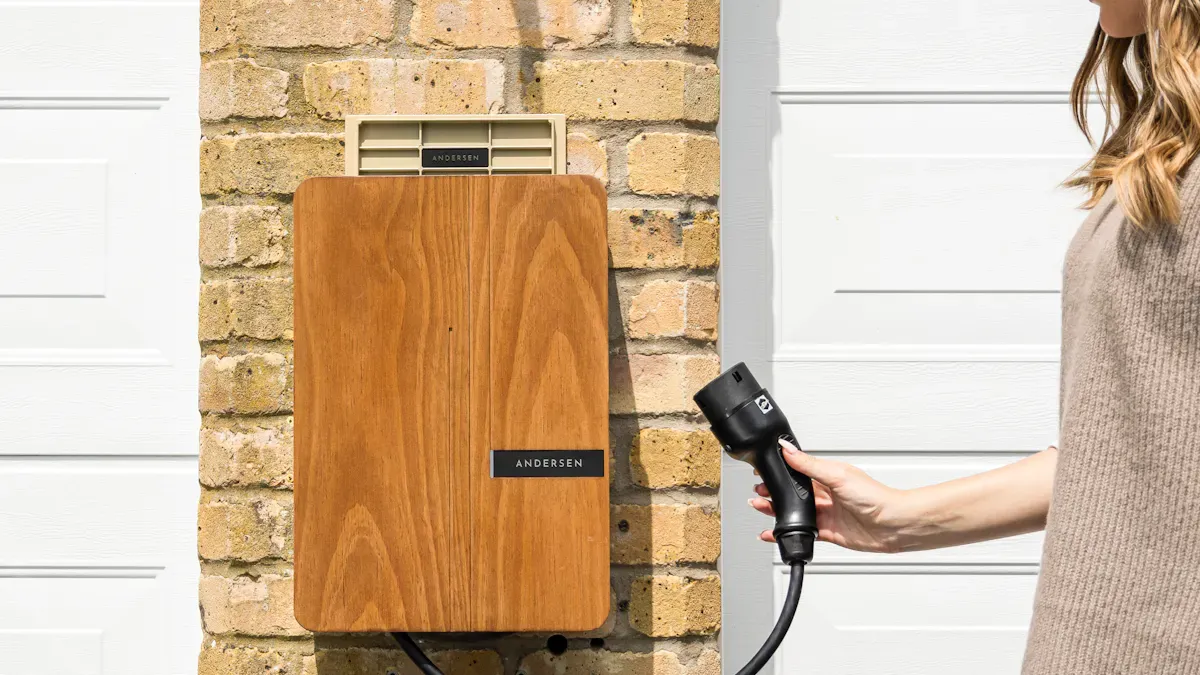
Many drivers in Singapore experience slow public charging, leading to long waits and frequent inconvenience. Home Level 2 charging provides a faster and more reliable alternative. Top Produsen pengisi daya EV now offer advanced Solusi pengisian daya kendaraan listrik that outperform pengisi daya ev portabel in both speed and convenience. The following table illustrates the speed comparison:
| Jenis Pengisian Daya | Perbandingan Kecepatan |
|---|---|
| Home Level 2 Charging | Slower than public DC fast charging |
| Pengisian Daya Cepat DC Publik | Can deliver a 20% to 80% top-up in 20 to 60 minutes |
Yang berdedikasi Pengisi Daya Listrik at home ensures drivers always start each day ready for the road.
Slow Public Charging: Why Is It a Problem in Singapore?
Limited Charging Points and High Demand
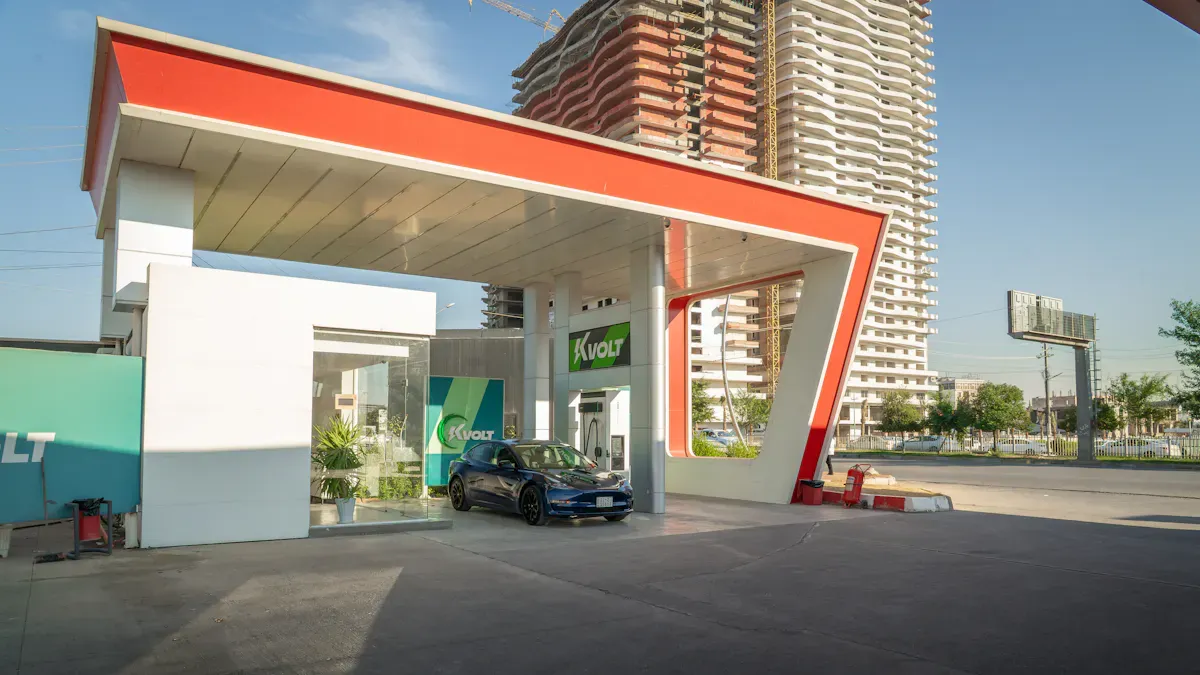
Singapore has seen a rapid increase in electric vehicle adoption. The demand for charging infrastructure has grown significantly over the past five years. The number of HDB carparks with chargers expanded from 200 in 2018 to 1,600 in 2023.
| Tahun | Number of HDB Carparks with Chargers |
|---|---|
| 2018 | 200 |
| 2023 | 1,600 |
The government aims to make Singapore EV-ready. Over half of HDB carparks are targeted to have chargers installed by the end of 2024.
Waiting Times and Queues
High demand for charging points leads to frequent queues. Drivers often arrive at charging locations only to find all chargers occupied. Slow public charging increases the time spent waiting, especially during peak hours. Many drivers must plan their day around the availability of charging points.
Availability Issues
Despite the government’s commitment, charging infrastructure remains unevenly distributed. Some neighborhoods have limited access to chargers. Drivers face inconsistent availability and incompatible systems. These issues contribute to anxiety about the practicality of owning an electric vehicle.
Slow Charging Speeds at Public Stations
Charging speeds at public charging stations vary. Home charging typically offers 7.4kW to 22kW AC, while public AC charging ranges from 7.4kW to 43kW AC. Public DC fast charging can deliver 50kW to 480kW DC.
| Jenis Pengisian Daya | Charging Speed in Singapore |
|---|---|
| Pengisian Daya Rumah | 7.4kW to 22kW AC |
| Public AC Charging | 7.4kW to 43kW AC |
| Pengisian Daya Cepat DC Publik | 50kW to 480kW DC |
Level 1 vs. Level 2 Public Chargers
Level 1 chargers provide the slowest charging speeds. Level 2 chargers offer faster rates but still require several hours for a full charge. DC fast chargers deliver much quicker top-ups, yet they remain less common and often attract long queues.
Waktu Pengisian Daya Dunia Nyata
Slow public charging impacts daily routines. Drivers experience longer wait times and increased range anxiety. Many users depend more on home charging solutions due to unpredictable public charging speeds.
| Bukti | Penjelasan |
|---|---|
| Slow charging speeds lead to longer wait times | Drivers must plan charging around their schedules, affecting daily routines. |
| Increased range anxiety | Uncertainty about vehicle range grows due to unpredictable charging times. |
| Reliance on home charging | Users without fast public chargers depend more on home charging solutions. |
Inconvenience and Unpredictability
Location Challenges
Public charging infrastructure remains unevenly distributed. Some areas lack convenient access to charging points. Drivers must travel out of their way to find available chargers, adding time and frustration to their journeys.
Broken or Unavailable Chargers
Inconsistent availability and incompatible systems create further inconvenience. Varying charging speeds and broken chargers contribute to anxiety regarding electric vehicle ownership. Many drivers hesitate to adopt EVs due to these unpredictable factors.
⚡ Slow public charging continues to challenge EV adoption in Singapore. Drivers face uncertainty, inconvenience, and wasted time, making reliable home charging solutions increasingly attractive.
Home Level 2 Charging: The Solution Explained
Apa Itu Pengisian Daya Level 2?
How Level 2 Chargers Work
Level 2 chargers represent a significant upgrade from basic charging options. These chargers operate at 240 volt, which is much higher than the 120 volts used by Level 1 chargers. This higher voltage allows Level 2 chargers to deliver more power to an EV, resulting in faster charging times. Most home EV charger models connect directly to a dedicated circuit in the home’s electrical system. TPSON, a leading provider of electric vehicle charging solutions, offers advanced home charging products that ensure safe and efficient operation.
The following table highlights the differences in power output and charging time across the main charging levels:
| Tingkat Pengisian Daya | Tegangan (V) | Output Daya (kW) | Waktu Pengisian Daya |
|---|---|---|---|
| Level 1 | 120 | 1.4 – 2.4 | 8-20 hours |
| Level 2 | 240 | 3.3 – 19.2 | 4-10 jam |
| Level 3 | 400-800 | 50+ | 30-45 minutes |
Level 2 chargers use a simple plug-in or hardwired connection. Most home installations require a licensed electrician to ensure safety and compliance with local regulations.
Power and Speed Benefits
Level 2 charging provides a practical solution for daily EV use. The higher power output, ranging from 3.3 to 19.2 kW, means that drivers can fully charge most EV batteries overnight. This speed advantage allows drivers to avoid the long waits associated with public charging stations. Home EV charger systems from companies like TPSON deliver consistent performance, making them ideal for busy households.
Key benefits of Level 2 charging include:
- Faster charging times compared to Level 1 chargers.
- Ability to add 25-50 kilometers of range per hour, depending on the EV model.
- Reliable charging at home, reducing dependence on public infrastructure.
Home Electric Vehicle Charging vs. Public Charging
Mengisi Daya Sesuai Jadwal Anda Sendiri
Home charging gives drivers complete control over their charging schedule. They can plug in their EV at night and wake up to a fully charged battery every morning. This flexibility eliminates the need to visit public charging stations or adjust daily routines around charging availability.
A comparison of user experience between home and public charging highlights several advantages:
| Fitur | Pengisian Daya Rumah | Pengisian Daya Publik |
|---|---|---|
| Waktu Pengisian Daya | Overnight charging available | Generally faster charging speeds |
| Biaya | More cost-effective | May be more expensive per kWh |
| Kenyamanan | Ready to go each morning | Requires a visit to charging station |
| Terbaik untuk | Daily commuters | Pelancong jarak jauh |
| Instalasi | Requires upfront investment | Tidak perlu instalasi |
Home charging is more convenient for daily commuters. The infrastructure already exists in most homes, so drivers avoid the hassle of searching for available public chargers.
No More Waiting in Line
Public charging often involves waiting for an available spot, especially during peak hours. Home EV charger installations remove this frustration. Drivers no longer need to queue or worry about charger availability. They simply return home, connect their EV, and let the charging process begin.
Additional benefits of home charging include:
- Lower cost per kWh compared to public charging.
- Reduced annual charging expenses.
- Increased reliability and peace of mind.
Tip: Installing a home EV charger from a reputable provider like TPSON ensures that drivers always have access to fast, reliable charging solutions.
Home Level 2 charging stands out as the most effective solution for Singapore’s growing EV community. It combines speed, convenience, and cost savings, making it the preferred choice for modern drivers.
Level 2 Charging Speed: How Fast Is Home Charging?
Comparing Charging Speeds
Pengisian Daya Tingkat 1 vs. Tingkat 2 vs. Pengisian Cepat DC
Electric vehicle owners in Singapore often compare the speed of different charging options. Level 1 charging uses a standard household outlet and delivers the slowest charging speed. Pengisian daya level 2 offers a significant upgrade, providing faster charging speed and greater convenience for daily use. DC fast charging, also known as Level 3, delivers the highest charging speed, making it ideal for quick top-ups during road trips.
| Tingkat Pengisian Daya | Keluaran Daya | Miles Added per Hour | Terbaik untuk |
|---|---|---|---|
| Level 1 | 1-2 kW | 3-5 mil | Pengisian daya rumah semalam |
| Level 2 | 7-19 kW | 20-60 miles | Daily home/public use |
| Level 3 (DCFC) | 50-350 kW | 100-200+ miles | Road trips, quick stops |
Level 1 charging provides 1-2 kW and adds 3-5 miles per hour, suitable for overnight charging. Level 2 charging delivers 7-19 kW, adding 20-60 miles per hour, which suits daily use. DC fast charging offers 50-350 kW, adding 100-200+ miles in just 20-30 minutes. The speed advantage of Level 2 charging makes it the preferred choice for most EV owners who want reliable charging at home.
Waktu Pengisian Daya Umum untuk Mobil Listrik Populer
Charging speed varies by vehicle model and battery size. For example, a Nissan Leaf with a 40 kWh battery can reach a full charge in about 6 hours using a Level 2 charger. A Tesla Model 3 with a 60 kWh battery typically needs 8 hours for a complete charging at home. DC fast charging can reduce this time to less than an hour, but frequent use may impact battery health. Level 2 charging provides a balance between speed and battery longevity, making it ideal for regular charging.
Real-Life Convenience of Home Charging
Pengisian Semalaman
Home charging offers several benefits for EV owners in Singapore. Overnight charging ensures the vehicle is ready each morning, eliminating the need to visit public stations. Owners simply plug in their EV when they arrive home and wake up to a full battery. The cost efficiency of home charging stands out, with residential tariffs around S$0.30 per kWh. AC charging is easier on the battery, producing less heat and reducing thermal stress over time. Owners also gain control over charging times, especially if they use a time-of-use plan for cheaper rates.
| Manfaat | Deskripsi |
|---|---|
| Efisiensi Biaya | Home charging is the cheapest way to keep an EV topped up, with residential tariffs around S$0.30 per kWh. |
| Kenyamanan | No queues or app logins; simply plug in when you arrive home and wake up to a full battery. |
| Kesehatan Baterai | AC charging is easier on the battery, producing less heat and reducing thermal stress over time. |
| Control over Charging Times | Owners can choose when to charge, especially beneficial if on a time-of-use plan for cheaper rates. |
Home charging integrates seamlessly into daily routines, providing reliable charging and reducing reliance on public infrastructure.
Always Ready to Go
Home charging gives EV owners confidence that their vehicle will be fully charged at the start of each day. This reliability removes the need to search for public charging stations or wait in line. Owners can take advantage of off-peak electricity rates, making home charging a cost-effective option. While public charging stations offer flexibility for longer trips, home charging ensures daily readiness and travel flexibility. The combination of both options enhances the EV ownership experience in Singapore.
Installing a Home Level 2 Charger: Step-by-Step Solution
Assessing Your Home’s Electrical System
Power Requirements for Level 2 Charging
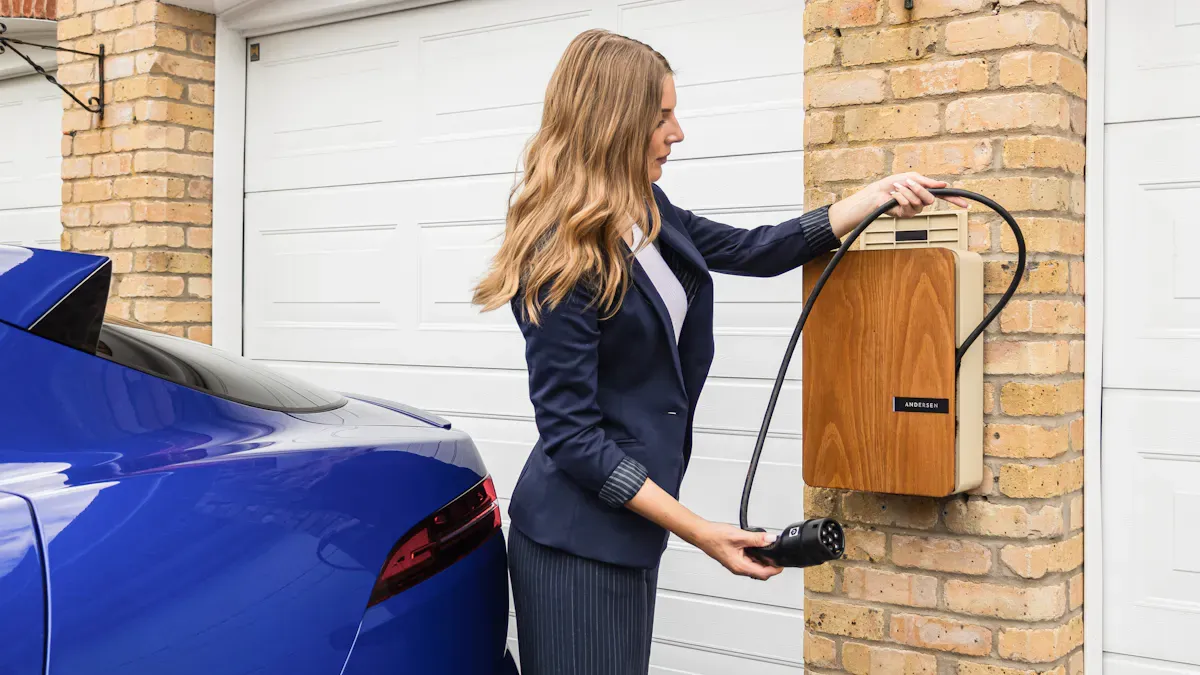
Before installing a Level 2 charger, homeowners must evaluate their electrical system. Most Level 2 chargers require a 240-volt supply and a dedicated 40-amp breaker. This setup ensures the charger delivers enough power for efficient EV charging. The electrical panel must have enough capacity to support the additional load. An electrician checks the wiring and breaker size to confirm compatibility with the new charging equipment. Proper assessment prevents overloading and ensures safe, reliable operation for daily home charging.
Space and Location Considerations
Selecting the right location for a home charger improves convenience and safety. The charger should be close to where the EV parks, such as a garage or carport. The area must allow easy access to the charging port and provide protection from rain or direct sunlight. Adequate ventilation helps prevent overheating during charging sessions. Installers also consider cable length and mounting options to ensure the solution fits the homeowner’s needs. Planning the space in advance streamlines the installation and daily use of the charging system.
Choosing the Right Home Charger
Fitur Utama yang Harus Diperhatikan
Homeowners in Singapore should compare several features when selecting a Level 2 charger for their EV. The following table summarizes the main technical specifications:
| Spesifikasi | Detail |
|---|---|
| Tegangan | 240 volt |
| Breaker | 40-amp breaker |
| Kepatuhan | National Electrical Code (NEC) Article 625 |
Modern home chargers offer advanced features that enhance the charging experience:
- Wi-Fi connectivity for remote monitoring and updates
- Scheduling charging sessions during off-peak hours to save on electricity costs
- Real-time usage monitoring for better energy management
- Load balancing for households with multiple EVs
When choosing a charger, homeowners must also consider installation requirements. Dedicated circuits and compliance with local electrical codes ensure safety and efficiency. Selecting a charger with these features provides a future-proof solution for evolving EV needs.
Popular Brands in Singapore
Several brands offer reliable home charging solutions in Singapore. TPSON, Wallbox, and Schneider Electric lead the market with robust products. These brands design chargers that meet local safety standards and support a wide range of EV models. Homeowners should select a brand with a strong reputation for quality, after-sales support, and compatibility with their vehicle. Comparing product warranties and customer reviews helps identify the best fit for long-term electric vehicle charging.
Installation Process for Electric Vehicle Charging
Hiring a Licensed Electrician
A licensed electrician, also known as a Licensed Electrical Worker (LEW), must handle the installation of a home Level 2 charger. The LEW assesses the electrical system, installs the charger, and ensures all safety features function correctly. Professional installation guarantees compliance with Singapore’s regulations and reduces the risk of electrical hazards. Homeowners benefit from peace of mind, knowing their charging setup meets all safety and performance standards.
Garis Waktu Instalasi
The installation process for a home Level 2 charger follows a clear sequence:
- Site assessment: The installer evaluates the home’s electrical capacity, confirms the charger location, and identifies any necessary upgrades.
- Instalasi: The LEW installs the charger, connects it to the power supply, and completes all grounding and safety measures.
- Certification and LTA registration: The charger must receive type approval from the Land Transport Authority (LTA), certification for charging fitness, and registration with the LTA. The installer affixes a registration mark to the unit within 60 days of registration.
- Testing and handover: The installer tests the charger, demonstrates its operation, and provides all relevant documentation.
Tip: Homeowners should schedule the installation during a period of low electricity usage to minimize disruption.
A typical installation takes one to two days, depending on the complexity of the electrical work and the charger model. Once complete, the home charging system offers a reliable and efficient solution for daily EV use.
Costs and Incentives for Home Charging
Biaya di Muka
Installing a Level 2 charging system at home involves several initial expenses. Buyers must consider the price of the charging unit, installation fees, and any necessary electrical upgrades. Most Level 2 chargers in Singapore cost between S$1,200 and S$2,500. The price depends on the brand, features, and power output. Some advanced models offer smart features, which can increase the cost.
Installation fees vary based on the complexity of the electrical work. A typical installation costs between S$800 and S$2,000. If the electrical panel requires an upgrade, the cost may rise. Electricians may need to add a dedicated circuit or upgrade wiring to support the new charging load. These improvements ensure safe and reliable charging for the EV.
The following table summarizes the typical upfront costs for a home Level 2 charging setup:
| Item | Estimated Cost (SGD) |
|---|---|
| Level 2 Charger Unit | $1,200 – $2,500 |
| Installation Fee | $800 – $2,000 |
| Peningkatan Panel Listrik | $500 – $1,500 |
| LTA Registration & Approval | $100 – $300 |
Note: Actual costs may vary based on the property type, charger brand, and installation complexity.
Homeowners should request quotes from licensed electricians before making a decision. Comparing options helps identify the best value for the charging needs of the EV.
Government Grants and Rebates
Singapore’s government supports EV adoption by offering incentives for home charging installations. These incentives help offset the upfront costs and encourage more drivers to switch to electric vehicles. The Electric Vehicle Common Charger Grant (ECCG) provides financial support for eligible condominiums and private residential developments. The grant covers up to 50% of the installation cost, capped at S$4,000 per charger.
To qualify for the ECCG, applicants must meet specific requirements. The charger must be installed in a shared car park, and the installation must use an approved charging provider. The Land Transport Authority (LTA) manages the application process and reviews all submissions.
Key points about the ECCG:
- Covers up to 50% of installation costs, up to S$4,000 per charger
- Applies to shared car parks in condominiums and private developments
- Requires use of an LTA-approved charging provider
- Limited to the first 2,000 chargers installed under the scheme
Tip: Residents should check with their management committee or property manager before applying for the grant.
HDB residents currently do not receive direct grants for home charging. However, the government continues to expand public charging infrastructure in HDB estates. This approach ensures that all EV owners have access to reliable charging, regardless of their housing type.
Incentives reduce the financial burden of installing a home charging system. They make it easier for drivers to enjoy the convenience and reliability of charging their EV at home.
Home Level 2 Charging in HDBs and Condos: Special Considerations
HDB Electric Vehicle Charging Options
Shared Charging Stations
Residents in HDB flats face unique challenges when installing home Level 2 charging. Most HDBs do not allow private chargers in individual lots. Instead, drivers rely on shared charging stations located in multi-story car parks. These stations support multiple users and help maximize the use of limited parking space. The government continues to expand the network of shared charging points to meet the growing demand for EVs.
Other charging options for HDB residents include:
- Stasiun pengisian daya umum at various locations across Singapore.
- Workplace charging provided by some employers.
- Destination charging at shopping malls, allowing drivers to charge while shopping or dining.
- Mobile charging services that deliver flexible solutions for drivers without fixed parking spots.
These alternatives ensure that EV owners in HDBs have access to reliable charging, even without a private parking lot.
Proses Aplikasi
To use shared charging stations in HDB car parks, drivers typically register with a charging provider. The process involves downloading a mobile app, creating an account, and linking a payment method. After registration, drivers can locate available charging points, reserve a slot, and start charging their EV. The app provides real-time updates on charging status and notifies users when the session is complete. This streamlined process helps reduce waiting times and improves the overall charging experience for HDB residents.
Tip: Drivers should check the compatibility of their EV with the charging station before starting a session.
Condo Charging Solutions
Working with Management Committees
Condominium residents who want to install a home Level 2 charger must work closely with their management committee. The committee reviews proposals, assesses the impact on shared electrical infrastructure, and ensures compliance with safety standards. Residents should prepare detailed installation plans, including technical specifications and safety certifications. Early engagement with the committee helps address concerns and speeds up the approval process.
Installation Challenges and Tips
Installing a Level 2 charger in a condo presents several challenges. Residents must consider equipment costs, electrical upgrades, and approval timelines. Installed home chargers in Singapore typically cost between S$3,500 and S$8,000, depending on the brand and features. Equipment alone ranges from S$1,500 to S$3,000. Homeowners are responsible for any necessary electrical upgrades, such as adding a dedicated circuit or upgrading the main panel.
A successful installation often involves:
- Consulting a licensed electrician to assess the electrical system.
- Coordinating with the management committee for approval.
- Scheduling installation during off-peak hours to minimize disruption.
- Choosing a charging provider with experience in condo projects.
| Langkah | Deskripsi |
|---|---|
| Assessment | Electrician checks electrical capacity |
| Approval | Management committee reviews and approves plans |
| Instalasi | Charger installed and tested |
| Pendaftaran | Charger registered with relevant authorities |
Condo residents who follow these steps can enjoy the benefits of reliable EV charging at home. They gain convenience, cost savings, and peace of mind knowing their charging solution meets all safety requirements.
Safety, Maintenance, and Reliability of Home Level 2 Charging
Safety Standards and Certifications
What to Check Before Buying
Homeowners in Singapore must ensure that any home Level 2 charging equipment meets strict standar keamanan. These standards protect both the user and the property from electrical hazards. The following table outlines the main safety requirements for electric vehicle charging stations in Singapore:
| Safety Standard/Requirement | Deskripsi |
|---|---|
| Fire Safety Codes | Compliance with evolving fire safety codes is mandatory. |
| Electrical Regulations | Adherence to local electrical regulations is required. |
| ADA Accessibility Standards | Must meet ADA accessibility standards. |
| Perlindungan Lonjakan | Installation of surge protection devices is necessary. |
| Tombol Berhenti Darurat | Chargers must have emergency stop buttons for safety. |
| Pengardean yang Tepat | Proper grounding of the charging station is essential. |
| Periodic Inspections | Regular inspections and certifications are mandated, especially for public and commercial sites. |
Buyers should also look for chargers tested to international standards such as UL 2594 and IEC 61851. These certifications confirm that the electric charging equipment has passed rigorous safety and performance tests. Only certified products should be considered for home installation.
Safe Usage Tips
Safe operation of a home Level 2 charging station starts with instalasi yang tepat. A licensed electrician should always handle the setup to ensure compliance with all electric codes. Users should follow these tips for safe daily use:
- Inspect the charging cable and plug for damage before each use.
- Keep the charging area dry and free from flammable materials.
- Do not use extension cords or adapters with the charging unit.
- Activate the emergency stop button if any malfunction occurs.
- Schedule regular inspections to maintain electric safety.
Tip: Always unplug the charging cable from the electric vehicle before cleaning or performing any maintenance.
Maintenance Needs for Home Chargers
Routine Checks
Routine maintenance helps extend the lifespan of any home Level 2 charging station. Owners should perform visual inspections of the electric charging cable, connectors, and housing. Cleaning the unit with a dry cloth prevents dust buildup. Checking for loose connections or signs of overheating ensures the charging system remains reliable.
A simple maintenance checklist includes:
- Examine the charging cable for wear or fraying.
- Confirm that indicator lights function correctly.
- Test the emergency stop button periodically.
- Ensure the electric charging station remains securely mounted.
Memecahkan Masalah Umum
Even with regular maintenance, some issues may arise during daily electric vehicle charging. If the charging process stops unexpectedly, users should check the power supply and reset the unit. Faulty cables or connectors often cause interruptions. If the charging station displays error codes, consult the user manual or contact a qualified technician.
Common problems and solutions:
- Charging does not start: Check power supply and cable connection.
- Slow charging speed: Inspect for damaged cables or poor connections.
- Error lights: Refer to the manual or seek professional help.
Regular maintenance and prompt troubleshooting keep the home electric charging system safe and dependable for every EV owner.
Is a Home Level 2 Charger Solution Worth It?
Cost vs. Convenience of Home Charging
Tabungan Jangka Panjang
Singapore EV owners often weigh the upfront investment in a home Level 2 charger against the ongoing costs of public charging. Home charging delivers substantial savings over time. The cost per kWh at home averages around S$0.30, while public charging rates fluctuate and tend to be higher. Owners who install a home charger benefit from predictable expenses and avoid premium rates at public stations.
| Jenis Pengisian Daya | Biaya per kWh | Annual Cost Estimate |
|---|---|---|
| Rumah Tingkat 2 | Lebih rendah | $240 – $600 |
| Pengisian Daya Publik | Lebih tinggi | Varies, often more |
Charging overnight at home reduces dependency on public charging stations. Owners enjoy the convenience of starting each day with a fully charged EV. This approach minimizes range anxiety and eliminates the need to plan around public charging availability.
Time Saved
Time efficiency stands out as a major advantage of home charging solutions. Owners avoid queues and waiting times common at public stations. Charging at home allows drivers to plug in their EV after work and wake up ready to go. Full control over charging schedules means drivers never need to adjust their routines for public station access.
| Aspek | Pengisian Daya Rumah | Pengisian Daya Publik |
|---|---|---|
| Biaya per kWh | ~S$0.30 per kWh | Higher and variable rates |
| Charging Convenience | Always available, no queues | May require waiting in line |
| Waktu Pengisian Daya | Overnight charging | Faster but less convenient |
| Control over Charging | Full control over timing | Limited control |
| Biaya Instalasi | S$3,500 to S$8,000 | N/A |
Home charging solutions provide unmatched convenience. Drivers gain flexibility and reliability, making daily EV use seamless.
Future-Proofing Your Electric Vehicle Charging Experience
Supporting More EV Models
A home Level 2 charger prepares owners for evolving EV technology. Many chargers offer smart features and power-sharing capabilities. These upgrades support multiple vehicles and adapt to new models. Panel upgrades, dedicated circuits, heavy-gauge wiring, and ground fault protection systems ensure optimal performance for future EVs.
Installing a Level 2 EV charger significantly enhances charging speed, providing up to Jarak tempuh 25 mil per jam, which is crucial for daily use. This upgrade not only meets current needs but also prepares for future electric vehicle models and technologies, as many chargers come with smart features and power-sharing capabilities that can adapt to multiple vehicles.
Owners who invest in a home charging system stay ahead of technological advancements. They avoid compatibility issues and enjoy faster charging for new EV models.
Increasing Home Value
A home Level 2 charger adds tangible value to residential properties. Prospective buyers increasingly seek homes equipped with EV charging solutions. This feature appeals to environmentally conscious buyers and those planning to purchase an EV. Properties with installed charging systems stand out in the market and command higher prices.
Home charging solutions represent a smart investment. Owners benefit from long-term savings, enhanced convenience, and increased property value. The decision to install a home Level 2 charger supports daily EV use and prepares for future mobility needs.
Home Level 2 charging eliminates the delays and uncertainty that drivers experience at public stations in Singapore. This solution delivers faster charging, greater convenience, and reliable performance for daily electric vehicle use. Drivers gain control over their schedules and reduce range anxiety. Consider upgrading to a home Level 2 charger to enhance the electric vehicle experience.
A dedicated charger at home transforms EV ownership, making every journey smoother and more efficient.
PERTANYAAN YANG SERING DIAJUKAN
How fast can a home Level 2 charger power an electric vehicle?
A home Level 2 charger typically adds 25 to 50 kilometers of range per hour. Most electric vehicles reach a full charge overnight. This speed suits daily commuting needs in Singapore.
Is a licensed electrician required for installation?
A licensed electrician must install a home Level 2 charger. This ensures compliance with Singapore’s safety standards. Professional installation also protects the home’s electrical system.
Can HDB residents install private chargers?
HDB residents cannot install private chargers in individual lots. They use shared charging stations in multi-story car parks. These electric vehicle charging stations support multiple users and provide reliable access.
What are the main benefits of home charging compared to public charging?
Home charging offers convenience, penghematan biaya, and reliability. Drivers avoid queues and start each day with a full battery. Home solutions also reduce dependence on public charging infrastructure.
Are there government incentives for installing home chargers?
Singapore offers grants for eligible condominiums and private developments. The Electric Vehicle Common Charger Grant covers up to 50% of installation costs. Residents should check eligibility before applying.
How does home charging support future EV models?
Modern home chargers support a wide range of electric vehicles. They adapt to new technologies and offer smart features. This flexibility makes them a key part of electric vehicle charging solutions.
What should drivers do if the charger stops working?
Drivers should check the power supply and connections first. If the charger still does not work, they should consult the user manual or contact a qualified technician. Routine checks help prevent most issues.
Where can drivers find more information about electric vehicle charging?
Drivers can consult the Land Transport Authority website or speak with certified installers. Many resources, including the EV owners’ survival guide, provide guidance on choosing the right EV charger.