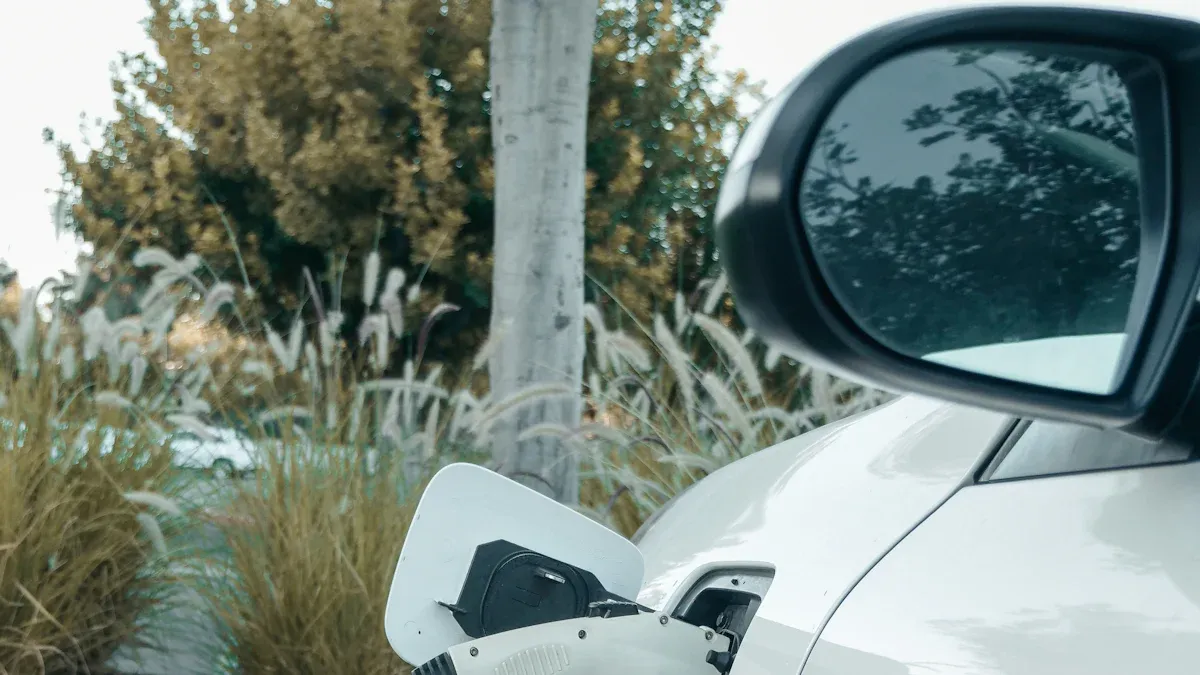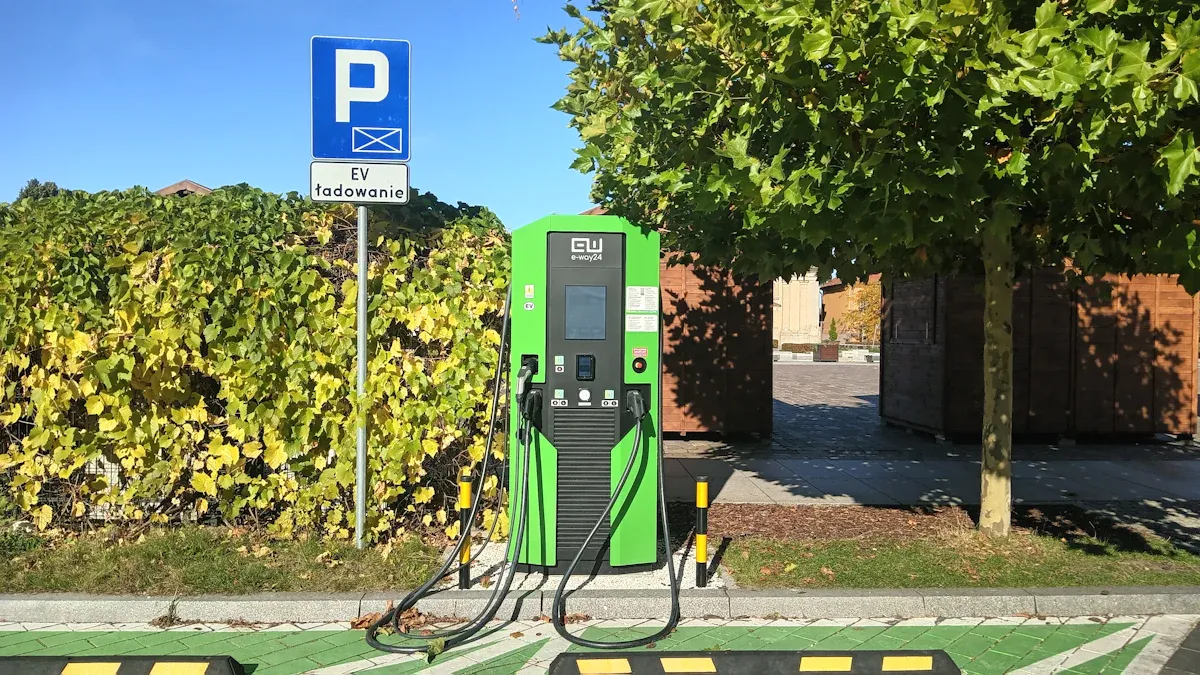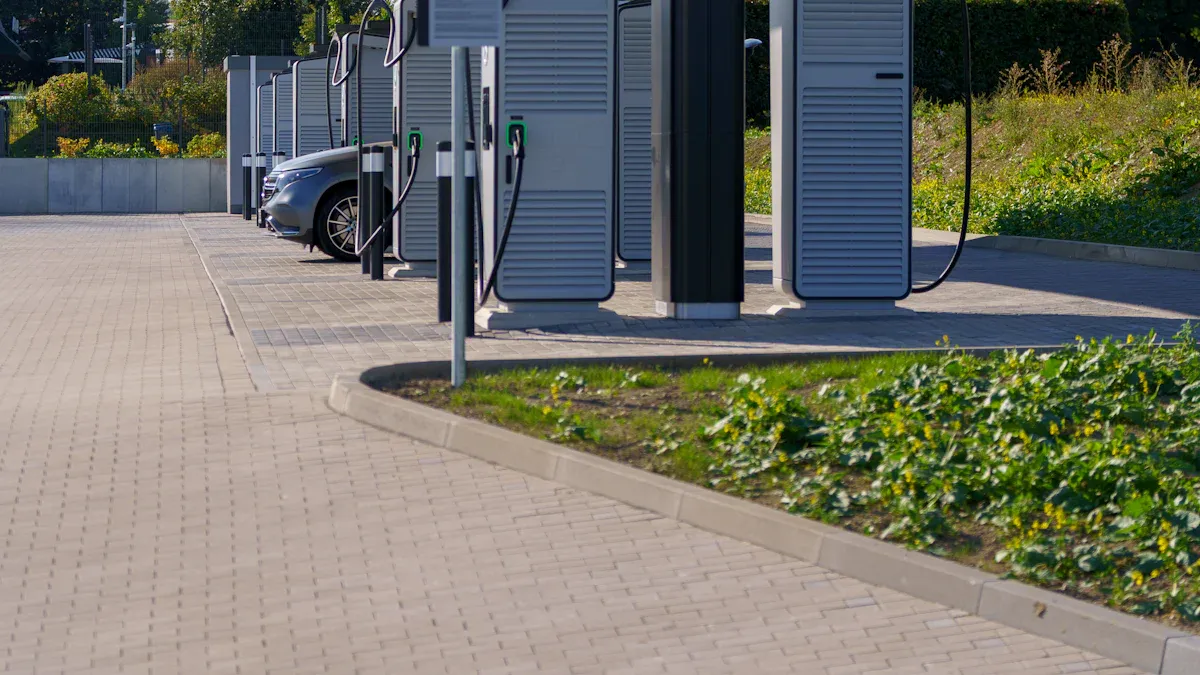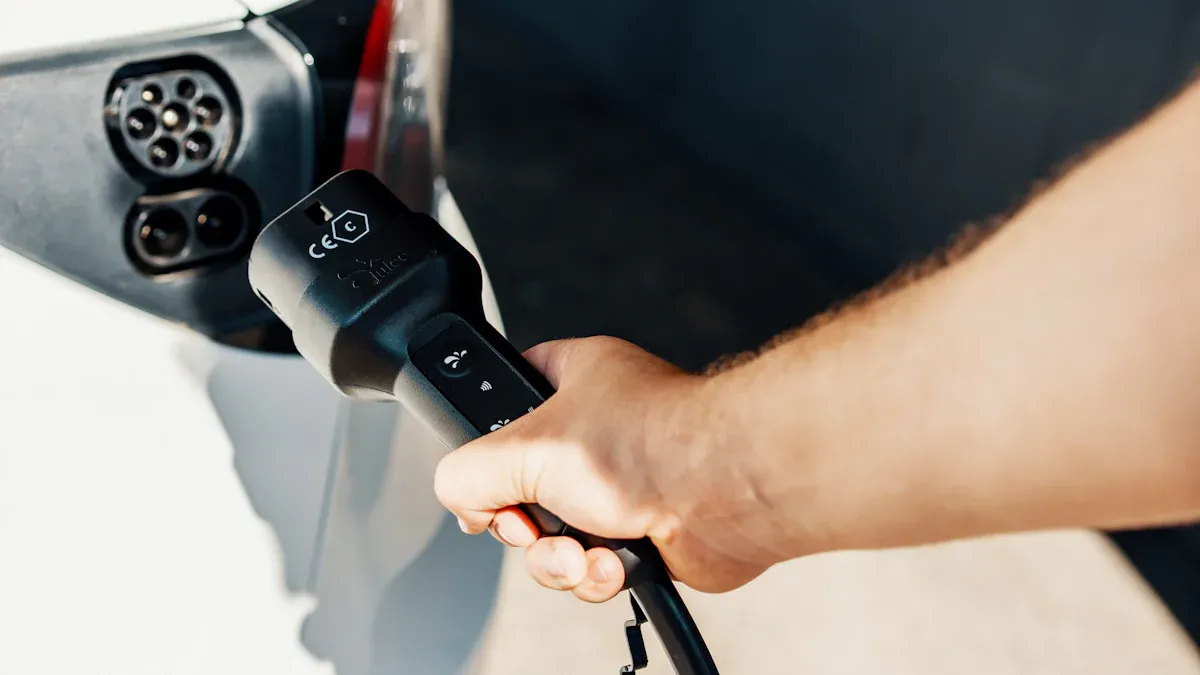
Level 3 charging transforms how drivers power their electric vehicles in Malaysia. Different types of Pengisi Daya Listrik connectors, such as CCS2 and CHAdeMO, deliver fast and efficient energy transfer. Each connector works with specific vehicles, so users must verify compatibility before charging. Produsen pengisi daya EV design these solutions to meet diverse needs, including pengisi daya ev portabel for flexible use. Reliable Solusi pengisian daya kendaraan listrik ensure seamless travel and support the country’s growing adoption of electric mobility.
Level 3 Charging Types and Their Importance for EV Owners in Malaysia
Penjelasan Pengisian Daya Level 3
DC Fast Charging Overview
Level 3 charging represents the fastest method for powering electric vehicles on the road today. This technology uses direct current, or DC, to deliver energy directly to the battery. Unlike slower alternatives, level 3 charging stations can restore a significant portion of an EV’s battery in a short period. Many public stations in Malaysia now feature these advanced chargers. TPSON, a technologically advanced electric vehicle charging solution provider, supports the deployment of these systems across the country.
Output Daya dan Kecepatan Pengisian Daya
Level 3 charging stations offer high power output, often ranging from 50 kW to 350 kW. This capability allows drivers to add hundreds of kilometers of range in less than an hour. The actual charging speed depends on the vehicle’s battery capacity and the station’s maximum output. Most modern EVs can take advantage of these speeds, making long-distance travel more practical. Owners should always check their vehicle’s specifications to understand the optimal charging rate.
Why Level 3 Charging Matters for EV Owners
Benefits for Daily and Long-Distance Travel
Level 3 charging provides several advantages for EV owners. For daily use, these stations reduce waiting times and help drivers maintain a full battery with minimal disruption. During long-distance journeys, fast charging enables quick stops and efficient travel between cities. Many drivers appreciate the convenience of topping up their battery during a short break.
Tip: Plan charging stops along major highways to ensure a smooth journey across Malaysia.
Impact on EV Adoption in Malaysia
The availability of different types of level 3 charging stations plays a crucial role in the growth of electric mobility. Reliable and widespread EV charging infrastructure encourages more people to consider electric vehicles. As more charging points appear in urban and rural areas, range anxiety decreases. Companies like TPSON continue to expand the network, supporting Malaysia’s transition to cleaner transportation.
EV Charging Plug Types in Malaysia: CCS2 and CHAdeMO
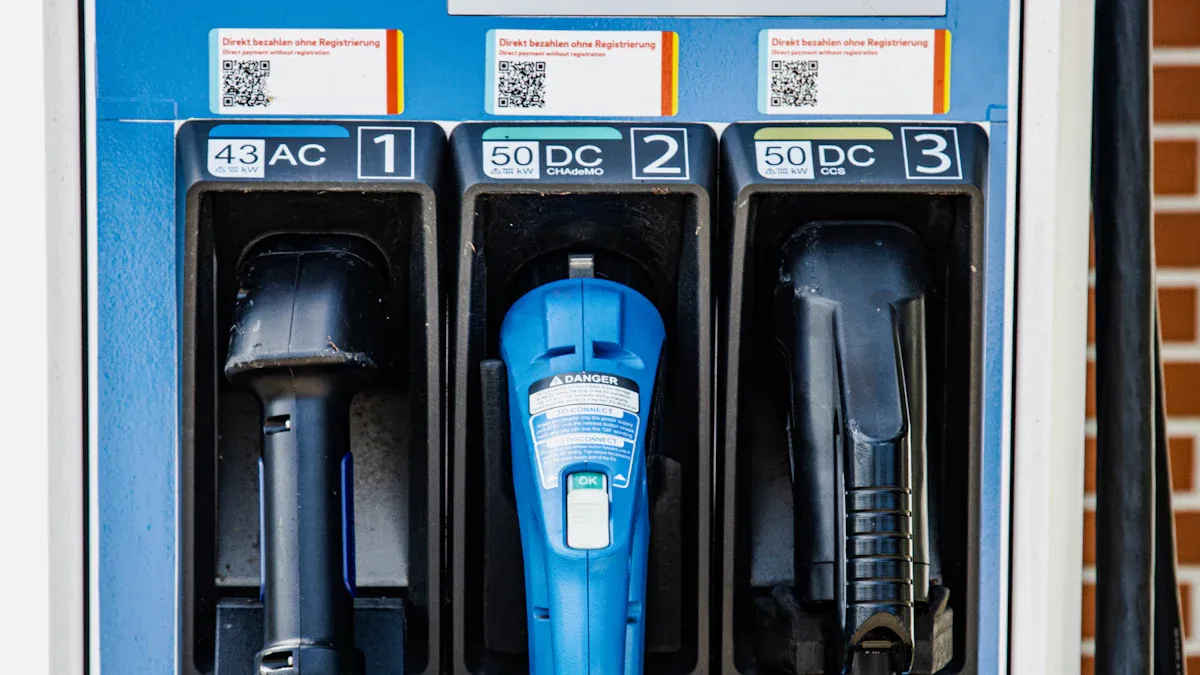
Overview of Main Level 3 Charging Plug Types
Malaysia supports two main connector types for level 3 charging. These include the CCS2 and CHAdeMO connectors. Each connector offers unique features and compatibility with different electric vehicles.
Konektor CCS2
The CCS2 connector stands as the most widely adopted standard for high-power DC charging in Malaysia. This connector combines the traditional Type 2 AC plug with two additional DC pins. The design allows for both AC and DC charging through a single port. Many European and American EV models use the CCS2 connector. The CCS2 supports high charging speeds, often reaching up to 350 kW. This capability enables drivers to recharge their vehicles quickly during short stops. The CCS2 connector also features robust safety mechanisms, including secure locking and advanced communication protocols between the vehicle and the charger.
Konektor CHAdeMO
The CHAdeMO connector originated in Japan and serves as another prominent option for DC fast charging. This connector uses a round shape with a unique pin layout. Many Japanese EVs, such as models from Nissan and Mitsubishi, support the CHAdeMO standard. The CHAdeMO connector allows for bi-directional charging, which means it can both charge the vehicle and supply power back to the grid. Charging speeds for CHAdeMO typically reach up to 62.5 kW, though newer versions can deliver higher outputs. The connector remains popular among certain vehicle brands and continues to see use in Malaysia’s charging infrastructure.
Note: Drivers should always check the available connector types in Malaysia before planning long trips.
Plug Type Compatibility with EVs in Malaysia
Understanding plug type compatibility ensures a seamless charging experience for every EV owner. The right connector type guarantees efficient energy transfer and prevents charging interruptions.
Identifying Supported Plug Types for Your Vehicle
Vehicle manufacturers specify the supported connector types in the owner’s manual and technical documentation. Owners can also inspect the charging port on their EV to determine compatibility. Most European and American vehicles in Malaysia use the CCS2 connector, while Japanese models often rely on CHAdeMO. Some vehicles may support both connector types, but this remains rare. Online resources and manufacturer websites provide up-to-date compatibility lists for popular EV models.
- Check the vehicle’s charging port for unique shapes or pin arrangements.
- Refer to the manufacturer’s official documentation.
- Use trusted EV charging Malaysia platforms for compatibility information.
Importance of Plug Type Selection
Selecting the correct plug type impacts charging speed, convenience, and overall user experience. The wrong connector can prevent charging or cause delays. Owners should consider the following factors when choosing a connector:
- Availability of charging stations with the required connector.
- Supported charging speeds for the vehicle.
- Future-proofing for upcoming EV models and infrastructure upgrades.
A careful selection process helps drivers maximize the benefits of level 3 charging. It also ensures compatibility with the growing network of connector types in Malaysia.
Tip: Always verify plug type compatibility before using a new charging station to avoid inconvenience.
CCS2 Plug Type for Level 3 Charging in Malaysia
CCS2 Features and Technical Details
Connector Design and Capabilities
The CCS2 connector stands as a leading choice for level 3 charging in Malaysia. This connector features two large DC pins that enable rapid energy transfer. The design supports both AC and DC charging, which gives drivers flexibility when using public stations or home setups. The CCS2 connector allows for high-speed charging and integrates advanced safety mechanisms. These include secure locking systems and communication protocols that protect both the vehicle and the user during charging sessions.
Drivers often find the CCS2 connector easy to handle. The ergonomic shape and robust build ensure reliable connections every time. Many charging stations in Malaysia provide CCS2 connectors, making them accessible for a wide range of EV owners. The connector also supports smart charging features, which help optimize energy use and reduce charging times.
Charging Speed and Voltage Range
CCS2 technology delivers impressive charging speeds. High-capacity chargers can reach up to 350kW, which means drivers can add significant range in a short period. The voltage range typically spans from 200V to 1000V, allowing compatibility with various EV battery systems. This wide range ensures that most modern EVs can benefit from fast charging without technical limitations.
The CCS2 connector supports both slow and rapid charging. Drivers can use the same port for overnight charging at home or quick top-ups at public stations. This versatility makes CCS2 a preferred option for those who value convenience and efficiency.
CCS2 Compatibility with EV Models
Popular EVs Using CCS2 in Malaysia
Many popular EV models in Malaysia use the CCS2 connector. European brands such as BMW, Mercedes-Benz, and Volkswagen equip their vehicles with CCS2 ports. American manufacturers like Tesla also offer CCS2 compatibility for certain models. This widespread adoption ensures that most new EVs on Malaysian roads can access the fastest charging options available.
Japanese brands typically favor the chademo connector, but some newer models now support CCS2. This shift reflects the growing importance of standardization in the EV market.
How to Confirm CCS2 Support for Your EV
Owners can confirm CCS2 support by checking the vehicle’s manual or technical specifications. The charging port on the vehicle will display a unique shape with two large DC pins. Manufacturer websites and official EV charging platforms in Malaysia also provide compatibility lists. Dealerships and service centers can answer questions about supported connectors and recommend suitable ev charging cables.
Tip: Always carry the correct ev charging cable in malaysia to ensure compatibility at different stations.
CCS2 Availability and Charging Networks in Malaysia
Locations and Coverage
CCS2 charging stations appear in major cities, highways, and commercial centers across Malaysia. Providers continue to expand coverage, focusing on high-traffic routes and urban areas. Drivers can locate CCS2 chargers using dedicated apps and online maps. These tools help plan trips and avoid unnecessary detours.
Trends in CCS2 Infrastructure Growth
The infrastructure for CCS2 charging grows rapidly in Malaysia. New stations open regularly, and existing networks upgrade to support higher power outputs. This trend reflects the increasing demand for fast, reliable ev charging cables and services. As more drivers choose EVs, the CCS2 network will continue to expand, making long-distance travel and daily commutes more convenient.
CHAdeMO Plug Type for Level 3 Charging in Malaysia
CHAdeMO Features and Technical Details
Connector Design and Capabilities
The CHAdeMO connector stands out as a specialized solution for level 3 charging. Engineers designed this connector with a round shape and a unique pin configuration. This design supports high-power dc charging and enables safe, efficient energy transfer. Many users appreciate the robust locking mechanism, which ensures a secure connection during every session. The CHAdeMO standard also allows for bi-directional charging, which means an EV can send power back to the grid or a building. This feature supports advanced energy management and vehicle-to-grid applications.
Note: The CHAdeMO connector requires a dedicated ev charging cable. Drivers should always check that the cable matches the port on their vehicle before starting a session.
Charging Speed and Voltage Range
CHAdeMO technology delivers reliable charging speeds for many EV owners. Most public stations in Malaysia offer outputs up to 62.5 kW, which can add significant range in less than an hour. Newer versions of the standard support even higher power levels, but these remain less common. The voltage range typically spans from 200V to 500V, making it compatible with a wide variety of battery systems. This flexibility helps drivers maintain their vehicles with minimal downtime.
CHAdeMO Compatibility with EV Models
Popular EVs Using CHAdeMO in Malaysia
Several Japanese automakers equip their vehicles with CHAdeMO ports. Nissan Leaf and Mitsubishi Outlander PHEV are two popular models that use this connector in Malaysia. Some older models from other brands also support CHAdeMO. These vehicles benefit from the established network of compatible charging stations across the country.
How to Confirm CHAdeMO Support for Your EV
Drivers can confirm CHAdeMO support by checking the vehicle’s manual or inspecting the charging port. The CHAdeMO port has a distinctive round shape with multiple pins. Manufacturer websites and official ev charging resources provide compatibility lists. Dealerships and service centers can also help identify the correct ev charging cables for each model.
CHAdeMO Availability and Charging Networks in Malaysia
Locations and Coverage
Malaysia’s public infrastruktur pengisian daya includes CHAdeMO connectors at many strategic locations. Drivers can find these stations at shopping malls, highway rest stops, and urban centers. Most charging networks provide maps and apps to help users locate compatible stations before a trip.
Trends in CHAdeMO Infrastructure Growth
The growth of CHAdeMO infrastructure continues, but at a slower pace compared to CCS2. Many new stations focus on multi-standard support, offering both CHAdeMO and CCS2 connectors. This trend ensures that existing CHAdeMO vehicles remain supported while the market shifts toward newer standards. Regular maintenance and upgrades keep the network reliable for daily use.
Tip: Always carry the correct cables and check station details before starting a charging session.
CCS2 vs. CHAdeMO: Comparing Level 3 Charging Types for EVs in Malaysia
Plug Design and Technical Differences
Physical Connector Shape and Features
CCS2 and CHAdeMO connectors show clear differences in their physical design. The CCS2 connector uses a combined structure that supports both AC and DC charging through a single port. This design simplifies the charging process for drivers and reduces the need for multiple ev charging cables. The connector features two large DC pins below the standard Type 2 AC interface, creating a compact and ergonomic shape.
CHAdeMO, on the other hand, uses a round connector with a unique pin layout. This connector requires a separate AC port on the vehicle, which can make the charging port area larger. The robust locking mechanism on CHAdeMO ensures a secure connection during every session. Both connectors support high-power charging, but their shapes and cable requirements differ.
Note: Drivers should always check the connector shape before selecting the correct cables for their vehicle.
Communication Protocols and Standards
CCS2 relies on advanced communication protocols that allow the charger and vehicle to exchange information about charging speed, battery status, and safety. This protocol supports ongoing development and integration with smart charging networks. CHAdeMO also uses a dedicated communication protocol, but it focuses on compatibility with Japanese vehicles and supports vehicle-to-grid technology. The CHAdeMO 3.0 standard enables bi-directional power flow, which allows the vehicle to supply energy back to the grid.
| Fitur | CCS2 | CHAdeMO |
|---|---|---|
| Pengiriman Daya | Up to 400kW (150kW typical) | Up to 62.5kW (400kW in Japan) |
| Tegangan | Up to 1000 volts | Not specified |
| Saat ini | Up to 500 amps | Not specified |
| Kompatibilitas | CCS1 or CCS2 connectors | Primarily for early Nissan EVs |
| Vehicle to Grid Support | Tidak. | Yes (CHAdeMO 3.0 standard) |
| Evolution | Ongoing development | Evolved into ChaoJi standard |
Charging Speed, Performance, and Power Output
Maximum Power Ratings
CCS2 technology supports higher maximum power ratings compared to CHAdeMO. Most CCS2 chargers in Malaysia deliver up to 350kW, while typical CHAdeMO stations offer up to 62.5kW. In Japan, some CHAdeMO chargers reach 400kW, but these are not common in Malaysia. The higher power output of CCS2 enables faster charging sessions, especially for modern EVs with large battery capacities.
| Fitur | CCS2 | CHAdeMO |
|---|---|---|
| Daya Maksimum | 350kW | 150kW |
| AC Integration | Combined | Separate |
| Kompatibilitas Kendaraan | European manufacturers | Japanese manufacturers |
Real-World Charging Times for EVs
Drivers experience shorter charging times with CCS2, especially when using high-power stations. For example, a typical EV can gain up to 80% battery in 20 to 40 minutes with CCS2. CHAdeMO users may need 40 to 60 minutes for a similar charge, depending on the vehicle and station output. The actual charging time depends on the battery size, state of charge, and the station’s power rating.
Tip: Plan charging stops based on your vehicle’s supported connector and the available station power to minimize wait times.
Compatibility and Availability in Malaysia
Supported EV Models
Most European and American EVs in Malaysia use CCS2 connectors. Brands like BMW, Mercedes-Benz, and Volkswagen equip their vehicles with CCS2 ports. Japanese manufacturers, such as Nissan and Mitsubishi, continue to support CHAdeMO, especially in earlier models. Some newer Japanese EVs now offer CCS2 compatibility to match global trends.
Charger Locations and Network Coverage
Malaysia’s ev charging infrastructure favors CCS2, with more stations offering this connector in urban centers and along highways. CHAdeMO chargers remain available, especially at older stations and locations that support Japanese vehicles. Drivers can use ev charging apps to locate compatible stations and check connector types before arrival. The growing network ensures that most drivers find suitable charging options for their vehicles.
Drivers should always carry the correct ev charging cable and check station details to ensure a smooth charging experience.
Summary Table: CCS2 vs. CHAdeMO for Level 3 Charging
Selecting the right connector for level 3 charging remains essential for every EV owner in Malaysia. The following table highlights the main differences between CCS2 and CHAdeMO, helping drivers make informed decisions about their charging needs.
| Fitur | CCS2 | CHAdeMO |
|---|---|---|
| Origin | Europe/International | Jepang |
| Connector Shape | Combined AC/DC (rectangular) | Round, dedicated DC |
| Output Daya Maksimum | Hingga 350 kW | Up to 62.5 kW (400 kW in Japan) |
| Rentang Tegangan | 200V – 1000V | 200V – 500V |
| Kendaraan yang Didukung | Most European/American EVs | Japanese EVs (Nissan, Mitsubishi) |
| AC Charging Support | Yes (Type 2 integrated) | Tidak. |
| Bi-directional Charging | Terbatas | Supported (Vehicle-to-Grid) |
| Availability in Malaysia | Widespread, growing rapidly | Present, but less common |
| Protokol Komunikasi | ISO 15118, advanced smart charging | CHAdeMO protocol, V2G enabled |
| Typical Charging Time (80%) | 20–40 minutes | 40–60 minutes |
| Cable Requirement | Single port for AC/DC | Separate cables for AC and DC |
Tip: Drivers should always check the connector type and charging station compatibility before starting a session. Using the correct ev charging cable ensures a safe and efficient experience.
Key Takeaways from the Comparison
- CCS2 offers higher maximum power output and supports both AC and DC charging through a single port. This feature simplifies the charging process and reduces the need for multiple cables.
- CHAdeMO provides reliable dc fast charging, especially for Japanese EV models. Its bi-directional charging capability supports advanced energy management, such as vehicle-to-grid applications.
- In Malaysia, CCS2 charging stations appear more frequently, especially in urban areas and along major highways. CHAdeMO remains available at select locations, supporting legacy and Japanese vehicles.
- Drivers should consider their vehicle’s supported connector, the availability of charging stations, and the type of cables required for each system.
Note: Choosing the right connector type helps maximize charging speed and convenience. Always verify compatibility with your EV and the local ev charging infrastructure.
A clear understanding of these differences allows every EV owner to plan their journeys confidently. Reliable ev charging options and the right cables support seamless travel across Malaysia.
How to Identify the Right Level 3 Charging Plug Type for Your EV in Malaysia
Choosing the right Level 3 charging plug type ensures a smooth and efficient charging experience for every EV owner in Malaysia. Understanding the correct connector type prevents delays and protects the vehicle’s charging system. The following steps help drivers identify the appropriate plug for their needs.
Checking Your Vehicle’s Manual and Manufacturer Information
Where to Find Plug Type Details
Vehicle manuals remain the most reliable source for plug type information. Manufacturers include detailed specifications about the supported charging connectors in the manual. Owners can usually find this information in the charging or technical specifications section. Some manufacturers also place a label near the charging port that indicates the compatible connector type.
Using Online Resources for Confirmation
Official manufacturer websites and trusted EV charging platforms provide up-to-date compatibility lists. These resources allow users to search by vehicle model and year. Many Malaysian EV charging networks also publish compatibility charts for public reference. Drivers should always cross-check information from multiple sources to avoid confusion.
Tip: Always verify the connector type before purchasing an EV charging cable or visiting a new charging station.
Visual Inspection of Your EV Charging Port
Recognizing CCS2 Connectors
A visual inspection helps drivers quickly identify the connector type. The CCS2 connector features a single port that integrates both AC and DC charging. The design includes two large DC pins below the standard Type 2 AC interface. This combined structure reduces complexity and makes the charging process straightforward.
Recognizing CHAdeMO Connectors
CHAdeMO connectors have a distinct round shape and require a separate AC port. Vehicles with CHAdeMO support will display two different sockets: one for AC charging and another for rapid DC charging. The CHAdeMO plug does not use the same Type 2 hole as CCS2, which makes it easy to distinguish.
| Fitur | Konektor CCS2 | Konektor CHAdeMO |
|---|---|---|
| Charging Capability | Integrates both AC and DC | Requires separate ports for AC |
| Desain | Single connector design | Distinct shape requiring two ports |
| Manufacturing Complexity | Reduces complexity with one port | Increases complexity with multiple ports |
- CHAdeMO plugs are specifically designed for rapid DC charging.
- They do not utilize the same Type 2 hole that CCS does, necessitating two separate sockets on vehicles.
Getting Expert Advice from Dealerships or Service Centers
Questions to Ask About EV Charging Types
Dealerships and service centers offer valuable guidance for new and experienced EV owners. Drivers should ask the following questions:
- Which Level 3 charging plug types does my vehicle support?
- What is the recommended ev charging cable for my model?
- Are there any adapters available for different charging networks?
Ensuring Compatibility Before Charging
Before using a public charging station, drivers should confirm compatibility with their vehicle. Service centers can demonstrate the correct way to connect and disconnect the charging cable. They also provide advice on cable length, amp rating, and weather resistance. Key factors to consider when selecting a plug type include:
- Connector type (Type 1 or Type 2)
- Charging environment (home or public station)
- Cable length based on parking situation
- Amp rating and power capacity (16A or 32A)
- Durability for Malaysia’s tropical climate (look for IP54 or IP65 ratings)
Note: Choosing the right plug type and cable ensures safe, efficient charging and protects the vehicle’s electrical system.
Using Public Level 3 EV Charging Stations in Malaysia
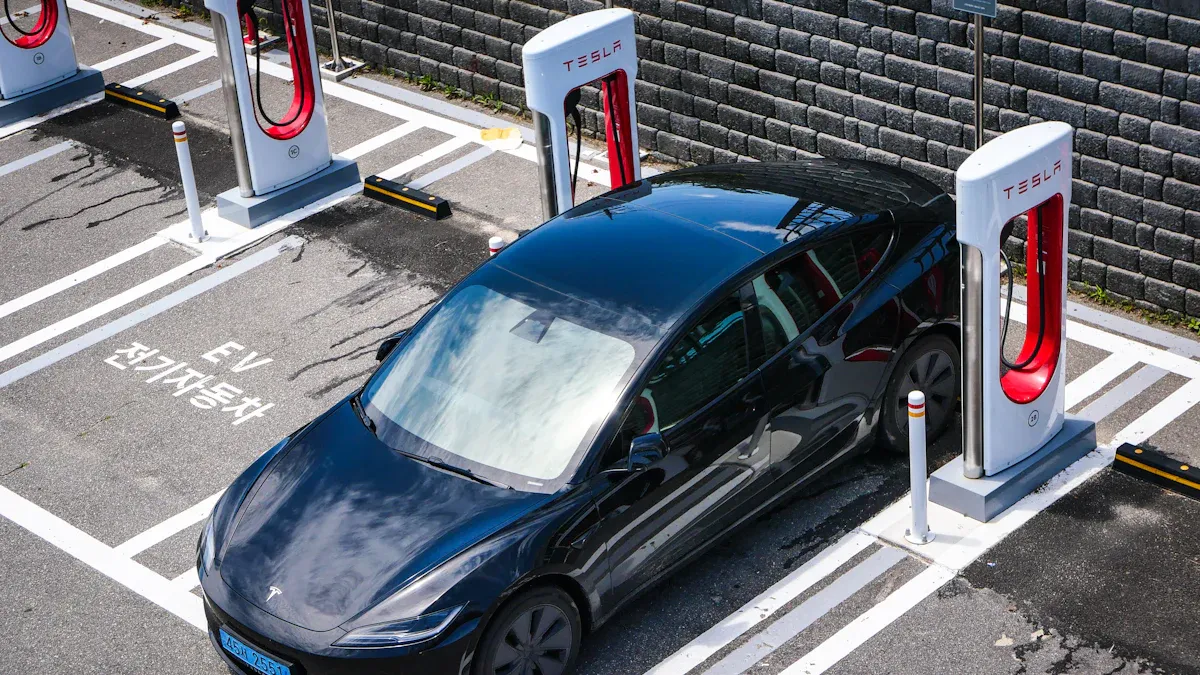
Finding Compatible Level 3 Chargers
Apps and Maps for Charger Locations
Drivers in Malaysia rely on digital tools to locate compatible Level 3 chargers. Many public charging networks offer mobile apps and interactive maps. These resources display real-time information about charger availability, connector types, and station status. Users can filter results by plug type, such as CCS2 or CHAdeMO, to match their vehicle requirements. Popular platforms include PlugShare, ChargEV, and JomCharge. These apps help drivers plan routes and avoid unnecessary detours.
Checking Plug Type Before Arrival
Before visiting public stations, drivers should confirm the available connector types. Most apps and maps list the supported plugs for each location. A quick check prevents wasted trips and ensures the right ev charging cable is on hand. Some public ev charging points also display connector icons on-site for easy identification. This step saves time and reduces frustration during busy travel periods.
What to Expect at Public Charging Stations
Proses Pengisian Daya Langkah-demi-Langkah
At public fast chargers, the process remains straightforward. Drivers park their ev, select the correct connector, and plug in the cable. Most public charging networks require users to scan a QR code or use an app to start the session. The charger communicates with the vehicle to set the optimal charging rate. Once charging completes, users disconnect the cable and move their vehicle to free up the spot for others.
Payment Methods and Charging Costs
Public ev charging networks in Malaysia support various payment options. Users can pay through mobile apps, RFID cards, or contactless credit cards. Some stations offer pay-per-use pricing, while others provide subscription plans for frequent users. Charging costs depend on the station’s power output and session duration. Drivers should review the fee structure in advance to avoid surprises.
Tip: Always check the payment method and estimated cost before starting a charging session.
Charging Speed, Session Duration, and Practical Tips
Typical Charging Times for CCS2 and CHAdeMO
Charging times vary based on connector type and vehicle battery size. CCS2 chargers typically deliver faster sessions, with most vehicles reaching 80% charge in 20 to 40 minutes. CHAdeMO chargers may require 40 to 60 minutes for a similar result. Public fast chargers display estimated completion times on their screens or in the app.
Factors Affecting Charging Speed and Experience
Several factors influence charging speed at public ev charging points. Battery temperature, state of charge, and station power output all play a role. High demand at busy locations may reduce available power. Drivers should monitor charging progress and adjust plans if needed. Using reliable public ev charging networks ensures a smoother experience.
Note: Arrive with a partially charged battery for the fastest charging rates and shorter wait times.
Common Concerns About Level 3 EV Charging Types in Malaysia
Charging Costs and Pricing for Level 3 Charging
Typical Fast Charging Fees
Electric vehicle owners in Malaysia often ask about the fees for Level 3 charging. Most public charging stations set prices based on the amount of energy delivered, measured in kilowatt-hours (kWh). The average fee ranges from RM1.20 to RM1.80 per kWh. Some operators may also include a flat connection fee or a time-based surcharge during peak hours. Drivers should check the latest rates on the provider’s app before starting a session.
Ways to Save on Charging Costs
Many drivers look for ways to reduce the cost of charging. Some charging networks offer loyalty programs or discounted rates for frequent users. Government incentives sometimes provide rebates or special rates for electric vehicle owners. Drivers can also save by charging during off-peak hours when rates are lower. Planning ahead and using apps to compare prices at different locations helps drivers manage their costs efficiently.
Tip: Take advantage of government incentives and loyalty programs to lower your overall charging expenses.
Availability, Reliability, and Maintenance
Charger Uptime and Service Issues
Charger uptime remains a top concern for many EV owners. Reliable charging ensures that drivers can complete their journeys without interruption. Most modern stations in Malaysia report high uptime rates, but occasional service issues may occur due to maintenance or technical faults. Charging network operators monitor their equipment and respond quickly to outages. Users can report problems through mobile apps or customer service hotlines.
What to Do if a Charger Is Unavailable
If a charger is unavailable, drivers should have a backup plan. Checking the status of nearby stations before departure helps avoid inconvenience. Many apps display real-time availability and suggest alternative locations. Drivers can also contact the charging network’s support team for assistance or directions to the nearest operational charger.
- Always check charger status before arrival.
- Keep a list of alternative stations along your route.
- Contact support if you encounter issues.
Safety and User Experience at Level 3 Chargers
Safe Charging Practices for EV Owners
Safety plays a critical role in every charging session. Drivers should inspect cables and connectors for damage before use. Following the instructions on the charging station ensures a secure connection. It is important to avoid using damaged equipment and to keep the area around the charger clear. Most stations provide clear signage and emergency contact information.
Troubleshooting Common Charging Issues
Occasionally, users may face issues such as slow charging speeds or connection errors. Restarting the session or switching to another connector often resolves minor problems. If issues persist, drivers should consult the station’s help guide or contact customer support. Keeping the vehicle’s software updated also helps prevent compatibility problems.
Note: Practicing safe charging habits and staying informed about station status improves the overall user experience.
- CCS2 connectors support both AC and DC fast charging, making them essential for Malaysia’s growing charging network.
- CHAdeMO connectors mainly serve older Japanese EVs, but their relevance is declining as most new models shift to CCS2.
- Drivers should always check connector compatibility, carry the correct charging cable, and use apps like Gentari Go or JomCharge to find available stations.
- Planning charging stops and understanding level 3 charging options help ensure a smooth journey across Malaysia.
PERTANYAAN YANG SERING DIAJUKAN
What is Level 3 charging?
Level 3 charging refers to DC fast charging. It delivers high power directly to an EV’s battery. Drivers can recharge most vehicles much faster than with Level 1 or Level 2 chargers.
Which EVs in Malaysia support CCS2 or CHAdeMO?
Most European and American EVs use CCS2. Japanese models, such as the Nissan Leaf, often use CHAdeMO. Drivers should check their vehicle manual or charging port for compatibility.
Can I use a CCS2 charger for a CHAdeMO vehicle?
No. CCS2 and CHAdeMO connectors have different shapes and communication protocols. Each vehicle only accepts its supported connector type. Adapters are rare and not widely recommended.
How long does Level 3 charging usually take?
Charging time depends on the vehicle and charger power. CCS2 chargers can deliver 80% charge in 20–40 minutes. CHAdeMO chargers may take 40–60 minutes for a similar result.
Are Level 3 charging stations available nationwide?
Major cities and highways in Malaysia have Level 3 charging stations. Coverage continues to expand. Drivers can use apps like PlugShare or JomCharge to find nearby stations.
Is Level 3 charging safe for my EV battery?
Manufacturers design EVs to handle Level 3 charging. Frequent fast charging may increase battery wear over time, but modern battery management systems help protect against damage.
How much does it cost to use a Level 3 charger in Malaysia?
Most public Level 3 chargers charge between RM1.20 and RM1.80 per kWh. Some networks may add connection or time-based fees. Drivers should check the provider’s app for current rates.
What should I do if a Level 3 charger is not working?
Drivers should report issues using the charging network’s app or hotline. Checking nearby stations before traveling helps avoid inconvenience. Most apps display real-time charger status.