
How Smart Load Balancing Technology Solves the Apartment EV Charging Problem
Smart load balancing technology solves the apartment EV charging problem by intelligently distributing power, allowing more chargers on existing electrical systems.

Smart load balancing technology solves the apartment EV charging problem by intelligently distributing power, allowing more chargers on existing electrical systems.

Attract more customers to your Spanish retail business by installing an EV charging station. This turns your location into a destination for high-value EV drivers.
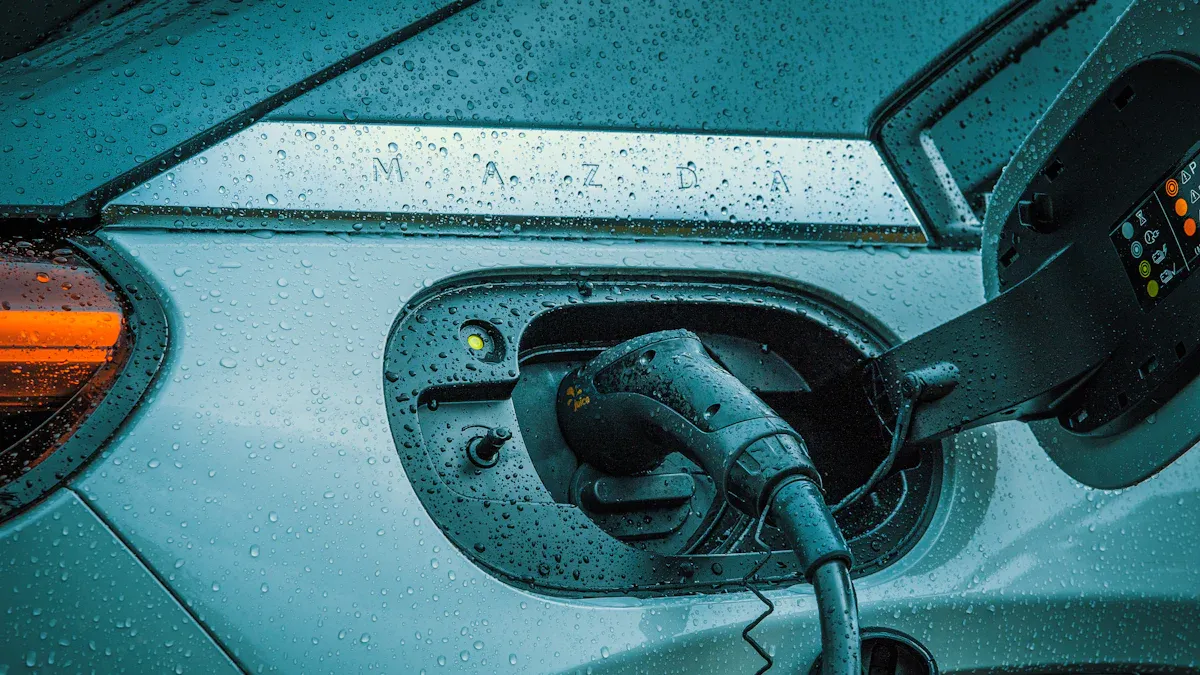
For daily driving, you should rarely charge your EV to 100%. The ideal range is 20-80% to preserve battery health. Reserve a full charge for long trips.
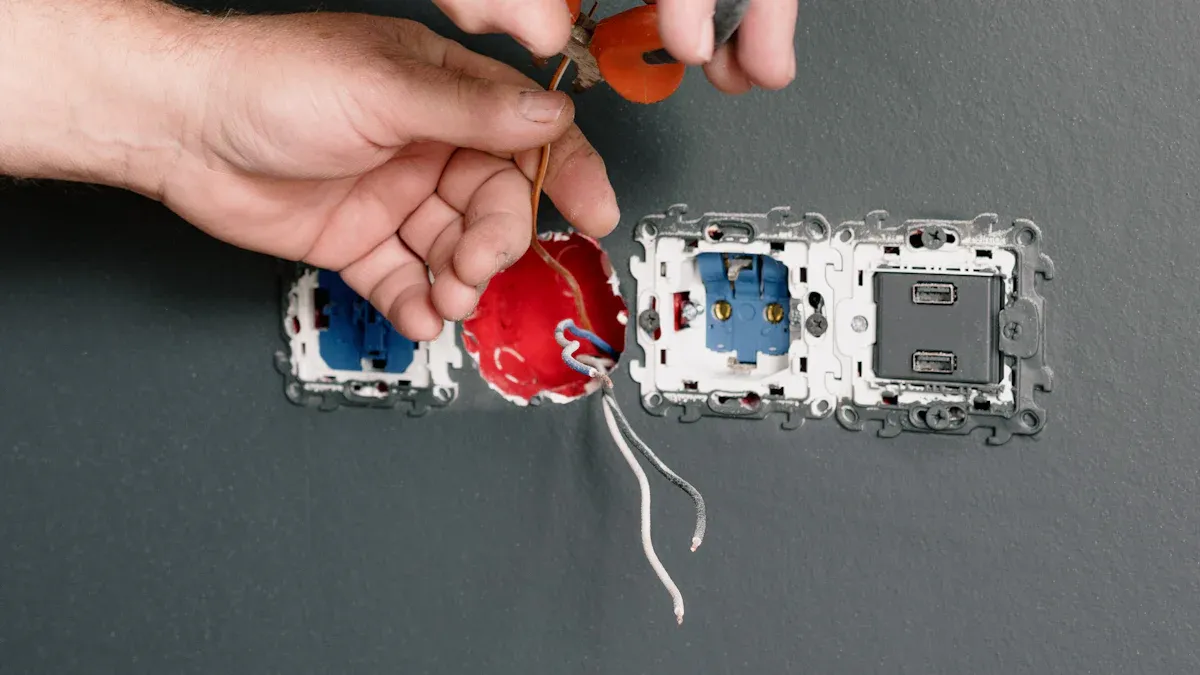
The cost to install an EV charger at home ranges from $1,200 to $2,500. This covers the charger and labor. A 30% federal tax credit can lower this to $840-$1,750.
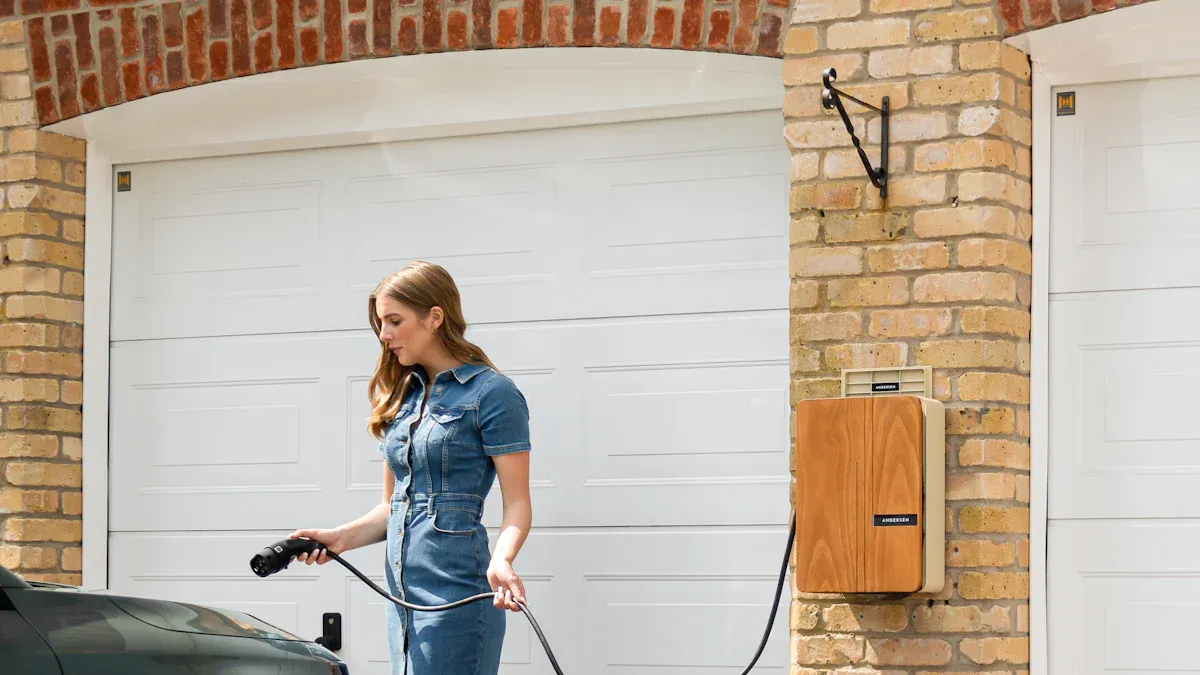
Your electric bill will go up by about $30-$100 per month with an EV. This cost depends on your mileage, car’s efficiency, and electricity tariff.

A typical Level 2 home EV charger uses 7,200 watts (7.2 kW) on a 240V circuit, providing a full charge overnight. Power needs can range from 1.4 kW to 19.2 kW.

A full charge for an EV typically costs $7-$25 at home and $20-$60 at a public station. The final price to charge an EV depends on your car’s battery size and local electricity rates.

The average cost to install a home EV charger is $1,200 to $2,500, including the unit and labor. Prices can range from $800 to over $5,000 based on your home’s electrical system.

In 2025, installing a home AC wall charger in the UK costs between £850 and £1,500. This price includes the charger unit and standard professional installation.

The typical cost to install a 7kW EV charger at a UK home is $1,000–$1,500. This price includes the unit and labor. Government grants can lower the final cost.
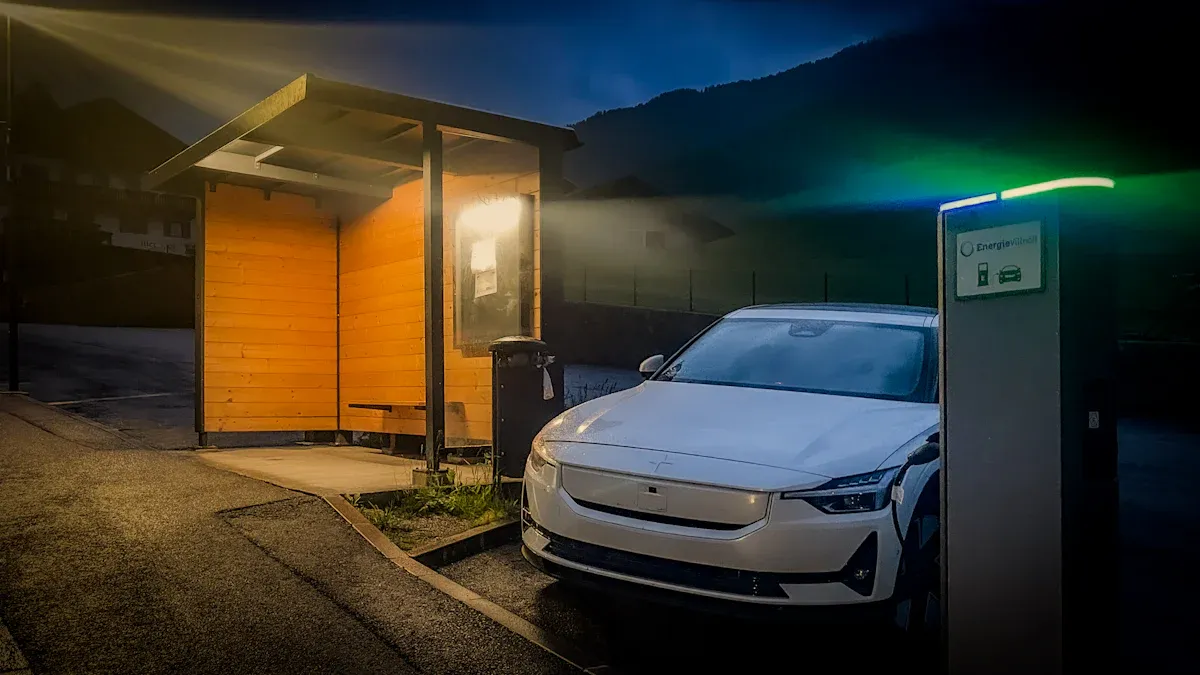
The average cost for a home EV charger installation in the UK is typically £950 to £1,350. This price includes the charger and standard installation, but can increase with electrical upgrades or complex wiring.

The cost to charge an EV at home is typically $3 to $15 for a full charge. Your final price depends on your local electricity rate and your vehicle’s battery size.

The typical cost to install a 240v outlet for an EV charger is $300 to $1,200. Prices can exceed $5,000 if your home needs a panel upgrade or trenching.
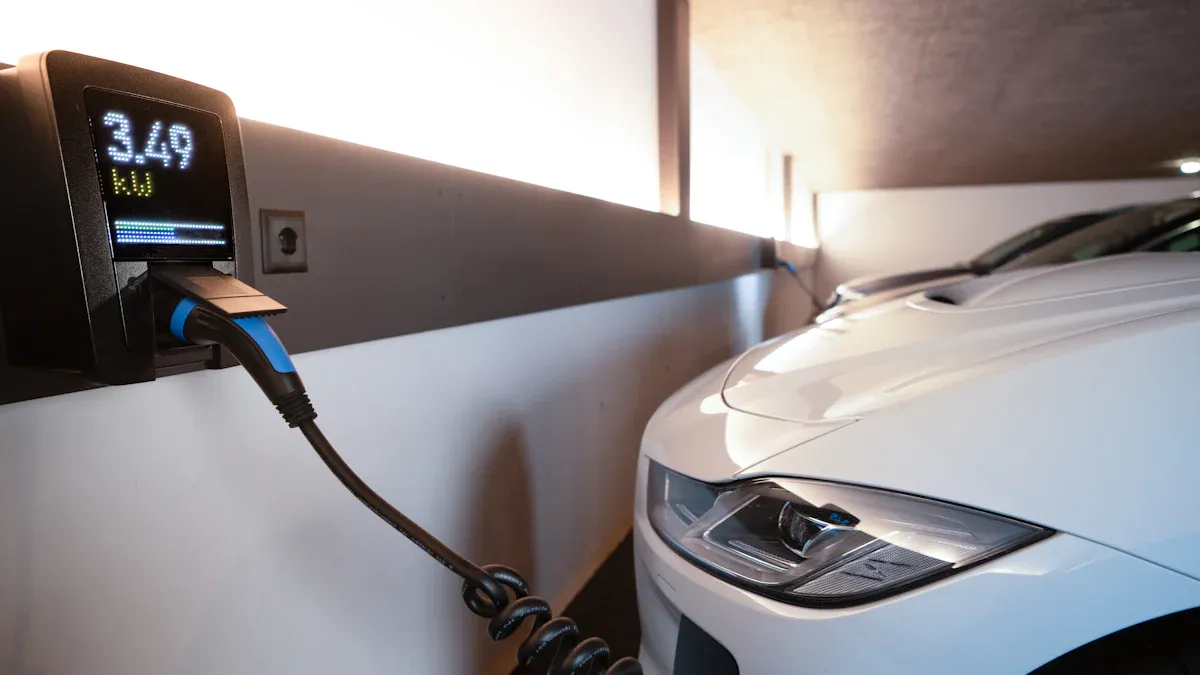
The cost to install an EV charger in your house typically ranges from $800 to $2,000. This price includes the charger unit and professional installation labor.

The cost to charge an electric vehicle is $5–$15 for a full charge at home. At a public charging point, the price increases to $20–$45, depending on the charger.

The cost to charge an electric car at a DC fast charging station typically ranges from $0.40 to $0.70 per kWh. This means adding 100 miles of range costs $12-$22.

The cost to charge an EV is typically $10-$30 at home or 3-10 cents per mile. Public charging varies, with DC fast chargers costing over $50 for a full charge.

In France, the DC fast charging cost for 2025 ranges from €0.45-€0.79/kWh. Subscriptions can lower this to €0.29/kWh. See our guide for detailed network prices.