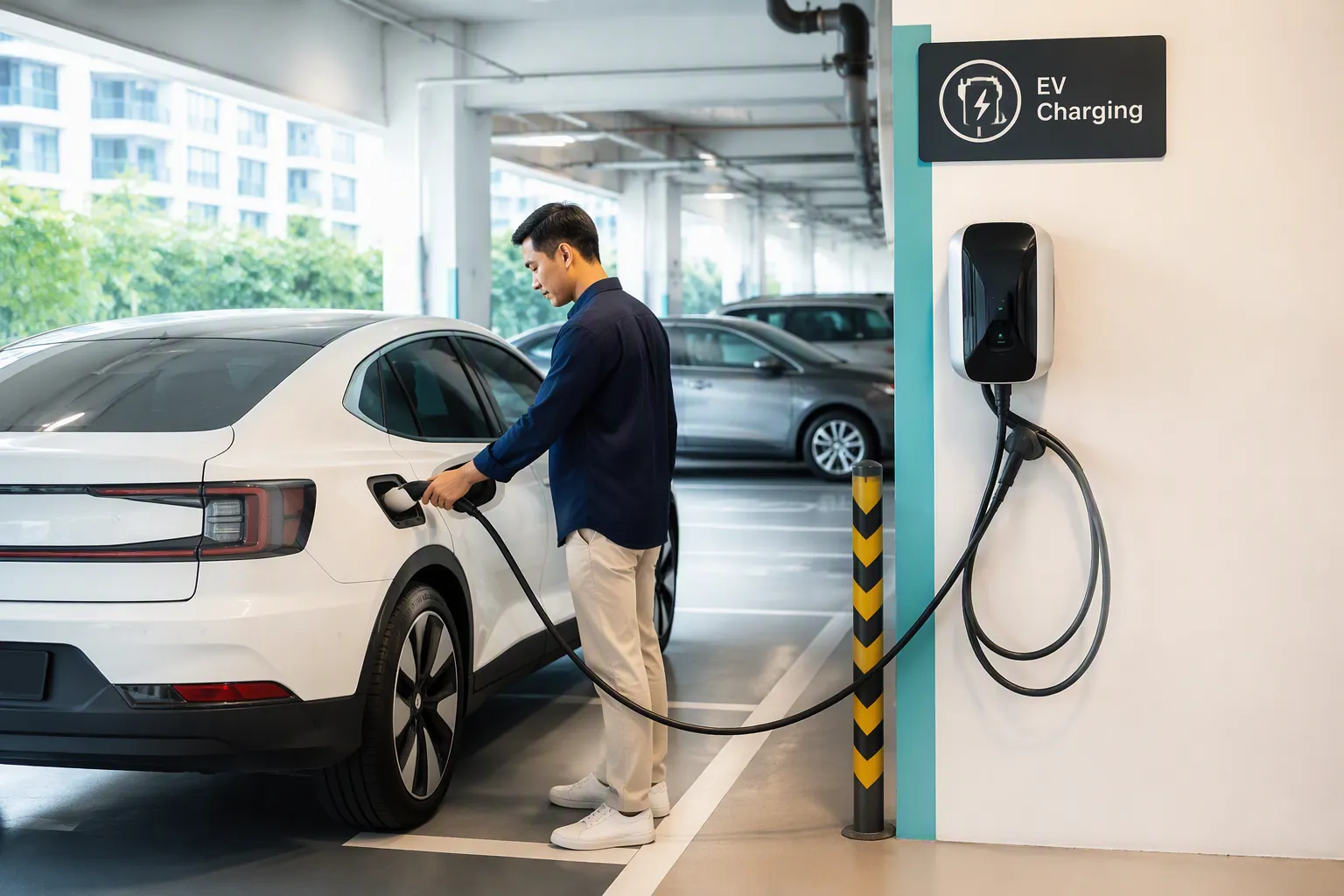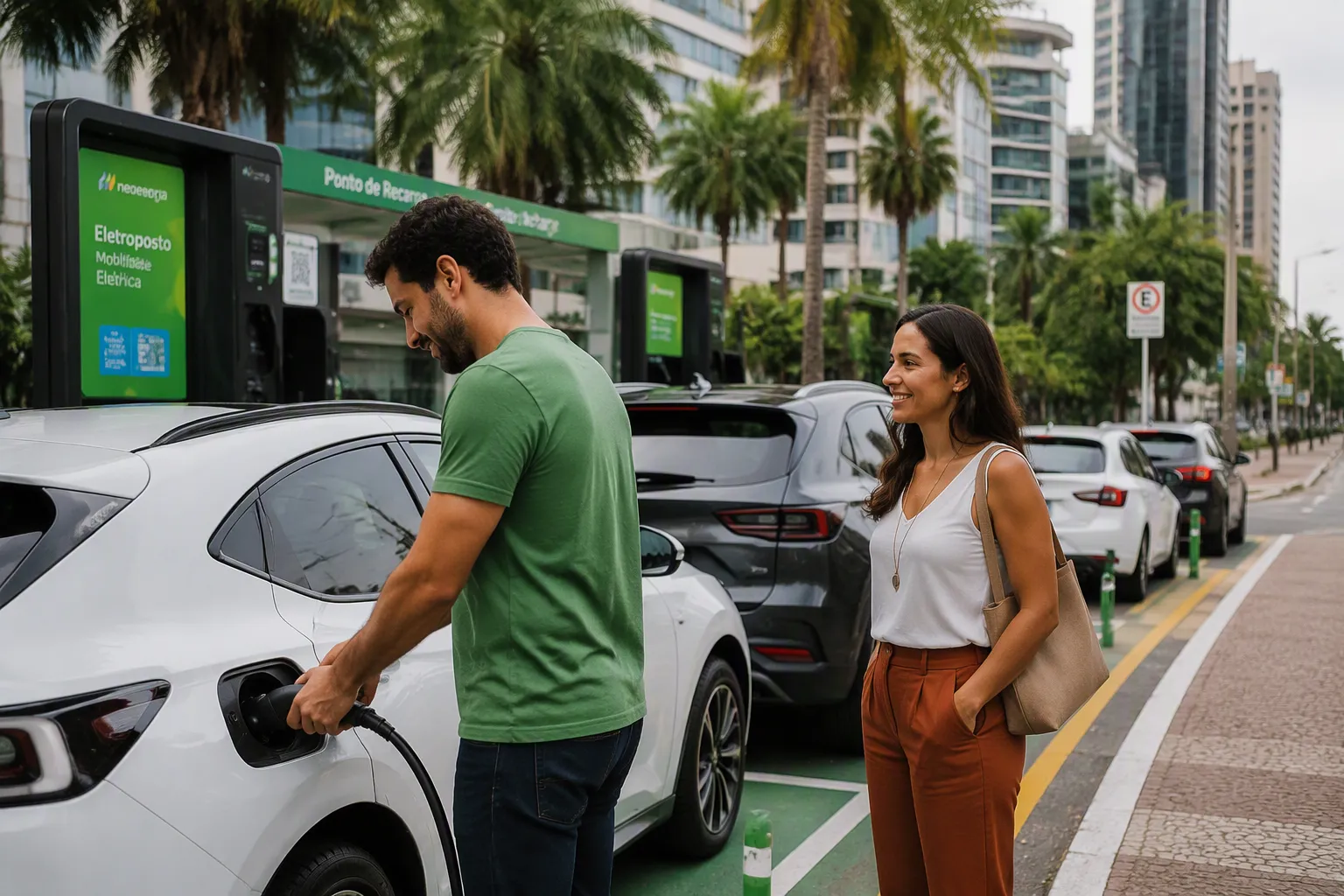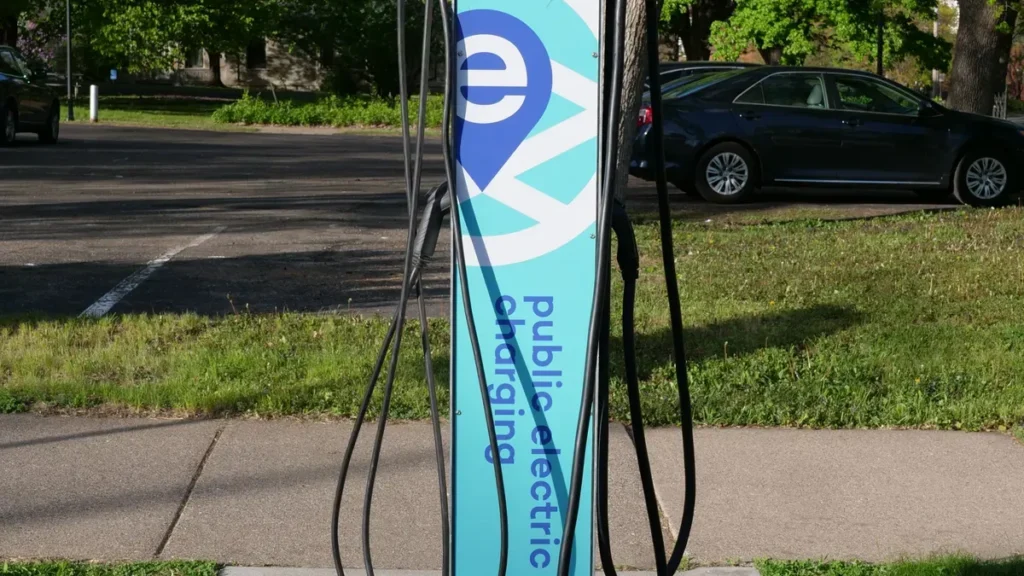
Electric car charging at home typically relies on a national average electricity price of 16.88 cents per kWh, making it more affordable than most public charging options. Public stations, especially rapid chargers, often increase the average cost for EV owners. The following table highlights the difference in annual fueling expenses:
| Jenis Kendaraan | Average Annual Cost | Penghematan Dibandingkan dengan Bensin |
|---|---|---|
| Mobil Listrik | $741 | $1,185 |
| Mobil Bensin | $1,926 | N/A |
Produsen pengisi daya EV dan Solusi pengisian daya kendaraan listrik continue to expand options for drivers. Many rely on pengisi daya ev portabel for flexibility. Charging an electric car averages $0.03 to $0.06 per mile, while gas vehicles reach $0.14 per mile. These figures show that the cost advantage of charging remains a key benefit for EV adoption.
Average Cost of Charging an EV at Home
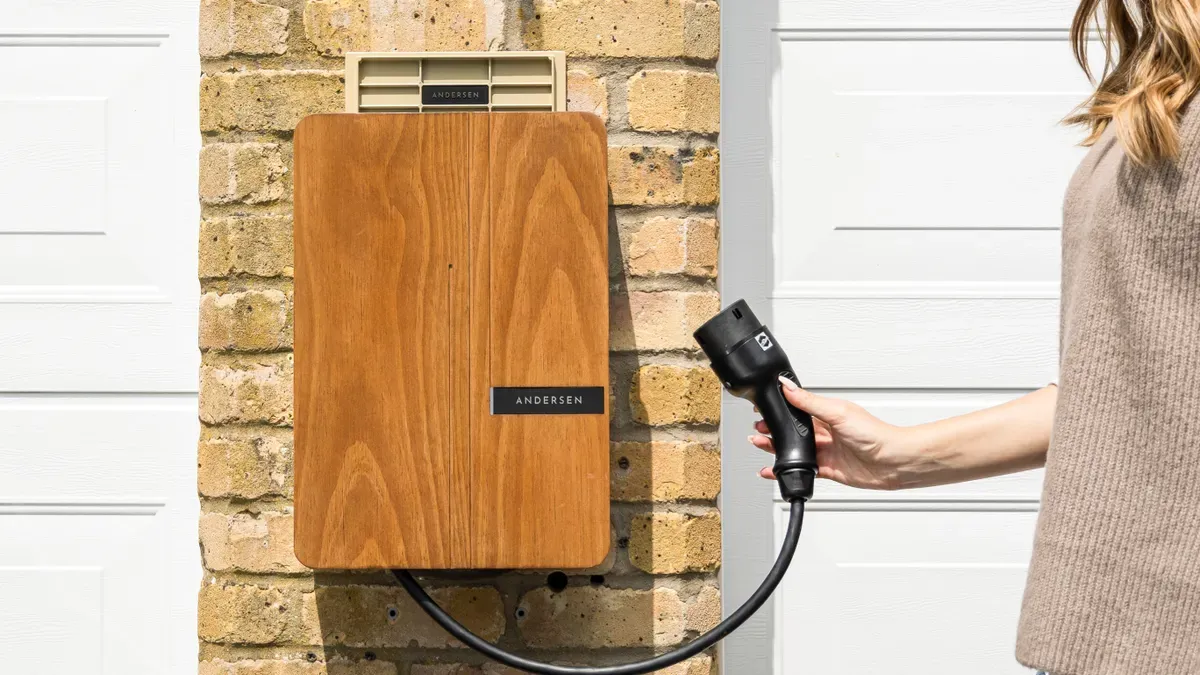
Typical Home Electric Car Charging Rates
National Average Electricity Prices
Home charging costs for electric vehicles depend heavily on local electricity prices. In major countries, these prices can vary significantly. For example:
- The United Kingdom has some of the highest average charging costs in Europe.
- Germany follows with an average rate of 81c per kWh.
- Ireland, Italy, and Switzerland have rates between 69c and 74c per kWh.
- France offers a lower average at 54c per kWh.
- Norway provides one of the cheapest rates at 40c per kWh.
- Croatia stands out with the lowest public charging costs at just 33c per kWh.
These differences in rates directly impact the average cost of charging an EV di rumah.
Regional Variations in Cost of Charging an EV
Electricity prices can fluctuate not only between countries but also within regions. Urban areas often experience higher rates due to increased demand and infrastructure costs. Rural regions may benefit from lower prices, but access to advanced charging solutions like those from TPSON can vary. Drivers should always check their local tariffs to estimate how much it costs to charge an electric car in their area.
How Much Does It Cost to Charge an Electric Car at Home?
Example Calculation for a Standard EV
Charging at home overnight remains the most economical option for most drivers. Using a popular tariff such as Intelligent Octopus Go, the cost is 7p per kWh. For a vehicle like the VW ID.3 with a 52 kWh battery, a full charge costs 7p × 52 = £3.64. This results in a cost of approximately 3p per mile, which is much lower than the 16p per mile typically seen with petrol vehicles. These figures highlight how much it costs to charge an electric car compared to traditional fueling.
Impact of Battery Size on Average Cost
The size of an EV’s battery plays a crucial role in determining how much does it cost to charge an electric car at home. Larger batteries require more energy and therefore increase home charging costs. The table below compares several popular models:
| Model Kendaraan | Kapasitas Baterai | Energy Needed for 10%-80% Charge | Home Charging Cost | Public Rapid Charging Cost |
|---|---|---|---|---|
| 2024 Vauxhall Mokka Electric | 54 kWh | 35.6 kWh | £5.34 | £30.26 |
| 2023 Polestar 2 Long Range Single Motor | 82 kWh | 55.3 kWh | £11.85 | £67.15 |
| 2019 Tesla Model 3 Long Range Dual Motor | 78.8 kWh | 51.5 kWh | £7.73 | £43.78 |
This comparison shows that the cost of charging increases with battery size, but home charging remains more affordable than public rapid charging.
Home Charging Equipment and Installation Costs
Pengisi Daya Level 1 vs Level 2
Choosing the right charger affects both convenience and cost. Level 1 chargers, which use a standard outlet, typically cost between $300 and $600 for equipment. Level 2 chargers offer faster charging but require a higher initial investment, with equipment costs ranging from $400 to $700 and installation expenses that can reach up to $3,000. The table below summarizes these costs:
| Tingkat Pengisi Daya | Biaya Peralatan | Biaya Instalasi | Total Cost Estimate |
|---|---|---|---|
| Level 1 | $300 – $600 | N/A | $300 – $600 |
| Level 2 | $400 – $700 | Hingga $3.000 | $800 – $3,700 |
Level 2 chargers, such as those provided by TPSON, deliver faster charging and greater convenience for daily use.
Installation and Maintenance Expenses
The decision to install an electric car charger at home involves considering both installation and ongoing maintenance costs. While Level 1 chargers usually require no special installation, Level 2 chargers often need professional setup, which can add significantly to the total cost. Maintenance expenses for home charging equipment remain low, but regular checks ensure optimal performance and safety. Investing in advanced solutions from providers like TPSON can help reduce long-term costs and improve charging efficiency.
Tip: Home charging costs can be minimized by selecting the right tariff and maintaining equipment regularly.
Average Cost of Public Electric Car Charging
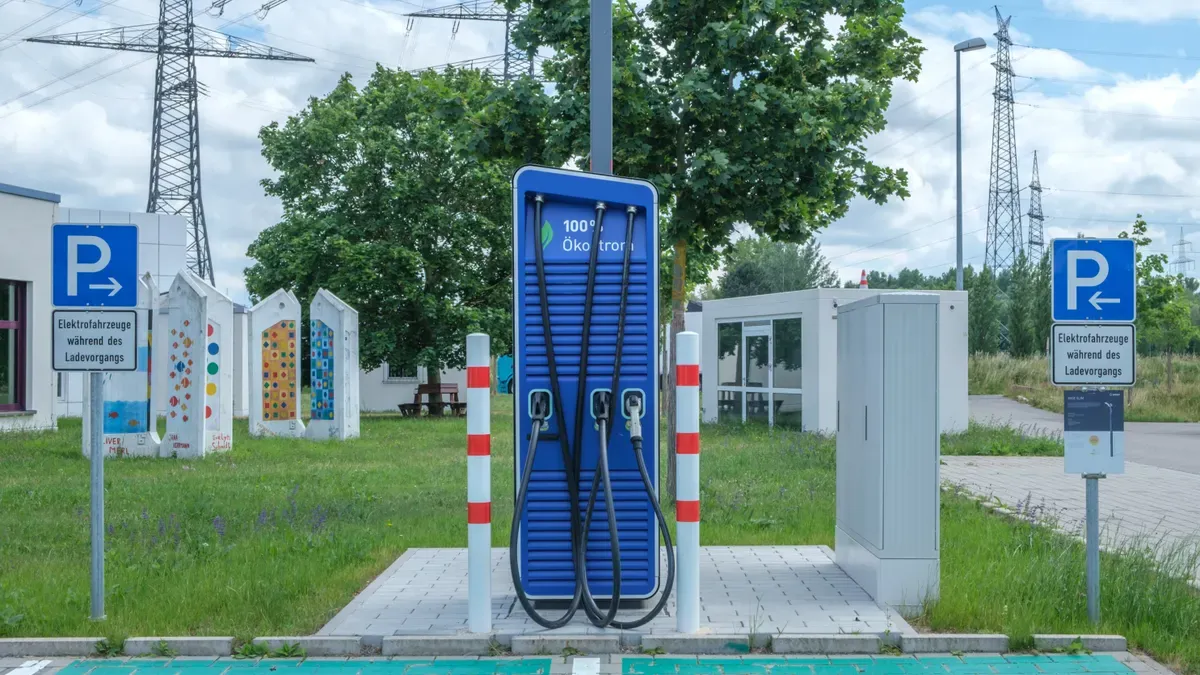
Jenis Stasiun Pengisian Daya Umum
Level 2 Public Chargers
Level 2 public charging stations provide a practical solution for drivers who need to recharge their vehicles while shopping, working, or traveling. These chargers typically deliver power at a rate of 6 to 19 kW, allowing most electric vehicles to gain 20 to 30 miles of range per hour. Many shopping centers, parking garages, and workplaces install Level 2 chargers to support daily commuters. The cost to charge an electric car at these stations often falls between $0.30 and $0.60 per kWh, depending on the network and location. Level 2 chargers offer a balance between speed and affordability, making them a popular choice for public electric vehicle charging.
DC Fast Chargers and Their Cost
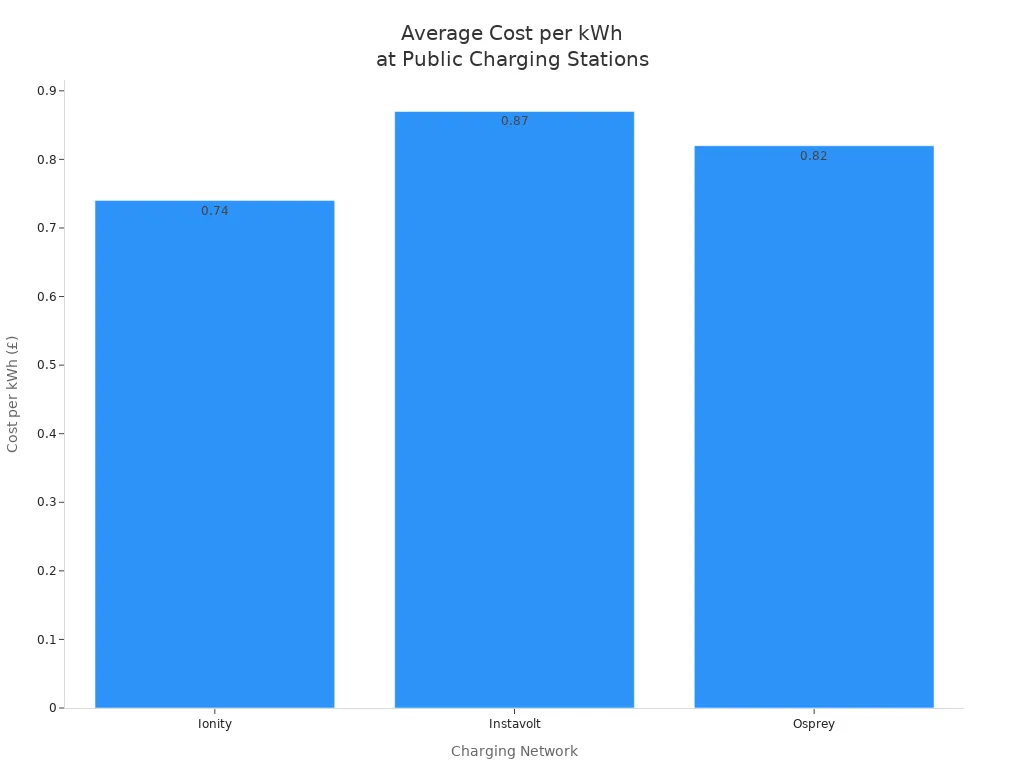
Pengisi daya cepat DC, also known as rapid or ultra-rapid chargers, provide much higher power output—often 50 kW or more. These stations can recharge an EV battery from 20% to 80% in less than 40 minutes. The convenience of fast charging comes at a premium. Most networks charge between 76p and 87p per kWh for this service. For example, networks like Ionity, Instavolt, and Osprey set their rates at £0.74, £0.87, and £0.82 per kWh, respectively. The higher cost reflects the advanced technology and infrastructure required for rapid charging.
| Jaringan Pengisian Daya | Biaya per kWh | Cost to charge 100kWh EV | Cost to charge 50kWh EV |
|---|---|---|---|
| Ionity | £0.74 | £74 | £37 |
| Instavolt | £0.87 | £87 | N/A |
| Osprey | £0.82 | £82 | N/A |
| Denyut Nadi | £0.44 – £0.85 | Bervariasi | Bervariasi |
Public Charging Pricing Models
Pay-Per-Use vs. Subscription Plans
Public charging station operators use several pricing models. The most common is pay-per-use, where drivers pay for the energy consumed, usually per kWh. Some networks offer subscription plans that provide discounted rates or a set number of charging sessions each month for a fixed fee. Special EV plans from energy suppliers can also reduce costs for frequent users. Time-of-use tariffs may offer lower rates during off-peak hours, encouraging drivers to charge when demand is low. Fixed and tiered pricing structures can significantly affect the overall cost of charging.
- Time-of-use tariffs offer lower rates during off-peak hours.
- Special EV plans from energy suppliers can provide discounted rates.
- Fixed and tiered pricing structures can significantly affect overall charging costs.
Idle Fees and Additional Charges
Many public charging stations apply idle fees if a vehicle remains connected after charging is complete. These fees encourage drivers to move their cars promptly, ensuring others can access the charger. Some networks also charge connection fees or minimum session fees, which can increase the total cost to charge an electric car. Drivers should review the terms of each charging network to avoid unexpected expenses.
How Much Does It Cost to Charge an Electric Car at Public Stations?
Cost Per kWh at Public Chargers
The biaya rata-rata per kWh at a public charging station varies by provider and location. Slow or fast public charging typically costs around 51p per kWh, while rapid or ultra-rapid charging can reach 76p or more per kWh. In the United States, public charging costs usually range from $0.30 to $0.60 per kWh. The following table compares home and public charging rates:
| Jenis Pengisian Daya | Biaya per Mil | Biaya per kWh |
|---|---|---|
| Pengisian Daya Rumah | 10–18p | 7p |
| Pengisian Daya Publik | 10–18p | 79p (ultra-rapid) |
Public charging remains more expensive than home charging, especially for rapid charging options.
Cost Per Session or Visit
Some public charging networks bill by the session or minute instead of per kWh. For example, Superchargers often use per kWh billing, but some states require per-minute billing. Total session costs can vary based on charging speed and the amount of energy delivered. On average, charging a 50 kWh EV at a rapid public charger can cost between £37 and £43, depending on the network. Drivers should always check the pricing model before starting a charging session to avoid surprises.
Note: Public charging costs can range from 10–18p per mile, with rapid charging providing speed at a premium. Home charging is significantly cheaper, often reducing costs by more than half.
Factors Influencing the Cost of Charging an EV
Battery Size and Vehicle Efficiency
Range and Energy Consumption
Battery size and vehicle efficiency play a significant role in determining how much drivers pay to keep their EVs on the road. Larger batteries store more energy, which allows for longer driving ranges but also increases the amount of electricity needed for a full charge. Vehicle efficiency, measured in miles per kilowatt-hour, affects how far an EV can travel on a single charge. Some models use energy more efficiently, reducing the frequency and cost of charging.
- The cost of charging varies based on where drivers charge and the type of vehicle they own.
- Battery size impacts the total energy required for each charging session.
- More efficient vehicles require less energy to travel the same distance, lowering overall charging costs.
Impact on Total Cost to Charge an Electric Car
The average cost to charge an EV depends on both battery capacity and how efficiently the vehicle uses energy. For example, a compact EV with a smaller battery and high efficiency will cost less to charge than a larger SUV with a bigger battery. Drivers should consider both range and energy consumption when estimating their long-term charging expenses.
Charging Speed and Time of Use
Peak vs. Off-Peak Rates for Electric Car Charging
Charging speed and the time of day have a direct impact on charging costs. Many utility companies offer different rates depending on when drivers charge their vehicles. Charging during off-peak hours, such as late at night or early morning, can lead to significant savings. These lower rates encourage drivers to shift their charging habits to times when electricity demand is low.
- Charging speed affects costs; faster charging typically incurs higher expenses due to increased power draw.
- Pengisian daya di luar jam sibuk can lead to significant savings on electricity bills.
Premi Pengisian Cepat
Fast charging stations, especially DC fast chargers, provide quick energy top-ups but at a higher price. These stations draw more power and require advanced infrastructure, which increases the cost per session. While fast charging offers convenience, drivers pay a premium for the speed and accessibility. The cost of charging at these stations often exceeds home charging rates, making them best suited for occasional use or long trips.
Tip: Drivers can reduce their average cost by scheduling charging sessions during off-peak hours and using slower charging options when possible.
Local Energy Tariffs and Incentives
Utility Company Programs
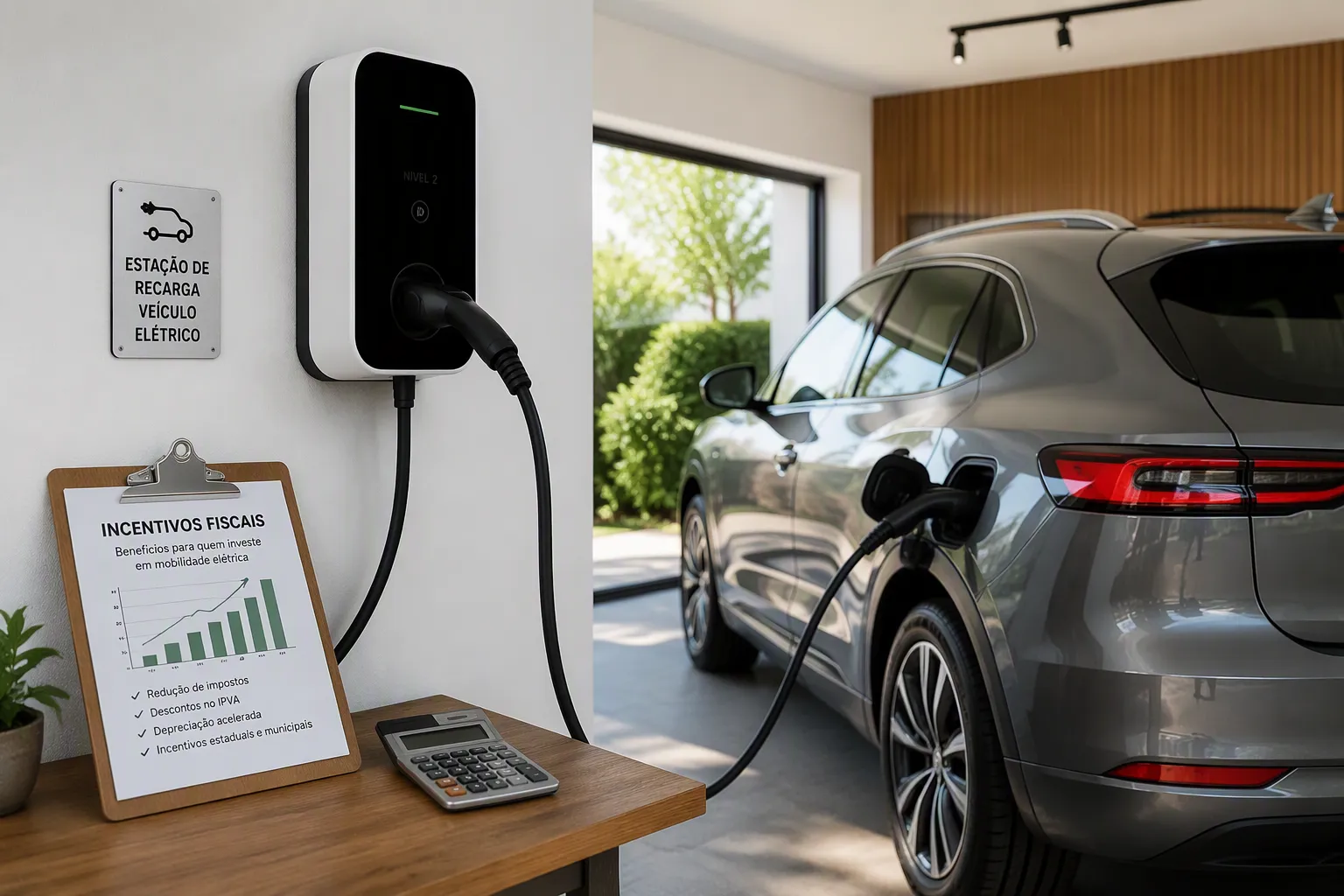
Local energy tariffs and incentive programs can help lower the cost of charging for EV owners. Many utility companies provide special rates for electric car charging, such as time-of-use plans or discounted overnight rates. Some utilities also offer rebates for installing home charging equipment, further reducing upfront expenses.
State and Federal Incentives
State and federal governments support EV adoption through various incentives. These programs can include rebates for home charging stations, grants for workplace chargers, and incentives for multi-unit residential buildings. The table below summarizes common incentives available to EV owners:
| Type of Incentive | Deskripsi |
|---|---|
| Home Charging Rebates | Financial incentives for installing chargers at home. |
| Public Charging Options | Information on available public charging stations and their costs. |
| Workplace Chargers | Rebates for installing chargers at workplaces. |
| Multi-Unit Residential Building Chargers | Incentives for installing chargers in apartment complexes. |
These incentives can make a significant difference in the total cost of owning and operating an EV. Drivers should research local programs to maximize their savings.
Cost of Charging an EV vs. Gasoline/Diesel Cars
Cost Per Mile Comparison
Electric Car Charging vs. Gasoline Cars
Drivers often compare the average cost of charging an EV to the expense of fueling a gasoline car. The difference becomes clear when examining cost per mile:
- Charging an electric car at a public station costs around 15p per mile.
- Gasoline cars average about 17p per mile.
- Home charging can reduce the rate to as low as 2p per mile, which is significantly less than gasoline.
- Using a mix of standard and rapid public charging brings the cost to about 16p per mile.
- Charging an EV at home for 10,000 miles adds roughly £523.18 to the annual electricity bill, or about 5.2p per mile.
- Petrol vehicles typically cost around 14p per mile.
These figures show that electric car charging offers a lower cost per mile, especially when drivers use home charging.
Electric Car Charging vs. Diesel Cars
The comparison with diesel cars also highlights the advantage of EVs:
- Diesel vehicles cost about 17.5p per mile for fuel.
- Home charging remains much cheaper, averaging 5.2p per mile.
- Even with public charging, EVs often stay below the rates seen with diesel.
Electric car charging provides a consistent cost advantage over diesel, especially for those who can charge at home.
Annual Fueling Cost Estimates
Typical Annual Savings with Electric Car Charging
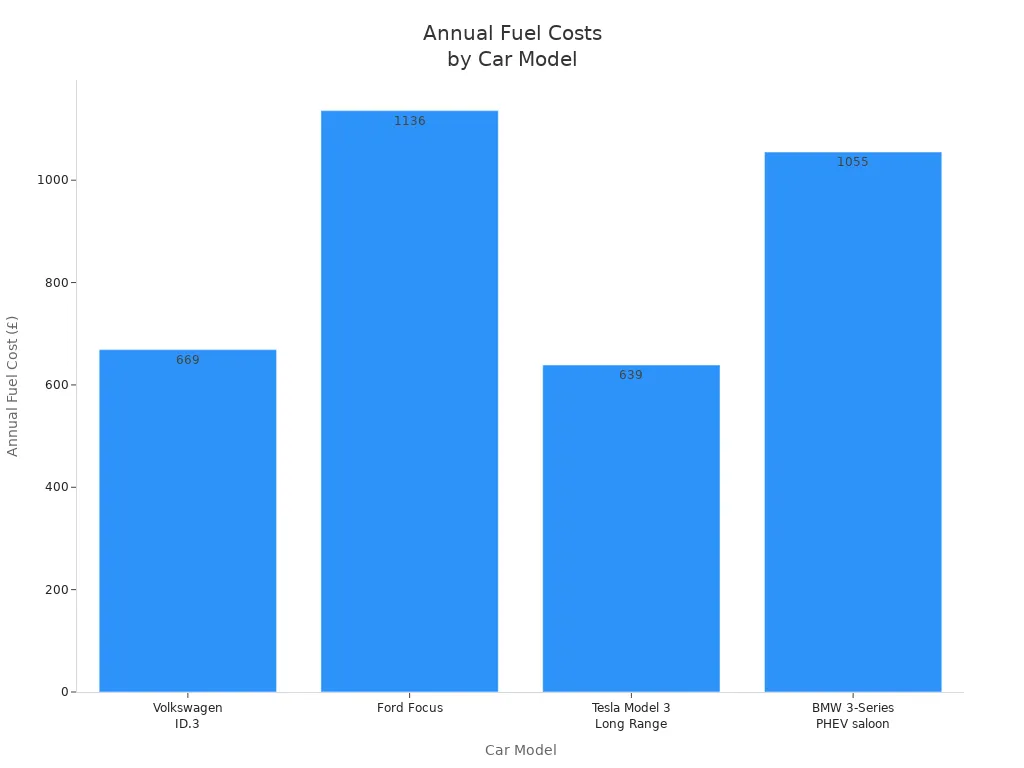
Annual fueling costs for electric, gasoline, and diesel vehicles differ significantly. The table below compares popular models:
| Make & Model | Powertrain | Approx. Biaya Bahan Bakar Tahunan |
|---|---|---|
| Volkswagen ID.3 | Listrik | £669 |
| Ford Focus | Diesel | £1,136 |
| Tesla Model 3 Long Range | Listrik | £639 |
| BMW 3-Series PHEV saloon | Plug-in Petrol Hybrid | £1,055 |
Mengisi daya mobil listrik at home can cost around 5p per mile, totaling about £40 per month for 800 miles. In contrast, a petrol car costs approximately 15p per mile, or about £120 per month. This difference results in a monthly saving of about £80, which adds up to nearly £1,000 per year. Businesses that switch to EVs can reduce fuel expenses by up to 80%.
Variables That Affect Savings
Several factors influence the total savings when switching from gasoline or diesel to electric car charging:
- Electricity prices have the biggest impact on charging costs.
- Battery size affects both charging costs and efficiency.
- Driving habits influence energy consumption and overall cost.
- Weather conditions can change battery performance and charging needs.
- Charging location matters: home is cheapest, public is mid-range, rapid is most expensive.
- The type of energy tariff and the ability to charge at home can further reduce costs.
- Off-peak or specialist EV rates can lower expenses.
Note: Drivers who use home charging and take advantage of off-peak rates see the greatest savings.
Real-World Examples of Electric Car Charging Costs
Case Study: Charging a Tesla Model 3
Home Charging Scenario and Average Cost
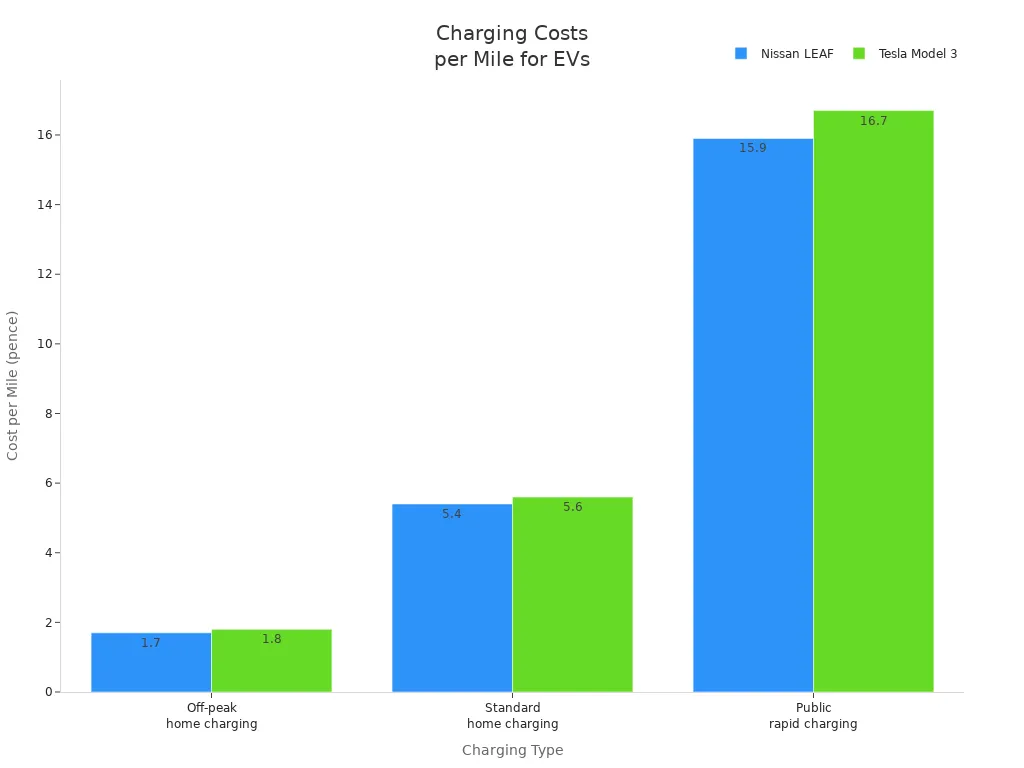
Many Tesla Model 3 owners prefer home charging for its convenience and lower rates. Charging at home during off-peak hours provides the best value. For example, the Model 3 Standard with a 60 kWh battery costs £4.20 for a full charge at off-peak rates. The Long Range version with a 75 kWh battery costs £5.25 under the same conditions. Standard home charging prices increase these figures to £16.80 and £21.00, respectively. Over a year, driving 8,000 miles, the average annual cost for home charging reaches £448. This translates to about 1.8p per mile when using off-peak rates.
| Model | Battery | Off-peak Cost | Standard Cost |
|---|---|---|---|
| Model 3 Standard | 60 kWh | £4.20 | £16.80 |
| Model 3 Long Range | 75 kWh | £5.25 | £21.00 |
Public Charging Scenario and Average Cost
Public charging stations offer flexibility for Tesla drivers on the go. However, these locations often charge higher rates. Rapid public charging for a Tesla Model 3 averages 16.7p per mile. For 8,000 miles, the annual cost can exceed £1,300 if relying solely on public rapid chargers. Most drivers use a mix of home and public charging to balance convenience and cost.
Case Study: Charging a Nissan Leaf
Home Charging Scenario and Cost
The Nissan Leaf remains a popular choice for affordable EV ownership. Home charging delivers significant savings. Off-peak charging costs just 1.7p per mile, while standard rates bring the figure to 5.4p per mile. For 8,000 miles, the annual home charging cost totals £432. Charging 100 miles at home costs only £5, making the Leaf one of the most economical options for daily driving.
Public Charging Scenario and Cost
Public rapid charging for the Nissan Leaf averages 15.9p per mile. This rate is similar to the Tesla Model 3, reflecting the higher infrastructure and energy costs at public stations. Drivers who rely on public charging will see higher annual expenses, but occasional use remains manageable for most.
| Mengukur | Nissan LEAF | Tesla Model 3 |
|---|---|---|
| Off-peak home charging | 1.7p/mile | 1.8p/mile |
| Standard home charging | 5.4p/mile | 5.6p/mile |
| Public rapid charging | 15.9p/mile | 16.7p/mile |
| Annual cost (8,000 miles, home) | £432 | £448 |
| Cost per 100 miles (home) | £5 | £6 |
User Experiences with Cost of Charging an EV
Urban vs. Rural Electric Car Charging Costs
Urban drivers often encounter higher public charging prices due to increased demand and limited space. Rural areas may offer lower rates, especially for home charging, but public charging infrastructure can be sparse. Many rural EV owners rely on home charging to keep costs predictable.
Frequent vs. Occasional Charging Expenses
Frequent drivers who cover long distances each week see higher overall charging costs, especially if they depend on public rapid chargers. Occasional drivers, such as those who commute short distances or use their EV for errands, benefit most from low home charging rates. Planning charging sessions and using off-peak hours help all drivers manage their expenses.
Tip: Combining home charging with occasional public charging provides the best balance of convenience and affordability for most EV owners.
Tips to Reduce the Cost of Charging an EV
Charging at Off-Peak Hours
Time-of-Use Plans for Electric Car Charging
Many utility companies offer time-of-use plans. These plans provide lower electricity rates during specific hours, usually overnight or early morning. Drivers who enroll in these plans can schedule charging sessions when demand is low. This approach helps reduce the overall cost of electric car charging. Utility providers often display these rates on their websites, making it easy for drivers to compare options.
Menjadwalkan Sesi Pengisian Daya
Modern EVs and smart chargers allow users to set charging times. Drivers can program their vehicles to start charging during off-peak hours. This strategy ensures they always benefit from the lowest available rates. Many charging apps send reminders or automate the process, so drivers do not need to monitor the clock. Consistent use of scheduled charging can lead to significant annual savings.
Memaksimalkan Efisiensi Pengisian Daya di Rumah
Proper Charger Maintenance
Routine maintenance of home charging equipment improves efficiency and safety. Drivers should inspect cables and connectors for wear. They should keep charging ports clean and dry. Regular checks help prevent energy loss and extend the life of the charger. Professional inspections once a year can identify potential issues before they become costly repairs.
Using Renewable Energy Sources
Homeowners can further reduce charging expenses by using renewable energy. Installing solar panels or subscribing to green energy plans lowers reliance on grid electricity. Solar-powered charging systems provide clean energy directly to the EV. Over time, this investment reduces both energy bills and environmental impact. Many drivers see a return on investment within a few years.
Leveraging Incentives and Discounts
Utility Rebates for Electric Car Charging
Many utilities and government agencies offer rebates for installing home charging stations. These rebates lower the upfront cost of equipment and installation. Some programs also provide discounts on electricity pricing for EV owners. Drivers should research local incentives to maximize their savings.
Public Charging Network Memberships
Memberships with public charging networks often include exclusive discounts and benefits. Subscribers may receive reduced rates, free charging sessions, or priority access to high-demand stations. These programs help frequent users manage expenses and simplify payment processes.
Tip: Drivers who combine rebates, discounts, and smart charging habits can achieve the lowest possible cost for EV ownership.
- Financial benefits such as rebates and discounts on electricity pricing can lower the cost of charging an electric car.
- Reduced costs for home charging equipment can make it more affordable to charge at home.
- Various incentives, including government grants and tax benefits, can further decrease overall ownership costs.
Common Misconceptions About the Cost of Charging an EV
Myths vs. Reality of Electric Car Charging Costs
“EV Charging Is Always Expensive”
Many drivers believe that charging an electric vehicle always leads to high expenses. This misconception often comes from comparing public charging rates to traditional fuel prices. In reality, most owners charge their vehicles at home, where rates are much lower. Home charging can reduce running costs to as little as 2 pence per mile. Petrol and diesel vehicles often reach 20 pence per mile. Over time, these savings add up. Owners can save up to £1,500 a year dengan mengisi daya di rumah instead of using petrol. Government incentives also help reduce the overall cost, sometimes saving drivers up to £2,000 per year. These facts show that charging does not always mean high expenses.
Note: Home charging benefits from a lower VAT rate of 5%, while public charging networks apply a 20% VAT. This difference makes home charging even more affordable.
“Public Charging Is Cheaper Than Home Charging”
Some people think public charging stations offer better prices than home charging. This belief does not match actual data. Public charging networks often set higher rates to cover infrastructure and maintenance. Home charging remains the most cost-effective option for most drivers. The convenience of charging overnight at home also adds value. Public charging works best for long trips or when home charging is not available. For daily use, home charging provides the lowest cost and the greatest savings.
- Home charging rates are usually lower than public charging rates.
- Public charging networks may add extra fees or higher VAT.
- Charging at home can save £176 in running costs for every 1,000 miles driven.
Understanding the True Cost to Charge an Electric Car
Maintenance Savings with EVs
Electric vehicles have fewer moving parts than petrol or diesel cars. This design leads to lower maintenance needs and fewer repairs. Owners spend less on oil changes, exhaust systems, and engine repairs. Over several years, these savings can offset the initial purchase price of an EV. Lower maintenance costs make electric vehicles more attractive for long-term ownership.
Long-Term Cost Trends
The long-term cost of owning an electric vehicle continues to improve. As technology advances, battery efficiency increases and charging infrastructure expands. More government incentives and lower electricity prices help reduce the total cost of ownership. Running costs for EVs remain much lower than those for petrol or diesel vehicles. Over time, drivers see significant savings, especially when they charge at home.
Drivers find the average cost of charging an EV at home lower than at public stations. Several factors influence charging costs:
- Charging speed affects expenses, with rapid chargers costing more.
- Vehicle efficiency determines how much energy is used per mile.
- Charging location impacts price, as home charging remains the most affordable.
- Home charging offers the best value, especially with off-peak tariffs.
- Publik charging costs vary, ranging from free to expensive.
- Electricity rates differ by provider and can change total expenses.
Higher speeds reduce efficiency, increasing energy use and cost per mile. Weather conditions also impact battery performance.
Larger EVs require more electricity but often deliver greater range. Electric car charging provides consistent savings compared to gasoline or diesel fueling. Considering total cost of ownership, EVs offer lower maintenance and fueling costs, making them a smart choice for many drivers.
PERTANYAAN YANG SERING DIAJUKAN
Berapa lama waktu yang dibutuhkan untuk mengisi daya mobil listrik di rumah?
Charging times depend on the charger type and battery size. Level 1 chargers may take up to 24 hours for a full charge. Level 2 chargers usually complete charging in 4 to 8 hours.
Can weather affect the cost of charging an EV?
Cold or hot weather can impact battery efficiency. The vehicle may use more energy for heating or cooling, which increases the total electricity needed for charging.
Is it safe to charge an electric car overnight?
Beranda charging stations meet strict safety standards. Most EV owners charge overnight without issues. Smart chargers and built-in vehicle systems help prevent overcharging or overheating.
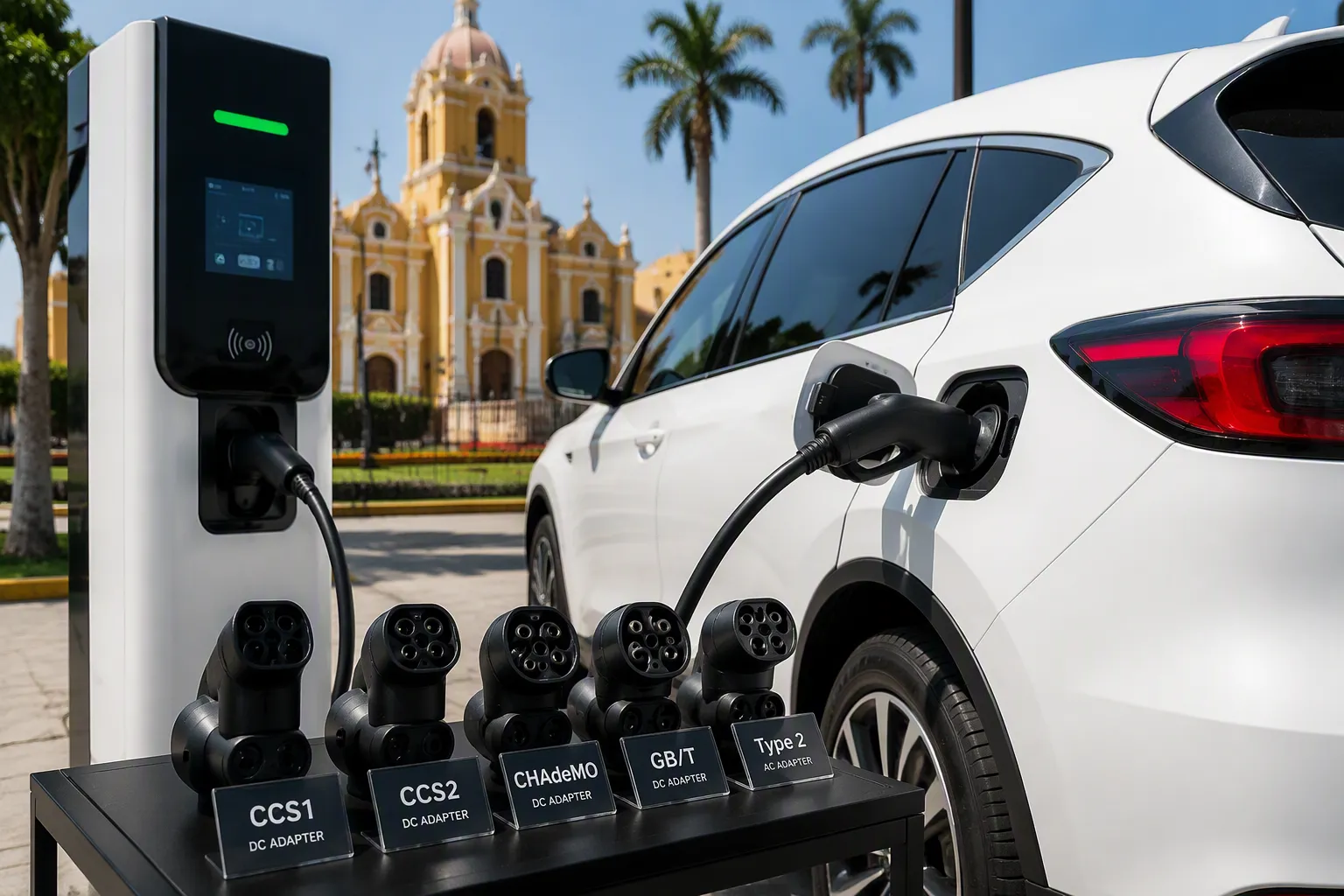
Do all public charging stations use the same connector?
Public stations offer different connector types. Most modern EVs support common standards like CCS or CHAdeMO. Drivers should check compatibility before using a new station.
Are there free public charging options available?
Some businesses, shopping centers, or workplaces provide free charging as a customer benefit. Availability varies by location. Drivers should use charging apps to find free stations nearby.
Apakah pengisian daya cepat yang sering dilakukan dapat merusak baterai?
Frequent use of DC fast chargers can accelerate battery wear over time. Most manufacturers recommend using fast charging only when necessary to extend battery life.
Can solar panels power an electric car at home?
Solar panels can supply clean energy for home charging. Many homeowners install solar systems to reduce electricity costs and lower their carbon footprint.
What happens if an EV runs out of charge?
If an EV battery depletes completely, the vehicle will stop. Roadside assistance can provide a tow or a mobile charger. Drivers should plan routes and monitor battery levels to avoid this situation.