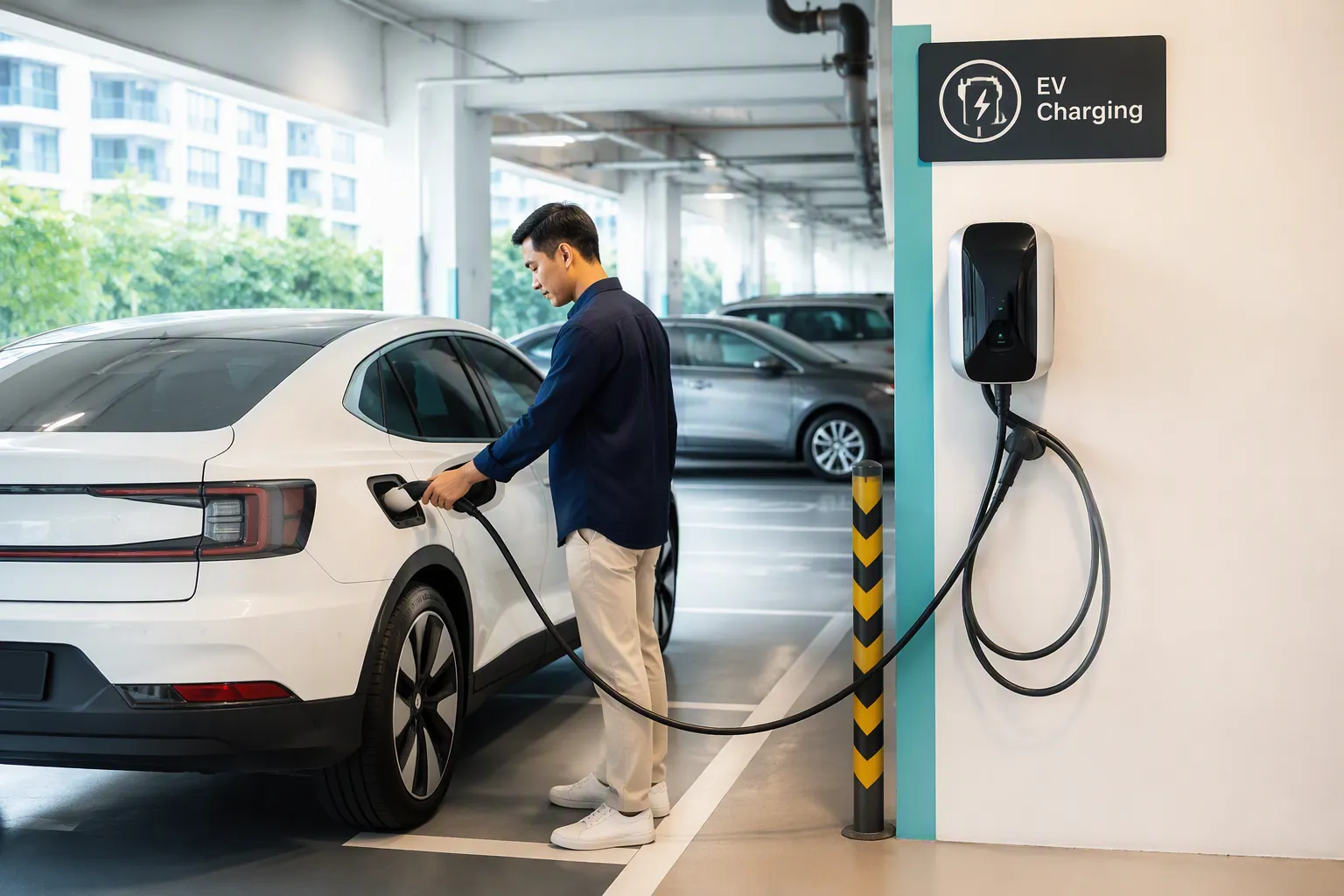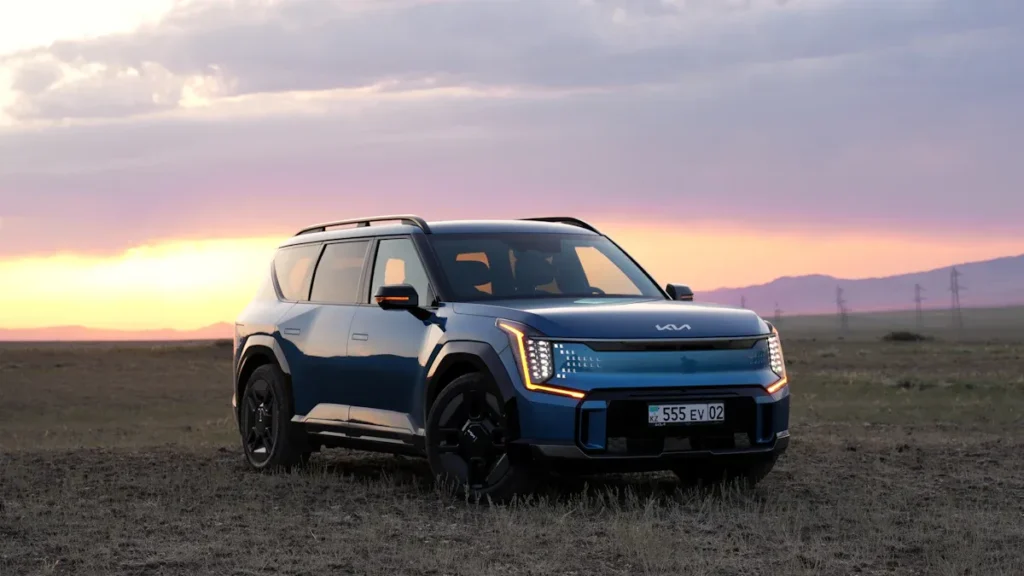

Attracting EV Tourists is now essential for a competitive edge. Hotels must implement a strategy combining infrastructure, marketing, and premium services. This includes selecting the right Pengisi Daya Listrik yang canggih secara teknologi Produsen pengisi daya EV. Properties can offer comprehensive Solusi pengisian daya kendaraan listrik, termasuk pengisi daya ev portabel for guest convenience. Implementing these steps will not only increase bookings but also enhance a brand’s reputation as a sustainable and forward-thinking hospitality leader.
Understanding the EV Tourist in Vietnam
Success in attracting EV tourists begins with a deep understanding of this unique guest segment. These travelers are not just looking for a place to sleep; they are seeking destinations that support their lifestyle and technology choices. Hotels that comprehend their needs can build a powerful competitive advantage.
Profiling the Modern EV Traveler
Key Demographics and Psychographics
The typical EV driver in Vietnam is an early adopter of technology. They are often professionals or entrepreneurs with higher disposable incomes. This group values sustainability, innovation, and convenience. Their decision-making process frequently prioritizes brands that reflect their modern, eco-conscious values.
Travel Habits and Preferences
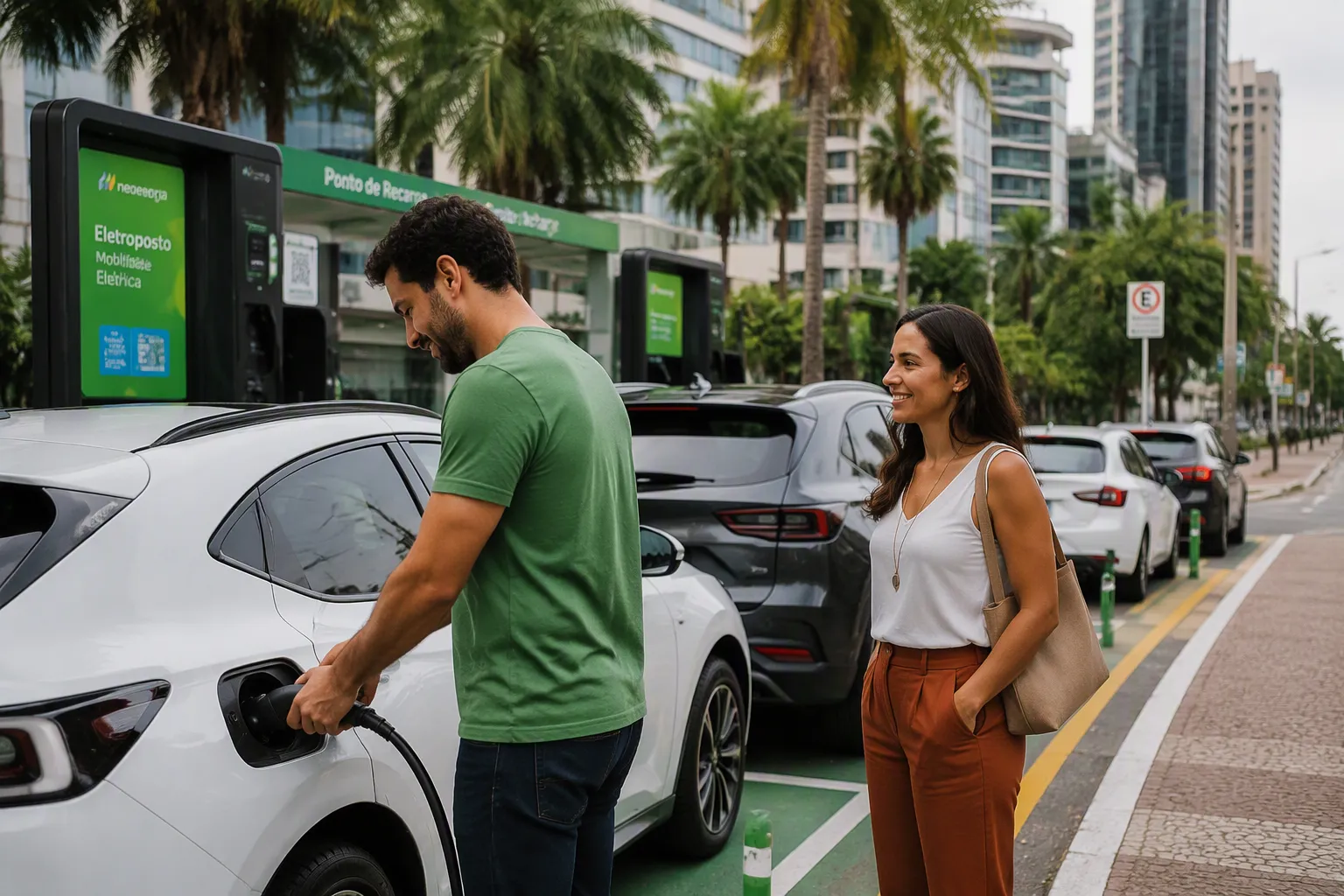
EV tourists plan their journeys meticulously. Route planning revolves around the availability of reliable charging stations. This often leads to longer stays at a single location while their vehicle charges overnight. They prefer destinations that offer more than just a plug, seeking engaging experiences and amenities to enjoy during charging downtime.
Catatan: EV drivers often travel in pairs or as families. They actively seek out safe, well-lit, and secure locations for overnight charging.
Core Expectations for Accommodations
EV travelers have clear expectations for their hotel stay. Their satisfaction depends on a seamless charging experience.
- Keandalan: Chargers must be operational and readily available.
- Clarity: Information about charger type, cost, and availability should be clear on the hotel’s website and booking platforms.
- Kesederhanaan: The process of accessing and paying for charging should be straightforward.
The Business Case for Your Hotel
Catering to EV drivers is a strategic investment with significant returns. It positions a property for future growth and immediate revenue gains.
Accessing a Premium Clientele
EV owners represent a high-value demographic. They generally have greater spending power and are willing to pay for premium services and amenities. Providing an essential service like EV charging directly appeals to this lucrative market segment.
Gaining a First-Mover Advantage
The EV market in Vietnam is expanding rapidly, but the hospitality infrastructure is still developing. Hotels that install chargers now establish themselves as pioneers. This first-mover advantage builds brand loyalty and captures market share before competitors catch up.
Enhancing Your Brand’s Sustainable Image
Promoting EV charging facilities visibly enhances a hotel’s reputation. It sends a powerful message about the brand’s commitment to environmental responsibility. This appeals not only to EV drivers but to all modern travelers who prefer sustainable businesses.
Driving Off-Season and Weekday Bookings
EV road trips are not limited to peak holiday seasons. These travelers often seek to avoid traffic, making them ideal candidates for weekday and off-season promotions. A hotel with reliable charging becomes a key destination on their travel map, helping to fill rooms during slower periods.
Your Playbook for EV Charging Infrastructure

Installing Stasiun pengisian daya kendaraan listrik is the most critical investment a hotel can make to attract EV tourists. This move requires a strategic plan, not just a purchase. A successful playbook involves choosing the right technology, navigating the local installation landscape, and selecting a smart business model. This framework ensures the investment delivers maximum value.
Choosing the Right Charger Technology
The type of charger a hotel installs directly impacts the guest experience. Different technologies serve different needs, from leisurely overnight charging to rapid top-ups. Understanding these differences is fundamental to making the right choice.
Level 2 AC Chargers: The Overnight Standard
Level 2 AC chargers are the ideal solution for hospitality settings. This technology uses AC (alternating current), which the vehicle’s onboard system converts to DC (direct current) to replenish the battery. A Level 2 charger typically delivers between 7 kW and 22 kW of power. This speed is perfect for overnight guests, providing a full charge in several hours while they sleep, dine, or use hotel amenities.
These chargers represent a balanced investment. Their installation is less complex and more affordable than DC fast chargers, making them the practical standard for hotels and resorts. Technologically advanced providers like TPSON offer a range of reliable Level 2 solusi pengisian daya designed for commercial use, ensuring durability and a seamless user experience.
DC Fast Chargers: The Premium Amenity
DC fast chargers offer a significant step up in speed and service. This system bypasses the car’s onboard converter and supplies DC power directly to the battery. The result is incredibly fast charging, often adding hundreds of kilometers of range in under an hour.
While the high cost and substantial electrical infrastructure requirements make them a premium feature, DC chargers are a powerful magnet for EV drivers. They attract not only overnight guests but also travelers passing through who need a quick charge, creating new revenue opportunities for a hotel’s restaurants and cafes.
Here is a clear comparison between the two technologies:
| Fitur | Pengisi Daya AC Level 2 | Pengisi Daya Cepat DC |
|---|---|---|
| Keluaran Daya | 7-22 kW | 50-350 kW |
| Kasus Penggunaan Terbaik | Overnight guest charging | Quick top-ups, public charging |
| Kecepatan Pengisian Daya | 4-8 jam untuk pengisian daya penuh | 20-60 minutes for 80% charge |
| AC/DC Conversion | Pengisi daya onboard kendaraan | Handled by the charging station |
| Biaya Instalasi | Sedang | Sangat Tinggi |
| Guest Experience | Convenient, relaxed, “set it and forget it” | Fast, efficient, for travelers on the move |
Navigating Installation in Vietnam
Proper installation is non-negotiable. It ensures safety, reliability, and compliance with local regulations. Hotels must partner with qualified experts to manage the process from site planning to final activation.
Finding Qualified Local Partners (VinFast, EBOOST) 🤝
Vietnam has a growing ecosystem of EV charging experts. Companies like VinFast dan EBOOST offer comprehensive installation services and charging networks. These local partners understand regional electrical codes and permitting processes. Additionally, global hardware providers such as TPSON often have networks of certified local installers. Working with a qualified partner guarantees that the installation is safe, efficient, and built to last.
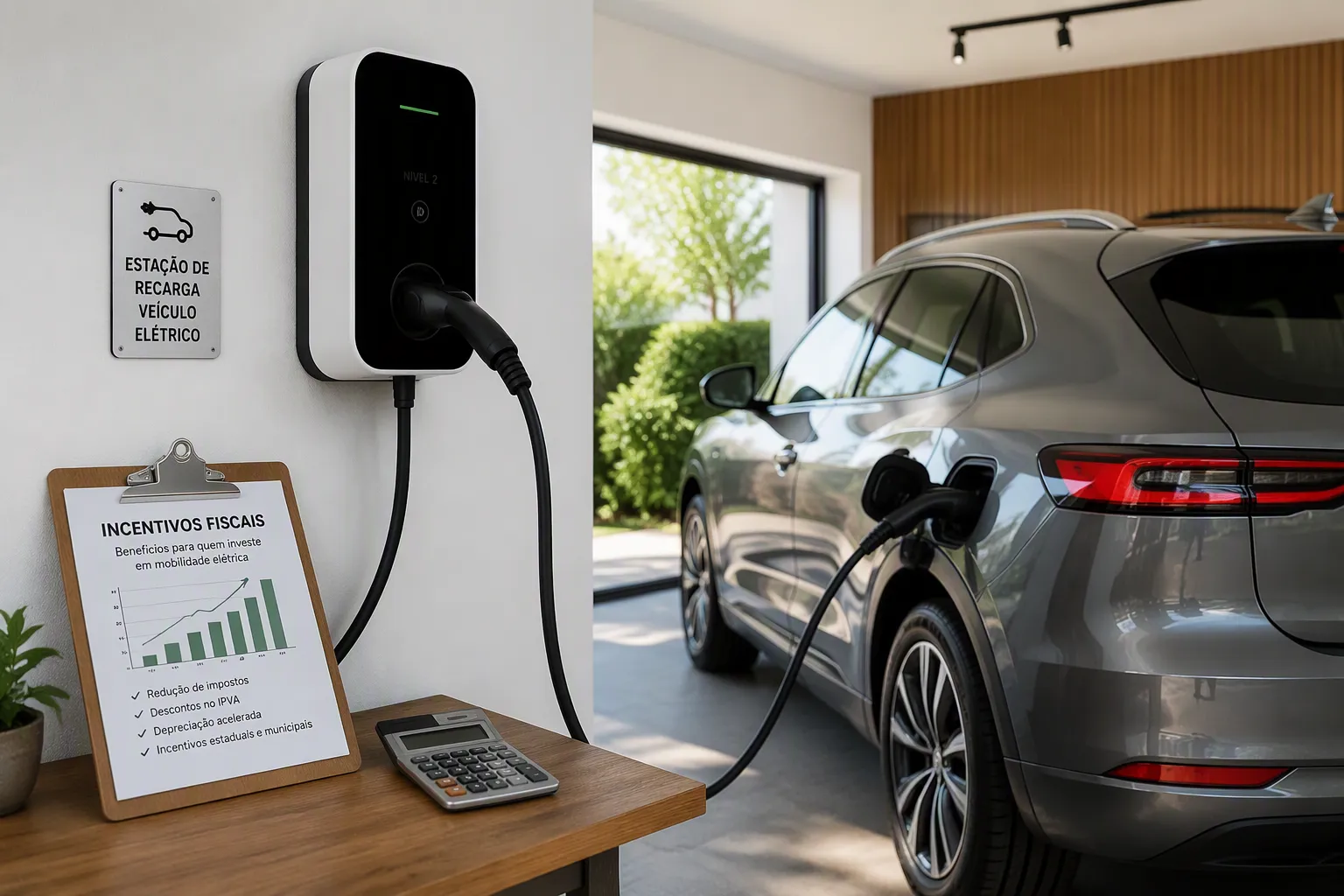
Budgeting for Hardware, Software, and Labor 💰
A clear budget is essential for a smooth project. Hotels should account for several key cost components:
- Perangkat keras: The cost of the charging station itself.
- Perangkat lunak: Management platforms that control access, process payments, and provide usage data.
- Installation Labor: Costs for electricians to run conduits, mount the unit, and connect it to the power supply.
- Peningkatan Kelistrikan: Potential costs for a new transformer or panel upgrades if the existing infrastructure cannot support the charger’s load.
Conducting a Site Assessment
Before installation, a thorough site assessment identifies the optimal location for the chargers. This process evaluates several factors.
Pro Tip: Location Matters An ideal charging spot is well-lit, secure, and clearly marked. It should be convenient for guests but not obstruct general parking traffic. Placing chargers near the hotel entrance or in a premium valet section enhances visibility and reinforces their status as a key amenity.
The assessment will confirm the distance to the main electrical panel, which impacts labor and material costs.
Managing Power Grid Requirements 🔌
EV chargers, especially multiple Level 2 units or a single DC fast charger, place a significant demand on a property’s electrical system.
- Initial Consultation: The hotel’s engineering team should work with the installation partner to calculate the total power load.
- Grid Assessment: The partner will help determine if the current connection to the national grid, managed by EVN (Vietnam Electricity), is sufficient.
- Plan for Upgrades: If the load exceeds capacity, the hotel must budget for and schedule necessary upgrades. Addressing this early prevents costly delays and ensures the chargers operate reliably without disrupting the hotel’s other functions.
Selecting a Monetization Model
Once installed, a hotel must decide how to offer its charging services. The right model depends on the property’s brand positioning, target clientele, and business goals.
Free Charging as a Premium Perk
For luxury hotels and resorts, offering complimentary charging is a powerful marketing tool. It functions like free high-speed Wi-Fi—an expected perk for a premium guest. The cost can be absorbed into the overall room rate. This frictionless model enhances the guest experience and reinforces a brand image of effortless luxury and hospitality.
Pay-Per-Use Revenue Generation
This model turns the charging station into a direct revenue source. Guests and the public pay for the electricity they consume, typically per kilowatt-hour (kWh). Payment is handled seamlessly through a mobile app or an RFID card. This approach provides a clear return on investment and is fair to all guests, as only those who use the service pay for it.
Guest-Exclusive and Hybrid Models
A hybrid model offers the best of both worlds. It allows a hotel to prioritize its guests while still capturing public revenue. Common hybrid strategies include:
- Guest Priority: Charging is free or discounted for registered hotel guests, while the public pays a standard rate.
- Validation Model: Anyone can charge, but hotel guests receive a validation code from the front desk for a complimentary session.
- Time-Based Offers: Offer the first one or two hours of charging for free to encourage restaurant or spa visits.
This flexible approach maximizes charger utilization, serves guest needs, and creates multiple income streams.
A Marketing Blueprint for Attracting EV Tourists
Installing infrastruktur pengisian daya is only the first step. A proactive marketing strategy is essential to ensure EV drivers know about your hotel’s new amenity. Properties must make their EV-friendly status visible across all digital channels and through strategic partnerships. This blueprint provides a clear path for attracting EV tourists and turning your investment into a powerful booking magnet.
Optimize Your Digital Footprint
EV drivers meticulously plan their routes using digital tools. Your hotel must be visible on the platforms they use most. A strong digital footprint ensures your property appears at the critical moment a traveler is making a booking decision.
Update OTA Listings (Booking.com, Agoda)
Online Travel Agencies (OTAs) are a primary source of bookings. Hotels should immediately update their property profiles on platforms like Booking.com and Agoda.
- Navigate to the “Facilities & Services” or “Amenities” section of your OTA dashboard.
- Select the “Stasiun pengisian daya EV” option.
- This simple update makes your hotel discoverable when users filter their search for properties with charging facilities. It is one of the most effective ways to capture direct interest.
Feature Chargers on Google Maps
Many drivers use Google Maps for navigation and discovery. Listing your chargers here is non-negotiable.
- Access your Google Business Profile.
- Go to the “Info” tab and find the “Amenities” section.
- Add “EV charging station” to your profile. This action places a charging icon on your map listing, making your hotel an obvious choice for drivers planning their journey or looking for a nearby charge.
Get Listed on EV Charging Apps (PlugShare)
Dedicated charging apps are the bibles for EV drivers. PlugShare is the most popular global platform where users find and review charging locations.
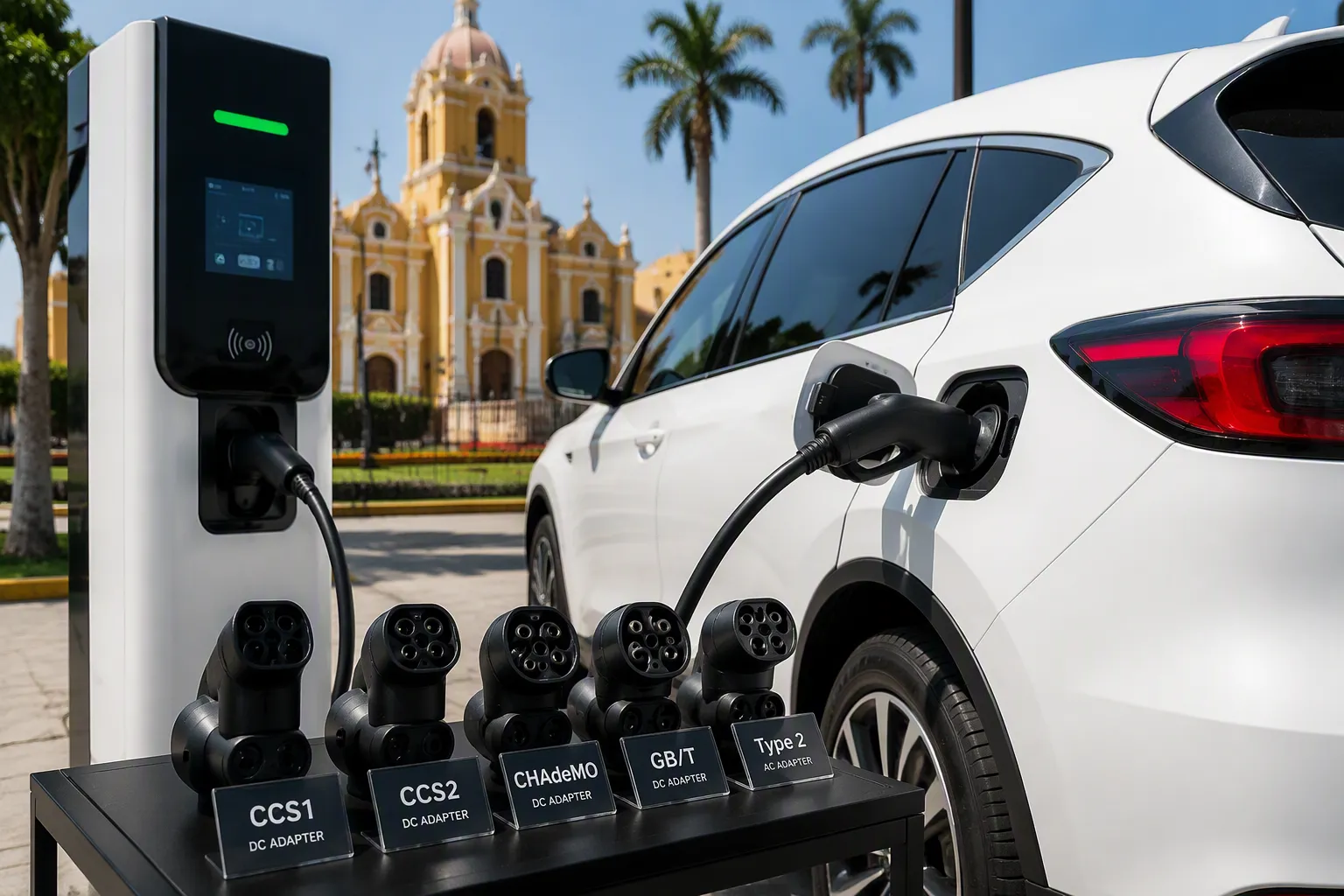
Tip yang dapat ditindaklanjuti: Create a listing for your hotel on PlugShare. Include details like charger type (Level 2 AC, DC Fast), power output (kW), connector type (Type 2), pricing model, and access hours (e.g., “Guests Only”). This puts your hotel directly on the map for your target audience.
Develop a Compelling Content Strategy
Content brings your EV amenity to life. It moves beyond a simple checklist item and shows potential guests what their experience will be like. A strong content strategy builds desire and communicates value.
Showcase Chargers with High-Quality Photos
Professional imagery is crucial. Your photo gallery should tell a complete story.
- The Chargers: Capture clear, well-lit photos of the charging stations themselves.
- The Experience: Show a modern EV plugged in, preferably in a premium, secure parking spot.
- The Context: Include wider shots that show the chargers’ convenient location relative to the hotel entrance.
These images should be featured prominently on your hotel website, social media profiles, and OTA listings.
Create Videos of the EV Guest Experience
Video is a powerful tool for demonstrating convenience. Hotels can create short, engaging videos for social media platforms like Instagram Reels or TikTok.
- Show a guest arriving and effortlessly plugging in their vehicle.
- Cut to scenes of the guest enjoying the pool, dining at the restaurant, or relaxing in the spa while their car charges.
- End with a shot of the guest leaving the next morning with a fully charged battery. This narrative visually connects the charging amenity with the premium hospitality experience.
Promote Convenience and Safety on Social Media
Social media is ideal for promoting your EV services as a unique selling point. Your content should focus on building trust and highlighting convenience. Hotels can boost engagement by sharing user-generated content from satisfied EV drivers or collaborating with travel influencers focused on sustainability.
Crucially, your messaging must also address safety.
Hotels should communicate that their chargers were installed by certified professionals to meet all safety standards. Provide clear, simple instructions for use near the units and on your website. Emphasize features like well-lit, secure parking areas to reassure guests about overnight charging. This transparency builds confidence and enhances your brand’s reputation for guest care.
Build Strategic Alliances
Partnerships amplify your marketing reach and credibility within the EV community. Collaborating with key organizations connects your hotel directly with a concentrated audience of potential guests, making your property a recognized leader in the space. This is a key part of a successful strategy for attracting EV tourists.
Partner with Vietnamese EV Car Clubs
Vietnam has a passionate and growing community of EV owners, particularly in clubs like the official VinFast Global Community.
- Offer exclusive “club member” discounts on room rates or packages.
- Host club meetups or “drive-and-dine” events at your property.
- Sponsor a local EV event to build brand recognition. These partnerships create loyal advocates for your hotel.
Collaborate with EV Rental Agencies
Tourists and business travelers are increasingly renting EVs. Hotels can form mutually beneficial partnerships with rental agencies.
| Partnership Model | Benefit for Hotel | Benefit for Rental Agency |
|---|---|---|
| Referral Program | Receives direct bookings from renters. | Offers customers a guaranteed charging solution. |
| Package Deals | Creates a unique “Fly, Drive & Charge” package. | Enhances their rental offering with a premium stay. |
| On-Site Kiosk | Provides an added guest convenience. | Gains a physical presence at a key location. |
Create Packages with Local Tourism Boards
Work with provincial or city tourism boards to promote regional road trips.
By positioning your hotel as a key charging hub on a curated “EV-Friendly Coastal Route” or “Ha Giang Loop EV Itinerary,” you tap into a much larger marketing engine. The tourism board can promote these routes, featuring your property as an essential and desirable stop for sustainable travelers.
Enhancing the Guest Experience Beyond the Plug

A charging station makes a hotel EV-friendly. A superior guest experience makes it an EV driver’s top choice. Hotels can transform the practical need for charging into a memorable part of the stay. This strategy deepens guest loyalty and creates new revenue streams.
Design “Charge and Relax” Packages
Hotels can monetize the time guests spend charging their vehicles. Creative packages turn this waiting period into a valuable and enjoyable experience.
“Spa & Charge” Offers
Properties with spa facilities can create exclusive packages for EV drivers. A “Spa & Charge” offer might bundle a 90-minute massage with a complimentary vehicle charge. This encourages guests to use high-margin amenities while their car powers up.
“Dine While You Charge” Specials
A hotel can link its charging service to its food and beverage outlets. A “Dine While You Charge” special could provide a discount at the restaurant or a complimentary drink for any guest using the EV charger. This drives traffic to dining venues.
Premium Valet Charging Services
Luxury properties can offer a seamless valet charging service. Guests simply leave their vehicle with the valet team. The staff manages the entire charging process and returns the car fully charged. This ultimate convenience justifies a premium room rate or a separate service fee.
Train Your Staff to be EV-Savvy
Knowledgeable staff are essential for a positive EV guest experience. A well-trained team can answer questions confidently and resolve issues quickly, preventing guest frustration.
Equip Front Desk and Concierge Teams
Front desk and concierge staff are the primary points of contact. They must understand the basics of the hotel’s charging system. This includes charger types, pricing, payment methods, and how to assist a guest who is new to EV charging.
Prepare Valet and Bell Staff
Valet and bell staff need hands-on training. They should know how to operate the chargers and handle different EV models and plug types. Proper training ensures they can connect and disconnect vehicles safely and efficiently.
Develop a Quick-Reference Guide for Staff
A simple guide helps staff provide consistent information. It ensures all team members can answer common questions correctly.
Staff Quick-Reference Guide Example:
- Charger Location: P2 Parking, Bays 201-204
- Jenis pengisi daya: 22 kW AC (Type 2 Connector)
- Cost: Free for hotel guests; scan QR code to activate.
- Pemecahan Masalah: Untuk masalah, hubungi Teknik di ekstensi 555.
Manfaatkan Umpan Balik Tamu untuk Perbaikan
Perbaikan berkelanjutan adalah kunci untuk tetap kompetitif. Hotel harus aktif mencari dan menganalisis umpan balik dari pengemudi EV untuk menyempurnakan layanan mereka.
Gunakan Survei Pascamenginap untuk Umpan Balik Langsung
Hotel dapat menambahkan pertanyaan spesifik ke survei pascamenginap mereka. Minta tamu untuk menilai ketersediaan pengisian daya, kemudahan penggunaan, dan pengalaman keseluruhan. Ini memberikan data langsung yang dapat ditindaklanjuti.
Pantau Ulasan dan Komentar Online
Manajemen harus memantau ulasan di OTA, Google, dan aplikasi khusus EV seperti PlugShare. Komentar ini memberikan wawasan jujur tentang apa yang dilakukan hotel dengan baik dan di mana dapat ditingkatkan.
Terapkan Peningkatan Layanan Berkelanjutan
Umpan balik hanya berharga jika ditindaklanjuti. Hotel harus menggunakan wawasan dari tamu untuk membuat perbaikan nyata. Ini bisa berarti menambah lebih banyak pengisi daya, meningkatkan penandaan, atau menyempurnakan protokol pelatihan staf untuk menyempurnakan perjalanan tamu EV.
Kesuksesan dalam menarik wisatawan EV bergantung pada strategi yang jelas. Hotel harus memasang pengisi daya yang tepat, memasarkannya di berbagai saluran digital, dan mengintegrasikan layanan ramah EV ke dalam perjalanan tamu. Berinvestasi dalam kesiapan EV adalah investasi langsung dalam model bisnis yang tahan masa depan yang menjaring segmen wisatawan yang berharga dan terus berkembang.
Mulailah penilaian kesiapan EV Anda hari ini. Amankan posisi Anda sebagai pemimpin yang berpikiran maju dalam industri perhotelan Vietnam dan rebut pasar yang menguntungkan ini.
PERTANYAAN YANG SERING DIAJUKAN
Berapa biaya pemasangan pengisi daya EV?
Biaya instalasi bervariasi berdasarkan perangkat keras dan kompleksitas lokasi. Hotel harus menganggarkan pengisi daya, perangkat lunak manajemen, dan tenaga kerja profesional. Mitra lokal yang berkualifikasi dapat memberikan penawaran rinci setelah penilaian lokasi.
Apa pengisi daya terbaik untuk hotel butik kecil?
Pengisi daya AC Level 2 adalah pilihan ideal untuk sebagian besar hotel. Ini memberikan pengisian penuh semalaman untuk tamu. Teknologi ini menawarkan keseimbangan yang baik antara biaya instalasi dan kecepatan pengisian daya untuk lingkungan perhotelan.
Bagaimana jika jaringan listrik hotel kami tidak memadai?
Mitra instalasi Anda akan melakukan penilaian beban. Mereka dapat berkoordinasi dengan EVN (Perusahaan Listrik Vietnam) untuk merencanakan peningkatan yang diperlukan. Menangani persyaratan daya sejak dini memastikan pengisi daya beroperasi andal tanpa mengganggu fungsi hotel.
Apa langkah pertama terpenting dalam memasarkan pengisi daya kami?
Hotel harus segera memperbarui daftar digital mereka. Tambahkan fasilitas “stasiun pengisian EV” ke Profil Bisnis Google dan daftar OTA seperti Booking.com dan Agoda. Ini membuat properti Anda terlihat oleh pengemudi EV yang mencari akomodasi.
Berapa banyak pelatihan yang dibutuhkan staf kami?
Staf memerlukan pelatihan dasar untuk membantu tamu secara efektif. Tim resepsionis dan valet harus memahami lokasi pengisi daya, biaya, dan proses aktivasi. Panduan referensi cepat yang sederhana membantu memastikan layanan dan dukungan tamu yang konsisten.
Apa yang harus dilakukan staf jika pengisi daya rusak?
Hotel memerlukan protokol yang jelas untuk masalah teknis. Staf harus tahu siapa yang harus dihubungi untuk dukungan, seperti tim pemeliharaan atau penyedia pengisi daya. Memberikan bantuan segera adalah kunci untuk pengalaman tamu yang positif.