The cost of a level 2 pengisi daya ev in Argentina in 2025 will likely range between $1,200 and $2,500 USD, including both equipment and professional installation. Ongoing electricity expenses for an electric vehicle depend on local utility rates and charging habits. Several elements shape the total cost:
- Product selection from Produsen pengisi daya EV
- Installation complexity and site requirements
- Availability of Solusi pengisian daya kendaraan listrik dan pengisi daya ev portabel
Buyers should carefully review these factors to ensure they choose the most suitable EV Charger for their needs.
Cost of a Level 2 EV Charger: Equipment and Installation Price
Equipment Price Breakdown
Local vs. Imported Level 2 Chargers
Buyers in Argentina can select between locally manufactured and imported Level 2 EV chargers. Local chargers often feature competitive pricing due to reduced shipping and import duties. Imported chargers may offer advanced technology or additional features, but their price tends to be higher because of currency fluctuations and tariffs. TPSON, a technologically advanced electric vehicle charging solution provider, has contributed to the local market by offering reliable products that meet international standards.
| Jenis Pengisi Daya | Typical Price Range (USD) | Ketersediaan | Notable Features |
|---|---|---|---|
| Local | $1,200 – $1,700 | Tinggi | Standard functionality |
| Imported | $1,700 – $2,500 | Sedang | Enhanced connectivity |
Local chargers provide cost savings and easier access to support, while imported chargers may appeal to those seeking premium features.
Features, Brands, and Price Variations
The cost of a level 2 ev charger depends on the brand, smart features, and charging capacity. Premium brands offer Wi-Fi connectivity, app integration, and faster level 2 charging speeds. Basic models deliver reliable performance at a lower price. Buyers should compare specifications and warranty terms before making a decision.
- Smart features increase price.
- Higher amperage supports faster charging.
- Extended warranties add value but may raise cost.
Installation Price Factors
Typical Labor Costs in Argentina
Installation costs for Level 2 EV chargers depend on several factors. Skilled electricians charge rates based on expertise and local demand. Labor costs in Argentina vary, but most installations require professional service to ensure safety and compliance.
- Electricians with certification command higher fees.
- Urban areas may see increased labor costs compared to rural regions.
Electrical Upgrades and Permit Fees
The condition of the existing electrical panel influences installation costs. Upgrades may be necessary if the panel lacks capacity for a Level 2 charger. Permit fees and local building codes also affect the final price.
- Upgrading electrical panels increases cost.
- Permitting requirements add to installation costs.
- Site conditions, such as distance from the panel to the charger, impact material expenses.
Installation costs reflect labor, materials, and site-specific requirements. Buyers should request a site assessment to estimate total cost accurately.
Ongoing EV Charging Price
Average Electricity Rates in Argentina
Argentina offers some of the lowest electricity tariffs globally. This results in a low ev charging price for electric vehicle owners. Annual charging costs remain significantly lower than in many other countries.
- Electricity rates in Argentina favor EV adoption.
- Charging an EV costs less per year compared to most European nations.
Estimated Monthly Charging Expenses
Monthly charging expenses depend on driving habits and vehicle efficiency. Most drivers in Argentina spend less than $1 USD per month on electricity for their EV. The low cost of a level 2 ev charger, combined with affordable electricity, makes EV ownership accessible.
The ongoing ev charging price in Argentina supports long-term savings for electric vehicle users.
Factors Affecting the Cost of a Level 2 EV Charger
Government Incentives and Subsidies
National Incentive Programs
Argentina’s government has introduced several national incentive programs to support electric vehicle adoption. These programs include tax reductions and the removal of bureaucratic barriers, which help lower the cost of a level 2 ev charger for consumers. By reducing import tariffs and streamlining the installation process, these initiatives make EV charging infrastructure more accessible. National policies also set ambitious targets for electric vehicle sales and encourage the import of EVs. For example, Buenos Aires has established guidelines that require 50% of buses to be zero- or low-emission by 2030 and all vehicles to meet these standards by 2050. These measures drive demand for charging solutions and influence the final price paid by consumers.
Provincial and Local Subsidies
Many provinces and municipalities in Argentina offer additional support for EV infrastructure. Local governments may provide subsidies or rebates for installing Level 2 chargers, further reducing the upfront cost. Some regions also simplify permitting processes or offer special electricity rates for EV owners. These local incentives can vary widely, so buyers should check with their provincial authorities to understand the specific benefits available in their area.
Tip: Always review both national and local programs before purchasing a charger to maximize savings.
Market Trends and Competition Impact on Price
Charger Availability and Market Growth
The Argentine EV market continues to expand, with more manufacturers and suppliers entering the space. Increased competition leads to a wider selection of products and helps stabilize price levels. As more consumers adopt electric vehicles, demand for Level 2 chargers rises, encouraging companies to offer competitive pricing and innovative features.
Influence of Local Manufacturing
Local manufacturing plays a significant role in shaping the price of Level 2 chargers. Domestic production reduces shipping costs and import taxes, making locally made chargers more affordable. Companies like TPSON contribute to the market by offering reliable products that meet international standards. This local presence supports job creation and ensures better access to customer service.
Currency Fluctuations and Import Taxes
Exchange Rate Effects on Price
Argentina’s economy often experiences currency fluctuations, which can impact the final price of imported EV chargers. When the local currency weakens against the US dollar, the cost of imported equipment rises. This volatility makes it challenging for buyers to predict future expenses.
Import Duties and Tariffs
Import duties and tariffs also affect the cost of Level 2 chargers. Imported products usually face higher taxes, which increase the overall price for consumers. Local chargers, on the other hand, benefit from lower tariffs and reduced logistical expenses.
Note: Monitoring currency trends and understanding import regulations can help buyers make informed decisions about when to purchase a charger.
Comparing EV Charging Price: Level 2 vs. Other Charging Options
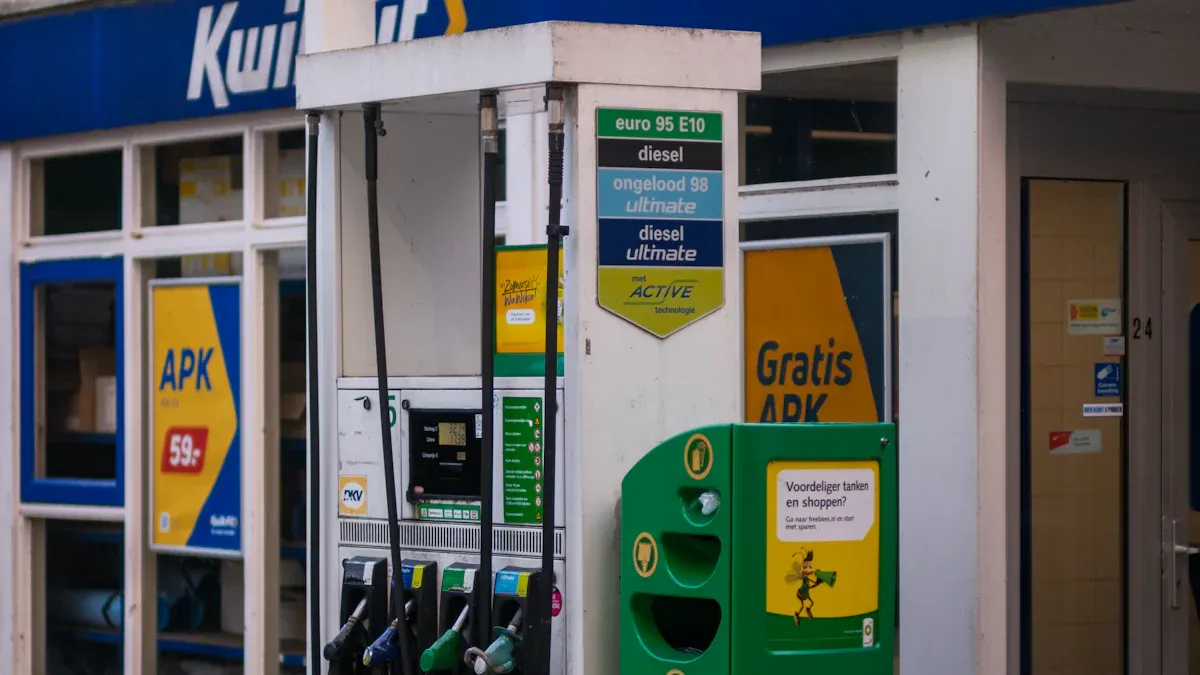
Level 1 vs. Level 2 Charger Cost and Performance
Price Differences
Argentine consumers often weigh the price and installation requirements when choosing between Level 1 and Level 2 chargers. Level 1 chargers offer a lower upfront cost and minimal installation expenses. Level 2 chargers require a higher investment but deliver greater efficiency. The following table illustrates the differences in price and ongoing expenses:
| Tingkat Pengisi Daya | Biaya Pengisi Daya | Biaya Instalasi | Biaya Listrik Bulanan |
|---|---|---|---|
| Level 1 | $200 - $1.000 | Minimal hingga Tidak Ada | $15-$30 |
| Level 2 | $1,500 – $5,000 | Upwards of $10,000 | $20-$50 |
Level 2 chargers demand a larger initial investment. However, they provide faster charging and support daily use for most electric vehicles. Level 1 chargers suit plug-in hybrids and drivers with short commutes.
Charging Speed and User Convenience
Charging speed and convenience play a critical role in the decision-making process. Level 1 chargers operate at 120V and deliver 3 to 5 miles per hour, requiring 40 to 50 hours for a full charge. Level 2 charging uses 240V and achieves 12 to 30 miles per hour, reducing charging time to 4 to 10 hours. The table below summarizes these differences:
| Jenis Pengisi Daya | Tegangan | Kecepatan Pengisian Daya | Waktu untuk Mengisi Daya Penuh | Kasus Penggunaan Ideal |
|---|---|---|---|---|
| Level 1 | 120V | 3 to 5 miles/hour | 40 hingga 50 jam | Plug-in hybrids or short commutes |
| Level 2 | 240V | 12 to 30 miles/hour | 4 to 10 hours | Efficient overnight charging for most EVs |
Level 2 chargers offer greater convenience for drivers who rely on their vehicles daily. Overnight charging ensures the vehicle is ready each morning. Level 1 chargers remain practical for occasional use or secondary vehicles.
Level 2 vs. DC Fast Charger Price and Suitability
Equipment and Installation Price Comparison
Level 2 chargers and DC fast chargers differ significantly in equipment and installation price. Level 2 chargers cost between $1,000 and $2,500 for installation. DC fast chargers require tens of thousands to hundreds of thousands of dollars for installation. Energy rates also vary. Level 2 charging costs approximately $0.16 per kWh, while DC fast charging ranges from $0.35 to $0.60 per kWh. Charging a 75 kWh battery at home costs about $12.00, compared to $26.25 to $45.00 at a DC fast charger. DC fast chargers often include high premiums, per-minute idle fees, and demand charges.
Use Cases and Best Applications
Level 2 chargers serve daily commuting and short trips. They offer reliable home charging and support routine use. DC fast chargers play a vital role in long-distance travel. Drivers use them for quick charging during road trips or when time is limited.
- Level 2 chargers: Ideal for daily commuting and short trips.
- DC fast chargers: Essential for long-distance travel.
Consumers in Argentina benefit from understanding the ev charging price differences and selecting the charger that fits their lifestyle. Level 2 charging provides a balance between cost and convenience, while DC fast chargers deliver speed at a higher price.
Accessibility and Installation Requirements for Level 2 EV Chargers
Who Can Install a Level 2 EV Charger
Licensed Electricians and Certified Installers
Only licensed electricians or certified installers can legally and safely install a Level 2 EV charger in Argentina. These professionals understand local electrical codes and safety standards. They ensure that the installation meets all technical requirements and reduces the risk of electrical hazards. Homeowners and businesses should always verify the credentials of their installer before starting any work.
Home vs. Public Installation Price and Requirements
Residential Installation Needs
Home installations for Level 2 charging usually require a dedicated 240V circuit and a suitable location near the parking area. The process often involves evaluating the existing electrical panel and may require upgrades if the panel lacks capacity. Installation costs for homes remain lower when the panel supports additional load and the charger location is close to the panel. Homeowners benefit from the convenience of charging overnight and the long-term savings on fuel.
Commercial and Public Charging Spaces
Commercial properties and public charging stations face more complex requirements. These sites often need multiple chargers, advanced load management systems, and compliance with accessibility regulations. Installation costs increase due to factors like trenching, conduit work, and the need for larger electrical upgrades. Public charging stations must also consider parking layout and local building codes.
The table below highlights the main factors influencing the cost and complexity of residential versus commercial installations:
| Faktor | Deskripsi |
|---|---|
| Pekerjaan Penggalian Parit dan Saluran | Variable cost, depends on distance, soil, and existing utilities. |
| Electrical Panel and Upgrades | May require substantial upgrades, often the most expensive part. |
| Permits and Labor Costs | Vary based on complexity and local wage rates. |
| Sistem Manajemen Beban | Needed for distributing electrical capacity among chargers. |
| Site-Specific Conditions | Parking layout and local codes influence final installation costs. |
Tip: Businesses should plan for future expansion when installing public charging stations to avoid higher costs later.
Site Assessment and Preparation Costs
Electrical Panel Capacity Evaluation
A site assessment always starts with evaluating the electrical panel. If the panel has sufficient capacity and available breaker slots, installation remains straightforward and cost-effective. When the panel is outdated or near capacity, upgrades become necessary, which increases installation costs significantly.
| Condition of Electrical Panel | Impact on Installation Cost and Feasibility |
|---|---|
| Sufficient capacity and available slots | Simpler and less expensive installation |
| Older or at capacity | May require an upgrade, increasing costs significantly |
Permitting and Safety Standards
Permitting ensures that installations meet local safety standards. Electricians must secure the proper permits before starting work. These permits add to installation costs but guarantee compliance with regulations. Safety standards protect both users and property, making them a critical part of every installation.
Note: Skipping permits or using unlicensed installers can result in fines and unsafe conditions.
Total Cost of Ownership and Making an Informed Decision
Upfront Price vs. Long-Term EV Charging Price
Initial Investment and Ongoing Expenses
When evaluating the total cost of owning a Pengisi daya EV Level 2, buyers must consider both the initial investment and the ongoing expenses. The upfront price includes the charger itself and the installation costs. In Argentina, the typical installation costs for a Level 2 charger range from $749 to $2,500, with an average of $1,700. These costs cover labor, materials, and any necessary upgrades to the electrical system. If the electrical panel requires an upgrade, expenses can increase by $500 to $2,000. Wiring costs also add to the total, usually between $2 to $4 per linear foot, depending on the distance from the panel to the charger.
Ongoing expenses primarily involve the ev charging price, which remains low in Argentina due to favorable electricity rates. Over time, these savings can offset the higher initial investment compared to Level 1 chargers. Owners should also factor in potential increases in electricity rates and their impact on long-term costs.
Maintenance and Service Considerations
Level 2 chargers require minimal maintenance, but regular inspections ensure safe and efficient operation. Certified electricians should check connections and wiring periodically. Most modern chargers come with warranties that cover parts and labor for several years. Owners should review warranty terms and service options before purchasing. Reliable customer support and access to replacement parts can reduce downtime and unexpected expenses.
Evaluating Your Charging Needs and Infrastructure
Daily Driving Habits and Charging Frequency
Pemahaman daily driving habits helps determine the most suitable charging solution. Drivers who travel short distances each day may find that a lower-amperage charger meets their needs. Those with longer commutes or frequent trips benefit from faster level 2 charging. The table below summarizes key factors:
| Faktor | Penjelasan |
|---|---|
| Kebiasaan Mengemudi Harian | The amount driven daily affects the charging needs; for example, a lower-amperage charger suffices for 30 miles daily. |
| Home Electrical System | The capacity of the electrical panel determines if a Level 2 charger can be safely installed without exceeding the load. |
| Panel Upgrade Consideration | Upgrading to a 200-amp panel can accommodate EV charging and future electrical demands, ensuring safety and feasibility. |
Home Electrical System Readiness
Before installing a Level 2 charger, homeowners should assess their current electrical infrastructure. Key considerations include:
- Charging station type and capacity
- Electrical panel capacity and need for upgrades
- Wiring and conduit requirements
- Total installation costs, including labor and materials
A site assessment by a licensed electrician identifies any necessary upgrades and ensures compliance with safety standards. Proper preparation helps avoid unexpected expenses and supports reliable long-term operation.
Tip: Investing in a panel upgrade during installation can future-proof the home for additional electrical needs, such as solar panels or other high-demand appliances.
Future Outlook for Level 2 EV Charger Price in Argentina
Expected Price Trends and Market Growth
Projections for Cost Reductions
Industry analysts expect the price of Pengisi daya EV Level 2 in Argentina to decrease gradually through 2025 and beyond. Local manufacturing continues to expand, which reduces reliance on imports and lowers production costs. As more companies enter the market, competition increases and drives innovation. Manufacturers introduce new models with streamlined features, making chargers more affordable for a wider audience. Economies of scale also play a role. Higher sales volumes allow suppliers to negotiate better deals on components and logistics. These factors combine to create a downward trend in the average price of Level 2 chargers.
Expansion of Charging Infrastructure
Argentina’s charging infrastructure shows steady growth. Urban centers see new installations in residential complexes, shopping centers, and workplaces. Public charging stations become more common along major highways and in city centers. This expansion increases consumer confidence in electric vehicles. As infrastructure improves, more drivers consider EV adoption, which further stimulates demand for Level 2 chargers. The government and private sector invest in network upgrades, ensuring reliable access to charging for both urban and rural communities.
Policy Developments and Incentive Changes
Government Roadmaps and Support
Government policy shapes the future of EV charging in Argentina. Law 27.191 set ambitious targets for renewable energy development, but its expiration could slow the growth of EV infrastructure. Law 27.424 lost important provisions after Decree 70/2023, which undermines the implementation of renewable projects. Law 27.742 provides tax breaks to the hydrocarbons sector, reinforcing the dominance of fossil fuels and affecting the accessibility of EV chargers. The table below summarizes these key policies and their implications:
| Policy/Legislation | Poin-poin Penting | Implications |
|---|---|---|
| Law 27.191 | Established targets for renewable energy development | Expiration could hinder EV infrastructure growth |
| Law 27.424 | Lost key provisions through Decree 70/2023 | Undermines implementation of renewable projects |
| Law 27.742 | Grants tax breaks to hydrocarbons sector | Reinforces fossil fuel dominance, affecting EV charger accessibility |
Policymakers continue to debate new incentives and roadmaps. Their decisions will determine the pace of infrastructure development and the affordability of charging solutions.
Impact on EV Charging Price and Accessibility
Policy changes directly influence the price and accessibility of Level 2 chargers. Strong government support can lower costs through subsidies, tax incentives, and streamlined permitting. If incentives weaken or fossil fuel interests prevail, the price of chargers may remain high, and access could become limited. The expansion of public charging stations depends on stable policy frameworks and continued investment. Consumers and businesses monitor these developments closely, as they affect long-term planning and the overall transition to electric mobility.
Note: Stakeholders should stay informed about legislative changes to anticipate shifts in the EV charging market.
The cost of a level 2 ev charger in Argentina in 2025 will likely fall between $1,200 and $2,500 USD. Buyers should consider equipment, installation, and ongoing electricity expenses when planning their investment. Factors such as government incentives, local manufacturing, and site requirements can influence the final price. Careful assessment of kebutuhan pengisian daya and attention to market trends help ensure a smart and cost-effective decision.
PERTANYAAN YANG SERING DIAJUKAN
Apa itu pengisi daya EV Level 2?
A Level 2 EV charger uses a 240V power source. It charges electric vehicles faster than Level 1 chargers. Most homes and businesses in Argentina can install these chargers with the right electrical setup.
Berapa lama waktu yang dibutuhkan untuk mengisi daya EV dengan pengisi daya Level 2?
Charging time depends on the vehicle’s battery size and charger capacity. Most Level 2 chargers add 12 to 30 miles of range per hour. Full charging usually takes 4 to 10 hours.
Can any electrician install a Level 2 EV charger?
Only licensed electricians or certified installers should handle Level 2 charger installations. They ensure compliance with safety standards and local codes. This reduces the risk of electrical hazards.
Are there government incentives for installing Level 2 chargers in Argentina?
Argentina offers national and local incentives. These may include tax reductions, rebates, or special electricity rates. Incentives vary by region. Buyers should check with local authorities for current programs.
What maintenance does a Level 2 EV charger require?
Level 2 chargers need minimal maintenance. Owners should schedule periodic inspections by certified electricians. Regular checks ensure safe operation and help prevent unexpected issues.
How much does it cost to charge an EV at home in Argentina?
Electricity rates in Argentina remain low. Most EV owners spend less than $1 USD per month on home charging. Actual costs depend on driving habits and vehicle efficiency.
Can a Level 2 charger be installed outdoors?
Banyak Level 2 chargers have weatherproof designs. Installers can mount them outdoors if the unit meets safety standards. Proper installation protects the charger from rain and dust.
What factors affect the total installation cost?
Several factors influence installation cost:
- Electrical panel capacity
- Distance from panel to charger
- Biaya perizinan
- Tarif tenaga kerja
A site assessment provides an accurate estimate.