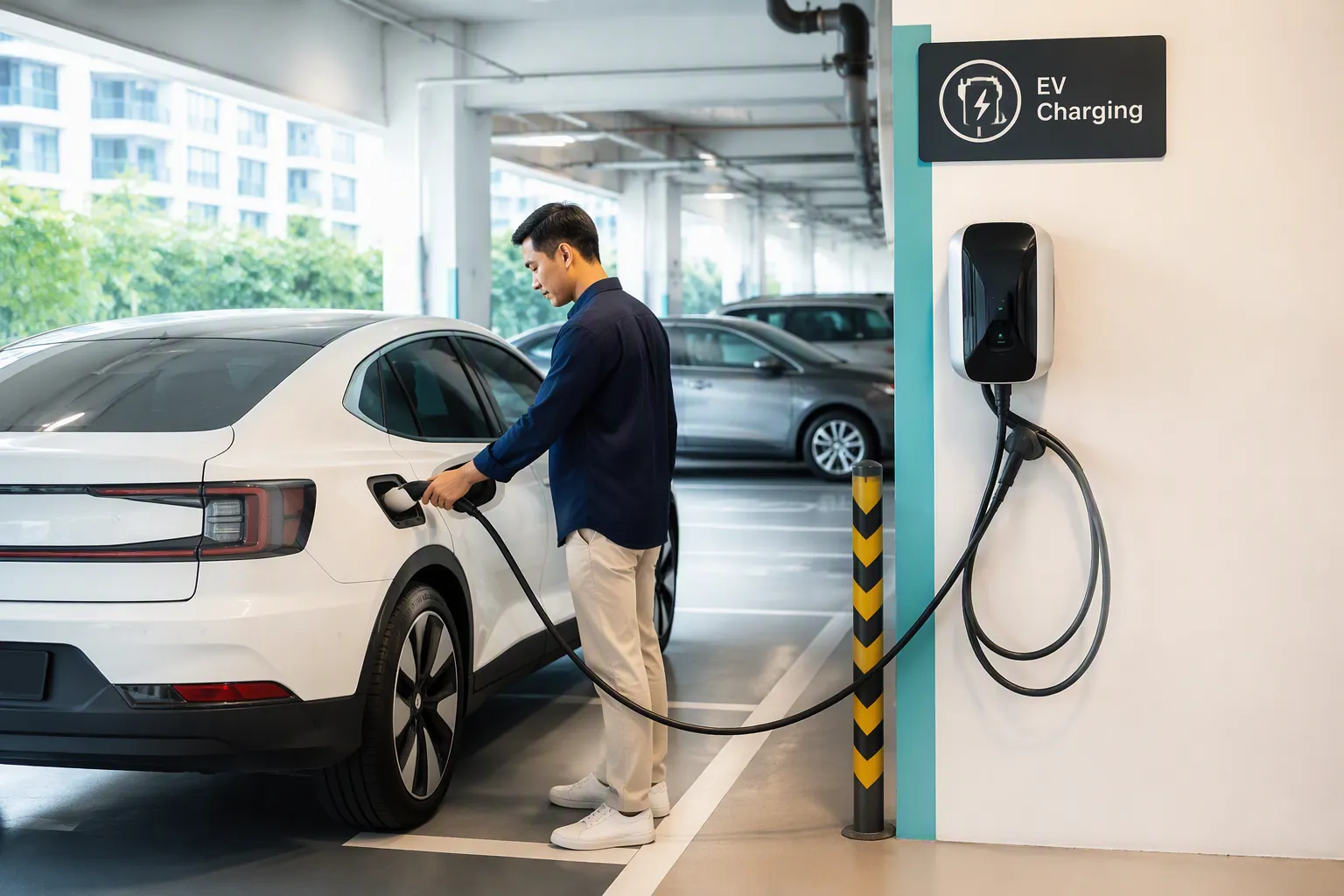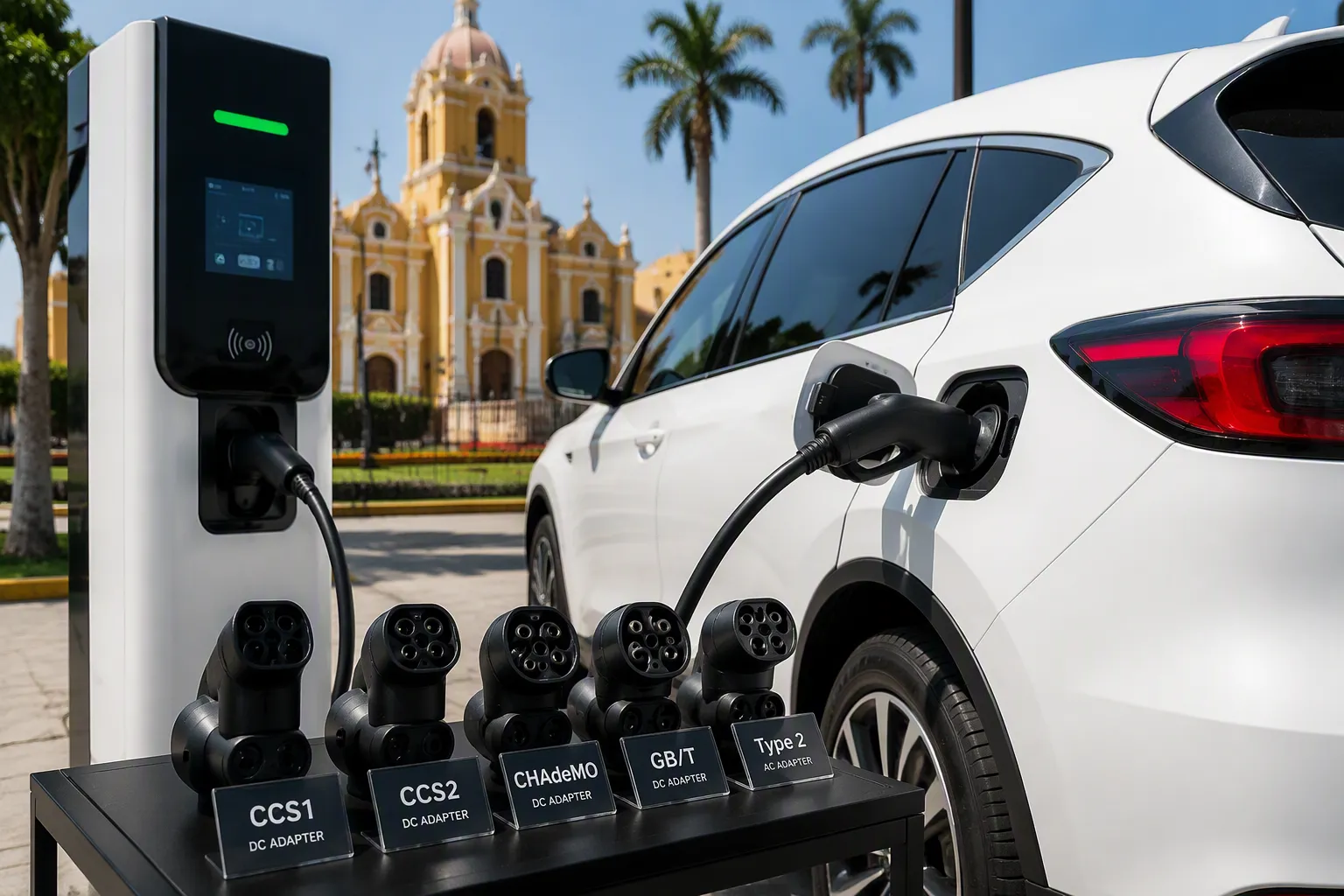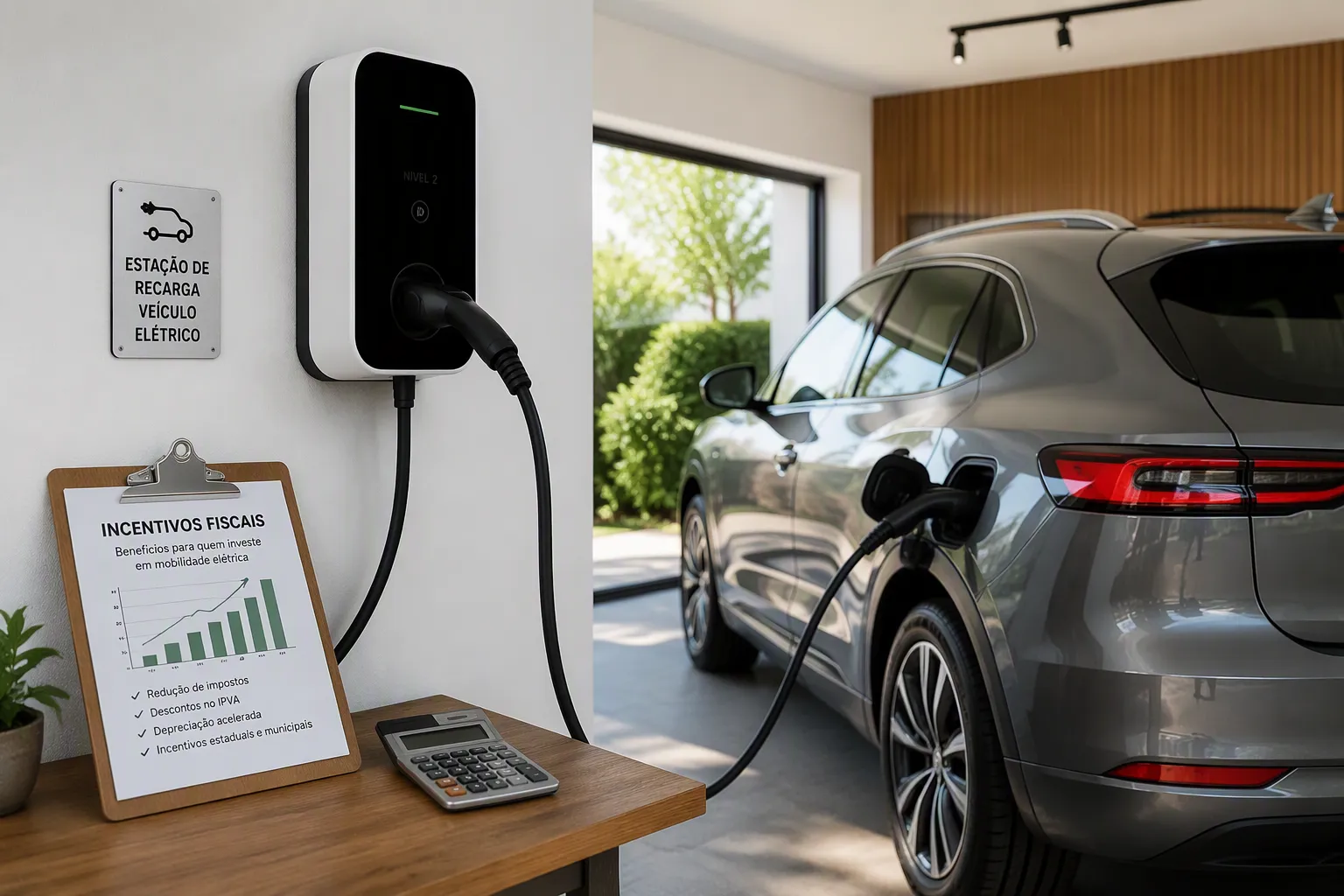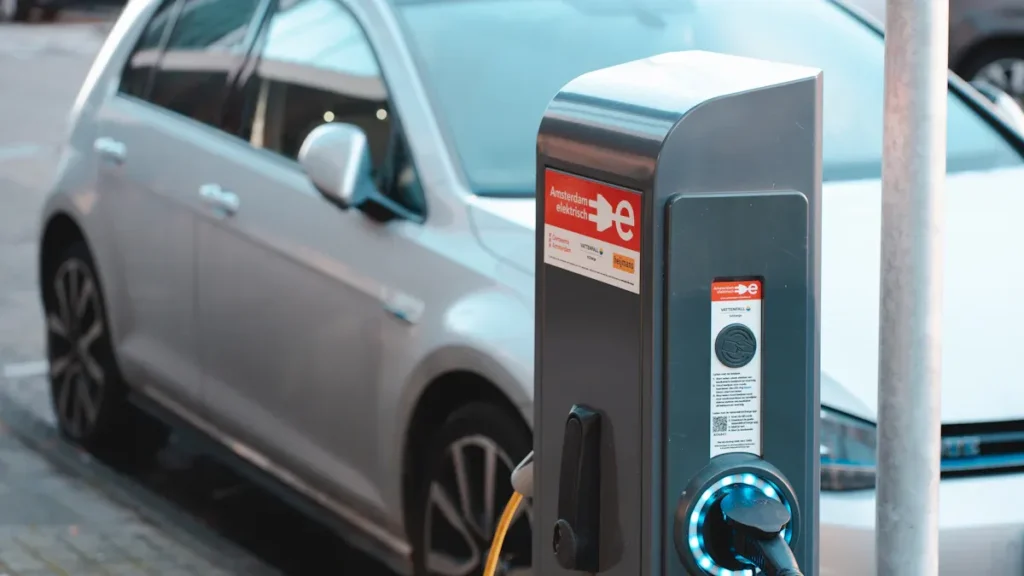
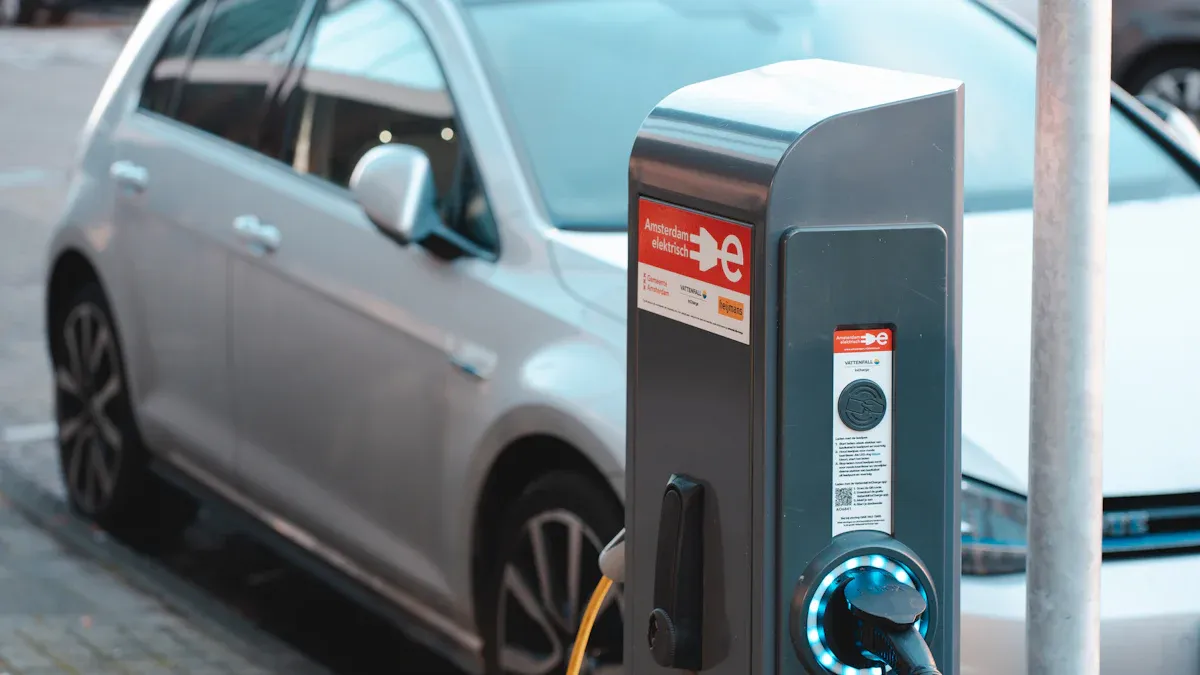
Singapore drivers face a choice between smart and standard Pengisi daya listrik options. Those who prioritize upfront savings and simple operation often prefer standard models. Tech-savvy individuals or families seeking greater control, energy management, and integration with smart homes may opt for advanced Solusi pengisian daya kendaraan listrik dari perusahaan yang memiliki reputasi baik Produsen pengisi daya EV. For frequent travelers or those needing flexibility, pengisi daya ev portabel offer unmatched convenience. Consider budget, daily routines, and future needs before deciding.
Types of EV Chargers: Smart vs. Standard Explained
Standard EV Charger Overview
Basic Features
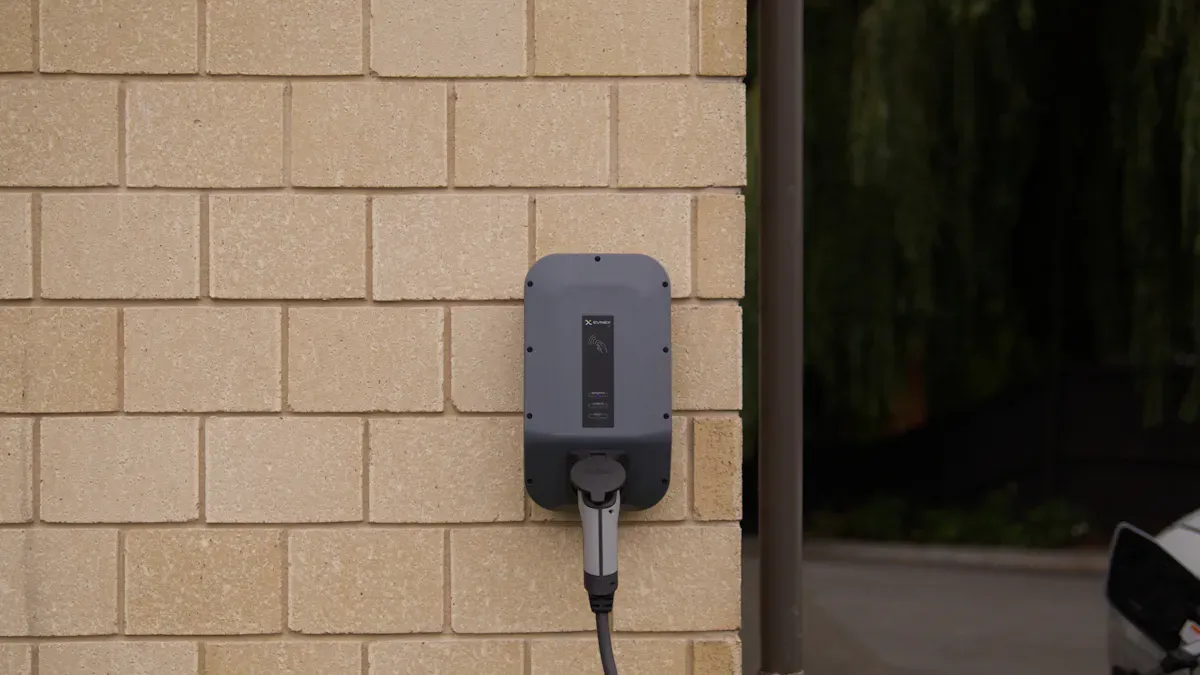
Standard EV chargers represent the most straightforward option among the types of ev chargers available in Singapore. These devices supply electricity to an electric car at a consistent rate when connected. Most standard chargers operate without connectivity features or advanced controls. Users simply plug in their vehicle, and charging begins immediately. This simplicity appeals to drivers who value reliability and ease of use at a charging station.
Bagaimana cara kerjanya
A standard charger connects directly to the vehicle and delivers power until the battery reaches full capacity. The process does not involve scheduling or remote management. Standard chargers lack awareness of electricity costs and cannot integrate with solar power systems. They also do not balance load with other household devices, which may limit their efficiency in homes with high energy consumption.
Smart EV Charger Overview
Fitur Utama
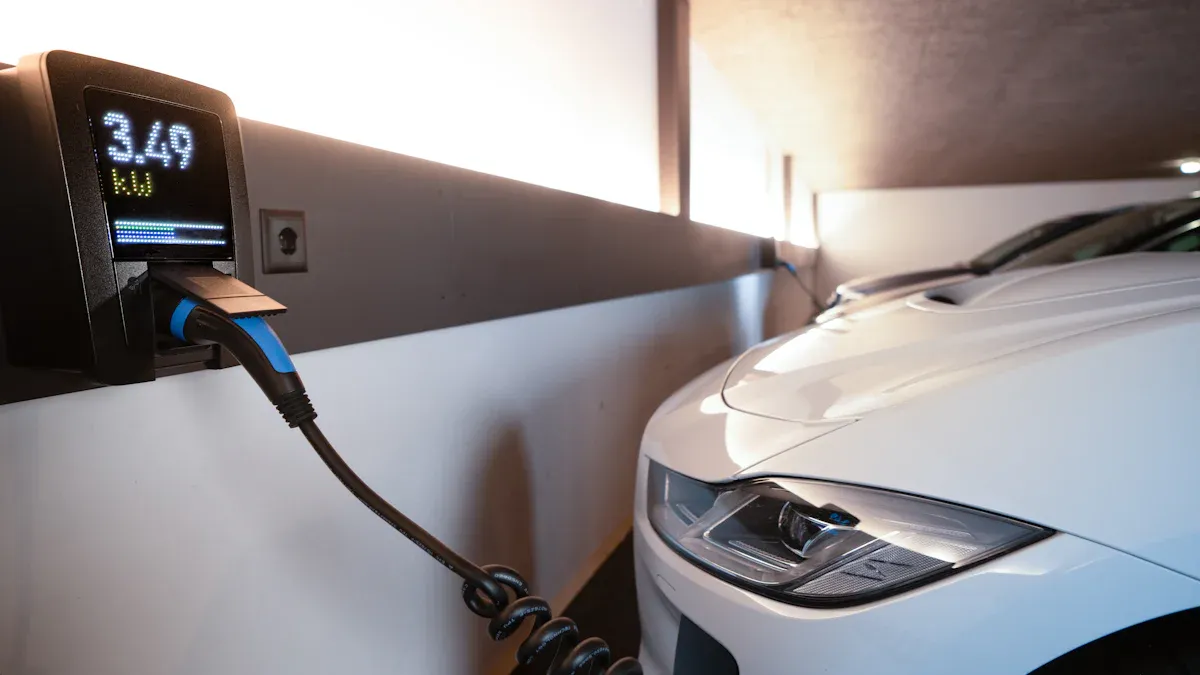
Smart EV chargers offer advanced technology and greater flexibility. These chargers provide features such as pengisian terjadwal, remote control, and energy monitoring. Users can track charging status through a smartphone or tablet, set charging times based on preferences, and optimize energy usage for cost savings. Some models include locking mechanisms to prevent unauthorized use and in-built earthing components for added safety.
Tip: TPSON, a technologically advanced electric vehicle charging solution provider, offers smart chargers that support integration with solar systems and smart homes.
Bagaimana cara kerjanya
A smart charger connects to Wi-Fi, 4G, or Bluetooth networks. Users manage charging sessions through dedicated apps, allowing them to start, stop, or schedule charging remotely. Smart chargers can optimize charging times to take advantage of off-peak electricity rates, making them a greener and more cost-effective solution. Many models support solar integration and load balancing, which helps protect household electrical systems.
Comparing EV Charger Features
Charging Control
Smart chargers allow users to schedule charging sessions for convenience and flexibility. Standard chargers require manual operation, with charging starting as soon as the vehicle connects.
Connectivity and App Integration
Smart chargers feature connectivity options such as Wi-Fi, 4G, or Bluetooth. These enable app-based management and real-time monitoring. Standard chargers do not offer connectivity or app integration.
Manajemen Energi
Smart chargers provide energy monitoring tools to track usage and costs. They can optimize charging based on user preferences and electricity tariffs. Standard chargers lack these capabilities and operate at a flat rate.
Pengalaman Pengguna
Tabel di bawah ini merangkum the main differences between smart and standard chargers:
| Fitur | Pengisi Daya Cerdas | Standard (Dumb) Charger |
|---|---|---|
| Konektivitas | Wi-Fi / 4G / Bluetooth | Tidak ada |
| Penjadwalan | Automatic via App | Manual (plug in to start) |
| Integrasi Tenaga Surya | Yes (Specific models) | Tidak. |
| Penghematan Biaya | High (Access to smart tariffs) | Low (Standard flat rate) |
| Penyeimbangan Beban | Yes (Protects fuse) | Rare / Basic |
| Cable Type | Tethered or Untethered | Usually Untethered |
Level 3 chargers, also known as dc fast charging, provide the fastest charging speeds for electric vehicles. These chargers are typically found at public charging stations and are ideal for drivers who need rapid charging. Level 3 chargers deliver high power output, significantly reducing charging time compared to standard or smart home chargers. Many smart chargers support integration with level 3 chargers, ensuring compatibility with future charging infrastructure. Level 3 chargers play a crucial role in supporting Singapore’s growing electric car market, offering convenience for drivers on the go.
EV Charger Cost Considerations in Singapore
Upfront Pricing
Standard Charger Costs
Standard level 1 chargers and level 2 chargers remain the most accessible options for many Singaporean drivers. Level 1 chargers often come bundled with an electric car, requiring only a standard household outlet. Level 2 chargers, which offer faster charging speeds, typically cost between $300 and $1,200. However, buyers should note that installation can raise the total cost to around $6,500, depending on the complexity of the setup and technician fees. These chargers suit those who want a straightforward charging station at home without advanced features.
Smart Charger Costs
Smart level 2 chargers command a premium due to their advanced technology and connectivity. The initial price for these chargers usually exceeds that of standard models by about S$800. This higher cost reflects the inclusion of features such as app integration, energy monitoring, and scheduling. While the upfront investment is greater, many drivers see value in the long-term savings and convenience that smart charging equipment provides.
Level 3 chargers, designed for rapid charging, represent a significant financial commitment. Prices range from $30,000 to $75,000. The advanced technology, larger size, and need for upgraded electrical infrastructure contribute to these higher costs. Level 3 chargers are typically found at commercial charging stations rather than private residences.
Installation Costs and Process
Typical Installation Steps
Memasang pengisi daya EV involves several key steps. Technicians assess the property’s electrical system, determine the optimal location, and install the necessary wiring and mounting hardware. For level 2 chargers, the process may include upgrading the distribution board to handle increased power demands. Level 3 chargers require specialized equipment and infrastructure, making installation more complex and costly.
Biaya Tambahan
Several factors can influence the final installation bill:
- Property type: Landed homes and condominiums present different challenges, affecting labor and material costs.
- Cable length: Longer distances from the main switchboard increase expenses.
- Electrical work: Upgrades to the distribution board may be necessary.
- Trunking and concealment: Hiding cables can add to labor costs.
Ongoing Savings and Value
Efisiensi Energi
Smart chargers help drivers optimize energy use by scheduling charging during off-peak hours. This approach reduces electricity costs and supports efficient use of household energy.
Impact on Utility Bills
Singaporean EV owners can save approximately S$180 annually by using a pengisi daya pintar. Charging during off-peak periods lowers monthly utility bills by about S$15 for those driving 15,000 km per year. The table below summarizes the cost-benefit analysis:
| Metrik | Nilai |
|---|---|
| Pengisi Daya Cerdas Premium | S$800 |
| Tabungan Tahunan | S$180 |
| Titik Impas | ~ 4,5 Tahun |
Biaya Pemeliharaan
Level 1 chargers and level 2 chargers require minimal maintenance. Smart chargers may need occasional software updates, but hardware upkeep remains low. Level 3 chargers, due to their complexity, may incur higher maintenance costs, especially in commercial settings.
Convenience and Everyday Use of EV Chargers
Charging Speed and Scheduling
Standard Charger Experience
Level 1 chargers and level 2 chargers offer straightforward charging for most Singaporean drivers. With a standard charger, users simply plug in their vehicle and charging begins immediately. Level 1 chargers provide slow charging, which suits overnight use or low daily mileage. Level 2 chargers deliver faster charging speeds, making them ideal for daily commutes or quick top-ups at home. These chargers do not offer scheduling features, so users must manually connect and disconnect their vehicles. This process works well for those with predictable routines and single-car households.
Fitur Pengisi Daya Cerdas
Smart chargers introduce advanced scheduling options that enhance daily convenience. Users can set charging times to align with off-peak electricity rates, reducing costs and supporting efficient energy use. These chargers allow drivers to program charging sessions in advance, ensuring the vehicle is ready when needed. Level 2 chargers with smart features provide flexibility for busy professionals and families with varying schedules. Level 3 chargers, found at public charging stations, offer rapid charging for those who need a quick turnaround, but scheduling is typically managed by the charging equipment itself.
Kendali dan Pemantauan Jarak Jauh
App-Based Management
Smart EV chargers transform the user experience through app-based management. Drivers can monitor battery levels and charging status in real time from anywhere. User-friendly interfaces make these apps accessible, even for those new to electric vehicles. Many apps help users locate nearby charging stations, filter options by vehicle compatibility, and select preferred charging speeds. Some platforms, such as Chargeway, display local attractions near charging stations, making waiting periods more enjoyable. Cost management tools, like those from EVEnergy, help users track expenses and encourage smart charging habits.
- Real-time monitoring of battery and charging status
- Easy-to-navigate interfaces for all users
- Tools for finding compatible charging stations and managing costs
Notifications and Alerts
Smart chargers send notifications and alerts to keep users informed. Drivers receive updates when charging starts, pauses, or completes. Alerts notify users of any issues, such as power interruptions or unauthorized access. These features provide peace of mind and help prevent overcharging or unexpected downtime. Level 3 chargers at public locations often include similar alert systems, ensuring users stay updated during rapid charging sessions.
Integration with Smart Home and Solar Systems
Home System Compatibility
Many smart chargers integrate seamlessly with popular smart home systems. This compatibility allows users to control charging equipment through voice commands or centralized home automation platforms. Integration streamlines energy management and enhances the overall smart home experience.
Opsi Pengisian Tenaga Surya
Smart chargers also support solar panel integration, enabling households to use renewable energy for vehicle charging. The table below highlights two products available in Singapore that offer solar compatibility:
| Product Name | Compatibility with Solar Panels | Catatan |
|---|---|---|
| SolaX Smart EV Charger | Ya. | Integrates with the X-ESS G4 solar+storage system for optimal performance. |
| EVO Charger | Ya. | Utilizes surplus solar energy for EV charging, enhancing energy savings. |
Charging with solar energy reduces electricity bills and increases energy self-consumption. Households benefit from lower reliance on grid electricity and enjoy a more sustainable driving experience. Smart chargers enable users to schedule charging, monitor energy use, and control charging sessions via smartphones or smart home systems. This approach supports efficient charging and helps prevent overcharging, aligning with Singapore’s push for eco-friendly solutions.
Which EV Charger Fits Your Lifestyle in Singapore?
Budget-Conscious Drivers
When Standard Chargers Make Sense
Many drivers in Singapore focus on minimizing costs when choosing charging equipment for their electric car. Standard chargers, especially level 1 chargers and level 2 chargers, offer a practical solution for those who want reliable performance without extra features. These chargers often come with a lower upfront price and require less complex installation. For drivers who use their vehicles mainly for short commutes or have predictable schedules, level 1 chargers provide sufficient charging overnight. Level 2 chargers deliver faster charging speeds and suit those who need a quicker turnaround but still want to avoid premium pricing.
Note: Standard chargers do not include advanced scheduling or energy management. They work best for individuals who can plug in their vehicle at a consistent time each day.
A budget-conscious driver may not need app integration or remote monitoring. They value simplicity and want to avoid ongoing subscription fees. Standard chargers also suit those living in HDB flats or older condominiums where electrical upgrades may not be feasible. For these users, the charging station serves as a basic utility rather than a smart home feature.
Tech-Savvy and Busy Professionals
Why Smart Chargers Are Worth It
Tech-savvy professionals in Singapore often seek more than just basic charging. They want control, flexibility, and integration with other smart devices. Smart chargers, including advanced level 2 chargers and compatible level 3 chargers at public locations, provide these benefits. These chargers allow users to schedule charging sessions, monitor energy usage, and receive notifications through mobile apps. Busy professionals can start or stop charging remotely, ensuring their vehicle is always ready without wasting electricity.
A smart charger supports integration with solar panels and home automation systems. This feature appeals to those who prioritize sustainability and want to maximize energy savings. Many smart chargers also offer load balancing, which protects the household electrical system during peak usage. For professionals who travel frequently, access to level 3 chargers at commercial charging stations ensures rapid charging and minimal downtime.
Tip: Smart chargers often receive software updates, adding new features and improving performance over time. This future-proofing appeals to those who want the latest technology.
A table below summarizes the main advantages for tech-savvy users:
| Fitur | Benefit for Professionals |
|---|---|
| Integrasi Aplikasi | Remote control and monitoring |
| Penjadwalan | Optimized charging times |
| Kompatibilitas Surya | Biaya energi lebih rendah |
| Penyeimbangan Beban | Electrical safety |
| Pembaruan Perangkat Lunak | Access to new features |
Families and Multi-Car Households
Managing Multiple Vehicles
Families and households with more than one electric car face unique challenges. They need charging solutions that can handle multiple vehicles efficiently. Level 2 chargers with smart features allow users to schedule charging for each car, preventing overloads and ensuring every vehicle is ready when needed. Some smart chargers support dynamic load management, which distributes available power among connected vehicles.
Level 1 chargers may not provide enough speed for families with high daily mileage. Level 3 chargers at public charging stations offer a solution for quick top-ups, especially during busy weekends or holidays. However, installing level 3 chargers at home remains rare due to high costs and infrastructure requirements.
A multi-car household benefits from smart charging equipment that tracks usage for each vehicle. This feature helps manage energy costs and avoids disputes over electricity bills. Families can also set charging priorities, ensuring the primary vehicle charges first.
Families should consider future needs. As more members switch to electric vehicles, investing in scalable charging solutions becomes essential.
A checklist for families managing multiple vehicles:
- Choose level 2 chargers with smart scheduling.
- Ensure compatibility with future vehicle models.
- Consider dynamic load management for safety.
- Use public level 3 chargers for emergencies or travel.
Condo and Apartment Residents
Shared Charging Scenarios
Condo and apartment residents in Singapore face unique challenges when installing EV chargers. Shared parking spaces, limited electrical infrastructure, and management regulations often complicate the process. Residents must consider several factors before selecting a charging solution.
Key Challenges for Shared Charging:
- Limited access to dedicated parking bays
- Restrictions from management committees
- Electrical capacity constraints
- Potential conflicts among residents
Smart chargers offer significant advantages in these environments. They enable remote monitoring, user authentication, and scheduling, which help manage shared usage. Standard chargers, while simpler, may not address the complexities of communal charging.
Tip: Residents should consult their condo management early to understand installation policies and electrical capacity.
Common Shared Charging Solutions:
| Jenis Solusi | Deskripsi | Kesesuaian |
|---|---|---|
| Shared Smart Charger | Multiple users access one charger via app | High for condos |
| Dedicated Charger | Individual charger for each unit | Low for apartments |
| Pengisi Daya Portabel | Moveable charger for temporary use | Moderate for renters |
| Public Charging Bay | Managed by condo, available to all residents | High for large sites |
Smart chargers streamline billing and access control. Residents use apps to reserve charging slots, monitor usage, and receive notifications. Management committees can track consumption and allocate costs fairly. Standard chargers lack these features, which may lead to disputes or inefficient usage.
Advantages of Smart Chargers in Shared Scenarios:
- User authentication prevents unauthorized access
- Scheduling reduces peak demand and avoids conflicts
- Real-time monitoring supports transparent billing
- Integration with condo management systems simplifies administration
Residents in older apartments may encounter electrical limitations. Smart chargers with load balancing protect the building’s infrastructure by distributing power efficiently. Portable chargers provide flexibility for renters who move frequently or lack permanent parking spaces.
Note: Singapore’s government encourages EV adoption in condos through grants and pilot programs. Residents should explore available incentives before installation.
Checklist for Condo and Apartment EV Charging:
- Confirm parking bay allocation
- Review management committee policies
- Assess electrical capacity with a certified technician
- Choose smart chargers for shared access and billing
- Consider portable chargers for temporary solutions
Condo and apartment residents benefit from smart charging technology. These solutions address the complexities of shared environments and support Singapore’s vision for sustainable urban mobility.
Future-Proofing and Resale Value with EV Chargers
Kompatibilitas dengan Model EV Baru
Adaptability Considerations
Electric vehicle technology continues to evolve rapidly. Homeowners in Singapore must consider whether their chosen EV charger will remain compatible with future car models. Many new electric vehicles require higher charging speeds or updated connector types. Level 2 chargers offer broad compatibility with most current and upcoming EVs. Manufacturers often design these chargers with adaptable connectors or upgradeable components. This approach ensures that users can charge different brands or models without replacing the entire system.
A forward-thinking buyer should check if the charger supports firmware updates or modular upgrades. Some products allow users to swap out cables or add adapters as new standards emerge. This flexibility helps protect the initial investment and reduces the risk of obsolescence.
Tip: Always verify that the selected charger meets the latest international standards for connectors and safety.
Software Updates and New Features
Staying Current with Technology
Smart EV chargers stand out for their ability to receive software updates. These updates introduce new features, improve security, and enhance compatibility with the latest electric vehicles. Owners benefit from ongoing improvements without needing to purchase new hardware. For example, a manufacturer might release an update that enables integration with a new smart home platform or adds advanced energy management tools.
Level 2 chargers with smart capabilities often connect to the internet. This connection allows automatic updates, keeping the device current with minimal effort from the user. Regular updates also address potential security vulnerabilities, which is essential as more devices connect to home networks.
A table below highlights the benefits of software updates for EV chargers:
| Manfaat | Dampak pada Pengguna |
|---|---|
| New Features | Access to latest technology |
| Security Improvements | Protection from cyber threats |
| Enhanced Compatibility | Support for new EV models |
Impact on Property Value in Singapore
Resale Appeal for Homes and Condos
Installing an EV charger can increase the resale value of a property in Singapore. Many buyers now look for homes that support sustainable living and modern technology. A dedicated charging station signals that the property is ready for the growing number of electric vehicle owners. Real estate agents report that homes with level 2 chargers attract more interest, especially among younger buyers and families planning for the future.
Condominiums and apartments with shared or private EV charging facilities stand out in a competitive market. Prospective buyers see these features as a sign of convenience and forward-thinking management. Properties with solusi pengisian daya yang cerdas often command higher prices and sell faster than those without.
Note: Installing a future-proof charger not only benefits current residents but also appeals to a wider pool of buyers when it is time to sell.
Quick Decision Guide for Choosing an EV Charger
Pertanyaan Kunci untuk Ditanyakan pada Diri Sendiri
Selecting the right EV charger requires careful consideration. Drivers in Singapore should evaluate their daily routines, property type, and future plans. The following questions help clarify priorities:
- Does the household require advanced scheduling or remote control?
- Will the property support solar integration or smart home compatibility?
- Is minimizing upfront cost more important than long-term energy savings?
- Berapa banyak kendaraan listrik yang perlu diisi daya secara bersamaan?
- Apakah gedung mengizinkan pemasangan charger pribadi, atau penghuni harus berbagi stasiun pengisian?
- Apakah charger perlu beradaptasi dengan model kendaraan baru dalam beberapa tahun mendatang?
Tips: Pengemudi yang menghargai fleksibilitas dan teknologi sebaiknya memprioritaskan charger pintar. Mereka yang lebih menyukai kesederhanaan dan biaya lebih rendah mungkin menemukan charger standar lebih cocok.
Matriks Keputusan: Pintar vs Standar
Matriks keputusan membantu pengemudi membandingkan charger pintar dan standar berdasarkan kebutuhan mereka. Tabel di bawah ini menguraikan faktor-faktor kunci dan merekomendasikan opsi terbaik untuk setiap skenario.
| Faktor | Pengisi Daya Cerdas | Pengisi Daya Standar |
|---|---|---|
| Penjadwalan & Kontrol Jarak Jauh | ✅ | ❌ |
| Pemantauan Energi | ✅ | ❌ |
| Integrasi Tenaga Surya | ✅ | ❌ |
| Biaya Awal | ❌ | ✅ |
| Pemeliharaan & Pembaruan | ✅ | ❌ |
| Penggunaan Bersama (Kondominium/Apartemen) | ✅ | ❌ |
| Operasi Sederhana | ❌ | ✅ |
| Bukti Masa Depan | ✅ | ❌ |
Pengemudi yang mencentang lebih banyak kotak di kolom “Charger Pintar” sebaiknya mempertimbangkan investasi dalam solusi pengisian canggih. Mereka yang memprioritaskan biaya dan kesederhanaan mungkin lebih memilih charger standar.
Tempat Membeli dan Hal yang Perlu Diperhatikan
Singapura menawarkan berbagai pilihan untuk membeli charger EV. Pembeli harus memilih pemasok terpercaya dan memastikan kompatibilitas dengan kendaraan dan properti mereka. Pertimbangkan langkah-langkah berikut:
- Teliti dealer resmi dan pemasang bersertifikat.
- Verifikasi bahwa charger memenuhi standar keselamatan lokal dan mendukung kecepatan pengisian yang diinginkan.
- Periksa kompatibilitas dengan sistem rumah pintar atau panel surya jika diperlukan.
- Tinjau ketentuan garansi dan dukungan purna jual.
- Tanyakan tentang pembaruan perangkat lunak dan fitur antisipasi masa depan.
Catatan: Banyak pemasok menyediakan layanan pemasangan dan dapat menilai properti untuk penempatan optimal. Pengemudi harus meminta survei lokasi sebelum membuat keputusan akhir.
Pembeli dapat mengunjungi ruang pamer, berkonsultasi melalui platform daring, atau menghubungi produsen langsung. Memilih stasiun pengisian yang tepat memastikan kinerja andal dan mendukung dorongan Singapura untuk mobilitas berkelanjutan.
Pengemudi di Singapura harus menyesuaikan pilihan charger EV dengan gaya hidup dan rencana masa depan mereka. Charger pintar cocok untuk mereka yang menghargai teknologi, penghematan energi, dan integrasi dengan sistem rumah. Charger standar paling cocok untuk pengguna yang menginginkan kesederhanaan dan biaya lebih rendah. Mereka harus selalu meninjau opsi stasiun pengisian, anggaran, dan tujuan jangka panjang sebelum membuat keputusan.
- Pengisi daya pintar: Ideal untuk pengguna yang berfokus pada teknologi dan keluarga.
- Charger standar: Praktis untuk pengemudi yang memperhatikan anggaran.
Perencanaan yang cermat memastikan investasi yang tepat untuk tahun-tahun mendatang.
PERTANYAAN YANG SERING DIAJUKAN
Apa perbedaan utama antara charger EV pintar dan standar?
Charger EV pintar menawarkan penjadwalan, kontrol jarak jauh, dan pemantauan energi melalui aplikasi. Charger standar menyediakan fungsionalitas plug-and-charge dasar tanpa konektivitas atau fitur canggih.
Dapatkah charger EV pintar membantu mengurangi biaya listrik?
Ya. Charger pintar memungkinkan pengguna menjadwalkan pengisian daya selama jam di luar puncak. Fitur ini membantu menurunkan tagihan listrik dengan memanfaatkan tarif yang lebih murah.
Apakah mungkin memasang charger EV di kondominium atau apartemen?
Penghuni dapat memasang charger EV di kondominium atau apartemen, tetapi mereka harus mendapatkan persetujuan dari pengelola. Charger pintar sering kali paling cocok di lingkungan bersama karena fitur autentikasi pengguna dan penjadwalan.
Berapa lama waktu yang dibutuhkan untuk mengisi daya kendaraan listrik di rumah?
Waktu pengisian bergantung pada jenis charger dan ukuran baterai kendaraan. Charger Level 1 mungkin membutuhkan waktu hingga 24 jam. Charger Level 2 biasanya menyelesaikan pengisian dalam 4 hingga 8 jam.
Apakah charger EV pintar kompatibel dengan semua model kendaraan listrik?
Sebagian besar charger pintar mendukung berbagai macam kendaraan listrik. Pengguna harus mengonfirmasi kompatibilitas dengan model mobil spesifik mereka sebelum membeli.
Apakah pengisi daya EV memerlukan perawatan rutin?
Charger EV membutuhkan pemeliharaan minimal. Charger pintar mungkin memerlukan pembaruan perangkat lunak sesekali. Pemeriksaan perangkat keras memastikan operasi yang aman dan andal.
Di mana pengemudi dapat menemukan stasiun pengisian umum di Singapura?
Pengemudi dapat menemukan stasiun pengisian umum menggunakan aplikasi seluler atau peta daring. Banyak aplikasi menyediakan ketersediaan waktu nyata dan petunjuk arah.
Dapatkah charger pintar terintegrasi dengan panel surya di rumah?
Banyak charger pintar mendukung integrasi surya. Fitur ini memungkinkan pengguna mengisi daya kendaraan mereka menggunakan energi terbarukan, mengurangi ketergantungan pada jaringan listrik.