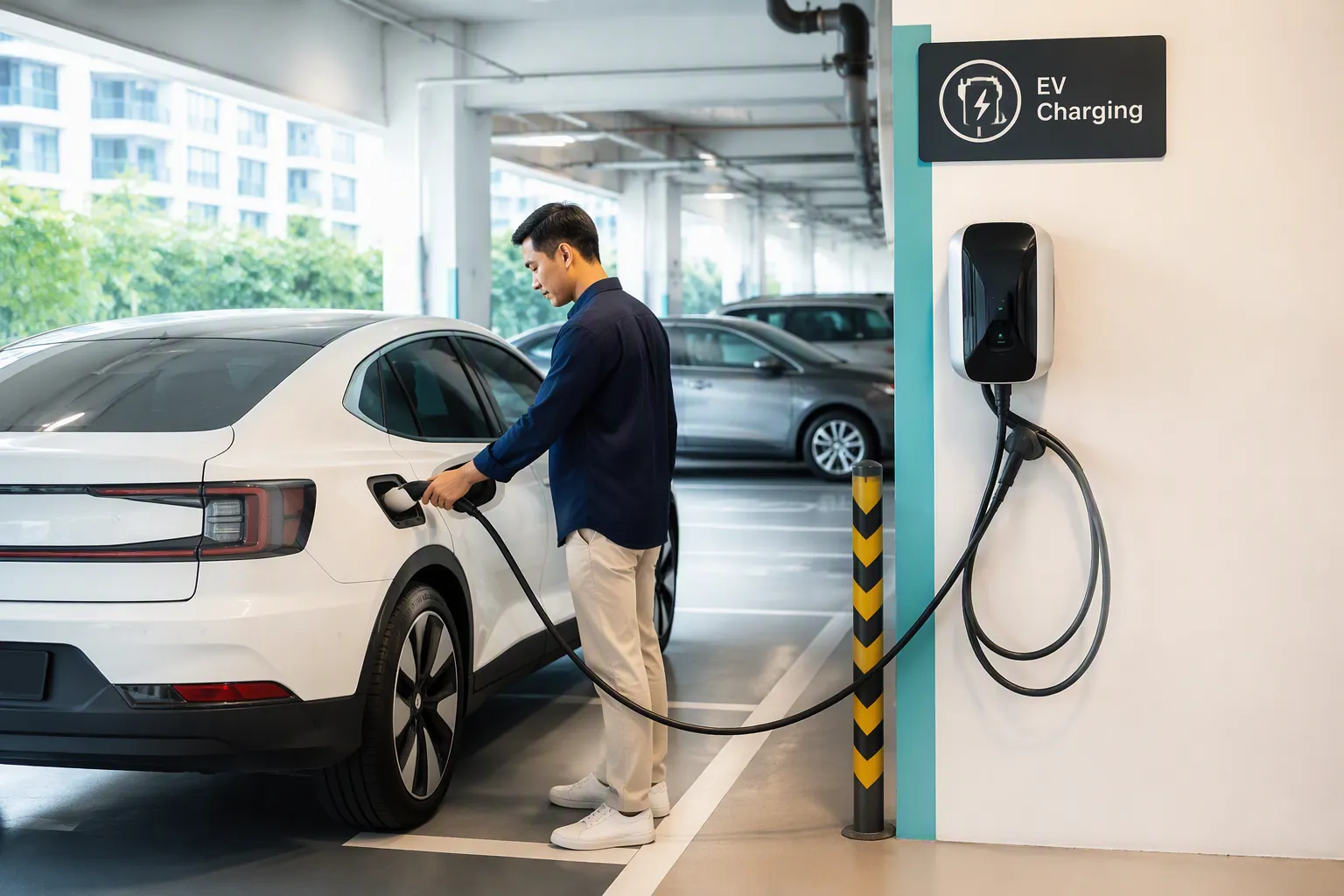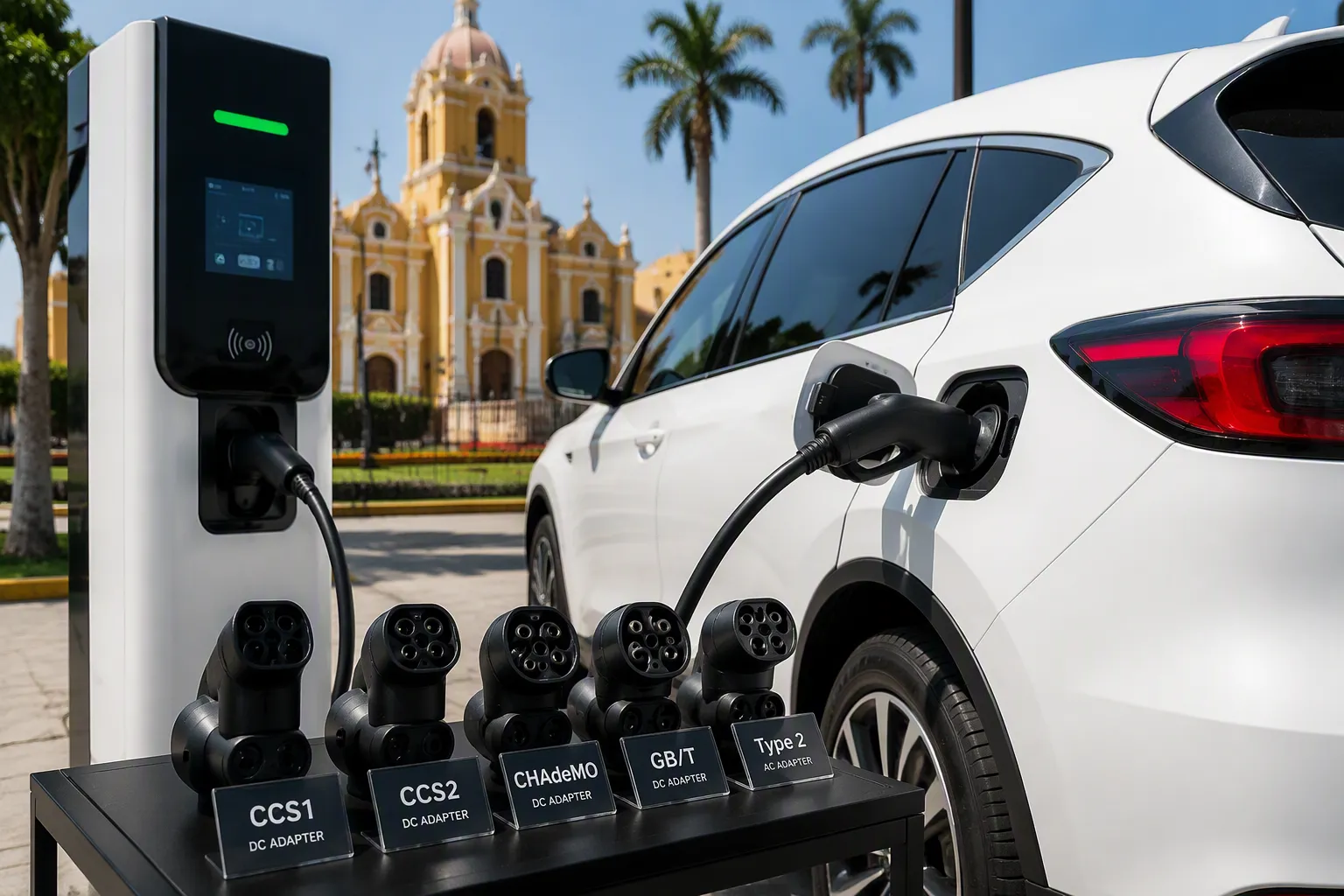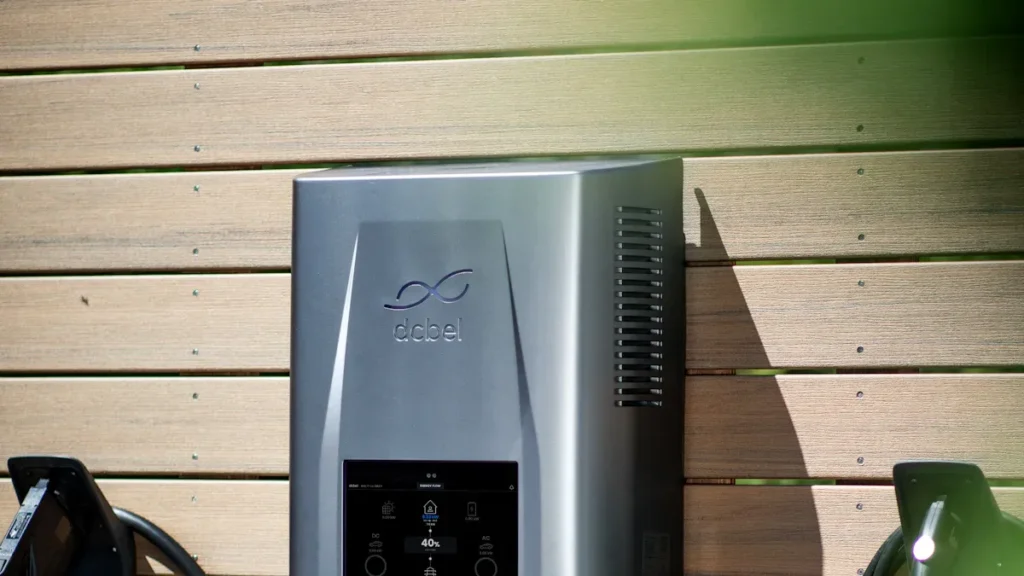
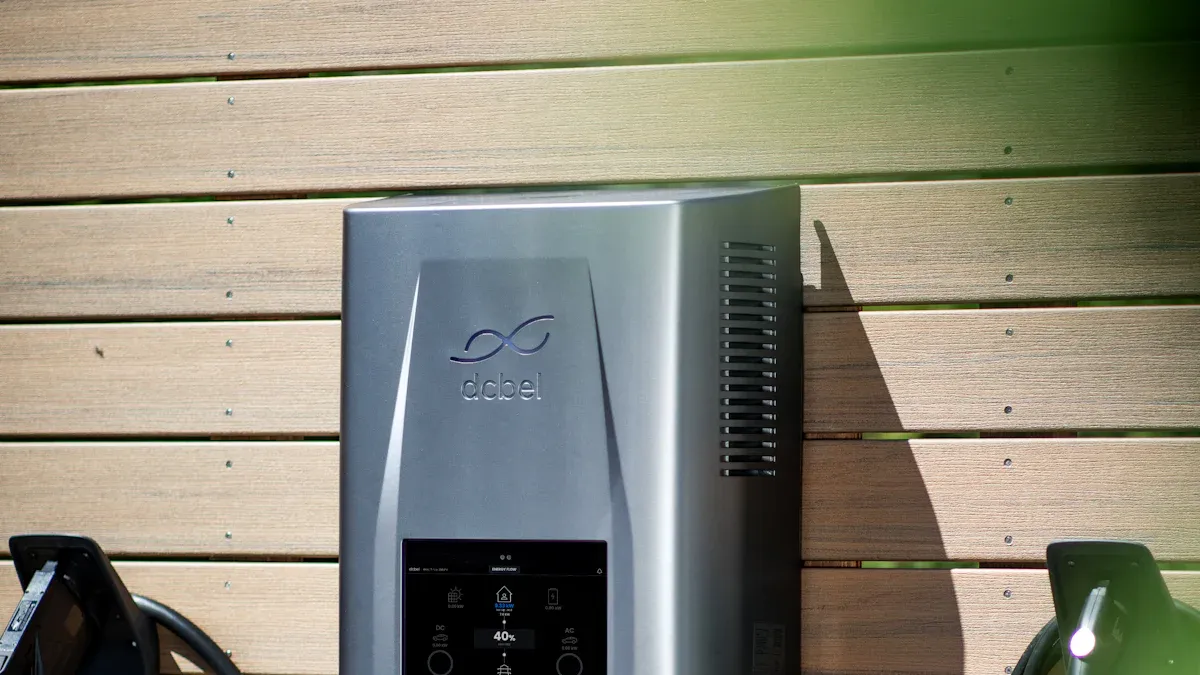
Smart charging explained shows how drivers can cut electricity costs immediately. TPSON delivers advanced Solusi pengisian daya kendaraan listrik that let users schedule home EV charging during low-rate periods. Many choose a smart Pengisi Daya Listrik dari yang terdepan Produsen pengisi daya EV to manage their energy bill and save money. Smart features help optimize charging for every vehicle, including pengisi daya EV portabel. With the right smart system, households control their energy use and benefit from efficient electricity management.
Smart Charging Explained: The Direct Path to Savings
How Smart Charging Reduces Your Electricity Bill
Lowering Power Demand and Energy Use
Smart charging explained shows how households can manage their electricity use more efficiently. By shifting charging sessions to off-peak hours, users take advantage of lower rates and reduce overall biaya pengisian daya. This approach not only helps save money but also supports grid stability. The mechanisms behind these savings include optimizing charging times, dynamic tariffs, and advanced load management. The table below highlights the main ways smart charging explained delivers these benefits:
| Mekanisme | Deskripsi |
|---|---|
| Optimizing charging times | Adjusts charging based on price signals to manage peak load effectively. |
| Tarif dinamis | Implements variable pricing to encourage charging during off-peak hours. |
| Load management | Manages the distribution of electricity to prevent overloads and optimize grid capacity. |
| Vehicle-to-grid (V2G) | Allows EVs to provide energy back to the grid during peak demand, reducing overall energy use. |
| Vehicle-to-building (V2B) | Enables EVs to supply power to buildings, enhancing energy efficiency. |
| Delaying charging | Postpones charging to times when electricity costs are lower, reducing generation costs and emissions. |
Smart charging explained also leverages pricing strategies that have proven effective in both European and global markets. Households can see penghematan biaya that offset the expense of additional chargers, especially when using time-of-use tariffs and demand response programs.
- Smart charging utilizes cheaper electricity rates during off-peak hours, potentially saving users 18.1% per MWh compared to traditional charging.
- Households can reduce annual energy costs by 25-132% in major European markets through time-of-use tariff optimization.
- A typical 4kW solar array can save over £400 yearly on energy bills when integrated with smart charging.
Real-World Savings from Smart EV Charging
Many families and individuals have experienced significant reductions in their charging costs by adopting smart charging explained strategies. For example, CITA EV’s intelligent charging systems enable users to charge during off-peak hours, leading to electricity cost reductions of hingga 70%. This capability not only lowers immediate expenses but also contributes to overall energy savings.
In a case study from Norwich, a family implemented smart heating controls and solar energy solutions, resulting in a 45% reduction in their overall energy costs by the end of winter. This demonstrates the potential for significant savings through smart home technologies.
CITA EV’s data also indicates that users of their smart home EV chargers can recover installation costs within 12-18 months due to reduced energy bills. Households utilizing these chargers report average savings of £35-45 per month, showcasing the financial advantages of smart charging explained.
What Makes Home EV Charging “Smart”
Key Features of Smart AC Wall Chargers
Smart charging explained highlights the advanced features that set modern home EV charging apart from standard methods. The table below compares smart home EV charging with traditional charging:
| Fitur | Smart Home EV Charging | Pengisian Standar |
|---|---|---|
| Connectivity to home networks and apps | Ya. | Tidak. |
| Scheduling charging to off-peak times | Ya. | Tidak. |
| Real-time monitoring and remote control | Ya. | Tidak. |
| Integrasi dengan sumber energi terbarukan | Ya. | Tidak. |
| Cost and carbon emissions optimization | Ya. | Tidak. |
| Support for grid stability | Ya. | Tidak. |
| Detailed energy usage insights | Ya. | Tidak. |
Smart home EV chargers connect to home networks and apps, allowing users to schedule charging during off-peak times. They provide real-time monitoring and control, integrate with renewable energy sources, and optimize charging to reduce both costs and carbon emissions. These features help maintain grid stability and give users detailed insights into their energy use.
Automation and Remote Control Benefits
Automation and remote control play a crucial role in maximizing the benefits of smart charging explained. Smart plugs and chargers enable scheduling, remote shutdown, and real-time energy monitoring, which help eliminate standby power consumption and optimize appliance usage. Automation features such as occupancy-based controls, time-based routines, and integration with weather data allow devices to operate only when needed, reducing unnecessary energy use.
- Smart plugs eliminate standby power waste by completely cutting power to devices when not in use.
- Scheduling strategies shift high-energy activities to off-peak periods, optimizing energy consumption.
- Remote control capabilities allow managing appliances while away from home, preventing unnecessary energy use.
- Real-time monitoring, automated scheduling, and remote control capabilities typically generate 15-30% reductions in standby power consumption.
TPSON, as a technologically advanced electric vehicle charging solution provider, offers smart AC wall chargers that incorporate these automation and remote control features. Users can monitor and manage their charging sessions from anywhere, ensuring that their home EV charging remains efficient and cost-effective.
Smart charging explained empowers households to take control of their energy use, reduce charging costs, and save money while supporting a more sustainable energy future.
Smart Charging and Off-Peak Hours
Why Charging at Off-Peak Times Saves Money
Memahami Struktur Tarif Utilitas
Utility companies design rate structures to encourage efficient energy use. Time-of-use tariffs, such as Economy 7 and Economy 10, offer cheaper electricity during periods of lower demand. These tariffs reward households that shift consumption to off-peak hours. Smart charging solutions, like those from TPSON, help users take advantage of these rates by automating charging schedules. Many smart tariffs encourage families to use energy more intelligently, shifting consumption to times when it’s greener and less expensive.
Tip: Households can save money by aligning their home EV charging with off-peak hours. This approach reduces costs and supports a more sustainable energy grid.
The Impact of Peak vs. Off-Peak Charging
Charging an electric vehicle during peak hours increases costs due to higher demand. Off-peak charging, on the other hand, takes advantage of lower rates and less strain on the grid. Most EV charging tariffs are based on penetapan harga berdasarkan waktu penggunaan, yang berarti biaya bervariasi tergantung pada permintaan. Pengisian pada jam-jam di luar jam sibuk didorong untuk memaksimalkan penghematan. Teknologi canggih meningkatkan efisiensi pengisian selama periode ini.
| Periode Pengisian | Biaya Khas | Permintaan Jaringan Listrik | Potensi Tabungan |
|---|---|---|---|
| Puncak | Tinggi | Tinggi | Rendah |
| Di Luar Jam Sibuk | Rendah | Rendah | Tinggi |
Tarif mobil listrik EDF menawarkan harga lebih rendah selama jam di luar jam sibuk. Pengisian daya semalaman dapat menghasilkan penghematan signifikan dibandingkan jam sibuk. Penjadwalan pintar dapat menyesuaikan kecepatan pengisian untuk memaksimalkan penghematan. Pengisian daya di luar jam sibuk dapat mengurangi biaya hingga 50-70% dibandingkan jam sibuk.
Menjadwalkan Pengisian EV Rumahan untuk Penghematan Maksimal
Menyiapkan Jadwal Pengisian
Sistem pengisian pintar memungkinkan pengguna menyiapkan jadwal pengisian yang selaras dengan jam di luar jam sibuk. Banyak rumah tangga memprogram pengisi daya mereka untuk mulai mengisi daya larut malam atau dini hari. Praktik ini memastikan kendaraan terisi saat harga listrik termurah. Pengisi daya dinding AC pintar TPSON menyediakan fitur penjadwalan otomatis, memudahkan pengoptimalan waktu pengisian.
- Pengisian daya di luar jam sibuk dapat mengurangi biaya listrik secara signifikan.
- Memanfaatkan tarif waktu-penggunaan membantu menghemat uang dengan mengisi daya saat listrik lebih murah.
- Pengisian semalaman seringkali merupakan pilihan paling nyaman dan ekonomis bagi sebagian besar pemilik EV.
Menggunakan Aplikasi dan Alat Pengisian Pintar
Aplikasi dan alat pengisian pintar menyederhanakan proses penjadwalan pengisian EV rumahan. Platform ini menawarkan pemantauan real-time, penjadwalan otomatis, dan kontrol jarak jauh. Pengguna dapat melacak konsumsi energi, menyesuaikan waktu pengisian, dan menerima notifikasi tentang perubahan tarif. Solusi pintar TPSON terintegrasi mulus dengan jaringan rumah, memberikan wawasan dan kontrol mendetail.
Catatan: Aplikasi pengisian pintar membantu pengguna beradaptasi dengan perubahan tarif dan memaksimalkan penghematan dengan memastikan pengisian terjadi di luar jam sibuk.
Penjelasan pengisian pintar menunjukkan bagaimana teknologi memberdayakan rumah tangga untuk mengelola penggunaan energi, menghemat uang, dan mendukung masa depan yang lebih hijau.
Pengisian EV Pintar dan Tarif Listrik
Memanfaatkan Tarif Variabel Secara Maksimal
Menyelaraskan Pengisian dengan Periode Tarif Rendah
Tarif variabel, juga dikenal sebagai tarif waktu-penggunaan, menawarkan harga listrik berbeda tergantung waktu dalam sehari. Tarif ini mendorong pengguna untuk menggeser konsumsi energi mereka ke jam di luar jam sibuk, ketika tarif lebih rendah. Bagi pemilik kendaraan listrik, ini berarti mereka dapat menjadwalkan sesi pengisian EV rumahan selama periode ini untuk mengurangi biaya pengisian. Pengisian daya pintar sistem, seperti dari TPSON, memungkinkan pengguna mengotomatisasi proses ini dan memaksimalkan penghematan.
- Pelanggan dapat menghemat lebih dari £700 per tahun dengan tarif EV pintar.
- Pengisian di luar jam sibuk dapat menghasilkan penghematan tambahan hingga £239 per tahun.
- Pengisian pintar memungkinkan akses ke tarif di luar jam sibuk di luar jam standar, meningkatkan penghematan keseluruhan.
Tarif pintar memberi penghargaan kepada pengguna yang menyesuaikan kebiasaan pengisian mereka. Dengan menyelaraskan pengisian dengan periode tarif rendah, pengemudi dapat secara signifikan menurunkan biaya pengisian tahunan mereka.
Melacak dan Menanggapi Perubahan Tarif
Tarif listrik di bawah tarif variabel dapat berubah secara sering. Solusi pengisian pintar membantu pengguna melacak perubahan ini dan menanggapi secara real time. Banyak pengisi daya dan aplikasi pintar memberikan notifikasi tentang pergeseran tarif, memungkinkan pengguna menyesuaikan jadwal pengisian dengan cepat. Fleksibilitas ini memastikan bahwa biaya pengisian daya biaya tetap serendah mungkin.
| Skenario penerapan | Penggerak tagihan utama | Pendekatan kontrol yang direkomendasikan | Pertimbangan utama |
|---|---|---|---|
| Biaya permintaan tinggi | Interval kW puncak | Pemangkasan puncak dengan batasan permintaan | Membutuhkan disiplin cadangan SOC |
| Sebaran TOU yang kuat | Jendela harga kWh | Arbitrase TOU dengan pengisian terkontrol | Risiko lonjakan permintaan saat pengisian |
| Ekspor dibatasi | PV yang dikurangi | Penangkapan PV dan konsumsi mandiri | Membutuhkan kWh yang cukup untuk menyerap surplus tengah hari |
Platform pengisian pintar sering memetakan tarif variabel ke dalam jendela kontrol yang dapat ditindaklanjuti. Mereka juga dapat melapisi kontrol untuk memprioritaskan penggunaan PV surya atau pengosongan baterai, lebih lanjut mengurangi biaya pengisian.
Strategi untuk Tarif Flat
Penghematan Konsisten dengan Pengisian Pintar
Tarif flat menawarkan harga listrik tunggal dan dapat diprediksi sepanjang hari. Struktur ini memberikan stabilitas harga, memudahkan pengguna menganggarkan pengeluaran energi mereka. Meskipun potensi penghematannya mungkin tidak sebanding dengan tarif variabel, pengisian pintar tetap memberikan manfaat. Dengan mengoptimalkan sesi pengisian dan menghindari penggunaan energi yang tidak perlu, pengemudi dapat mengendalikan biaya pengisian.
Tip: Bahkan dengan tarif flat, menjadwalkan pengisian selama periode permintaan rumah tangga yang lebih rendah dapat membantu menghindari biaya beban puncak dan meningkatkan efisiensi keseluruhan.
Membandingkan Manfaat Tarif Flat dan Variabel
Memilih antara tarif flat dan variabel tergantung pada kebutuhan dan fleksibilitas individu. Tabel di bawah ini menyoroti perbedaan utama:
| Fitur | Energi Tarif Variabel | Energi Tarif Tetap |
|---|---|---|
| Stabilitas Harga | Berfluktuasi dengan harga pasar | Terkunci untuk periode kontrak |
| Fleksibilitas | Tinggi – dapat mengambil manfaat dari tarif yang lebih murah | Terbatas |
| Risiko Kenaikan Harga | Tinggi – tarif dapat naik kapan saja | Tidak ada selama kontrak |
| Potensi Tabungan | Lebih besar jika pengisian dilakukan di luar jam sibuk | Predictable, but limited |
| Terbaik untuk | Flexible users with energy management tools | Budget certainty seekers |
Flat rate tariffs suit those who prefer predictable costs and simple budgeting. Variable tariffs offer greater long-term savings for users who can manage their charging habits and respond to changing rates. Smart charging technology, such as TPSON’s advanced charger, supports both tariff types by optimizing charging sessions and reducing overall charging costs.
Leveraging Renewable Energy with Home EV Charging
Integrating Solar Power for Extra Savings
Charging Directly from Solar Panels
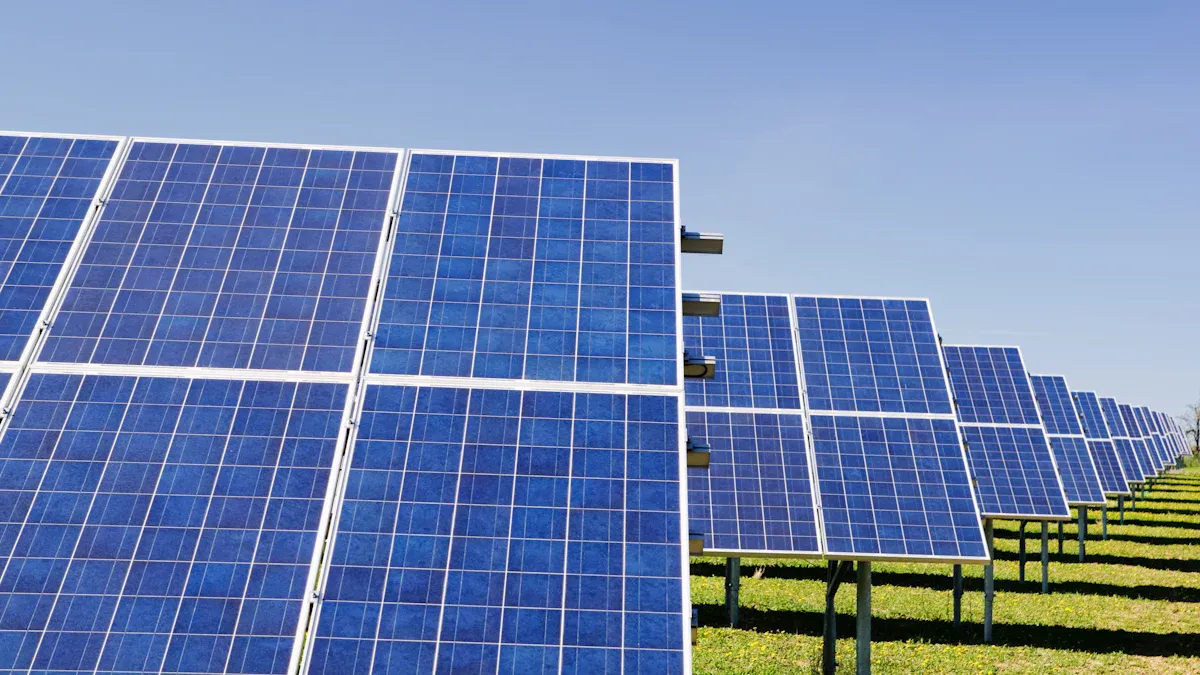
Many households now choose to pair solar panels with home EV charging. This approach allows drivers to use electricity generated on-site, which reduces reliance on the grid and lowers costs. When a smart charger connects to a solar array, it can automatically prioritize solar power for charging sessions. This method supports a sustainable lifestyle and helps families cut their energy bills.
Utilizing a standard 4kW solar array in the UK can lead to annual savings exceeding £400 on energy costs when charging an electric vehicle. These savings come from using free, renewable energy instead of purchasing electricity from the grid. TPSON offers advanced solutions that help users maximize the benefits of solar integration.
- Self-consumption savings: Households use their own solar electricity, reducing grid dependence.
- Improved land productivity: Solar canopies over parking areas provide shade and shelter while generating power.
- Enhanced customer experience: Drivers enjoy protection from weather, which increases satisfaction.
Storing Solar Energy for Nighttime Use
Solar panels generate electricity during daylight hours. However, many drivers need to charge their vehicles at night. By adding a battery storage system, households can store excess solar energy produced during the day and use it for home EV charging after sunset. This approach ensures that renewable energy powers the vehicle even when the sun is not shining.
Battery storage systems work seamlessly with smart charging technology. The charger can draw from stored solar energy first, then switch to grid power if needed. This setup supports a sustainable energy routine and helps reduce overall electricity costs.
Taking Advantage of Green Energy Incentives
Local and Federal Programs for Home EV Charging
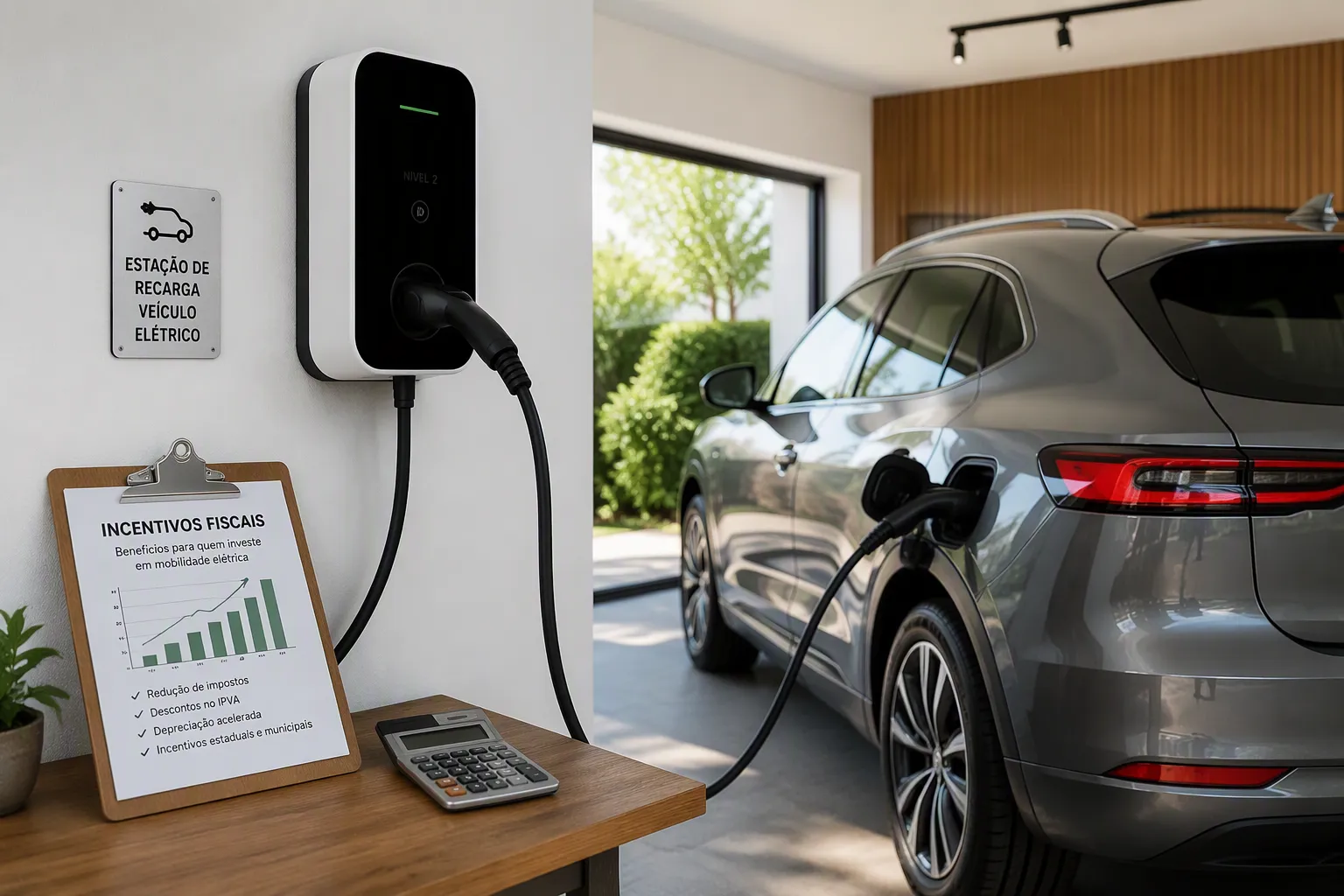
Many regions offer incentives to encourage the adoption of renewable energy and sustainable transportation. These programs may include grants, rebates, or reduced taxes for installing solar panels, battery storage, or smart home EV charging equipment. Local authorities often provide additional support for projects that combine renewable energy with electric vehicle infrastructure.
TPSON designs its solutions to meet the requirements of these incentive programs. By choosing compatible equipment, households can lower their upfront costs and accelerate their return on investment.
How to Qualify and Apply for Incentives
To benefit from green energy incentives, households must follow specific steps:
- Research available programs in the local area.
- Select approved products and certified installers.
- Submit required documentation, such as proof of purchase and installation.
- Complete any inspections or compliance checks.
Tip: Always check the latest guidelines from local authorities before starting a project. Incentive programs may change or have limited funding.
By leveraging renewable energy and taking advantage of available incentives, families can make home EV charging more sustainable and cost-effective.
Earning Rewards and Incentives with Smart Charging
Utility Company Programs for Smart EV Charging
Demand Response and Time-of-Use Rewards
Utility companies offer a variety of programs that reward households for participating in smart EV charging. These programs encourage users to shift their charging sessions to times when the grid experiences less demand. By doing so, they help balance the grid and reduce overall charging costs. The following table outlines common program types and the rewards available:
| Jenis Program | Deskripsi | Rewards/Incentives Offered |
|---|---|---|
| Tarif Waktu Penggunaan (TOU) | Electricity prices vary by time of day; encourages shifting EV charging to off-peak hours. | Lower electricity rates during off-peak times. |
| Direct Load Control (DLC) | Utility remotely cycles major appliances during peak events to reduce load. | Fixed annual rebate (£25–£100) or monthly bill credit. |
| Critical Peak Pricing (CPP) | Higher electricity prices during a few critical peak days to incentivize reduced usage. | Financial incentive to cut usage during peak hours. |
| Critical Peak Rebates (CPR) | Customers get paid for each kWh reduced below normal usage during declared events. | Bonus payment per kWh saved (e.g., £1.00/kWh). |
Demand response programs provide financial incentives for reducing energy use during peak times. Homeowners can receive rebates or credits on their bills for participating. They can adjust the energy consumption of EV charge points and other appliances during peak hours without affecting daily routines. These strategies help lower electricity bills and support grid reliability.
How to Enroll and Maximize Benefits
Enrolling in these programs usually involves a few simple steps. Households should contact their utility provider to check eligibility and available offers. After selecting a suitable program, they may need to install a compatible smart charger, such as those from TPSON. Registration often requires submitting basic information and agreeing to program terms.
To maximize benefits, users should:
- Set charging schedules to align with off-peak periods.
- Monitor notifications from their utility about upcoming peak events.
- Use smart charging apps to automate participation and track rewards.
Tip: Regularly reviewing program updates ensures that households do not miss new opportunities to reduce charging costs.
Manufacturer and Third-Party Offers
Cashback, Rebates, and Loyalty Programs
Manufacturers and third-party providers also offer incentives for purchasing and using smart AC wall chargers. For example, the Sync Energy Pro Charger Twin (Three Phase) provides dual 7.4kW charging for two vehicles at once. It features smart OCPP connectivity, built-in 4G, and RFID access control. Pricing starts at £1399.00 for the dual 7.4kW version and increases for models with integrated payment terminals.
Many providers offer:
- Cashback on qualifying charger purchases.
- Rebates for installing energy-efficient charging equipment.
- Loyalty programs that reward frequent use or referrals.
Ini incentives help offset the initial cost of home EV charging and encourage the adoption of advanced charging solutions.
Referral Bonuses for Home EV Charging
Referral programs allow users to earn bonuses by recommending smart charging products to friends or family. When a referred customer purchases and installs a charger, both parties may receive a reward, such as a bill credit or gift card. These programs create a network effect, making it easier for more households to access smart charging technology.
TPSON, as a technologically advanced electric vehicle charging solution provider, supports these initiatives by offering compatible products and seamless integration with incentive programs. By taking advantage of these rewards, households can further reduce their charging costs and enjoy the benefits of smart energy management.
Practical Tips for Maximizing Smart Charging Savings
Choosing the Best Smart AC Wall Charger
Essential Features for Home EV Charging
Selecting the right home charging unit is crucial for maximizing savings and ensuring reliable performance. The best smart AC wall charger models offer advanced features that support both cost efficiency and long-term durability. The following table outlines key criteria to consider:
| Kriteria | Deskripsi |
|---|---|
| Open Standard Protocols (OCPP) | Supports OCPP 1.6J or 2.0.1, providing flexibility and avoiding vendor lock-in. |
| Connectivity Redundancy | Includes 4G LTE failover, maintaining smart scheduling even with unreliable Wi-Fi. |
| Hardware Resilience & IP Ratings | Professional-grade hardware with IP65 certification for protection against environmental factors. |
| Advanced Energy Intelligence | Offers solar integration and dynamic load balancing to maximize renewable energy use. |
TPSON, as a technologically advanced electric vehicle charging solution provider, incorporates these features into its home charging units. This approach ensures users benefit from both robust hardware and intelligent energy management.
Memastikan Kompatibilitas dengan Kendaraan dan Rumah Anda
Compatibility remains essential when choosing a home charging unit. Most households find that 7kW chargers are more affordable to purchase and install than 22kW models. While 22kW chargers deliver faster charging, they often require significant electrical upgrades. A smart ev charger optimizes energy costs by utilizing off-peak tariffs, which leads to long-term savings. Always confirm that the charger matches both the vehicle’s requirements and the home’s electrical capacity.
Monitoring and Managing Your Energy Use
Using Apps and Dashboards for Tracking
Modern home charging units come equipped with apps and dashboards that simplify energy management. These tools provide a range of features:
| Fitur | Deskripsi |
|---|---|
| Location Finder | Helps users locate nearby charging stations and check compatibility. |
| Real-Time Status Updates | Displays station availability to minimize wait times. |
| Integrasi Pembayaran | Enables secure, in-app payments for convenience. |
| Perencanaan Rute | Assists in planning efficient routes based on charging station locations. |
| Usage History & Analytics | Tracks charging sessions, costs, and energy usage over time. |
| Reservation Options | Allows users to reserve charging spots in advance. |
These features help users make informed decisions and optimize their charging routines.
Setting Alerts and Notifications for Savings
Regular monitoring of energy use leads to increased savings. Real-time energy monitoring allows users to track consumption and optimize usage. Off-peak charging enables significant cost reductions, while automatic scheduling ensures charging occurs when electricity is least expensive. Integration with solar energy further reduces costs. Smart meters and dashboards encourage mindful energy usage, providing real-time data that helps users adjust their habits and lower overall consumption.
Building Smart Charging Habits
Reviewing and Adjusting Charging Patterns
Developing effective charging habits maximizes savings. Pengisian daya di luar jam sibuk, such as nights or weekends, takes advantage of lower electricity rates. Using smart charging features to schedule sessions ensures the vehicle charges only when needed, avoiding unnecessary costs. Managing electricity usage by preventing overcharging also helps maintain battery health and reduces expenses. Maintaining the state of charge between 20% and 80% optimizes both performance and longevity.
Adapting Schedules for Seasonal Changes
Adjusting charging patterns seasonally can further reduce electricity costs. Charging during periods of renewable energy surplus, which vary throughout the year, allows users to benefit from lower rates. Dual tariff schemes often incentivize charging when renewable energy is abundant. Many current behaviors create peaks in demand during evenings, when prices are highest. By adapting schedules to seasonal changes, users can mitigate these costs and enhance the efficiency of their home ev charging setup.
Common Mistakes to Avoid with Smart Charging
Overlooking Utility Rate Changes
Electricity rates often change throughout the year. Many households forget to review their utility provider’s pricing structure. This oversight can lead to higher energy bills, even when using smart charging solutions. Utility companies may adjust rates based on demand, season, or new regulations. When users do not stay informed, they may miss opportunities to shift charging sessions to cheaper periods. Regularly checking for updates on tariffs helps drivers take full advantage of off-peak rates and maximize savings.
Staying Updated on Pricing
Tip: Set a monthly reminder to review your utility provider’s website or app for any changes in electricity pricing. This habit ensures that charging schedules remain aligned with the lowest available rates.
Ignoring Charger Software Updates
Many drivers overlook the importance of keeping their smart charging equipment Terkini. Pembaruan perangkat lunak sering kali mencakup fitur baru, perbaikan keamanan, dan peningkatan kompatibilitas. Gagal menginstal pembaruan ini dapat mengurangi efektivitas pengisian daya pintar dan bahkan dapat menyebabkan masalah teknis.
Mengapa Pembaruan Penting untuk Penghematan
- Masalah kompatibilitas firmware dapat muncul ketika perangkat lunak kendaraan tidak sesuai dengan persyaratan protokol pengisi daya.
- Gangguan perangkat lunak dapat menyebabkan interupsi acak dalam pengisian daya atau menampilkan informasi status yang salah.
- Masalah ini dapat mencegah pengisian daya dimulai, mengganggu sesi yang sedang berlangsung, dan mengurangi efisiensi serta keandalan keseluruhan proses pengisian daya pintar.
TPSON merekomendasikan pengguna untuk mengaktifkan pembaruan otomatis atau memeriksa rilis baru secara berkala. Praktik ini membantu menjaga kinerja optimal dan memastikan semua fitur pintar berfungsi sebagaimana mestinya.
Kehilangan Insentif yang Tersedia
Banyak wilayah menawarkan insentif finansial untuk memasang solusi pengisian daya pintar atau mengintegrasikan energi terbarukan. Beberapa rumah tangga melewatkan manfaat ini karena tidak meneliti program yang tersedia atau gagal menyerahkan dokumen yang diperlukan. Insentif dapat mencakup pengembalian dana, hibah, atau pengurangan pajak, yang menurunkan investasi awal dan mempercepat pengembalian investasi.
Menemukan dan Mengajukan Program
Catatan: Kunjungi situs web pemerintah daerah dan penyedia utilitas untuk menemukan program insentif terkini. Siapkan semua dokumen yang diperlukan, seperti bukti pembelian dan pemasangan, sebelum mengajukan. Pengajuan awal meningkatkan peluang menerima dukungan sebelum dana habis.
Dengan menghindari kesalahan umum ini, pengemudi dapat membuka potensi penuh dari pengaturan pengisian daya pintar mereka dan mencapai penghematan yang lebih besar dengan setiap pengisian daya.
Pengisian daya EV pintar memberdayakan rumah tangga untuk mengurangi tagihan listrik melalui penjadwalan cerdas dan otomatisasi. Studi menunjukkan bahwa pengisian daya yang dikelola AI dan tarif pintar dapat menurunkan biaya tahunan hingga £340 dan mengurangi tagihan bahan bakar ganda sebesar 15-25%. Memilih pengisi daya EV pintar dan mengoptimalkan rutinitas pengisian daya EV rumah memberikan penghematan langsung dan jangka panjang. TPSON menyediakan solusi canggih yang membantu keluarga memaksimalkan efisiensi. Memulai pengisian daya EV pintar di rumah memastikan manfaat finansial dan lingkungan.
PERTANYAAN YANG SERING DIAJUKAN
Apa itu pengisian daya pintar untuk EV rumah?
Pengisian daya pintar menggunakan penjadwalan cerdas dan otomatisasi untuk mengoptimalkan waktu pengisian daya. Ini mengurangi biaya listrik dengan menyelaraskan sesi pengisian daya dengan jam di luar jam sibuk dan tarif variabel.
Bagaimana pengisi daya dinding AC pintar menghemat uang?
Pengisi daya dinding AC pintar menjadwalkan pengisian daya selama periode tarif rendah. Ini memantau penggunaan energi dan terintegrasi dengan sumber energi terbarukan. TPSON menawarkan solusi canggih yang memaksimalkan penghematan.
Dapatkah pengisian daya pintar bekerja dengan panel surya?
Sistem pengisian daya pintar terhubung ke susunan panel surya. Mereka memprioritaskan energi surya untuk sesi pengisian daya. Penyimpanan baterai memungkinkan pengisian daya malam hari menggunakan tenaga surya yang tersimpan.
Fitur apa yang harus dicari pengguna dalam pengisi daya pintar?
Fitur utama mencakup dukungan protokol OCPP, konektivitas 4G LTE, ketahanan perangkat keras IP65, dan kecerdasan energi. Pengisi daya TPSON menawarkan fitur-fitur ini untuk kinerja yang andal.
Bagaimana pengguna memantau dan mengelola biaya pengisian daya?
Aplikasi dan dasbor melacak konsumsi energi. Mereka memberikan pembaruan waktu nyata, analitik penggunaan, dan notifikasi. Pengguna menyesuaikan jadwal pengisian daya untuk memaksimalkan penghematan.
Apakah ada insentif yang tersedia untuk memasang solusi pengisian daya pintar?
Banyak wilayah menawarkan pengembalian dana, hibah, atau pengurangan pajak untuk instalasi pengisian daya pintar. TPSON merancang produk untuk memenuhi persyaratan insentif. Pengguna harus meneliti program lokal dan mengajukan lebih awal.