
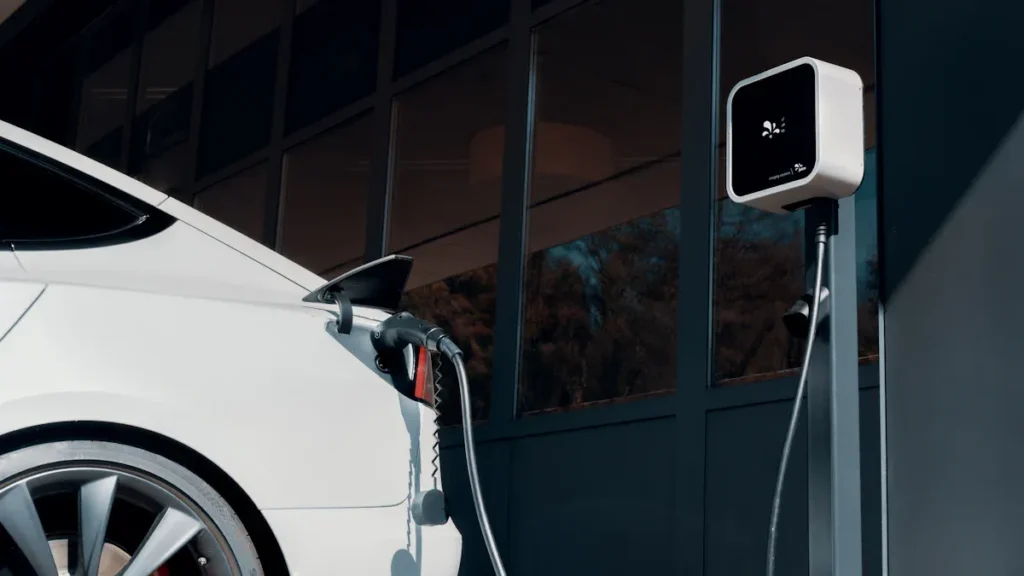
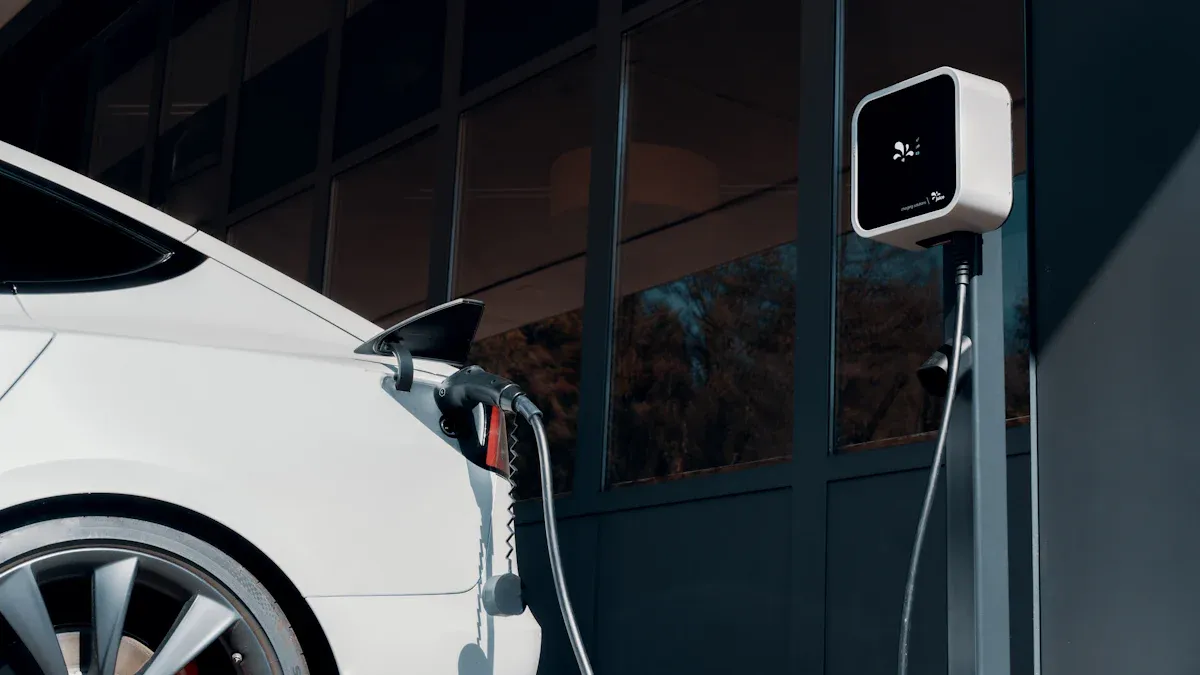
Charging an electric vehicle to 100% every night often proves unnecessary and may shorten battery life. Most Produsen pengisi daya EV and industry experts recommend charging to 80-90% for typical daily driving. Drivers can use Level 2 charging at home, which suits most routines, while pengisi daya ev portabel offer flexibility when traveling. Solusi pengisian daya kendaraan listrik from leading brands help users set optimal limits to preserve battery health. Choosing when to charge my EV depends on daily distance and the guidance of Pengisi daya listrik manufacturers.
Tabel di bawah ini menyoroti the most common charging levels for electric vehicles:
| Tingkat Pengisian Daya | Output Daya (kW) | Kasus Penggunaan Umum |
|---|---|---|
| Level 1 | 2-3 | Standard outlet, emergency use |
| Level 2 | 7-22 | Ideal for homes and workplaces |
| Level 3 | 50-350 | Rapid DC charging, not for home use |
Impact of Charging My EV to 100% on Battery Health
How Electric Car Batteries Age
Charging Cycles and Battery Wear
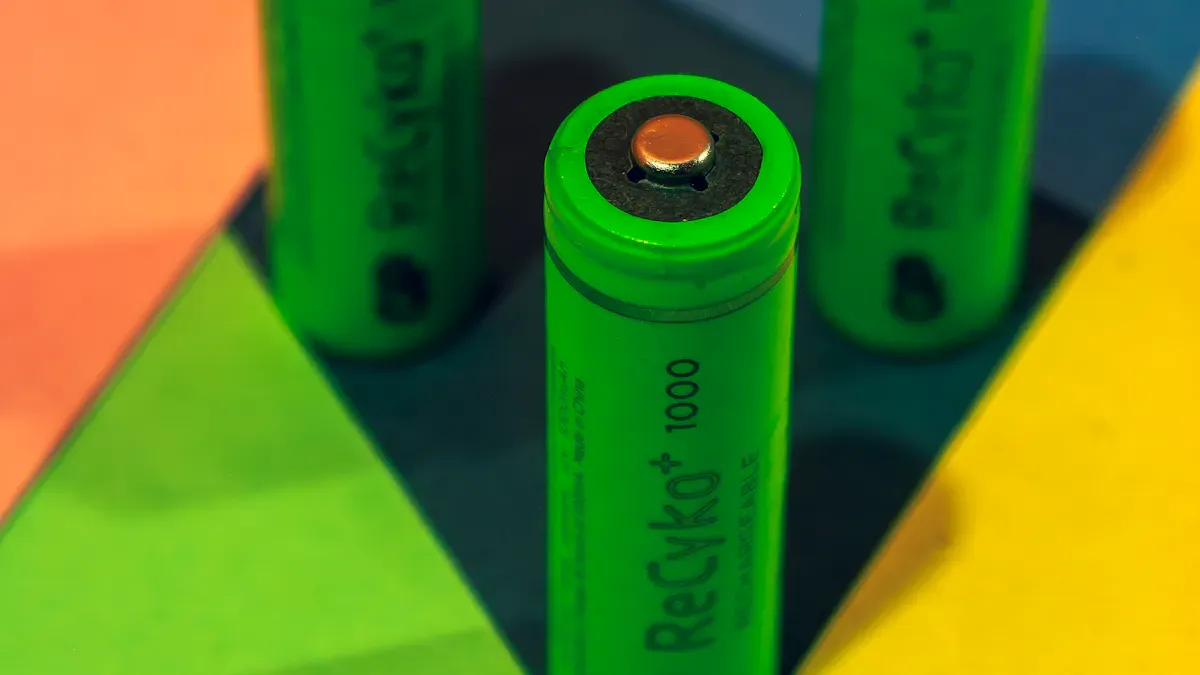
Electric car batteries age over time due to several factors. Each time drivers charge their EV, the battery completes a charging cycle. A charging cycle refers to the process of using and recharging the battery from 0% to 100%. The more cycles a battery completes, the more it wears out. Mengisi hingga 100% every night reduces the number of effective cycles, which shortens the battery’s lifespan. Full charges also generate more heat, damaging internal components and decreasing efficiency. Modern EVs include protections, but frequent full charging still stresses the battery and increases the risk of overheating.
Key factors that contribute to battery aging termasuk:
- Suhu: Extreme heat or cold can reduce battery efficiency and lifespan. Charging at high temperatures is especially harmful.
- Vehicle use & care: Allowing the battery to drop below 5% or leaving the vehicle unused for long periods can cause permanent damage.
- Weight: Heavier vehicles require more energy, which strains the battery and reduces its life.
Effects of High State of Charge on EV Batteries
Maintaining a high state of charge, especially above 80%, accelerates battery degradation. Survey data shows that keeping the battery at extreme states of charge for most of the time increases degradation rates from about 1.4% to 2.0% per year. Occasional full charges do not cause significant harm, but consistently pengisian hingga 100% can lead to faster battery wear. Research analyzing over 22,700 EVs found that regular full charging, especially with high-power DC chargers, can double the annual degradation rate to about 3.0%. This means drivers may need to replace the battery sooner, increasing long-term costs.
Manufacturer Recommendations for Charging Your EV
What Electric Car Makers Advise
Most electric car manufacturers recommend limiting daily charging to 80-90%. They design their vehicles to balance range and battery health. Automakers often provide software settings that allow users to set charging limits. These features help drivers avoid unnecessary full charges and preserve battery life. While the vehicle can handle a full charge for long trips, daily use rarely requires charging to 100%. Following these guidelines helps maintain battery performance and reduces the risk of premature degradation.
Warranty Considerations for Charging My EV
Battery warranties for EVs typically last 8 to 10 years or up to 100,000 miles. These warranties cover repair or replacement if battery capacity drops below a certain threshold, usually around 70%. While warranties do not explicitly mention frequent full charging, they recognize that charging habits influence battery health. Rapid charging and high-speed driving can accelerate battery degradation, but warranty coverage may still apply if the battery falls below the guaranteed capacity. Owners should review their warranty terms and follow best practices to maximize coverage and battery life.
Daily Driving Needs and How Much to Charge My Electric Car
Typical Commute Distances for EV Owners
Average Miles Driven Per Day in an Electric Car
Most EV owners drive between 30 and 40 miles per day. This distance falls well within the range of modern electric cars, which often provide over 200 miles on a single charge. Many drivers find that their daily commute and errands require only a small portion of the battery’s capacity. Charging every night to 100% does not match the actual needs of most users. Instead, they can maintain battery health by charging to a lower level, such as 80%, which supports daily travel and extends battery life.
Tip: Monitoring average daily mileage helps drivers set appropriate charging limits and avoid unnecessary battery stress.
How Much Charge Your EV Really Needs
Drivers should consider their typical routes and the battery’s state of charge before plugging in. For most, charging to 80% provides enough range for daily activities and leaves a buffer for unexpected trips. Keeping the battery between 20% and 80% reduces chemical stress and supports long-term battery health. This approach also aligns with manufacturer recommendations and helps drivers develop smart charging habits. Charging to 100% should not become routine unless specific circumstances require maximum range.
When a Full Charge Is Necessary for Your EV
Long Trips and Road Trips with an Electric Car
Some situations call for a full charge. When planning a long journey or road trip, drivers benefit from starting with a full battery. Maximum range provides peace of mind, especially when charging stations may be scarce along the route. Drivers can use navigation apps to locate charging points and plan stops, but beginning with a full charge reduces anxiety and increases flexibility. Occasional full charging for travel does not significantly harm the battery, as long as it does not become a daily practice.
- When to charge your EV to 100%:
- Before long-distance travel
- When charging infrastructure is limited
- For routes with unpredictable detours
Emergency Situations and Charging My EV
Emergencies sometimes require a full battery. Severe weather, power outages, or unexpected events may limit access to charging. In these cases, a full charge ensures the electric car remains ready for use. Drivers should assess local conditions and adjust their charging strategy as needed. However, they should return to regular charging limits once the situation stabilizes to protect battery health.
Catatan: Charging to 100% is appropriate for occasional needs, such as long trips or emergencies. Regularly charging to full capacity can negatively impact battery health, so drivers should reserve this practice for special circumstances.
Downsides of Charging My EV to 100% Every Night
Battery Degradation Risks for Electric Cars
Chemical Stress at Full Charge in EV Batteries
Charging an EV to 100% every night places significant chemical stress on the battery. When the battery reaches a full charge, the cells experience higher voltage levels. This condition accelerates the breakdown of internal materials and increases the risk of irreversible damage. The battery management system in modern EVs helps reduce these effects, but frequent charging to maximum capacity still causes strain. Drivers who regularly charge their EV to 100% expose the battery to more heat and chemical reactions, which can lead to faster battery degradation.
The first method is to ensure you are not regularly charging your electric car to 100%. While this may sound silly, it’s no coincidence that EV manufacturers often quote charging times to 80% rather than to 100%. Charging your electric vehicle to 80% will leave it running more efficiently and you’ll still have enough miles to get you to your destination.
Battery health depends on maintaining moderate charging habits. Keeping the battery between 20% and 80% helps preserve battery life and reduces chemical stress. Drivers who charge their EV only as needed avoid unnecessary wear and extend the useful range of their vehicle.
Reduced Battery Lifespan from Frequent Full Charging
Fully charging your EV every night shortens battery lifespan. Studies show that charging to 100% regularly isn’t ideal for battery health. The difference in battery degradation between EV models remains small, but the impact is measurable. Extreme charging increases degradation rates to about 2.0% per year, while moderate charging keeps rates closer to 1.4%. Battery management systems prevent overcharging, but they cannot eliminate all risks.
- Charging to 100% regularly isn’t ideal for battery health.
- The degradation difference between models is small, with rates of 2.0% per year for extreme charging versus 1.4% for moderate charging.
- Modern EVs utilize battery management systems that prevent full depletion and overcharging.
A study on Nissan Leafs indicated that exclusive use of DC rapid charging increased battery degradation by 16% compared to AC fast charging. Drivers who charge their car with high-power chargers and reach full charge more often see faster battery wear. Over time, this practice reduces battery capacity and limits the range available for daily use.
Energy Waste and Cost When You Charge Your EV Fully
Higher Electricity Bills from Charging My Electric Car
Charging your EV to 100% every night increases energy consumption and raises electricity bills. Most drivers do not need a full charge for daily travel. Charging beyond what is necessary wastes energy and money. Home charging solutions allow users to set limits and schedule charging times, but ignoring these features leads to higher costs. Drivers who charge their EV only to the level needed for their commute save money and reduce unnecessary expenses.
The cost of charging depends on local electricity rates and the size of the battery. Charging to 100% uses more power and increases monthly bills. Smart charging habits help drivers manage costs and avoid waste.
Environmental Impact of Charging My EV to 100%
Charging your EV fully every night also affects the environment. Excessive energy use increases demand on the power grid and raises carbon emissions, especially in regions where electricity comes from fossil fuels. Drivers who charge their EV only as needed reduce their environmental footprint. Efficient charging habits support sustainability and help protect battery health.
Battery degradation from frequent full charging leads to earlier battery replacement. Manufacturing new batteries requires energy and resources, which adds to environmental impact. Drivers who maintain moderate charging levels extend battery life and contribute to a cleaner future.
Best Charging Practices for Your EV
Recommended Charging Levels for Electric Cars
80% vs. 100% Charging for My EV
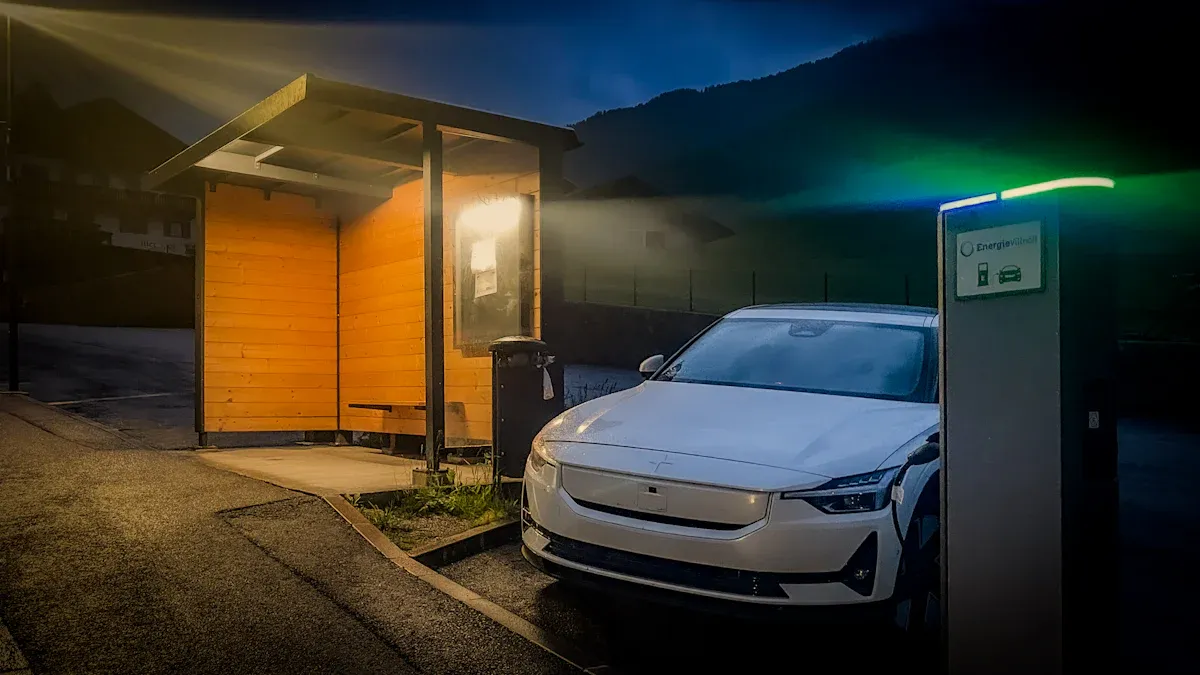
Electric vehicle experts agree that charging to 80% is usually sufficient for daily driving. This practice helps maintain battery health and supports the longevity of the battery. Charging to 100% should be reserved for special situations, such as long trips or emergencies. Most commutes and errands do not require a full battery. Drivers who keep their battery between 20% and 80% experience less battery degradation and enjoy more consistent performance from their EV.
- For daily driving, charging to 80% is generally sufficient, but always check the manufacturer’s recommendations.
- Charging to 80-90% is recommended to avoid battery degradation and is typically enough for most commutes.
- Regularly charging to 80% helps preserve battery health by reducing stress from full charges.
- Charging between 20% and 80% is often sufficient for most journeys.
Setting Charging Limits on Your Electric Car
Many modern electric cars allow drivers to set charging limits through onboard systems or mobile apps. Setting a charging limit helps prevent fully charging your car every night, which can accelerate battery wear. TPSON and other advanced charging solution providers offer smart chargers that make it easy to set and adjust these limits. By using these features, drivers can optimize their charging habits and extend the life of their battery.
Scheduled Charging for Your EV
Using Timers and Apps to Charge My EV
Scheduled charging allows drivers to control when they charge their EV. Most electric cars and smart chargers, including those from TPSON, support timers and mobile app controls. Drivers can set a charging schedule to start and stop at specific times. This approach keeps the battery within the ideal range and avoids unnecessary charging outside of daily needs.
Off-Peak Charging Benefits for Electric Cars
Charging during off-peak hours offers significant benefits. Electricity rates are often lower at night or during designated off-peak periods. Charging during these times can lower electricity costs by 40-70% compared to peak periods. Scheduled charging also helps maintain battery levels between 20% and 80%, which reduces stress and prolongs battery lifespan. Some smart charging systems can even use renewable energy sources, making it possible to charge your electric car at little or no cost.
Tip: Setting a charging schedule not only saves money but also supports battery health by keeping the battery at optimal levels.
Battery Management Tips for Charging Your EV
Temperature Considerations When You Charge Your EV
Battery performance can drop in extreme temperatures. Parking in shaded areas during summer and in garages during winter helps protect the battery. Pre-conditioning the battery before charging or driving can also improve efficiency and range. Many EVs offer features that allow drivers to manage battery temperature through their charging system.
Avoiding Deep Discharges in Electric Cars
Drivers should avoid letting the battery drop below 20% whenever possible. Deep discharges put extra stress on the battery and can shorten its lifespan. Following the 80/20 rule—charging up to 80% and avoiding drops below 20%—helps maximize battery health and longevity. Limiting the use of rapid chargers also reduces battery degradation over time.
Note: Consistent charging habits, such as maintaining a regular charging schedule and keeping the battery within the recommended range, play a key role in extending the life of your EV battery.
Optimizing Convenience and Cost When You Charge Your EV
Charging My Electric Car at Home vs. Public Stations
Home Charging Advantages for Your EV
Home charging offers electric vehicle owners unmatched convenience and cost savings. Drivers can plug in their EV overnight, ensuring a full battery each morning without the need to visit a public station. Home charging also allows for scheduling, which helps optimize electricity costs and supports battery health. Many homeowners install Level 2 chargers, which provide consistent charging speeds and fit seamlessly into daily routines. Charging at home often uses off-peak electricity rates, making it more affordable over time.
Public Charging Strategies for Electric Cars
Public charging stations serve as a valuable resource for drivers on the go. These stations, found at shopping centers, offices, and service stations, offer fast charging options that can replenish an EV battery up to 80% in about 30 minutes. However, public charging usually costs more than home charging and may require waiting or planning around charger availability. Drivers benefit from using public stations for opportunity charging during errands or long trips, but they should prioritize home charging for daily needs.
The table below compares home and public charging for electric vehicles:
| Aspek | Pengisian Daya Rumah | Pengisian Daya Publik |
|---|---|---|
| Biaya | More cost-effective due to off-peak electricity rates; initial installation cost but long-term savings. | Pay-per-use model with variable rates; some free or subscription options but generally more expensive over time. |
| Kenyamanan | Always available at home; plug in overnight; no waiting or searching for chargers. | Useful on the go; located at shopping centers, offices, service stations; may require planning and waiting. |
| Kecepatan Pengisian Daya | Level 2 chargers provide consistent overnight charging. | Level 3 fast chargers can charge up to 80% in ~30 minutes; speed varies with charger type and demand. |
| Lifestyle Fit | Seamlessly integrates into daily routine; scheduling possible to optimize cost. | Supports opportunity charging during errands; requires adjusting schedule based on charger availability. |
Smart Charging Solutions for Your EV
Using Smart Chargers to Charge My EV
Smart charging solutions help drivers manage their EV charging routines and costs efficiently. These systems allow users to schedule charging sessions, often during off-peak hours, which reduces electricity bills. Smart chargers provide detailed reports on charging activity, helping drivers track energy usage and identify cost-saving opportunities. By monitoring the electricity grid, smart charging systems can automatically select optimal times for charging, supporting both cost efficiency and grid stability.
- Scheduled charging enables a “set and forget” approach, making daily routines easier.
- Pengisian daya di luar jam sibuk leads to significant savings.
- Smart chargers adapt to changing schedules and energy prices, optimizing charging times.
Integrating Your Electric Car with Home Energy Systems
Integrating an EV with home energy systems, such as solar panels, further enhances cost savings and sustainability. Smart charging technology can prioritize self-generated solar energy, reducing reliance on the grid and lowering the environmental impact. Pemantauan energi features give drivers visibility into their energy usage, allowing them to make informed decisions about when and how to charge their battery. This integration supports a more flexible and efficient charging experience, ensuring the EV remains ready for daily use while minimizing costs.
Tip: Charging at home with a smart charger and integrating renewable energy sources can maximize convenience, reduce costs, and extend battery life.
When Exceptions Apply to Charging Your EV to 100%
Special Cases for Full Charging My Electric Car
Preparing for Long Journeys in Your EV
Drivers often encounter situations where charging to 100% becomes necessary. Before embarking on a long journey, they maximize the vehicle’s range to reduce the need for frequent stops. Planning for extended travel requires careful consideration of available charging stations along the route. Many electric vehicles offer navigation tools that highlight charging locations, allowing drivers to map out their trip efficiently. Charging to full capacity ensures the vehicle can cover greater distances between stops, especially in areas with limited infrastructure.
Tip: For road trips, drivers should check the route for charging station availability and charge to 100% only when longer stretches without access are expected.
Seasonal and Weather Factors Affecting Charging My EV
Weather conditions, particularly during winter, influence charging strategies. Cold temperatures decrease battery efficiency and reduce driving range by 10 to 30 percent. Increased use of heating systems further drains the battery, while icy or snowy roads create more resistance and demand additional energy. Drivers adapt by charging to higher levels when severe weather is forecasted. Preconditioning the battery while plugged in helps preserve range, as the vehicle uses grid power instead of battery reserves.
- Cold weather reduces battery efficiency and increases energy consumption.
- Charging to 80-90% remains suitable for daily use, reserving 100% charges for longer trips or extreme conditions.
- Preconditioning the battery while charging maintains optimal performance.
Fleet and Commercial Use of Electric Cars
High Mileage Scenarios for Charging Your EV
Fleet vehicles operate under different demands compared to personal cars. High mileage and frequent use require guaranteed availability. Fleet managers prioritize charging to full capacity to ensure vehicles remain ready for business-critical tasks. Fast charging between shifts supports operational efficiency, while employee vehicles can accommodate longer dwell times with lower power. Commercial installations must balance return on investment, employee satisfaction, and environmental sustainability.
Operational Demands for Charging My Electric Car
Commercial electric vehicles often require advanced charging solutions. Multi-user access control and authentication help manage usage across departments. Usage tracking, billing, and reimbursement reporting streamline fleet management. Integration with fleet management systems allows prioritization of business-critical vehicles. Visitor access and guest charging capabilities support operational flexibility. Smart charging regulations apply to both domestic and commercial installations, but business needs extend to additional functionalities.
Note: Fleet managers should evaluate operational demands and select charging strategies that maximize vehicle uptime and efficiency.
Most EV drivers do not need to charge their vehicles to 100% every night. Charging to 80-90% preserves battery health and reduces costs. Manufacturers recommend several best practices for daily charging:
- Charge nightly only if daily driving uses most of the battery.
- For short commutes, charge every few days or as needed.
- Maintain battery levels between 20% and 80% for routine use.
- Use slower home chargers for regular top-ups.
- Limit rapid charging to long trips and avoid letting the battery drop below 10%.
Smart charging features help drivers optimize routines and extend battery life.
PERTANYAAN YANG SERING DIAJUKAN
How often should drivers charge their EV to 100%?
Most drivers only need to charge their EV to 100% before long trips or emergencies. Daily charging to 80-90% supports battery health and meets typical commuting needs.
Does charging an electric car overnight harm the battery?
Charging an electric car overnight does not harm the battery if drivers set charging limits. Keeping the battery between 20% and 80% reduces chemical stress and extends battery lifespan.
Can drivers use rapid chargers for daily charging?
Pengisi daya cepat provide fast charging but increase battery wear if used frequently. Drivers should reserve rapid charging for road trips or urgent situations and rely on home charging for daily use.
What happens if the battery drops below 20%?
Allowing the battery to drop below 20% increases stress and may shorten battery life. Drivers should recharge before reaching low levels to maintain optimal performance.
Are there benefits to scheduled charging?
Scheduled charging helps drivers take advantage of off-peak electricity rates and keeps the battery within recommended levels. Smart chargers and apps make scheduling easy and efficient.
Should drivers charge their EV every night?
Charging every night is unnecessary for most drivers. Monitoring daily mileage and charging only as needed preserves battery health and reduces energy costs.
How do weather conditions affect charging habits?
Cold or hot weather impacts battery efficiency and range. Drivers may need to charge to higher levels during extreme temperatures and use preconditioning features to maintain performance.
Fitur apa yang membantu mengelola rutinitas pengisian daya?
EV modern menawarkan pengaturan batas pengisian, timer, dan aplikasi pengisian pintar. Alat-alat ini membantu pengemudi mengoptimalkan rutinitas, mengurangi biaya, dan menjaga kesehatan baterai.




