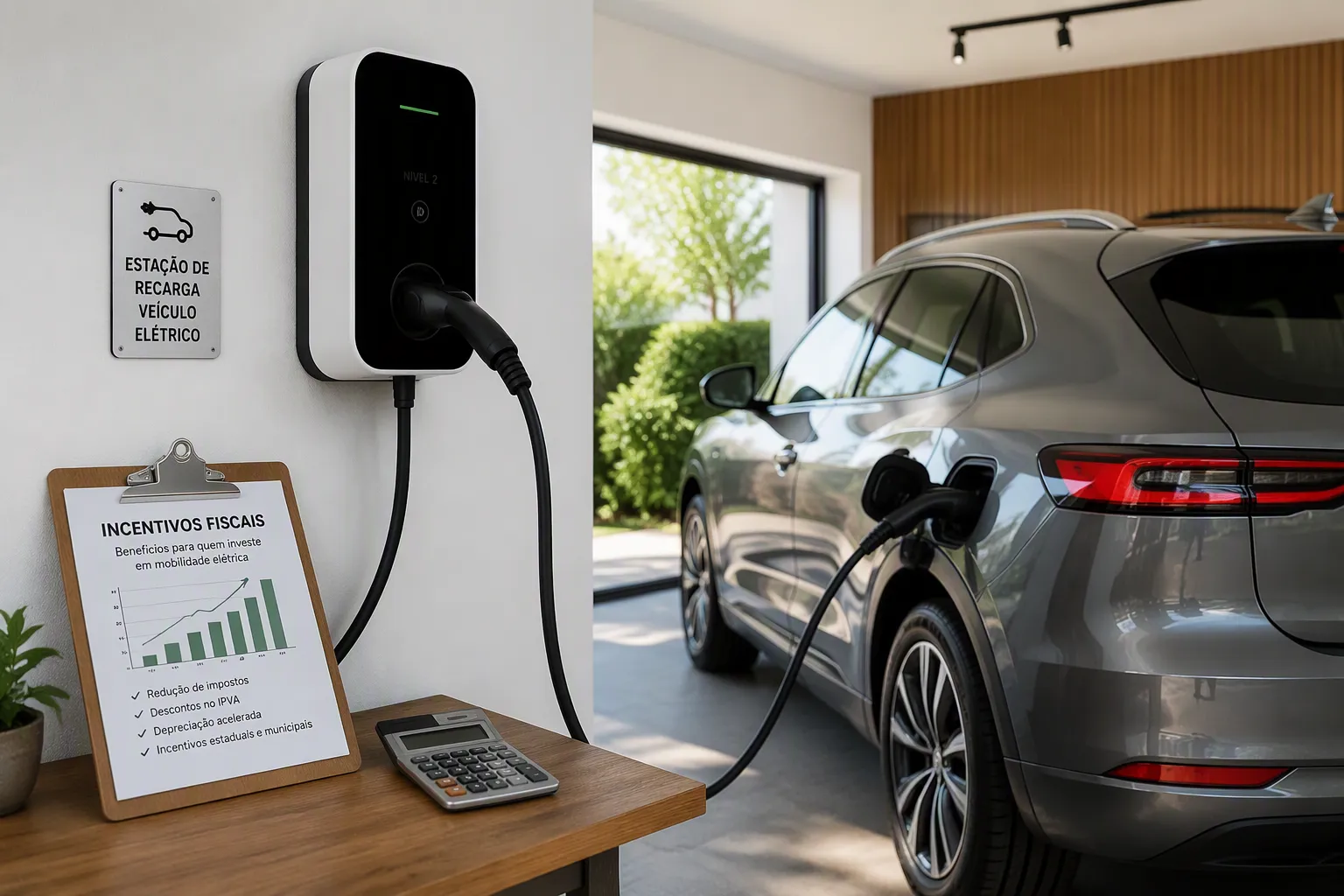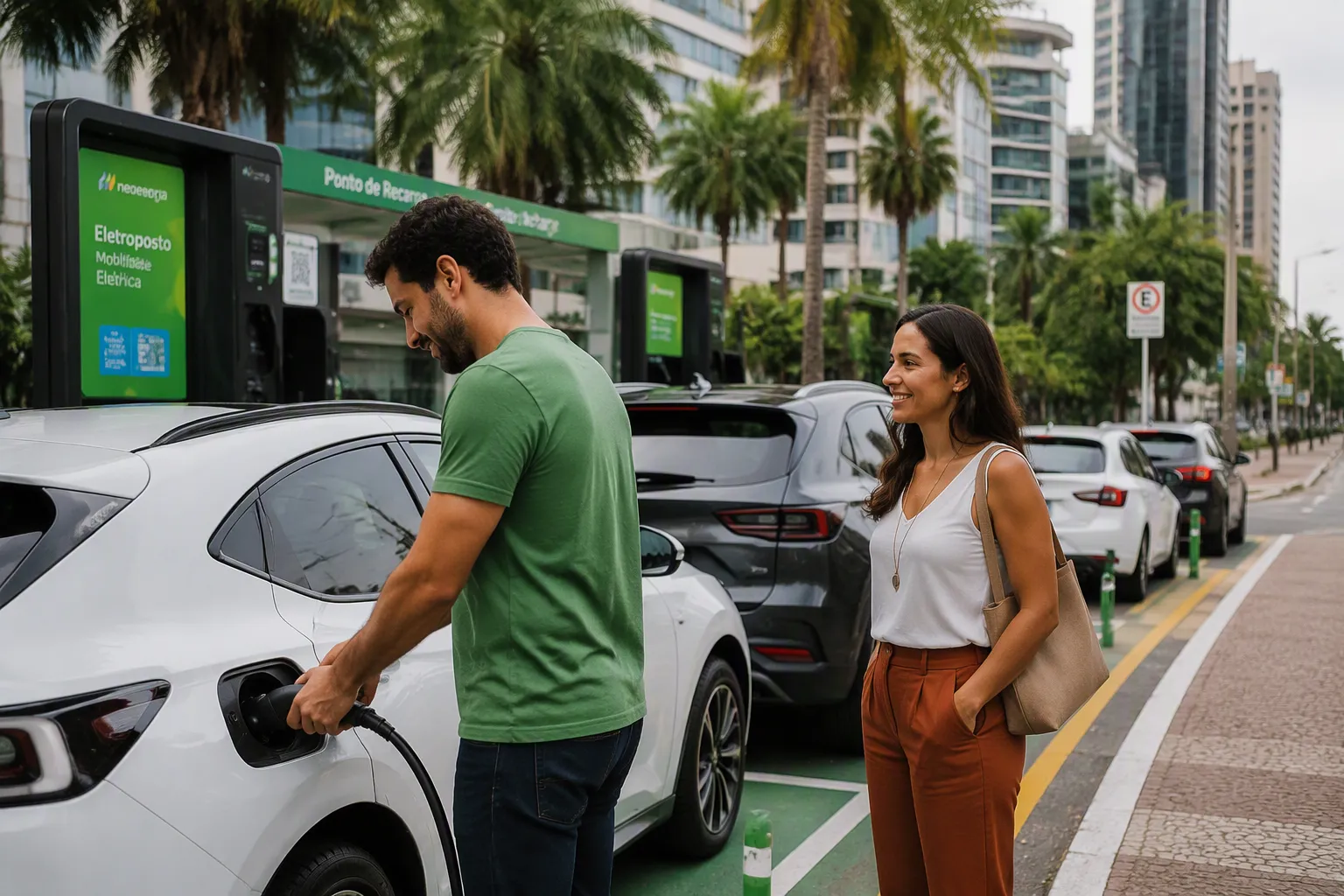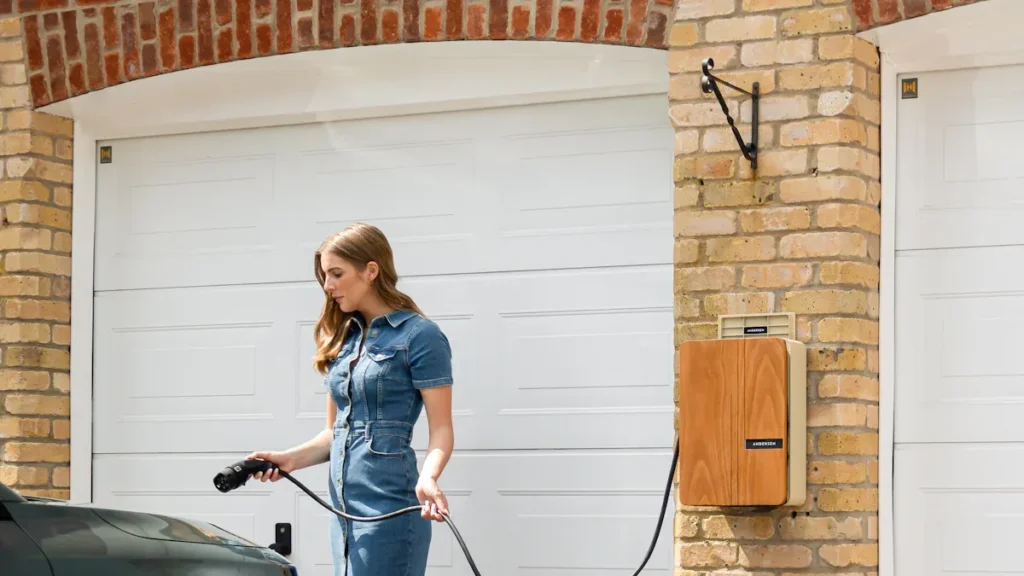
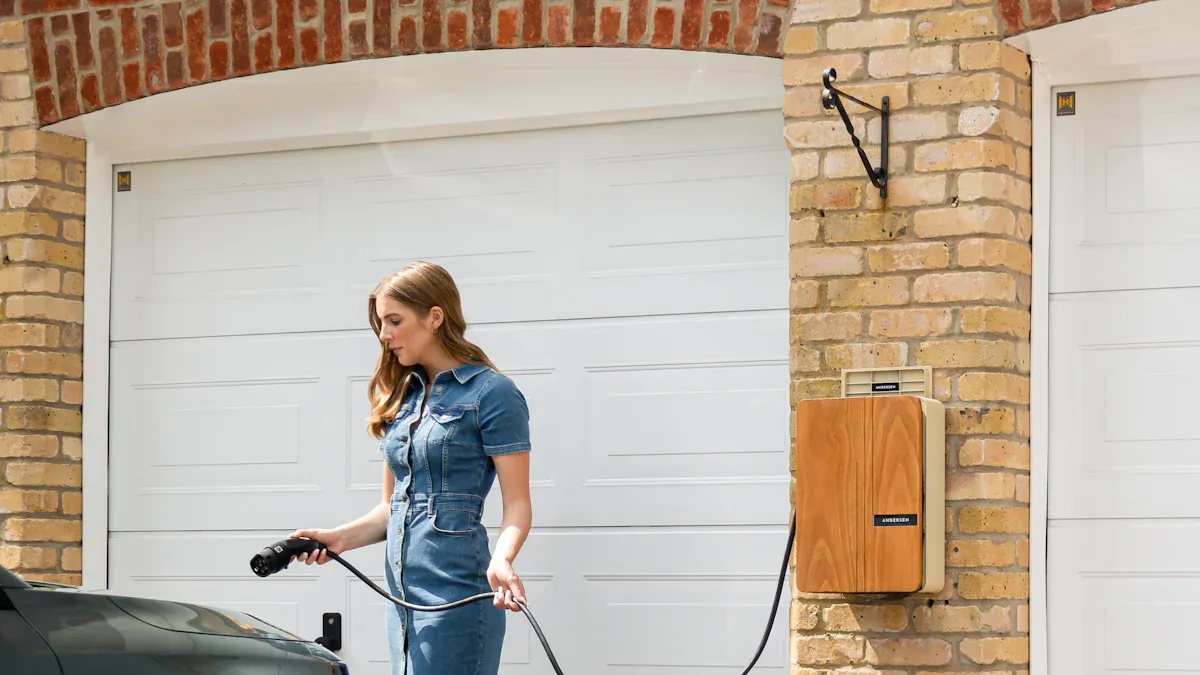
Rumah tangga Brasil dengan cepat mengadopsi kendaraan listrik, dengan penjualan kendaraan listrik mengalami kenaikan 40% pada awal tahun 2025. Bagi pemilik baru ini, pengisi daya pintar Pengisi daya listrik merupakan investasi bijak. Biaya investasi awal yang lebih tinggi dibenarkan oleh penghematan jangka panjang yang signifikan dan kenyamanan superior. Meskipun beberapa Produsen pengisi daya EV pengisi daya menawarkan fungsionalitas pengisi daya EV portabel, dasar, model canggih Solusi pengisian daya kendaraan listrik dari penyedia seperti TPSON memberikan nilai jangka panjang lebih besar. Pilihan Pengisi Daya EV yang tepat bergantung pada akses ke “Tarifa Branca” dan konfigurasi listrik spesifik rumah.
Memahami Teknologi: Apa yang Membuat Pengisi Daya EV Pintar Menjadi “Pintar”?
Untuk menghargai nilai pengisi daya EV pintar, pertama-tama harus dipahami komponen stasiun pengisian daya rumah standar dan apa yang membedakan versi “pintar”. Perbedaannya terletak pada konektivitas, yang membuka tingkat kontrol, efisiensi, dan manajemen energi baru.
Komponen Inti Stasiun Pengisian Daya Rumah
Setiap pengisi daya EV rumah, terlepas dari kecerdasannya, dibangun di atas fondasi perangkat keras esensial yang dirancang untuk penyaluran daya yang aman dan andal.
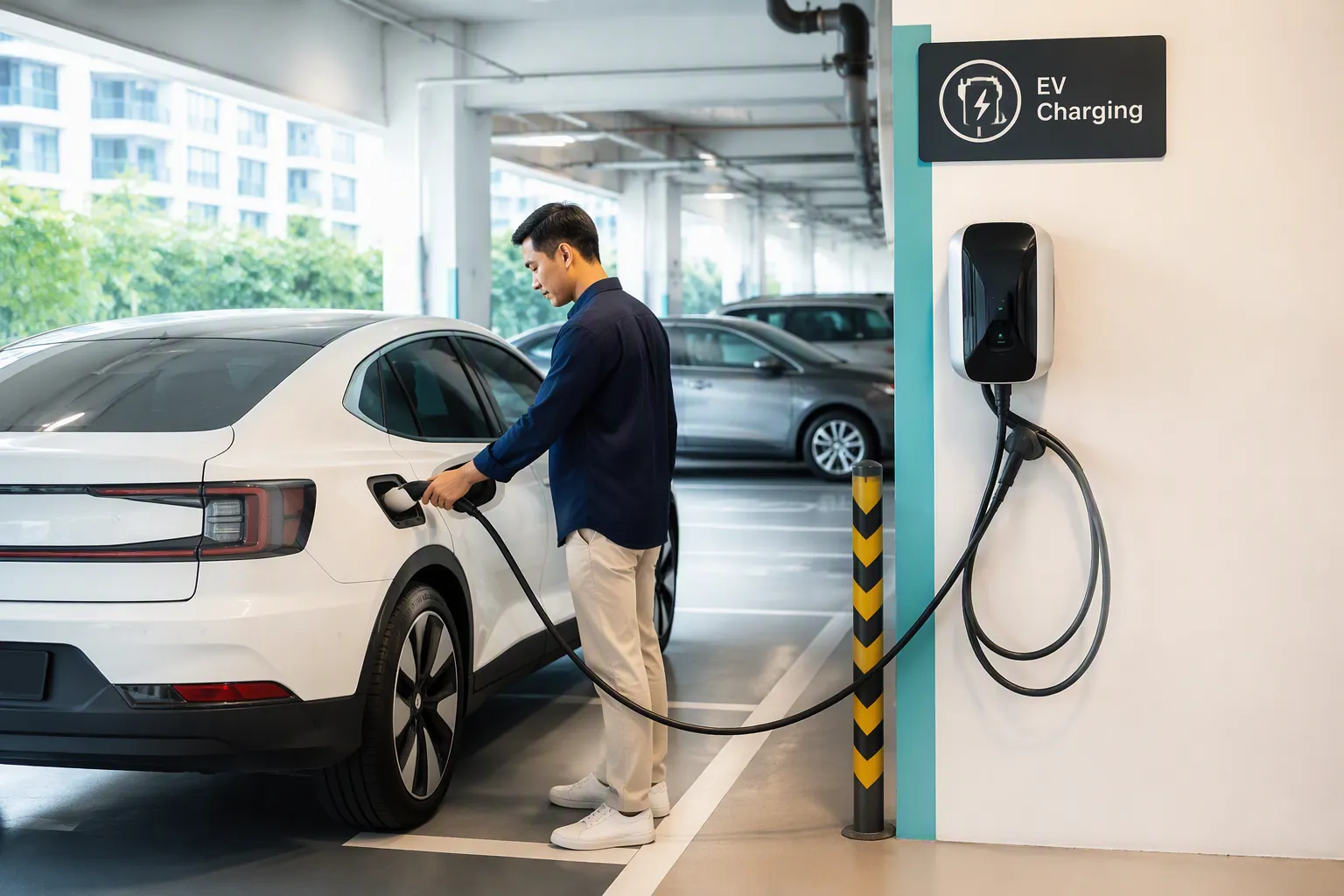
Unit Pengisi Daya (Wallbox)
Wallbox adalah unit utama yang dipasang di dinding. Unit ini menampung komponen listrik kritis yang mengatur aliran listrik dari sirkuit rumah ke kendaraan. Selubung ini melindungi elektronik internal dari faktor lingkungan.
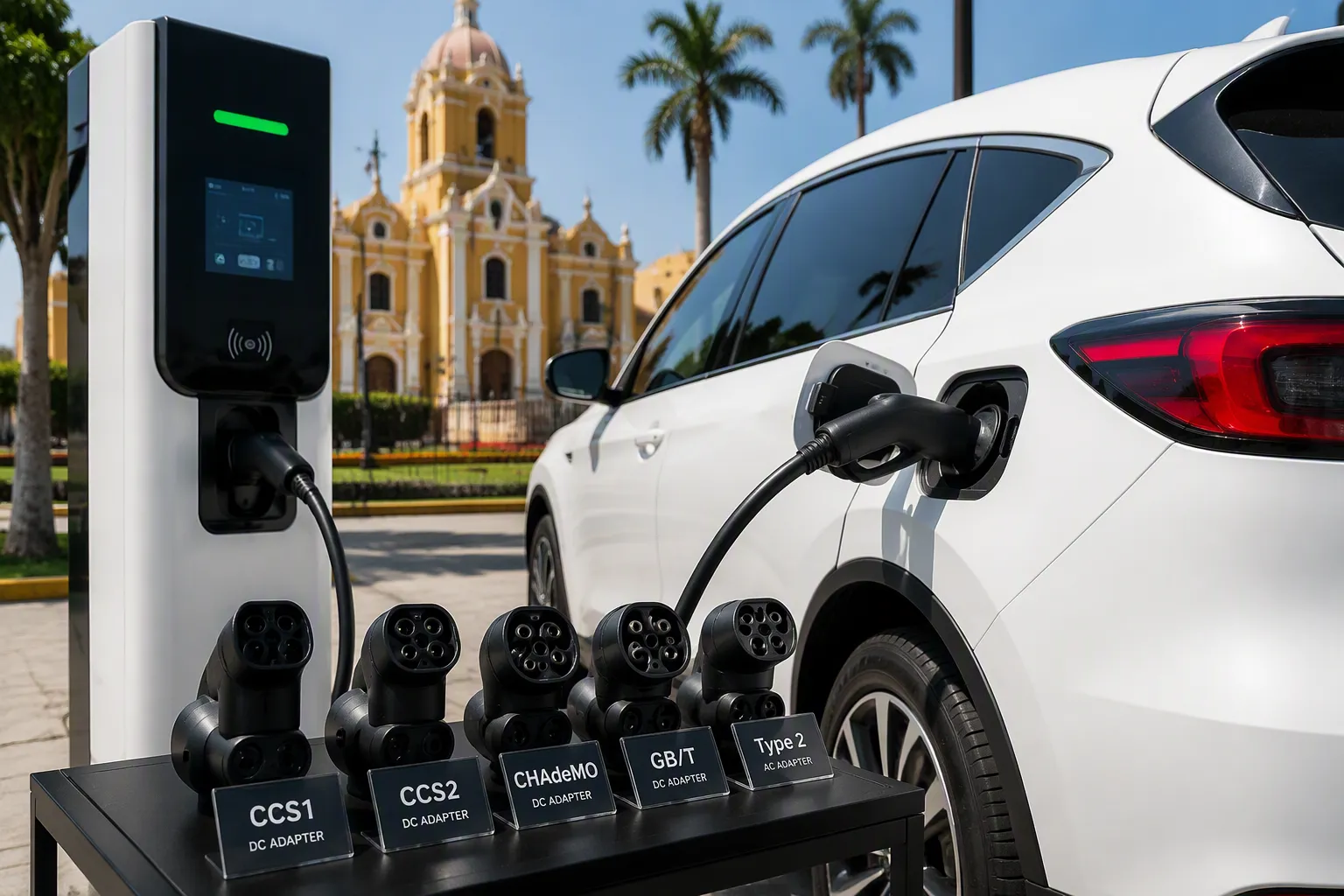
Kabel dan Konektor (Standar Tipe 2)
Kabel tahan lama menghubungkan wallbox ke kendaraan. Di Brasil, konektor “Tipe 2” adalah standar mapan untuk pengisian daya AC. Ini memastikan kompatibilitas di sebagian besar model kendaraan listrik yang tersedia di negara ini.
Mekanisme Keamanan Internal
Keamanan adalah yang terpenting. Semua pengisi daya bersertifikat mencakup mekanisme internal seperti pemutus sirkuit dan perangkat arus sisa (RCD). Komponen ini melindungi dari arus berlebih, korsleting, dan kesalahan listrik, memastikan keamanan pengguna dan sistem kelistrikan rumah.
Perbedaan “Pintar”: Konektivitas dan Kontrol
Sebutan “pintar” berasal dari kemampuan pengisi daya untuk berkomunikasi. Solusi pengisian daya EV canggih dari penyedia seperti TPSON mengintegrasikan teknologi ini untuk memaksimalkan efisiensi energi.
direkomendasikan untuk menahan hujan dan debu.
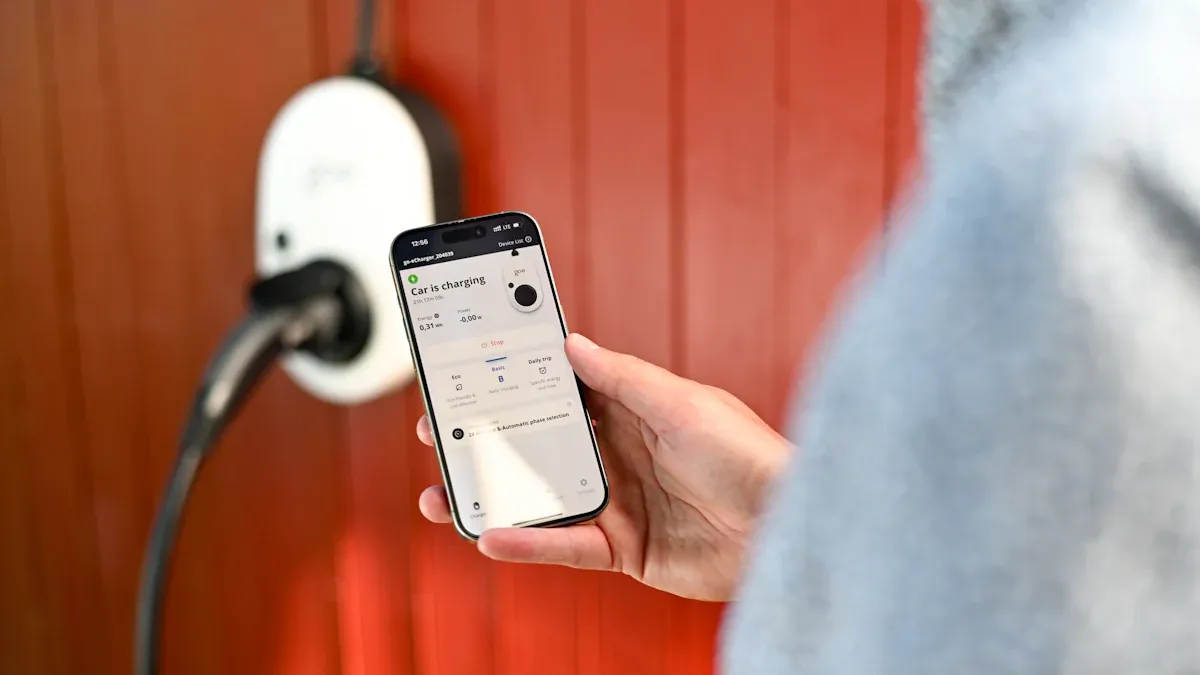
. Pengisi daya pintar terhubung ke internet melalui jaringan Wi-Fi. rumah Anda. Koneksi ini memungkinkan perangkat mengirim dan menerima data dari cloud. Banyak juga yang dilengkapi Bluetooth untuk penyiapan awal dan kontrol langsung saat Anda berada di dekat pengisi daya, bahkan jika Wi-Fi Anda sementara tidak berfungsi.
Peran Aplikasi Smartphone
Aplikasi smartphone adalah pusat kendali. Ini mengubah ponsel pengguna menjadi pengendali jarak jauh untuk pengisi daya. Melalui aplikasi, pemilik rumah dapat memulai atau menghentikan pengisian daya, memantau progres, dan mengakses data rinci tentang penggunaan energi mereka.
Platform Manajemen Berbasis Cloud
Setiap perintah dari aplikasi dikirim ke platform cloud yang aman. Platform ini memproses permintaan dan mengomunikasikannya kembali ke pengisi daya. Platform ini juga menyimpan data pengisian daya historis, memungkinkan pengguna melacak konsumsi energi dan biaya dari waktu ke waktu, yang sangat penting untuk mengoptimalkan efisiensi pengisian daya.
Penjelasan Fitur Pintar Utama
Konektivitas memungkinkan serangkaian fitur yang memberikan kenyamanan dan penghematan biaya. Fungsi-fungsi inilah yang benar-benar mendefinisikan pengalaman pengisian daya pintar.
Kunci Takeaway: . Fitur pintar mengubah pengisi daya Anda dari soket daya sederhana menjadi alat manajemen energi cerdas.
Mulai, Hentikan, dan Pantau dari Jarak Jauh
Pengguna dapat memulai atau mengakhiri sesi pengisian daya dari mana saja dengan koneksi internet. Mereka juga dapat memeriksa tingkat daya kendaraan saat ini dan perkiraan waktu penyelesaian langsung dari ponsel mereka.
Sesi Pengisian Daya Terjadwal
Ini adalah landasan pengisian daya pintar. Pemilik rumah dapat menjadwalkan pengisian daya untuk mulai secara otomatis selama jam off-peak ketika tarif listrik terendah. Tindakan sederhana ini secara signifikan mengurangi biaya energi kendaraan.
Pelacakan Konsumsi Energi
Pengisi daya pintar memberikan laporan rinci tentang penggunaan energi. Pengguna dapat melihat persis berapa kilowatt-jam (kWh) yang digunakan untuk setiap sesi, melacak konsumsi energi bulanan, dan menghitung biaya pengisian daya sebenarnya, mendorong efisiensi yang lebih besar.
Tinjauan Finansial: Bagaimana Pengisi Daya EV Pintar Menghemat Uang Anda di Brasil
Motivasi utama memilih pengisi daya pintar Pengisi daya listrik adalah finansial. Teknologi ini memungkinkan pemilik rumah secara aktif mengelola konsumsi listrik mereka. Manajemen ini langsung mengarah pada penghematan jangka panjang yang signifikan dan pengembalian investasi awal yang sangat baik. Kunci untuk membuka manfaat ini di Brasil adalah memahami dan memanfaatkan “Tarifa Branca”.”
Memaksimalkan Penghematan dengan “Tarifa Branca”
“Tarifa Branca”, atau Tarif Putih, adalah tarif listrik waktu-penggunaan yang tersedia bagi banyak konsumen Brasil. Tarif ini membebankan harga berbeda untuk listrik tergantung pada waktu dalam sehari. Pengisi daya pintar adalah alat yang sempurna untuk memanfaatkan sistem ini sepenuhnya, memaksimalkan efisiensi dan meminimalkan biaya.
Apa itu Tarif Putih (Tarifa Branca)?
Tarif Putih membagi hari menjadi tiga periode berbeda. Setiap periode memiliki biaya per kilowatt-jam (kWh) yang berbeda. Tujuannya adalah untuk mendorong konsumen menggeser penggunaan energi berat mereka dari waktu permintaan tinggi pada jaringan nasional.
Ide Inti: Gunakan lebih banyak listrik saat murah (off-peak) dan lebih sedikit saat mahal (peak). Pergeseran sederhana ini secara dramatis memengaruhi tagihan listrik bulanan Anda.
Mengidentifikasi Jam Off-Peak, Mid-Peak, dan Peak
Distributor listrik mendefinisikan waktu pasti untuk periode ini, tetapi umumnya mengikuti pola yang konsisten pada hari kerja. Akhir pekan dan hari libur nasional biasanya dianggap off-peak sepanjang hari.
Berikut adalah jadwal hari kerja tipikal untuk Tarif Putih:
| Periode Tarif | Kerangka Waktu Khas (Hari Kerja) | Tingkat Biaya | Waktu Terbaik untuk Mengisi Daya? |
|---|---|---|---|
| Puncak (Peak) | 18:00 – 21:00 | 🔴 Tertinggi | Hindari |
| Menengah (Mid-Peak) | 17:00 – 18:00 & 21:00 – 22:00 | 🟡 Medium | Acceptable |
| Off-Peak (Off-Peak) | 22:00 – 17:00 | 🟢 Lowest | ✅ Ideal |
Note: Homeowners should confirm the exact hours with their local electricity provider.
Automating Charging for the Cheapest Times
This is where a smart EV charger demonstrates its value. Instead of manually plugging in the car late at night, homeowners use the smartphone app to set a schedule. They can instruct the charger to begin a session automatically at 22:00, when the off-peak, low-cost energy period starts. The charger then delivers the required energy overnight. This automation guarantees the lowest possible charging cost without any daily effort, ensuring maximum savings and energy efficiency.
Menghitung Pengembalian Investasi (ROI) Anda
The higher price of a smart charger is an investment in future savings. Calculating the potential returns helps justify this upfront cost. The process involves estimating driving habits and comparing the cost of unmanaged charging to smart, scheduled charging.
Estimating Your Monthly Kilometers
First, a homeowner needs to determine their average monthly driving distance. A typical urban commuter in Brazil might drive around 1,200 kilometers per month. This figure is the foundation for calculating monthly energy needs.
Comparing Charging Costs: Smart vs. Unmanaged
Next, one can compare the cost of charging. An unmanaged charger might be used during peak hours out of convenience. A smart charger, like those from advanced providers such as TPSON, will be scheduled for off-peak hours. The difference in cost is substantial.
Let’s assume an EV has an efficiency of 6 km/kWh. For a 1,200 km month, the vehicle needs 200 kWh of energy.
| Metode Pengisian Daya | Periode Tarif | Example Rate (R$/kWh) | Monthly Energy Cost |
|---|---|---|---|
| Unmanaged Charging | Puncak (Peak) | R$ 1,20 | R$ 240,00 |
| Pengisian Daya Cerdas | Off-Peak (Off-Peak) | R$ 0,60 | R$ 120,00 |
This simple comparison shows immediate monthly savings of R$ 120,00. Over a year, this amounts to R$ 1.440,00 in total cost savings, leading to significantly lower electricity bills.
The Break-Even Point: When Your Charger Pays for Itself
The break-even point is when the accumulated savings equal the initial investment in the charger. If the price difference between a standard and a smart charger is R$ 2.000, the calculation is straightforward:
Initial Extra Cost / Monthly Savings = Months to Break Even
R$ 2.000 / R$ 120 = ~17 months
In this scenario, the smart charger pays for its extra cost in less than a year and a half. After this point, all future savings are pure financial returns, making it a highly logical long-term investment for improving home energy efficiency.
The Practical Advantages: Convenience and Safety for Your Home
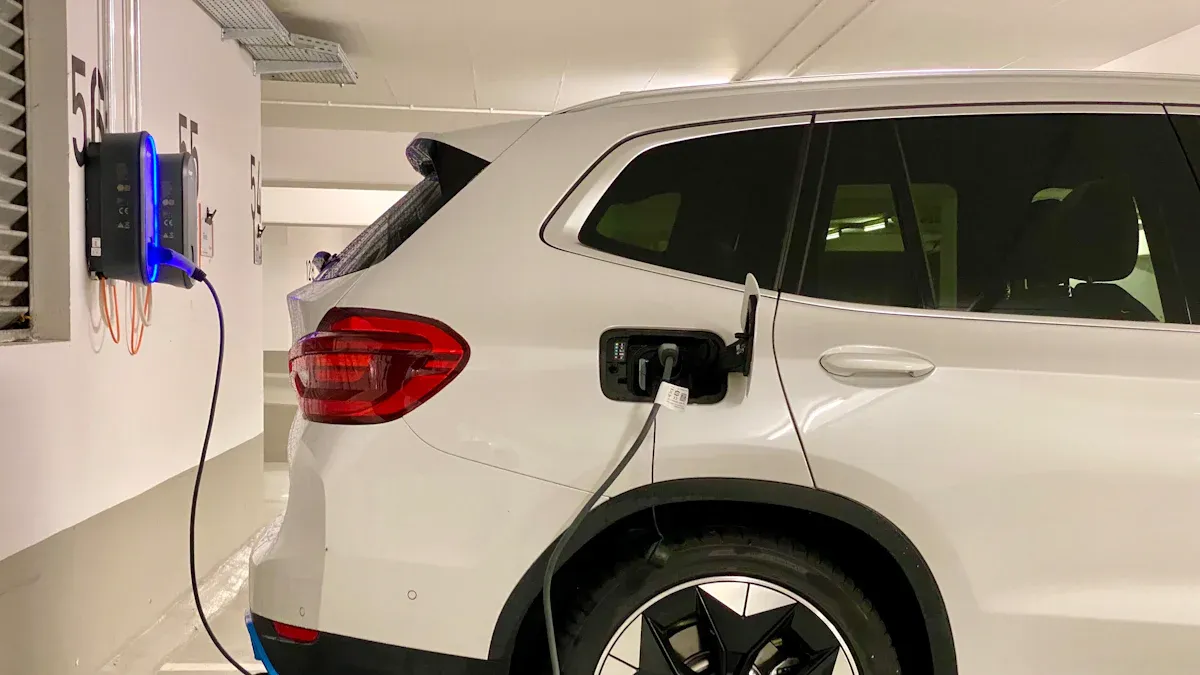
Beyond financial savings, a pengisi daya EV pintar offers significant practical benefits that enhance daily life and protect a home’s electrical infrastructure. These advantages center on superior convenience and advanced safety features, transforming the EV ownership experience from a task into a seamless, automated process.
Unmatched Convenience and Flexibility
Smart technology removes the manual effort and guesswork from vehicle charging. Homeowners gain complete control over their energy usage through intuitive digital tools.
Managing Your Charge from Anywhere
The core of this convenience is the smartphone app. It acts as a remote control, allowing homeowners to start, stop, or pause a charging session from any location with an internet connection. This means a user can plug in their vehicle upon arriving home and initiate the charge later from their couch, ensuring the session aligns perfectly with their schedule and low-cost energy periods.
Real-Time Notifications and Status Updates
A smart charger keeps the homeowner informed. The system sends real-time notifications directly to a user’s phone, confirming when a charging session begins, when it is complete, or if an error occurs. This constant feedback provides ketenangan pikiran, as owners always know their vehicle’s charging status without needing to check it physically.
Sharing Access with Family Members
For households with multiple drivers, a smart charger simplifies management. The primary account holder can grant charging access to other family members through the app. This feature allows everyone to charge their vehicles when needed, while the owner can still monitor overall energy consumption and costs from a central account.
Enhancing Home Electrical Safety with Load Balancing
Perhaps the most critical practical advantage is the integration of advanced safety technology. Dynamic Load Balancing (DLB) is a feature that actively protects a home’s electrical system from overloads.
Apa yang dimaksud dengan Penyeimbangan Beban Dinamis?
Dynamic Load Balancing is an intelligent system that monitors a home’s total electricity consumption in real time. It constantly measures the amount of energy being used by all appliances, lights, and other devices.
The Safety Principle: DLB ensures the total electricity demand of the house plus the EV charger never exceeds the main circuit breaker’s maximum capacity.
How It Prevents Circuit Overloads
The system works automatically to maintain a safe electrical load.
- A sensor measures the total electricity flowing into the home.
- The charger calculates the available capacity by subtracting current household usage from the main fuse’s limit.
- It then adjusts the charging power delivered to the EV to fit within that safe, available margin.
If someone turns on a high-power appliance like an electric shower, the DLB system instantly reduces the charging speed. Once the appliance is off, it restores the charger to full power. This dynamic adjustment prevents tripped breakers and potential damage to the home’s wiring.
Why It’s Crucial for Homes with Limited Capacity
Many homes in Brazil were not designed to handle the high, sustained energy draw of an EV charger alongside other major appliances. Without DLB, charging an EV could frequently cause power outages. This feature is crucial because it allows homeowners to install a powerful charger without needing an expensive and complex upgrade to their home’s main electrical panel, saving both money and hassle while ensuring a safe distribution of energy.
Mengamankan Investasi Anda untuk Masa Depan
Choosing a smart EV charger is not just about immediate benefits; it is a strategic investment in future technology. These devices are designed to evolve, integrating with emerging energy trends and ensuring long-term relevance. This forward-thinking capability protects a homeowner’s investment against technological obsolescence and positions them to capitalize on the future of home energy management, especially concerning renewable energy and grid advancements.
Integration with Renewable Energy
The synergy between smart chargers and renewable energy, particularly solar power, is a key advantage. This combination unlocks true energy independence and promotes sustainability. A smart charger acts as the brain, directing the flow of green energy for maximum efficiency.
Pairing with Home Solar Panel Systems
Homeowners with solar panels can pair them with a smart charger to create a self-sufficient ecosystem. A smart charger communicates with the solar inverter and any connected energy storage system. This integration is crucial for optimizing the use of renewable energy. The system intelligently manages the flow of solar energy, ensuring this renewable resource meets the home’s energy demands first before directing any surplus to the vehicle. This creates a powerful setup for sustainability and energy independence.
A complete solar charging setup includes solar panels, an inverter, the smart EV charger, and often a battery for energy storage. This combination provides the ultimate control over your home’s renewable energy.
Prioritizing Solar Energy for “Free” Charging
A smart charger can prioritize charging using only excess solar energy. This process turns sunlight into free vehicle fuel, a significant step towards sustainability and lower costs. The system follows a smart hierarchy:
- First, solar energy powers the home’s immediate needs during the day.
- Next, surplus solar energy is directed to charge the electric vehicle.
- Finally, any remaining green energy is stored in a home battery for later use or sent to the grid.
This automated prioritization ensures every kilowatt of renewable energy is used effectively. It maximizes the use of green energy and enhances a household’s energy independence from the public grid.
Preparing for the Future of the Grid
Smart chargers are also ready for the next generation of electrical grid technologies. Their connectivity makes them adaptable, a crucial feature as energy systems become more interactive and reliant on renewable energy sources.
Kesiapan Kendaraan-ke-Grid (V2G)
Vehicle-to-Grid (V2G) is an emerging technology that allows an EV’s battery to send energy back to the grid during peak demand. While not yet widespread in Brazil, having a smart charger provides the foundational hardware that may support future V2G capabilities. This positions homeowners to potentially participate in future energy programs, further enhancing their energy independence and contributing to grid stability.
Over-the-Air Software Updates for New Features
Smart chargers from advanced providers like TPSON receive over-the-air (OTA) software updates. This function is similar to updating a smartphone. The manufacturer can remotely add new features, improve charging algorithms, and enhance compatibility with new renewable energy technologies or utility programs. These updates ensure the charger remains current and functional for years, protecting the initial investment and continuously improving the user experience with the latest eco-friendly solutions.
The Drawbacks: Potential Cons of a Smart EV Charger
While smart EV chargers offer compelling advantages, homeowners must also consider their potential drawbacks. The higher initial investment and a dependency on technology are two significant factors that require careful evaluation. Understanding these cons ensures a balanced perspective before making a final purchasing decision.
The Higher Upfront Investment
The most immediate barrier for many potential buyers is the price. A smart charger represents a larger financial commitment compared to its simpler counterparts, encompassing both the unit’s price and the cost of professional installation.
Price Comparison: Smart vs. Standard Chargers
A smart EV charger typically carries a higher price tag than a standard, or “dumb,” charger. This price difference is due to the advanced hardware and software required for connectivity, data processing, and remote control. The initial investment for a smart unit can be significantly more, a factor that homeowners must weigh against the promise of long-term energy savings. This upfront cost is a primary consideration in the overall budget for EV ownership.
Professional Installation Costs in Brazil
Regardless of the charger type, professional installation is essential for safety and compliance. The installation cost in Brazil can vary based on the complexity of the job, the home’s existing electrical infrastructure, and regional labor rates. A proper installation ensures the charger operates safely and efficiently. This installation expense adds to the total initial investment, making the financial planning for a home charging setup a critical step. Homeowners should budget for both the charger and the installation to get a complete picture of the total cost.
The Reliance on Technology
The “smart” capabilities of these chargers are entirely dependent on technology. This reliance introduces potential points of failure and a learning curve that may not be suitable for every user.
Requirement for a Stable Wi-Fi Connection
A smart charger needs a consistent and stable Wi-Fi connection to function correctly. This ‘always-on’ connectivity is crucial for accessing its advanced features. The charger communicates with cloud servers to receive commands, send data, and download updates. An unstable or weak Wi-Fi signal can disrupt these processes, limiting the device’s smart functionality and affecting its ability to manage energy consumption effectively.
What Happens if the Internet Fails?
Internet connectivity issues can lead to downtime for the charger’s software. If the internet connection fails, the charger loses its “smart” capabilities.
Without a connection, advanced features like automated scheduling, remote monitoring, cost optimization, and dynamic adjustments based on household energy demand become unavailable. The charger typically reverts to a “dumb” mode, allowing basic charging to continue but without the intelligent energy management that justifies its higher cost.
While many chargers from providers like TPSON include Bluetooth for direct local control, the core benefits tied to cloud management and remote access are lost during an outage.
App Complexity for Non-Tech-Savvy Users
The user experience with smart charger apps can be a significant hurdle for some individuals. The overall ease of use has been described as poor in some cases, characterized by the hassle of managing apps and payment methods. For users who are not comfortable with technology, navigating these interfaces can be frustrating. Some common challenges include:
- App Limitations: Certain apps, even when paired with high-quality hardware, may lack in-depth features or intuitive data access, restricting a user’s ability to manage their charging sessions easily.
- Complex Features: While features like scheduling and energy tracking are powerful, their setup can be confusing for those seeking a simple plug-and-charge experience.
This complexity can make the process feel cumbersome, potentially detracting from the convenience that smart technology is meant to provide.
How Does a Smart Charger Compare to Other Options in Brazil?
Choosing the right charger involves comparing the available options against a homeowner’s specific needs. The decision often comes down to a trade-off between initial cost, long-term savings, and daily convenience. A smart charger from a provider like TPSON offers advanced features, but it is important to see how it stacks up against more basic alternatives.
Smart Charger vs. Standard (Dumb) Charger
The most common comparison for a permanent home installation is between a smart and a standard wallbox. The primary differences are intelligence and price.
Cost vs. Control
A standard charger has a lower upfront cost, making it an attractive option for budget-conscious buyers. However, this initial saving comes at the expense of control. A smart charger gives homeowners the power to manage their energy consumption precisely. They can schedule charging for off-peak hours to leverage “Tarifa Branca,” monitor energy usage, and ultimately reduce their electricity bills. This control translates into significant long-term financial benefits that a standard charger cannot offer.
Simplicity vs. Functionality
Standard chargers offer straightforward simplicity: a user plugs in the vehicle, and it charges. This appeals to those who want a no-fuss solution. In contrast, a smart charger provides a wealth of functionality through its app. Features like remote start/stop, energy tracking, and load balancing deliver a superior and safer user experience. The choice is between basic power delivery and an intelligent energy management system.
Smart Charger vs. Portable (Emergency) Charger
Every EV owner will encounter a pengisi daya portabel, as it often comes with the vehicle. However, its intended use is very different from a dedicated wallbox.
Charging Speed and Daily Usability
Perbedaan paling signifikan adalah kecepatan pengisian. Pengisi daya portabel, yang dicolokkan ke stopkontak rumah tangga standar, memberikan energi dengan sangat lambat. Pengisi daya pintar Level 2 memberikan pengisian yang jauh lebih cepat dan andal, sehingga cocok untuk penggunaan sehari-hari. Perbedaan daya keluaran secara langsung memengaruhi seberapa cepat kendaraan siap dikendarai.
| Jenis Pengisi Daya | Output Daya (kW) | Waktu Pengisian Penuh Khas (Baterai 40kWh) |
|---|---|---|
| Portabel (Level 1) | ~ 1,4 kW | 8-24 jam |
| Pengisi Daya Pintar Level 2 | 7 kW | ~6 jam |
Peningkatan kecepatan yang dramatis ini berarti pengisi daya pintar dapat mengisi penuh baterai kendaraan dalam semalam. Pengisi daya portabel mungkin kesulitan menambah energi yang cukup untuk perjalanan sehari-hari berikutnya, sehingga tidak praktis sebagai solusi utama.
Saat Pengisi Daya Portabel Menjadi Kebutuhan
Meskipun kecepatannya lambat, pengisi daya portabel adalah alat yang penting. Nilainya terletak pada portabilitasnya.
Pengisi daya portabel adalah cadangan ideal untuk keadaan darurat atau untuk mengisi daya saat mengunjungi teman atau keluarga yang tidak memiliki wallbox khusus. Ini memberikan jaring pengaman, memastikan pengemudi dapat menambah jarak tempuh kendaraannya dari hampir semua stopkontak listrik standar. Ini adalah alat untuk kebutuhan, bukan untuk kenyamanan sehari-hari atau manajemen energi yang efisien.
Bagi sebagian besar pemilik kendaraan listrik di Brasil, pengisi daya EV pintar adalah investasi yang lebih unggul. Ini memberikan nilai jangka panjang yang signifikan dengan memaksimalkan penghematan listrik melalui penjadwalan “Tarifa Branca”. Teknologi ini juga meningkatkan keamanan rumah dengan mengelola total konsumsi listrik dan energi.
Pilih pengisi daya pintar untuk penghematan dan kontrol energi maksimal jika:
- Anda dapat menggunakan tarif listrik waktu-guna.
- Anda memiliki atau berencana memasang panel surya.
- Rumah Anda memiliki peralatan listrik berdaya tinggi lainnya.
Dengan mengevaluasi poin-poin ini, pemilik rumah dapat dengan percaya diri memilih pengisi daya yang tepat untuk memaksimalkan manfaat memiliki EV di Brasil.
PERTANYAAN YANG SERING DIAJUKAN
Bagaimana jika rumah saya memiliki koneksi Wi-Fi yang tidak stabil?
Koneksi yang stabil mengaktifkan semua fitur pintar. Namun, banyak pengisi daya kembali ke pengisian dasar jika internet gagal. Solusi canggih dari penyedia seperti TPSON sering kali menyertakan Bluetooth untuk kontrol lokal langsung, memastikan fungsionalitas bahkan tanpa Wi-Fi.
Apakah saya perlu meningkatkan panel listrik rumah saya?
Tidak selalu. Pengisi daya pintar dengan Dynamic Load Balancing (DLB) secara aktif mengelola daya. Ini menyesuaikan kecepatan pengisian untuk mencegah kelebihan beban sirkuit, sering kali menghilangkan kebutuhan akan peningkatan listrik yang mahal di rumah dengan kapasitas terbatas.
Apakah instalasi profesional wajib untuk pengisi daya rumah?
Ya, seorang teknisi listrik bersertifikat harus memasang pengisi daya. Ini memastikan instalasi aman, mematuhi kode listrik Brasil, dan melindungi rumah serta kendaraan Anda. Instalasi mandiri dapat membatalkan garansi dan menimbulkan bahaya keselamatan yang serius.
Apakah pengisi daya pintar berguna tanpa akses ke “Tarifa Branca”?
Tentu saja. Meskipun “Tarifa Branca” memaksimalkan penghematan, pengisi daya pintar tetap memberikan nilai yang signifikan. Pemilik rumah mendapat manfaat dari pemantauan jarak jauh, laporan energi terperinci, dan fitur keamanan canggih seperti penyeimbangan beban, meningkatkan kenyamanan dan kontrol.
Konektor pengisian apa yang standar di Brasil?
Konektor Tipe 2 adalah standar yang mapan untuk pengisian daya AC rumah di Brasil. Ini memastikan kompatibilitas dengan sebagian besar kendaraan listrik yang tersedia di pasar. Pengisi daya berkualitas akan selalu menggunakan tipe konektor ini.
Bagaimana cara kerja pengisi daya pintar dengan panel surya?
Pengisi daya pintar terintegrasi secara cerdas dengan sistem surya rumah. Dapat diprogram untuk hanya menggunakan energi surya surplus untuk mengisi kendaraan. Fitur ini menyediakan bahan bakar “gratis” yang berkelanjutan dan memaksimalkan kemandirian energi rumah tangga.
Bisakah saya masih mengisi mobil saya jika aplikasi berhenti bekerja?
Ya. Pengisi daya biasanya akan terus berfungsi sebagai sumber daya dasar. Banyak unit juga memungkinkan pengguna memulai atau menghentikan sesi dengan tombol fisik pada perangkat itu sendiri, memastikan kendaraan terisi daya.