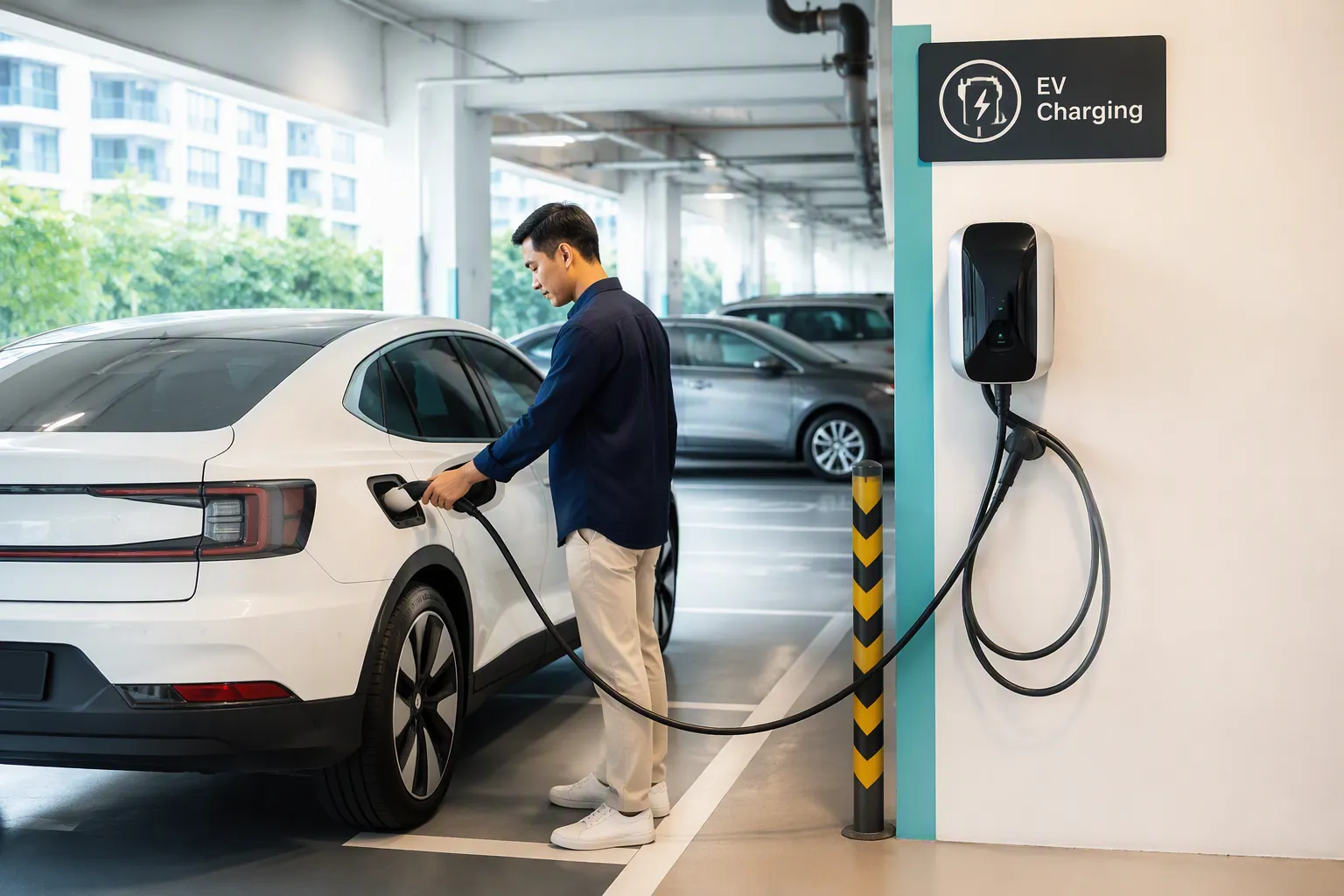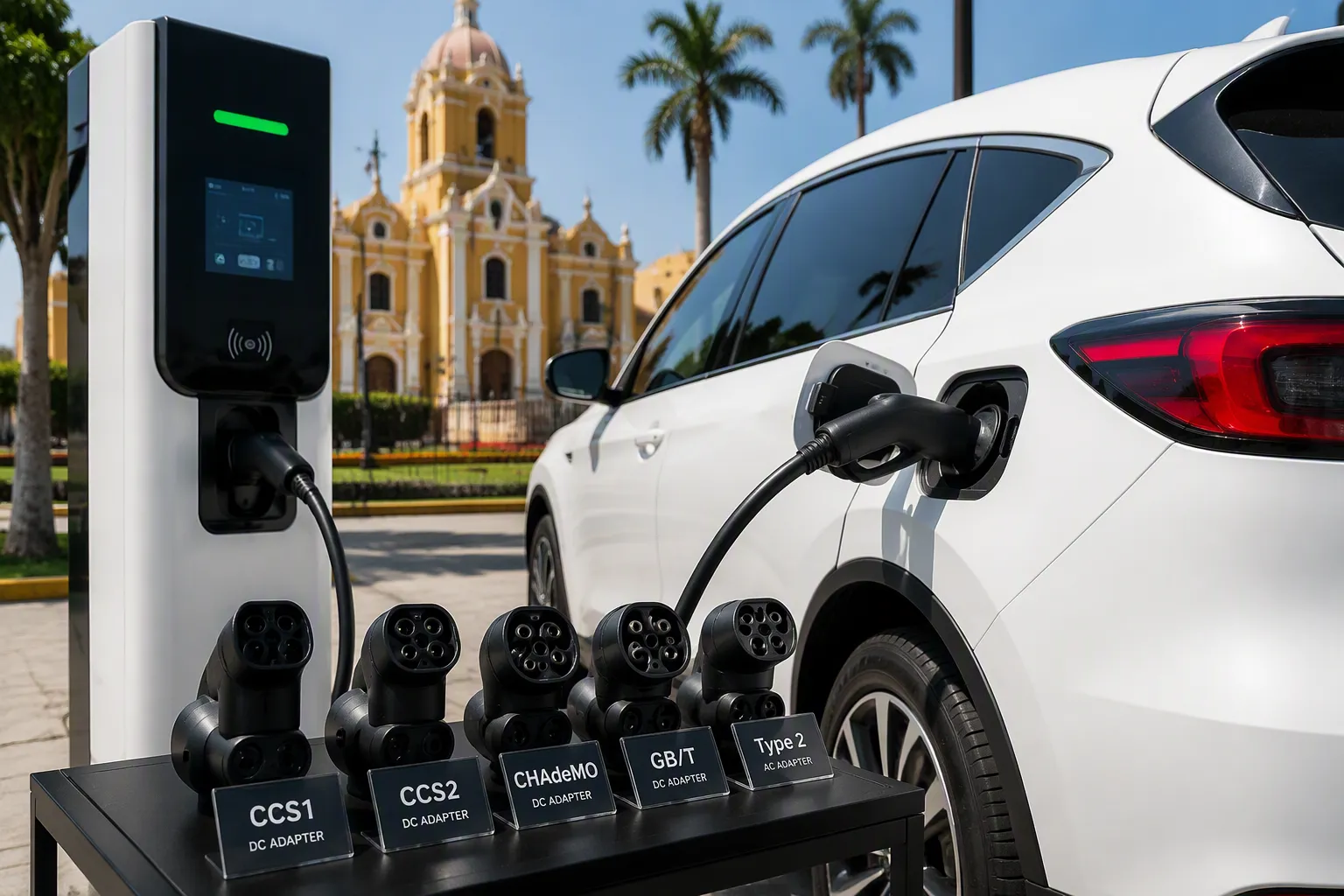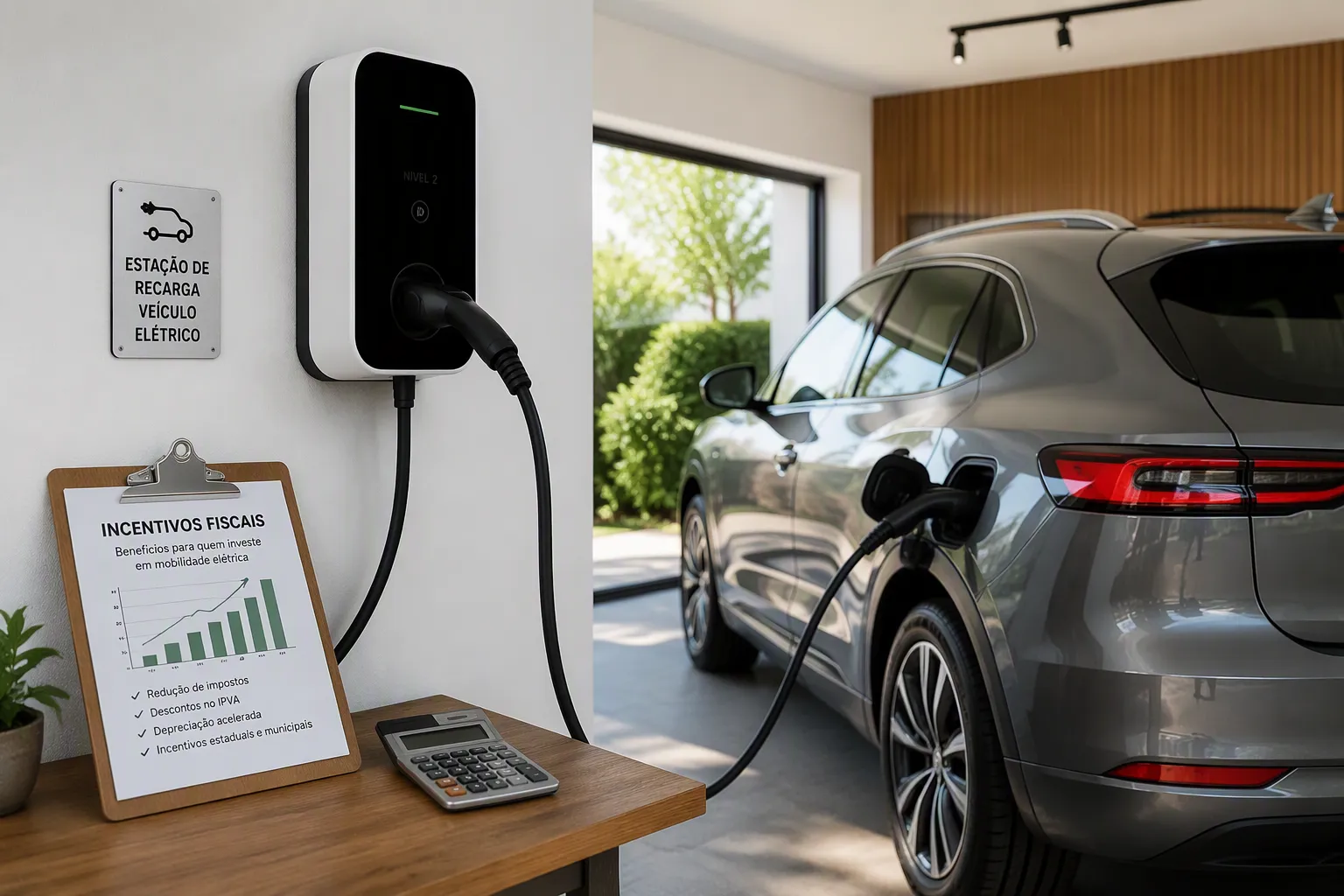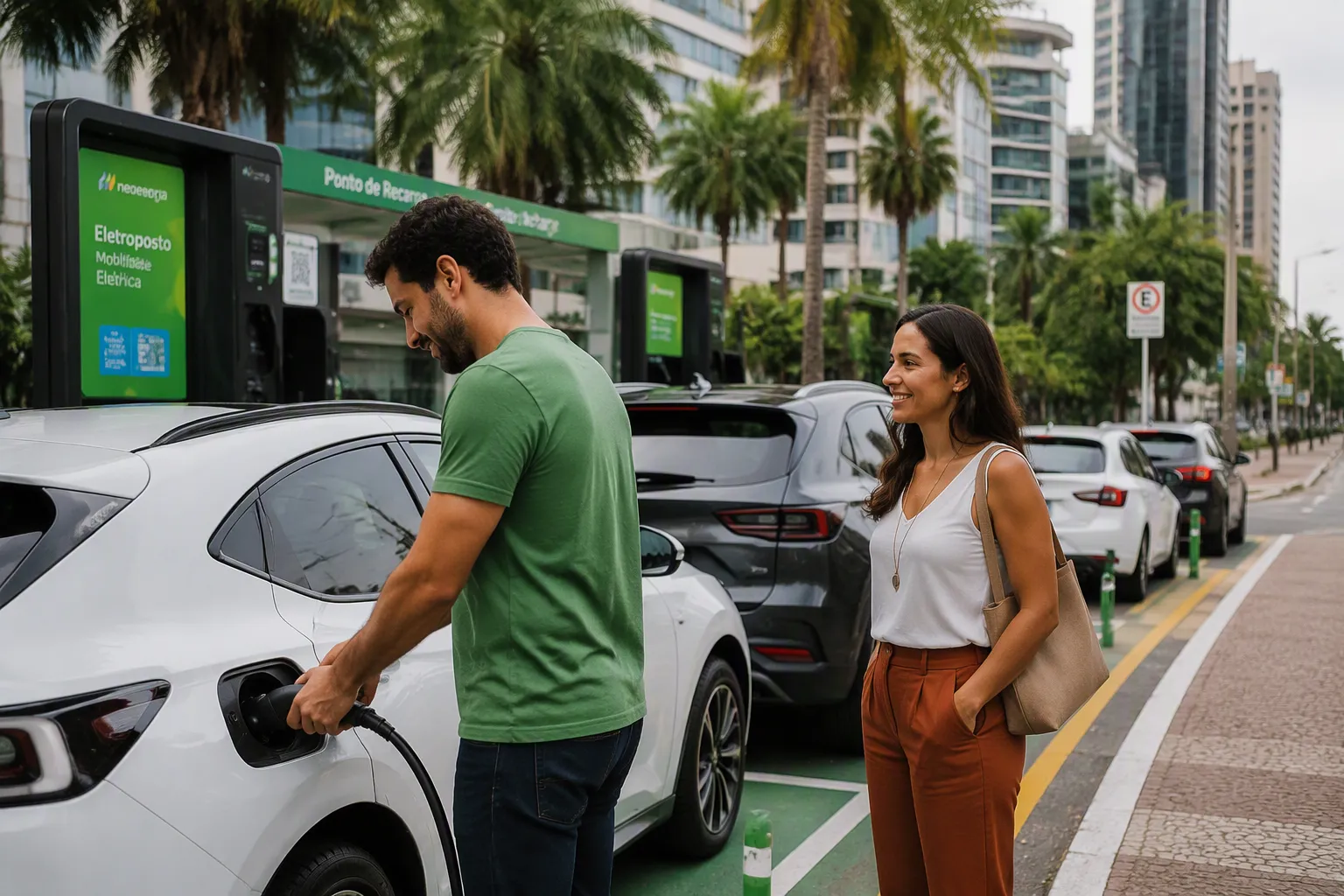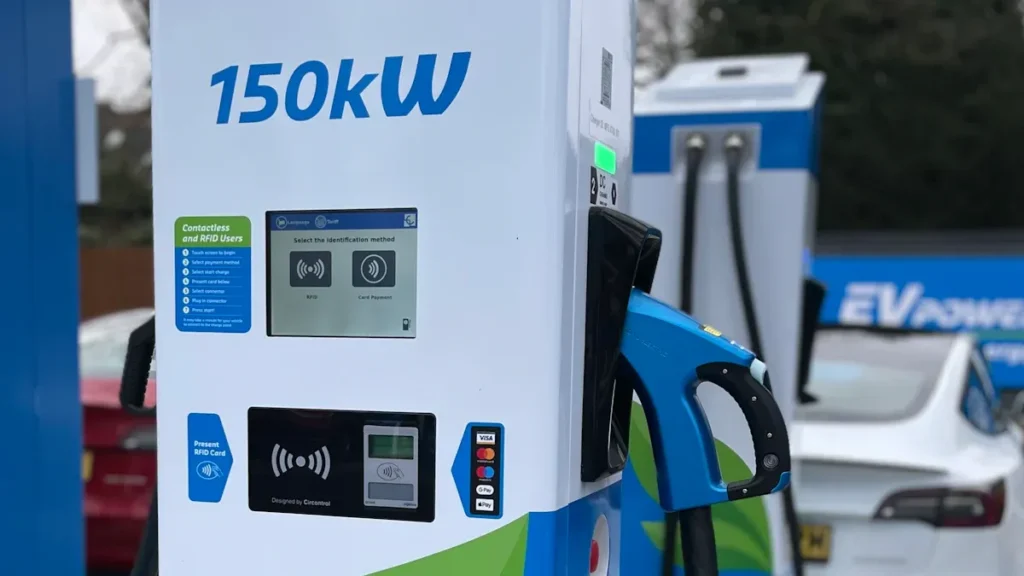

Answering the question of “how much does it cost to charge an EV” is becoming increasingly relevant as electric vehicle adoption grows. The market share for fully electric vehicles continues to climb, showing a significant shift in consumer preferences. Understanding the cost to charge an electric car is a key part of this transition. The final price depends heavily on the charging location and the vehicle itself, as well as the type of Pengisi daya listrik used. Home charging offers the most economical option, while public charging provides convenience at a higher cost.
Key Takeaways on EV Charging Costs:
- Pengisian Daya di Rumah: A full charge typically costs between $7 and $25.
- Public Fast Charging: Expect to pay $20 to $60 for a full charge.
- Cost Per Mile (Home): Approximately 2-7 cents.
- Cost Per Mile (Public): Ranges from 15-30 cents.
These figures illustrate how much it costs to charge an electric car under different scenarios. The overall charging costs are influenced by your electricity rate, where you use an EV charger, and your car’s battery size. Companies like TPSON, one of the leading Produsen pengisi daya EV and a technologically advanced electric vehicle charging solution provider, offer various Solusi pengisian daya kendaraan listrik, termasuk pengisi daya EV portabel, to help manage these expenses. This makes electric car charging more accessible.
How Much Does It Cost to Charge an Electric Car at Home?

Charging an EV at home is the most convenient and cost-effective method for the majority of electric vehicle owners. The home ev charging cost is significantly lower than refueling a gasoline car. Drivers can wake up to a full battery every morning. Understanding the factors that determine your final bill is the first step toward maximizing savings. The overall cost of charging an electric car depends on a simple calculation involving your vehicle’s battery and your local electricity price.
Menghitung Biaya Pengisian Daya Rumah Anda
Determining your charging costs is straightforward. You need two key pieces of information: the size of your car’s battery (measured in kilowatt-hours, or kWh) and your electricity rate from your utility provider (measured in dollars per kWh).
The Basic Formula: kWh x $/kWh
The fundamental formula for calculating the cost to charge an electric car from empty to full is simple. You multiply the total energy added to the battery by the price you pay for that energy.
Cost to Fill Battery = Battery Size (kWh) × Electricity Rate ($/kWh)
This calculation provides a clear estimate for a full charging session. Most drivers, however, top off their battery daily rather than charging from 0% to 100%.
Real-World Example with a Popular EV
Let’s consider a popular electric car with a 75 kWh battery. The national average electricity rate is approximately $0.17 per kWh.
Using the formula, we can calculate the cost for a full charge:
75 kWh × $0.17/kWh = $12.75
A full charge for this vehicle would cost under thirteen dollars. This figure highlights how affordable charging at home can be compared to other methods.
How to Lower Your Home EV Charging Costs
While standard home charging is already inexpensive, several strategies can help reduce electric vehicle charging costs even further. These methods involve understanding your utility’s pricing structure and making an initial investment in proper equipment.
Understanding Off-Peak Rates
Many utility companies offer Time-of-Use (TOU) plans. These plans vary the price of electricity based on the time of day. Rates are highest during “peak” hours when demand is high (usually late afternoon and early evening). Rates are lowest during “off-peak” hours, typically overnight. Scheduling your electric car charging sessions for these off-peak hours can dramatically lower your charging costs.
Finding Special EV Charging Plans
Some utilities provide dedicated electric vehicle charging plans with even lower overnight rates to incentivize off-peak usage. To access these savings, a Level 2 charger is essential. While there is an upfront installation cost, the long-term savings are substantial. Technologically advanced providers like TPSON offer charging solutions that can help manage these scheduled sessions automatically.
Installation costs for a Level 2 charger can vary.
- A standard installation for the unit and labor often falls between approximately $1,000 and $1,500.
- The installation service alone typically ranges from approximately $375 to $875.
- Factors that can increase the cost include long cable runs (over 10 meters), complex routing through walls, or the need for consumer unit upgrades.
Knowing how to charge your electric car efficiently starts with having the right setup at home.
Pengisian Daya Rumah vs Biaya Bensin
The primary financial benefit of owning an EV becomes clear when comparing home charging costs to the price of gasoline. The savings per mile accumulate quickly, leading to significant annual savings.
Cost Per Mile Comparison
Let’s compare our 75 kWh EV with a gasoline car that achieves 25 miles per gallon (MPG). Assume the EV has a range of 300 miles on a full charge.
- EV Cost Per Mile: $12.75 / 300 miles = $0.0425 per mile
- Gas Car Cost Per Mile: Using a national average gas price of $2.998 per gallon, the cost to drive one mile is $2.998 / 25 MPG = $0.12 per mile
In this scenario, driving the electric vehicle is nearly three times cheaper per mile.
Annual Savings Calculation
An average person drives about 13,500 miles per year. We can use the per-mile costs to estimate total annual fuel expenses. This comparison reveals just how much to charge an ev impacts your budget over time.
| Jenis Kendaraan | Keunggulan biaya per mil ini menjadi sangat jelas jika dilihat dalam jangka panjang. | Annual Fuel Cost (13,500 Miles) |
|---|---|---|
| Kendaraan Listrik (Pengisian Daya di Rumah) | $0.0425 | $573.75 |
| Gasoline Vehicle (25 MPG) | $0.12 | $1,620.00 |
Based on these figures, an EV owner who is charging an EV at home could save over $1,000 per year on fuel alone. This demonstrates the powerful long-term value proposition of switching to electric. The consistent and low cost of electricity provides a stable and predictable budget for transportation fuel.
What Is the Cost to Charge an Electric Car at a Public Station?

While home charging is the cheapest option, public charging is essential for long-distance travel and for drivers without home charging access. The public charging cost is higher than charging at home. It reflects the cost of equipment, installation, maintenance, and the convenience of on-the-go refueling. Understanding the variables that affect the final price helps drivers manage their electric car charging budget effectively.
Public Charging Price Factors
Several elements determine the final cost to charge at a public station. These factors include the network provider, the speed of the charger, and even the physical location of the charging station.
Charging Network Rates (Electrify America, EVgo)
Major charging networks like Electrify America and EVgo operate extensive systems of charging facilities. Each network sets its own pricing structure. The cost can be billed per kilowatt-hour (kWh) consumed or per minute spent charging. Many networks also offer subscription plans. These plans typically involve a monthly fee in exchange for a lower per-kWh or per-minute rate, which can reduce overall charging costs for frequent users.
Charger Speed and Cost (Level 2 vs. DC Fast)
The speed of the charger significantly impacts the price.
- Pengisi daya level 2 are slower and generally less expensive. They are common in places where cars park for several hours, like shopping centres or workplaces.
- Pengisi daya cepat DC provide rapid charging for a much higher cost. They are ideal for quick top-ups during road trips. The higher price reflects the advanced technology and greater power delivery.
Location-Based Pricing Differences
The location of a public charger also influences the cost. A charging station in a prime urban area or along a major highway may have a higher price than one in a less-trafficked location. This is similar to how gasoline prices can vary by neighbourhood. Operators pass on costs like rent and high electricity demand to the consumer.
Typical Public Charging Costs
The public charging landscape includes a wide range of pricing. The cost to charge an electric car depends heavily on the type of charger used. Drivers should anticipate different rates for slower Level 2 charging versus high-speed DC fast charging.
Level 2 Public Charging Prices
Level 2 public charging offers a balance between speed and cost. It is faster than a standard wall outlet but more affordable than DC fast charging. The price for these chargers typically falls between approximately $0.38 and $0.50 per kWh. This makes them a practical option for drivers who can leave their electric car for an hour or more.
DC Fast Charging Prices
DC fast charging is the premium option, designed to get drivers back on the road quickly. This speed comes at a higher cost. The price for DC fast charging can range from approximately $0.56 to $1.06 per kWh. The following table and chart illustrate the typical cost ranges for different public charger speeds.
| Jenis Pengisian Daya | Price Range (per kWh) |
|---|---|
| Pengisian Daya Level 2 | $0.38 – $0.50 |
| Pengisian Cepat DC | $0.56 – $1.06 |
| Fast Charging (7-22 kW) | $0.38 – $0.56 |
| Rapid Charging (50-150 kW) | $0.63 – $0.99 |

These figures show that faster charging speeds command a higher price, making it important for drivers to choose the right charger for their needs and budget.
Finding Free Public Charging
Believe it or not, it is possible to charge an EV for free. While not a primary charging strategy, taking advantage of free charging opportunities can help lower overall charging costs. These are almost always Level 2 chargers, so a portable charger from a provider like TPSON can be useful for connecting.
Where to Look for Free Chargers
Free charging is often offered as a perk to attract customers. Drivers can find these opportunities at various commercial and public locations.
- Hotels and B&Bs: Many establishments offer complimentary charging for overnight guests.
- Tourist Attractions: Theme parks, museums, and zoos sometimes provide free charging to visitors.
- Institutions: Some universities, recreation centers, and schools offer free charging for staff, students, or visitors.
Certain grocery stores also provide free charging, though availability can be limited.
| Supermarket | Free EV charging? | Detail |
|---|---|---|
| Sainsbury's | Ya. | 7kW charging at around a dozen sites across the UK |
| Aldi | Ya. | 7kW charging at a small number of locations across the UK |
| Lidl | Ya. | 7kW charging at a small number of locations across the UK |
| Costco | Ya. | Costco members can usually use 7kW chargers for free |
| Tesco | Tidak. | Vauxhall customers who purchase a new EV currently get £500 of charging credit for Tesco’s network |
Limitations: Slow Speeds and High Demand
Free charging comes with trade-offs.
Catatan: These chargers are typically Level 2, meaning they add range slowly. They are best used when the vehicle will be parked for an extended period. Additionally, because they are free, these stations are often in high demand and may be occupied when you arrive.
What Factors Influence Electric Vehicle Charging Costs?
Several key variables determine the final price of electric vehicle charging. The total expense is not a single fixed number but a result of your vehicle’s specifications and your local energy market. Understanding these factors helps drivers predict and manage their ev charging costs more effectively. The three primary elements are the vehicle’s battery size, its energy efficiency, and local electricity rates.
Ukuran Baterai Kendaraan Anda (kWh)
The capacity of an EV’s battery, measured in kilowatt-hours (kWh), is the most direct factor influencing the biaya yang harus dibebankan. A larger battery holds more energy and therefore requires more electricity to fill.
How Battery Capacity Affects Total Cost
The relationship between battery size and charging costs is straightforward. Larger EVs with bigger batteries need more electricity for a full charge, which leads to a higher overall cost. The calculation is simple: multiply the battery size in kWh by your electricity rate.
For example, charging a 100 kWh battery at a rate of $0.26 per kWh results in a total cost of $26.00 for a full charge. A 50 kWh battery under the same conditions would cost half that amount, or $13.00.
Cost to Charge: Small vs. Large Batteries
The difference in cost becomes clear when comparing vehicles. A large truck like the Ford F-150 Lightning has a massive 131 kWh battery. In contrast, a smaller car like the Chevrolet Bolt has a battery of around 65 kWh. The cost to charge the F-150 Lightning will be roughly double that of the Bolt, assuming the same electricity price.
Your Vehicle’s Efficiency (mi/kWh)
A vehicle’s efficiency rating, often expressed as miles per kilowatt-hour (mi/kWh), plays a crucial role in your real-world electric vehicle charging costs. It measures how far the car can travel on one unit of energy.
Why Efficiency Matters for Your Wallet
A more efficient vehicle travels farther on the same amount of electricity. This directly lowers your cost per mile. An inefficient electric car can see its running costs add up quickly, especially when relying on expensive public chargers. Higher efficiency also provides greater range, reducing the need for frequent charging stops and minimizing driver downtime.
Comparing Most and Least Efficient EVs
Different models have different efficiency ratings. A sleek, aerodynamic sedan will almost always be more efficient than a large, boxy SUV. This difference in energy consumption directly impacts the bottom line, making vehicle efficiency a critical factor in long-term savings from electric car charging.
Your Local Electricity Rates
Where you live has a significant impact on your charging expenses because electricity prices vary widely by region.
State-by-State Rate Differences
The cost of a kilowatt-hour changes from one state to another. Some states have much lower energy prices than others.
- States like Louisiana dan Oklahoma often have some of the cheapest electricity rates in the country.
- Conversely, residents in states like Hawaii dan Connecticut typically pay the highest prices for electricity.
This geographical variance means the exact same electric vehicle charging session can have a different cost depending on location.
How Time-of-Use (TOU) Tariffs Work
Many utility providers offer Time-of-Use (TOU) plans to help manage energy demand. These plans are designed to make you pay different prices for energy depending on the time of day. This system allows consumers to save money by shifting their energy use to off-peak times. Here is how they generally work:
| Jenis Tarif | Rate Period | Typical Time | Harga |
|---|---|---|---|
| TOU Plan | Puncak | Afternoons/Evenings | Lebih tinggi |
| TOU Plan | Di Luar Jam Sibuk | Semalam | Lebih rendah |
By scheduling electric vehicle charging overnight during off-peak hours, drivers can significantly reduce their charging costs.

A Direct Cost Comparison: How Much to Charge an EV vs. Gas
A direct comparison reveals the financial advantages of electric vehicles. The cost to fuel an EV versus a gasoline car differs significantly, especially over the long term. Understanding these differences helps potential buyers make informed decisions. The debate over how to charge an EV often comes down to balancing convenience with expense.
Cost to Drive 100 Miles: EV vs. Gas
Analyzing the cost to travel a set distance, like 100 miles, provides a clear and practical comparison. This calculation depends heavily on where the vehicle is charged.
At-Home Charging Scenario
Pengisian daya rumah offers the lowest operational cost. An efficient EV might use around 28 kWh to travel 100 miles.
EV (Home): 28 kWh × $0.17/kWh = $4.76
Gas Car (25 MPG): 4 gallons × $3.50/gallon = $14.00
In this scenario, driving the EV costs nearly 66% less than the gasoline equivalent. Technologically advanced charging solutions from providers like TPSON help owners schedule charging during the cheapest hours, further reducing this expense.
Public Charging Scenario
The price increases when using commercial stations. Public charging is necessary for road trips or for drivers without home access.
EV (Public): 28 kWh × $0.50/kWh = $14.00
Gas Car (25 MPG): 4 gallons × $3.50/gallon = $14.00
Here, the cost to drive 100 miles becomes nearly identical to a gasoline car. This highlights the importance of home charging for maximizing savings.
Lifetime Fuel Savings with an EV
The true financial benefit of an electric car accumulates over years of ownership. Consistent savings from home charging add up to a substantial amount.
Estimating Your 5-Year Savings
An average driver travels about 13,500 miles per year. We can project the fuel cost over a five-year period based on the 100-mile scenarios.
| Jenis Kendaraan | Biaya Bahan Bakar Tahunan | 5-Year Fuel Cost |
|---|---|---|
| EV (Home Charging) | $642.60 | $3,213 |
| Mobil Bensin | $1,890.00 | $9,450 |
| Total Savings | $6,237 |
This table illustrates that an EV owner primarily charging at home could save over $6,000 in five years.
The Impact of Gas Price Volatility
Gasoline prices are famously unstable. They can rise and fall dramatically based on global events and market demand. Electricity rates, in contrast, are regulated and far more predictable. This stability gives EV owners a consistent and budget-friendly transportation cost. Drivers are shielded from the sudden price spikes that affect gasoline car owners.
Understanding Charger Levels and Their Costs
An electric vehicle’s charging speed and cost are directly tied to the type of charger used. The industry categorizes chargers into three main levels, each offering a different balance of speed, cost, and convenience. Understanding these levels is crucial for any EV owner to manage their charging costs and time effectively. From a simple wall outlet to a high-powered public station, each charger level serves a distinct purpose in the electric car charging ecosystem.
Level 1 Charging (120V Outlet)
Level 1 charging uses a standard 120-volt wall outlet, the same kind you use for a lamp or a laptop. This method requires no special installation; drivers can simply plug their vehicle in using a portable charger, like those offered by technologically advanced providers such as TPSON.
Cost and Primary Use Cases
Keunggulan utama pengisian Level 1 adalah aksesibilitasnya dan biaya instalasi nol. Ini adalah cara pengisian yang paling terjangkau, karena hanya memerlukan stopkontak standar. Metode ini paling cocok untuk skenario tertentu:
- Kendaraan Hibrida Plug-in (PHEV): Kendaraan ini memiliki baterai yang lebih kecil dan sering kali dapat mengisi ulang daya hingga penuh dalam semalam.
- Pengemudi dengan Jarak Tempuh Rendah: Jika Anda berkendara jarak pendek setiap hari, Level 1 dapat mengisi kembali energi yang digunakan.
- Opsi Darurat atau Cadangan: Ini berfungsi sebagai cadangan yang andal ketika pengisi daya lebih cepat tidak tersedia.
Apakah Pengisian Level 1 Praktis untuk Penggunaan Sehari-hari?
Bagi sebagian besar pemilik kendaraan listrik baterai (BEV), pengisian Level 1 tidak praktis untuk penggunaan sehari-hari. Kecepatan pengisiannya sangat lambat.
Pengisi daya Level 1 biasanya hanya menambahkan 3 hingga 5 mil jarak tempuh per jam.
Ini berarti pengisian penuh pada EV modern dapat memakan waktu beberapa hari. Meskipun berfungsi untuk pengisian tambahan semalaman pada PHEV atau untuk pengemudi dengan perjalanan komuter yang sangat pendek, metode ini tidak dapat memenuhi tuntutan berkendara harian rata-rata pada mobil listrik penuh.
Pengisian Level 2 (Stopkontak 240V)
Level 2 adalah solusi paling umum dan praktis untuk pengisian daya di rumah. Ini menggunakan sirkuit 240-volt, mirip dengan pengering listrik, dan memberikan pengisian yang jauh lebih cepat daripada Level 1.
Standar Pengisian Rumah
Pengisi daya Level 2 dianggap sebagai standar emas untuk penggunaan di rumah. Ini dapat mengisi penuh sebagian besar EV semalaman, memastikan baterai penuh setiap pagi. Pengisi daya Level 2 7kW tipikal dapat mengisi baterai 65 kWh dalam waktu sekitar 8-12 jam, 9-10 jam, sedangkan pengisi daya Level 1 akan membutuhkan waktu lebih dari 24 jam untuk melakukan pekerjaan yang sama. Kecepatan dan kenyamanan ini menjadikannya pilihan utama bagi sebagian besar pemilik EV.
Biaya Instalasi dan Operasional
Untuk menggunakan pengisi daya Level 2, Anda perlu memasang pengisi daya mobil listrik. Total biaya untuk unit dan instalasi profesional dapat bervariasi.
| Jenis Pengisi Daya (7kW) | Biaya Rata-rata (Perangkat Keras & Instalasi) |
|---|---|
| Soket Universal | $560 – $1,000 |
| Konektor Tertambat | $625 – $875 |
Biaya operasional ditentukan oleh tarif listrik Anda. Menggabungkan pengisi daya Level 2 dengan paket listrik di luar jam sibuk adalah cara paling efektif untuk menurunkan biaya pengisian jangka panjang Anda.
Level 3 (Pengisian Cepat DC)
Pengisian Level 3, juga dikenal sebagai Pengisian Cepat DC, adalah cara tercepat untuk mengisi daya EV. Pengisi daya ini ditemukan di stasiun publik di sepanjang rute perjalanan utama.
Opsi Berkecepatan Tinggi, Berbiaya Tinggi
Pengisi daya cepat DC mengirimkan arus searah (DC) langsung ke baterai, melewati pengisi daya onboard mobil. Hal ini memungkinkan kecepatan yang sangat tinggi, dengan keluaran daya berkisar dari 50kW hingga lebih dari 350kW.
Pengisi daya ultra-cepat dapat menambahkan hingga 200 mil jarak tempuh hanya dalam 30 menit.
Kecepatan ini datang dengan harga premium, menjadikannya opsi pengisian termahal. Biaya tinggi mencerminkan teknologi canggih dan kebutuhan daya besar dari pengisi daya.
Kapan Menggunakan Pengisi Daya DC Cepat
Pengisi daya cepat DC tidak dimaksudkan untuk penggunaan harian yang rutin. Tujuan utamanya adalah untuk memfasilitasi perjalanan jarak jauh.
Kiat Pro: perjalanan jarak jauh. Gunakan pengisi daya cepat DC selama perjalanan darat untuk dengan cepat menambahkan jarak tempuh yang signifikan dan meminimalkan waktu henti. Pengisi daya ini penting untuk membuat perjalanan EV semudah perjalanan dengan bertenaga bensin.
Mengisi EV hingga 80% di pengisi daya cepat dapat memakan waktu hanya 20-40 menit, 20-40 menit, menjadikannya pilihan ideal untuk berhenti singkat dalam perjalanan panjang.
Cara paling terjangkau untuk mengisi daya EV adalah melalui pengisian di rumah. Pengisi daya rumah khusus memungkinkan pengemudi mengakses tarif di luar jam sibuk, mengurangi harga hingga serendah sekitar 9 sen per mil. Meskipun pengisian daya publik menawarkan kenyamanan untuk perjalanan darat, biayanya lebih tinggi. Pada akhirnya, pemilik mobil listrik yang menggunakan pengisi daya andal melihat penghematan signifikan dibandingkan dengan bensin. Solusi pengisi daya canggih secara teknologi dari penyedia seperti TPSON membuat proses pengelolaan ini menjadi sederhana, memastikan pengisi daya beroperasi secara efisien.
PERTANYAAN YANG SERING DIAJUKAN
Mana yang lebih murah: mengisi daya EV di rumah atau di stasiun pengisian umum?
Pengisian di rumah jauh lebih murah daripada menggunakan stasiun publik. Pengisi daya publik memiliki biaya tambahan untuk pemeliharaan, listrik, dan keuntungan. Pengemudi memaksimalkan penghematan dengan mengisi kendaraan mereka semalaman di rumah menggunakan pasokan listrik domestik.
Berapa lama waktu yang dibutuhkan untuk mengisi daya mobil listrik?
Waktu pengisian tergantung pada daya pengisi daya.
- Level 2 (Rumah): 8-12 jam untuk pengisian penuh.
- Level 3 (Pengisian Cepat DC): 20-40 menit untuk mencapai kapasitas 80%.
Pengisi daya yang lebih lambat paling baik untuk penggunaan semalaman, sedangkan pengisi daya cepat ideal untuk perjalanan darat.
Bisakah saya menggunakan stopkontak biasa untuk mengisi daya EV saya?
Ya, sebuah stopkontak dinding standar menyediakan pengisian Level 1. Metode ini sangat lambat, hanya menambahkan beberapa mil jarak tempuh per jam. Ini paling baik untuk kendaraan hibrida plug-in atau sebagai opsi cadangan darurat.
Apakah saya perlu paket listrik khusus untuk EV saya?
Paket khusus tidak wajib, tetapi sangat direkomendasikan untuk menghemat biaya.
Banyak perusahaan utilitas menawarkan tarif Waktu Penggunaan (TOU) atau tarif EV khusus. Paket ini memberikan tarif listrik yang lebih murah selama jam di luar sibuk, biasanya semalaman, mengurangi biaya pengisian daya.
Bagaimana cuaca memengaruhi biaya pengisian daya?
Cuaca dingin mengurangi efisiensi baterai. Sistem manajemen baterai harus bekerja lebih keras untuk mempertahankan suhu optimal. Proses ini mengonsumsi lebih banyak energi, yang dapat sedikit meningkatkan biaya per mil untuk setiap sesi pengisian daya.
Apa jenis pengisi daya rumah terbaik?
Pengisi daya Level 2 adalah standar industri untuk pemasangan rumah. Ini memberikan pengisian daya yang andal dan cukup cepat untuk kebutuhan berkendara harian. Penyedia yang canggih secara teknologi seperti TPSON menawarkan solusi pengisian daya pintar yang membantu mengelola penggunaan energi secara efektif.