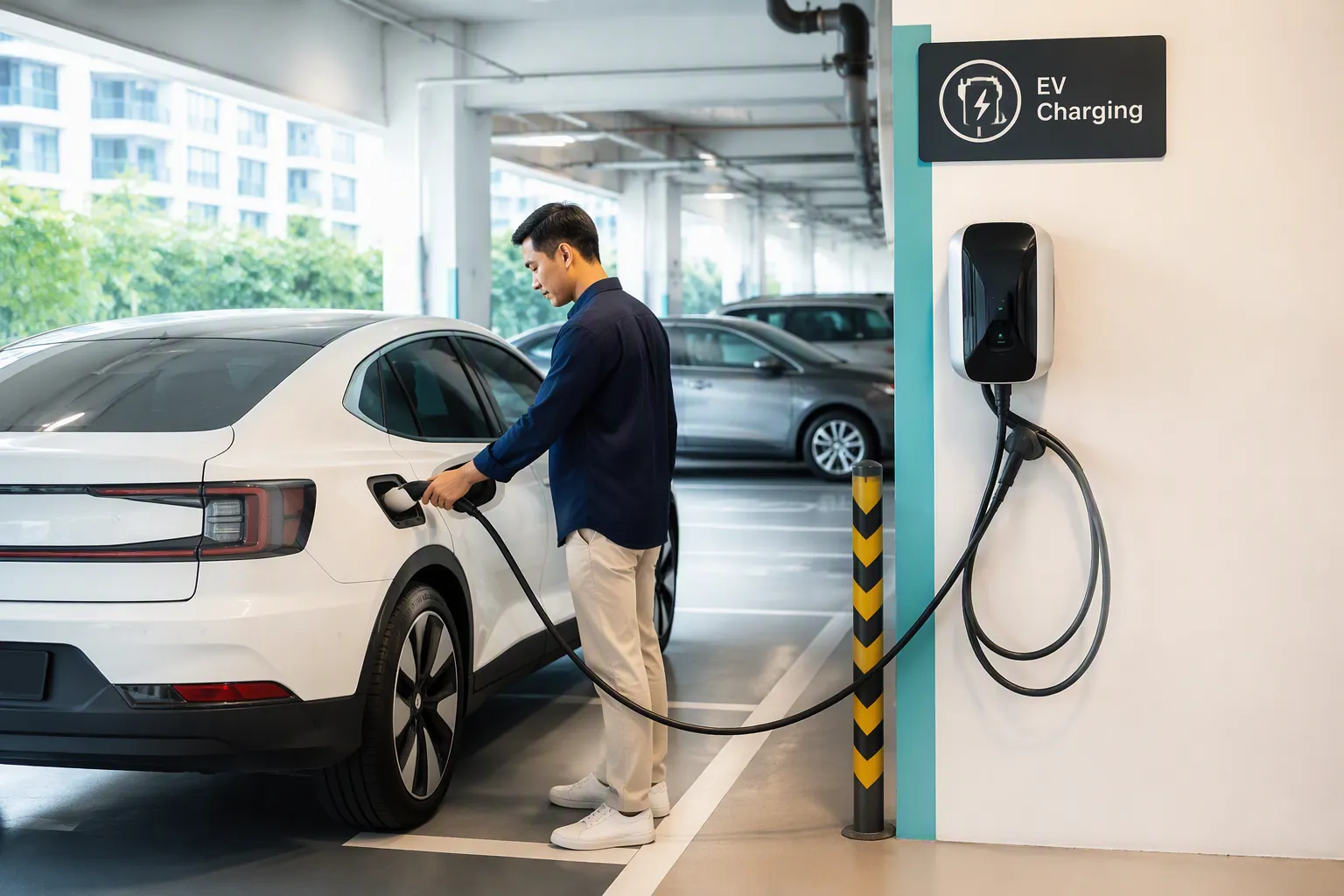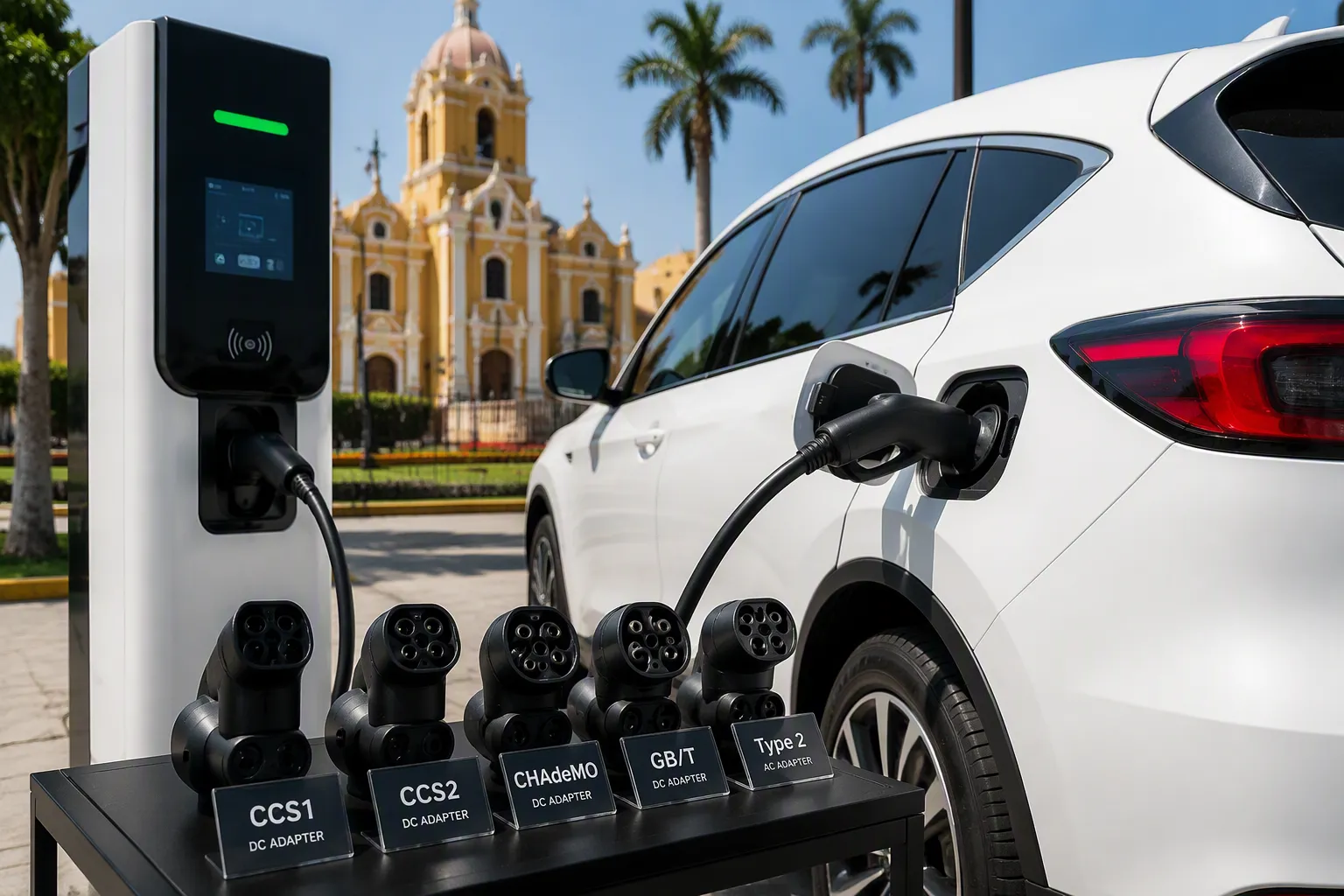
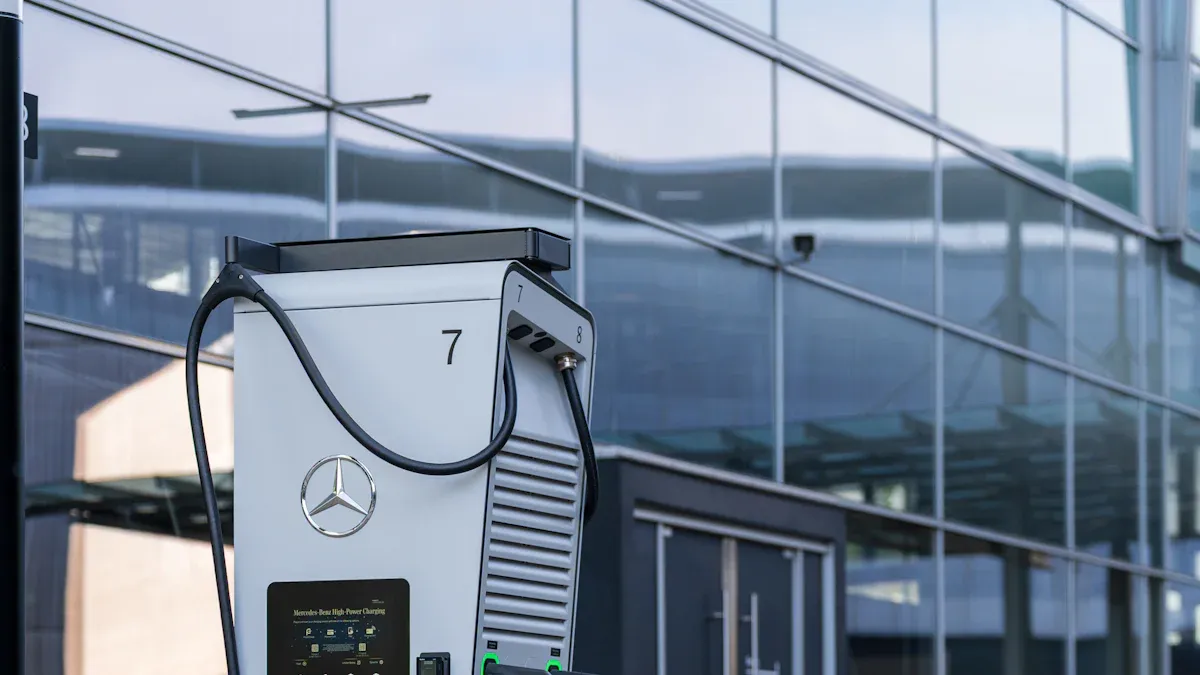
The experience of simply plugging in electric vehicles is evolving. The future of EV charging is an intelligent, online digital energy ecosystem. This digital network anticipates the energy needs of electric vehicles.
Imagine your vehicle automatically finding and reserving the best Pengisi Daya Listrik, paying for its own charging, and even earning you money by supporting the local energy grid. ⚡
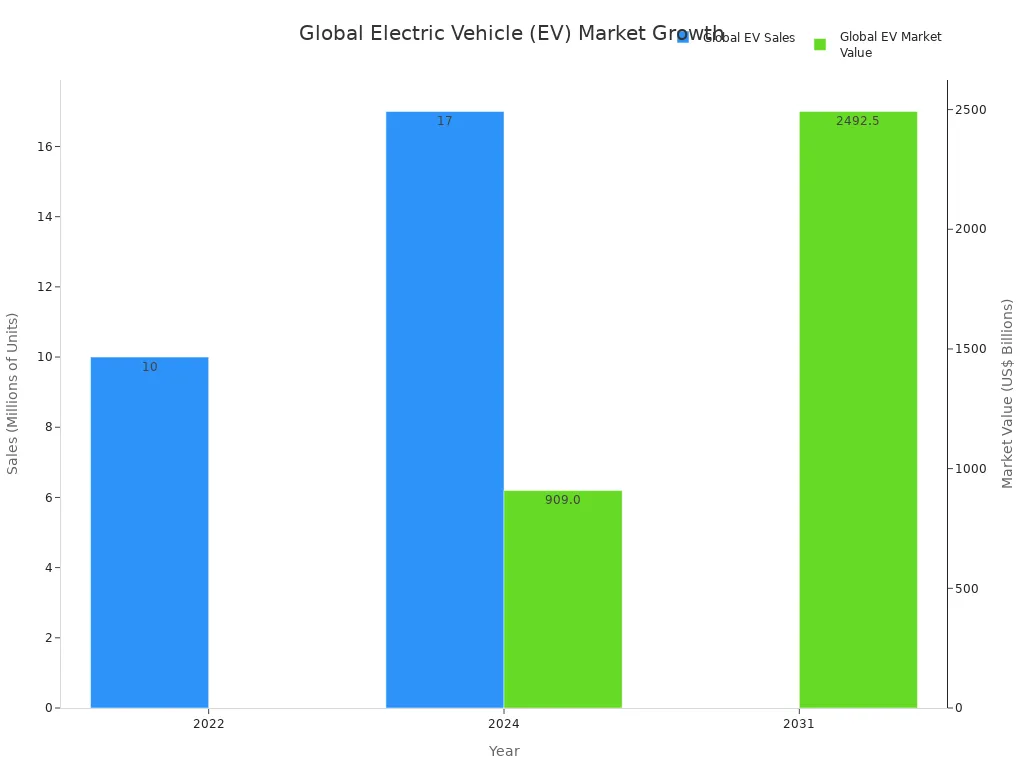
This isn’t science fiction. It is the future being built today through digital innovation. This technology transforms electric vehicle charging from a simple utility into a dynamic, connected digital service. The global smart charging market is projected to reach USD 27.6 billion by 2030, fueling this transition. This digital energy infrastructure supports the rapid growth of electric vehicles, with global sales of these vehicles jumping from 10 million in 2022 to 17 million in 2024.
Berteknologi maju Produsen pengisi daya EV like TPSON are building the smart charging infrastructure for this digital energy transition. The charging infrastructure must keep pace with the growing number of EV vehicles on the road.
The ‘Smarter’ Revolution in Electric Vehicle Charging

Masa depan Pengisian daya listrik is intelligent. The simple act of plugging in a vehicle is becoming a sophisticated digital process. This transition relies on a smart charging infrastructure that uses data and connectivity to optimize energy flow. Technologically advanced providers like TPSON are developing the smart charging infrastructure that makes this digital energy future possible. This technology transforms the electric vehicle charging infrastructure from a passive utility into an active, responsive digital network.
AI and Machine Learning in Charging Management
Artificial intelligence (AI) and machine learning are the brains behind the smarter electric vehicle charging experience. These systems analyze vast amounts of data to make charging more efficient, reliable, and affordable for all users.
Predictive Charging Demand
AI algorithms can forecast charging needs with remarkable accuracy. They analyze historical data, traffic patterns, and even public events to predict when and where drivers will need to charge their vehicles. Sebagai contoh, Octopus Energy uses its AI-powered KrakenFlex platform to manage energy demand, demonstrating how digital technology can anticipate and schedule electrical loads effectively.
Penyeimbangan Beban Dinamis
One of the biggest challenges for electric vehicle charging is managing the strain on the power grid. AI-driven dynamic load balancing provides a powerful solution. Instead of all vehicles charging at once and creating a massive energy spike, the system intelligently distributes the electrical load. This technology ensures the stability of the local energy grid. The difference between old and new systems is significant.
| Load Balancing Metric | Traditional Systems | AI-Powered Systems |
|---|---|---|
| Waktu Tanggapan | 15-30 menit | 2-5 detik |
| Load Prediction Accuracy | 60-70% | 85-92% |
| Network Efficiency | 70-75% | 88-94% |
| Peak Load Reduction | 15-20% | 35-45% |
Personalized EV Charging Recommendations
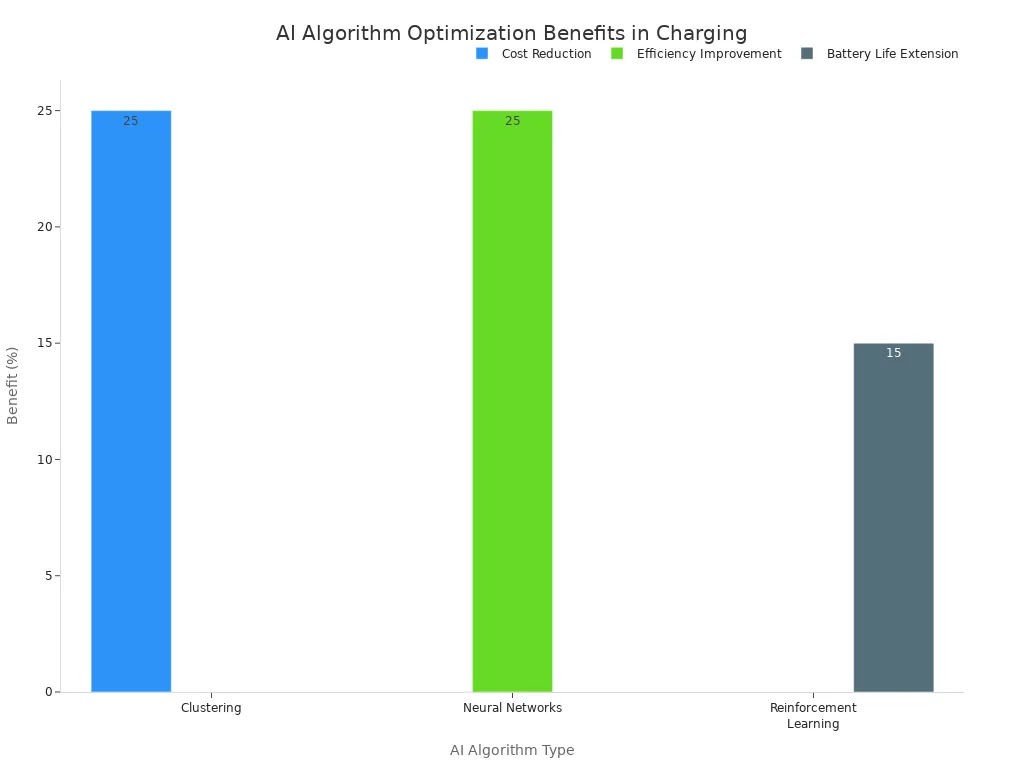
AI also delivers a customized charging experience for each driver. The system learns a user’s driving habits and preferences to suggest the best times and locations for charging. This personalization optimizes for cost, speed, and battery health. Different algorithms provide distinct benefits, from cost reduction to improved battery life, enhancing the overall value for the vehicle owner.
Smart Grid Integration: The Charger as a Grid Asset
Modern EV chargers are more than just power outlets; they are active participants in the energy grid. This integration is key to building a resilient and sustainable energy ecosystem.
Apa yang dimaksud dengan Smart Grid?
A smart grid is an electrical grid that uses digital communication technology to detect and react to local changes in energy usage. It allows for two-way communication between the utility and its customers. This digital dialogue is the foundation of smart charging.
Program Respons Permintaan
Demand Response (DR) programs are a core feature of smart grids. Utilities can offer incentives to EV owners for adjusting their charging schedules. This helps balance energy supply and demand. Successful pilot programs, such as the one led by BSES Yamuna Power Limited (BYPL) in India, have proven that managed EV charging is a critical tool for grid operators.
Stabilizing Renewable Energy Sources
Smart charging plays a vital role in sustainability. The charging of electric vehicles can be scheduled to coincide with periods of high renewable energy generation, such as sunny or windy days. This maximizes the use of clean energy, reduces reliance on fossil fuels, and contributes to a healthier environment.
Digital Twins: Virtual Replicas for Real-World Optimization
To build and manage this complex charging infrastructure, operators are turning to another powerful digital tool: the digital twin.
Defining the Digital Twin
A digital twin is a virtual, real-time replica of a physical asset, such as a network of charging stations. This model is continuously updated with data from the real world, creating a living simulation of the charging infrastructure.
Simulating Network Stress
Operators use digital twins to simulate high-demand scenarios, like a holiday weekend. This allows them to identify potential bottlenecks and weaknesses in the infrastructure before they affect drivers.
Optimizing Charger Placement
Deciding where to build new charging stations is a critical challenge. Digital twins help planners analyze population density, traffic flow, and grid capacity to identify the optimal locations for new infrastructure, ensuring maximum availability and convenience.
Proactive Maintenance Modeling
By analyzing performance data, a digital twin can predict when a charger might fail. This enables proactive maintenance, reducing downtime and ensuring that the charging technology remains reliable for all electric vehicles.
The ‘Faster’ Frontier: Software-Driven Speed for Your Electric Car
Speed is not just about hardware. The future of EV charging is increasingly defined by sophisticated digital software that makes charging faster and more efficient. This digital intelligence optimizes the entire energy transfer process, from the grid to the vehicle’s battery.
Software’s Role in High-Speed Charging
Advanced software is the invisible force behind modern fast charging. It manages the complex interplay between the charger, the grid, and the electric vehicle to deliver maximum power safely.
Optimizing the Power Curve
Digital software dynamically adjusts the rate of energy flow during a charging session. It communicates with the vehicle’s battery management system to follow the optimal “power curve.” This ensures the battery receives the fastest possible charge without risking damage, pushing the limits of charging speed.
Battery Preconditioning via Software
A vehicle’s battery accepts energy most efficiently at a specific temperature. Smart electric vehicles use software to precondition their batteries, warming or cooling them as needed while driving to a station. This digital preparation means the battery is ready for maximum charging speed the moment it connects.
Over-the-Air (OTA) Updates for Chargers
The charging infrastructure can now evolve without physical intervention. Technologically advanced providers like TPSON build chargers that receive Pembaruan OTA. This digital technology allows operators to deploy performance enhancements, new charging protocols, and security patches remotely, ensuring the infrastructure is always improving.
Predictive Maintenance: Fixing Problems Before They Happen
A fast charger is only useful if it works. Digital platforms use predictive analytics to ensure the reliability of the entire charging network.
How Predictive Maintenance Works
Sensors within chargers constantly stream operational data to a central platform. AI algorithms analyze this data to detect patterns that signal a potential future failure. This allows operators to schedule maintenance before a component breaks.
Reducing Charger Downtime
Proactive repairs significantly reduce charger downtime. This approach transforms maintenance from a reactive process to a strategic, data-driven operation. The result is a more robust and dependable electric vehicle charging network for all drivers.
The Driver’s Benefit: Reliability
For EV drivers, this technology provides confidence. Knowing that the charging infrastructure is actively monitored and maintained reduces anxiety about finding a broken charger. This reliability is essential for encouraging the widespread adoption of electric vehicles.
The Future of Ultra-Fast Charging (UFC)
The next frontier in speed is megawatt charging, designed for heavy-duty electric vehicles like trucks and buses. This leap in power is made possible by advanced digital control systems.
Megawatt Charging Systems (MCS)
MCS is a new standard for high-power fast charging. It aims to refuel large electric vehicles in the time it takes for a driver’s mandated break. Major manufacturers like MAN are already offering their new electric trucks with MCS capability. The technical specifications demonstrate a massive leap in energy delivery.
| Spesifikasi | Nilai |
|---|---|
| Laju Pengisian Daya Maksimum | 3,75 megawatt |
| Ampere | 3,000 amps |
| Tegangan | 1,250 volts DC |
This powerful technology enables incredible charging speeds for commercial vehicles:
- Electric truck batteries can charge from 20% to 80% in about 30 minutes.
- This allows drivers to add significant range during a standard rest break.
Software for Thermal Management
Delivering this much energy generates immense heat. Sophisticated digital software is crucial for thermal management. It monitors temperatures in real-time and adjusts the energy flow to keep both the vehicle and charging equipment within safe operational limits.
Balancing Speed with Battery Health
The ultimate goal is to balance raw speed with the long-term health of the vehicle’s battery. Smart charging algorithms ensure that even at megawatt speeds, the charging process does not cause premature degradation. This digital oversight protects the owner’s investment in their electric vehicles.
The ‘Connected’ Ecosystem: A Unified EV Charging Experience
The future of EV charging is not just about individual stations; it is about creating a seamless, interconnected digital network. This connected ecosystem removes friction for drivers and transforms electric vehicles into active participants in the energy grid. The goal is a unified experience where charging is simple, automated, and intelligent.
The End of App Overload: Unified Charging Networks
A key step in this transition is solving the fragmented nature of the current charging infrastructure.
The Problem with Fragmented Networks
Today, drivers often need multiple apps and accounts to access different charging networks. This creates confusion and frustration, hindering the user experience and slowing the adoption of electric vehicles.
The Rise of Roaming Agreements
Roaming agreements are powerful solutions to this problem. They create interoperability between charging networks, allowing a driver to use one account to access thousands of chargers from various providers. For example, NewMotion has built a network of over 100,000 public charging points across Europe through partnerships with more than 200 roaming partners. This level of interoperability between charging networks is fundamental to a user-friendly charging infrastructure.
Aggregator Apps and Platforms
Aggregator platforms take this a step further. They combine multiple networks into a single digital interface. This gives drivers a comprehensive map of charger availability and payment options, simplifying the entire electric vehicle charging process.
Seamless Payments: The Magic of Plug & Charge
The ultimate goal is to make charging as simple as plugging in the cable. New digital standards are making this a reality.
How Plug & Charge (ISO 15118) Works
Plug & Charge technology, based on the ISO 15118 standard, automates authentication and payment. It eliminates the need for RFID cards or mobile apps. The vehicle communicates directly with the charger to securely handle identification and billing. This digital handshake streamlines the fast charging experience.
The Security Behind the Convenience
This convenience is backed by robust digital security. The ISO 15118 protocol uses encrypted communication and digital certificates to protect user data and prevent fraud, ensuring every transaction is safe.
The Future of Automated Payments
Automakers are increasingly adopting this technology. Vehicles like the Cupra Born already support Plug & Charge, signaling a future where automated payments become the standard for all new electric vehicles.
Vehicle-to-Grid (V2G): Your Car as a Power Plant
A connected smart charging infrastructure unlocks the potential for vehicles to support the energy grid.
Explaining V2G Technology
Vehicle-to-Grid (V2G) technology enables two-way energy flow. An electric vehicle can not only draw power from the grid but also send stored energy back to it during times of high demand.
How Drivers Can Earn Money
V2G creates a new revenue stream for EV owners. Energy companies offer financial incentives for this service.
Pilot programs show significant earning potential. The Kaluza project pays owners for energy sold back to the grid, sementara an Octopus Energy trial indicated participants could save hundreds of pounds annually compared to unmanaged charging.
The Role of Bidirectional Chargers
This capability requires special hardware. Technologically advanced providers like TPSON are developing the bidirectional chargers that form the backbone of a V2G-enabled smart charging infrastructure. These chargers manage the complex two-way flow of energy.
V2G’s Impact on Grid Resilience
V2G technology enhances grid stability and sustainability. Successful pilot projects have demonstrated its value.
- The Electric Nation project in the UK showed V2G could reduce grid strain.
- The Parker Project in Denmark highlighted energy management benefits for commercial fleets.
This digital energy exchange helps balance supply and demand, supports the integration of renewable energy sources, and builds a more resilient electric infrastructure for the future.
Building the Digital Backbone: The Future of EV Charging Infrastructure
A robust smart charging infrastructure relies on a powerful digital backbone. This invisible framework of software, cloud platforms, and data analytics enables the management, optimization, and expansion of the entire pengisian daya kendaraan listrik network. It is the operational core that makes a smarter, faster, and connected charging experience possible for all electric vehicles.
Cloud Platforms for Charge Point Operators (CPOs)
Cloud-based management platforms are the central nervous system for any modern charging network. Technologically advanced providers like TPSON build hardware that integrates seamlessly with these digital solutions.
Centralized Station Management
CPOs use centralized platforms to oversee their entire network from a single dashboard. This digital control hub allows them to resolve many issues remotely, such as rebooting a faulty charger. This capability significantly reduces the need for on-site visits and minimizes charger downtime, improving the availability and reliability of the charging infrastructure.
Real-Time Monitoring and Analytics
Modern CPO platforms provide deep operational insights. Companies like Field Dynamics use AI to analyze site data, helping operators identify the best locations for future growth. Other solutions, such as DES Energy’s EcoStruxure™ EV Advisor, offer real-time remote monitoring and troubleshooting. This constant flow of data helps CPOs increase uptime and reduce operating expenses.
Scalability for Network Growth
As the number of electric vehicles grows, the charging infrastructure must scale efficiently. Cloud platforms are built with a distributed architecture. This design ensures that high user demand in one area does not slow down performance elsewhere. Dynamic resource allocation and load balancing distribute digital traffic evenly, maintaining optimal performance and availability as the network expands globally.
Digital Tools for Infrastructure Rollout
Deploying public charging infrastructure is a complex task. Digital tools are essential for streamlining this process, from initial planning to final installation.
Streamlining On-Street Charger Deployment
Cities and councils now use specialized digital tools to accelerate charging infrastructure development. Platforms like ‘ChargePoint Navigator’ integrate local EV and electricity network data. This gives planners a holistic view, simplifying site selection and reducing costs for new charging stations.
GIS Mapping for Site Selection
Geographic Information Systems (GIS) are critical for strategic planning. Planners use GIS to layer multiple datasets, including traffic patterns, population density, and grid capacity.
By analyzing data on properties lacking off-street parking, local authorities can prioritize these neighborhoods for public charging solutions. This data-driven approach ensures the charging infrastructure is built where it is most needed.
Digital Permitting and Compliance
Digital platforms also help manage the administrative side of infrastructure projects. They can streamline the complex processes of permitting and regulatory compliance, ensuring that new installations meet all legal and technical standards. This digital workflow accelerates the entire deployment timeline.
Fleet Electrification Platforms
Commercial fleets represent a massive opportunity for electrification. Specialized digital platforms help businesses manage the transition and optimize the operation of their electric vehicles.
Optimizing Fleet Charging Schedules
Smart charging platforms create optimized schedules for fleet vehicles. For an electric bus depot, this means scheduling charging overnight when energy prices are lowest. The system ensures all vehicles are ready for their routes while minimizing energy costs.
Real-Time Vehicle and Charger Management
These platforms provide fleet managers with real-time visibility into both their vehicles and the charging infrastructure. Intelligent control systems manage the energy flow, balancing the needs of the vehicles with the capacity of the local energy grid. This digital oversight ensures high reliability for business-critical operations.
Reducing Total Cost of Ownership
Smart charging delivers significant financial benefits. A case study with the transport operator Stagecoach showed that combining high-power charging with intelligent software cut costs and increased energy resilience. By selling energy flexibility back to the grid, an electric bus fleet can generate tens of thousands of pounds in annual revenue, drastically reducing the total cost of ownership for its electric vehicles.
The User Experience: What This Means for the Everyday Driver

The transition to a smart charging infrastructure is reshaping the daily life of an electric vehicle driver. This digital evolution moves beyond simple energy transfer, creating a user-centric experience defined by confidence, cost savings, and connectivity. The future of electric vehicle charging is about making the technology disappear into a seamless, intuitive lifestyle.
Dari Kecemasan Jarak Jauh hingga Percaya Diri
The digital network directly addresses one of the biggest hurdles for EV adoption: range anxiety. Intelligent software solutions transform uncertainty into confidence.
Ketersediaan Pengisi Daya Waktu Nyata
Modern EV apps and in-car systems provide live data on charging stations. This information includes operational status, connector types, and charging speeds. This real-time availability of charging ensures drivers can find a functional charger when they need one, eliminating wasted trips to occupied or out-of-service units.
Smart Trip Planning
Advanced navigation systems create a new level of assurance for long journeys. These digital tools plan routes that incorporate necessary charging stops.
- They calculate an electric vehicle’s range based on battery level, road conditions, and driving style.
- They use real-time data to provide accurate range estimates, building driver confidence.
- Specialized apps optimize routes based on the charging infrastructure, energy consumption, and charger availability.
Sistem Reservasi
Some networks now offer the ability to reserve a charging spot in advance. This digital feature guarantees that a charger will be waiting, providing peace of mind for drivers on a tight schedule.
Cost Savings and New Opportunities
A connected charging infrastructure unlocks significant financial benefits and new opportunities for EV owners.
Smart Charging to Save Money
Smart charging allows vehicles to automatically charge during off-peak hours when electricity rates are lowest. This simple digital optimization can lead to substantial savings on home energy bills over the lifetime of the vehicle.
Memonetisasi EV Anda dengan V2G
Teknologi Vehicle-to-Grid (V2G) memungkinkan pemilik menjual energi yang tersimpan kembali ke jaringan listrik. Ini mengubah kendaraan listrik menjadi aset energi aktif.
Pengemudi dapat memperoleh penghasilan dengan mendukung jaringan energi lokal selama permintaan puncak. Ini menciptakan aliran pendapatan baru dan menurunkan total biaya kepemilikan kendaraan mereka.
Akses ke Program Loyalitas dan Hadiah
Seiring infrastruktur pengisian daya matangnya industri, Penyedia Titik Pengisian (CPO) memperkenalkan program loyalitas. Inisiatif digital ini menawarkan diskon, hadiah, dan manfaat lainnya, menambah nilai pada pengalaman pengisian daya listrik.
Gaya Hidup Digital yang Terintegrasi Penuh
Kendaraan listrik menjadi komponen sentral dari kehidupan digital yang terhubung. Integrasi ini meluas dari dasbor mobil ke rumah dan seterusnya.
Dasbor Dalam Mobil dan Asisten Suara
Kendaraan modern dilengkapi dengan dasbor digital canggih dan kontrol suara. Sistem seperti Ford SYNC4 menawarkan hiburan dan manajemen kendaraan yang terhubung cloud. Pengemudi dapat menggunakan perintah suara untuk menemukan stasiun pengisian di sekitarnya, memeriksa status baterai, dan mengelola sesi pengisian daya, semua sambil tetap fokus pada jalan.
Integrasi dengan Sistem Energi Rumah
Infrastruktur pengisian pintar meluas hingga ke rumah. Penyedia yang maju secara teknologi seperti TPSON mengembangkan solusi yang mengintegrasikan kendaraan listrik dengan sistem manajemen energi rumah. Hal ini memungkinkan pendekatan holistik terhadap penggunaan energi, mengoptimalkan pengisian daya kendaraan dan konsumsi rumah tangga.
EV sebagai Bagian dari Internet of Things (IoT)
Pada akhirnya, kendaraan listrik menjadi perangkat cerdas lain dalam Internet of Things (IoT). Ia berkomunikasi dengan perangkat pintar lainnya, mulai dari kalender Anda hingga termostat rumah, untuk menciptakan ekosistem energi yang benar-benar otomatis dan efisien. Masa depan digital ini membuat pengelolaan kendaraan listrik menjadi mudah.
Konvergensi teknologi yang lebih cerdas, lebih cepat, dan terhubung menghilangkan gesekan dalam pengisian daya kendaraan listrik. Transisi digital ini menciptakan infrastruktur pengisian pintar yang tangguh dan efisien. Masa depan berkendara adalah listrik, dan tulang punggungnya adalah jaringan digital yang kuat dan cerdas. Infrastruktur energi digital ini membuat pengisian daya menjadi semudah menggunakan smartphone.
Transisi ke transportasi listrik semakin cepat. Hal ini didukung oleh kode, data, dan konektivitas yang mendefinisikan dunia modern kita. Penyedia yang maju secara teknologi seperti TPSON membangun solusi energi digital untuk masa depan listrik ini. Teknologi ini memastikan ketersediaan pengisian cepat untuk setiap kendaraan listrik. Masa depan pengisian EV bergantung pada infrastruktur energi digital ini.
PERTANYAAN YANG SERING DIAJUKAN
Apa yang dimaksud dengan pengisian daya pintar?
Pengisian pintar adalah sistem digital yang mengoptimalkan penyaluran energi untuk kendaraan listrik. Proses pengisian cerdas ini menyeimbangkan permintaan jaringan dan dapat menurunkan biaya energi bagi pengemudi. Ini merupakan lompatan signifikan dalam mengelola konsumsi energi secara efisien.
Bagaimana perangkat lunak membuat pengisian lebih cepat?
Perangkat lunak digital mengelola aliran energi ke baterai. Ini mempersiapkan kendaraan untuk kecepatan pengisian yang lebih cepat dengan melakukan pra-kondisi baterai. Proses ini melindungi baterai sambil memberikan transfer energi tercepat yang mungkin.
Apa itu Vehicle-to-Grid (V2G)?
Vehicle-to-Grid (V2G) memungkinkan aliran energi dua arah. Kendaraan listrik dapat menjual energi yang tersimpan kembali ke jaringan listrik. Transaksi digital ini membantu menstabilkan pasokan energi utama selama permintaan puncak, mengubah kendaraan menjadi aset energi bergerak.
Mengapa jaringan pengisian terpadu penting?
Jaringan terpadu meningkatkan pengalaman pengisian daya. Satu akun digital memberikan akses ke infrastruktur pengisian yang luas. Ini menyederhanakan pembayaran dan meningkatkan ketersediaan pengisi daya untuk semua pengemudi, menghilangkan titik gesekan utama.
Bagaimana alat digital membantu membangun infrastruktur pengisian?
Alat digital membantu merencanakan lokasi terbaik untuk stasiun baru. Mereka menganalisis data untuk memastikan infrastruktur memenuhi permintaan. Ini mendukung pertumbuhan efisien jaringan energi untuk semua kendaraan listrik.
Apa peran pengisi daya dua arah?
Pengisi daya dua arah Pengisi daya dua arah sangat penting untuk pengisian V2G. Mereka mengelola aliran energi dua arah antara kendaraan dan jaringan listrik. Penyedia yang maju secara teknologi seperti TPSON mengembangkan infrastruktur energi digital kritis ini.