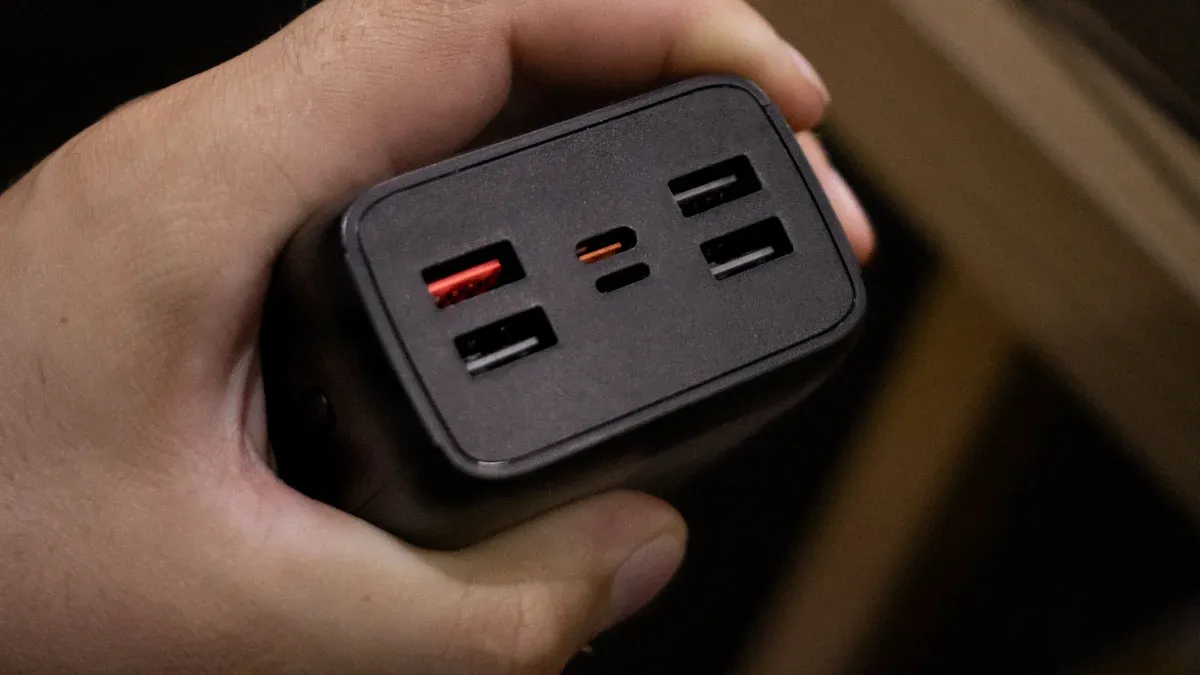
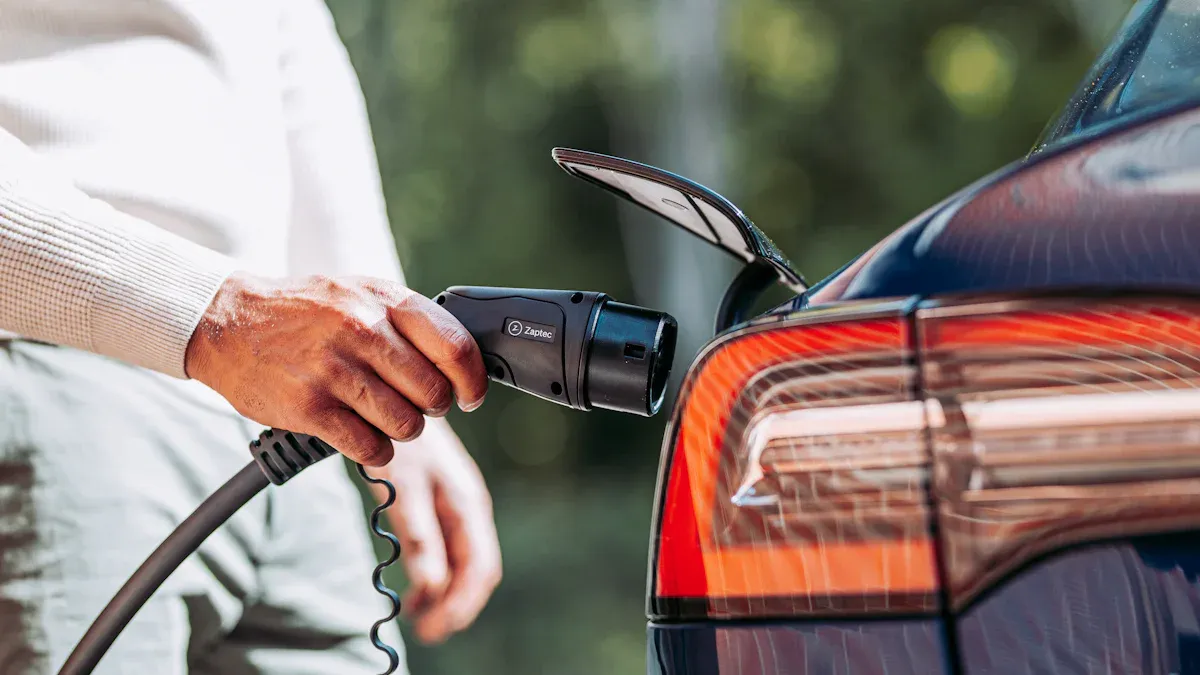
The decision to install fast ev charger at home depends on meeting key property requirements. A “fast” home charger is a Level 2 unit, offering significantly quicker speeds than basic portable ev chargers. This fast upgrade also boosts property value. One UK study found homes with a charger sold for 13% more, while property platform Zoopla suggests an increase of around £5,000. Technologically advanced EV charging solutions from EV charger manufacturers like TPSON make it straightforward to install a fast charger. This dedicated fast EV Charger makes waking up to a full battery a daily reality.
What Is a “Fast” Home Charger, Really?

The term “fast charger” can be confusing. In a residential setting, it refers to a specific type of charging technology. Understanding the different levels of charging is the first step for any prospective electric vehicle owner. It clarifies what is possible for a home installation and what is reserved for public infrastructure.
Understanding EV Charger Levels
EV charging is categorized into three main levels. Each level offers a different speed and has unique electrical requirements.
Level 1 Charging: The Standard Wall Outlet
Level 1 charging uses a standard 120-volt household outlet. This is the slowest method available. An electric vehicle charger of this type is often portable and comes with the vehicle. While convenient in a pinch, it provides only a trickle of power. It is not a practical primary charging solution for most drivers.
Level 2 Charging: The Home “Fast Charger” Standard
Level 2 is the “fast” charging standard for residential properties. These units require a 240-volt circuit, similar to what an electric stove or clothes dryer uses. Technologically advanced EV charging solutions from providers like TPSON make this a straightforward upgrade. A Level 2 charger provides a much faster and more reliable charging experience, making it the ideal choice for daily use.
DC Fast Charging: Not for Home Use
A DC fast charger, also known as Level 3, offers incredibly rapid charging. These are the units found at public highway rest stops and commercial charging hubs. They can add hundreds of miles of range in under an hour. However, their immense power requirements and prohibitive costs make them unsuitable and unavailable for residential installation.
How Much Faster Is Level 2 Charging?
The difference in speed between Level 1 and Level 2 is significant. A Level 2 installation transforms the ownership experience from one of range anxiety to one of convenience. This fast upgrade ensures a vehicle is always ready for the day ahead.
Comparing Miles of Range Per Hour
A simple way to compare speeds is by looking at the miles of range added per hour of charging. A Level 2 unit dramatically outperforms a standard outlet.
| Charger Level | Approximate Miles of Range Per Hour |
|---|---|
| Level 1 | 6-10 miles |
| Level 2 | 25-75 miles |
Note: The actual speed of a Level 2 charger depends on the car’s onboard charger and the amperage of the circuit it is connected to.
Typical Charging Times for Popular EVs
For most owners, the goal is to achieve a full charge overnight. A Level 2 fast charger makes this possible for nearly every electric vehicle on the market. The table below shows estimated times to charge popular models from empty to full.
| EV Model | Estimated Level 2 Charging Time (0-100%) |
|---|---|
| Tesla Model 3 | ~8 hours |
| Ford Mustang Mach-E | ~10 hours |
| Chevrolet Bolt EV/EUV | ~7.5 – 10 hours |
Electrical Requirements to Install a Fast EV Charger
Before a homeowner can install fast ev charger, they must confirm their property’s electrical system can handle the increased load. A fast Level 2 charger requires more power than a standard outlet. A qualified electrician can perform a full assessment, but understanding the basics helps a homeowner know what to expect.
The Essential 240-Volt Circuit
A Level 2 electric vehicle charger cannot plug into a standard wall socket. It needs a dedicated 240-volt circuit, the same type used for high-power appliances like electric dryers or ovens.
How to Check for an Existing Circuit
A homeowner can check for an existing 240-volt circuit in their garage or near their parking area. These outlets are larger than standard outlets and have a unique plug configuration. One can also inspect the electrical panel for a “double-pole” breaker, which is two breakers linked together.
What If You Don’t Have One?
Most homes will require a new, dedicated 240-volt circuit. An electrician must install this. Electrical codes treat an EV charger as a “continuous load.” This means the circuit breaker and wiring must be rated for 125% of the charger’s maximum output to prevent overheating during long charging sessions. A double-pole breaker is necessary to protect the circuit.
Assessing Your Home’s Electrical Panel
The electrical panel, or breaker box, is the heart of a home’s electrical system. It must have enough capacity to support the new, high-power demands of fast charging.
Checking Your Panel’s Ampere Capacity
The panel’s total capacity is listed on the main breaker, usually the largest switch at the top of the panel. Most modern homes have 150-amp or 200-amp service. Older homes might have 100-amp service, which could require an upgrade.
The Role of Your Main Breaker
An electrician performs an electrical capacity assessment to ensure the panel can handle the new load. This process involves:
- Listing all high-power circuits (e.g., HVAC, electric stove, water heater).
- Adding the new EV charger’s load to the list.
- Calculating the total potential demand. This calculation determines if the existing service is sufficient or if a panel upgrade is needed to ensure safe operation.
Single-Phase vs. Three-Phase Power
Power is delivered to properties in different “phases.” The type of power a home receives affects its maximum electrical capacity.
Why Most US Homes Have Single-Phase Power
The majority of residential properties use single-phase power. This system is simple, cost-effective, and perfectly suitable for typical household demands. It reliably powers everything from lights to large appliances. Three-phase power, which delivers more constant power, is generally reserved for industrial facilities with heavy machinery.
How This Affects Maximum Charging Speed
For a home installation, single-phase power is not a limitation. It easily supports the requirements for powerful Level 2 charging, allowing EV owners to wake up to a full battery every morning.
Physical Requirements for Fast Charging at Home
Beyond electrical upgrades, a property must meet several physical criteria to support a fast EV charger. The right location ensures safety, convenience, and cost-effectiveness for any home installation.
Dedicated Off-Street Parking
A private, accessible parking space is the most fundamental physical requirement. This is primarily for safety and logistical reasons.
Why a Driveway or Garage Is Necessary
A driveway or garage provides a secure, private area for the installation. Running a charging cable across a public pavement or walkway creates a significant trip hazard. For this reason, local councils and authorities often prohibit installations that require cables to cross public rights-of-way, making off-street parking a practical necessity.
Considerations for Shared Parking Spaces
Installing chargers in apartment buildings or properties with shared parking is more complex. It requires permission from landlords, freeholders, or property managers. Several factors add to the complexity:
- Fire Safety: Installations in covered car parks must comply with specific building regulations (like Part S) regarding fire risk mitigation.
- Connectivity: Underground garages may have poor Wi-Fi or cellular signals, which can prevent smart charger features from working.
- Cost and Logistics: The process can be expensive and requires careful planning, though government grants may be available to landlords to offset costs.
Choosing the Best Installation Location
The specific spot where the charger is mounted impacts both cost and daily usability. A homeowner should consider two key factors.
Proximity to Your Electrical Panel
To minimize installation expenses, the charger should be located as close to the home electrical panel as possible. The cost of an installation increases with the length of the required high-gauge electrical cable. A shorter run from the panel to the charger is more efficient and affordable.
Reaching Your Car’s Charging Port
The location must allow the charger’s cable to easily reach the vehicle’s charging port. A homeowner should consider the length of the cable and how they typically park their car to ensure the connection is always convenient and never strained.
The Need for a Stable Wi-Fi Connection
Modern fast chargers are “smart” devices that offer advanced features. These capabilities depend on a reliable internet connection.
Why Smart Chargers Need Wi-Fi
A stable Wi-Fi connection unlocks the full potential of a fast charger. Technologically advanced EV charging solutions from providers like TPSON use connectivity for features that enhance the experience of fast charging at home. These include:
- Scheduled Charging: Automatically starting a session during off-peak hours to save on electricity costs.
- Remote Monitoring: Using a smartphone app to check charging status, track energy usage, and view charging history from anywhere.
Checking Signal Strength at Your Location
Before finalizing the installation spot, it is crucial to check the Wi-Fi signal strength. A weak or unstable signal will prevent smart features from functioning correctly. A homeowner can use their smartphone to test the signal at the proposed location to ensure a reliable connection.
What Is the True Cost to Install a Fast Charger?
Understanding the answer to “how much does it cost to install an electric vehicle home charger” requires looking at three distinct components. The total price is a combination of the charger unit itself, the standard installation fee, and any additional work your property might need. This breakdown helps a homeowner budget accurately for a fast charging setup.
The Charger Unit Cost
The first major expense is the charging unit. Prices vary significantly based on features, brand reputation, and hardware specifications.
Price Range for Basic vs. Smart Chargers
A basic charger simply delivers power to the vehicle. A smart charger, like those from technologically advanced providers such as TPSON, connects to Wi-Fi. This connectivity allows for scheduled charging, energy monitoring, and remote control via an app. The added functionality of a smart charger typically places it at a higher price point than a basic model, but the long-term savings on electricity can offset the initial cost.
Factoring in Cable Length and Brand
The price of a charger is also influenced by its attached cable length. Longer cables offer more parking flexibility but increase the unit’s cost. Furthermore, established brands with a reputation for reliability and robust warranties often command a premium over lesser-known manufacturers.
Standard Installation Costs
The second part of the total cost is the professional installation. This work must be completed by a qualified electrician to ensure safety and compliance with wiring regulations.
What a “Standard” Installation Includes
A “standard” installation package has a defined scope of work. While it can vary slightly between contractors, it generally includes the following steps:
- An expert electrician will place the charging station on the designated wall.
- The charging cable will be attached.
- Electrical cables will be fed from the main panel to the charging station.
- An Electrical Installation Certificate (EIC) will be provided upon completion, confirming compliance with wiring regulations.
Average Cost for a Qualified Electrician
The typical cost to purchase and install a fast electric car charging point at a home ranges between £800 and £1,200. A common breakdown for a 7 kW charger suggests a cost of around £600 for the unit and £400 for the installation. The average total for a charger and standard installation by a qualified electrician is approximately £1,000.
Potential Additional Costs
Not every property is ready for a straightforward installation. Several factors can lead to additional work, increasing the final price.
Electrical Panel Upgrades
If a home’s existing electrical panel (consumer unit) cannot handle the additional load of a fast charger, an upgrade is necessary. This is common in older properties with 100-amp service or less. This is often the most significant potential extra expense.
The cost for upgrading an electrical panel can range from £500 to £2,500, depending on the complexity of the job and the capacity of the new unit.
Trenching for Detached Garages or Long Runs
If the charger is installed on a detached garage or far from the electrical panel, the electrician may need to dig a trench to bury the armoured cable. Trenching is labour-intensive work that adds a substantial amount to the final installation bill.
Permit Fees
Some local councils require a permit for this type of electrical work. The electrician will handle the application process, but the homeowner is responsible for the permit fee. This is usually a minor administrative cost but is important to factor into the budget.
Available Grants, Rebates, and Tax Credits
The total cost of a home charging station can be significantly reduced through various financial incentives. These programs are designed to make the transition to electric vehicles more affordable for homeowners. Exploring these options is a critical step in budgeting for a fast charger installation.
Federal Tax Credits
The federal government offers a substantial tax credit to lower the cost of installing a home charger. The Alternative Fuel Vehicle Refueling Property Credit helps homeowners recoup a portion of their investment.
Under this program, a homeowner can claim a tax credit for 30% of the total cost of purchasing and installing the charger, up to a maximum of $1,000. This credit directly reduces the amount of federal tax owed for that year.
To qualify, the property must be located in an eligible census tract, which typically includes rural or low-income communities. A homeowner must file IRS Form 8911 with their annual tax return to claim this benefit. This incentive makes the initial cost much more manageable.
State and Local Government Rebates
Many state and local governments offer their own rebate programs to further reduce the cost of a home charging installation. These incentives are separate from federal credits and can often be combined for maximum savings.
- State-Level Rebates: Many states provide direct cash-back rebates after a homeowner purchases and installs a qualified charger. The amounts and eligibility requirements vary widely, so checking the state’s energy department website is essential.
- Municipal Programs: Some cities or counties offer additional incentives. These can include rebates on the charger unit, discounts on permit fees, or other financial perks aimed at promoting local EV adoption.
These programs change frequently, so a homeowner should research the current offerings in their specific area before making a purchase.
Utility Company Incentive Programs
Local utility companies are another excellent source for cost-saving opportunities. Since home charging increases electricity demand, many utilities offer programs to manage this load and encourage off-peak usage.
- Charger Rebates: Some utilities provide a direct rebate on the purchase of specific smart chargers, like those from technologically advanced providers such as TPSON. These chargers allow the utility to better manage grid demand.
- Time-of-Use (TOU) Rates: Many providers offer special electricity rate plans for EV owners. These plans feature significantly lower electricity prices during off-peak hours, typically overnight. Scheduling charging during these times dramatically lowers the long-term cost of owning an EV.
- Installation Credits: In some cases, a utility might offer a credit to help offset the installation cost, especially if a homeowner enrolls in a specific demand-response program.
Contacting the local electricity provider is a crucial step to uncover all available incentives and maximize savings.
How Do You Get a Fast Charger Installed?

Once a homeowner confirms their property meets the electrical and physical requirements, the path to a fast home charging setup involves three clear steps. The process begins with selecting the right hardware, continues with hiring a certified professional, and concludes with the final installation and inspection. Following these steps ensures a safe and efficient installation.
Step 1: Choose the Right Charger
The first decision involves selecting an electric vehicle charger that fits a homeowner’s needs and property. Key choices include the cable type, the installation method, and most importantly, safety certification.
Tethered vs. Untethered Models
A homeowner must choose between a tethered or untethered charger.
- Tethered Chargers: These units have a permanently attached charging cable. They offer maximum convenience, as the driver simply parks and plugs in.
- Untethered Chargers: These units have a universal socket. The driver uses the portable cable that came with their vehicle to connect. This provides flexibility to switch cable types or lengths in the future.
Hardwired vs. Plug-In Chargers
The next choice is between a hardwired unit and a plug-in model. A hardwired installation connects the charger directly to the home’s electrical system. A plug-in model connects to a high-power 240-volt outlet, like a NEMA 14-50. For a fast and reliable experience, most electricians recommend a hardwired installation.
| Feature | Hardwired Installation | NEMA 14-50 Plug-in Installation |
|---|---|---|
| Pros | Cleaner look, maximizes charging speed, avoids potential GFCI conflicts. | Offers flexibility for renters, outlet can be used for other tools. |
| Cons | Requires a licensed electrician, more permanent fixture. | Slower charging possible, risk of nuisance tripping, more permitting. |
| Ideal For | Homeowners seeking maximum efficiency and a permanent setup. | Renters or those who may want to move the charger. |
Why You Must Select a UL-Listed Charger
Safety is the most important factor when choosing a charger. A homeowner must select a charger that is certified by a Nationally Recognized Testing Laboratory (NRTL). In the United States, the most common certification is from Underwriters Laboratories (UL).
A UL Listing signifies that the charger has passed rigorous, independent safety tests. These tests are designed to protect the user, the vehicle, and the home from electrical hazards like fire and shock. Uncertified chargers pose a significant safety risk and should always be avoided.
Step 2: Find and Hire a Qualified Electrician
A fast EV charger installation is not a DIY project. It involves high-voltage electricity and requires a deep understanding of electrical codes. Hiring the right professional is crucial for a safe and compliant installation.
The Importance of a Licensed Professional
A qualified electrician possesses the necessary training and certifications to install fast ev charger systems correctly. Homeowners should look for an installer with the following credentials:
- A valid state electrical license.
- Specific training and certification in EV charger installation (e.g., from City & Guilds or EAL).
- Knowledge of the latest National Electrical Code (NEC) standards.
- Proof of liability insurance to protect against any issues during the installation.
Questions to Ask a Potential Installer
Before hiring an electrician, a homeowner should ask several key questions to gauge their expertise and ensure a smooth process.
- Will you conduct a site survey to assess my home’s electrical capacity?
- What charger do you recommend for my vehicle and daily driving habits?
- Is your quote fully itemized, including all parts, labor, and permit fees?
- Do you handle the entire permitting and inspection process?
- What warranty do you offer on your workmanship and the charger unit?
- Do you provide aftercare services or ongoing support?
Step 3: Get a Quote and Schedule the Installation
The final phase involves formalizing the project with a quote and scheduling the work. This step ensures transparency and sets clear expectations for the installation day.
Reviewing Your Installation Quote
A professional quote should be a detailed, itemized document with no hidden fees. It allows the homeowner to understand exactly what they are paying for. A comprehensive quote typically includes:
- The cost of the charger unit itself.
- Labor costs for the installation.
- Cost of materials, including the length and type of cable.
- Details of any required electrical upgrades, such as a new consumer unit.
- Fees for any necessary permits.
- Costs for additional work like trenching if needed.
The Permitting and Inspection Process
In most areas, an electrical permit is required before work can begin. The electrician typically manages this entire process.
- Permit Application: The electrician submits plans to the local building department for approval.
- Installation: Once the permit is issued, the electrician completes the physical installation. This usually takes just a few hours.
- Final Inspection: After the installation, a local inspector visits the property to verify the work meets all electrical codes and safety standards.
The entire process, from the initial inquiry to the final inspection, often takes between two and four weeks. Once the work passes inspection, the homeowner can begin enjoying the convenience of fast charging at home.
Safety and Future-Proofing Your Home Charging Setup
Installing a fast charger is a significant upgrade. A homeowner should prioritize safety and consider future needs to maximize their investment. A proper setup not only ensures protection but also prepares the home for the next generation of electric vehicle technology.
Key Safety Certifications and Ratings
Not all chargers are created equal. Independent safety certifications are the most reliable indicator of a product’s quality and safety.
The Importance of UL or ETL Listing
A homeowner must only consider chargers certified by a Nationally Recognized Testing Laboratory (NRTL). The most common marks in the US are UL (Underwriters Laboratories) and ETL (Intertek).
A UL or ETL listing confirms that a charger has undergone rigorous testing against established safety standards. This process verifies that the product is protected from causing fire, electrical shock, and other hazards to the user, the vehicle, and the property. Choosing an unlisted charger introduces significant and unnecessary risk.
Weatherproofing and NEMA Ratings Explained
The charger’s enclosure must be able to withstand its environment. The National Electrical Manufacturers Association (NEMA) provides a rating system for this purpose.
- NEMA 3R: Rated for outdoor use. It protects against falling rain, sleet, and external ice formation. This is a common rating for residential outdoor chargers.
- NEMA 4: Offers a higher level of protection. It is watertight and protects against hose-directed water, making it suitable for locations exposed to heavy rain or pressure washing.
A homeowner should select a charger with a NEMA rating appropriate for its installation location, whether inside a garage or mounted on an exterior wall.
Planning for Your Next EV
Technology evolves quickly. A smart installation plan anticipates future needs, saving money and hassle down the road.
Should You Install More Power Than You Need?
Installing a circuit with more capacity than a current EV requires is a wise future-proofing strategy. While a 32-amp or 40-amp charger may be sufficient today, future EVs may accept faster charging speeds.
- Installing a larger circuit now prepares the home for a future vehicle or a second EV charger.
- A robust electrical system with a 200-amp panel provides capacity for other upgrades like solar panels.
- This foresight helps a homeowner avoid expensive electrical rework later.
An electrician will match the breaker to the charger’s amperage for safety. The electrical code requires the breaker to be rated for 125% of the charger’s continuous load.

| Charger Amperage | Recommended Breaker Size |
|---|---|
| 32 Amps | 40 Amps |
| 40 Amps | 50 Amps |
| 48 Amps | 60 Amps |
The Future of Vehicle-to-Grid (V2G) Technology
The future of home charging involves bidirectional power flow. This technology allows an EV to not only draw power from the grid but also send it back to power a home (Vehicle-to-Home, or V2H) or support the grid (Vehicle-to-Grid, or V2G). Electric vehicles with bidirectional charging are evolving into active energy management systems. They offer backup power, cost savings, and grid resilience.
This capability is no longer theoretical. Several automakers are integrating it into their vehicles, turning the EV into a key part of a smart home energy system.
| Manufacturer | Model(s) | V2H/V2G Capability |
|---|---|---|
| Ford | F-150 Lightning | Powers homes for 3-10 days |
| Kia | EV9 | V2H charging with up to 12.8kW discharge power |
| GM | Most EVs (Ultium platform) | Bidirectional charging |
| Tesla | Cybertruck (with Powerwall) | V2H capability |
Choosing a modern smart charger from a provider like TPSON ensures a homeowner is ready for these advancements, making their installation a long-term asset.
A homeowner can install fast ev charger for a practical and valuable upgrade. This fast enhancement transforms the daily driving experience. Success hinges on meeting key property requirements and following a clear process. The convenience of reliable home charging makes the investment in a professional installation worthwhile.
Key Takeaways for Your Installation:
- Assess Your Home: Confirm you have a 240-volt circuit, adequate panel capacity, and dedicated off-street parking.
- Select a Certified Charger: Choose a UL-listed unit from a provider like TPSON that fits your needs.
- Hire a Professional: Always use a qualified electrician to install fast ev charger for a safe and compliant installation.
FAQ
How long does a fast charger installation take?
A standard installation is a quick process. A qualified electrician can typically complete the work in just a few hours. The entire process, including any necessary site surveys and paperwork, may take a couple of weeks from the initial inquiry to the final sign-off.
Can a homeowner install a charger themselves?
No, a homeowner should not attempt a DIY installation. This work involves high-voltage electricity and requires a certified electrician. A professional ensures the installation is safe, compliant with local electrical codes, and functions correctly. This protects the home, vehicle, and occupants.
Do all EVs use the same charger?
Most modern EVs use a universal connector type for Level 2 charging. This makes tethered and untethered chargers widely compatible. A homeowner should always confirm their vehicle’s specific charging port before purchasing a unit to ensure a perfect match.
Will a home charger work in the rain?
Yes, professionally installed outdoor chargers are designed to be weatherproof. They have specific ratings that protect them against rain and dust. A homeowner should look for a unit with a suitable enclosure rating to ensure safe operation in all weather conditions.
What is the main benefit of a smart charger?
A smart charger offers significant advantages over a basic unit. Technologically advanced EV charging solutions from providers like TPSON connect to Wi-Fi. This allows a homeowner to schedule charging for off-peak hours, monitor energy use, and control the charger remotely via a smartphone app.
How much does a fast home charger cost?
The total cost includes the charger unit and professional installation. Prices vary based on the charger’s features and the complexity of the installation. A homeowner can expect the combined cost for a quality charger and standard installation to be around £800 to £1,200.