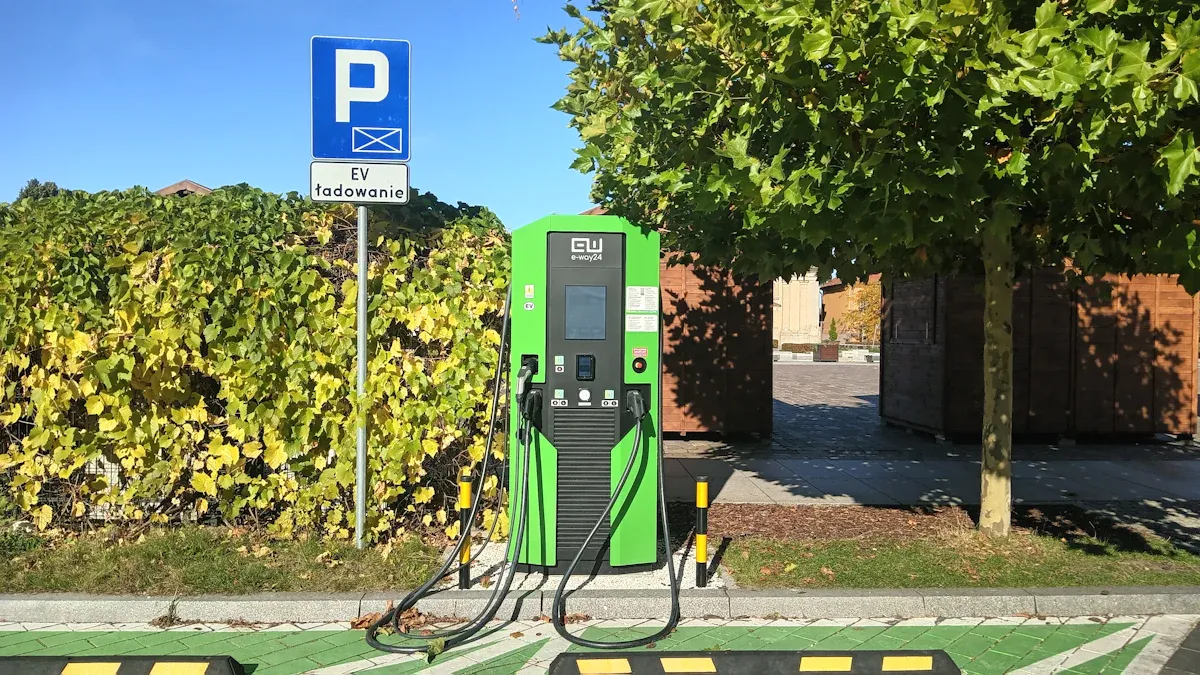
EV charging stations generate charging revenue through several methods. The primary source is direct charging fees from each EV driver. These charging stations also create indirect charging revenue for host businesses. This model boosts profit for many EV focused companies. EV charger manufacturers like TPSON provide advanced EV charging solutions. Their EV Charger technology supports diverse charging fees and charging revenue streams for commercial ev charging. This differs from simple portable ev chargers for personal EV use. The charging stations model is key for the growing EV market, supporting every EV and EV owner. This EV ecosystem thrives on accessible EV power.
1. Direct Revenue Models for EV Charging Stations
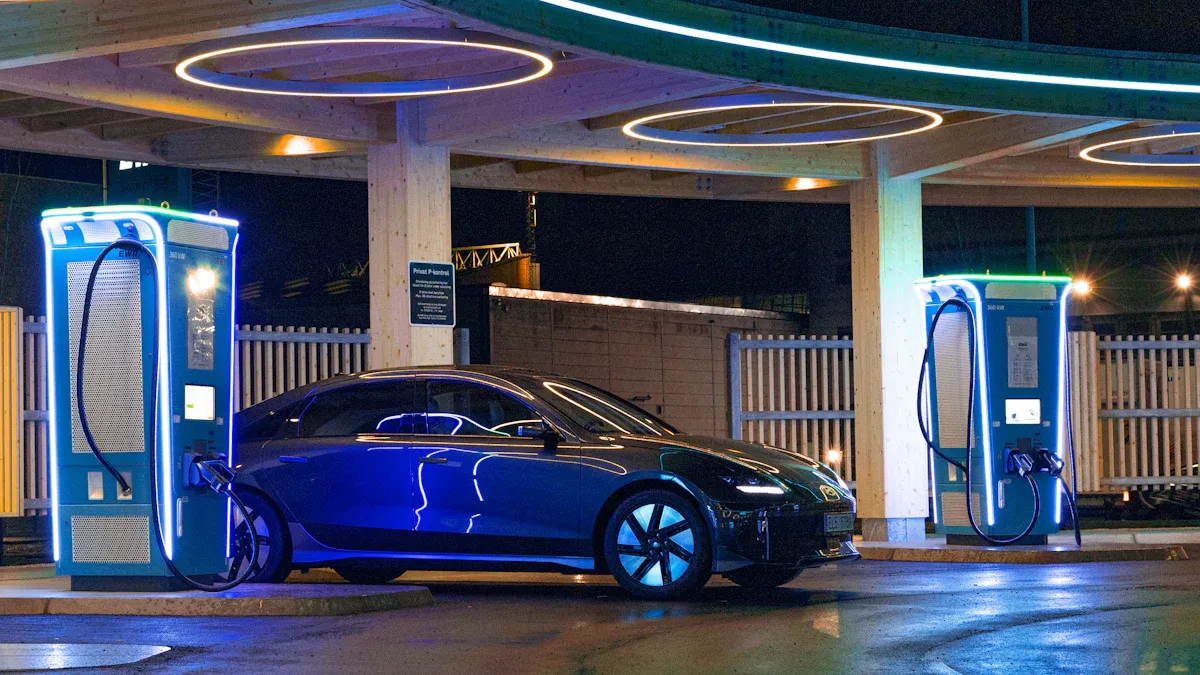
The most straightforward way EV charging stations generate income is through direct charging fees paid by drivers. This approach forms the foundation of the business model for commercial EV charging. Operators can implement several pricing structures to capture this charging revenue, each with unique benefits for the business and the EV driver.
Pay-Per-Use Pricing Strategies
Pay-per-use models are the most common form of payment. They are simple for EV drivers to understand and offer flexibility.
Per-Kilowatt-Hour (kWh) Pricing
Charging per kilowatt-hour (kWh) is the most transparent method. The EV driver pays for the exact amount of energy transferred to their vehicle’s battery. This model feels fair to consumers, as it mirrors how they pay for electricity at home. Advanced EV charging solutions from providers like TPSON easily support this billing method, allowing operators to set a price per kWh that covers electricity costs and generates a profit margin. This is a popular method for many EV users.
Note: Pricing can vary significantly based on location and operational costs. For instance, some UK supermarkets offer competitive rates.
- Aldi: Paid charging points start from 59p per kWh.
- Asda: Paid EV charging starts from 65p per kWh.
- Co-op, Lidl, Morrisons, and Waitrose: Paid charging options range from 29p to 59p per kWh.
Per-Minute or Per-Hour Pricing
In this model, an EV driver pays for the time their vehicle is connected to the charger, regardless of the energy consumed. This strategy incentivizes drivers to move their EV once it is fully charged, freeing up the station for the next user. It is particularly effective at busy locations where high turnover is essential. However, it can be less popular with drivers of an EV with slower charging capabilities, as they pay more for the same amount of energy.
Flat-Fee Session Pricing
A flat-fee model charges a single price for a complete charging session. This simplifies the payment process for the EV driver. An operator might offer a flat fee for a two-hour charging session at a shopping center, for example. This predictability is convenient for the EV user but requires the operator to carefully calculate an average cost to ensure profitability across different EV models and battery sizes.
Recurring Revenue Models
Recurring revenue models focus on building a loyal customer base. They provide predictable income streams for operators and offer value to frequent users.
Subscription and Membership Plans
Subscription-based systems offer EV owners access to charging stations for a fixed monthly or annual fee. This model is ideal for drivers who rely heavily on public charging. Operators can customize subscription tiers to generate consistent charging revenue. This model helps secure predictable income and fosters customer loyalty by providing value to high-frequency users.
Tiered Access for Frequent Users
Tiered plans create value for different types of EV drivers and maximize charging revenue. A network might offer multiple levels of service.
- Essential Tier: Aimed at regular EV users, this tier could offer a small monthly fee ($10–$20/month) in exchange for a 10–15% discount on charging rates.
- Premium Tier: Designed for high-frequency users like commuters, this tier could offer unlimited charging for a higher monthly fee ($50–$80/month), along with perks like priority access and advanced reservations.
These plans build a loyal customer base and make charging revenue more predictable.
Advanced and Network-Based Pricing
Modern charging stations can employ sophisticated pricing strategies that respond to external factors like grid demand and time of day.
Time-of-Day (TOD) Pricing
Time-of-day pricing adjusts the cost to charge an EV based on the time. Operators can set lower prices during off-peak hours (e.g., overnight) to encourage charging when electricity is cheaper and grid demand is low. Conversely, they can increase prices during peak hours. This strategy helps station owners manage their own electricity costs, particularly avoiding expensive demand charges from utility providers. Smart scheduling ensures maximum cost efficiency and prevents grid strain.
Demand-Based Surge Pricing
Similar to ride-sharing apps, surge pricing increases charging fees when demand for chargers is high and lowers them when demand is low. This dynamic model helps manage station congestion and maximizes charging revenue during peak periods. An EV driver arriving at a busy highway rest stop during a holiday weekend might pay a premium, which helps ensure a charger is available.
Network Roaming Fees
When a driver uses a charging station outside of their primary network, they may incur roaming fees. These fees are similar to using an ATM from a different bank. The charging station owner shares a portion of this fee with the driver’s home network, creating an additional source of charging revenue. This interoperability is crucial for the convenience of every EV owner. The cost of charging an EV can vary widely across different networks and countries.
| Country | Average Cost per 100 Miles (euros) | Average Cost per 100 Miles (pounds) |
|---|---|---|
| Portugal | euros3.18 | pounds2.76 |
| UK | euros7.79 | pounds6.75 |
| Spain | euros7.11 | pounds6.16 |
| France | euros7.26 | pounds6.29 |
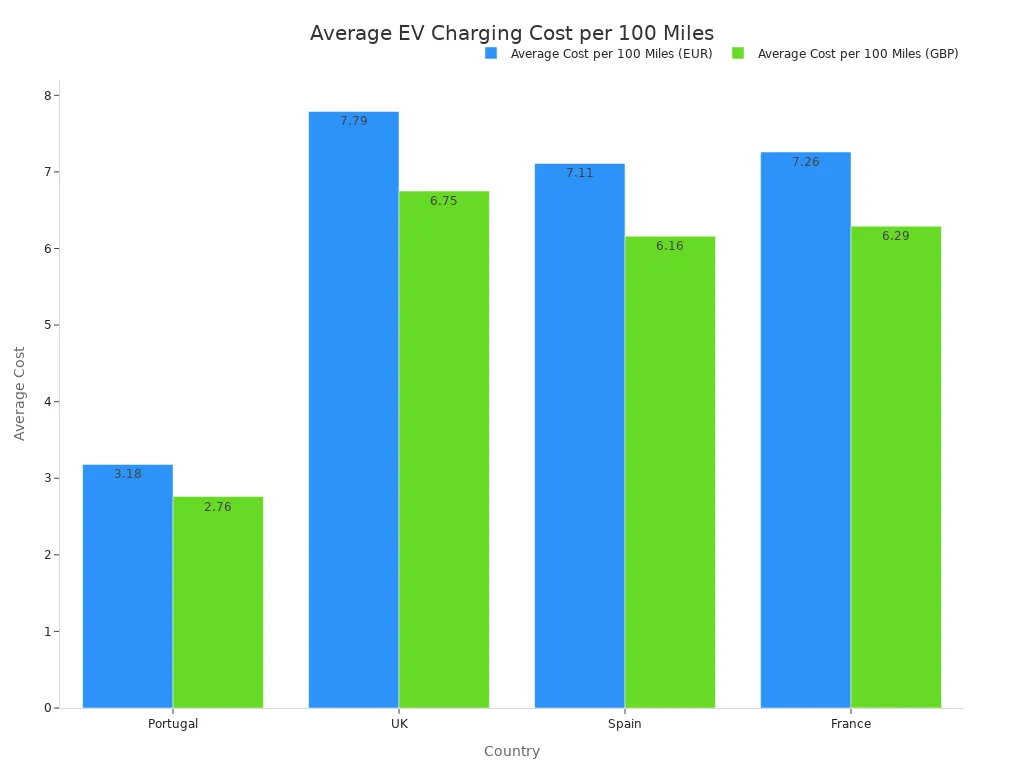
Industry experts point to several factors for these price differences. Matt Adams, head of transport at the Renewable Energy Association, notes that operational costs for charging facilities—including electricity purchase, installation, maintenance, and site leasing—contribute to higher per-kWh or per-minute charging fees in places like the UK.
2. Indirect Revenue: How Charging Stations Boost Host Profitability
Beyond the direct fees collected from drivers, EV charging stations deliver substantial financial benefits through indirect means. For host businesses like retail centers, hotels, and offices, installing chargers is a strategic investment that generates value far exceeding the immediate charging revenue. This approach transforms a simple utility into a powerful tool for business growth.
Attracting and Retaining High-Value Customers
Charging stations act as a magnet for a desirable and growing customer base. They not only draw new visitors but also encourage them to stay longer and spend more.
Increasing Customer Dwell Time and Spending
An EV driver using a charger is a captive audience. A typical charging session can last anywhere from 30 minutes to several hours, giving the host business a unique opportunity. This extended “dwell time” directly correlates with increased spending. A driver waiting for their EV to charge is more likely to shop, dine, or use other services offered on-site.
Businesses can further enhance this effect. Offering amenities like free Wi-Fi during charging creates a more enjoyable experience, encouraging longer stays and repeat visits. A seamless user experience, facilitated by a convenient app for locating and paying for charging, builds customer trust and satisfaction. When linked with loyalty programs, this ecosystem boosts customer engagement, turning a simple charging stop into a rewarding experience that drives both foot traffic and sales. This model significantly increases the potential for charging revenue.
Attracting the EV Driver Demographic
The typical EV owner represents a high-value customer demographic. Data shows that EV drivers often have higher disposable incomes compared to the general population. Attracting this group can lead to increased sales of premium goods and services.
| Group | Average Gross Income |
|---|---|
| EV Owners | euros105,000 |
| EV Prospects | euros87,000 |
| EV Sceptics | euros57,000 |
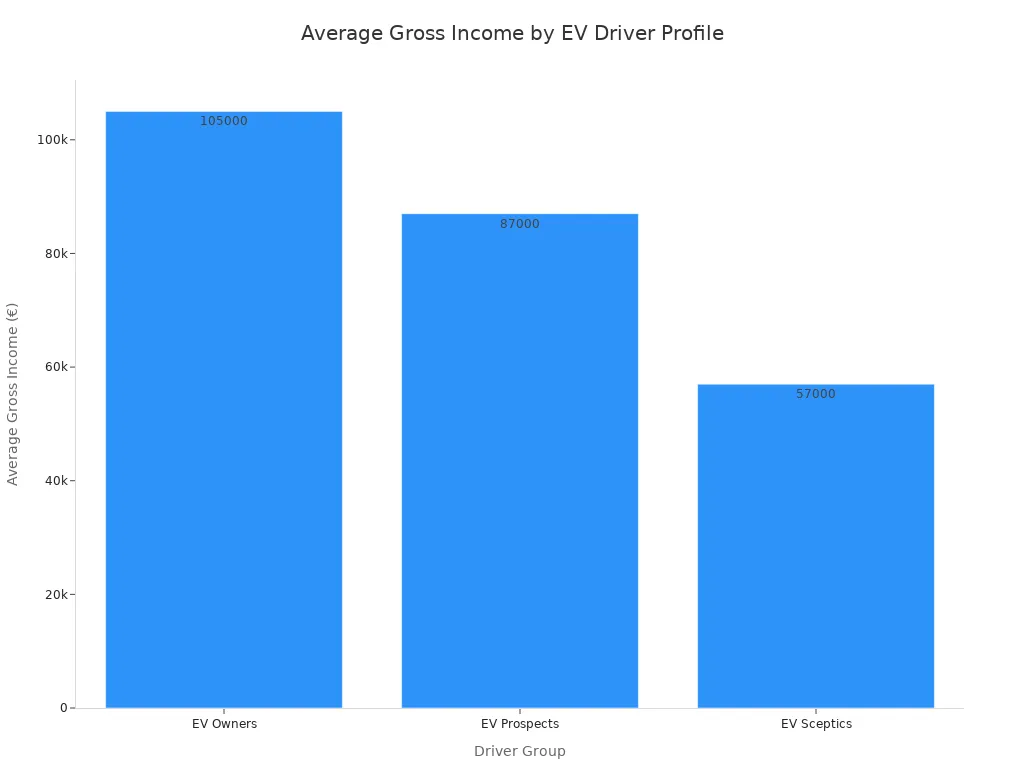
Furthermore, the decision to purchase an EV is often tied to an interest in the entire e-mobility ecosystem. These consumers are receptive to additional products and services related to technology and sustainability. By providing a key part of that ecosystem, a business positions itself as a forward-thinking brand that aligns with the values of the modern EV driver. This alignment helps build a loyal customer base and boosts charging revenue.
Enhancing Property and Brand Image
Installing commercial ev charging infrastructure does more than attract customers; it fundamentally improves the asset’s value and the company’s public image.
Increasing Commercial Property Value
The presence of EV charging infrastructure has a direct, positive impact on property values. Commercial properties equipped with chargers are more attractive to modern business tenants and potential buyers. This indicates a clear willingness in the market to pay a premium for EV-ready facilities.
Real-World Impact:
- Residential properties with EV charging have been reported to sell for up to 5% more than comparable properties without it.
- In some markets, the effect is even more pronounced. For example, residential properties in Toronto with EV chargers saw selling prices increase by over 19% year over year.
For commercial real estate, this value-add makes installing charging stations a sound long-term investment that enhances the property’s marketability and potential rental income. This contributes to the overall charging revenue strategy.
Meeting Corporate Sustainability Goals
In today’s business climate, sustainability is not just a buzzword; it is a core component of corporate responsibility. Installing charging stations offers a tangible and highly visible way for a company to demonstrate its commitment to the environment. This action helps businesses:
- Achieve Environmental, Social, and Governance (ESG) targets.
- Reduce their overall carbon footprint by supporting clean transportation.
- Enhance their brand reputation among environmentally conscious consumers, employees, and investors.
This public display of green credentials strengthens the brand and fosters goodwill. An EV driver is more likely to support a business that shares their values.
Gaining a Competitive Edge
In a crowded marketplace, differentiation is key. Offering EV charging can set a business apart from its competitors. A hotel, restaurant, or shopping mall with reliable charging stations becomes an obvious choice for any EV driver planning a trip or an outing. This amenity effectively directs a growing stream of customers to your door instead of a competitor’s. Technologically advanced solutions from providers like TPSON enable businesses to offer a premium and reliable charging experience, further solidifying this competitive advantage and maximizing the opportunity for charging revenue from each EV.
3. Ancillary Revenue Streams for Charging Stations
Beyond direct user fees, ancillary income streams provide significant opportunities to increase profitability. These secondary methods transform charging stations from simple utilities into multifaceted assets. Operators can leverage advertising, data, and partnerships to build a robust business model and maximize charging revenue.
Advertising and Media Sales
Charging stations offer a unique platform for advertisers to reach a captive and valuable audience. An EV driver is stationary for an extended period, making them highly receptive to targeted messaging.
On-Screen Digital Advertisements
Many modern chargers, like those from advanced providers such as TPSON, feature large digital screens. These screens are prime real estate for displaying video or static ads. Companies like InstaVolt specialize in selling this media space, allowing brands to reach an engaged audience of EV owners. This model provides a consistent stream of charging revenue while the EV is plugged in.
Physical Station Wraps and Signage
The physical body of a charger presents another advertising opportunity. Operators can sell this space for branded wraps and signage. Firms such as Joyce Design help create these graphics, enabling charge point operators to sell advertising to local businesses or green-focused partners. This method engages not only the EV driver but also the general public in high-traffic locations like retail parks, adding another layer to the charging revenue strategy.
Data Monetization Opportunities
EV charging stations generate a wealth of valuable data. When anonymized and aggregated, this information creates new income sources and provides powerful insights.
Selling Anonymized Usage Data
Operators can collect and sell non-personal data about charging habits. This includes information on:
- Peak usage times
- Average charging duration
- Energy consumption patterns
Market research firms, retailers, and energy companies will pay for this data to better understand EV consumer behavior. This creates a passive form of charging revenue that complements direct user fees for every EV.
Providing Insights for Urban Planning
Aggregated data from an EV network is invaluable for municipal planning. Local authorities use this information to make evidence-based decisions about infrastructure. They can apply demand modeling and spatial layering techniques to identify gaps in charger availability and forecast future needs. This data helps planners understand traffic flow and energy grid capacity, ensuring new EV infrastructure is deployed efficiently and equitably for the growing number of EV drivers.
Strategic Partnerships and Sponsorships
Collaborations with other businesses can unlock new revenue and enhance brand credibility. These partnerships create a synergistic relationship that benefits the station owner, the partner, and the EV user.
Co-Branding with Automotive Brands
An operator can partner with an automotive manufacturer to co-brand a set of charging stations. The car brand gains valuable exposure to potential customers, while the station owner may receive funding, discounted hardware, or marketing support. This association enhances the station’s prestige and attracts owners of that specific EV brand.
Collaborating with Charging Networks
Independent station owners can join larger, established charging networks. This collaboration increases a station’s visibility on popular EV navigation apps, directing more drivers to the location. While it may involve a revenue-sharing agreement, the increased utilization often leads to higher overall charging revenue and a better experience for every EV driver seeking a reliable charge.
4. How Charger Type Impacts Profitability

The choice of charger technology is a fundamental decision that directly shapes a station’s business model and profit potential. Operators must weigh the upfront investment against the potential for charging revenue. The two main types, Level 2 and DC Fast Charging (DCFC), serve different needs for the EV driver and offer distinct financial outcomes for the owner.
Level 2 Charging Stations
Level 2 chargers are the most common type of commercial charging stations. They offer a balance of cost and charging speed, making them a versatile option for many businesses.
Lower Upfront Costs and Installation
The primary advantage of Level 2 chargers is their affordability. Both the hardware and installation are significantly less expensive than their DCFC counterparts. This lower financial barrier makes them an accessible entry point for businesses looking to offer EV charging.
| Charger Type | Hardware Cost (approx.) | Installation Cost (approx.) |
|---|---|---|
| Commercial Level 2 | pounds400 – pounds1,000 | pounds300 – pounds1,000 |
| DC Fast Charger | pounds10,000 – pounds40,000 | Varies (site-dependent) |
Ideal for Long-Dwell Locations
Level 2 chargers are perfect for destinations where an EV driver plans to stay for several hours. This includes workplaces, hotels, shopping centers, and residential complexes. An EV can gain a significant charge over a workday or an overnight stay. The longer dwell time also creates more opportunities for indirect revenue for the host business.
Slower ROI but Lower Financial Risk
Due to lower pricing and slower turnover, the return on investment (ROI) for Level 2 chargers is generally slower. However, the low initial investment reduces financial risk. This makes them a stable, long-term asset that reliably generates charging revenue without requiring a massive capital outlay. An EV driver appreciates the availability, even if the speed is not maximum.
DC Fast Charging (DCFC) Stations
DC Fast Chargers, or DCFCs, represent the premium tier of EV charging. They provide rapid charging for an EV, making them essential for certain locations and business models.
Higher Upfront Investment
DCFC technology is complex and powerful, which results in a much higher upfront investment. The hardware costs can be over ten times that of a Level 2 unit. Installation is also more demanding, often requiring significant electrical upgrades and site work, which adds to the expense for these powerful ev charging stations.
Premium Pricing and High Throughput
The main benefit of DCFC is speed, allowing an EV to charge in minutes rather than hours. This speed justifies a higher price point.
DC fast charging commands a premium due to the ‘faster convenience‘ it offers. An EV driver is willing to pay more to save significant time.
This premium pricing model directly boosts charging revenue per session. Advanced solutions from providers like TPSON support this dynamic pricing, enabling operators to maximize income from each EV.
| Charging Type | Price per kWh | Cost for 60kWh Battery |
|---|---|---|
| Level 2 Charging | pounds0.30 – pounds0.40 | pounds18 – pounds24 |
| DC Fast Charging | pounds0.45 – pounds0.85 | pounds27 – pounds51 |
Faster ROI in High-Traffic Corridors
Despite the high initial cost, DCFC stations can deliver a faster ROI when placed strategically. Locations along major travel routes, busy retail hubs, and dedicated charging hubs are ideal. The combination of high throughput—serving many EV drivers per day—and premium pricing accelerates the path to profitability.
5. Analyzing the Costs of Owning EV Charging Stations
Achieving profitability with EV charging requires a clear understanding of the associated costs. Operators must account for both the significant initial investment and the recurring operational expenses. These factors directly influence pricing strategies and the overall potential for charging revenue.
Initial Investment Costs
The upfront capital needed to establish a charging site is the first financial hurdle. These costs are divided into two main categories.
Hardware and Equipment Purchase
The primary expense is the charging unit itself. The cost varies widely depending on the charger type. Level 2 chargers are more affordable, while DC Fast Chargers represent a much larger investment. Technologically advanced providers like TPSON offer a range of hardware solutions to fit different business models and budgets for any EV. The choice of hardware is a critical decision for any commercial ev charging project. An operator must select the right equipment for their target EV driver.
Professional Installation and Site Work
Installation costs can sometimes equal or exceed the price of the hardware. This phase involves more than just mounting the charger. Key expenses include:
- Electrical Upgrades: Assessing and upgrading the site’s electrical capacity to handle the load of an EV.
- Trenching and Paving: Running conduits for electrical wiring, which may require cutting into asphalt or concrete.
- Labor Costs: Hiring certified electricians and contractors to perform the installation safely and correctly.
- Permits and Inspections: Securing necessary municipal approvals for the charging stations.
Ongoing Operational Expenses
After installation, charging stations incur continuous costs that impact net charging revenue. Managing these expenses is crucial for long-term success.
Electricity Costs and Demand Charges
Electricity is the most significant operational expense. Beyond the standard cost per kilowatt-hour, operators must manage demand charges.
What are Demand Charges? Utilities often bill commercial customers based on their highest peak electricity usage during a billing cycle. A single EV charging at a high-power DCFC station can create a large spike, leading to substantial fees for the entire month. Smart energy management is essential to control these costs for each EV.
Software, Networking, and Transaction Fees
Modern ev charging stations rely on sophisticated software to function. These platforms enable remote monitoring, payment processing, and access control for each EV. Operators typically pay monthly or annual fees for:
- Network connectivity to keep the station online.
- Payment gateway fees for each transaction.
- Software licenses for management dashboards. These fees are a direct deduction from the income generated by an EV.
Routine Maintenance and Repairs
To ensure a reliable experience for every EV driver, stations require regular maintenance. This includes software updates, cleaning, and inspecting hardware for wear and tear. Operators must also budget for potential repairs, as equipment downtime means lost income. A proactive maintenance plan minimizes disruptions and protects the asset.
6. Calculating Profitability and Return on Investment (ROI)
An EV charging station’s profitability hinges on a delicate balance of revenue, costs, and strategic planning. Operators must analyze several key metrics to forecast their return on investment (ROI) and ensure long-term financial success. This calculation moves beyond simple income, requiring a deep dive into utilization, operational costs, and market dynamics. Understanding these elements is crucial for turning an initial investment into a sustainable source of charging revenue.
Key Factors That Drive Profit
Several variables directly influence the profitability of charging stations. Mastering these factors allows operators to optimize their business model for maximum returns.
Station Utilization Rate
The utilization rate is the single most important metric for profitability. It measures how often a charger is used by an EV driver. A station that sits idle generates no charging revenue. High utilization is achieved through:
- Strategic Location: Placing chargers in high-traffic areas where an EV driver naturally stops.
- Reliability: Ensuring the station is always operational to build trust with every EV user.
- Visibility: Listing the station on popular EV navigation apps.
A higher utilization rate means more paying customers, directly boosting the overall charging revenue for each EV.
Local Electricity Tariffs
The cost of electricity is a primary operational expense. This cost varies significantly by region and is influenced by local utility tariffs. Operators must account for both the standard per-kWh rate and potential demand charges, which can drastically increase costs. Smart energy management, such as scheduling charging during off-peak hours, is essential to protect profit margins. The price paid for electricity directly impacts the final charging revenue from every EV.
Competitive Pricing Landscape
The price set for charging an EV is a critical factor for attracting customers. Research shows that price, more than location or habit, is the main driver of consumer choice for EV charging. Operators must analyze the pricing of nearby charging stations to remain competitive. Setting fees too high can deter an EV driver and lower utilization. The goal is to find a balance that is attractive to the EV user while covering costs and generating a healthy profit. Electricity sales typically account for 80% of EV charging revenue, making competitive pricing essential.
Estimating Your Return
With a clear understanding of the key profit drivers, operators can begin to project their financial returns.
Typical Profit Margins (15-30%)
While margins vary based on location, charger type, and operational efficiency, a well-managed EV charging station can achieve profit margins between 15% and 30%. DC Fast Chargers in prime locations often yield higher margins due to premium pricing, while Level 2 chargers may have lower margins but provide stable, long-term income.
Break-Even Point Analysis
A break-even analysis determines when the total charging revenue equals the total costs (both initial and ongoing). To calculate this, an operator must project:
- Total upfront investment (hardware, installation).
- Ongoing monthly costs (electricity, software, maintenance).
- Projected monthly revenue (based on estimated utilization and pricing).
This calculation reveals how many charging sessions are needed per month to cover all expenses for the EV.
Projecting ROI Timelines (5-10 Years)
The return on investment timeline for ev charging stations typically ranges from 5 to 10 years. This period can be influenced by several factors:
- Initial Cost: Higher upfront investments for DCFC units may have a faster ROI if utilization is high.
- Government Incentives: Grants and rebates can significantly reduce the initial outlay, shortening the ROI period.
- Revenue Streams: Ancillary income from advertising or data sales can accelerate profitability for each EV.
Careful financial modeling helps set realistic expectations for when the investment will begin generating a net profit for the EV charging business.
7. Leveraging Government Incentives and Tax Credits
Government and utility programs play a crucial role in the financial viability of an EV charging business. These incentives significantly reduce the initial investment and ongoing operational costs. Operators who take full advantage of these programs can shorten their ROI timeline and boost overall profitability for their EV infrastructure.
Federal Tax Incentives
Many national governments offer tax incentives to encourage the adoption of clean energy infrastructure. These programs directly lower the tax burden for businesses investing in EV technology.
Alternative Fuel Vehicle Refueling Property Credit (Form 8911)
A common incentive is a tax credit for installing alternative fuel property. This credit directly reduces a company’s tax liability, making the investment in an EV charger more affordable. The process for claiming this credit typically involves:
- Installing qualifying equipment, such as technologically advanced EV solutions from providers like TPSON, before a specified deadline.
- Filing the appropriate tax forms with the national revenue agency.
- Maintaining detailed records, including receipts for the hardware purchase and installation fees, to validate the claim.
This type of credit is non-refundable. It lowers the amount of taxes owed but does not result in a direct cash payment. This makes it a powerful tool for profitable businesses looking to lower their tax bill.
State and Local Rebate Programs
Regional and municipal governments often provide direct financial assistance through grants and rebates. These programs are designed to accelerate the deployment of charging stations within a specific area. An EV business can benefit greatly from these local funds.
Grants for Hardware Purchases
Grants can cover a substantial portion of the hardware cost for a new EV charger. Businesses apply for these funds, and if approved, receive money to purchase the equipment. This dramatically lowers the primary upfront expense of an EV project.
Rebates for Installation Costs
Installation can be a major cost. Rebate programs offer to reimburse businesses for a percentage of the expenses related to site work, electrical upgrades, and labor. This makes the entire process of getting an EV charger operational much more cost-effective.
Utility Company Support Programs
Electric utility companies are key partners in building out the EV charging network. They offer programs to support businesses, as a robust EV ecosystem helps them manage grid load and plan for future energy needs.
“Make-Ready” Infrastructure Support
In a “make-ready” program, the utility company pays for and installs the electrical infrastructure needed for an EV charger. This includes running conduits and wiring from the power source to the parking space. The site owner is then only responsible for purchasing and connecting the final EV charging unit.
Special EV Charging Electricity Rates
Many utilities offer special, lower electricity rates for commercial EV charging. These rates encourage charging during off-peak hours, which helps the utility balance grid demand. For the station owner, these reduced tariffs lower the primary operational cost, directly increasing the charging revenue generated from every EV.
EV charging stations employ a diverse financial strategy. They combine direct charging fees from an EV with indirect benefits for host businesses. This model maximizes charging revenue. Achieving profitability for charging stations is not guaranteed for every EV. It requires careful planning around location, charger type, and competitive charging fees for each EV. The initial investment for an EV station is substantial. However, government incentives and high utilization can shorten the ROI period for an EV. Ultimately, successful owners view their charging stations not just as a utility. They see them as a valuable service that enhances property value and the experience for every EV driver.
FAQ
What is the most profitable type of EV charger?
DC Fast Chargers typically offer higher profit potential. They command premium prices for faster charging. This model attracts an ev driver needing a quick charge. High utilization in prime locations accelerates the return on investment for each ev.
Can a small business make money from an EV charger?
Yes. A small business can generate indirect revenue. An ev charger attracts high-value customers who stay longer and spend more. Direct charging fees provide an additional income stream for the business and its ev customers.
How long does it take for an EV charging station to become profitable?
The typical return on investment timeline is 5 to 10 years. This period depends on the initial cost, station utilization, and local electricity rates. Government incentives can significantly shorten this timeframe for an ev business.
Are Level 2 chargers a good investment?
Level 2 chargers are a solid investment for long-dwell locations like hotels or offices. They have lower upfront costs and financial risk. They provide a necessary amenity for any ev driver staying for several hours.
What are the main costs of running an EV charging station?
The main ongoing costs are electricity, software networking fees, and routine maintenance. Electricity is the largest expense. Demand charges can also significantly impact profitability for an ev station. Proper management is key for any ev.
How do advanced chargers increase revenue?
Advanced chargers from providers like TPSON support dynamic pricing. They enable time-of-day rates and on-screen advertising. These features create multiple revenue streams from a single ev charging session, maximizing profit for the operator.