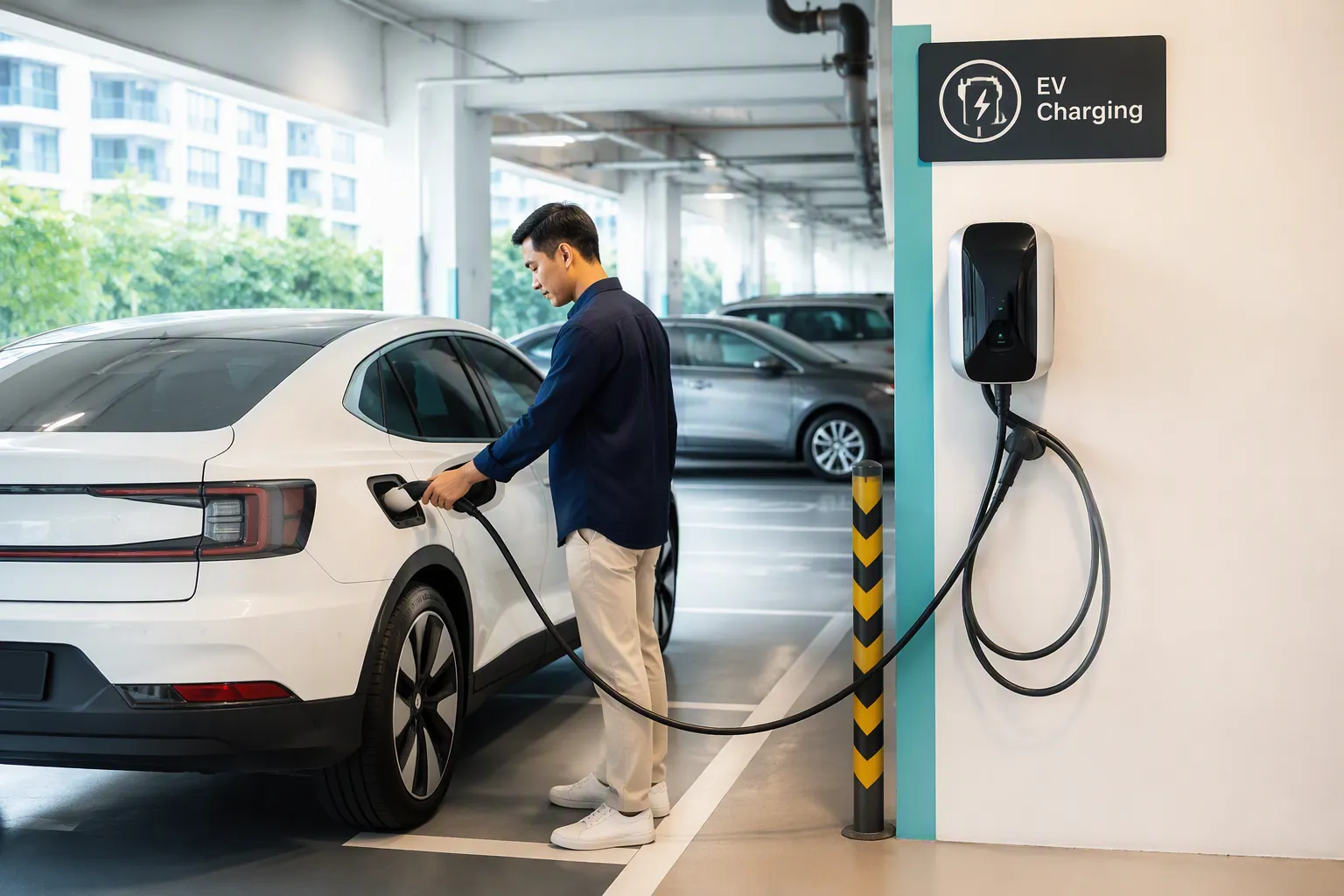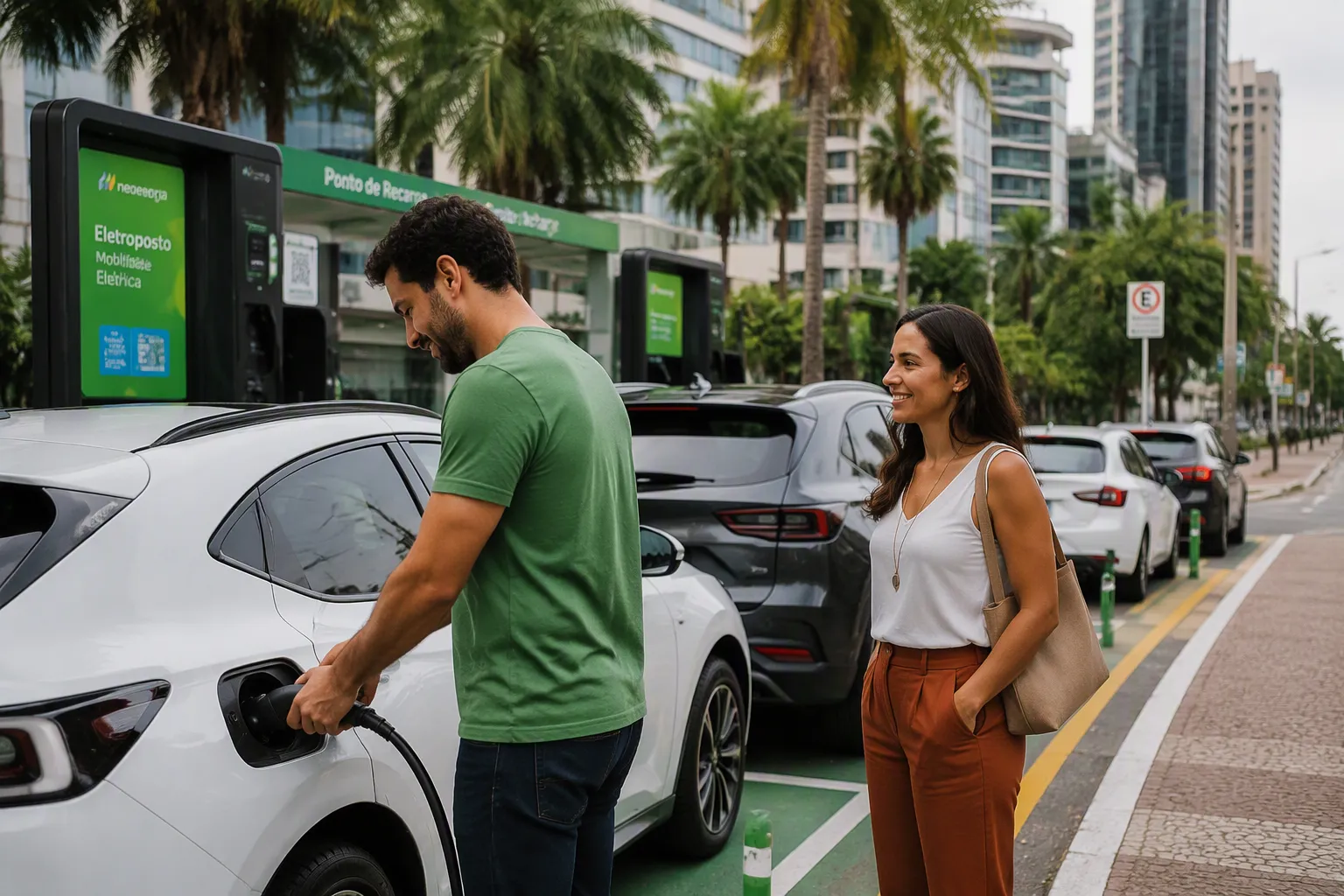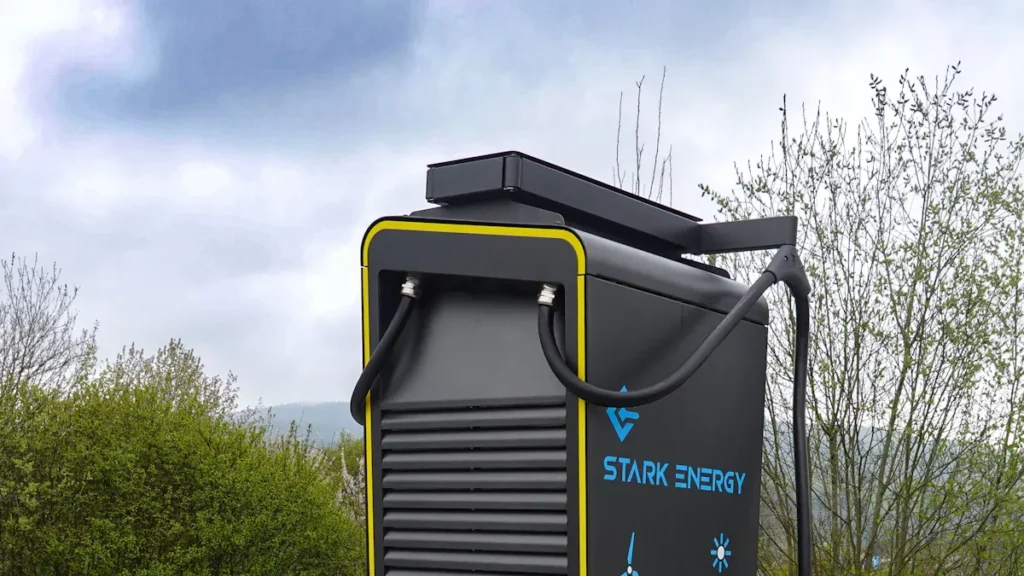

An EV charging station in Brazil offers significant investment potential. The Profitability of EV Charging Station hinges on a detailed analysis of costs and revenue streams tailored to the local market. Success depends on strategic financial planning.
Brazil’s EV market value is projected to grow from USD 1,805.9 million in 2024 to over USD 5,332.8 million by 2029, showcasing rapid expansion.

This growth creates a prime opportunity for a charging station business. Achieving profitability requires a clear understanding of specific financial inputs. A business must evaluate options from various Produsen pengisi daya EV, termasuk penyedia layanan canggih Solusi pengisian daya kendaraan listrik like TPSON, to select the right Pengisi Daya Listrik, whether stationary or pengisi daya EV portabel. This careful selection is crucial for the charging investment.
Analyzing Your Initial Investment Costs (CAPEX) in Brazil

A business must first analyze the Capital Expenditures (CAPEX) to launch a successful ev charging station. These upfront costs form the foundation of the total investment. A thorough evaluation of hardware, installation, and software is essential for building a viable financial model for the charging infrastructure in Brazil.
EV Charging Station Hardware Costs
The primary hardware costs depend directly on the chosen charging technology. This decision impacts both the initial investment and the service offered to EV drivers.
Level 2 AC Chargers
Level 2 AC chargers are a cost-effective option for locations where vehicles park for extended periods. These include workplaces, hotels, and residential complexes. They provide a slower charging speed, making them suitable for overnight or all-day sessions.
DC Fast Chargers (DCFC)
DC Fast Chargers (DCFC) represent a more significant capital outlay. This advanced technology delivers rapid charging, often in under an hour. DCFC units are ideal for high-traffic public locations like highways, retail centers, and dedicated charging hubs. Companies like TPSON provide this type of sophisticated technology, which can attract more users and generate higher revenue per session.
Transformers and Electrical Switchgear
High-power charging, especially with multiple DCFC units, requires robust electrical infrastructure. This often includes new transformers, switchgear, and panels to manage the increased electrical load safely. These components are critical for the stability and capacity of the charging site.
Site Preparation and Installation Expenses
Installation costs can vary significantly based on site conditions in Brazil. These expenses are a major part of the initial budget.
Electrical Work and Grid Connection Fees
This category covers trenching for conduits, running high-voltage cables, and labor for certified electricians. It also includes fees paid to the local energy utility for grid upgrades and connection, which can be substantial.
Civil Works, Paving, and Groundwork
Preparing the site involves several tasks. Installers may need to pour concrete pads for the chargers, repair asphalt, and ensure proper drainage. These civil works ensure the infrastructure is secure and accessible.
Catatan: Site complexity is a major cost driver. A simple curb-side installation will have lower costs than a project requiring extensive trenching across a large parking lot.
Station Signage and Parking Bay Markings
Clear signage and visible parking bay markings are crucial for a positive user experience. This includes directional signs, instructional panels on the chargers, and painted EV-only parking spaces.
Software and Network Management Systems
Stasiun pengisian daya modern beroperasi pada platform perangkat lunak yang canggih.
Charging Station Management System (CSMS)
A CSMS is the central nervous system of the ev charging station. This software allows operators to set pricing, monitor station status, track usage, and manage users remotely.
Point-of-Sale (POS) and Payment System Integration
To collect revenue, the station needs a reliable payment system. This involves integrating hardware and software that can process various payment methods, including credit cards and popular local options like Pix.
Regulatory and Compliance Fees in Brazil
Navigating the regulatory framework in Brazil is a non-negotiable step for any business. These compliance requirements protect the public and ensure fair market practices. The associated fees and administrative processes are important costs that a business must factor into its initial investment budget. Proper planning for these legal hurdles prevents future fines and operational delays.
ANEEL Registration and Authorization
The National Electric Energy Agency (ANEEL) oversees the energy sector. ANEEL Resolution No. 1,000/2021 establishes the guidelines for EV charging activities. Businesses planning to offer commercial charging services must register their activity with the agency.
Key ANEEL Guideline: While ANEEL does not regulate the final price charged to the EV driver, it requires service providers to adhere to technical and safety standards. Registration ensures the operation is officially recognized and compliant with national energy policies.
This process formalizes the business as a legitimate charging service provider. Choosing hardware from penyedia teknologi canggih like TPSON can help meet the technical specifications required for a smooth authorization process.
Municipal Permits (Operating Licenses)
Every commercial operation needs local government approval. The primary permit is the Operating License, or Operating License, issued by the municipal authority (municipal authority). Obtaining this license involves several steps:
- Submitting the company’s registration documents (CNPJ).
- Providing proof of property ownership or a lease agreement.
- Securing an inspection certificate from the fire department (fire department).
Additional permits for construction (Construction Permit) may be necessary if the site requires significant modifications. These local requirements vary between cities, making it essential to consult with the specific municipality where the station will be located. These permits represent tangible costs for the business.
Environmental Licensing Requirements
The scale of the charging station project determines the need for environmental licensing. Large-scale installations, especially those requiring new construction or extensive groundwork, may need an environmental permit from the state or municipal environmental agency. This process assesses the project’s potential impact on the local environment. The licensing procedure can be complex and add time and expense to the overall investment. A business must investigate these specific requirements early in the planning phase to avoid unforeseen complications and ensure the project is environmentally sustainable.
Projecting Annual Operating Costs (OPEX)
After accounting for the initial investment, a business must project its annual operating expenditures (OPEX). These recurring costs are fundamental to determining the long-term profitability of the EV charging station. A precise OPEX calculation ensures financial sustainability and operational efficiency.
Electricity and Demand Charges in Brazil
Electricity is the single largest operating expense. The total energy costs in Brazil are composed of several factors that require careful management.
Understanding Brazilian Tariff Flags (Tariff Flags)
The Tariff Flags system adjusts electricity prices based on national power generation conditions. A green flag indicates normal costs, while yellow and red flags signal increased prices due to factors like low reservoir levels. Businesses must monitor these flags as they directly impact the cost per kilowatt-hour.
Calculating Energy Consumption Costs (R$/kWh)
The primary cost is the direct consumption of energy. A business calculates this by multiplying the total kilowatt-hours (kWh) sold by the utility’s rate (R$/kWh). This rate fluctuates with the tariff flags and the time of day, making accurate forecasting essential for pricing strategies.
Managing Peak Demand Charges (Contracted Demand)
Commercial consumers in Brazil often face demand charges. Countries like Brazil implement these charges for industrial users, structuring them around peak-hour consumption to promote grid stability. This fee, known as Contracted Demand, is based on the highest power demand registered during a billing period, regardless of total consumption. Managing charging demand to avoid high peaks is critical for controlling these significant costs.
Maintenance, Repairs, and Service Contracts
Reliable charging infrastructure requires ongoing maintenance to ensure uptime and customer satisfaction. These costs protect the initial hardware investment.
Preventive Maintenance Plans
Scheduled maintenance is crucial for operational health. These plans include routine inspections, cleaning, and software updates for the charging equipment. A proactive approach minimizes unexpected downtime and costly emergency repairs.
On-Call Repair Services and Labor
Equipment can still fail despite preventive measures. A business must budget for on-call technician services and labor for unexpected repairs. Using reliable hardware from providers like TPSON can reduce the frequency of these incidents.
Spare Parts Inventory Management
Keeping a small inventory of critical spare parts, such as cables or connectors, can drastically reduce station downtime. This represents an upfront cost but improves the overall service reliability and user experience.
Software, Network, and Financial Fees
Modern EV charging stations rely on a network of software and financial services, each with associated recurring fees.
Biaya Langganan CSMS Bulanan
The Charging Station Management System (CSMS) typically requires a monthly or annual subscription fee. This fee covers software access, updates, and remote support for the charging network.
Payment Gateway and Transaction Processing Fees
Every transaction incurs a fee. Payment gateways charge a percentage or a flat rate for processing credit card, debit, or Pix payments. These small costs add up quickly with high station utilization.
Interoperability and Network Roaming Fees
To attract more EV drivers, a station may join a larger charging network. This allows users from other networks to use the station, a practice known as roaming. This service often involves fees for facilitating the cross-network charging session.
General Site and Administrative Overheads
Beyond direct operational expenses, a business must account for general overheads. These administrative costs are essential for the legal and financial health of the charging station business. Proper budgeting for these items ensures the operation remains compliant and financially sound over the long term, safeguarding the investment against unforeseen financial pressures.
Site Lease or Rental Costs
Many businesses install charging stations on property they do not own. In these situations, site lease or rental payments become a significant monthly operating expense. The amount depends heavily on the location’s commercial value. A prime spot in a busy São Paulo shopping center will command a much higher rent than a location in a smaller town. Lease agreements often pass certain property-related expenses to the tenant, which requires careful review before signing. This fixed expense must be factored into the station’s pricing model to ensure profitability.
Business and Liability Insurance
Operating a public charging station carries inherent risks. A comprehensive business and liability insurance policy is non-negotiable for risk mitigation. This insurance protects the company from financial losses resulting from accidents, equipment malfunctions, or property damage. For example, it covers claims if a vehicle is damaged during a charging session or if a customer sustains an injury on-site. Insurers calculate premiums based on the station’s location, the number of chargers, and the level of public access. This is a critical recurring expense for managing operational risk and maintaining public trust.
Local Property and Service Taxes (IPTU, ISS)
Brazilian businesses face several municipal taxes that contribute to annual operating costs. The two most relevant for a charging station are the IPTU and the ISS. The Imposto Predial e Territorial Urbano (IPTU) is a property tax levied on the real estate where the station is located. Its calculation is based on several factors:
- IPTU is an annual charge calculated as a percentage of the property’s municipally appraised value, typically ranging from 0.3% to 1.5%.
- In major cities like São Paulo, the base rate for a commercial property is 1.5%.
- The property owner is legally responsible for this tax, but lease agreements frequently pass these expenses on to the tenant.
Additionally, the Imposto Sobre Serviços (ISS) is a service tax. Municipalities apply this tax to the revenue generated from the charging service itself. The rate varies by city, so businesses must consult local regulations to calculate this expense accurately.
Forecasting Revenue Streams to Maximize Profitability

A successful EV charging station relies on a smart revenue strategy. Operators must look beyond simple charging fees to maximize profit. Diversifying revenue streams is essential for financial stability and growth. A comprehensive model combines direct user payments, contractual agreements, and indirect income sources to build a strong financial foundation. This approach ensures the business can capture value from every aspect of its operation.
Direct User Charging Fees
Direct charging fees are the most straightforward source of income. The flexibility of modern systems, like those from advanced providers such as TPSON, allows operators to implement various pricing structures.
Pay-Per-Use Models (R$/kWh)
This is the most transparent pricing model. Customers pay for the exact amount of energy they consume, measured in kilowatt-hours (kWh). It directly ties the price to the service delivered, making it easy for users to understand and fair for the operator.
Time-Based Billing (R$/minute)
Operators can charge customers based on the duration of the charging session. This model is effective for high-demand locations with DC fast chargers. It incentivizes drivers to move their vehicles promptly after charging, increasing station turnover.
Biaya Sesi Flat-Rate
A flat-rate model charges a single, fixed price for a complete charging session. This option offers simplicity for both the customer and the operator. It works well in locations where charging times are predictable, such as workplaces or hotels.
Recurring and Contractual Revenue Models
Securing predictable income stabilizes cash flow and is key to long-term profitability.
Monthly or Annual Subscription Plans
Offering subscription plans to frequent users creates a loyal customer base. Subscribers pay a recurring fee for a set amount of charging or discounted rates. This model generates a predictable revenue stream regardless of daily usage fluctuations.
Corporate and Fleet Charging Agreements
A business can establish contracts with companies that operate EV fleets. These agreements provide a consistent source of high-volume charging demand. They are a powerful B2B strategy that can significantly contribute to the annual revenue.
Indirect and Value-Added Revenue
Indirect revenue sources can substantially boost overall profit. An EV charging station attracts affluent, tech-savvy consumers to a location.
Tip: The time an EV driver spends waiting for their vehicle to charge is a valuable opportunity. This “dwell time” can be monetized through various creative channels.
On-Site Digital Advertising Screens
Chargers equipped with digital screens can display advertisements. Operators can sell this ad space to other companies, creating an additional income stream.
Partnerships with Local Retail Businesses
An operator can partner with nearby cafes, shops, or restaurants. These partnerships could involve offering charging discounts to customers of the partner business, driving traffic to both establishments.
Increased Sales for Your Primary Business
For retailers, hotels, or restaurants, the primary financial benefit may come from increased customer traffic. An EV driver is likely to shop or dine while their vehicle is charging, directly increasing sales for the host business.
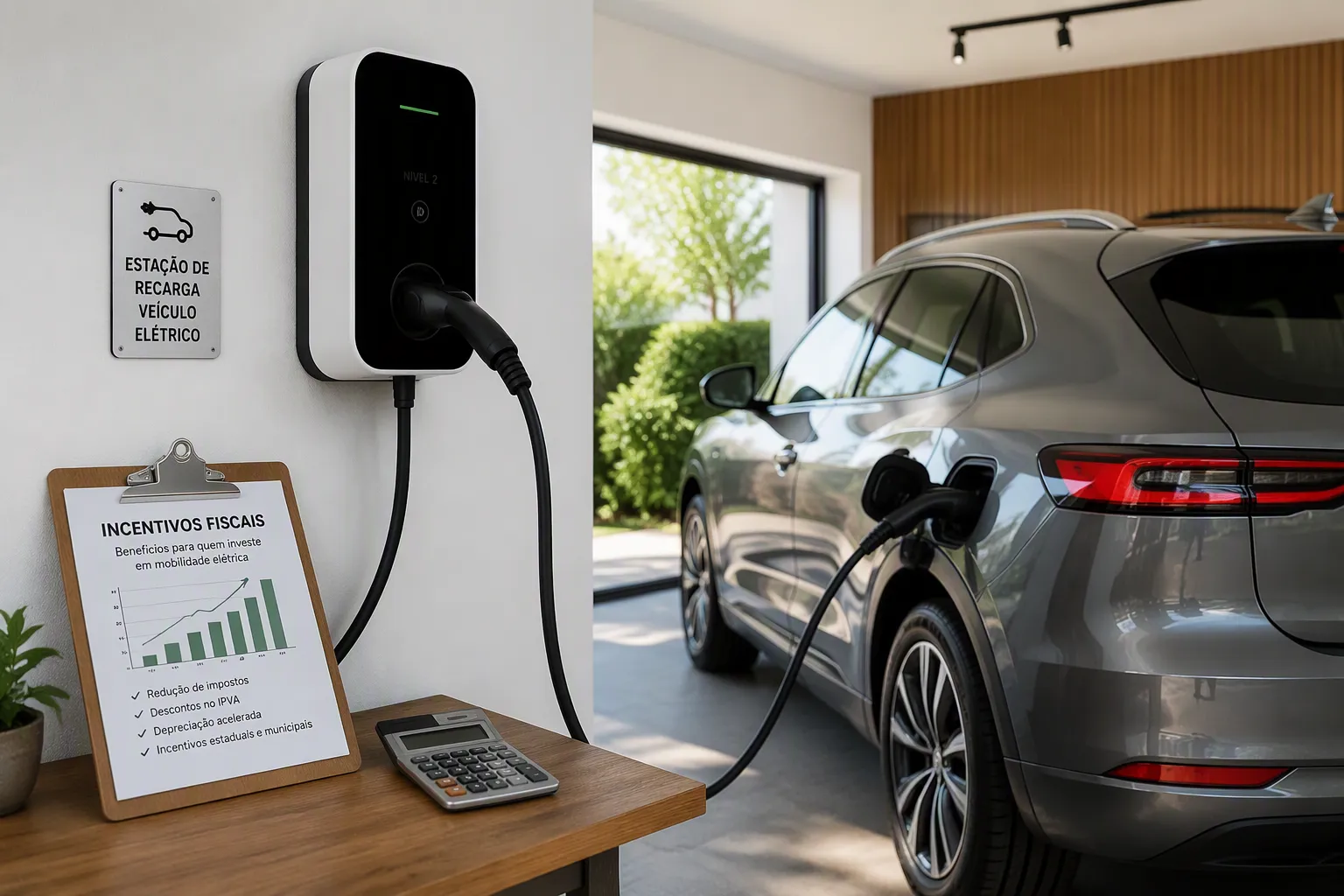
Leveraging Brazilian Government Incentives
Governments in Brazil offer financial incentives to encourage sustainable investments. Businesses can significantly improve their financial outlook by leveraging these programs. These incentives reduce initial costs and can enhance long-term revenue potential. A thorough investigation into available federal, state, and municipal benefits is a critical step in the financial planning process. These programs make the adoption of green technology more accessible and profitable.
Federal Tax Credits for Green Technology
The federal government provides tax incentives for companies investing in sustainable solutions. Programs like the Support Program for the Technological Development of the Semiconductor Industry (PADIS) can lower the tax burden on imported electronic components. This is highly relevant for businesses purchasing advanced charging stations.
Kiat Pro: Partnering with a provider like TPSON, known for its sophisticated technology, can help a business meet the technical criteria required for certain federal benefits. These incentives effectively reduce the total capital expenditure.
Qualifying for these programs requires careful documentation and adherence to specific regulations. The financial relief from these incentives makes a substantial difference in the project’s initial affordability.
State-Level ICMS Reductions and Exemptions
Each state in Brazil has the authority to adjust the Imposto sobre Circulação de Mercadorias e Serviços (ICMS), a tax on goods and services. Several states offer ICMS reductions or complete exemptions for equipment related to renewable energy and electric mobility. This directly impacts the cost of purchasing EV chargers. Key benefits include:
- A lower final price for charging hardware.
- Reduced tax burden on related electrical components.
- Improved cash flow during the initial investment phase.
Businesses must consult the specific regulations within their state of operation. These state-level incentives are powerful tools for lowering the barrier to entry for new charging station operators.
Municipal Incentive Programs (e.g., Green IPTU)
Local municipalities offer some of the most direct financial incentives. A prominent example is the “Green IPTU” (Green IPTU) program. Cities use this initiative to grant discounts on the annual property tax (Imposto Predial e Territorial Urbano) to property owners who implement eco-friendly measures. Installing EV charging stations is often a qualifying action. The discount percentage varies by city but provides a recurring annual saving, directly boosting the net operating revenue. These local incentives reward businesses for contributing to urban sustainability goals.
Strategic Planning for Maximum Profitability in Brazil
Strategic planning is the cornerstone of a successful charging station business. Beyond costs and revenue, a business must analyze the market, select the right location, and choose a suitable operational model. This foresight maximizes the profitability of the charging infrastructure investment in Brazil.
Location Analysis and Site Selection
The adage “location, location, location” is especially true for EV charging. The right site directly drives utilization and revenue. A thorough analysis identifies areas with high charging demand.
High-Traffic Commercial Zones
Placing chargers in busy commercial areas ensures a steady stream of potential customers. These high-traffic locations are ideal for capturing demand from shoppers and commuters.
- Shopping malls
- Supermarket
- Urban business districts
Partnerships with retail centers can create a mutually beneficial relationship. The charging station attracts EV drivers, who then spend time and money at the retail location.
Residential Condominiums and Buildings
Residential buildings offer a consistent and predictable user base. Many EV owners prefer the convenience of overnight charging at home. Installing infrastructure in condominiums provides a valuable amenity for residents and a reliable revenue source for the operator.
Intercity Highway Corridors
Highways are critical for enabling long-distance EV travel. DC fast chargers, like those from advanced providers such as TPSON, are essential along these routes. They cater to travelers needing a quick charge to continue their journey, making these sites highly valuable.
Understanding the EV Market in Brazil
A deep understanding of the local electric vehicle market is crucial. Brazil is a key emerging market in Latin America, with government incentives and growing environmental awareness fueling rising EV adoption rates. A charging station business must align its strategy with market trends.
Current and Projected EV Adoption Rates
Operators should monitor regional EV ownership data. This information helps forecast future charging demand and ensures the infrastructure is built in areas with a growing number of electric vehicles, avoiding underutilization.
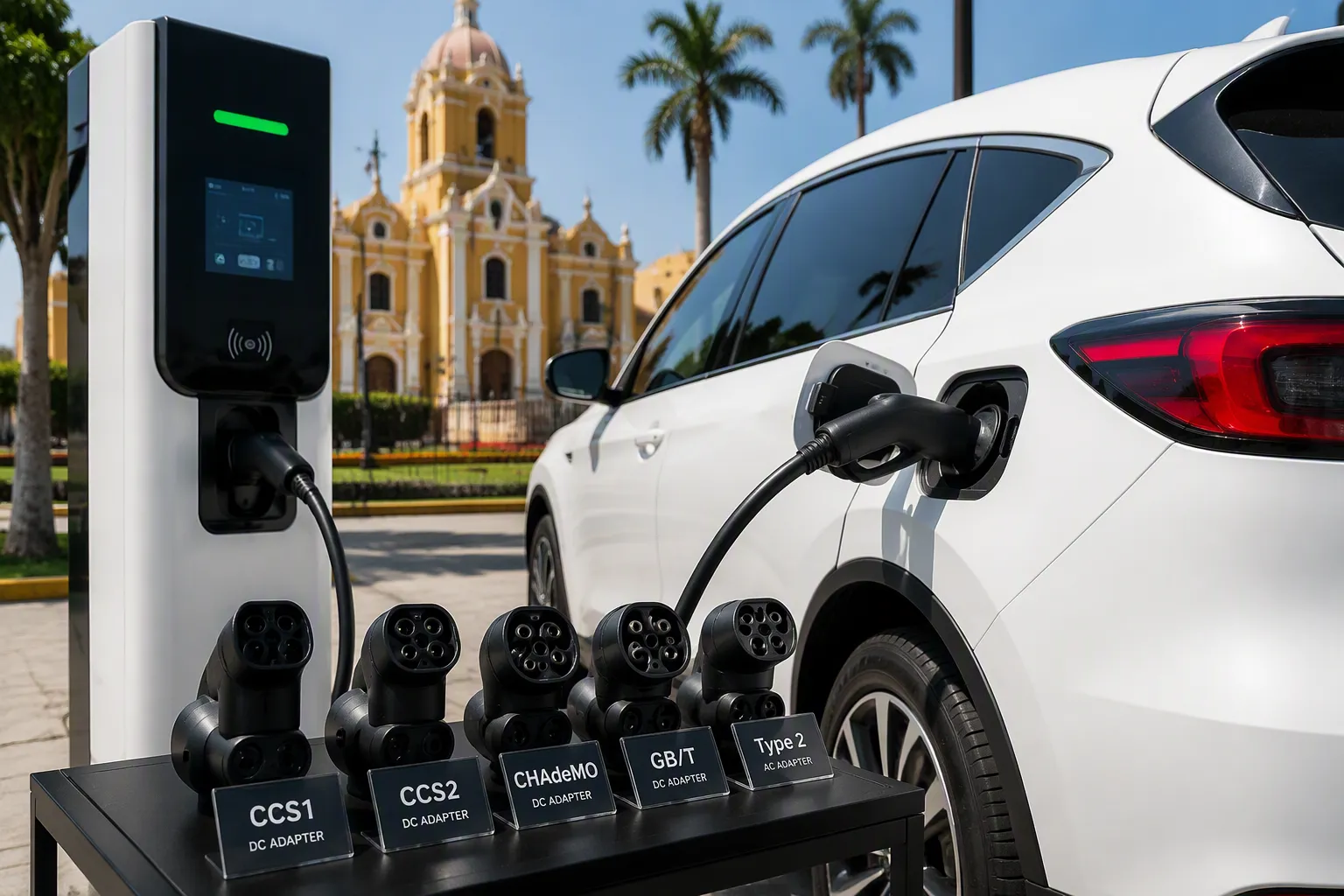
Dominant Vehicle Models and Connector Types
Different EV models use different charging connectors. A business must research the most popular vehicles in the market to offer the correct charging options. Providing the right connectors ensures compatibility for the largest possible customer base.
Competitor Analysis and Pricing
Analyzing the competition is a vital step. An operator should identify other charging stations in the area, evaluate their pricing strategies, and assess their service quality. This analysis helps set competitive prices and identify service gaps in the market.
Choosing the Right Business Model
The right business model depends on an organization’s capital, expertise, and goals.
Owner-Operator Model
In this model, the business owns and manages the entire operation. It retains all the revenue but also bears all the costs and responsibilities. This offers the highest potential for profit.
Charging as a Service (CaaS) Model
The CaaS model involves a third-party company handling the installation, operation, and maintenance of the charging station. The site host pays a regular fee, making it a hassle-free option for businesses that want to offer EV charging as an amenity.
Host-Owned Revenue Share Model
This hybrid model involves the site host purchasing the equipment while a network operator manages it. The two parties then share the revenue generated from charging sessions.
Calculating the Profitability of an EV Charging Station
With a clear understanding of costs and potential revenue streams, a business can now perform the central financial analysis. This calculation synthesizes all financial data into clear metrics that define the profitability of an EV charging station. The process involves using core formulas to determine net income, return on investment, and the payback period for the project.
The Core Profitability Formula
Fondasi dari setiap proyeksi keuangan adalah formula yang sederhana namun kuat. Ini mengukur selisih antara uang yang masuk dan uang yang keluar. Perhitungan ini mengungkapkan laba operasional inti dari bisnis pengisian daya.
Menghitung Pendapatan Kotor Tahunan
Pendapatan kotor tahunan mewakili total pendapatan yang dihasilkan oleh stasiun pengisian daya ev sebelum dikurangi biaya apa pun. Operator menghitung angka ini dengan menjumlahkan semua sumber pendapatan selama periode 12 bulan.
- Biaya Pengisian Daya Langsung: (Harga per kWh/menit/sesi) x (Jumlah sesi)
- Pendapatan Langganan: (Biaya Bulanan/Tahunan) x (Jumlah pelanggan)
- Pendapatan Kontrak Armada: Pendapatan dari perjanjian pengisian daya korporat
- Pendapatan Tidak Langsung: Penjualan iklan dan biaya kemitraan
Angka akhir ini adalah baris teratas dari laporan profitabilitas. Pendapatan tahunan yang kuat sangat penting bagi bisnis yang sehat.
Menghitung Total OPEX Tahunan
Total Beban Operasional Tahunan (OPEX) adalah biaya berulang yang diperlukan untuk menjaga stasiun tetap berjalan. Bisnis menghitung ini dengan menjumlahkan semua beban operasional yang dikeluarkan selama satu tahun. Biaya-biaya ini meliputi listrik, pemeliharaan, langganan perangkat lunak, asuransi, dan pajak.
Total OPEX = Biaya Listrik + Pemeliharaan + Biaya Perangkat Lunak + Asuransi + Pajak + Sewa + Overhead Lainnya
Pelacakan OPEX yang akurat sangat penting untuk mengelola kesehatan keuangan bisnis dan mengidentifikasi area untuk penghematan biaya.
Menentukan Pendapatan Operasional Bersih
Pendapatan Operasional Bersih (NOI) adalah ukuran laba paling langsung dari operasi inti stasiun. Ini adalah jumlah pendapatan yang tersisa setelah semua beban operasional dibayar. Formulanya sederhana:
Pendapatan Operasional Bersih (NOI) = Pendapatan Kotor Tahunan - Total OPEX Tahunan
NOI positif menunjukkan bahwa stasiun pengisian daya ev menguntungkan secara operasional. Angka ini menjadi dasar untuk mengevaluasi keseluruhan keberhasilan investasi dan menghitung imbal hasil keuangan.
Return on Investment (ROI) dan Periode Pengembalian Modal
NOI membantu bisnis memahami profitabilitas tahunan, tetapi investor juga perlu mengetahui kinerja proyek relatif terhadap modal awal yang diinvestasikan. ROI dan periode pengembalian modal adalah dua metrik kunci untuk evaluasi ini.
Perhitungan ROI: Pendapatan Operasional Bersih / Total CAPEX
Return on Investment (ROI) mengukur efisiensi suatu investasi. Ini menunjukkan imbal hasil tahunan sebagai persentase dari biaya awal. ROI yang lebih tinggi menandakan usaha yang lebih menguntungkan.
Rumus Return on Investment:
ROI (%) = (Pendapatan Operasional Bersih / Total CAPEX) x 100
Persentase ini memungkinkan investor membandingkan profitabilitas stasiun pengisian cepat ev publik dengan investasi potensial lainnya.
Menghitung Periode Pengembalian Modal Anda dalam Tahun
Periode pengembalian modal adalah jangka waktu yang dibutuhkan suatu investasi untuk menghasilkan laba yang cukup untuk menutupi biaya awalnya. Periode pengembalian modal yang lebih singkat berarti risiko lebih rendah dan pengembalian yang lebih cepat.
Periode Pengembalian Modal (Tahun) = Total CAPEX / Pendapatan Operasional Bersih
Metrik ini memberikan garis waktu yang jelas kapan pengeluaran modal awal akan sepenuhnya tertutup, setelahnya proyek menghasilkan laba bersih.
Perhitungan Praktis: Stasiun Pengisian Cepat EV Publik di São Paulo
Mari terapkan formula ini pada skenario hipotetis. Seorang operator memutuskan untuk memasang dua stasiun pengisian cepat ev publik 120 kW di area komersial berjalan kaki tinggi di São Paulo. Contoh ini menunjukkan potensi profitabilitas stasiun pengisian cepat ev publik.
Rincian CAPEX Hipotetis
Investasi awal meliputi perangkat keras, instalasi, dan biaya perizinan. Operator memilih unit DCFC canggih untuk memastikan kinerja dan keandalan tinggi, serupa dengan teknologi dari penyedia seperti TPSON.
| Item CAPEX | Biaya per Unit (R$) | Kuantitas | Total Biaya (R$) |
|---|---|---|---|
| Pengisi Daya Cepat DC 120 kW | R$ 250.000 | 2 | R$ 500.000 |
| Transformator & Switchgear | R$ 80.000 | 1 | R$ 80.000 |
| Instalasi & Pekerjaan Sipil | R$ 60.000 | 2 | R$ 120.000 |
| Perangkat Lunak & Integrasi POS | R$ 15.000 | 1 | R$ 15.000 |
| Izin & Biaya ANEEL | R$ 10.000 | 1 | R$ 10.000 |
| Total CAPEX | R$ 725.000 |
Contoh Proyeksi OPEX dan Pendapatan
Selanjutnya, operator memproyeksikan pendapatan dan biaya tahunan untuk dua stasiun pengisian cepat ev publik tersebut.
Asumsi:
- Tingkat Pemanfaatan: Setiap stasiun digunakan untuk 6 sesi pengisian daya per hari.
- Energi per Sesi: Rata-rata 40 kWh per sesi pengisian daya EV.
- Harga: R$ 2,50 per kWh.
- Hari Operasional: 365 hari per tahun.
| Proyeksi Tahunan | Perhitungan | Total (R$) |
|---|---|---|
| Pendapatan Tahunan | (2 stasiun x 6 sesi/hari x 40 kWh/sesi x R$ 2,50/kWh x 365 hari) | R$ 438.000 |
| Pengeluaran Operasional Tahunan (OPEX) | ||
| Biaya Listrik (45% dari pendapatan) | R$ 438.000 x 0,45 | R$ 197.100 |
| Pemeliharaan (3% dari CAPEX) | R$ 725.000 x 0,03 | R$ 21.750 |
| Biaya Perangkat Lunak & Jaringan | R$ 1.500/bulan x 12 | R$ 18.000 |
| Asuransi & Pajak (ISS @ 5%) | R$ 5.000 + (R$ 438.000 x 0,05) | R$ 26.900 |
| Total OPEX Tahunan | R$ 263.750 |
Menghitung ROI Akhir dan Periode Pengembalian Modal
Dengan semua angka yang tersedia, perhitungan akhir mengungkapkan profitabilitas stasiun pengisian cepat ev publik.
Hitung Pendapatan Operasional Bersih (NOI):
NOI = Pendapatan Tahunan - Total OPEX TahunanHitung Return on Investment (ROI):
ROI = (NOI / Total CAPEX) x 100Hitung Periode Pengembalian Modal:
Periode Pengembalian Modal = Total CAPEX / NOI
Analisis ini menunjukkan return on investment yang kuat dan periode pengembalian modal yang wajar, mengonfirmasi profitabilitas tinggi stasiun pengisian cepat ev publik di pasar utama Brasil. Model keuangan ini menegaskan pentingnya perencanaan strategis untuk mencapai profitabilitas jangka panjang.
Indikator Kinerja Utama (KPI) yang Harus Dipantau
Setelah menghitung profitabilitas awal, sebuah bisnis harus terus memantau kinerjanya. Indikator Kinerja Utama (KPI) adalah metrik penting yang memberikan wawasan tentang kesehatan operasional dan kesuksesan finansial stasiun pengisian. Melacak indikator ini memungkinkan operator membuat keputusan berbasis data, mengoptimalkan efisiensi, dan memaksimalkan keuntungan jangka panjang.
Tingkat Pemanfaatan Stasiun
Tingkat pemanfaatan stasiun mengukur seberapa sering peralatan pengisian digunakan. Ini merupakan indikator langsung dari permintaan dan efisiensi operasional. Tingkat yang rendah dapat menandakan pemilihan lokasi yang buruk atau pemasaran yang tidak memadai, sementara tingkat yang sangat tinggi mungkin menunjukkan peluang untuk ekspansi.
Rumus Tingkat Pemanfaatan:
Tingkat Pemanfaatan (%) = (Total Jam Pengisian Aktif / Total Jam Tersedia) x 100
Operator menghitung KPI ini untuk memahami pola lalu lintas dan menjadwalkan pemeliharaan selama jam sepi. Meningkatkan tingkat ini adalah dasar untuk meningkatkan profitabilitas keseluruhan infrastruktur pengisian ev.
Pendapatan Rata-rata per Sesi Pengisian
KPI ini mengungkapkan pendapatan rata-rata yang dihasilkan dari setiap transaksi pelanggan. Ini membantu operator mengevaluasi efektivitas strategi penetapan harganya. Sebuah bisnis dapat melacak metrik ini untuk melihat bagaimana perubahan model penagihan—seperti beralih dari per-kWh ke biaya berbasis waktu—mempengaruhi kinerja keuangan.
| Model Penetapan Harga | Dampak pada Pendapatan Rata-rata |
|---|---|
| Per-kWh (R$/kWh) | Langsung mengaitkan pendapatan dengan energi yang disalurkan. |
| Berbasis Waktu (R$/menit) | Dapat meningkatkan pendapatan di stasiun DCFC berdaya tinggi. |
| Sesi Tarif Tetap | Memberikan pendapatan yang dapat diprediksi tetapi mungkin kurang menguntungkan untuk sesi yang lama. |
Menganalisis angka ini membantu menyempurnakan penetapan harga untuk menyeimbangkan daya saing dengan profitabilitas.
Persentase Waktu Operasional dan Keandalan
Waktu operasional dapat dikatakan sebagai KPI operasional yang paling kritis. Ini mewakili persentase waktu stasiun pengisian berfungsi penuh dan tersedia untuk digunakan. Keandalan tinggi membangun kepercayaan pelanggan dan mendorong bisnis berulang. Waktu operasional yang buruk menyebabkan pengemudi frustrasi dan kehilangan pendapatan. Teknologi pemantauan canggih sangat penting untuk melacak metrik ini secara akurat.
Sementara Brasil masih mengembangkan regulasi spesifiknya, operator dapat mengacu pada standar internasional sebagai patokan. Regulasi Titik Pengisian Publik Inggris, misalnya, mewajibkan waktu operasional rata-rata 99% untuk pengisi daya cepat di seluruh jaringan operator. Mencapai standar ini menantang. Survei terhadap operator Inggris mengungkapkan bahwa hanya 4% yang mencapai waktu operasional 99,5% atau lebih tinggi, meskipun 74% melaporkan angka di atas 95%. Ini menyoroti kesulitan mencapai poin persentase terakhir karena masalah seperti penundaan pemeliharaan dan masalah jaringan. Berinvestasi dalam perangkat keras yang tangguh dan teknologi diagnostik canggih dari penyedia seperti TPSON adalah strategi kunci untuk memaksimalkan waktu operasional dan mendekati standar keandalan kelas dunia.
Tingkat Kehilangan Pelanggan untuk Model Berlangganan
Untuk bisnis yang menawarkan paket berlangganan, tingkat kehilangan pelanggan adalah KPI yang vital. Ini mengukur persentase pelanggan yang membatalkan layanan mereka selama periode tertentu. Tingkat kehilangan yang tinggi dapat sangat merusak aliran pendapatan yang dapat diprediksi yang membuat model berlangganan menarik.
Tingkat kehilangan yang tinggi adalah sinyal jelas ketidakpuasan pelanggan. Seringkali lebih mahal untuk mendapatkan pelanggan baru daripada mempertahankan pelanggan yang ada.
Untuk meminimalkan kehilangan pelanggan, operator harus fokus pada:
- Memastikan keandalan dan ketersediaan stasiun yang tinggi.
- Menawarkan harga yang kompetitif dan nilai yang jelas.
- Menyediakan dukungan pelanggan yang sangat baik untuk layanan pengisian ev.
Melacak KPI ini membantu bisnis memahami loyalitas pelanggan dan kelangsungan jangka panjang dari model pendapatan berulangnya. Teknologi dan layanan yang unggul adalah pertahanan terbaik terhadap kehilangan pelanggan.
A stasiun pengisian EV komersial merepresentasikan investasi signifikan dalam ekonomi hijau Brasil. Profitabilitas jangka panjang stasiun pengisian EV tidak dijamin; ini memerlukan perencanaan yang cermat untuk mengamankan pengembalian yang kuat. Panduan ini membantu bisnis stasiun pengisian membangun kasus untuk pengembalian yang positif. Sebuah bisnis harus menganalisis pasar uniknya untuk memastikan profitabilitas pengisian EV. Keputusan investasi akhir harus memberikan pengembalian positif, pengembalian kuat, dan profitabilitas keseluruhan untuk usaha pengisian EV, memastikan pengembalian yang sangat baik.
PERTANYAAN YANG SERING DIAJUKAN
Apa biaya operasi paling signifikan untuk stasiun pengisian EV di Brasil?
Listrik adalah pengeluaran berulang terbesar. Sebuah bisnis harus mengelola baik biaya konsumsi energi langsung (R$/kWh) maupun biaya permintaan puncak (Contracted Demand). Bendera tarif Brasil (Tariff Flags) juga menyebabkan harga listrik berfluktuasi, berdampak pada pengeluaran operasional keseluruhan.
Berapa lama biasanya waktu yang dibutuhkan untuk melihat return on investment?
Periode pengembalian modal bervariasi berdasarkan lokasi, tingkat penggunaan, dan strategi penetapan harga. Stasiun yang ditempatkan dengan baik di area lalu lintas tinggi seperti São Paulo dapat mencapai periode pengembalian modal sekitar 4 hingga 6 tahun, menunjukkan potensi profitabilitas yang kuat dari investasi tersebut.
Apakah saya perlu izin khusus dari ANEEL untuk menjual listrik?
Operator tidak memerlukan lisensi komersialisasi energi. Namun, sebuah bisnis harus mendaftarkan aktivitas pengisian dayanya ke ANEEL. Proses ini memastikan operasi mematuhi standar teknis dan keselamatan nasional untuk layanan pengisian daya kendaraan listrik di Brasil.
Jenis pengisi daya mana yang lebih baik, AC atau DC?
Pilihan tergantung pada lokasi.
- Pengisi Daya AC: Terbaik untuk parkir berdurasi panjang seperti perkantoran atau hotel.
- Pengisi Daya Cepat DC: Ideal untuk lokasi dengan perputaran tinggi seperti jalan tol dan pusat perbelanjaan.
Dapatkah saya menghasilkan pendapatan di luar sekadar biaya pengisian daya? 💰
Ya. Operator dapat secara signifikan meningkatkan profitabilitas melalui aliran pendapatan tidak langsung. Ini termasuk menjual iklan digital di lokasi, membentuk kemitraan dengan pengecer lokal, dan mengamankan kontrak pengisian daya dengan armada kendaraan listrik korporat. Metode-metode ini menciptakan sumber pendapatan yang beragam dan stabil.
Bagaimana dampak teknologi terhadap profitabilitas?
Teknologi canggih secara langsung meningkatkan profitabilitas. Perangkat keras berkualitas tinggi dari penyedia seperti TPSON meningkatkan waktu operasional dan keandalan stasiun, yang menarik lebih banyak pengguna. Perangkat lunak yang canggih juga memungkinkan penetapan harga dinamis dan manajemen jarak jauh yang efisien, sehingga memaksimalkan pendapatan dan meminimalkan biaya operasional.