Many drivers seek free public EV chargers to lower transportation expenses and support sustainable travel. Free charging stations offer significant benefits.
- They reduce the total cost of owning an electric vehicle.
- Free charging eases worries for people who cannot install an EV Charger at home.
- As more vehicles need charging, public access and sustainability depend on EV charger manufacturers and infrastructure growth.
Free charging stations play a critical role in expanding access and supporting the shift to electric mobility.
How to Find Free Public EV Chargers
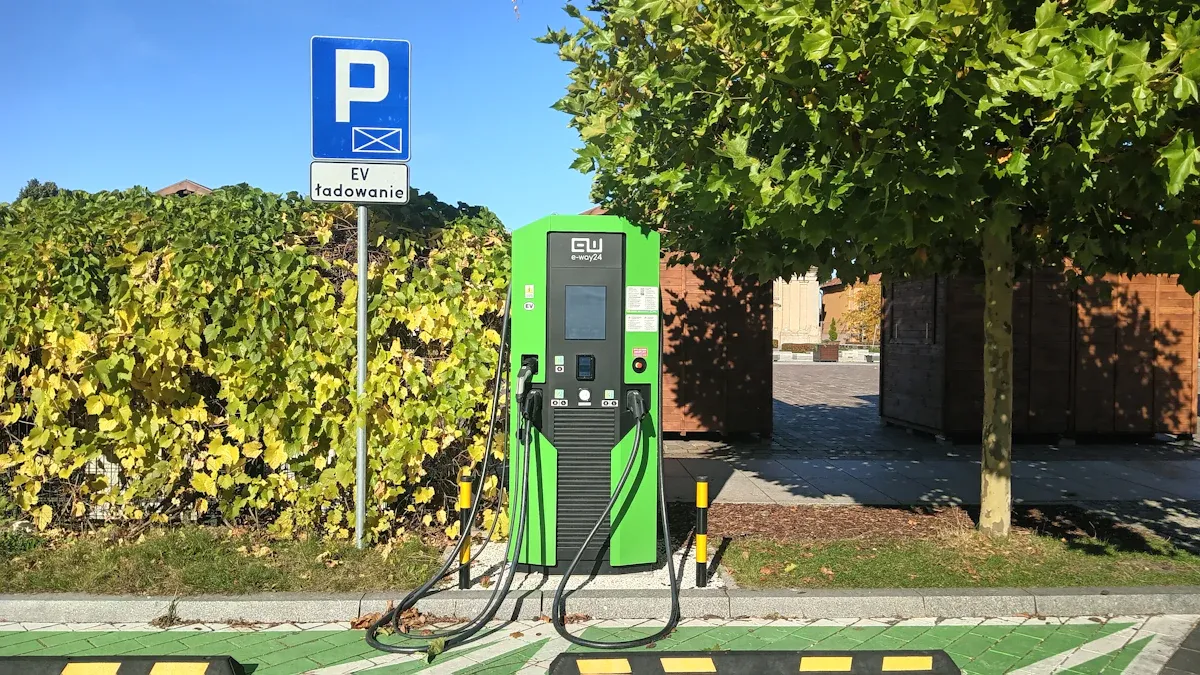
Locating free public EV chargers has become easier with the growth of digital tools, government initiatives, and community resources. Drivers can use a combination of apps, local programs, and peer networks to find free charging stations and maximize the benefits of electric vehicle ownership.
Using Free Charging Stations Apps and Maps
Apps and online maps serve as essential tools for drivers searching for free charging stations. These platforms provide real-time data, user reviews, and route planning features.
PlugShare and Chargemap for Free EV Charging
PlugShare and Chargemap stand out as leading resources for finding free public EV chargers. PlugShare lists over 500,000 sites and emphasizes accurate, up-to-date information. Chargemap relies on user contributions and real-time updates, offering detailed insights on station accessibility and availability. Both platforms cover a wide range of locations, including most European networks and North America.
Other popular apps for finding free EV charging points near you include:
- Chargemap: Offers a comprehensive overview of free charging points in Europe, with filters for plug type and power output.
- Octopus Electroverse: Helps plan routes with optimized charging stops and live pricing information.
- Google Maps: Provides navigation and allows users to search for EV charging points along their route.
- Zapmap: Features live availability status for chargers and a route planner for long journeys.
These apps help drivers identify free public charging points and make informed decisions about where to charge.
Filtering for Free Electric Car Chargers
Most major apps allow users to filter results to show only free charging stations. For example:
- Chargemap: Activate the ‘Free stations only’ filter to find free charging points.
- Octopus Electroverse: Enter car details to receive optimized charging stops.
- Google Maps: Use voice commands to locate charging points while driving.
- Zapmap: Access live availability status for a wide range of chargers.
These filtering options help drivers quickly find free electric car chargers and avoid unnecessary stops at paid locations.
Tip: User contributions and real-time updates on these platforms help maintain data accuracy and provide detailed insights, such as accessibility, availability status, and driver reviews.
Local Government and Utility Programs for Free EV Charging
Many local governments and utility companies support the expansion of free public charging by offering programs and partnerships.
City and County Free Charging Initiatives
Some city and county governments provide free public EV chargers through targeted initiatives. These programs often have specific requirements:
| Requirement | Description |
|---|---|
| 1 | Must be a business, local government agency, or housing authority |
| 2 | Must be an active MEA member |
| 3 | Charger must be installed at a publicly accessible location |
| 4 | Must maintain open public access and snow removal |
| 5 | Commitment to a three-year participation period |
| 6 | Reliable LTE cellular coverage at the proposed site |
| 7 | Cover all installation, operations, and maintenance costs |
| 8 | Submit a completed application package with required documents |
Programs funded by the U.S. Department of Energy offer free technical assistance to local governments. These initiatives help cities and counties adopt policies and practices for efficient EV charger expansion. Local governments in any U.S. state or territory can participate.
Utility Company Partnerships Offering Free Electric Car Charging
Utility companies sometimes partner with automakers or technology firms to provide free EV charging. For example, Octopus Energy and BYD have launched a program in the UK that offers free EV charging. This partnership marks a significant milestone in the EV sector and demonstrates the growing commitment to accessible charging infrastructure.
Community Resources for Free Public EV Chargers
Community-driven resources play a vital role in helping drivers find free public charging points.
Online Forums and Social Media Groups
Online forums provide platforms for users to share experiences and tips about charging locations. These communities often highlight new free charging stations, report on charger reliability, and offer advice on maximizing free charging opportunities.
Local EV Clubs and Events
Local EV clubs connect enthusiasts and facilitate the sharing of information about free EV charging points. Club meetings and events often include discussions about new free public chargers, updates on local government programs, and strategies for efficient charging.
Note: Community resources enhance the ability of drivers to find free EV charging and stay informed about the latest developments in public charging infrastructure.
Common Locations for Free Public EV Chargers

Electric vehicle drivers often find free public EV chargers in places designed to attract and serve large numbers of people. Businesses and organizations use free charging as a way to encourage longer visits and increase customer satisfaction.
Supermarkets and Retail Stores with Free EV Charging
Retailers recognize the value of offering free charging stations to draw in shoppers. Many grocery chains and shopping centers now provide this amenity.
Grocery Chains Offering Free Electric Car Charging
Grocery stores frequently install free charging points in their parking lots. These locations allow customers to charge their vehicles while shopping for essentials. Retailers benefit from increased foot traffic and longer shopping times. Public car parks at these stores often have the highest number of free EV charging devices, as retailers use them to attract and retain customers.
Shopping Centers and Malls with Free Charging Stations
Shopping malls and large retail complexes often feature free charging stations. These sites serve as convenient stops for drivers who want to combine errands with charging. Many malls place chargers near main entrances for easy access. Some centers also promote free charging as part of their sustainability efforts.
Tip: Drivers can check store websites or use charging apps to confirm the availability of free public EV chargers before visiting.
Hotels and Hospitality Venues Providing Free Electric Car Chargers
The hospitality industry has embraced free charging as a way to enhance guest experience and loyalty.
Hotel Chains with Free EV Charging
Many hotels, including major brands, offer free charging to guests. Marriott hotels, for example, have over 3,137 charging stations across the United States. Most Marriott locations provide free EV charging, though some may apply fees. Hotels often use a ‘loss leader’ approach, offering free charging to attract and retain guests.
Resorts and Conference Centers
Resorts and conference centers increasingly provide free charging stations for visitors. These venues recognize that EV drivers prefer accommodations with charging options. Free charging helps guests feel welcome and encourages repeat visits.
Tourist Attractions and Recreation Areas with Free EV Charging
Attractions and recreation sites use free charging to boost attendance and support sustainability.
Museums, Parks, and Zoos Offering Free Charging Stations
Museums, parks, and zoos often install free charging stations to encourage longer visits. These organizations see free charging as a way to support green transportation and attract environmentally conscious visitors.
Sports Venues and Event Spaces
Sports stadiums and event centers sometimes provide free charging for attendees. These locations help drivers enjoy events without worrying about battery range. Free charging at public attractions demonstrates a commitment to sustainability and customer service.
Many attractions, hotels, and public car parks now offer free charging to encourage visits and support electric vehicle adoption.
Public Parking Lots and Transit Hubs with Free EV Charging
Public parking lots and transit hubs have become important locations for free electric vehicle charging. These sites serve commuters, travelers, and city residents who need convenient access to charging infrastructure.
Municipal Car Parks
Many city-owned parking facilities now offer free charging stations. Municipalities install these chargers to encourage electric vehicle adoption and support sustainable transportation. Drivers often find free charging points in hotels located near city centers, but municipal car parks provide another reliable option. These locations usually feature clear signage and easy access for both residents and visitors. Some cities prioritize installing chargers in high-traffic areas to maximize usage and visibility.
Park-and-Ride Facilities
Park-and-ride lots near transit hubs also provide free charging for electric vehicles. Commuters can leave their cars at these facilities, charge while they use public transportation, and return to a fully charged vehicle. This approach supports multi-modal travel and reduces emissions in urban areas. Park-and-ride locations often serve as demonstration sites for new charging technology and help cities gather data on usage patterns.
Many drivers appreciate the convenience of charging their vehicles while they work or travel, making these public sites popular choices for free charging.
Regional Availability of Free Public EV Chargers
Access to free public EV chargers varies widely across different regions. Urban areas tend to offer more options, while rural communities face greater challenges.
Urban vs. Rural Access to Free Charging Stations
Free public EV chargers appear most frequently in cities and affluent suburbs. The distribution of chargers reflects the demographics of electric vehicle ownership. Over 70% of EV chargers in the United States are located in the wealthiest counties. Many rural, low-income, and disadvantaged communities lack access to free charging. The concentration of chargers in affluent areas means that drivers in less populated regions may need to plan carefully to find free charging stations. Free public EV chargers are predominantly found in urban areas, highlighting a significant disparity in availability when compared to rural regions.
- Most chargers cluster in cities and wealthy suburbs.
- Rural and low-income areas often have limited or no access.
- The pattern matches where most EV owners live and work.
State and Regional Incentives for Free EV Charging
Several states and regions offer incentives to expand free charging infrastructure. These programs help offset the cost of installing and operating free public EV chargers. The following table summarizes some current incentives:
| State/Region | Incentive Description |
|---|---|
| Delaware | Competitive grant covering up to 75% of equipment and installation costs for public DC fast chargers. |
| District of Columbia | Income Tax Credit of 50% of equipment and labor costs up to $10,000 for public EV charging stations. |
| Florida | ChargeUP! program rebates up to 50% of costs for new charging stations, with a maximum of $4,000 for non-profits and $2,000 for select businesses. |
| Georgia | Make Ready Electric Transportation Program funding for installation of charging infrastructure. |
| Iowa | Rebate of up to $1,500 for qualifying Level 2 chargers for businesses. |
These incentives encourage businesses and local governments to install free charging stations, making it easier for drivers to access free charging in more locations.
Types of Free Public EV Chargers
Electric vehicle drivers encounter several types of free public EV chargers. Each charger type offers different speeds, user experiences, and ideal use cases. Understanding these differences helps drivers select the best free EV charging option for their needs.
Level 1 Free Electric Car Chargers (Slow)
Level 1 free electric car chargers use standard 120V outlets. These chargers provide the slowest charging speed among free public EV chargers.
Typical Use Cases
Drivers often use Level 1 chargers for overnight charging at home or during long stays at hotels. Some public locations, such as libraries or community centers, offer Level 1 free electric car charging points for visitors who plan to stay several hours.
Level 1 chargers add about 3 to 5 miles of range per hour, making them suitable for situations where time is not a concern.
Pros and Cons
| Pros | Cons |
|---|---|
| Widely available | Slow charging speed |
| Easy to use | Not ideal for quick top-ups |
| Compatible with all EVs | Limited usefulness for large batteries |
Level 1 free electric vehicle chargers work well for drivers who need a simple, accessible solution. However, most users prefer faster options for daily use.
Level 2 Free EV Charging Stations (Fast)
Level 2 free EV charging stations deliver faster charging speeds and greater convenience. These chargers operate at 240V and are common in public and commercial spaces.
Charging Speed and Compatibility
Level 2 chargers typically provide power outputs between 3.3 kW and 19.2 kW. This translates to 10 to 60 miles of range per hour. Most electric vehicles support Level 2 charging, making these free EV charging devices highly versatile.
| Charger Type | Charging Speed (miles per hour) | Power Output (kW) | Ideal Use Case |
|---|---|---|---|
| Level 1 | 3 to 5 | 1.4 to 1.9 | Home charging |
| Level 2 | 10 to 60 | 3.3 to 19.2 | Home/work/public charging |
| Level 3 (DC Fast) | 60 to 200 | 50 to 350 | Long-distance travel/highway rest stops |
Level 2 free EV charging points allow most drivers to fully charge their vehicles overnight or during a workday.
Where to Find Level 2 Free Charging Stations
Level 2 chargers make up approximately 78-80% of public EV charging stations. Drivers find these free charging points at supermarkets, shopping centers, hotels, and municipal car parks. Many businesses install Level 2 free electric car chargers to attract customers and support sustainability.
- Level 2 chargers are the most common type for daily free EV charging.
- Most public and commercial spaces offer Level 2 free chargers for visitors.
DC Fast Free Public EV Chargers (Rapid)
DC fast free public EV chargers, also known as rapid chargers, provide the quickest charging experience. These chargers use direct current and high power output.
Availability of Free Rapid Charging
DC fast chargers account for about 18-21% of public EV charging stations. Free rapid electric car chargers appear less frequently than Level 2 chargers. Drivers usually find free rapid chargers at highway rest stops, large shopping centers, and select transit hubs.
| Charger Type | Power Output (kW) | Range per Hour (miles) |
|---|---|---|
| Level 1 (12A/120V) | 1.44 | ~4 |
| Level 2 (32A/240V) | 7.68 | ~24 |
| DC Fast Charger | 50+ | 150+ |
Free rapid chargers help drivers recharge quickly during long trips or busy schedules.
Limitations and Considerations
Free DC fast chargers offer impressive speed, but they come with limitations. These chargers may have time restrictions or require registration. Not all electric vehicles support DC fast charging. Free rapid chargers often serve as demonstration sites or promotional tools, so availability can change.
Drivers should check compatibility and access policies before relying on free rapid charging points for travel.
Free public EV chargers provide a range of options for every driver. Level 1 chargers suit long stays, Level 2 chargers support daily use, and DC fast chargers enable rapid top-ups. Choosing the right free EV charging solution depends on location, vehicle compatibility, and travel needs.
How to Identify Free Electric Car Chargers
Physical Features and Labels
Drivers often rely on visual cues to identify free public EV chargers at parking lots, retail centers, and transit hubs. Many free electric vehicle chargers display clear signage that indicates their cost status. Look for labels such as “Free EV Charging,” “Complimentary Charging,” or “No Fee Required” near the charging unit or on adjacent parking signs. Some stations use color-coded stickers or banners to distinguish free charging points from paid options.
Charging stations may also feature digital screens that display the cost per session. If the screen shows a zero balance or states “Free,” the charger does not require payment. Many public locations install informational plaques or boards that outline usage policies and highlight the availability of free electric car charging points. These physical markers help drivers quickly determine which chargers offer complimentary service.
| Feature | Description |
|---|---|
| Signage | “Free EV Charging” or similar wording |
| Color-coded stickers | Green or blue to indicate free status |
| Digital display | Shows zero cost or “Free” message |
| Informational boards | Details on free charging and usage rules |
Tip: Always check for posted time limits or access restrictions before plugging into free EV charging devices.
App Listings and Descriptions
Mobile apps and online maps provide reliable methods for identifying free public EV chargers. Platforms such as Zap-Map and PlugShare allow users to filter search results to show only free electric car charging points. Drivers select the “Free to use” option in Zap-Map or apply the free filter in PlugShare to locate complimentary stations nearby.
App listings typically include detailed descriptions of each charging site. These descriptions specify whether the charger is free, the type of connector available, and any access requirements. Many apps display user-generated updates about station status, helping drivers avoid unexpected fees or downtime. Some platforms also highlight free EV charging devices with special icons or color codes for quick identification.
- Zap-Map: Offers a “Free to use” filter for finding free electric vehicle chargers across the UK.
- PlugShare: Provides a similar filter and detailed site information for free public EV chargers in North America and Europe.
Drivers benefit from using these apps to plan routes and ensure access to free charging options. App-based tools reduce uncertainty and save time when searching for free electric car charging points.
Note: Always verify the latest app data before arrival, as station status and access policies may change.
Access Restrictions and Hidden Costs of Free Public EV Chargers
Free public EV chargers offer valuable savings, but drivers often encounter restrictions and hidden costs. Understanding these factors helps users avoid surprises and make the most of free charging stations.
Parking Fees and Time Limits at Free Charging Stations
Free Charging with Paid Parking
Many free charging stations are located in parking lots or garages that require payment for parking. While the electricity may be free, drivers must pay to park their vehicles. This cost can offset the benefit of free charging for electric cars, especially in city centers or high-demand areas. Some locations validate parking for customers, but this is not always guaranteed.
Maximum Charging Duration
Operators often set time limits on free charging points to ensure fair access. For example, a charger may allow only two hours of free EV charging before requiring payment or moving the vehicle. Exceeding the maximum duration can result in additional fees or fines. Drivers should always check posted signs and app listings for specific rules.
Note: Always confirm both parking and charging policies before plugging in to avoid unexpected expenses.
Membership or Registration Requirements for Free EV Charging
Store Loyalty Programs
Some businesses offer free electric car charging only to members of their loyalty programs. Registration may involve signing up for a store card or app. These programs help retailers track usage and reward frequent customers. Without membership, drivers may not access the free chargers or may face usage restrictions.
Hotel Guest Access
Hotels often provide free charging for electric cars exclusively to registered guests. Access may require a room key or a code from the front desk. Non-guests typically cannot use these free charging stations, even if they are visible in the parking area.
| Type of Restriction | Description |
|---|---|
| Time limits | Some chargers may limit the duration of use, requiring payment to continue after the limit. |
| Membership or subscription requirements | Certain chargers may necessitate membership in a specific network or a subscription. |
| Location restrictions | Free chargers may only be accessible to customers of specific businesses or organizations. |
| Parking restrictions | Users might need to pay for parking to utilize the free charger. |
| Priority use | Some chargers may prioritize access for specific vehicle types, like taxis or electric vans. |
| App or RFID card access | Users may need specific apps or RFID cards to access certain chargers, varying by brand. |
Usage Policies and Etiquette for Free Electric Car Charging
Sharing Chargers with Other Drivers
Free charging points often serve many users. Drivers should move their vehicles promptly after charging to allow others access. Respecting time limits and not occupying a charger longer than necessary ensures everyone benefits from free EV charging.
Rules for Overnight Charging
Some locations prohibit overnight use of free chargers. Drivers should avoid leaving vehicles plugged in beyond posted hours. Following these rules prevents inconvenience for others and reduces the risk of fines.
Best Practices for Using Free Chargers:
- Move your car when charging is complete.
- Follow posted time limits.
- Park only in designated charging spots.
- Keep cables tidy and avoid blocking access.
- Check charger availability in advance using apps.
Tip: Never unplug another vehicle without permission. Respect for fellow drivers keeps free charging accessible and fair.
Free public EV chargers provide significant value, but users must remain aware of access restrictions, hidden costs, and proper etiquette. Careful planning and consideration help maximize the benefits of free charging for electric cars.
Practical Tips for Using Free Public EV Chargers
Planning Your Route for Free EV Charging
Integrating Charging Stops
Drivers who rely on free public EV chargers benefit from careful route planning. They can use A Better Route Planner (ABRP) to customize trips based on their vehicle’s specifications. PlugShare provides real-time charger availability and user reviews, which helps drivers avoid non-operational charging points. Google Maps assists in locating free charging stations along the route. Many drivers also download apps from major charging networks to ensure payment methods are ready if free charging is unavailable.
- Plan routes with weather and road conditions in mind, as these factors affect charging needs.
- Identify strategically placed free charging points to minimize detours.
- Book accommodations that offer free charging stations to ensure a full battery overnight.
Avoiding Peak Times
Charging during off-peak hours reduces wait times at free charging stations. Many drivers find that early mornings or late evenings offer the best access to free chargers. Real-time information from apps helps users avoid busy periods and select less crowded locations.
Maximizing Efficiency at Free Charging Stations
Battery Management Strategies
Efficient use of free EV charging requires smart battery management. Drivers should aim to charge when the battery reaches around 20% to maintain a safety cushion. Charging up to 80% or 90% reduces overall charging time and allows others to use the free chargers sooner.
- Plan charging sessions in advance to avoid unnecessary waiting.
- Use real-time data to select available free charging points.
- Incorporate advanced charging technologies when possible to reduce time spent at chargers.
Combining Charging with Other Activities
Many drivers maximize efficiency by combining charging with other tasks. They often choose free charging stations located near shopping centers, grocery stores, or recreational areas. This approach allows them to shop, dine, or relax while their vehicle charges.
Tip: Selecting charging points with nearby amenities saves time and enhances the overall experience.
Safety and Security at Free Electric Car Chargers
Protecting Your Vehicle While Charging
Safety remains a top priority at free public EV chargers. Drivers should choose well-lit and populated locations to deter theft or vandalism. Before plugging in, they should inspect chargers for signs of damage or tampering. Using stations operated by reputable networks adds another layer of security.
| Risk Type | Description | Mitigation Strategies |
|---|---|---|
| Cybersecurity Vulnerabilities | Attackers may target sensitive information. | Use secure platforms and monitor for suspicious activity. |
| Physical Security Risks | Physical attacks or tampering can disrupt charging. | Select busy, well-lit areas and inspect chargers before use. |
| Personal Safety Concerns | Vandalism or theft may occur at isolated stations. | Stay nearby and report suspicious activity to authorities or network providers. |
| Data Privacy Issues | Sharing personal data can lead to breaches. | Be cautious with personal information and use trusted charging networks. |
Monitoring Charging Sessions
Drivers should stay close to their vehicles while using free charging stations. Monitoring the session helps prevent theft or tampering and ensures prompt removal when charging completes.
- Choose charging stations in safe, busy areas.
- Report unusual activity to the charging network or authorities.
- Remain cautious when providing personal information at free charging points.
Note: Staying vigilant and following these practices helps drivers enjoy the benefits of free EV charging with confidence.
Recommended Tools and Resources for Free Public EV Chargers
Top Apps for Finding Free EV Charging Stations
PlugShare, Chargemap, ChargeFinder, Electroverse
Several mobile apps help drivers locate free public EV chargers with ease. PlugShare stands out as a global leader, offering a comprehensive map of charging points. Users can filter for free chargers and view real-time availability. Chargemap provides detailed coverage across Europe, supporting drivers who seek free EV charging during travel. ChargeFinder focuses on up-to-date information for Scandinavian countries and parts of Europe. Electroverse, powered by Octopus Energy, integrates live data and route planning for electric vehicle owners. These apps allow users to plan trips, check charger compatibility, and avoid unnecessary detours.
Features to Look For
When selecting an app for free electric car charging, drivers should consider several features:
- Filter for Free Chargers: The ability to display only free charging points saves time.
- Live Availability: Real-time updates help avoid busy or out-of-service chargers.
- User-Contributed Data: Community input improves accuracy and reliability.
- Route Planning: Integrated navigation streamlines trip planning.
- Connector Type Information: Details about plug types ensure compatibility.
Tip: Drivers should always verify the latest status of free chargers before arrival, as availability can change quickly.
Online Communities and Support for Free Electric Car Charging
Forums and Social Media Groups
Online forums and social media groups provide valuable support for drivers seeking free EV charging. These communities share updates about new free chargers, discuss best practices, and answer questions about charging points. Platforms like Reddit, Facebook, and dedicated EV forums connect drivers across regions. Members often post about local experiences and share tips for maximizing free charging opportunities.
Local EV Associations
Local EV associations play a key role in promoting access to free public EV chargers. These organizations host events, publish newsletters, and advocate for expanded charging infrastructure. Members benefit from networking, educational resources, and updates on new free chargers in their area.
Government and Utility Websites for Free EV Charging Information
Official Charging Station Locators
Government and utility websites often maintain official maps of free public EV chargers. These locators provide verified information about charger locations, access hours, and any restrictions. Many state and city transportation departments offer searchable databases that highlight free charging points.
Incentive and Program Information
Many government and utility sites also list incentives for installing or using free chargers. These resources explain eligibility requirements, application processes, and program deadlines. Drivers can learn about rebates, grants, and partnerships that support free EV charging in their region.
Note: Checking official sources ensures drivers receive accurate and current information about free charging options.
Is Free Public EV Charging Still Worthwhile?
Trends in Free Public EV Chargers Availability
Decline or Growth in Free Charging Stations
Many cities and businesses continue to install free public EV chargers, but the overall growth rate has slowed in recent years. Some locations have shifted to paid models due to increased demand and maintenance costs. Retailers and hospitality venues still use free charging stations to attract customers, but fewer new sites offer completely free charging. The number of free chargers remains steady in urban areas, while rural regions see limited expansion.
Impact of New Charging Networks
New charging networks focus on reliability and speed. These networks often prioritize paid charging points, but some include free chargers as part of promotional campaigns or partnerships. The introduction of rapid charging technology has improved convenience, yet most free charging stations still offer Level 2 speeds. Drivers benefit from expanded access, but they must check each network for free options.
Pros and Cons of Relying on Free EV Charging
Cost Savings vs. Convenience
Free public EV chargers help drivers save money by eliminating electricity costs. Users avoid the high initial investment of home charging setups. Free charging stations provide on-the-go convenience, especially for those without home charging capabilities. Many charging points are located near shopping centers and highways, making them accessible during daily routines.
However, relying on free charging can create challenges. Long wait times at popular stations disrupt travel plans. Searching for available free chargers may prove inconvenient, especially during peak hours. Frequent use of fast chargers can lead to battery degradation over time.
| Advantages of Public Charging | Disadvantages of Public Charging |
|---|---|
| On-the-Go Convenience | Potential Waiting Times |
| Access to Faster Chargers | Variable Cost |
| No Home Charging Setup Required | Range Anxiety |
Free charging offers significant cost savings, but drivers must balance convenience and reliability.
Reliability and Accessibility
Free chargers sometimes experience high demand, leading to limited availability. Drivers may face range anxiety if they cannot find open charging points. Public stations do not always guarantee consistent service, and maintenance issues can affect reliability. Paid networks often provide better uptime and support, but free charging remains valuable for occasional use.
Alternatives to Free Public EV Chargers
Paid Public Chargers
Paid public chargers deliver faster charging speeds and greater reliability. Many networks offer real-time availability and support services. Drivers pay for electricity, but they gain access to more locations and reduced wait times. Paid charging points suit those who need consistent performance during long trips.
Home and Workplace Charging
Home and workplace charging provides the highest level of convenience. Drivers control when and how they charge their vehicles. Although home charging requires an upfront investment, it eliminates the need to search for public stations. Workplace charging offers similar benefits, allowing employees to charge during work hours.
- Home charging ensures a full battery each morning.
- Workplace charging supports daily commutes.
- Paid public chargers fill gaps during travel.
Free public EV chargers remain a valuable resource, but drivers should consider paid and private options for maximum flexibility.
Drivers can locate free public ev chargers by using apps, community resources, and official websites. Free charging stations help reduce costs and support sustainable transportation. These stations offer convenience, but users may face access restrictions and limited availability.
- Free public charging remains a valuable option for many electric vehicle owners.
- Careful planning and awareness of station policies improve the charging experience.
Free public EV charging provides cost savings, but reliability and access vary by region.
FAQ
What types of vehicles can use free public EV chargers?
Most free public EV chargers support all-electric vehicles with standard connectors. Some stations also accommodate plug-in hybrids. Drivers should check connector compatibility before charging.
Do free public EV chargers require special apps or cards?
Many free chargers operate without registration. Some locations require a network app or RFID card for access. Drivers should review station details in advance using trusted charging apps.
How long can a driver use a free public EV charger?
Time limits vary by location. Many stations allow one to two hours of free charging. Operators post maximum durations on signs or in app listings. Exceeding limits may result in fees.
Are free public EV chargers available 24/7?
Availability depends on the site. Some chargers operate around the clock, while others follow business hours. Drivers should verify access times using charging apps or official websites.
Can drivers reserve a free public EV charger in advance?
Most free public EV chargers operate on a first-come, first-served basis. Reservations are rare. Drivers can use apps to check real-time availability before arrival.
Do free public EV chargers support fast charging?
Some free public chargers offer Level 2 or DC fast charging. However, most provide Level 2 speeds. Drivers should confirm charger type and speed in advance.
What should a driver do if a free charger is out of service?
Drivers should report issues using the charging app or contact the site operator. Many apps allow users to flag non-operational chargers, helping others avoid inconvenience.
Are there hidden costs with free public EV chargers?
Some locations charge for parking or require membership. Drivers should review all posted policies and app details to avoid unexpected fees.
Tip: Always check the latest information in charging apps before planning a trip.