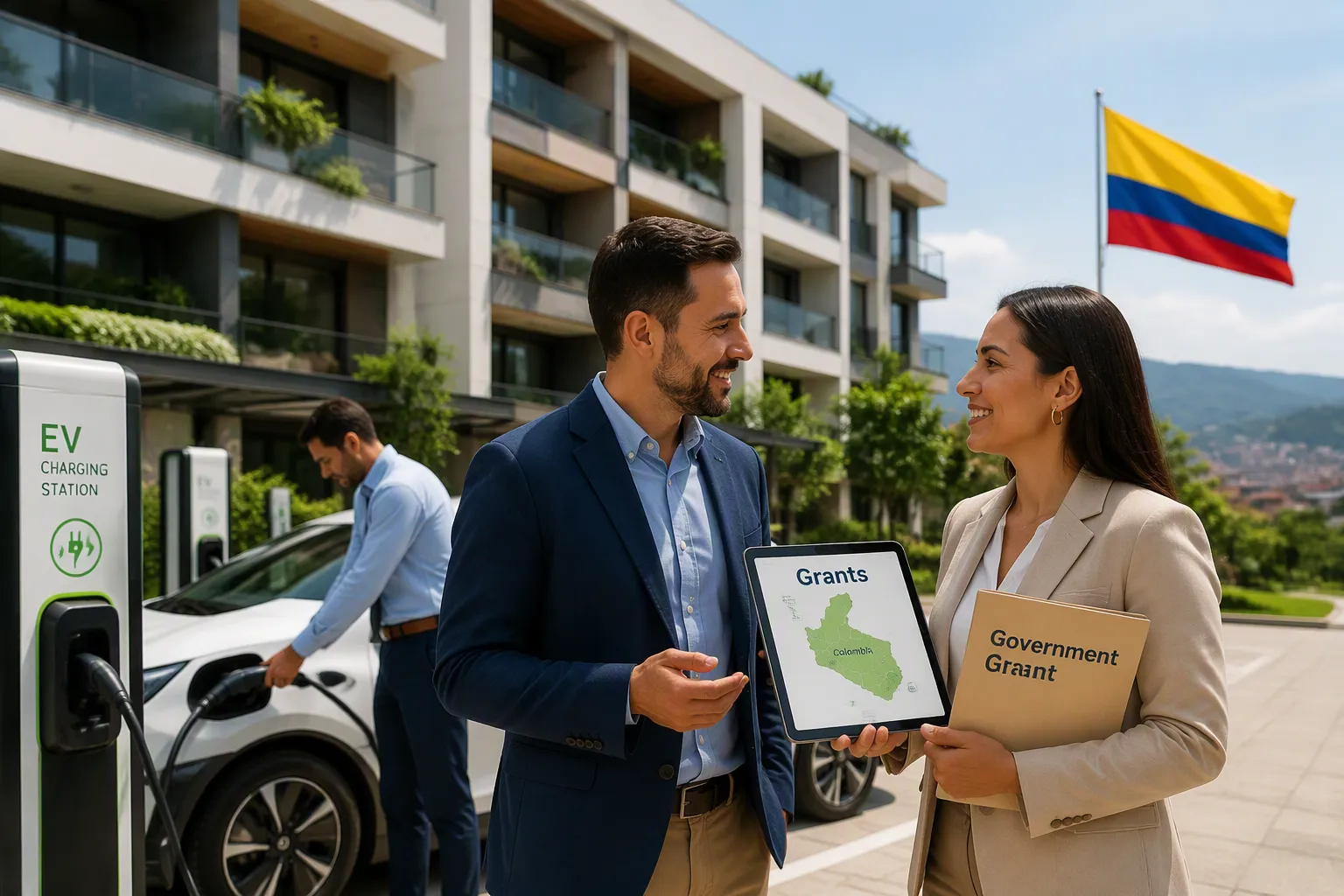

The landlord’s guide in Germany shows that installing a home charging station can transform property value and tenant satisfaction. Many home and condominium owners see annual returns from charging points between €1,000 and €5,000 per charger, making the profitability of a home charging station clear. Home charging boosts rental income, and the national electric vehicle infrastructure offers tax credit for installing a charging station. Landlords benefit from public charging station access and home Solutions de recharge pour véhicules électriques, avec Fabricants de chargeurs de VE et chargeurs portables pour VE making upgrades easier. The buying guide for a home charging station highlights incentives and the growing charging network. Public EV charging stations and home charging options help meet ESG goals, while the landlord’s guide ensures compliance with Germany’s regulations. Condominium owners, home dwellers, and commercial landlords all find that an Chargeur de VE increases home and property value, making the landlord’s guide essential for those investing in Germany. Home-based charging, supported by government incentives, positions landlords to profit from the expanding EV market.
- Landlords in Germany see significant returns from EV charging infrastructure, with increased rental income and enhanced property value.
- Installing a home charging station aligns with ESG targets, offers tax benefits, and future-proofs assets for the evolving electric vehicle market.
EV Charging Installation Costs for Landlords in Germany
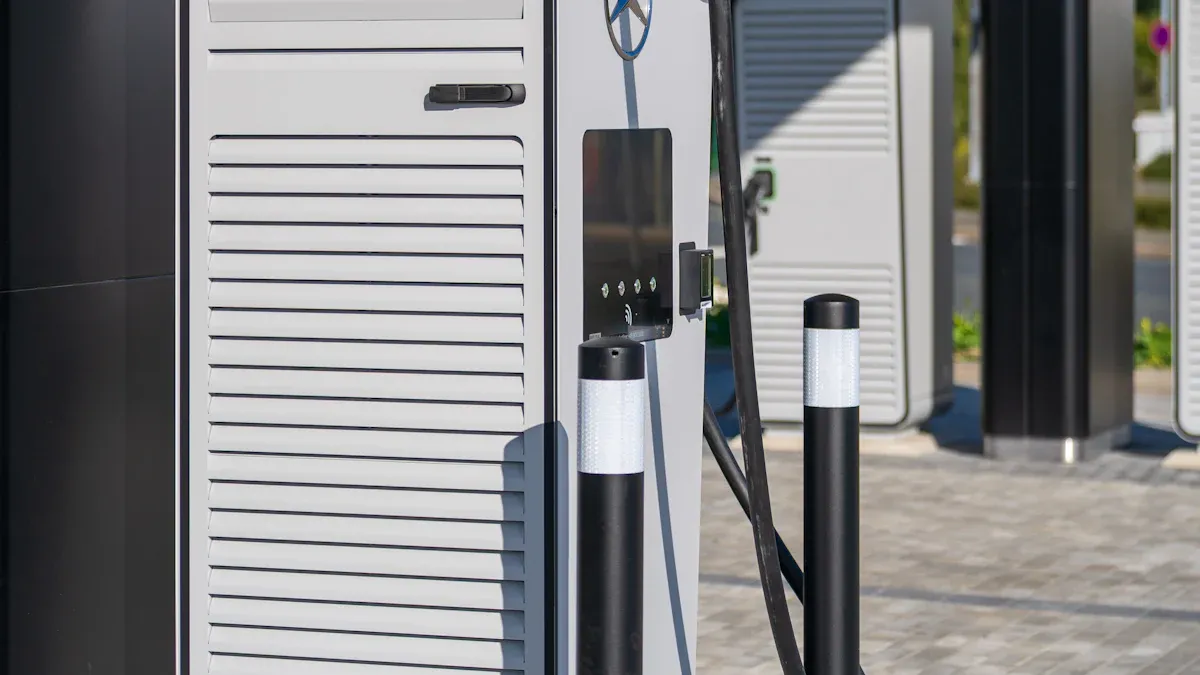
Types of EV Charging Stations
AC Wallbox Chargers
AC wallbox chargers represent the most common electric car charging station for residential and small commercial properties. These stations provide reliable charging for tenants and visitors. Standard 7kW wallboxes and smart connected stations offer a balance between charging speed and affordability. Three-phase stations, delivering 11 to 22 kWh, suit properties with higher power needs. The following table outlines typical charging station prices and installation cost for these options:
| Type de station de recharge | Fourchette de prix (€) | Installation Cost (€) |
|---|---|---|
| Green’Up reinforced socket | 150 – 300 | 300 – 600 (simple setup) |
| Standard 7kW wallboxes | 500 – 800 | 300 – 600 (simple setup) |
| Smart connected stations | 800 – 1500 | 300 – 600 (simple setup) |
| Three-phase stations (11-22 kWh) | 1200 – 2000 | 300 – 600 (simple setup) |
| Additional costs (complex) | N/A | 50 – 100 per meter of cable |
| Power upgrade (if needed) | N/A | 20 – 50 monthly increase |
Chargeurs rapides DC
DC fast chargers deliver rapid charging for electric vehicles, making them suitable for commercial properties or large multi-unit buildings. These stations require higher upfront investment and more complex installation. Landlords often choose DC stations for properties with high tenant turnover or public access needs.
Installation Scenarios and Cost Breakdown
Single-Family Homes
Single-family homes typically require one wallbox or a reinforced socket. Installation costs remain low due to simple wiring and minimal groundworks. Landlords can expect straightforward planning and compliance requirements.
Multi-Unit Residential Buildings
Multi-unit buildings often need several charging stations and more advanced infrastructure. Costs rise due to increased cabling, grid upgrades, and planning. The table below summarizes the main cost elements for these scenarios:
| Cost Element | Fourchette de coûts estimée |
|---|---|
| Matériel | £1,200–£2,200 (AC), £15,000+ (DC) |
| Groundworks/cabling | £4,000–£12,000 |
| Grid/panel upgrades | £1,000–£8,000+ |
| Planning/compliance | £300–£2,500 |
| Aftercare & user training | £350–£1,500 |
Commercial Properties
Commercial properties may require multiple DC fast charging stations and robust infrastructure. These projects involve higher installation cost, extensive groundworks, and significant grid connection fees. Landlords should plan for ongoing maintenance and user support.
Additional Cost Factors for EV Charging Infrastructure
Electrical Upgrades and Grid Connection Fees
Landlords must consider electrical upgrades and grid connection fees when planning charging infrastructure. Complex installations may require new cabling or increased power supply, which can add to overall costs.
Ongoing Maintenance and Operation Costs
Ongoing maintenance and operation costs impact the long-term value of charging infrastructure. Landlords should account for regular servicing, software updates, and potential repairs.
Note: Installation costs may not always be recoverable from tenants. Operational costs could be recovered depending on service charge provisions. Planning permissions may be required based on the scale and location of the charging points.
Sample Cost Table for EV Charging Installation
Landlords in Germany face a range of costs when installing EV charging infrastructure. The total investment depends on property type, charger selection, and installation complexity. The following sample cost table illustrates typical expenses for three common scenarios: single-family homes, multi-unit residential buildings, and commercial properties.
| Scénario | AC Wallbox (7kW) | DC Fast Charger (50kW) | Installation & Cabling | Améliorations électriques | Planning & Compliance | Entretien annuel |
|---|---|---|---|---|---|---|
| Maison Individuelle | €700 | N/A | €500 | €0–€500 | €300 | €150 |
| Multi-Unit Residential Building | €1,500 (per unit) | €15,000 (shared) | €8,000 | €3,000 | €1,500 | €600 |
| Commercial Property | €2,000 (per unit) | €25,000 (shared) | €12,000 | €8,000 | €2,500 | €1,200 |
Conseil : Landlords should request detailed quotes from certified installers. Costs can vary based on site conditions and local regulations.
Key Points to Consider:
- AC wallbox chargers suit most residential needs. DC fast chargers serve commercial or high-traffic properties.
- Installation and cabling costs increase with building size and complexity.
- Electrical upgrades may be necessary for older properties or those with limited grid capacity.
- Planning and compliance fees cover permits, safety checks, and documentation.
- Annual maintenance ensures reliable operation and includes software updates, inspections, and minor repairs.
Additional Cost Factors:
- Landlords may incur extra fees for trenching, parking space modifications, or smart charging features.
- Utility companies sometimes charge for grid connection or capacity increases.
- Some municipalities require fire protection measures or accessibility improvements.
Remarque : Incentives and subsidies can offset upfront costs. Landlords should review available programs before starting installation.
Sample Calculation:
A landlord installs four AC wallbox chargers in a multi-unit building. Hardware costs total €6,000. Installation and cabling reach €8,000. Electrical upgrades cost €3,000. Planning and compliance add €1,500. Annual maintenance is €600. The total initial investment equals €18,500. Incentives may reduce this amount by up to 30%.
Summary Table of Typical Costs:
- Single-Family Home: €1,650–€2,150 initial investment
- Multi-Unit Building: €14,000–€22,000 initial investment
- Commercial Property: €24,000–€40,000 initial investment
Landlords should analyze these figures and consult experts to optimize their EV charging investment. Proper planning helps maximize returns and minimize unexpected expenses.
Incentives for EV Charging Infrastructure in Germany (2025)
National Incentive Programs for Landlords
Germany offers several incentives to landlords who invest in ev charging infrastructure. These programs help reduce installation costs and encourage the adoption of electric vehicle charging solutions.
KfW Grants and Loans
The KfW Bank provides grants and low-interest loans for ev charging infrastructure installation. Landlords can apply for funding to cover hardware, installation, and grid connection costs. KfW incentives support both residential and commercial properties. The application process requires proof of installation and compliance with technical standards. Many landlords benefit from these grants, which lower upfront costs and make ev charging infrastructure more accessible.
Federal Tax Benefits and Credits
Federal incentives include tax credits for ev charging infrastructure installation. Landlords can deduct a portion of installation costs from their taxable income. The government also offers accelerated depreciation for charging equipment. These incentives reduce the financial burden and improve the return on investment. Landlords who use federal incentives often see faster payback periods and increased property value.
EU-Level Support for EV Charging
Landlords in Germany can access EU-level incentives for ev charging infrastructure. These programs focus on expanding charging networks and supporting sustainable transportation.
European Green Deal Funding
Le European Green Deal provides funding for ev charging infrastructure projects. Landlords benefit from grants that support installation and operation of charging stations. The Alternative Fuels Infrastructure Facility (AFIF) has allocated €422 million for cross-border infrastructure projects, including ultra-fast chargers. Germany’s ‘Deutschlandnetz’ initiative has earmarked €2 billion for fast charger installations, with €630 million already disbursed by the end of 2023. These incentives help landlords install advanced charging solutions and meet tenant demand for electric vehicles.
EU Emissions Trading System Credits for EV Infrastructure
The EU Emissions Trading System rewards landlords who install ev charging infrastructure. Landlords earn credits for reducing emissions through electric vehicle charging. These credits can offset installation costs and provide additional revenue. Participation in the system supports environmental goals and enhances the value of charging infrastructure investments.
Tip: Landlords should monitor EU funding announcements and apply early to maximize incentives for ev charging infrastructure installation.
Local and State Incentives in Germany
Regional incentives play a key role in supporting ev charging infrastructure installation. Landlords can access grants and rebates from cities, municipalities, and utility companies.
City and Municipal Grants for EV Charging
Many cities and municipalities offer grants for ev charging infrastructure. These incentives cover installation costs and promote sustainable mobility. Landlords can apply for funding to install charging stations in residential and commercial properties. Local programs often prioritize projects that improve accessibility and support electric vehicle adoption.
Utility Company Rebates and Support
Utility companies provide rebates and technical support for ev charging infrastructure installation. Landlords receive incentives for upgrading electrical systems and connecting charging stations to the grid. Some utilities offer discounted rates for charging electricity and ongoing maintenance. These incentives reduce operational costs and ensure reliable charging infrastructure for tenants.
| Type d'incitation | Coverage Area | Typical Benefit |
|---|---|---|
| KfW Grants & Loans | National | Up to 30% of costs |
| Crédits d'impôt fédéraux | National | Tax deduction, depreciation |
| EU Green Deal Funding | EU-wide | Grants for installation |
| AFIF & Deutschlandnetz | EU/Germany | Funding for fast chargers |
| City/Municipal Grants | Local | €500–€2,000 per charger |
| Remises des services publics | Regional | Discounted rates, rebates |
Note: Incentives change frequently. Landlords should consult local authorities and utility companies for the latest information.
How Landlords Can Apply for EV Charging Incentives
Landlords in Germany can unlock significant savings by applying for EV charging incentives. The process involves several steps, each designed to ensure compliance and maximize financial support. Understanding the application process helps landlords avoid delays and secure funding efficiently.
1. Identify Relevant Incentive Programs
Landlords should start by researching available incentives at the national, EU, and local levels. Each program has specific eligibility criteria and application windows. The following table summarizes key programs:
| Programme | Éligibilité | Typical Benefit | Where to Apply |
|---|---|---|---|
| KfW Grants & Loans | Résidentiel/Commercial | Up to 30% of costs | KfW Bank website |
| Crédits d'impôt fédéraux | All property owners | Tax deduction | Local tax office |
| EU Green Deal/AFIF | Large-scale projects | Grants for installation | EU funding portals |
| City/Municipal Grants | Local property owners | €500–€2,000 per charger | City or municipal government |
| Remises des services publics | Regional participants | Rebates, discounts | Local utility company |
Conseil : Landlords should check for updates on program websites, as incentive details may change annually.
2. Prepare Required Documentation
Most incentive programs require specific documents. Landlords should gather the following before starting an application:
- Proof of property ownership or management rights
- Detailed project plan, including charger type and installation site
- Quotes from certified installers
- Evidence of compliance with technical and safety standards
- Bank account details for grant disbursement
Organizing these documents in advance streamlines the application process.
3. Submit Applications Early
Many programs operate on a first-come, first-served basis. Landlords who submit applications early increase their chances of receiving funding. Online portals often guide applicants through each step. Some programs require pre-approval before installation begins.
4. Coordinate with Certified Installers
Certified installers play a crucial role in the application process. They provide technical documentation and ensure installations meet program requirements. Landlords should select installers familiar with incentive programs to avoid compliance issues.
5. Monitor Application Status and Fulfill Reporting Obligations
After submission, landlords should monitor application status through online dashboards or direct contact with program administrators. Some incentives require progress reports or proof of completion. Timely responses help prevent funding delays.
Remarque : Landlords who combine multiple incentives must ensure compliance with all program rules. Double funding for the same expense is not permitted.
By following these steps, landlords can maximize financial support for EV charging infrastructure. Early preparation and attention to detail ensure a smooth application process and faster access to incentives.
Calculating ROI for EV Charging Investments in Germany
Key ROI Factors for Landlords
Upfront Costs vs. Incentives
Landlords must evaluate the initial costs of installing EV charging infrastructure. These costs include hardware, installation, and any necessary upgrades to the electrical system. Incitations gouvernementales can significantly reduce these expenses. Grants may cover up to 75% of the installation costs, while tax credits help offset the initial investment. The following table summarizes common incentives:
| Type d'incitation | Description |
|---|---|
| Grants | Up to 75% towards the cost of installing EV chargepoints at domestic properties. |
| Crédits d'impôt | Financial incentives that can offset initial investment costs. |
For buildings offering EV charging, it’s not uncommon to see a premium on rent rates. EV charging points add to the property’s perceived value and justify a higher rental price.
Landlords should consider these factors when planning their investment. Lower upfront costs, combined with incentives, improve the return on investment and make EV charging infrastructure more accessible.
Revenue Streams from Charging Fees and Increased Rent
EV charging infrastructure creates multiple revenue streams for landlords. They can generate income from charging fees, premium parking fees, and increased rent. Tenants with electric vehicles are willing to pay higher rents for properties with charging options. Properties equipped with EV charging appeal more to potential tenants, leading to higher rental demand.
- Revenue can be generated from charging fees, premium parking fees, and increased sales from longer dwell times of EV drivers.
- Tenants with electric fleets are willing to pay higher rents for properties with charging options due to cost savings and lower operational risks.
- Properties equipped with EV charging appeal more to potential tenants, leading to higher rental demand.
Properties with EV charging stations can command higher rental prices and retain tenants for longer periods. This increased demand enhances profitability and overall return on investment.
Property Value Impact and ESG Benefits
The installation of EV charging infrastructure can increase property value. Properties with strong ESG credentials, including modern energy-efficient features like EV charging points, are becoming increasingly attractive to tenants. Landlords face pressure to enhance their properties’ ESG ratings, which aligns with the installation of EV charging infrastructure. These improvements support higher property values and long-term profitability.
ROI Calculation Examples for EV Charging Infrastructure
Scenario 1: Small Apartment Building
A landlord installs two AC wallbox chargers in a small apartment building. The total investment for hardware and installation reaches €4,000. Government grants cover 30%, reducing the upfront cost to €2,800. The landlord charges tenants a monthly fee of €40 per parking space with charging access. With four tenants using the service, annual revenue reaches €1,920. After accounting for annual maintenance costs of €300, the net annual profit stands at €1,620.
- Initial investment: €2,800 (after incentives)
- Annual net profit: €1,620
- Payback period: Approximately 1.7 years
This scenario demonstrates strong profitability and a rapid return on investment for small-scale EV charging infrastructure.
Scenario 2: Large Multi-Unit Complex
A landlord invests in a larger EV charging infrastructure for a multi-unit complex. The project includes six AC wallbox chargers and one DC fast charger. The total installation costs reach €28,000. Incentives reduce the upfront investment by €8,400, resulting in a net cost of €19,600. The landlord implements charging fees of €0.35 per kWh and charges a €50 monthly premium for parking spaces with charging access. With 12 tenants using the service and average monthly charging revenue of €120 per charger, annual revenue totals €10,320. After deducting €1,500 for annual maintenance and operation, the net annual profit is €8,820.
- Initial investment: €19,600 (after incentives)
- Annual net profit: €8,820
- Payback period: About 2.2 years
This example highlights the scalability and profitability of EV charging infrastructure in larger residential properties.
Typical Payback Periods for EV Charging Investments in 2025
Landlords in Germany can expect attractive payback periods for EV charging infrastructure investments. Most projects achieve full payback within two to four years, depending on the scale of installation, available incentives, and tenant demand. Properties with high occupancy and strong demand for electric vehicle charging often reach profitability faster. Ongoing revenue from charging fees and increased rent continues to boost return on investment after the initial costs are recovered.
Properties equipped with EV charging stations can command higher rental prices and retain tenants for longer periods. This increased demand enhances profitability and overall return on investment.
Landlords who invest in EV charging infrastructure position their properties for long-term growth, improved ESG ratings, and sustained profitability.
Legal Requirements and Tenant Rights for EV Charging Infrastructure
German Tenancy Law and EV Charging
Tenant Right to EV Charging Infrastructure
German tenancy law has evolved to support the transition to electric mobility. Since December 2020, tenants in Germany have a legal right to request the installation of EV charging infrastructure. This right applies to tenants in both residential and commercial properties. When a tenant submits a written request, the landlord must consider the proposal. The law aims to remove barriers for tenants who want to drive electric vehicles.
Remarque : Landlords cannot reject a tenant’s request for EV charging infrastructure without a valid reason, such as technical infeasibility or excessive cost.
Landlord Obligations for EV Charging
Landlords must respond to tenant requests for EV charging within a reasonable timeframe. They need to review the technical feasibility and assess the impact on the property. If the installation is possible, landlords must allow the tenant to proceed, often at the tenant’s expense. In multi-unit buildings, landlords may need to coordinate with other tenants or the homeowners’ association. They must also ensure that any installation complies with safety and building regulations.
Permitting and Compliance for EV Charging in Germany
Building Codes and Safety Standards
EV charging installations must meet strict building codes and safety standards in Germany. Certified electricians must carry out all electrical work. The installation must comply with the VDE (Association for Electrical, Electronic & Information Technologies) standards. These rules ensure safe operation and protect both property and residents.
- All charging stations require professional installation.
- Electrical systems must support the additional load.
- Installers must provide documentation for inspections.
Fire Protection and Accessibility Requirements
Fire protection plays a critical role in EV charging infrastructure. Landlords must ensure that charging stations do not increase fire risk. Some municipalities require fire-resistant materials or additional fire alarms in parking areas. Accessibility requirements also apply. Charging points must be reachable for all tenants, including those with disabilities.
| Exigence | Description |
|---|---|
| Fire Protection | Use of fire-resistant materials, alarms |
| Accessibilité | Barrier-free access for all tenants |
Contractual Considerations for Landlords
Lease Agreement Clauses for EV Charging
Landlords should update lease agreements to address EV charging. Clear clauses help define responsibilities for installation, maintenance, and usage. Agreements should specify who pays for electricity and how tenants can access the charging points.
- Include terms for installation approval.
- Define maintenance obligations.
- Set rules for shared use in multi-unit buildings.
Cost Allocation to Tenants
Cost allocation remains a key issue. Landlords can pass installation and operational costs to tenants, provided the lease allows it. Many landlords charge a monthly fee or include costs in the service charge. Transparent cost allocation prevents disputes and ensures fair use.
Conseil : Landlords should consult legal experts to draft lease clauses that comply with German law and protect their interests.
Maximizing Benefits and Minimizing Costs for Landlords
Choosing the Right EV Charging Solution
Assessing Tenant Demand for EV Charging
Landlords in Germany must evaluate tenant demand before investing in ev charging infrastructure. Many households do not have dedicated parking spaces and rely on public charging networks. This situation highlights the importance of convenient charging solutions within residential properties. Frustration often arises when landlords reject requests for chargepoint installation, especially in apartment complexes. Landlords who respond to tenant needs can increase satisfaction and attract eco-conscious renters.
Scalable Infrastructure Planning for Landlords
Effective planning ensures that ev charging infrastructure remains adaptable as demand grows. Landlords should assess the power supply to their properties, as available power determines the feasibility and value of charging solutions. The following table outlines key considerations:
| Facteur | Importance |
|---|---|
| Power supply availability | Determines number and type of chargers |
| Parking space configuration | Impacts installation complexity |
| Future tenant demand | Guides scalability of infrastructure |
EV charging hubs are classified as developments and must comply with planning regulations. New residential and commercial projects often require the inclusion of charging bays. Landlords who plan for scalable infrastructure can avoid costly upgrades in the future.
Partnering with EV Charging Service Providers
Turnkey Installation Services for Landlords
Many landlords choose to partner with service providers like TPSON for turnkey installation services. These providers manage the entire process, from site assessment to final commissioning. Turnkey solutions help landlords address the high cost of installation, compatibility of chargers, and communication between grid and charging station companies. Professional partners ensure compliance with the Ladesäulenverordnung, which enhances accessibility for electric vehicle drivers.
Operation and Maintenance Contracts
Ongoing operation and maintenance contracts support the long-term reliability of ev charging infrastructure. Service providers handle regular inspections, software updates, and repairs. These contracts reduce the burden on landlords and help maintain high tenant satisfaction. Reliable operation encourages tenants to adopt electric vehicles and supports the property’s reputation for modern amenities.
Future-Proofing Your EV Charging Investment
Chargement intelligent et gestion de la charge
Technologie de charge intelligente optimizes energy use and prevents overloads on the property’s electrical system. Load management systems balance demand across multiple charging points, ensuring efficient operation. Landlords who invest in smart charging solutions can accommodate more tenants and reduce operational costs.
Preparing for Grid Integration and Sustainability
Landlords should future-proof ev charging infrastructure by adopting open standards and interoperability. This approach reduces the risk of vendor lock-in and market fragmentation. Scalable platforms and established protocols allow infrastructure to adapt to evolving technology and grid requirements. Sustainable planning supports long-term value and aligns with environmental goals.
Tip: Landlords who invest in flexible, scalable charging infrastructure position their properties for future growth and regulatory compliance.
Action Steps for Landlords Installing EV Charging Infrastructure
Assess Your Property’s Readiness for EV Charging
Landlords in Germany must evaluate their properties before beginning any installation. A thorough assessment ensures that the charging infrastructure will meet tenant needs and comply with regulations. The process starts with a review of parking spaces and their usage. Landlords should determine how many spaces are available for residents, visitors, or staff. Next, they must evaluate the electrical supply to decide if a make-ready system is necessary. Understanding users’ charging patterns helps align charger type and location with actual demand.
- Conduct a property and grant readiness assessment to check codes and technical limits.
- Hire certified and insured providers for installation.
- Request a comprehensive pack including survey and compliance forms.
- Obtain transparent, itemized quotes for better comparison.
- Allow the installer to manage all documentation and grant submissions.
A property that passes these checks will support a smooth installation and reliable charging service.
Research Incentives and Apply Early
Landlords benefit from researching available incentives before starting installation. Incentives can reduce upfront costs and improve the return on investment. Germany offers grants, tax credits, and rebates at national, EU, and local levels. Landlords should identify programs that match their property type and charging needs. Early application increases the chance of securing funding, as many programs operate on a first-come, first-served basis.
| Programme d'incitation | Coverage Area | Typical Benefit |
|---|---|---|
| KfW Grants & Loans | National | Up to 30% of installation |
| EU Green Deal Funding | EU-wide | Grants for charging |
| City/Municipal Grants | Local | €500–€2,000 per charger |
| Remises des services publics | Regional | Discounted rates, rebates |
Landlords should prepare all required documentation, including proof of ownership, project plans, and quotes from certified installers. Applying early ensures that installation can proceed without delays.
Consult with EV Charging Experts and Service Providers
Landlords achieve the best results by consulting with EV charging experts and service providers. These professionals guide the installation process, recommend suitable charging solutions, and ensure compliance with technical standards. Certified installers handle documentation, grant submissions, and provide itemized quotes. Service providers offer turnkey solutions, including site surveys and ongoing maintenance.
Consulting with residents is crucial to understand how many chargepoints are needed, gauge their willingness to invest, and address any specific concerns they may have.
Landlords who engage experts and communicate with tenants create a collaborative environment. This approach leads to successful installation and high tenant satisfaction.
Communicate with Tenants About EV Charging Plans
Clear communication with tenants forms the foundation of a successful EV charging infrastructure project. Landlords who engage tenants early build trust and encourage cooperation throughout the installation process. They also reduce misunderstandings and increase tenant satisfaction.
Key Steps for Effective Communication:
Inform Tenants Early
Landlords should notify tenants about plans to install EV charging stations before any work begins. Early communication helps tenants prepare for possible disruptions and understand the benefits of the upgrade.Explain the Benefits
Tenants value information about how EV charging stations will improve their daily lives. Landlords can highlight benefits such as increased property value, convenience for electric vehicle owners, and alignment with sustainability goals.Share the Project Timeline
A clear timeline helps tenants know what to expect. Landlords should provide estimated dates for installation, testing, and when the charging stations will become available.Address Common Questions
Tenants often have questions about costs, access, and usage rules. Landlords should prepare answers to common concerns. A simple FAQ document can help clarify:Question Suggested Response Will my rent increase? Only if specified in the lease or service charges. Who can use the charging points? Tenants with assigned parking or by reservation. How will electricity be billed? Through sub-metering or a flat monthly fee. What about maintenance? The landlord or service provider will handle it. Invite Feedback and Participation
Landlords can encourage tenants to share their needs and preferences. A short survey or meeting allows tenants to express interest in EV charging and suggest improvements.
Conseil : Open dialogue reduces resistance and helps tailor the charging solution to actual tenant demand.
- Set Clear Usage Policies
Landlords should establish rules for using the charging stations. These policies might cover reservation systems, billing procedures, and etiquette for shared spaces.
Best Practices for Ongoing Communication:
- Use multiple channels such as email, notice boards, or tenant portals.
- Provide updates at each project milestone.
- Respond promptly to tenant inquiries.
Landlords who communicate transparently foster a positive relationship with tenants. This approach leads to higher adoption rates, fewer disputes, and a smoother rollout of EV charging infrastructure. Effective communication ensures that both landlords and tenants benefit from the transition to sustainable mobility.
Landlords in Germany benefit from fixed subsidies of €900 for residential charge points and scaled incentives up to €30,000 for public chargers. The following table highlights these options:
| Type d'incitation | Description |
|---|---|
| Fixed Subsidy | €900 for residential installation |
| Scaled Subsidies | €3,000–€30,000 for public charge points, based on charger power |
To maximize returns, landlords should conduct property assessments, delegate documentation to certified installers, and request comprehensive compliance support. Acting now secures competitive advantage and meets tenant demand. Start planning EV charging infrastructure installation today.
FAQ
What is the typical cost for installing an EV charger in a German apartment building?
Landlords usually invest between €14,000 and €22,000 for a multi-unit building. This includes hardware, installation, electrical upgrades, and compliance fees. Incentives can reduce these costs by up to 30%.
Can landlords pass EV charging installation costs to tenants?
Yes. Landlords often allocate costs through service charges or monthly fees. Lease agreements should specify cost-sharing arrangements to ensure transparency and avoid disputes.
Are there fixed subsidies for residential EV charging stations?
Germany offers a fixed subsidy of €900 for each residential charge point. Public chargers receive scaled incentives ranging from €3,000 to €30,000, depending on charger power.
How long does it take to recover the investment in EV charging infrastructure?
Most landlords achieve payback within two to four years. High tenant demand and available incentives can shorten this period.
Do landlords need special permits for EV charging installations?
Yes. Landlords must comply with local building codes, safety standards, and fire protection requirements. Certified installers handle most permitting and documentation.
What maintenance do EV charging stations require?
Regular maintenance includes software updates, safety inspections, and minor repairs. Service providers often offer maintenance contracts to ensure reliable operation.
Can EV charging increase property value?
Properties with EV charging infrastructure attract more tenants and command higher rents. These features also improve ESG ratings and long-term asset value.
Who can use the installed EV charging stations?
Landlords set usage policies. Typically, tenants with assigned parking or those who pay a fee gain access. Some properties offer reservation systems for shared use.