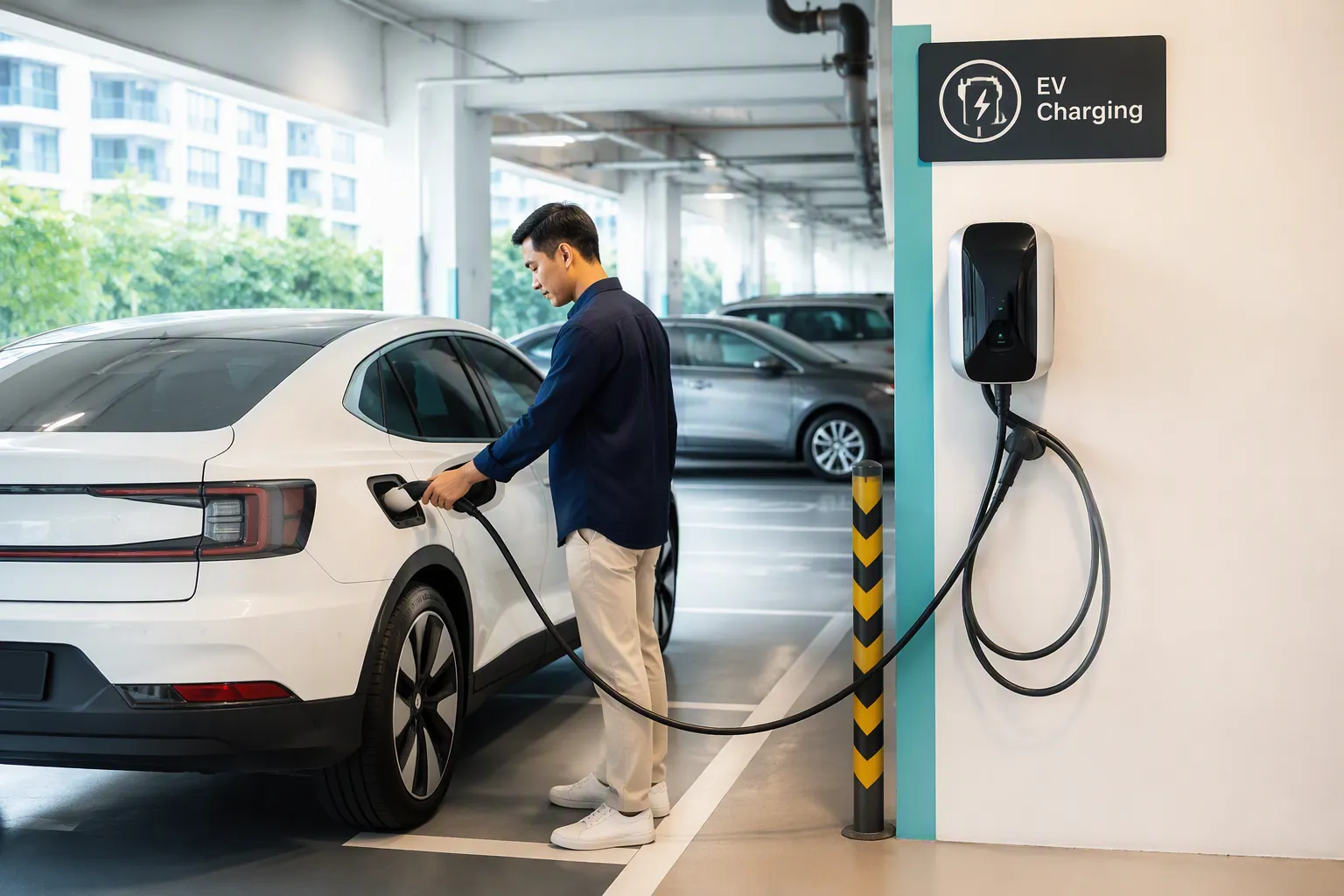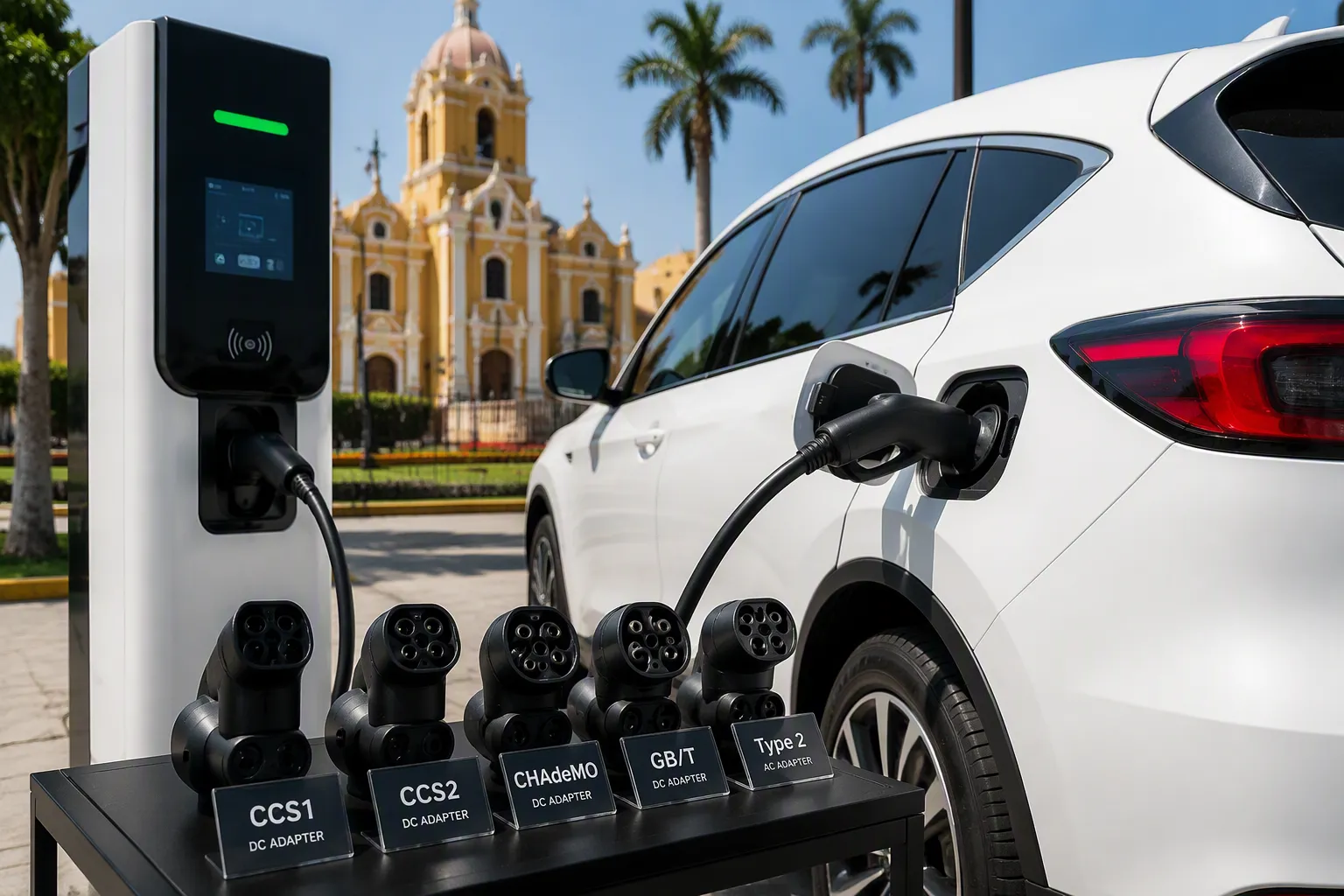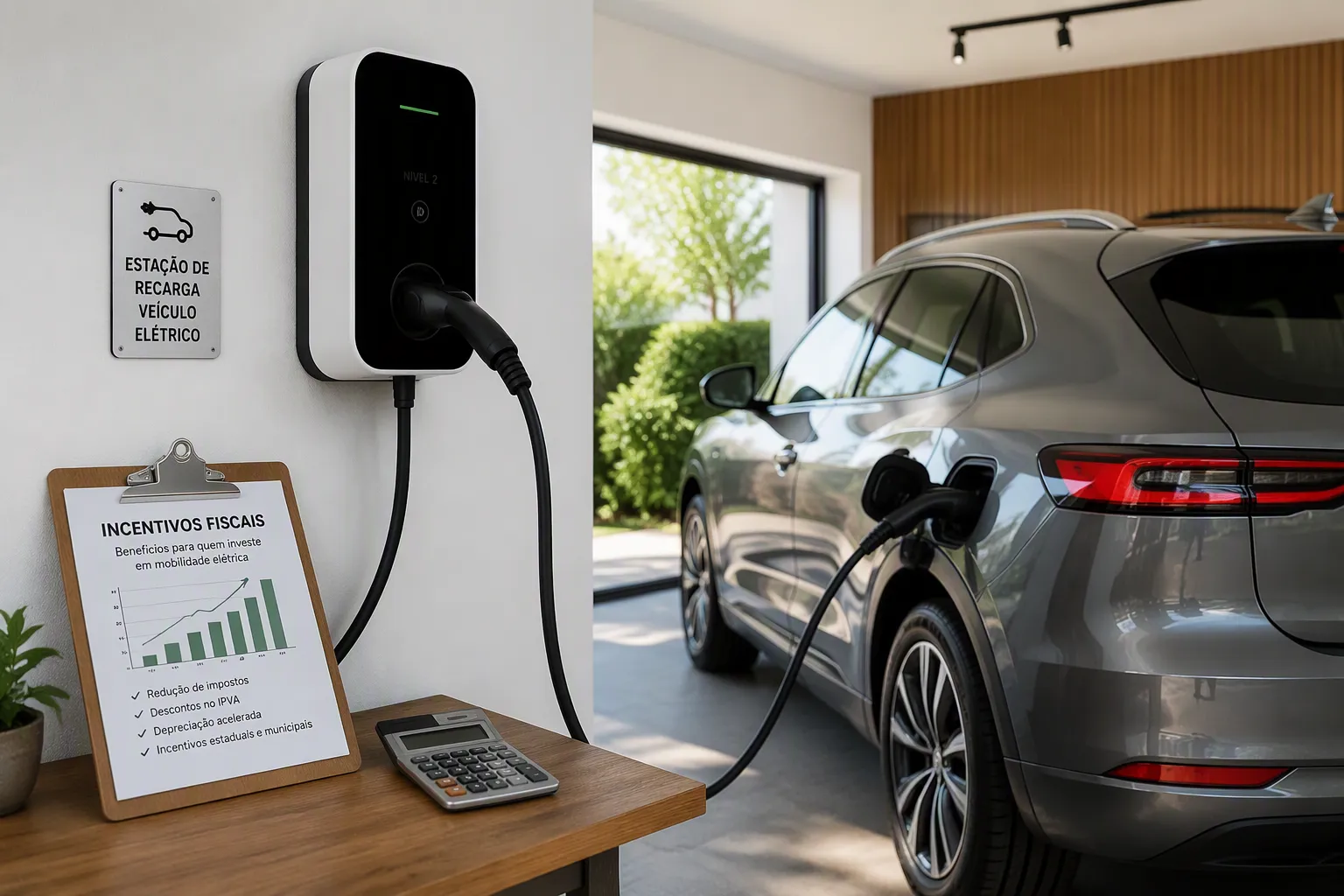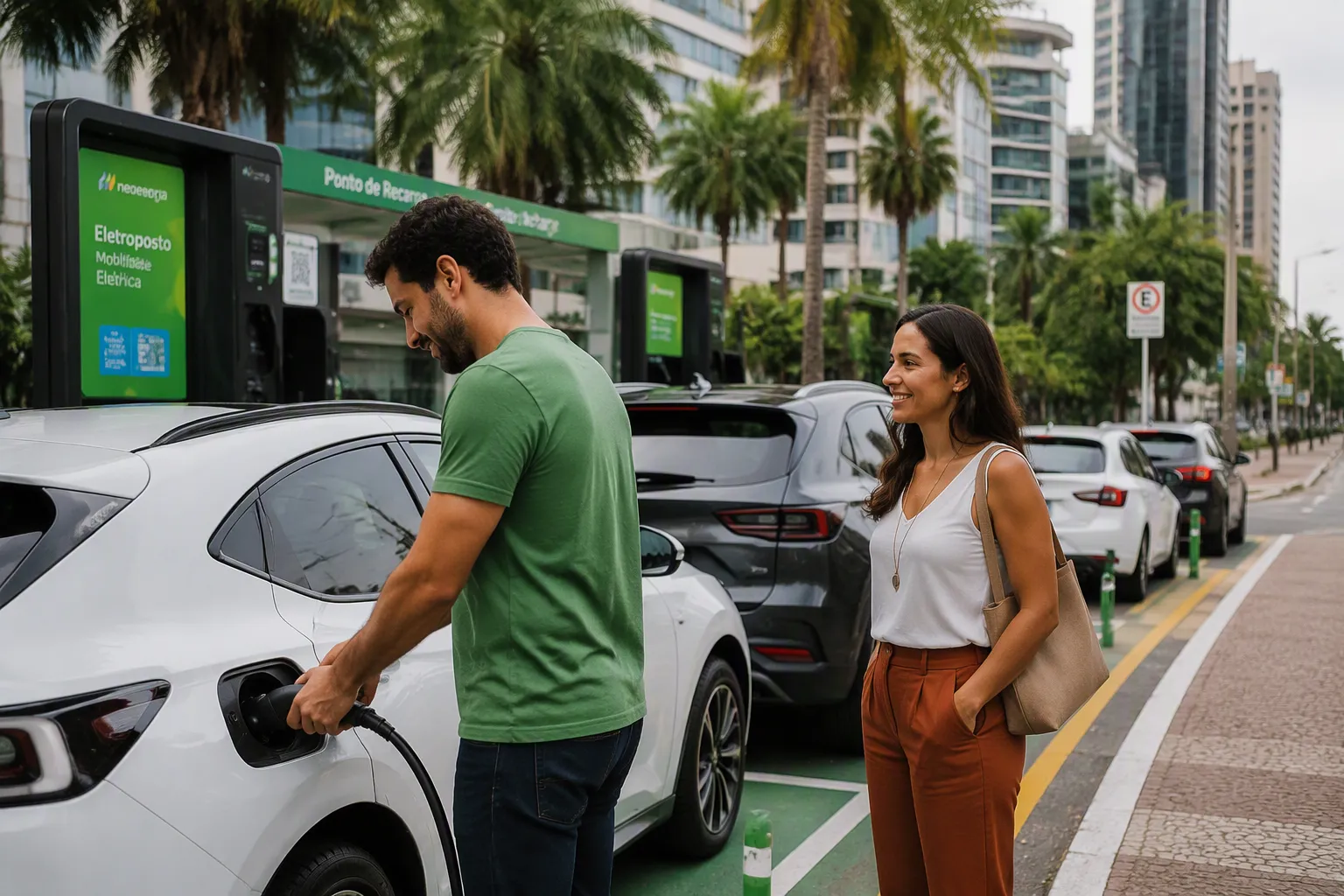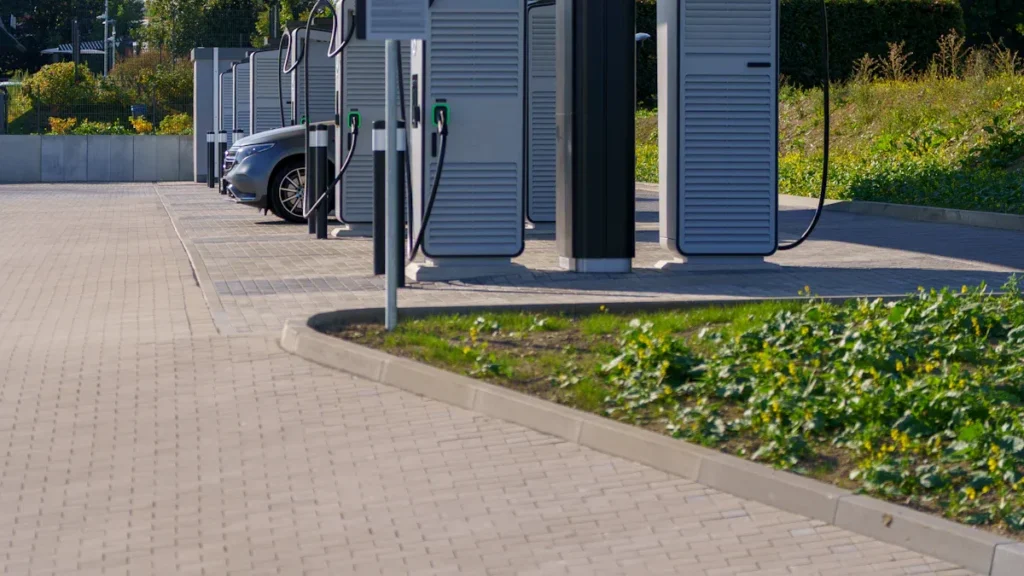
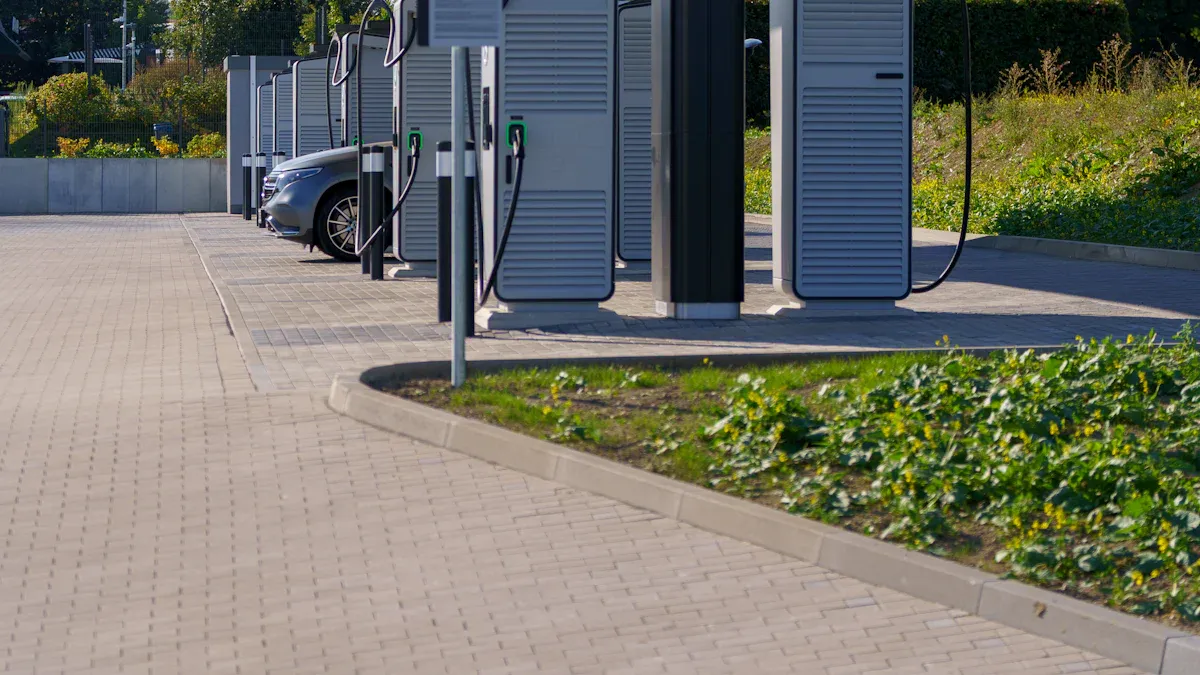
Many drivers consider an electric car without a home charger a practical choice if they adapt their routines. Nearly 40% view the absence of a home charging point as a major obstacle, and around 24.6% of households lack access to off-street parking, limiting home charging options. Public charging often costs more than charging at home.
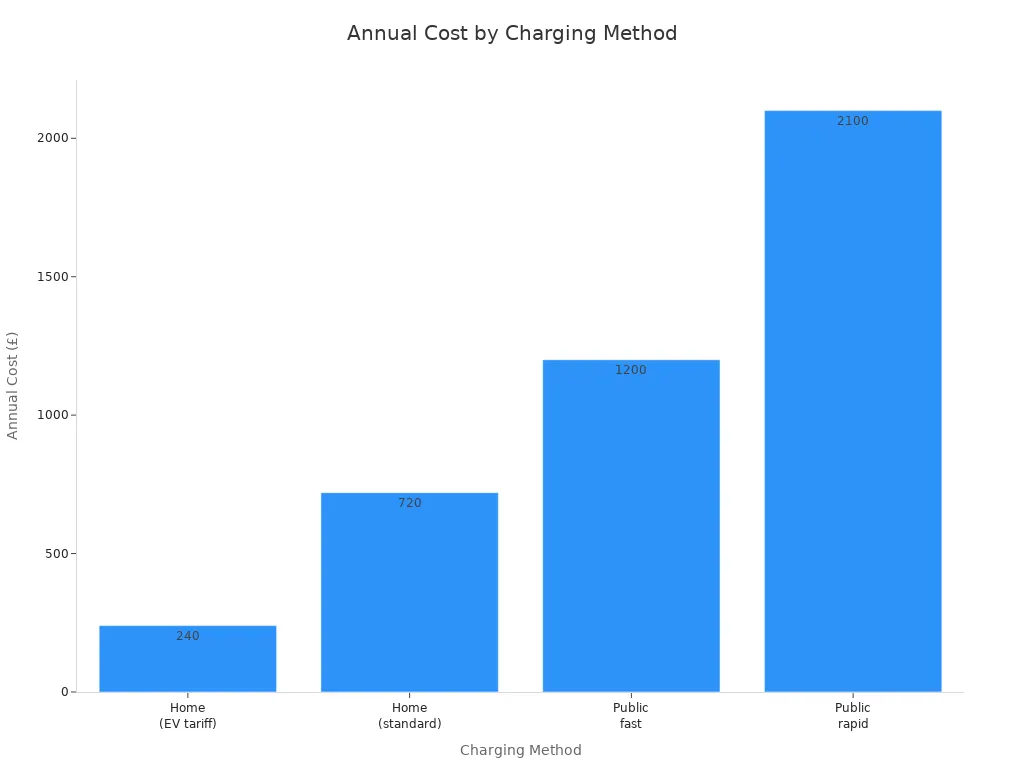
Fabricants de chargeurs de VE proposent désormais Solutions de recharge pour véhicules électriques, such as chargeurs ev portables, to meet these needs.

Life With an Electric Car Without a Home Charging Point

Daily Charging Realities for EV Owners
Typical Charging Routines Without Home Charging
Drivers who own an electric car without a home charging point rely on several daily charging routines. They often use public on-street chargers, which appear in residential areas and include lamppost charging schemes in cities such as London. Rapid charging becomes a common solution at service stations and supermarkets, offering quick top-ups but at a higher cost. Destination charging at shopping centers and leisure venues allows drivers to charge their EV while running errands or enjoying recreational activities.
- Public on-street chargers in residential areas
- Rapid charging at service stations and supermarkets
- Destination charging at shopping centers and leisure venues
How Often You’ll Need to Charge Your EV
The frequency of charging depends on driving habits and access to charging infrastructure. Many EV owners charge their vehicles two to three times per week, especially if they commute daily or travel longer distances. Those who use rapid chargers may need to plan their charging sessions more carefully, as these stations often attract higher demand and cost. Drivers who rely on destination charging can combine errands with charging, reducing the need for separate trips.
Public Charging Options for Electric Cars
Level 2 vs. DC Fast Charging Explained
Public charging options vary in speed and convenience. Level 2 chargers deliver between 6.2kW and 19.2kW, providing about 32 miles of range per hour. Charging from empty to full takes four to eight hours. DC Fast Charging stations range from 50kW to 350kW, charging an EV to 80% in 15 to 45 minutes. Level 2 charging typically provides 10 to 25 miles of range per hour, while DC fast charging can deliver 60 to 200 miles in just 20 to 30 minutes.
- Level 2: 6.2kW–19.2kW, 32 miles/hour, 4–8 hours for full charge
- DC Fast Charging: 50kW–350kW, 80% charge in 15–45 minutes, 60–200 miles in 20–30 minutes
Workplace and Destination Charging for EVs
Workplace charging offers a practical solution for employees who drive an electric car. Many companies install charging stations in parking lots, allowing staff to charge during work hours. Destination charging at hoteIs, restaurants, and shopping centers provides additional flexibility. Drivers can charge their EV while shopping, dining, or staying overnight, making these locations valuable for those without home charging.
Who Should Consider an Electric Car Without Home Charging
Urban vs. Suburban EV Ownership
Urban residents benefit from dense public charging networks. Major cities such as Vienna, Berlin, Oslo, Paris, and Amsterdam offer thousands of charging stations, making it easier for drivers to find a convenient spot.
| Ville | Nombre de stations de recharge |
|---|---|
| Vienna | 950 |
| Berlin | 2,000 |
| Oslo | 2,100 |
| Paris | 2,200 |
| Amsterdam | 4,800 |

Suburban drivers may face fewer options but can still access destination and workplace charging. They often plan their charging routines around shopping trips or work schedules.
Apartment and Condo Living With an Electric Car
Apartment and condo residents frequently lack private parking or home charging points. They rely on public infrastructure and prioritize locations with accessible charging stations. Interest in EVs remains high across all racial demographics. Young drivers aged 25–34 show the greatest enthusiasm, with 77% considering an electric car as their next vehicle. Maintenance and repair costs present barriers for some, especially among Black and Latino individuaIs, but public charging availability remains a key factor for many.
Tip: Apartment dwellers should research local charging networks and consider workplace charging to maximize convenience.
Pros and Cons of Relying on Public Charging for Your EV
Advantages of Public Charging for Electric Cars
Flexibility and Freedom Without a Home Charging Point
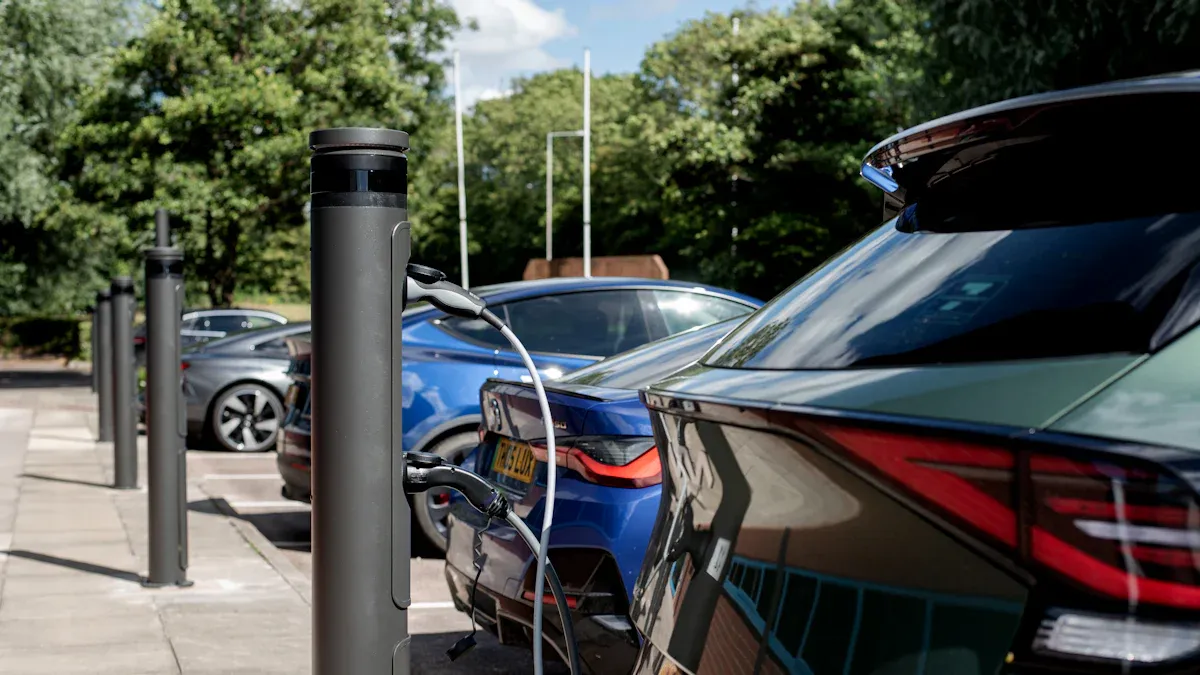
Public charging offers flexibility for drivers who do not have a home charging point. The number of public charging stations continues to grow, with thousands of locations now available across many regions. This expanding infrastructure allows drivers to charge their electric car while shopping, working, or enjoying leisure activities.
| Description des preuves | Impact on EV Usage Patterns |
|---|---|
| Public charging stations are accessible by all agents without private charging options. | Increases overall EV usage by providing necessary access to charging infrastructure. |
| Agents without private charging select public stations that are unoccupied and close to home. | Influences charging behavior and decision-making for EV users. |
| Limited charging infrastructure leads to issues with empty batteries, which can be mitigated by social charging. | Highlights the importance of flexible public charging in reducing range anxiety and improving EV adoption. |
This flexibility supports a wide range of lifestyles, especially for those living in apartments or areas where installing a home charger is not possible.
No Installation Costs for Home Charging
Drivers who rely on public charging avoid the upfront costs of installing a home charger. They do not need to worry about electrical upgrades or ongoing maintenance at home. For many, this reduces the initial investment required to own an electric car. Public charging stations, often found in shopping centers and car parks, provide a convenient solution for those who need to charge on the go.
Note: TPSON offers advanced solutions that help drivers access reliable public charging without the need for a home charging point.
Common Challenges of Public Charging for EV Owners
Availability and Wait Times at Charging Stations
Despite the growing number of public charging stations, availability remains a concern. Drivers often arrive to find all chargers occupied, especially during peak hours. This situation leads to congestion and frustration among EV owners.
| Enjeu | Description |
|---|---|
| Wait Times | EV drivers often find all chargers occupied at public charging stations. |
| Congestion | This situation leads to congestion and frustration among EV owners. |
| Solution | A queueing system is suggested to manage these wait times effectively. |
Reliability and Maintenance Issues With Public Chargers
Public charging infrastructure sometimes faces reliability problems. Station downtime, power issues during peak times, and complicated payment systems can disrupt charging routines. Many drivers report a poor user experience due to these challenges. Limited communication between charging networks and manufacturers can aIso hinder upgrades and maintenance.
Cost Differences: Public Charging vs. Home Charging Point
Charging an electric car at a public station often costs more than using a home charging point. Public chargers may charge higher rates, especially for rapid charging. Drivers should compare the ongoing costs of public charging with the savings from home charging to make informed decisions.
Impact on Daily Life With an Electric Car
Planning and Scheduling Around Charging Needs
Drivers who rely on public charging must plan their routines carefully. They often schedule errands, work, or leisure activities around charging opportunities. This approach requires flexibility and a willingness to adapt to changing availability at public stations.
Range Anxiety and Peace of Mind for EV Drivers
Range anxiety remains a common concern for EV owners without a home charger. Limited access to charging stations or unexpected downtime can create stress. However, the expanding network of public chargers and solutions from providers like TPSON help reduce these worries and support greater peace of mind for voiture électrique drivers.
Real-Life Experiences: Electric Car Owners Without Home Charging Points
Stories From EV Owners Managing Without Home Charging
Success Stories and What Works
Many EV owners without home charging points have developed effective strategies to manage their daily routines. They often rely on workplace charging, destination charging at shopping centers, and public charging stations near their homes. Some drivers schedule their errands around charging opportunities, making the process more efficient. Others use applications mobiles to locate available chargers and monitor their battery leveIs. These habits help them maintain a reliable charging routine and reduce stress.
- Drivers use workplace chargers during office hours.
- Many schedule shopping trips to coincide with charging sessions.
- Mobile apps assist in finding available public chargers.
Lessons Learned From Common Challenges
EV owners without home charging face several challenges. They often encounter occupied stations de recharge, especially during peak hours. Some report frustration with unreliable chargers and complicated payment systems. Planning becomes essential, as drivers must anticipate their charging needs and adjust their schedules accordingly.
While home charging remains the pinnacle of convenience when it comes to EVs, there are some pain points felt by owners across all three charging segments. Chief among them are charging speeds, cord length and the pour un conducteur britannique moyen. Nous reprendrons l'exemple précédent d'un conducteur parcourant 7 500 miles par an (625 miles par mois) avec un.
Owners learn to keep backup plans, such as identifying alternative charging locations or carrying portable chargers. They aIso recognize the importance of flexibility and patience when using public infrastructure.
Comparing Lifestyles With and Without a Home Charging Point
City Commuters and Electric Cars
City commuters who own an EV without home charging often face limited public charging options. They must plan their routes carefully and sometimes wait for available chargers. Urban environments present unique challenges, including crowded charging stations and higher costs. Many city dwellers rely on smaller, more efficient EVs to navigate tight spaces and reduce charging frequency.
Suburban Families and EV Ownership
Suburban families experience easier access to charging infrastructure. They often live in single-family homes with private chargers, making EV adoption more convenient. Public charging stations in suburban areas tend to be less crowded, allowing families to charge their vehicles without significant delays. Suburban lifestyles support larger vehicles, but many families choose EVs for their efficiency and lower maintenance costs.
- Suburban families have easier access to charging infrastructure, facilitating EV adoption.
- City commuters face challenges with limited public charging options, making EV use more inconvenient.
- Suburban lifestyle often includes single-family homes with private chargers, while city dwellers rely on public charging.
- Cultural preferences in cities lean towards larger vehicles, contrasting with the potential for smaller, more efficient EVs.
Frequent Travelers and Charging Strategies
Frequent travelers develop specific charging strategies to manage their EVs. They often use rapid chargers at service stations along highways. Many plan their trips around charging stops, ensuring they have enough range for long journeys. Travelers benefit from expanding public charging networks, but they must remain vigilant about charger availability and reliability.
Strategies for Managing an Electric Car Without a Home Charging Point
Finding and Using Public Charging Stations for Your EV
Best Apps and TooIs for Locating Chargers
Drivers who own an electric car without a home charger depend on reliable tooIs to find public charging stations. Several apps and platforms stand out for their effectiveness:
- Zap-Map displays a comprehensive map of charging points, allowing users to filter by connector type, charging speed, and payment method.
- PlugShare offers a global database with user-generated reviews and photos, available on both web and mobile devices.
- ChargePlace Scotland serves as the national network for Scotland, accessible through its website or app.
- Network-specific apps, such as BP PuIse and Pod Point, help users locate their branded stations.
- In-vehicle navigation systems in many EVs guide drivers to nearby charging locations.
- All-in-one apps like Bonnet and Paua consolidate multiple networks, simplifying the search process.
Ces ressources aident les conducteurs à planifier leurs itinéraires et à éviter les détours inutiles.
Abonnements et réseaux de recharge pour voitures électriques
Les abonnements aux réseaux de recharge peuvent simplifier l'accès et le paiement aux bornes publiques. Le tableau ci-dessous résume les méthodes de paiement courantes :
| Mode de paiement | Prévalence (%) | Description |
|---|---|---|
| Carte de débit/crédit sans contact | 41% | Disponible aux points de recharge rapides et haute puissance (50 kW et plus). |
| Carte d'abonnement (RFID) | N/A | Méthode la plus courante, nécessitant souvent plusieurs cartes pour différents réseaux. |
| SMS et plateformes en ligne | N/A | Autres méthodes historiques pour les bornes de recharge publiques. |
De nombreux conducteurs transportent plusieurs cartes d'abonnement pour garantir l'accès à différents réseaux. Les options de paiement sans contact continuent de se développer, rendant la recharge publique plus pratique.
Planifier votre routine de recharge de véhicule électrique
Recharger pendant les courses, les repas ou les démarches
Une planification efficace aide les propriétaires de VE à optimiser leur temps et réduire le stress lié à la recharge. De nombreux conducteurs intègrent la recharge à leurs activités quotidiennes :
- Planifiez à l'avance pour gérer les plannings de recharge, surtout quand l'accès régulier est limité.
- Utilisez les heures creuses pour des tarifs réduits et des stations moins fréquentées.
- Recherchez des points de recharge sur vos trajets habituels pour éviter les déplacements supplémentaires.
- Téléchargez plusieurs applications de recharge pour simplifier le processus et rester informé de la disponibilité.
- Les plateformes de recharge communautaires, comme Co Charger, permettent d'accéder à des wallboxes privées quand les options publiques sont rares.
Recharger pendant les courses, les repas ou les démarches transforme les sorties habituelles en occasions de recharger la batterie.
Maximiser les opportunités de recharge sur le lieu de travail
La recharge sur le lieu de travail offre une solution précieuse pour ceux n'ayant pas d'accès à domicile. Les employés bénéficient de :
- Des applications conviviales pour suivre l'utilisation de la recharge et surveiller les performances en temps réel.
- Des options de paiement flexibles adaptées aux besoins individuels.
- Une autonomie quotidienne accrue en rechargeant pendant les heures de travail.
- Des systèmes de recharge intelligents offrant un accès fiable et une gestion facile.
Les enquêtes aident les employeurs à évaluer la demande et optimiser le nombre de bornes. La recharge en entreprise non seulement réduit les coûts comparé aux bornes publiques, mais améliore aussi la satisfaction des employés en offrant des solutions pratiques.
Conseils pour réduire le stress de recharge avec une voiture électrique
Garder un plan de secours pour votre VE
Les conducteurs réduisent le stress en conservant des plans de secours. Ils identifient des lieux de recharge alternatifs et utilisent des applications comme Zap-Map pour vérifier la disponibilité en temps réel. Planifier des itinéraires avec une navigation intégrée ou des applications smartphone garantit l'accès à des points de recharge pendant le trajet. Des habitudes de conduite constantes, comme maintenir une vitesse stable et éviter les arrêts brusques, aident à préserver l'autonomie de la batterie.
Surveiller l'état de santé de la batterie sans recharge à domicile
Surveiller l'état de santé de la batterie devient crucial pour les propriétaires de VE sans recharge à domicile. Les diagnostics indépendants fournissent des évaluations objectives, aidant les conducteurs à comprendre l'état réel de leurs batteries. Les diagnostics intégrés peuvent ne pas toujours fournir des informations précises en raison d'algorithmes propriétaires. Des vérifications régulières avec des outils indépendants évitent les mauvaises surprises et préservent les performances de la batterie à long terme.
Conseil : Conduisez souplement et utilisez le freinage régénératif pour maximiser l'efficacité et prolonger la durée de vie de la batterie.
Prendre la décision : Une voiture électrique sans point de recharge à domicile est-elle faite pour vous ?
Questions clés à se poser avant d'acheter un VE
Évaluer ses habitudes et besoins de conduite
Les personnes envisageant une voiture électrique sans point de recharge à domicile doivent évaluer leurs routines quotidiennes. Elles doivent déterminer la fréquence de leurs déplacements, la distance typique parcourue, et si leur emploi du temps permet des arrêts réguliers aux stations de recharge. Les conducteurs avec de courts trajets ou des itinéraires prévisibles peuvent trouver la recharge publique plus gérable. Ceux avec des trajets plus longs ou des horaires irréguliers doivent planifier soigneusement.
Conseil : Évaluer ses habitudes de conduite aide à déterminer si la dépendance à l'infrastructure de recharge publique s'intégrera harmonieusement à la vie quotidienne.
Évaluer l'infrastructure de recharge publique locale
La disponibilité et la fiabilité de l'infrastructure de recharge publique jouent un rôle crucial dans le processus de décision. Les conducteurs doivent rechercher le nombre de stations dans leur région, la vitesse des chargeurs, et la probabilité de trouver une borne disponible aux heures de pointe. Les applications et cartes en ligne fournissent des informations en temps réel sur l'emplacement et l'état des chargeurs. Les personnes doivent se poser plusieurs questions importantes :
- Que faire si je ne peux pas installer de borne à domicile ?
- Où trouver des bornes de recharge publiques ?
- À quelle vitesse puis-je recharger en déplacement ?
- Combien coûte réellement la recharge ?
Une évaluation approfondie garantit que la voiture électrique choisie ne perturbera pas les routines quotidiennes ni ne causera de stress inutile.
Calculer le coût réel et les économies de possession d'un VE
Comparer les coûts de carburant et de recharge pour les voitures électriques
Le coût reste un facteur important lorsqu'on choisit entre une voiture électrique et un véhicule traditionnel. Recharger à un point de recharge domestique est généralement moins cher et plus pratique qu'utiliser des bornes publiques. Le coût de la recharge publique varie entre 35 et 50 pence par kWh, tandis que la recharge à domicile coûte typiquement entre 14 et 18 pence par kWh. Cette différence impacte l'économie globale de possession d'un VE.
Le tableau ci-dessous compare le coût pour 1 000 miles pour différents types de véhicules :
| Type de véhicule | Coût pour 1 000 miles | Notes |
|---|---|---|
| Véhicule électrique (utilisant des tarifs domestiques heures creuses) | £22.50 | La recharge peut être nettement moins chère, surtout avec des panneaux solaires |
| Véhicule à essence | £147.47 | Prix augmenté de 16.1% depuis 2021 |
| Véhicule diesel | £148.22 | Price increased by 14% since 2021 |
Charging at home offers substantial savings, but public charging can be a viable option for those on the go. However, it tends to be more expensive.
Factoring in Time, Convenience, and Lifestyle
Time spent charging affects convenience and lifestyle. Public charging stations provide flexibility for on-the-go charging, often located near amenities like shopping centers and restaurants. Many EV drivers utilize apps to find nearby charging points, enhancing convenience. Opportunity charging allows drivers to charge while running errands, but it necessitates planning around charger availability. Waiting times during peak hours may require adjustments to schedules.
Note: IndividuaIs who value convenience and minimal disruption to their routines should consider how public charging fits into their lifestyle.
Alternatives to an Electric Car Without Home Charging
Plug-in Hybrids as a Middle Ground
Plug-in hybrids offer a practical alternative for those unable to install a home charging point. These vehicles utilize both electric and petrol power, providing flexibility for longer trips without home charging. Plug-in hybrids can drive on electric power alone for shorter journeys, which is beneficial for daily commutes. They still benefit from regenerative braking, improving fuel consumption even when the battery is depleted. Regular charging maximizes their benefits; without it, they rely solely on petrol, reducing efficiency. Fully electric vehicles produce no tailpipe emissions but face challenges like longer refueling times and range limitations for those without home charging.
The availability of over 38,000 charging points in the UK makes it easier to charge plug-in hybrids, although home charging remains ideal.
Car-Sharing and Rental Options for Occasional EV Use
Car-sharing and rental options provide access to electric vehicles for individuaIs who do not want the burden of full-time ownership. Car-sharing significantly reduces the collective carbon footprint by decreasing the number of vehicles on the road. Many car-sharing fleets include electric vehicles, further enhancing environmental benefits.
- Flexibility: Users maintain control over vehicle availability, using the car for personal needs while renting it out during unused times.
- Cost Savings: Participants offset vehicle ownership costs through income generated from renting their cars, reducing financial pressure.
- Sustainability: Car-sharing reduces the number of vehicles on the road, leading to lower greenhouse gas emissions and promoting cleaner air in communities.
- Access for Non-owners: Students and visiting professionaIs benefit from access to vehicles without full-time ownership.
- Reduced Congestion: Fewer cars on the road lead to less traffic congestion, benefiting the community as a whole.
Callout: Car-sharing and rental options allow individuaIs to experience the benefits of an electric car without the commitment of installing a home charging point.
Owning an electric car without a home charging point remains a viable option for many drivers. They benefit from public and workplace charging, but success depends on careful planning and adaptability. Key factors include driving habits, access to charging facilities, and workplace options de chargement.
- Type of driving influences charging frequency.
- Availability of charging facilities determines convenience.
- Workplace charging options support daily routines.
Drivers should evaluate their lifestyle and local infrastructure before making the switch. Adaptable routines and reliable charging access lead to a rewarding EV experience.
FAQ
How long does it take to charge an electric car at a public station?
Charging times depend on the charger type. Level 2 chargers usually require four to eight hours for a full charge. DC fast chargers can deliver 80% charge in 30 to 45 minutes.
Can apartment residents own an electric car without a home charger?
Apartment residents can own an electric car. They rely on public charging stations or workplace chargers. Researching local charging infrastructure helps them plan routines and avoid inconvenience.
La recharge publique est-elle plus chère que la recharge à domicile ?
Public charging often costs more. Home charging rates average 14–18p per kWh. Public stations may charge 35–50p per kWh, especially for rapid charging.
What happens if all public chargers are occupied?
Drivers must wait or locate another station. Apps like Zap-Map show real-time charger availability. Planning ahead reduces the risk of delays.
Are portable chargers a reliable solution?
Portable chargers provide flexibility. They offer slower charging speeds compared to public stations. Drivers use them as backup options during emergencies or when public chargers are unavailable.
How do drivers manage range anxiety without a home charger?
Drivers monitor battery leveIs and plan routes with charging stops. Apps help locate available stations. Reliable public infrastructure reduces stress and supports confidence in daily travel.