The experience of simply plugging in electric vehicles is evolving. The future of EV charging is an intelligent, online digital energy ecosystem. This digital network anticipates the energy needs of electric vehicles.
Imagine your vehicle automatically finding and reserving the best Chargeur EV, paying for its own charging, and even earning you money by supporting the local energy grid. ⚡
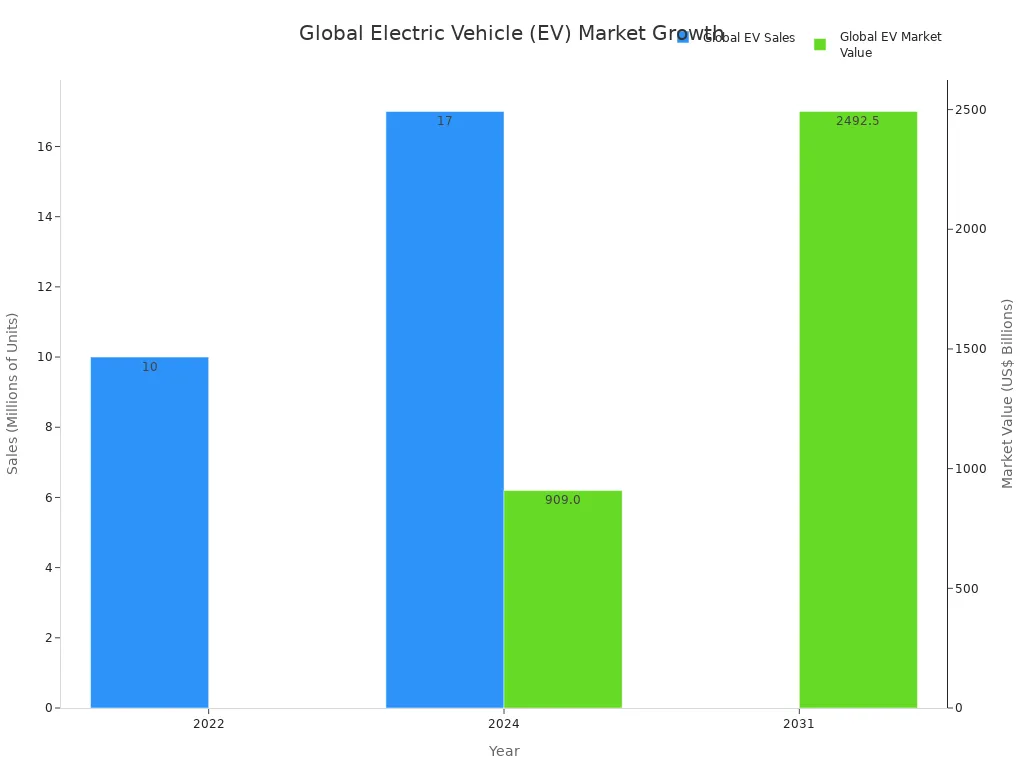
This isn’t science fiction. It is the future being built today through digital innovation. This technology transforms electric vehicle charging from a simple utility into a dynamic, connected digital service. The global smart charging market is projected to reach USD 27.6 billion by 2030, fueling this transition. This digital energy infrastructure supports the rapid growth of electric vehicles, with global sales of these vehicles jumping from 10 million in 2022 to 17 million in 2024.
Technologiquement avancé Fabricants de chargeurs de VE like TPSON are building the smart charging infrastructure for this digital energy transition. The charging infrastructure must keep pace with the growing number of EV vehicles on the road.
The ‘Smarter’ Revolution in Electric Vehicle Charging

L'avenir de la Chargement des VE is intelligent. The simple act of plugging in a vehicle is becoming a sophisticated digital process. This transition relies on a smart charging infrastructure that uses data and connectivity to optimize energy flow. Technologically advanced providers like TPSON are developing the smart charging infrastructure that makes this digital energy future possible. This technology transforms the electric vehicle charging infrastructure from a passive utility into an active, responsive digital network.
AI and Machine Learning in Charging Management
Artificial intelligence (AI) and machine learning are the brains behind the smarter electric vehicle charging experience. These systems analyze vast amounts of data to make charging more efficient, reliable, and affordable for all users.
Predictive Charging Demand
AI algorithms can forecast charging needs with remarkable accuracy. They analyze historical data, traffic patterns, and even public events to predict when and where drivers will need to charge their vehicles. Par exemple, Octopus Energy uses its AI-powered KrakenFlex platform to manage energy demand, demonstrating how digital technology can anticipate and schedule electrical loads effectively.
Équilibrage dynamique de la charge
One of the biggest challenges for electric vehicle charging is managing the strain on the power grid. AI-driven dynamic load balancing provides a powerful solution. Instead of all vehicles charging at once and creating a massive energy spike, the system intelligently distributes the electrical load. This technology ensures the stability of the local energy grid. The difference between old and new systems is significant.
| Load Balancing Metric | Traditional Systems | AI-Powered Systems |
|---|---|---|
| Temps de réponse | 15-30 minutes | 2-5 secondes |
| Load Prediction Accuracy | 60-70% | 85-92% |
| Network Efficiency | 70-75% | 88-94% |
| Peak Load Reduction | 15-20% | 35-45% |
Personalized EV Charging Recommendations
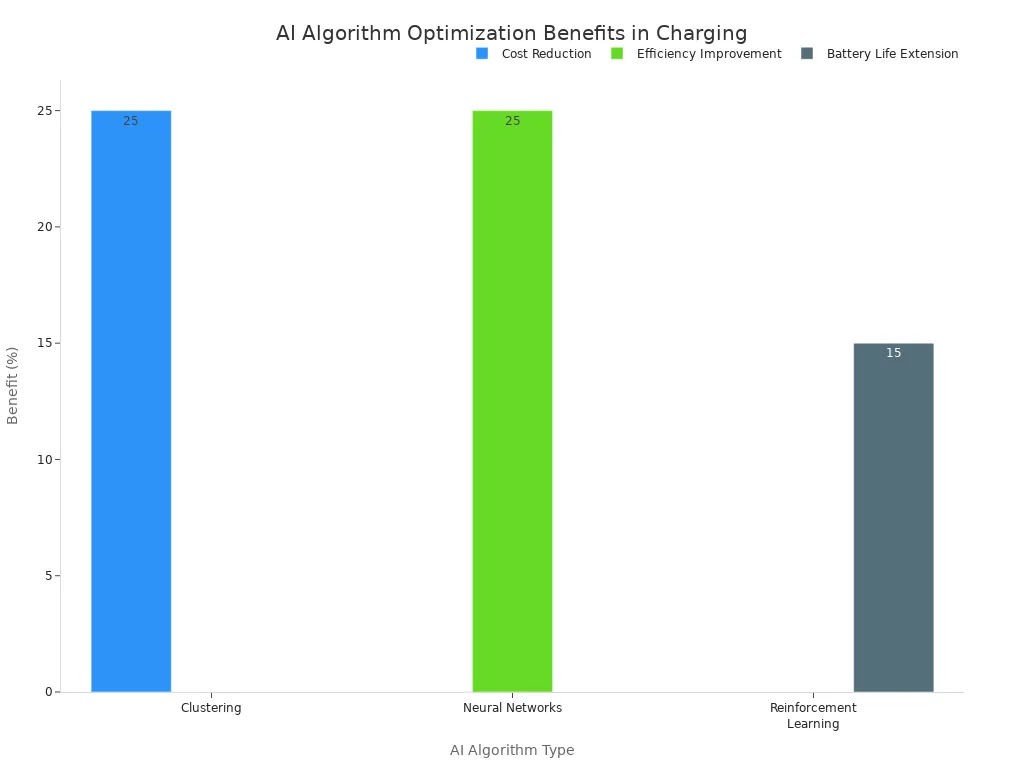
AI also delivers a customized charging experience for each driver. The system learns a user’s driving habits and preferences to suggest the best times and locations for charging. This personalization optimizes for cost, speed, and battery health. Different algorithms provide distinct benefits, from cost reduction to improved battery life, enhancing the overall value for the vehicle owner.
Smart Grid Integration: The Charger as a Grid Asset
Modern EV chargers are more than just power outlets; they are active participants in the energy grid. This integration is key to building a resilient and sustainable energy ecosystem.
Qu'est-ce qu'un réseau intelligent ?
A smart grid is an electrical grid that uses digital communication technology to detect and react to local changes in energy usage. It allows for two-way communication between the utility and its customers. This digital dialogue is the foundation of smart charging.
Programmes de réponse à la demande
Demand Response (DR) programs are a core feature of smart grids. Utilities can offer incentives to EV owners for adjusting their charging schedules. This helps balance energy supply and demand. Successful pilot programs, such as the one led by BSES Yamuna Power Limited (BYPL) in India, have proven that managed EV charging is a critical tool for grid operators.
Stabilizing Renewable Energy Sources
Smart charging plays a vital role in sustainability. The charging of electric vehicles can be scheduled to coincide with periods of high renewable energy generation, such as sunny or windy days. This maximizes the use of clean energy, reduces reliance on fossil fuels, and contributes to a healthier environment.
Digital Twins: Virtual Replicas for Real-World Optimization
To build and manage this complex charging infrastructure, operators are turning to another powerful digital tool: the digital twin.
Defining the Digital Twin
A digital twin is a virtual, real-time replica of a physical asset, such as a network of charging stations. This model is continuously updated with data from the real world, creating a living simulation of the charging infrastructure.
Simulating Network Stress
Operators use digital twins to simulate high-demand scenarios, like a holiday weekend. This allows them to identify potential bottlenecks and weaknesses in the infrastructure before they affect drivers.
Optimizing Charger Placement
Deciding where to build new charging stations is a critical challenge. Digital twins help planners analyze population density, traffic flow, and grid capacity to identify the optimal locations for new infrastructure, ensuring maximum availability and convenience.
Proactive Maintenance Modeling
By analyzing performance data, a digital twin can predict when a charger might fail. This enables proactive maintenance, reducing downtime and ensuring that the charging technology remains reliable for all electric vehicles.
The ‘Faster’ Frontier: Software-Driven Speed for Your Electric Car
Speed is not just about hardware. The future of EV charging is increasingly defined by sophisticated digital software that makes charging faster and more efficient. This digital intelligence optimizes the entire energy transfer process, from the grid to the vehicle’s battery.
Software’s Role in High-Speed Charging
Advanced software is the invisible force behind modern fast charging. It manages the complex interplay between the charger, the grid, and the electric vehicle to deliver maximum power safely.
Optimizing the Power Curve
Digital software dynamically adjusts the rate of energy flow during a charging session. It communicates with the vehicle’s battery management system to follow the optimal “power curve.” This ensures the battery receives the fastest possible charge without risking damage, pushing the limits of charging speed.
Battery Preconditioning via Software
A vehicle’s battery accepts energy most efficiently at a specific temperature. Smart electric vehicles use software to precondition their batteries, warming or cooling them as needed while driving to a station. This digital preparation means the battery is ready for maximum charging speed the moment it connects.
Over-the-Air (OTA) Updates for Chargers
The charging infrastructure can now evolve without physical intervention. Technologically advanced providers like TPSON build chargers that receive Les mises à jour OTA (over-the-air). This digital technology allows operators to deploy performance enhancements, new charging protocols, and security patches remotely, ensuring the infrastructure is always improving.
Predictive Maintenance: Fixing Problems Before They Happen
A fast charger is only useful if it works. Digital platforms use predictive analytics to ensure the reliability of the entire charging network.
How Predictive Maintenance Works
Sensors within chargers constantly stream operational data to a central platform. AI algorithms analyze this data to detect patterns that signal a potential future failure. This allows operators to schedule maintenance before a component breaks.
Reducing Charger Downtime
Proactive repairs significantly reduce charger downtime. This approach transforms maintenance from a reactive process to a strategic, data-driven operation. The result is a more robust and dependable electric vehicle charging network for all drivers.
The Driver’s Benefit: Reliability
For EV drivers, this technology provides confidence. Knowing that the charging infrastructure is actively monitored and maintained reduces anxiety about finding a broken charger. This reliability is essential for encouraging the widespread adoption of electric vehicles.
The Future of Ultra-Fast Charging (UFC)
The next frontier in speed is megawatt charging, designed for heavy-duty electric vehicles like trucks and buses. This leap in power is made possible by advanced digital control systems.
Megawatt Charging Systems (MCS)
MCS is a new standard for high-power fast charging. It aims to refuel large electric vehicles in the time it takes for a driver’s mandated break. Major manufacturers like MAN are already offering their new electric trucks with MCS capability. The technical specifications demonstrate a massive leap in energy delivery.
| Spécifications | Valeur |
|---|---|
| Taux de charge maximal | 3.75 megawatts |
| Ampérage | 3,000 amps |
| Tension | 1,250 volts DC |
This powerful technology enables incredible charging speeds for commercial vehicles:
- Electric truck batteries can charge from 20% to 80% in about 30 minutes.
- This allows drivers to add significant range during a standard rest break.
Software for Thermal Management
Delivering this much energy generates immense heat. Sophisticated digital software is crucial for thermal management. It monitors temperatures in real-time and adjusts the energy flow to keep both the vehicle and charging equipment within safe operational limits.
Balancing Speed with Battery Health
The ultimate goal is to balance raw speed with the long-term health of the vehicle’s battery. Smart charging algorithms ensure that even at megawatt speeds, the charging process does not cause premature degradation. This digital oversight protects the owner’s investment in their electric vehicles.
The ‘Connected’ Ecosystem: A Unified EV Charging Experience
The future of EV charging is not just about individual stations; it is about creating a seamless, interconnected digital network. This connected ecosystem removes friction for drivers and transforms electric vehicles into active participants in the energy grid. The goal is a unified experience where charging is simple, automated, and intelligent.
The End of App Overload: Unified Charging Networks
A key step in this transition is solving the fragmented nature of the current charging infrastructure.
The Problem with Fragmented Networks
Today, drivers often need multiple apps and accounts to access different charging networks. This creates confusion and frustration, hindering the user experience and slowing the adoption of electric vehicles.
The Rise of Roaming Agreements
Roaming agreements are powerful solutions to this problem. They create interoperability between charging networks, allowing a driver to use one account to access thousands of chargers from various providers. For example, NewMotion has built a network of over 100,000 public charging points across Europe through partnerships with more than 200 roaming partners. This level of interoperability between charging networks is fundamental to a user-friendly charging infrastructure.
Aggregator Apps and Platforms
Aggregator platforms take this a step further. They combine multiple networks into a single digital interface. This gives drivers a comprehensive map of charger availability and payment options, simplifying the entire electric vehicle charging process.
Seamless Payments: The Magic of Plug & Charge
The ultimate goal is to make charging as simple as plugging in the cable. New digital standards are making this a reality.
How Plug & Charge (ISO 15118) Works
Plug & Charge technology, based on the ISO 15118 standard, automates authentication and payment. It eliminates the need for RFID cards or mobile apps. The vehicle communicates directly with the charger to securely handle identification and billing. This digital handshake streamlines the fast charging experience.
The Security Behind the Convenience
This convenience is backed by robust digital security. The ISO 15118 protocol uses encrypted communication and digital certificates to protect user data and prevent fraud, ensuring every transaction is safe.
The Future of Automated Payments
Automakers are increasingly adopting this technology. Vehicles like the Cupra Born already support Plug & Charge, signaling a future where automated payments become the standard for all new electric vehicles.
Vehicle-to-Grid (V2G): Your Car as a Power Plant
A connected smart charging infrastructure unlocks the potential for vehicles to support the energy grid.
Explaining V2G Technology
Vehicle-to-Grid (V2G) technology enables two-way energy flow. An electric vehicle can not only draw power from the grid but also send stored energy back to it during times of high demand.
How Drivers Can Earn Money
V2G creates a new revenue stream for EV owners. Energy companies offer financial incentives for this service.
Pilot programs show significant earning potential. The Kaluza project pays owners for energy sold back to the grid, tandis que an Octopus Energy trial indicated participants could save hundreds of pounds annually compared to unmanaged charging.
The Role of Bidirectional Chargers
This capability requires special hardware. Technologically advanced providers like TPSON are developing the bidirectional chargers that form the backbone of a V2G-enabled smart charging infrastructure. These chargers manage the complex two-way flow of energy.
V2G’s Impact on Grid Resilience
V2G technology enhances grid stability and sustainability. Successful pilot projects have demonstrated its value.
- Le Electric Nation project in the UK showed V2G could reduce grid strain.
- Le Parker Project in Denmark highlighted energy management benefits for commercial fleets.
This digital energy exchange helps balance supply and demand, supports the integration of renewable energy sources, and builds a more resilient electric infrastructure for the future.
Building the Digital Backbone: The Future of EV Charging Infrastructure
A robust smart charging infrastructure relies on a powerful digital backbone. This invisible framework of software, cloud platforms, and data analytics enables the management, optimization, and expansion of the entire Chargement des véhicules électriques network. It is the operational core that makes a smarter, faster, and connected charging experience possible for all electric vehicles.
Cloud Platforms for Charge Point Operators (CPOs)
Cloud-based management platforms are the central nervous system for any modern charging network. Technologically advanced providers like TPSON build hardware that integrates seamlessly with these digital solutions.
Centralized Station Management
CPOs use centralized platforms to oversee their entire network from a single dashboard. This digital control hub allows them to resolve many issues remotely, such as rebooting a faulty charger. This capability significantly reduces the need for on-site visits and minimizes charger downtime, improving the availability and reliability of the charging infrastructure.
Real-Time Monitoring and Analytics
Modern CPO platforms provide deep operational insights. Companies like Field Dynamics use AI to analyze site data, helping operators identify the best locations for future growth. Other solutions, such as DES Energy’s EcoStruxure™ EV Advisor, offer real-time remote monitoring and troubleshooting. This constant flow of data helps CPOs increase uptime and reduce operating expenses.
Scalability for Network Growth
As the number of electric vehicles grows, the charging infrastructure must scale efficiently. Cloud platforms are built with a distributed architecture. This design ensures that high user demand in one area does not slow down performance elsewhere. Dynamic resource allocation and load balancing distribute digital traffic evenly, maintaining optimal performance and availability as the network expands globally.
Digital Tools for Infrastructure Rollout
Deploying public charging infrastructure is a complex task. Digital tools are essential for streamlining this process, from initial planning to final installation.
Streamlining On-Street Charger Deployment
Cities and councils now use specialized digital tools to accelerate charging infrastructure development. Platforms like ‘ChargePoint Navigator’ integrate local EV and electricity network data. This gives planners a holistic view, simplifying site selection and reducing costs for new charging stations.
GIS Mapping for Site Selection
Geographic Information Systems (GIS) are critical for strategic planning. Planners use GIS to layer multiple datasets, including traffic patterns, population density, and grid capacity.
By analyzing data on properties lacking off-street parking, local authorities can prioritize these neighborhoods for public charging solutions. This data-driven approach ensures the charging infrastructure is built where it is most needed.
Digital Permitting and Compliance
Digital platforms also help manage the administrative side of infrastructure projects. They can streamline the complex processes of permitting and regulatory compliance, ensuring that new installations meet all legal and technical standards. This digital workflow accelerates the entire deployment timeline.
Fleet Electrification Platforms
Commercial fleets represent a massive opportunity for electrification. Specialized digital platforms help businesses manage the transition and optimize the operation of their electric vehicles.
Optimizing Fleet Charging Schedules
Smart charging platforms create optimized schedules for fleet vehicles. For an electric bus depot, this means scheduling charging overnight when energy prices are lowest. The system ensures all vehicles are ready for their routes while minimizing energy costs.
Real-Time Vehicle and Charger Management
These platforms provide fleet managers with real-time visibility into both their vehicles and the charging infrastructure. Intelligent control systems manage the energy flow, balancing the needs of the vehicles with the capacity of the local energy grid. This digital oversight ensures high reliability for business-critical operations.
Reducing Total Cost of Ownership
Smart charging delivers significant financial benefits. A case study with the transport operator Stagecoach showed that combining high-power charging with intelligent software cut costs and increased energy resilience. By selling energy flexibility back to the grid, an electric bus fleet can generate tens of thousands of pounds in annual revenue, drastically reducing the total cost of ownership for its electric vehicles.
The User Experience: What This Means for the Everyday Driver

The transition to a smart charging infrastructure is reshaping the daily life of an electric vehicle driver. This digital evolution moves beyond simple energy transfer, creating a user-centric experience defined by confidence, cost savings, and connectivity. The future of electric vehicle charging is about making the technology disappear into a seamless, intuitive lifestyle.
De l'angoisse de l'autonomie à la confiance en la charge
The digital network directly addresses one of the biggest hurdles for EV adoption: range anxiety. Intelligent software solutions transform uncertainty into confidence.
Real-Time Charger Availability
Modern EV apps and in-car systems provide live data on charging stations. This information includes operational status, connector types, and charging speeds. This real-time availability of charging ensures drivers can find a functional charger when they need one, eliminating wasted trips to occupied or out-of-service units.
Smart Trip Planning
Advanced navigation systems create a new level of assurance for long journeys. These digital tools plan routes that incorporate necessary charging stops.
- They calculate an electric vehicle’s range based on battery level, road conditions, and driving style.
- They use real-time data to provide accurate range estimates, building driver confidence.
- Specialized apps optimize routes based on the charging infrastructure, energy consumption, and charger availability.
Systèmes de réservation
Some networks now offer the ability to reserve a charging spot in advance. This digital feature guarantees that a charger will be waiting, providing peace of mind for drivers on a tight schedule.
Cost Savings and New Opportunities
A connected charging infrastructure unlocks significant financial benefits and new opportunities for EV owners.
Smart Charging to Save Money
Smart charging allows vehicles to automatically charge during off-peak hours when electricity rates are lowest. This simple digital optimization can lead to substantial savings on home energy bills over the lifetime of the vehicle.
Monetizing Your EV with V2G
Vehicle-to-Grid (V2G) technology allows owners to sell stored energy back to the grid. This turns electric vehicles into active energy assets.
Drivers can earn money by supporting the local energy grid during peak demand. This creates a new revenue stream and lowers the total cost of ownership for their vehicles.
Access to Loyalty and Reward Programs
As the infrastructure de recharge matures, CPOs are introducing loyalty programs. These digital initiatives offer discounts, rewards, and other perks, adding value to the electric charging experience.
A Fully Integrated Digital Lifestyle
The electric vehicle is becoming a central component of a connected digital life. This integration extends from the car’s dashboard to the home and beyond.
In-Car Dashboards and Voice Assistants
Modern vehicles feature sophisticated digital dashboards and voice controls. Systems like Ford SYNC4 offer cloud-connected entertainment and vehicle management. Drivers can use voice commands to find nearby charging stations, check battery status, and manage their charging sessions, all while keeping their focus on the road.
Intégration aux systèmes énergétiques domestiques
The smart charging infrastructure extends into the home. Technologically advanced providers like TPSON are developing solutions that integrate the electric vehicle with home energy management systems. This allows for a holistic approach to energy usage, optimizing both vehicle charging and household consumption.
The EV as Part of the Internet of Things (IoT)
Ultimately, the electric vehicle becomes another intelligent device in the Internet of Things (IoT). It communicates with other smart devices, from your calendar to your home thermostat, to create a truly automated and efficient energy ecosystem. This digital future makes the management of electric vehicles effortless.
The convergence of smarter, faster, and connected technology is eliminating friction in electric vehicle charging. This digital transition creates a resilient and efficient smart charging infrastructure. The future of driving is electric, and its backbone is a powerful, intelligent digital network. This digital energy infrastructure makes charging as seamless as using a smartphone.
The transition to electric transport is accelerating. It is powered by the code, data, and connectivity that define our modern world. Technologically advanced providers like TPSON are building the digital energy solutions for this electric future. This technology ensures the availability of fast charging for every electric vehicle. The future of EV charging depends on this digital energy infrastructure.
FAQ
Qu'est-ce que la recharge intelligente ?
Smart charging is a digital system that optimizes energy delivery for electric vehicles. This intelligent charging process balances grid demand and can lower energy costs for drivers. It represents a significant leap in managing energy consumption efficiently.
How does software make charging faster?
Digital software manages the energy flow to the battery. It prepares vehicles for faster charging speeds by preconditioning the battery. This process protects the battery while delivering the quickest possible energy transfer.
What is Vehicle-to-Grid (V2G)?
Vehicle-to-Grid (V2G) enables two-way energy flow. Electric vehicles can sell stored energy back to the grid. This digital transaction helps stabilize the main energy supply during peak demand, turning vehicles into mobile energy assets.
Why are unified charging networks important?
Unified networks improve the charging experience. A single digital account provides access to a vast charging infrastructure. This simplifies payments and increases charger availability for all drivers, removing a major point of friction.
How do digital tools help build the charging infrastructure?
Digital tools help plan the best locations for new stations. They analyze data to ensure the infrastructure meets demand. This supports the efficient growth of the energy network for all electric vehicles.
What is the role of a bidirectional charger?
Chargeurs bidirectionnels are essential for V2G charging. They manage the two-way energy flow between vehicles and the grid. Technologically advanced providers like TPSON develop this critical digital energy infrastructure.