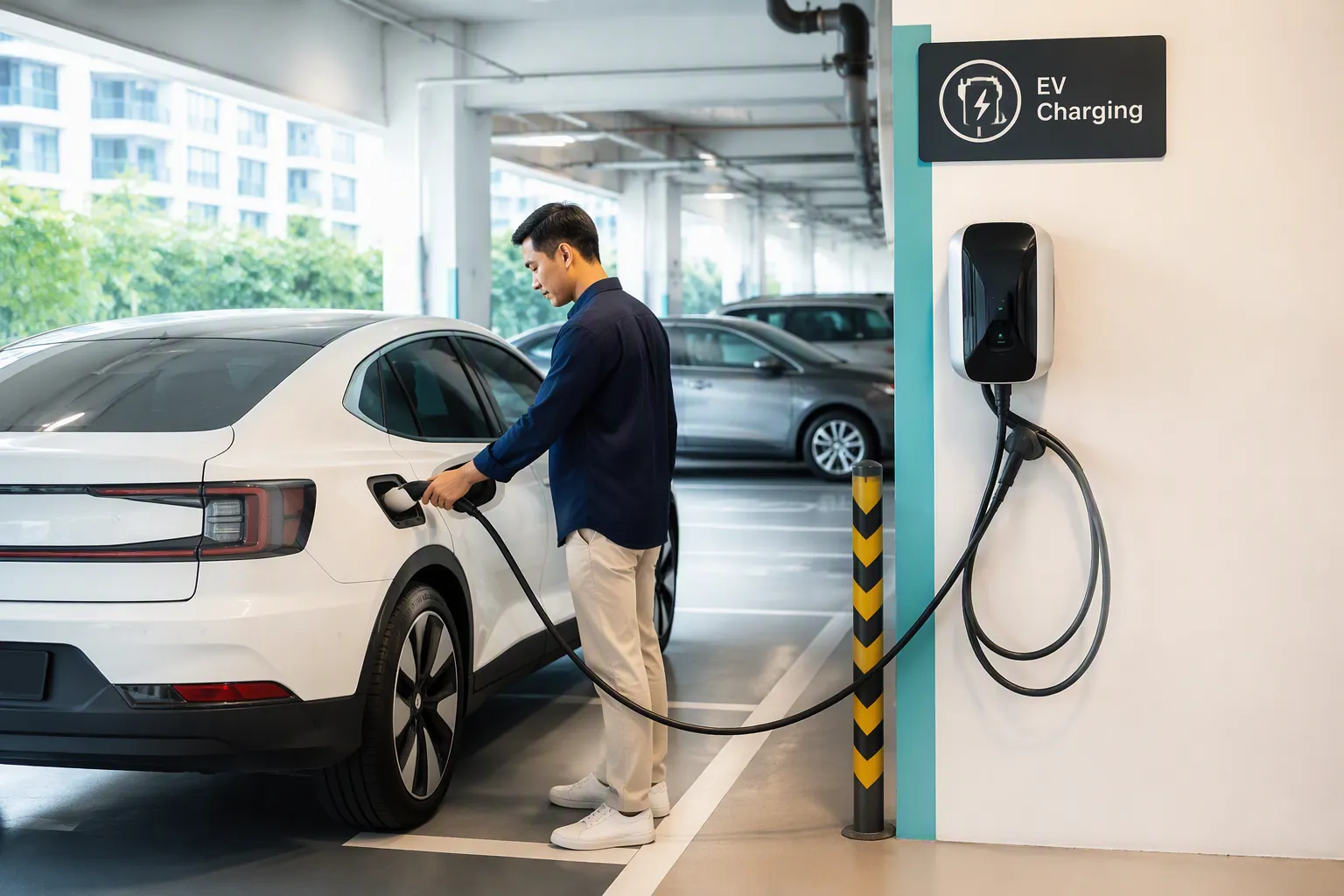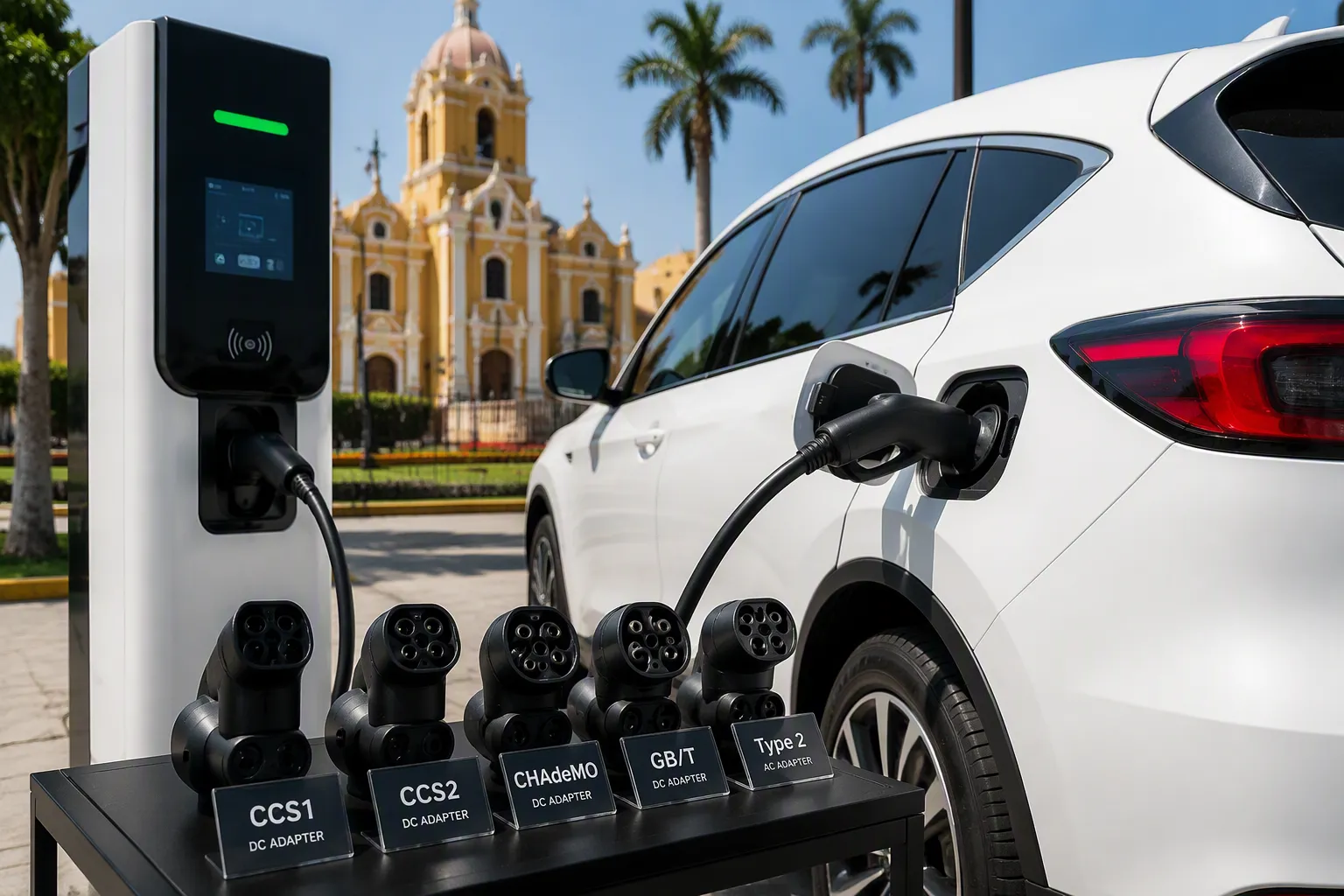
Apartment residents in Spain benefit from the Right to Charge Laws, which allow them to install an EV-Ladegerät in shared buildings. These regulations override local rules and provide legal clarity under Spain’s Horizontal Property Law. EV-Ladelösungen from providers like TPSON support compliance by working with approved Hersteller von EV-Ladegeräten. Residents also explore tragbare ev-ladegeräte for flexible charging options.
Right to Charge Laws in Spain: What the Law Says
Overview of Right to Charge Laws
Key Legal Provisions
Spain introduced right to charge laws to ensure apartment residents can install electric vehicle charging points in shared buildings. The law establishes clear regulations that override local restrictions and community rules. These regulations guarantee that owners and rental occupants have access to charging infrastructure. The law requires communities to respect the legal right of residents to install charging points, provided they follow technical and safety standards. Owners must notify their homeowners’ association before installation, but the law does not require approval in most cases. The regulations specify that installation costs fall on the individual requesting the charger, not the community. TPSON, a technologically advanced electric vehicle charging solution provider, assists residents in complying with these regulations by offering approved products and installation services.
Recent Updates and Reforms
Recent reforms to the right to charge laws in Spain have strengthened protections for apartment residents. Lawmakers updated regulations to streamline the notification process and clarify the responsibilities of owners and rental occupants. The law now requires homeowners’ associations to respond promptly to notifications, reducing delays for residents seeking to install EV chargers. Regulations also address technical requirements, ensuring that installations meet safety standards and minimize disruption to community property. The reforms reflect Spain’s commitment to sustainable mobility and support the growing demand for electric vehicles. TPSON continues to adapt its solutions to meet evolving legal requirements and regulations.
Who the Law Applies To
Apartment Residents
Right to charge laws apply to a broad range of residents in Spain, including owners and rental occupants in apartment buildings. Most individuals purchasing a home in Spain automatically become members of a community. Membership requires financial contributions based on property size, as specified in title deeds. The law ensures that both owners and rental tenants benefit from regulations that protect their right to install EV charging points. Residents must follow legal procedures for notification and installation, but regulations guarantee access regardless of ownership status.
- Owners and rental occupants in apartment buildings
- Individuals who become community members upon purchasing property
- Residents responsible for financial contributions proportional to property size
Homeowners’ Associations
Homeowners’ associations play a central role in enforcing right to charge laws and regulations. The law obliges associations to respect the legal rights of residents and facilitate the installation process. Regulations require associations to maintain community property and ensure that installations comply with safety standards. Associations must process notifications from owners and rental occupants without unnecessary delay. The law limits the ability of associations to block installations, except in cases where technical or safety concerns arise. TPSON works with associations to provide compliant charging solutions and support legal requirements.
Main Protections for Apartment Dwellers
Legal Safeguards
The law provides robust legal safeguards for apartment dwellers seeking to install EV charging points. Regulations guarantee that owners and rental residents cannot be denied access to charging infrastructure based on community rules. The law protects residents from arbitrary objections and ensures that installations proceed as long as technical standards are met. Legal provisions require associations to respect the rights of residents and process notifications efficiently. TPSON offers guidance to residents navigating legal procedures and regulations.
Note: Residents benefit from legal protections that prioritize their right to charge, making the process straightforward and secure.
Community Property Considerations
Regulations address the impact of EV charger installations on community property. The law requires residents to minimize disruption and ensure that installations do not compromise shared spaces. Owners and rental occupants must use approved installers and comply with safety standards. The law specifies that installation costs are borne by the individual, not the community, and financial contributions remain proportional to property size. Homeowners’ associations oversee compliance and maintain community property, but regulations limit their ability to object without valid technical reasons. TPSON provides solutions that respect community property and meet legal requirements.
Step-by-Step Guide: Installing an EV Charging Point in Spain
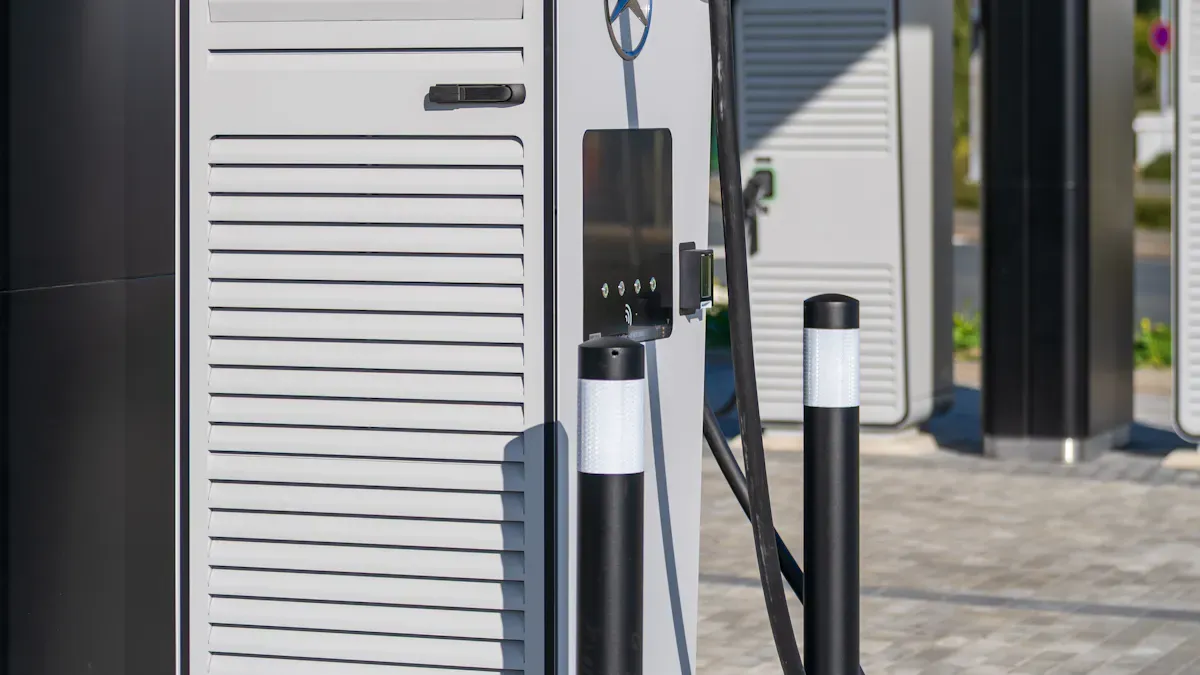
Notifying the Homeowners’ Association
How to Notify Your Community
Apartment residents must begin the process by informing their homeowners’ association. They should send a written notice that outlines their intention to install an electric vehicle charging point. Most communities accept notification by email or registered letter. Residents should keep a copy of this communication for their records. TPSON recommends using a template to ensure all necessary details appear in the notice.
Tip: Early notification helps prevent misunderstandings and speeds up the installation process.
Information Required for Notification
The notification must include specific information. Residents should provide their full name, apartment number, and contact details. They must describe the location of the proposed charging point and specify the technical characteristics of the device. The notice should also include the name of the approved installer and the expected installation date. Registration of the notification with the community ensures legal compliance and creates a clear record.
Technical and Safety Requirements
Approved Installers in Spain
Spain requires the use of certified installers for electric vehicle charging points. Residents should select professionals who hold official accreditation and experience with community installations. TPSON partners with approved installers who understand the legal and technical requirements. A list of certified installers is available from local authorities or through TPSON’s customer service.
Einhaltung von Sicherheitsstandards
Installations must comply with national safety standards. The installer must follow guidelines for electrical safety, fire prevention, and protection of shared spaces. The community may request proof of compliance before granting access to shared areas. Registration of the installation with local authorities may be necessary to confirm adherence to these standards.
Paperwork and Documentation
Essential Documents for Installation
Residents must gather several documents before installation. These include the installer’s accreditation, a technical report describing the charging point, and proof of insurance. The community may request a copy of the installation contract. Registration of these documents with the homeowners’ association ensures transparency.
Filing Procedures with the Community
The final step involves submitting all paperwork to the homeowners’ association. Residents should provide copies of the notification, technical report, and installer’s credentials. The community will review the documents and confirm receipt. Registration of the completed installation with local authorities may be required for legal and insurance purposes.
| Schritt | Responsible Party | Required Registration? |
|---|---|---|
| Notification | Resident | Ja |
| Einrichtung | Approved Installer | Ja |
| Final Documentation | Resident | Ja |
Note: TPSON supports residents throughout the registration process, ensuring compliance with all legal and technical requirements in Spain.
Permissions and Objections Under Right to Charge Laws in Spain
Permissions Needed for Installation
When Approval Is Not Required
Wohnungsbewohner in Spanien profitieren von vereinfachten Vorschriften, die oft die formelle Zustimmung von Eigentümergemeinschaften unnötig machen. Das Gesetz gewährt Einzelpersonen das Recht, Ladepunkte für Elektrofahrzeuge zu installieren, sofern sie technische und Sicherheitsstandards einhalten. Bewohner müssen die Gemeinschaft informieren, aber die Gemeinschaft kann die Installation nur bei berechtigten technischen oder Sicherheitsbedenken blockieren. TPSON unterstützt Bewohner indem es sicherstellt, dass Installationen alle gesetzlichen Anforderungen und Sicherheitsstandards erfüllen.
Wann eine Genehmigung erforderlich sein kann
Unter bestimmten Umständen sind zusätzliche Genehmigungen erforderlich. Bewohner müssen eine Genehmigungsbescheinigung vom Verwaltungsbevollmächtigten der Gemeinschaft einholen. Diese Bescheinigung wird auf der Jahreshauptversammlung (JHV) genehmigt. Lokale Behörden verlangen zudem eine Baugenehmigung, die je nach Umfang der Installation als Genehmigung für größere oder kleinere Bauarbeiten eingestuft werden kann. Alle Arbeiten müssen in den Eigentumsurkunden des Gebäudes deklariert werden. Die folgende Liste fasst die erforderlichen Genehmigungen zusammen:
- Genehmigungsbescheinigung vom Verwaltungsbevollmächtigten der Gemeinschaft
- Genehmigung auf der Jahreshauptversammlung (JHV)
- Baugenehmigung vom örtlichen Rathaus
- Deklaration der Arbeiten in den Eigentumsurkunden des Gebäudes
Umgang mit Einwänden von Nachbarn und Gemeinschaften
Häufige Einwände in Spanien
Nachbarn und Gemeinschaften äußern manchmal Bedenken zur Installation von EV-Ladestationen. Häufige Einwände betreffen mögliche Beeinträchtigungen gemeinsamer Flächen, erhöhte Wartungskosten und Bedenken zur elektrischen Sicherheit. Einige Bewohner sorgen sich um die optische Wirkung der Ladeausrüstung in Gemeinschaftsbereichen. Gemeinschaften können hinterfragen, ob die Installation den Vorschriften für Gemeinschaftseigentum entspricht.
Rechtlicher Schutz für Bewohner
Das Gesetz schützt Bewohner vor willkürlichen Einwänden. Eigentümergemeinschaften müssen das gesetzliche Recht zur Installation von Ladepunkten respektieren, sofern keine technischen oder Sicherheitsprobleme vorliegen. Vorschriften verpflichten Gemeinschaften, Meldungen zügig zu bearbeiten und ihre Blockademöglichkeiten einzuschränken. TPSON bietet Bewohnern bei Einwänden Leitlinien und stellt die Einhaltung gesetzlicher Standards und Vorschriften für Gemeinschaftseigentum sicher.
Hinweis: Bewohner genießen einen starken rechtlichen Schutz, der ihr Laderecht priorisiert, selbst bei Einwänden.
Beilegung von Streitigkeiten und Widerständen
Schritte zur Streitbeilegung
Während des Installationsprozesses kommt es manchmal zu Streitigkeiten. Bewohner sollten alle Kommunikation dokumentieren und Aufzeichnungen über Meldungen und Genehmigungen führen. Bei anhaltenden Meinungsverschiedenheiten können sie eine formelle Überprüfung durch die Eigentümergemeinschaft beantragen. Die folgende Tabelle skizziert Schritte zur Streitbeilegung:
| Schritt | Maßnahme |
|---|---|
| Dokumentation | Alle Benachrichtigungen dokumentieren |
| Formelle Überprüfung | Überprüfung durch die Gemeinschaft beantragen |
| Technische Bewertung | Sicherheitskonformität nachweisen |
Mediation und rechtliche Unterstützung
Mediation bietet eine praktische Lösung bei eskalierenden Streitigkeiten. Bewohner können sich an lokale Mediationsdienste oder Rechtsfachleute wenden. TPSON unterstützt Bewohner durch Vermittlung von Rechtsexperten und technische Beratung. Rechtliche Unterstützung gewährleistet, dass die Rechte der Bewohner während des gesamten Installationsprozesses geschützt bleiben.
Tipp: Frühe Inanspruchnahme von Mediationsdiensten hilft bei der Konfliktlösung und fördert die Zusammenarbeit in der Gemeinschaft.
Kosten und Verantwortlichkeiten für EV-Laden in spanischen Wohnungen
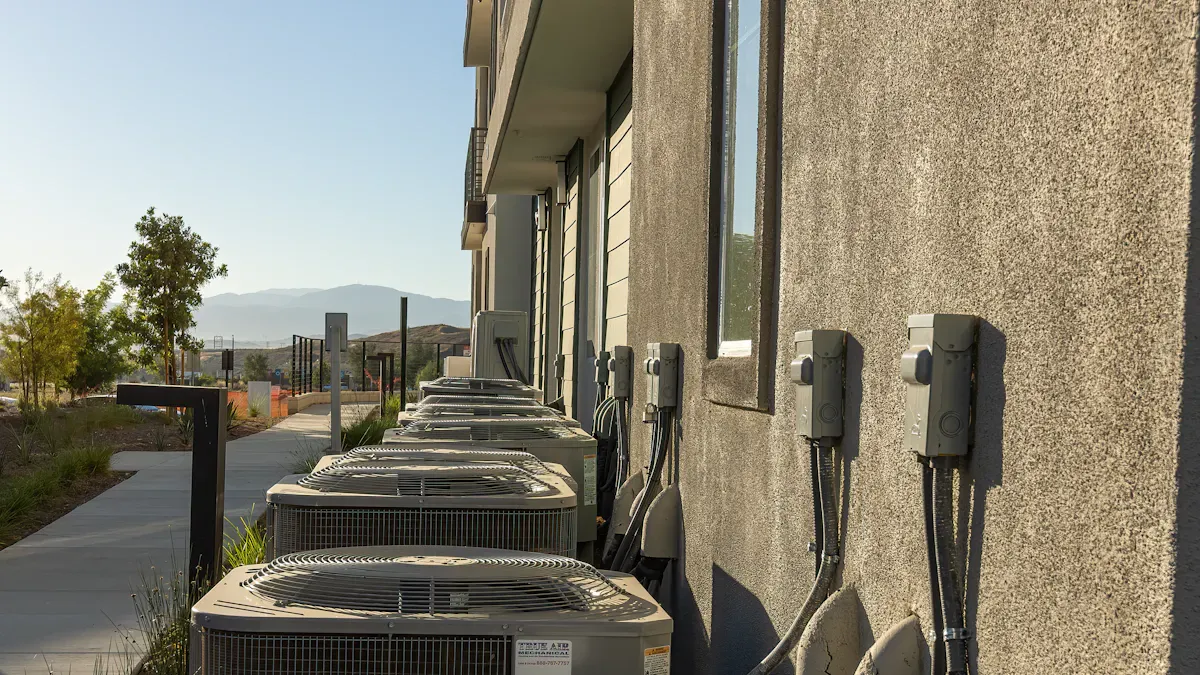
Wer trägt die Installationskosten
Individuelle vs. Gemeinschaftskosten
In spanischen Wohnanlagen liegt die finanzielle Verantwortung für die Installation eines Ladepunkts für Elektrofahrzeuge primär bei der antragstellenden Person. Ein Eigentümer oder Mieter muss die Kosten für Ausrüstung, Arbeitskraft und notwendige Upgrades der Elektroinfrastruktur tragen. Die Gemeinschaft beteiligt sich nicht an diesen Kosten, es sei denn, die Installation kommt mehreren Bewohnern zugute. TPSON bietet maßgeschneiderte Lösungen, die Eigentümern und Mietern helfen, Installationskosten effizient zu managen.
Gemeinschaftsgebühren und gemeinsame Ausgaben
Wenn mehrere Mieter oder Eigentümer gemeinsame Ladestationen installieren möchten, kann die Gemeinschaft einer Kostenaufteilung zustimmen. Gemeinsame Ausgaben umfassen oft Upgrades gemeinsamer Elektrosysteme oder die Installation zentralisierter Ladeinfrastruktur. Die Eigentümergemeinschaft legt die Gebührenverteilung fest, meist basierend auf Grundstücksgröße oder Nutzung. Mieter müssen sich mit der Gemeinschaft abstimmen, um ihre finanziellen Verpflichtungen zu verstehen. TPSON bietet Leitlinien für Gemeinschaften, die kosteneffiziente gemeinsame Ladelösungen suchen.
Wartung und Instandhaltung
Laufende Verantwortlichkeiten
Die Wartung von EV-Ladepunkten erfordert regelmäßige Aufmerksamkeit des Eigentümers oder Mieters. Regelmäßige Inspektionen stellen einen sicheren und effizienten Betrieb der Ausrüstung sicher. Vorbeugende Wartungsprogramme helfen, potenzielle Probleme vor Dienstunterbrechungen zu identifizieren. TPSON empfiehlt sowohl Eigentümern als auch Mietern, periodische Kontrollen einzuplanen, um optimale Leistung zu erhalten.
| Verantwortungsart | Beschreibung |
|---|---|
| Regelmäßige Inspektionen | Durchführung routinemäßiger Kontrollen zur ordnungsgemäßen Funktion der Ladeausrüstung. |
| Vorbeugende Wartung | Umsetzung eines geplanten vorbeugenden Wartungsprogramms (PPM) zur frühzeitigen Identifizierung potenzieller Probleme. |
| Komponententests | Periodische Tests von Transformatoren, Leistungsschaltern und Kühlsystemen zur Sicherstellung optimalen Betriebs. |
| Lastverteilungsprüfungen | Überwachung der elektrischen Lastverteilung zur Erkennung von Unregelmäßigkeiten bei Ladezeiten. |
| Sicherheitsinspektionen | Regelmäßige Prüfungen von Stromversorgung, Steckern und Kabeln zur Reduzierung von Sicherheitsrisiken. |
| Einhaltung der Vorschriften | Sicherstellung der Einhaltung von Vorschriften für öffentliches Laden und Gesundheitsschutzprotokolle. |
Handhabung von Reparaturen und Problemen
Bei technischen Problemen muss der Eigentümer oder Mieter Reparaturen veranlassen. Zertifizierte Installateure in Spanien bearbeiten die meisten Probleme unter Einhaltung der Sicherheitsstandards. Die Eigentümergemeinschaft kann bei Reparaturen helfen, wenn der Ladepunkt Gemeinschaftseigentum betrifft. TPSON vermittelt Eigentümern und Mietern qualifizierte Fachleute für schnellen Service.
Tipp: Planung vorbeugender Wartung reduziert das Risiko unerwarteter Ausfälle und verlängert die Lebensdauer der Ladeausrüstung.
Stromverbrauch und Abrechnung
Messung und Zahlung
Der Stromverbrauch für EV-Laden in spanischen Wohnungen wird durch fortschrittliche Messsysteme erfasst. Das Monta-Portal ermöglicht Eigentümern und Mietern die zentrale Verwaltung von Ladestationen. Transparente Abrechnung gewährleistet genaue Nachverfolgung, und Zahlungen werden direkt über die Monta-App abgewickelt. Intelligente Technologie optimiert das Laden für Energieeffizienz und Kosteneffektivität.
| Merkmal | Beschreibung |
|---|---|
| Zentrale Steuerung | Einfache Verwaltung aller Ladestationen über das Monta-Portal. |
| Transparente Abrechnung | Die Monta-App gewährleistet genaue Nachverfolgung und Abrechnung. |
| Überall laden | Use any of the shared chargers installed in your complex. |
| Simple Payments | Pay for your electricity directly through the Monta app. |
- The charging station communicates with the vehicle to ensure compatibility and safety.
- It delivers electricity at varying speeds based on the station’s capabilities.
- Smart technology optimizes charging for energy efficiency and cost-effectiveness.
Shared vs. Individual Usage
Owner and rental residents may choose between individual and shared charging arrangements. Individual usage involves a dedicated charging point with separate metering and billing. Shared usage allows multiple rental occupants or owners to access communal chargers, with costs divided according to usage. The homeowners’ association manages shared billing and ensures fair allocation. TPSON supports both individual and shared solutions, helping rental and owner users select the best option for their needs.
Note: Clear billing and maintenance procedures help rental and owner residents avoid disputes and ensure reliable EV charging in Spain.
Practical Tips for Apartment Dwellers in Spain
Communicating with Neighbors and Associations
Effective Communication Strategies
Apartment dwellers often achieve the best results by maintaining open and respectful communication with neighbors and homeowners’ associations. They should schedule meetings or send clear written notices before starting any installation process. Residents can use visual aids or simple diagrams to explain where the charging point will be placed. This approach helps everyone understand the project and reduces confusion. TPSON recommends that rental users document all communications for future reference.
Addressing Concerns Proactively
Many neighbors worry about changes to shared spaces or increased costs. Residents should listen to these concerns and provide accurate information about the installation. They can share details about safety standards, the use of approved installers, and the benefits of electric vehicle charging. Rental occupants who address questions early often prevent misunderstandings. They can also invite a TPSON representative or installer to answer technical questions during community meetings.
Choosing the Right Installer in Spain
Finding Qualified Professionals
Selecting a certified installer ensures compliance with legal and safety requirements. Residents should request proof of accreditation and experience with apartment installations. TPSON partners with professionals who understand the unique needs of rental properties. Residents can ask for references or check online directories provided by local authorities. A qualified installer will explain the process and answer questions about technical details.
Comparing Quotes and Services
Apartment dwellers should collect multiple quotes before making a decision. They can compare prices, timelines, and included services. Some installers offer maintenance packages or extended warranties, which benefit rental users who want long-term reliability. Residents should review the scope of work and confirm that all costs appear in writing. TPSON provides transparent pricing and supports both individual and shared rental installations.
Planung für den zukünftigen EV-Ladebedarf
Anticipating Growth in EV Ownership
Data indicates that visibility of chargers is the primary driver for EV adoption. When people see chargers in their neighborhood, their confidence in making the switch increases by nearly 40%.
Residents should consider the future demand for charging points in their building. As more people choose electric vehicles, the need for additional chargers will rise. In 2021, 42% of EV owners living in cities did not have access to home charging. Rental occupants who plan ahead can avoid costly upgrades later. They should discuss options for expanding infrastructure with the homeowners’ association and TPSON.
Upgrading Infrastructure
- In Spain, 70% of the eligible cost for charging infrastructure installation is covered by financial support.
- Rental users can benefit from government incentives when upgrading electrical systems.
- TPSON offers scalable solutions that allow for easy expansion as more residents adopt electric vehicles.
- Residents should keep records of all upgrades and communicate plans with the association to ensure smooth implementation.
Apartment dwellers who follow these practical tips create a supportive environment for electric vehicle charging. They help their community prepare for the future and make sustainable choices easier for everyone.
Keeping Records and Documentation
Proper record-keeping ensures smooth installation and ongoing operation of electric vehicle charging points in Spanish apartments. Apartment dwellers who maintain organized documentation avoid disputes and simplify maintenance. TPSON recommends a systematic approach to paperwork and tracking for all residents.
Organizing Paperwork
Residents must collect and store essential documents related to their EV charging installation. These documents include installation contracts, technical reports, insurance certificates, and approval letters from the homeowners’ association. Keeping paperwork in a dedicated folder, either physical or digital, helps residents access information quickly when needed.
- Installation Contract: Outlines the scope of work, costs, and installer details.
- Technical Report: Describes the specifications and safety features of the charging point.
- Insurance Certificate: Provides proof of coverage for potential damages or accidents.
- Approval Letters: Confirms permissions from the homeowners’ association and local authorities.
Tip: Digital storage solutions, such as cloud drives, offer secure and convenient access to important documents. Residents can scan and upload paperwork to prevent loss or damage.
A well-organized folder streamlines communication with TPSON, installers, and community administrators. Residents who maintain clear records demonstrate compliance with legal requirements and facilitate future upgrades.
Tracking Maintenance and Usage
Routine maintenance and usage tracking extend the lifespan of EV charging equipment and ensure safety. Residents should log each inspection, repair, and upgrade performed on their charging point. TPSON provides maintenance schedules and checklists to support apartment dwellers.
| Wartung Aufgabe | Frequenz | Responsible Party |
|---|---|---|
| Visuelle Inspektion | Monatlich | Resident/Installer |
| Sicherheitsprüfungen | Vierteljährlich | Approved Installer |
| Component Replacement | Nach Bedarf | Installer |
| Software-Aktualisierungen | Semi-annually | TPSON/Installer |
Residents can use a simple logbook or digital spreadsheet to record maintenance activities. Tracking usage helps identify patterns, optimize charging times, and manage electricity costs. The Monta portal, integrated with TPSON solutions, allows residents to monitor charging sessions and receive alerts for scheduled maintenance.
- Log each charging session, noting date, duration, and energy consumed.
- Record maintenance actions, including inspections and repairs.
- Review usage reports to detect irregularities or inefficiencies.
Note: Consistent tracking supports warranty claims and ensures compliance with community regulations. Residents who document maintenance and usage build trust with neighbors and associations.
Apartment dwellers who prioritize record-keeping and documentation enjoy reliable EV charging and minimize administrative challenges. TPSON’s support tools simplify paperwork and tracking, making sustainable mobility accessible for all residents.
Government Incentives and Support for EV Charging in Spain
Available Incentives for Apartment Dwellers
Subsidies and Grants
Wohnungsmieter und Mietnutzer in Spanien können erhebliche finanzielle Unterstützung für die Installation von Elektrofahrzeug-Ladepunkten erhalten. Die Regierung hat das MOVES-II-Programm, eingeführt, das direkte Zuschüsse zur Senkung der Anschaffungskosten der Installation gewährt. Dieses Programm deckt einen wesentlichen Teil der Kosten ab und erleichtert es Mietbewohnern, nachhaltige Mobilitätslösungen zu nutzen.
| Anreiz Typ | Förderquote | Höchstförderung |
|---|---|---|
| MOVES-II-Programm | 30%-40% | €100,000 |
Das MOVES-II-Programm gilt sowohl für individuelle als auch für gemeinschaftliche Ladepunkte in Wohnanlagen. Mietbewohner profitieren von dieser Unterstützung, unabhängig davon, ob sie einen privaten Ladepunkt installieren oder an einem Gemeinschaftsprojekt teilnehmen. TPSON hilft Mietnutzern bei der Beantragung und der Auswahl förderfähiger Geräte und stellt die Einhaltung der staatlichen Vorgaben sicher.
So beantragen Sie die Unterstützung
Mietbewohner müssen ein klares Verfahren befolgen, um staatliche Förderungen zu erhalten. Zunächst sollten sie sich mit ihrer Eigentümergemeinschaft beraten und einen zugelassenen Installateur wählen, wie etwa von TPSON empfohlene. Anschließend sammeln sie die erforderlichen Unterlagen, darunter Wohnnachweis, Installationsangebote und technische Spezifikationen. Nach Vorbereitung dieser Unterlagen reichen Mietnutzer ihren Antrag über das Online-Portal der regionalen Energieagentur ein.
Tipp: Eine frühzeitige Vorbereitung der Dokumente und Abstimmung mit dem Installateur können Genehmigung und Auszahlung beschleunigen.
Nach Genehmigung wird der Zuschuss direkt an den Antragsteller ausgezahlt oder von der Endrechnung abgezogen. Mietbewohner sollten alle Quittungen und Korrespondenz für spätere Referenzen aufbewahren.
Vorteile staatlicher Programme
Senkung der Installationskosten
Staatliche Anreize spielen eine entscheidende Rolle bei der Senkung der finanziellen Hürden für Mietbewohner. Durch die Übernahme von bis zu 40 % der Installationskosten machen diese Programme das Laden von Elektrofahrzeugen für ein breiteres Publikum zugänglich. Die folgende Tabelle zeigt, wie sich Spaniens Politik im Vergleich zu anderen Ländern darstellt:
| Land | Initiative Beschreibung | Auswirkungen auf die Installation von E-Ladepunkten |
|---|---|---|
| Spanien | Staatliche Maßnahmen zur Förderung öffentlicher E-Ladeinfrastruktur | Ermutigt zur Installation in Wohngebäuden |
| UK | Vorschlag zur Ladepunktinstallation in allen Neubauten | Setzt einen Präzedenzfall für ähnliche Richtlinien |
| Verschiedene | Wichtige staatliche Maßnahmen zur Förderung öffentlicher E-Ladeinfrastruktur in mehreren Ländern | Zeigt globale Trends in der E-Ladeinfrastruktur auf |
Mietnutzer in Spanien verzeichnen eine direkte Verringerung ihrer Eigenausgaben. TPSON arbeitet mit Mietgemeinschaften zusammen, um verfügbare Fördermittel zu maximieren und den Installationsprozess zu optimieren.
Förderung nachhaltigen Lebens
Anreizprogramme bewirken mehr als nur Kostensenkungen. Sie fördern eine Kultur der Nachhaltigkeit unter Mietbewohnern. Wenn Mietbewohner Ladepunkte in ihren Gebäuden installiert sehen, gewinnen sie Vertrauen in den Umstieg auf Elektrofahrzeuge. Diese Sichtbarkeit ermutigt andere, umweltfreundliche Transportoptionen in Betracht zu ziehen.
Mietgemeinschaften, die staatliche Unterstützung nutzen, tragen zu sauberer Luft und reduzierten Emissionen bei. TPSON bietet Mietnutzern kontinuierliche Beratung, hilft bei der Wartung der Ladeinfrastruktur und hält sie über neue Förderungen auf dem Laufenden.
Hinweis: Mietbewohner, die staatliche Programme nutzen, sparen nicht nur Geld, sondern unterstützen auch eine grünere Zukunft für ihre Gemeinschaft.
Wohnungsmieter in Spanien genießen umfassenden rechtlichen Schutz bei der Installation von E-Ladepunkten. TPSON bietet fortschrittliche Lösungen, die Compliance und Installation vereinfachen. Bewohner profitieren von staatlichen Anreizen und proaktiver Planung. Langfristige Vorteile umfassen:
- Verbesserte Nachhaltigkeit und ESG-Kriterien.
- Stetige finanzielle Erträge für Vermieter.
- Zukunftssicherung von Immobilienwerten.
- Einhaltung von Vorschriften und Zugang zu Zuschüssen.
- Erhöhter Komfort und Immobilienwert.
Diese Vorteile machen E-Laden für Wohnanlagen sowohl zugänglich als auch lohnenswert.
FAQ
Was ist das Recht-auf-Laden-Gesetz in Spanien?
Das Recht-auf-Laden-Gesetz erlaubt Wohnungsbewohnern die Installation von Elektrofahrzeug-Ladepunkten in Mehrfamilienhäusern. Das Gesetz schützt ihren Zugang und setzt sich über Gemeinschaftsbeschränkungen hinweg. Bewohner müssen technische und Sicherheitsstandards.
einhalten.
Muss die Eigentümergemeinschaft meine E-Ladepunkt-Installation genehmigen? Bewohner müssen die. Eigentümergemeinschaft.
informieren. Eine Genehmigung ist nicht erforderlich, es sei denn, es bestehen technische oder Sicherheitsbedenken. Die Gemeinschaft kann Installationen ohne triftige Gründe nicht blockieren.
Wer trägt die Kosten für Installation und Wartung des E-Ladepunkts?.
Der Bewohner, der die Installation beantragt, trägt alle Kosten. Auch die Wartungsverantwortung obliegt der Einzelperson. Bei gemeinschaftlichen Ladepunkten kann eine Kostenaufteilung unter den Nutzern erfolgen.
Welche Unterlagen werden für die Installation eines E-Ladepunkts benötigt?.
Bewohner benötigen die Zulassung des Installateurs, einen technischen Bericht, Versicherungsnachweis und die Benachrichtigung der Eigentümergemeinschaft. Eine Registrierung bei lokalen Behörden kann erforderlich sein.
Gibt es staatliche Förderungen für Wohnungsmieter, die E-Ladepunkte installieren?.
Spanien bietet Zuschüsse und Förderungen, wie das MOVES-II-Programm. Diese Anreize reduzieren die Installationskosten für individuelle und gemeinschaftliche Ladepunkte. TPSON hilft Bewohnern bei der Antragstellung.
Wie können Bewohner Einwände von Nachbarn behandeln?.
Bewohner sollten Bedenken durch klare Kommunikation ansprechen und Informationen zu Sicherheitsstandards bereitstellen. Rechtlicher Schutz stellt sicher, dass Installationen durchgeführt werden, sofern keine technischen Probleme vorliegen.
Welche Rolle spielt TPSON bei E-Ladepunkt-Installationen?.
TPSON bietet fortschrittliche Elektrofahrzeug-Ladelösungen. Das Unternehmen arbeitet mit zertifizierten Installateuren zusammen, unterstützt bei der Compliance und hilft Bewohnern bei Dokumentation und Anträgen für staatliche Förderungen.
Können Mieter E-Ladepunkte in ihrem Wohngebäude installieren?.