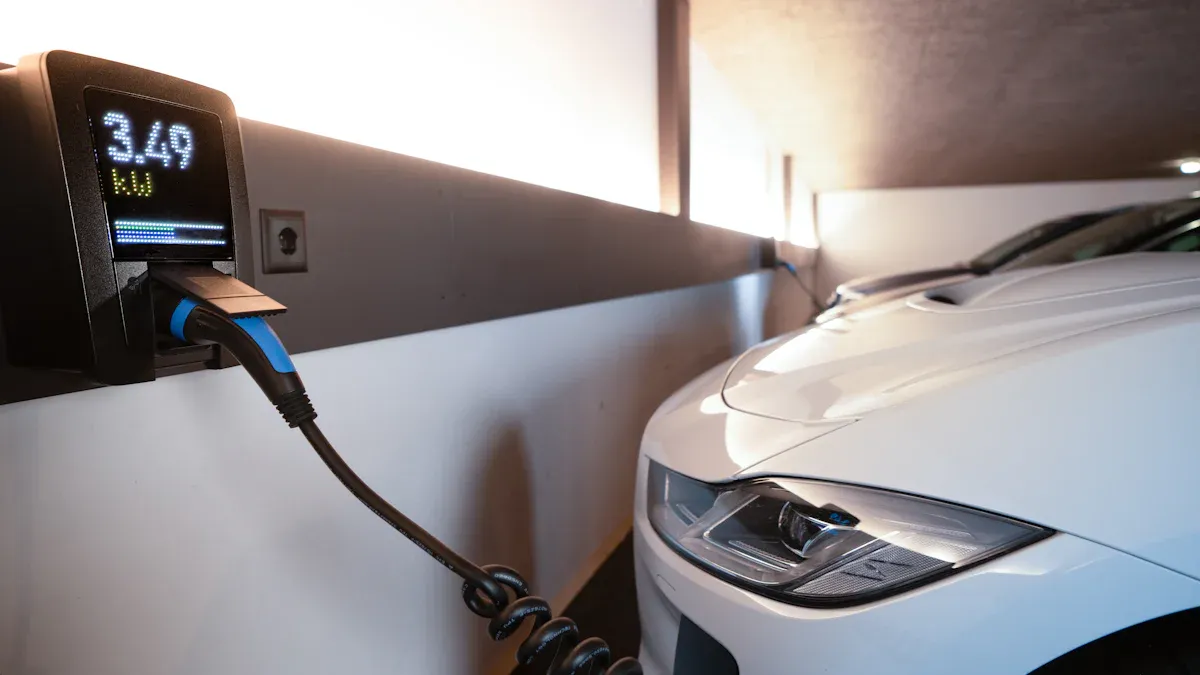
Hauseigentümer können eine EV-Ladegerät at home safely by following best practices and working with certified professionals. Most safety incidents occur when individuals ignore local codes or use incompatible equipment. Recent studies highlight several risk factors:
- The main risk of fire comes from the EV itself, especially lithium-ion batteries.
- Faulty or damaged batteries may cause thermal runaway, producing dangerous smoke and toxic gases.
| Risk Factor | Beschreibung |
|---|---|
| Überhitzung | Overheating in the main board or communication board can cause incidents. |
| Improper Installations | Incorrect installation methods increase safety risks. |
| Corrosion | Corrosion of the enclosure has been identified as a potential hazard. |
Proper planning, assessment, and ongoing maintenance ensure that EV charger installation remains safe and reliable. Hersteller von EV-Ladegeräten recommend regular inspections and compliance with all installation guidelines to prevent hazards.
Choosing the Right Home EV Charger for Safe Electric Car Charging
Understanding EV Charger Types for Home Use
Level 1 vs. Level 2 Home EV Chargers
Selecting the best home EV charger starts with understanding the differences between Level 1 and Level 2 chargers. Level 1 chargers plug into a standard 120V outlet and require an inspection of existing outlets to ensure safety. Level 2 chargers need a dedicated 240V circuit and professionelle Installation. The table below highlights key safety considerations:
| Ladegerät Typ | Sicherheitserwägungen | Anforderungen an die Installation |
|---|---|---|
| Stufe 1 | Requires inspection of existing outlets to ensure safety. | Can be plugged into standard 120V outlet. |
| Stufe 2 | Must use correct materials and installation techniques to avoid hazards. | Requires dedicated 240V circuit and professional installation. |
| Stufe 3 | High voltage requires specialized installation by trained professionals. | Only for commercial use, needs 480V to 1000V infrastructure. |
Level 2 chargers offer faster charging and safer operation for most homes. Level 3 chargers are not suitable for residential use.
Smart Chargers and Built-In Safety Features
Modern home EV chargers often include smart features that enhance safety. These chargers monitor charging sessions, detect faults, and automatically shut off power if they sense a problem. Many smart chargers also provide real-time data, helping users track energy use and identify issues early.
Matching Your Home EV Charger to Your Electric Car and Usage
Power Requirements for Safe Electric Car Charging
Matching the charger’s power output to the electric vehicle’s specifications is essential. Using a charger with a higher power rating than the car can handle may create unnecessary risks. The best home EV charger for each household depends on the vehicle’s connector type, power rating, and the home’s electrical capacity.
- Connector type (such as J1772 or CCS1) ensures the charger communicates with the vehicle.
- Power rating should match the car’s maximum charging capacity.
- Proper installation prevents overloads and maintains safety.
Charging Speed and Safety Considerations
Charging speed affects both convenience and safety. Level 1 charging is the least safe because it can overwhelm home circuits without specific protections. Level 2 charging uses dedicated circuits and wiring, reducing risks and supporting faster, safer charging. Homeowners should always verify that the charging speed aligns with the vehicle’s requirements.
Why the Right Home EV Charger Matters for Safety
Avoiding Electrical Overload Risks
A dedicated circuit for the home EV charger prevents circuit overload. This setup reduces the risk of overheating and fire hazards. ETL-certified chargers meet strict safety standards, minimizing the chance of electrical fires or short circuits.
Ensuring Compatibility with Your Electric Car
Compatibility between the charger and the electric car ensures safe and efficient charging. The right home charging system allows users to charge an electric car without risking damage to the vehicle or home electrical system. Professional installation further enhances safety by integrating dedicated circuit breakers and wiring into the home’s electrical system.
Tip: Always consult a certified electrician before you install an EV charger to ensure your home can support the chosen charger and charging speed.
Assessing and Upgrading Your Home’s Electrical System Before You Install an EV Charger
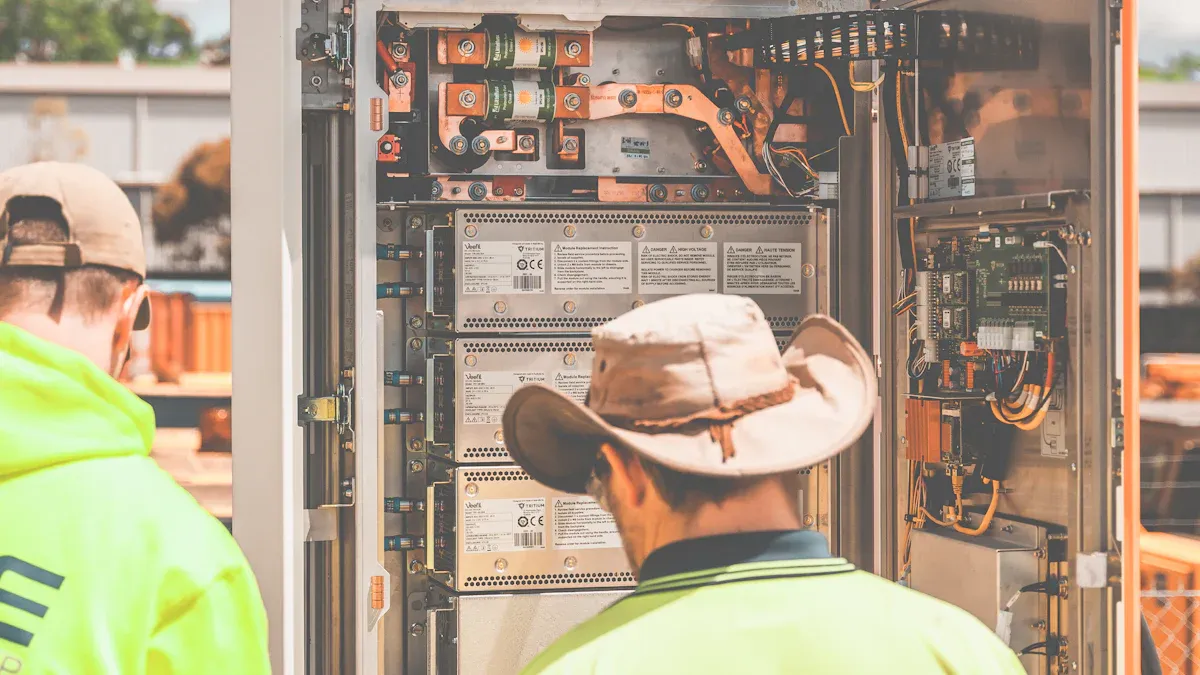
Evaluating Your Home’s Electrical Infrastructure
Panel Capacity and Required Upgrades for Home EV Charger Installation
A home’s electrical panel serves as the foundation for safe EV charging. Many older panels lack the capacity to support high-power devices. Electricians often recommend a site assessment to determine if the panel can handle the additional load. If the panel cannot support the new demand, an upgrade becomes necessary before installing a charger. This step helps prevent overheating and reduces the risk of electrical fires.
Wiring and Circuit Considerations for Electric Car Charging
Wiring quality and circuit design play a critical role in safe charging. Outdated wiring or circuits not designed for high loads can create hazards. Electricians check for proper wire gauge and ensure the circuit is dedicated to the EV charger. They also verify the presence of residual safety devices, such as circuit breakers and ground fault protection, to minimize risks.
Identifying and Addressing Potential Hazards
Outdated Electrical Systems and Safety Risks
Many homes have outdated electrical systems that increase the risk of incidents during electric car charging. Common hazards include:
- Outdated wiring
- Absent or faulty residual safety devices
- Inadequate power supply leading to overheating
These issues can result in electrical fires, shocks, or short circuits. Homeowners should address these hazards before proceeding with installation.
Overloaded Circuits and How to Prevent Them
Overloaded circuits represent a leading cause of electrical problems when installing an EV charger. Incorrect installation can lead to serious safety hazards, especially with high-power devices. To prevent overloads, electricians install dedicated circuits for charging and avoid connecting other appliances to the same line.
Preparing for Safe Home EV Charger Installation
Permits, Inspections, and Compliance Steps
Local regulations often require permits and inspections before installing an EV charger. These steps ensure the installation meets safety codes and reduces liability. Inspectors check the panel, wiring, and charger location for compliance. Homeowners should always follow these procedures to protect their property and investment.
Working with Utility Providers for Electric Car Charging
Utility providers play a key role in preparing a home for electric car charging. They may offer guidance on load management or suggest upgrades to support future needs. Some providers also require notification before installation to ensure the grid can handle the increased demand. Planning with the utility company helps avoid service interruptions and supports safe, efficient charging.
Tip: Safety organizations recommend performing a site assessment, using certified chargers, planning for future needs, and scheduling regular maintenance to ensure long-term safety and efficiency.
Why You Should Hire Certified Professionals to Install an EV Charger at Home

Risks of DIY Home EV Charger Installation
Electrical Shock and Fire Hazards
Homeowners who attempt to install an EV charger without professional help face significant risks. EV chargers operate at high voltages, and improper installation can lead to electric shocks, overheating, or fires. Handling live wires or failing to ground the system correctly increases the chance of electrocution. Incorrect wiring or overloaded circuits may cause overheating, which can result in fire hazards. Although fires caused by EVs inside homes remain rare, isolated incidents have been reported. Electric vehicles have a fire rate of about 25 fires per 100,000 vehicles sold, much lower than gasoline or hybrid vehicles, but the risk still exists when safety procedures are ignored.
- Electric shocks from improper wiring
- Overheating and fire hazards due to overloaded circuits
- Electrocution risks from handling live wires
- Rare but possible house fires linked to faulty charger installation
Code Violations and Legal Issues
DIY installation often leads to code violations. EV charger installations must meet strict wiring regulations. Failure to comply can result in substantial fines from local authorities. Many insurance providers deny claims if an incident occurs due to non-compliant electrical work. Unapproved modifications may void the warranty on the charger and jeopardize home insurance coverage. Performing unpermitted work can also lead to financial penalties.
- Fines for unpermitted electrical work
- Denied insurance claims for non-compliant installations
- Voided warranties from manufacturers
- Legal consequences for violating local codes
⚠️ Attempting to install an EV charger without a qualified electrician increases the risk of electrical shock, fire, and legal complications.
Benefits of Professional Home EV Charger Installation
Proper Installation Techniques for Electric Car Charging
Certified professionals bring expertise and experience to every installation. They follow industry standards and manufacturer guidelines to ensure the charger operates safely and efficiently. A qualified electrician understands the specific requirements for electric car charging, including proper wiring, grounding, and circuit protection. This approach reduces the risk of electrical hazards and ensures the charger functions as intended.
| Nutzen Sie | Beschreibung |
|---|---|
| Sicherheit | Certified professionals ensure that the installation is safe and meets all necessary safety standards. |
| Compliance with local codes | They guarantee that the installation adheres to local electrical codes and regulations. |
| Reliable installation process | Hiring certified installers provides assurance that the installation will be done correctly and efficiently. |
Warranty, Insurance, and Peace of Mind
Professional installation protects the homeowner’s investment. Most certified installers offer a one-year warranty covering any issues that arise from the installation. Insurance providers trust work performed by qualified electricians, which helps maintain coverage in case of an incident. Manufacturers require professional installation to keep warranties valid. Homeowners gain peace of mind knowing their charger meets all safety and compliance standards.
- One-year warranty for installation issues
- Insurance coverage for compliant installations
- Protection of manufacturer warranties
- Confidence in the safety and reliability of the charging system
💡 Hiring a qualified electrician to install an EV charger ensures long-term safety and protects your home and vehicle investment.
How to Choose the Right Installer for Your Home EV Charger
Credentials, Licensing, and Experience
Selecting the right professional for EV charger installation requires careful evaluation. Homeowners should check if the installer appears on the official SEAI Registered Electrical Contractors list. They should verify electrical certification, such as RECI (Safe Electric) or ECSSA registration, and confirm public liability insurance. Experience with specific EV charger brands and knowledge of load balancing or solar PV integration adds value. A qualified electrician provides a clear, written quote detailing costs and included services.
- SEAI registration for electrical contractors
- RECI or ECSSA certification
- Proof of public liability insurance
- Experience with preferred charger brands
- Transparent, written quotes
Checking References and Customer Reviews
Homeowners should assess the installer’s customer service and willingness to provide pre-installation consultations and aftercare support. Checking references and reading customer reviews helps confirm the installer’s reliability and professionalism. A qualified electrician who offers guidance on smart features, energy-efficient solutions, and charger integration with smart meters demonstrates a commitment to quality service.
- Pre-installation consultation and aftercare support
- References from previous clients
- Ability to recommend smart charging solutions
🛠️ Choosing a qualified electrician with strong credentials and positive feedback ensures a safe and efficient EV charger installation.
Meeting Safety and Compliance Standards When You Install an EV Charger
Local Codes and Regulations for Home EV Charger Installation
Permit Requirements for Electric Car Charging
Local building codes and electrical regulations play a critical role in home EV charger installation. Homeowners must check with their local building department to determine if permits are required for the installation. Most jurisdictions require a permit for installing a new EV charging circuit or hardwiring a station. Permit costs can range from $50 to $800, with an average around $310. No permit is needed if plugging into an existing outlet, but electrical upgrades almost always require approval.
- Installation must comply with local building codes and electrical regulations.
- The permit process can vary by location and may involve detailed inspections.
- Homeowners may face delays or challenges in obtaining necessary approvals.
| Aspekt | Einzelheiten |
|---|---|
| Local Regulations | Check with your local building department to determine if permits are required for the installation. |
| Antrag auf Genehmigung | Submit the necessary paperwork and fees to obtain the required permits. Safety permits ensure that the installation adheres to local electrical codes and safety standards, reducing the risk of electrical hazards. |
| Compliance with Codes | Familiarize yourself with local building codes and regulations to ensure compliance. |
Inspection Processes and What to Expect
After securing permits, most areas require an inspection before activating the charger. Inspectors review the installation to confirm it meets all safety standards and local codes. They check wiring, panel upgrades, and charger placement. Passing inspection ensures the charging system operates safely and legally.
Tip: Schedule inspections early to avoid delays in your home EV charger installation.
National Electrical Code (NEC) Guidelines for Home EV Chargers
Grounding and Circuit Protection for Safe Installation
The National Electrical Code (NEC) sets strict guidelines for home EV charger installation. Proper grounding and circuit protection prevent electric shock and fire hazards. Electricians must use dedicated circuits and install ground fault protection devices. NEC also requires weather-proof enclosures for outdoor chargers and proper ventilation for indoor charging stations.
| Anforderung | Beschreibung |
|---|---|
| Charging station location | Chargers must be positioned within 18’ to 25’ of the vehicle’s charging port for convenience. |
| Mounting height | Indoor chargers must be at least 18 inches off the ground; outdoor chargers at least 24 inches. |
| Maximum reach height | Chargers should not exceed 48 inches in height for accessibility. |
| Cable management systems | Cables longer than 25 feet must be enclosed in a dedicated management system to prevent hazards. |
| Electric shock protection | Chargers must include a system to prevent electric shock for user safety. |
GFCI and AFCI Requirements for Electric Car Charging
Ground Fault Circuit Interrupter (GFCI) and Arc Fault Circuit Interrupter (AFCI) devices are essential for electric car charging safety. GFCI protects users from electric shock by shutting off power if a fault occurs. AFCI detects dangerous electrical arcs and prevents fires. NEC requires these protections for all new home EV charger installations.
Manufacturer Recommendations for Home EV Charger Safety
Installation Instructions and Best Practices
Manufacturers provide detailed installation instructions to ensure safety and performance. They recommend using certified equipment and high-quality materials. Following these guidelines helps prevent hazards from substandard components and ensures the charger can safely handle electrical loads.
| Hauptaspekt | Bedeutung |
|---|---|
| Zertifizierte Ausrüstung | Ensures that the charging station can safely handle electrical loads and conditions. |
| High-Quality Materials | Prevents degradation and potential hazards from substandard materials. |
| Compliance with Standards | Adhering to national and international safety standards is crucial for safe installations. |
Safety Certifications and Compliance Labels
Homeowners should always select chargers with recognized safety certifications and compliance labels. These marks indicate that the charger meets national and international safety standards. Certified chargers reduce the risk of electrical hazards and support a safe environment for electric car charging at home.
Note: Always review the manufacturer’s documentation before you install an ev charger to ensure all installation requirements are met.
Establishing a Maintenance Routine for Your Home EV Charger
Regular Safety Checks for Electric Car Charging Equipment
Visual Inspections of Your Home EV Charger
Routine visual inspections help homeowners identify early signs of wear or damage. They should check the charger body for cracks, dents, or water ingress. Mounting brackets must remain stable, and protective covers should stay intact. Power indicators need to show normal operation. Clearing debris or ice from the unit prevents blockages and ensures safe charging. Regelmäßige Inspektionen also help spot corrosion or loose connections at the wall outlet, charger, and EV.
Testing Connections and Electrical Components
Testing connections and electrical components forms a critical part of ongoing safety. Homeowners should verify that all wiring remains tight and free from heat damage. They need to inspect for cracked or loose wires leading from the electrical panel to the charger. Routine assessments of protection devices, such as circuit breakers and GFCI outlets, are essential. Industry standards like IEC 61851 and UL 2202 recommend monthly or weekly checks, depending on usage. These checks help prevent overcurrents, short circuits, or leakage issues during electric car charging.
Tip: Establish a routine inspection schedule to identify potential issues before they become hazards.
Cleaning and Care for Your Home EV Charger
Keeping the Charger Area Clear and Safe
A clean and organized charging area supports both performance and safety. Homeowners should keep the space around the EV and charger free from flammable materials, clutter, and water puddles. Cables should not cross driveways, and monthly inspections for cracks or damage are recommended. Adequate ventilation during charging helps prevent overheating.
| Best Practice | Beschreibung |
|---|---|
| Clear Surroundings | Remove flammable materials and clutter from the charger area. |
| Kabelmanagement | Inspect cables monthly and keep them off the ground to avoid damage. |
| Belüftung | Ensure proper airflow during charging sessions. |
Protecting Against Weather and Environmental Hazards
Outdoor chargers require extra care to withstand environmental hazards. Homeowners should shield the charger from direct sunlight, rain, and extreme weather. A weatherproof enclosure can protect sensitive components. After storms or heavy rain, drying off connectors and checking for water accumulation prevents electrical faults. Regular cleaning with gentle methods removes dirt and moisture, extending the charger’s lifespan.
When to Call a Professional for Home EV Charger Maintenance
Signs of Wear, Damage, or Malfunction
Certain warning signs indicate the need for professional maintenance. If the charger shows visible damage, such as cracks or exposed wiring, a qualified technician should inspect the system. Slower charging times, overheating, or frequent interruptions signal underlying problems. Unusual noises, like buzzing or clicking, also require expert attention. After extreme weather events, even if damage is not visible, a professional inspection ensures continued safety.
- Visible damage or exposed wiring
- Charging speed has slowed down
- The charger overheats during use
- Intermittent charging or frequent disruptions
- Strange sounds during charging
Upgrading or Replacing Home EV Charger Components
Over time, components may wear out or become outdated. If the charger or its cables show signs of wear, upgrading or replacing them maintains safe operation. Homeowners should also consider updates if software becomes outdated or if the manufacturer recommends recalibration. Professionals can assess the system and perform necessary upgrades, ensuring the charger continues to safely charge an electric car.
Note: Regular maintenance and timely upgrades help prevent hazards and extend the life of the charging system.
Common Mistakes to Avoid When You Install an EV Charger at Home
Skipping Permits or Inspections for Home EV Charger Installation
Legal and Safety Risks of Non-Compliance
Many homeowners overlook the importance of obtaining permits and scheduling inspections before installing an EV charger. This mistake can create serious safety hazards, such as electrical malfunctions that may lead to fires. Skipping these steps also affects property value, as unpermitted installations often deter potential buyers. Insurance companies usually require proof of compliance with local codes. If a homeowner skips permits, the insurer may deny coverage for any charger-related incidents.
| Risiko | Was es bedeutet |
|---|---|
| Safety hazards | Unsafe wiring or setup |
| Fines and penalties | Extra costs from city or county |
| Insurance problems | No coverage for charger-related issues |
| Resale issues | Chargers not approved can lower value |
⚠️ Skipping permits can result in fines, unsafe charging conditions, and loss of insurance protection.
Using Incompatible Equipment for Electric Car Charging
Home EV Charger and Vehicle Mismatches
Using equipment that does not match the vehicle or home electrical system can compromise safety and performance. Non-certified adapters may bypass built-in safety systems, increasing the risk of electrical faults and fires. Swiss safety trials show that incompatible equipment can raise the risk of arc flash by up to 300%. Loose terminal connections, often caused by improper installation, account for 41% of Type 2 system failures and can create hotspots reaching 150°C.
- Non-certified adapters bypass safety features.
- Incompatible equipment increases arc flash risk.
- Loose connections cause overheating and system failures.
Homeowners should ensure their electrical system supports the chosen charging setup. Following manufacturer torque specifications prevents loose connections and reduces the risk of failure during charging.
Ignoring Manufacturer Guidelines for Home EV Charger Use
Voiding Warranties and Safety Certifications
Manufacturers provide detailed instructions to ensure safe and efficient charging. Ignoring these guidelines can lead to equipment damage, voided warranties, and even battery issues in the vehicle. Using off-brand chargers or failing to follow recommendations may result in longer charging times and compatibility problems. Manufacturers recommend specific chargers to guarantee optimal performance and safety.
- Manufacturer instructions help prevent safety hazards.
- Not following guidelines can void warranties.
- Off-brand chargers may damage the vehicle’s battery.
💡 Always follow the manufacturer’s recommendations for charging equipment and installation to protect your investment and ensure safe operation.
Neglecting Maintenance of Your Home EV Charger
Long-Term Safety and Reliability Issues
Many homeowners underestimate the importance of regular maintenance for their home EV charger. Over time, neglecting upkeep can create serious safety and reliability problems. Without routine checks, the charging process may slow down, leading to frustration and inconvenience. More importantly, a poorly maintained charger can overheat, increasing the risk of electric shocks or even electrical fires. These hazards threaten both the property and the people living in the home.
Regular maintenance ensures that the charging system operates efficiently. When dust, debris, or moisture accumulate around the charger, the risk of malfunction rises. Corrosion on connectors or cables can disrupt the flow of electricity, causing the EV to charge unpredictably or not at all. Homeowners who ignore these warning signs may face unexpected breakdowns or costly repairs.
A neglected charger also impacts the long-term health of the EV’s battery. Consistent, safe charging helps preserve battery life and performance. When the charger malfunctions, it may deliver inconsistent power, which can shorten the battery’s lifespan. This leads to higher replacement costs and contributes to electronic waste. By maintaining the charger, owners not only protect their investment but also support environmental sustainability.
The following list highlights common issues that arise from neglecting maintenance:
- Slower charging speeds, resulting in longer wait times
- Overheating of the charger or cables, which can damage components
- Increased risk of electric shocks during charging sessions
- Higher chance of electrical fires due to faulty wiring or connections
- Reduced lifespan of both the charger and the EV’s battery
⚠️ Regular upkeep is essential for safe and efficient charging. Skipping maintenance can lead to dangerous situations and expensive repairs.
A proactive approach to maintenance includes visual inspections, cleaning, and testing of all electrical connections. Homeowners should schedule professional assessments at least once a year to catch potential problems early. This routine not only extends the life of the charging equipment but also ensures reliable performance every time the EV needs power.
How Much Does an EV Charger Cost and What to Budget for Home Installation
Cost Factors for Home EV Charger Installation
Charger Type and Features
The price of a home EV charger depends on the type and features selected. Level 2 chargers remain the most popular for residential use, with prices ranging from $300 to $1,200. Smart chargers, which offer advanced monitoring and scheduling, typically cost an additional $100 to $300. The choice between a basic or smart charger affects both the upfront investment and the long-term convenience of charging.
Electrical Upgrades and Labor
Installation costs often increase when a home requires electrical upgrades. Adding a new circuit can cost between $200 and $800. Upgrading the electrical panel may add $500 to $2,000 to the total. Labor charges for professional installation usually fall between $400 and $1,500, depending on the complexity of the work. The following table summarizes typical price ranges:
| Kostenkategorie | Preisspanne |
|---|---|
| Level 2 Ladegerät Preis | $300-$1,200 |
| Smart Chargers (additional) | $100-$300 weiter |
| Installation eines neuen Stromkreises | $200-$800 |
| Aufrüstung der elektrischen Schalttafel | $500-$2.000 |
| Arbeitskosten | $400-$1.500 |
| Grundlegende Installation | $500-$1.000 |
| Standard-Installation | $1,000–$1,500 |
| Komplexe Installation | $1,500–$2,500 |
Comparing Professional vs. DIY Installation Costs
Safety, Warranty, and Long-Term Value
Professional installation of an EV charger comes with higher upfront costs but provides significant benefits. Certified electricians ensure safe charging, proper wiring, and compliance with local codes. They also help maintain the charger’s warranty and reduce the risk of costly mistakes. DIY installation may save on labor, but errors can lead to expensive repairs or safety hazards. Homes with a prepared electrical system may see lower costs, while those needing upgrades will pay more. Maintenance and future repairs should factor into the total cost. Installation costs can vary widely, especially if the home requires new wiring or circuit breakers.
Tip: Investing in professional installation offers peace of mind and long-term value, especially for those new to EV charging.
Additional Expenses for Home EV Charger Ownership
Permits, Inspections, and Maintenance
Homeowners should budget for additional expenses beyond the initial installation. Permit fees range from $50 to $800, with an average around $310. Regular maintenance ensures safe and efficient charging over time. The table below outlines common expenses:
| Kostenart | Geschätzter Kostenbereich |
|---|---|
| Installationskosten | $800 – $2,500 |
| Durchschnittliche Installationskosten | $1,700 |
| Genehmigungsgebühren | $50 – $800 (avg. $310) |
| Upgrade der elektrischen Schalttafel | Varies based on needs |
Ongoing electricity costs for charging the vehicle also apply. Charging at home usually costs less than using public stations, especially when taking advantage of off-peak rates.
Note: Homeowners should ask, “how much does an ev charger cost?” before starting a project. Planning for all expenses helps avoid surprises and ensures a smooth installation process.
Homeowners achieve safe electric car charging when they install an ev charger using the right equipment and assess their electrical system. They hire certified professionals and follow all safety codes. Key practices include conducting site evaluations, adhering to standards, ensuring proper grounding, and utilizing surge protectors. Regular charging maintenance checks help identify hazards such as damaged cables and overheating. Compliance with regulations and ongoing inspections contribute to years of reliable ev charging. With proper planning and care, anyone can charge an electric car at home and enjoy peace of mind with every charging session.
- Conduct site evaluations for installation location
- Adhere to safety standards and electrical codes
- Ensure proper grounding and use surge protectors
- Perform regular charging maintenance checks
- Hire qualified electricians for install ev charger
Regular charging maintenance and compliance with guidelines prevent serious safety hazards and support reliable ev charging for every household.
FAQ
What permits are needed to install a home EV charger?
Most cities require an electrical permit for home EV charger installation. Local building departments provide details on required paperwork and inspections. Homeowners should always check with local authorities before starting any installation project.
Can a homeowner install an EV charger without an electrician?
Homeowners should not install an EV charger without a licensed electrician. Certified professionals ensure safe wiring, proper grounding, and compliance with local codes. DIY installation increases the risk of electrical hazards and code violations.
How often should a home EV charger be inspected?
Experts recommend a professional inspection at least once a year. Regular checks help identify wear, damage, or electrical issues early. Monthly visual inspections by the homeowner also support ongoing safety.
Welche Wartungsarbeiten sind bei einem Ladegerät für Haushaltsgeräte erforderlich?
Routine maintenance includes visual inspections, cleaning the charger area, and checking cables for damage. Homeowners should test safety devices like GFCI outlets. Professional servicing may be needed if issues arise.
Are all electric vehicles compatible with any home EV charger?
Not all chargers fit every vehicle. Compatibility depends on connector type and power rating. Homeowners should verify that the charger matches the vehicle’s requirements before purchase and installation.
Does installing an EV charger increase home electricity bills?
Charging an electric vehicle at home increases electricity usage. The amount depends on driving habits, charger type, and local rates. Many utility companies offer off-peak rates to help manage costs.
What should a homeowner do if the EV charger stops working?
If the charger fails, the homeowner should first check for visible damage or tripped breakers. If the issue persists, a licensed electrician or the manufacturer’s support team should inspect the system.
Can a home EV charger be used outdoors?
Many home EV chargers are rated for outdoor use. Homeowners should select weatherproof models and follow manufacturer guidelines for installation and protection against environmental hazards.