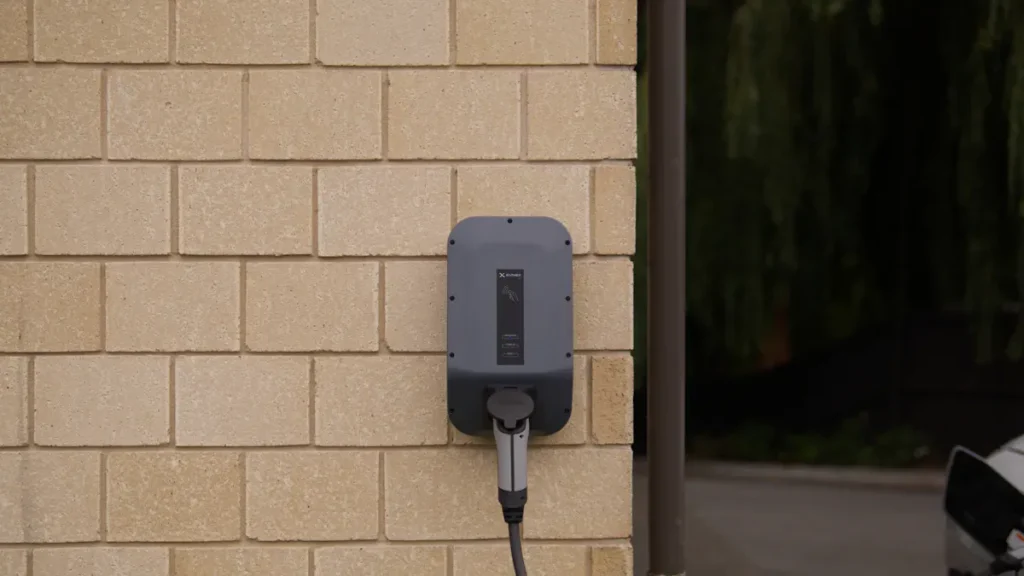
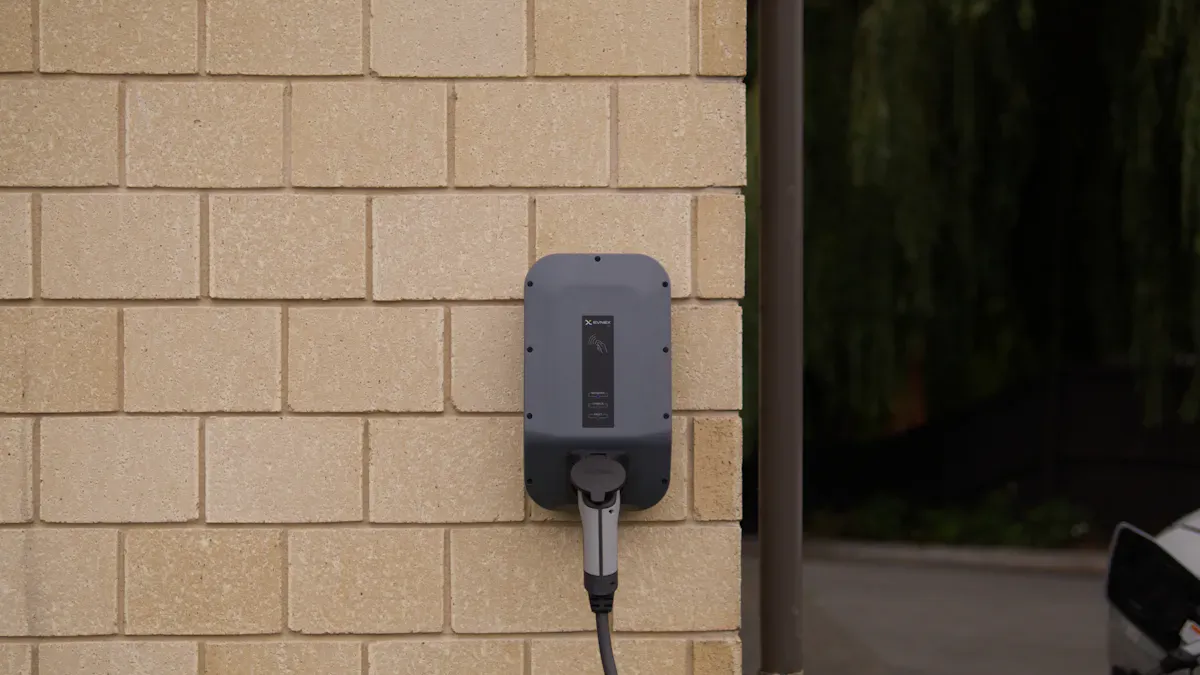
The humble level 1 charger stands as a catalyst in the revolution transforming South America’s transportation landscape. Many see the electric vehicle as a practical choice because charging becomes accessible in homes and businesses. Electric cars gain popularity as Hersteller von EV-Ladegeräten introduce tragbare ev-ladegeräte and innovative EV-Ladelösungen. This transition empowers drivers to adopt sustainable habits and experience the convenience of an EV-Ladegerät. Electric cars and other vehicle types benefit from the simplicity of this car charging method, supporting the widespread growth of electric mobility.
What Is a Humble Level 1 Charger?
Basic Definition
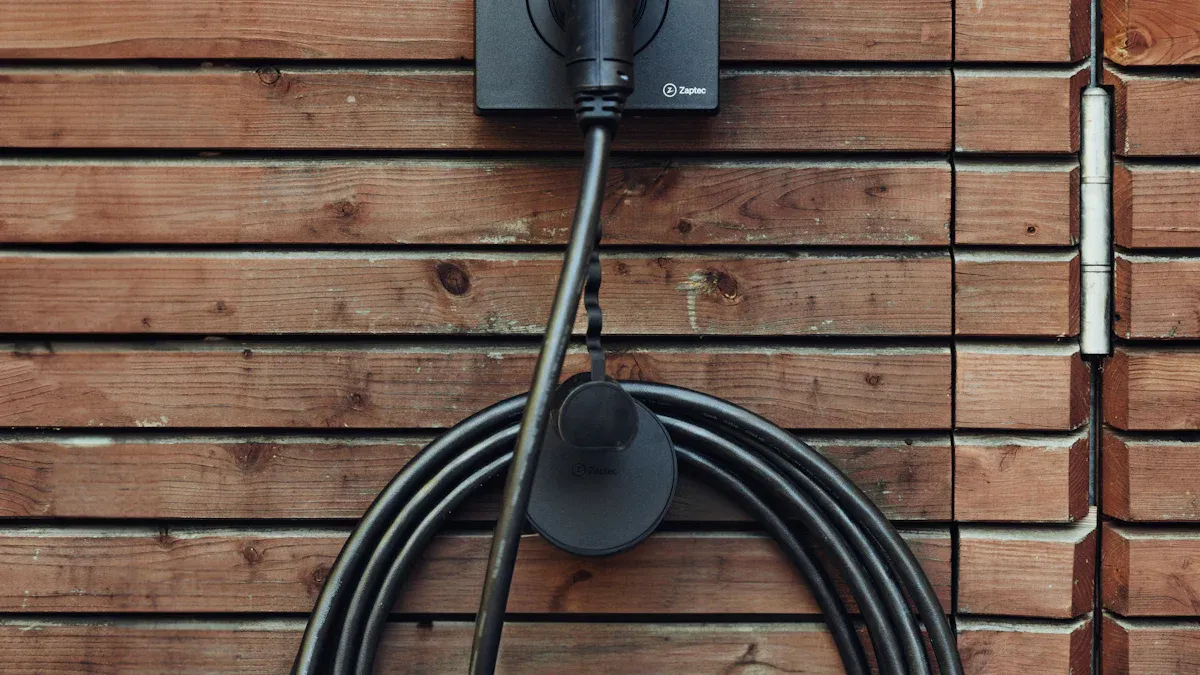
A humble level 1 charger refers to the most fundamental charging solution for electric vehicles. This charger connects directly to a standard household wall outlet, making it accessible for most users. The design emphasizes simplicity and universal compatibility, which allows drivers to charge their vehicles without specialized equipment or complex installation.
Aufladegeschwindigkeit
Charging speed remains one of the defining characteristics of a level 1 charger. Most units deliver a power output between 1 and 1.9 kilowatts. This rate translates to an addition of approximately 3 to 7 miles of driving range per hour of charging. For a typical battery electric vehicle, a full charge can take anywhere from 22 to 40 hours, depending on the battery size. While this speed may seem slow, it suits users who park their vehicles overnight or for extended periods.
Stromquelle
The humble level 1 charger operates using a standard 120-volt AC outlet, which is common in households and small businesses across South America. Users do not need to upgrade their electrical systems or install dedicated circuits. The charger typically uses a three-pin socket, which further simplifies the process. This compatibility with existing infrastructure makes it an attractive option for early adopters and those seeking a low-cost entry into electric mobility.
Wie es funktioniert
Plug-and-Play-Funktionalität
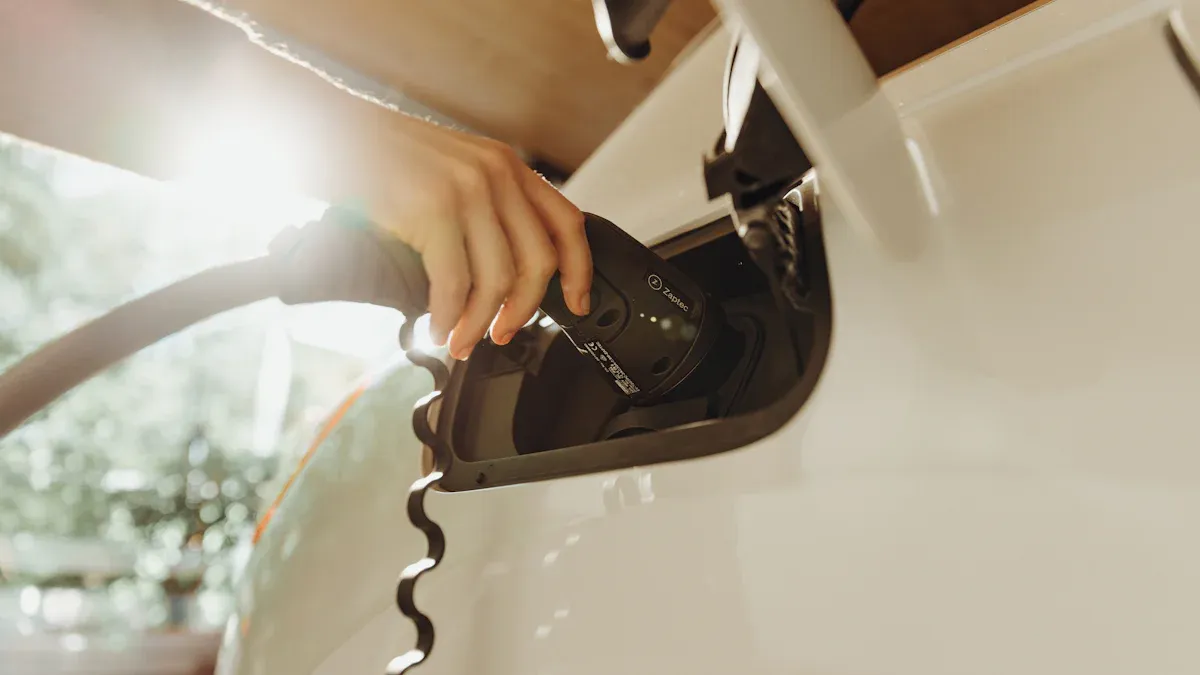
Level 1 charging offers true plug-and-play convenience. Drivers simply connect the vehicle’s charging cable to a regular wall outlet and the car’s charging port. The system requires no additional hardware or professional installation. This straightforward approach enables users to start charging immediately after purchasing an electric vehicle.
Benutzererfahrung
The user experience centers on ease of use and reliability. Most drivers appreciate the ability to charge their vehicles at home or work without extra steps. Overnight charging fits well with daily routines, especially for those with short commutes or plug-in hybrid vehicles. However, some users may notice that charging times increase for vehicles with larger batteries.
Tipp: Level 1 charging works best for users who drive short distances each day or have access to their vehicle for long periods.
Typische Anwendungsfälle
Aufladen zu Hause
Home charging represents the most common scenario for a humble level 1 charger. Many electric vehicle owners rely on this method to recharge their cars overnight. The charger’s compatibility with standard outlets means that almost any home can support basic EV charging without upgrades.
Small Businesses
Small businesses also benefit from level 1 charging. Employees or customers can top up their vehicles during the workday using existing electrical infrastructure. This approach supports the gradual adoption of electric vehicles in commercial settings, especially where installing faster chargers may not be feasible.
Why the Humble Level 1 Charger Matters in South America
Erschwinglichkeit
Low Cost of Equipment
The humble level 1 charger stands out as an affordable entry point for those interested in electric mobility. Many South American families and small businesses can purchase this charger without straining their budgets. The equipment costs less than advanced charging solutions, making it accessible to a wider population. TPSON, a technologically advanced electric vehicle charging solution provider, offers reliable options that help lower the financial barrier for new EV owners. This affordability supports the revolution in electric transportation by allowing more people to consider electric cars as a practical choice.
Minimal Installation Needs
Most users appreciate the minimal installation needs of a humble level 1 charger. They do not need to hire electricians or invest in expensive upgrades. The charger plugs directly into a standard outlet, which reduces both time and cost. This simplicity encourages more car owners to make the switch to electric vehicles. Small businesses also benefit, as they can provide charging for employees and customers without major changes to their infrastructure.
Compatibility with Existing Infrastructure
Standard Outlets
The humble level 1 charger uses standard outlets found in homes and businesses throughout South America. This compatibility means that almost every building can support basic EV charging. Car owners do not need to search for specialized charging stations. They can charge their cars at home, at work, or even in community centers. This widespread compatibility accelerates the adoption of electric cars and helps build a robust charging infrastructure.
Urban and Rural Settings
South America features a mix of dense urban centers and remote rural areas. The humble level 1 charger works well in both environments. In cities, apartment dwellers and commuters can use existing outlets in parking garages or shared spaces. In rural areas, where advanced charging stations may not exist, car owners can still charge their electric cars using household power. This flexibility ensures that the EV revolution reaches all corners of the continent.
Anmerkung: The ability to use standard outlets in both urban and rural settings makes the humble level 1 charger a key tool for expanding access to electric mobility.
Relevance to Local Energy Realities
Power Grid Limitations
South American power grids face unique challenges as EV adoption increases. These challenges include:
- Increased peak demand as more people charge their cars at home.
- Fragmented planning approaches that make coordination difficult.
- The need for unified models to manage both power and mobility effectively.
The humble level 1 charger helps address these issues. Its low power draw reduces stress on the grid compared to faster chargers. Car owners can charge their vehicles overnight, spreading demand and minimizing the risk of blackouts. This approach supports the sustainable growth of electric mobility.
Energy Access in Remote Areas
Many remote communities in South America have limited access to reliable electricity. The humble level 1 charger offers a practical solution for these areas. Car owners can use existing electrical connections, even if they are off-grid or rely on local generators. This flexibility allows more people to participate in the EV revolution, regardless of their location. Electric cars become a realistic option for families and businesses in regions that lack advanced charging infrastructure.
Tipp: Community leaders can use humble level 1 chargers to support local charging initiatives, making electric mobility more inclusive.
Supporting Early EV Adoption
Entry-Level EV Owners
Entry-level EV owners represent a crucial group in South America’s transition to sustainable transportation. Many individuals in this segment purchase their first electric car because they seek an affordable and practical alternative to traditional vehicles. The humble level 1 charger plays a pivotal role for these new adopters. It allows them to charge their cars at home without investing in expensive charging infrastructure. Most entry-level owners live in apartments or houses with limited access to dedicated parking or advanced charging stations. They rely on the ability to use a standard outlet to keep their car ready for daily use.
These owners often drive short distances each day. Their routines include commuting to work, running errands, or transporting family members. The charging speed of a level 1 charger matches their needs, as they can leave their car plugged in overnight. This approach ensures the car has enough range for the next day. Entry-level owners value simplicity and reliability. They want a solution that works without technical complications or high costs.
Anmerkung: Many first-time EV buyers choose electric cars because the humble level 1 charger makes ownership straightforward and cost-effective.
Community Charging Initiatives
Community charging initiatives have emerged as a powerful force in supporting early EV adoption across South America. These programs focus on making electric mobility accessible to a broader population. Local governments, neighborhood associations, and grassroots organizations often lead these efforts. They install shared charging points in public spaces, apartment complexes, and community centers. Residents who do not have private parking can still charge their cars conveniently.
Community charging projects use the humble level 1 charger to maximize reach and minimize costs. Organizers select this solution because it requires minimal installation and works with existing electrical infrastructure. This approach enables more people to participate in the EV movement, regardless of income or location. Community charging also fosters a sense of shared responsibility. Neighbors collaborate to maintain charging stations and promote electric vehicle use.
- Key benefits of community charging initiatives:
- Expands access to charging for residents without private parking
- Reduces the financial burden on individual car owners
- Encourages adoption of electric cars in low-income neighborhoods
- Builds local support for sustainable transportation
Community charging initiatives demonstrate how collective action can accelerate the shift to electric mobility. These projects help bridge the gap between early adopters and the broader population. They show that the humble level 1 charger can serve as a foundation for inclusive and scalable EV infrastructure.
Humble Level 1 Charger vs. Other Charging Options
Level 1 vs. Level 2 Ladegeräte
Kostenvergleich
Many drivers in South America consider cost when choosing between charging options for their electric cars. The humble level 1 charger offers a lower initial setup cost, making it attractive for new EV owners. Level 2 chargers, while faster, require a higher investment. The following table highlights the main differences:
| Merkmal | Level-1-Ladegeräte | Level-2-Ladegeräte |
|---|---|---|
| Aufladegeschwindigkeit | Slower, suitable for overnight charging | Significantly faster, ideal for quick recharges |
| Kosten | Generally lower initial setup cost | Higher initial setup cost, but faster charging benefits |
| Anforderungen an die Installation | Simpler installation, often plug-and-play | More complex installation, may require professional help |
Drivers who want to minimize expenses often select the humble level 1 charger. This choice allows more people to own electric cars without a large upfront payment.
Anforderungen an die Installation
Level 1 chargers use standard outlets, so most homes and businesses can support them without upgrades. This plug-and-play approach reduces the need for professional installation. Level 2 chargers, on the other hand, may require new wiring or electrical panels. Many property owners must hire electricians to install these faster charging stations. The extra steps can delay adoption and increase costs, especially in regions with limited infrastructure.
Level 1 vs. DC Fast Chargers
Availability in South America
DC fast chargers deliver rapid charging for electric cars, but their availability remains limited in many South American countries. Most cities have only a few public charging stations with DC fast charging capabilities. Rural areas often lack this option entirely. The humble level 1 charger, by contrast, works wherever a standard outlet exists. This flexibility supports EV adoption in both urban and remote locations.
Practicality for Daily Use
For daily commuting, the humble level 1 charger meets the needs of most car owners. It provides enough power for overnight charging, which suits typical driving patterns. DC fast chargers excel during long trips or emergencies, but they require special infrastructure and often cost more to use. The table below compares key features:
| Merkmal | Level-1-Ladegeräte | DC-Schnellladegeräte |
|---|---|---|
| Stromversorgung | 1.4kW | Bis zu 50kW |
| Aufladegeschwindigkeit | Slow, suitable for overnight use | Quick, ideal for long trips |
| Einrichtung | Keine besondere Installation erforderlich | May require specific installation |
| Kompatibilität | Works with many EV models | Variiert je nach Modell |
| Tragbarkeit | Portable, easy to use at home | Typically fixed installations |
| Ideale Verwendung | Daily commuting, home use | Rapid recharging during travel |
Accessibility and Reach
Einsatz in der Stadt und auf dem Land
Urban areas often feature more public charging stations, but many residents live in apartments without dedicated parking. The humble level 1 charger helps bridge this gap by allowing charging from any standard outlet. In rural regions, advanced charging infrastructure remains scarce. Level 1 chargers enable car owners to use existing electrical connections, making electric cars practical even far from city centers.
Socioeconomic Impact
Affordable charging options play a vital role in expanding EV access. The humble level 1 charger lowers the barrier for families and small businesses to own electric cars. This approach supports broader participation in the electric mobility movement. As more people adopt EVs, demand for charging stations grows, encouraging further investment in charging infrastructure. The result is a more inclusive transition to sustainable transportation across South America.
Note: Widespread use of level 1 chargers can help close the gap between different communities, ensuring that both urban and rural drivers benefit from the electric vehicle revolution.
Real-World Impact of the Humble Level 1 Charger
Urban Scenarios
Appartement-Bewohner
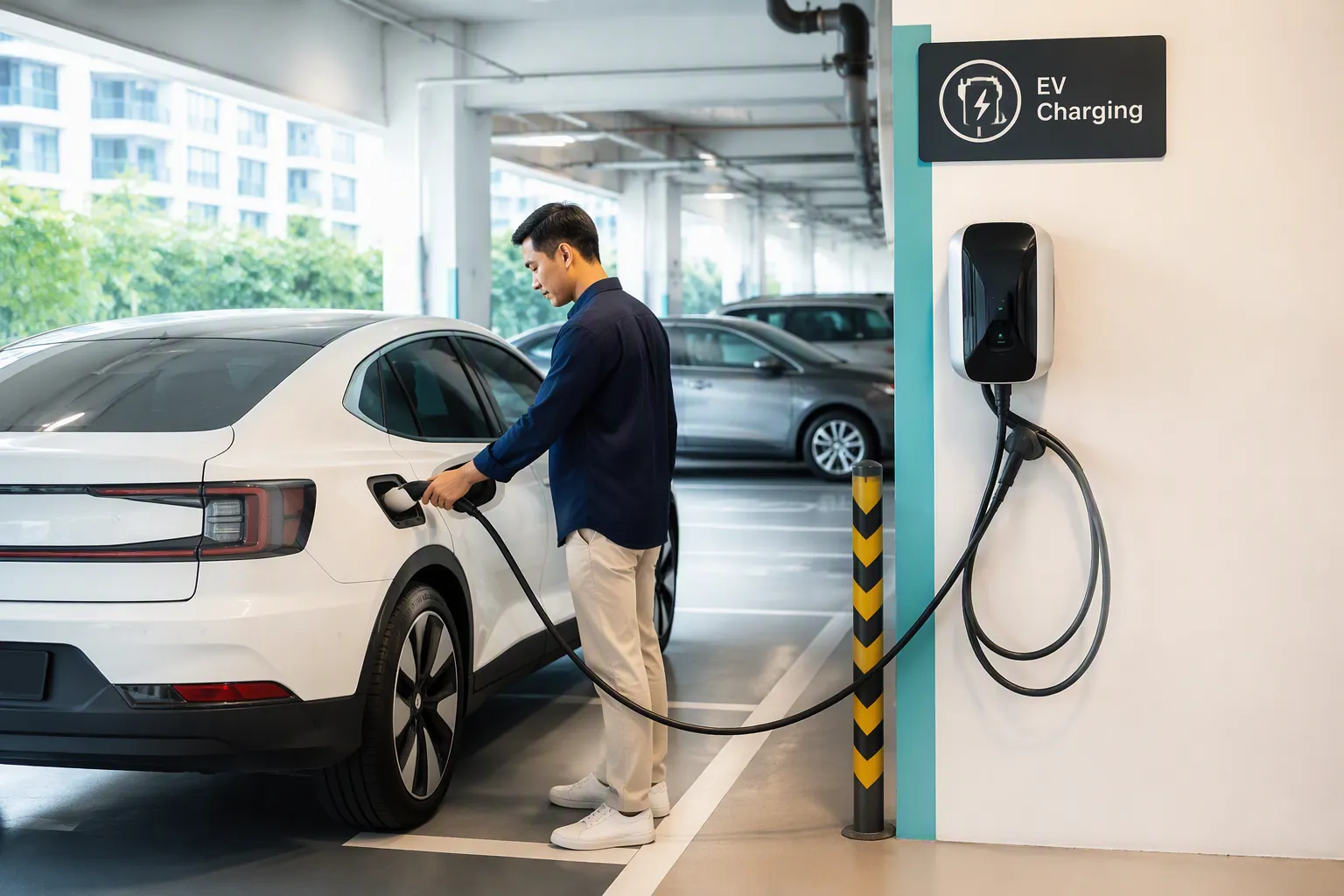
Apartment residents in South America face unique challenges when adopting ev technology. Many lack access to dedicated parking spaces or advanced charging stations. The humble level 1 charger provides a practical solution. Residents plug their car into a standard outlet, often located in shared garages or parking areas. This method enables apartment dwellers to charge their cars overnight, ensuring reliable transportation for daily routines. Property managers sometimes support ev adoption by installing outlets in communal spaces. Apartment communities benefit from increased convenience and reduced reliance on public charging infrastructure.
City Commuters
City commuters often drive short distances each day. They require a charging solution that fits their fast-paced lifestyle. The humble level 1 charger meets this need. Commuters park their cars at home or work and connect to a standard outlet. Overnight charging delivers enough energy for daily travel. Many city workers choose evs because the charger simplifies ownership. Employers occasionally offer charging facilities, encouraging staff to switch to electric cars. Urban areas see a rise in ev usage as more commuters embrace this accessible technology.
Rural and Remote Areas
Off-Grid Charging
Remote regions in South America experience limited access to advanced charging stations. Residents rely on the humble level 1 charger to power their evs. Off-grid communities use generators or local power sources to charge cars. This approach supports sustainable transportation without requiring major infrastructure investments. Families in isolated areas gain mobility and independence. The charger’s compatibility with basic electrical systems makes it ideal for rural settings.
Community leaders often organize charging initiatives to help residents maintain their cars and participate in the ev movement.
Agricultural Communities
Agricultural workers depend on reliable transportation for daily operations. The humble level 1 charger enables farmers to charge their cars using existing outlets in barns or homes. Electric cars reduce fuel costs and support environmental goals. Rural businesses adopt evs to transport goods and workers efficiently. The charger’s simplicity encourages widespread use among agricultural communities. Farmers appreciate the low maintenance and affordability of electric vehicles.
Low-Income Settings
Affordable EV Ownership
Low-income families in South America seek cost-effective transportation solutions. The humble level 1 charger lowers the barrier to ev ownership. Households charge their cars at home without expensive upgrades. This method supports financial stability and promotes sustainable mobility. Affordable charging encourages more families to consider electric cars as a viable option.
Community Charging Projects
Grassroots organizations launch community charging projects to expand access to evs. Shared charging stations use humble level 1 chargers, allowing multiple residents to charge their cars. These projects foster collaboration and inclusivity. Local governments sometimes fund initiatives to support electric vehicle adoption in underserved neighborhoods. Community charging strengthens social bonds and accelerates the transition to electric mobility.
Community charging projects demonstrate the power of collective action in advancing sustainable transportation.
Case Studies and Success Stories
Initiativen der lokalen Behörden
Local governments across South America have played a pivotal role in promoting the adoption of humble level 1 chargers. City councils in Brazil, for example, have launched pilot programs that provide free or subsidized level 1 chargers to residents in low-income neighborhoods. These programs aim to remove financial barriers and encourage families to consider electric vehicles as a practical alternative to gasoline-powered cars.
In Santiago, Chile, the municipal government partnered with local utility companies to install level 1 charging points in public parking lots and community centers. This initiative targeted areas with limited access to advanced charging infrastructure. Residents now find it easier to charge their vehicles while shopping or attending community events. The city also introduced educational workshops to teach citizens about the benefits of electric mobility and the simplicity of using level 1 chargers.
Anmerkung: Local government support often accelerates EV adoption by building trust and providing tangible resources to communities.
Some cities have integrated level 1 chargers into their public transportation systems. In Montevideo, Uruguay, the city equipped municipal fleet vehicles with portable level 1 chargers. This move reduced operational costs and demonstrated the reliability of basic charging solutions for daily use. The success of these programs has inspired other municipalities to explore similar strategies.
Grassroots Movements
Grassroots movements have emerged as powerful drivers of change in South America’s EV landscape. Community groups, environmental organizations, and neighborhood associations have organized collective efforts to expand access to level 1 charging.
In Argentina, a group of EV enthusiasts formed a cooperative to share charging equipment and knowledge. Members pooled resources to purchase level 1 chargers and distributed them among households in their community. This approach fostered a sense of ownership and collaboration, making electric mobility more accessible to everyone.
A notable example comes from rural Colombia, where teachers and local leaders launched an initiative to bring electric vehicles and level 1 chargers to remote villages. They worked with NGOs to secure funding and provided training sessions for residents. As a result, families in these areas now use electric vehicles for daily transportation, reducing fuel expenses and environmental impact.
- Key outcomes of grassroots efforts:
- Increased awareness of electric mobility
- Shared resources and reduced costs
- Stronger community bonds
Grassroots movements often succeed because they address local needs directly and empower residents to take action.
These case studies highlight the transformative impact of both government-led and community-driven initiatives. By leveraging the humble level 1 charger, South American communities continue to make electric mobility a reality for all.
Challenges and Limitations of the Humble Level 1 Charger
Slow Charging Speeds
Impact on Daily Use
Level 1 chargers deliver a modest charging speed, which often creates challenges for electric vehicle owners. Most units add only 3 to 7 miles of range per hour. This slow rate means that a full charge for a battery electric vehicle can require 22 to 40 hours. Many drivers in South America find this unsuitable for daily commuting, especially when they need to recharge quickly for work or family obligations.
| Einschränkung | Beschreibung |
|---|---|
| Aufladegeschwindigkeit | 3-7 miles of range per hour |
| Volle Ladezeit | 22-40 hours for a Battery Electric Vehicle (BEV) |
| Suitability for Daily Use | Not suitable for daily commuting needs |
| Energie-Effizienz | Less energy efficient than dedicated chargers |
Some users experience frustration when their vehicles remain plugged in for extended periods. This limitation can discourage those who rely on their cars for frequent trips or unpredictable schedules.
Strategien zur Schadensbegrenzung
Drivers can adopt several strategies to address slow charging speeds. Many choose to plug in their vehicles overnight, ensuring a full battery by morning. Others plan their trips carefully, allowing extra time for charging during the day. Some communities organize shared charging schedules to maximize access for multiple users. These approaches help owners adapt to the realities of level 1 charging, but they do not eliminate the core limitation.
Tip: Plugging in the vehicle whenever parked for long periods can help maintain a reliable state of charge.
Lücken in der Infrastruktur
Lack of Dedicated Parking
Many South American cities lack dedicated parking spaces for electric vehicles. Apartment dwellers and urban residents often park on the street or in shared lots. This situation makes it difficult to access a reliable power source for charging. Without dedicated parking, owners may struggle to use level 1 chargers consistently.
- Common challenges include:
- Limited access to outlets
- Competition for available parking spots
- Safety concerns with extension cords
Solutions in Progress
City planners and local governments recognize the need to improve Ladeinfrastruktur. Some municipalities have started to install outlets in public parking areas and community centers. These efforts aim to provide more residents with access to basic charging solutions. Private developers also design new buildings with dedicated charging points, anticipating future demand. Over time, these initiatives will help close the gap and support broader adoption of electric vehicles.
Addressing User Concerns
Education and Awareness
Many potential EV owners hesitate due to misconceptions about charging. Education campaigns play a vital role in addressing these concerns. Workshops, online resources, and community events teach residents how to use level 1 chargers safely and efficiently. Increased awareness helps build confidence and encourages more people to consider electric vehicles.
Support Networks
Support networks provide valuable assistance for new EV owners. Local clubs, online forums, and neighborhood groups share tips and troubleshooting advice. These networks help users solve common problems, such as managing slow charging speeds or finding available outlets. Community support fosters a positive experience and strengthens the transition to electric mobility.
Extremely slow charging speeds, limited suitability for daily use, potential strain on household circuits, and lower energy efficiency than dedicated chargers remain key challenges for level 1 charging in South America.
Policy and Regulation
Staatliche Anreize
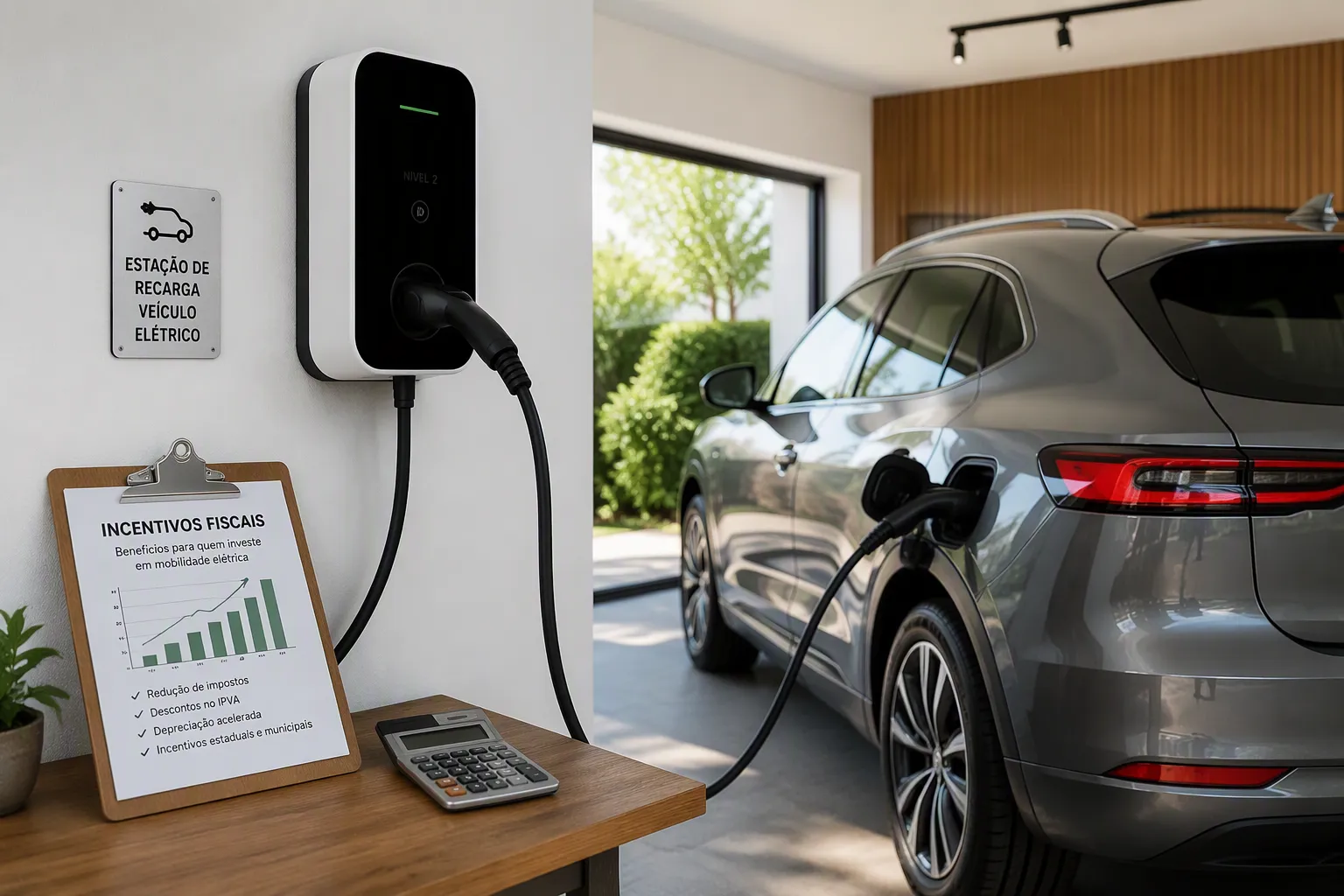
Staatliche Anreize play a crucial role in accelerating the adoption of humble level 1 chargers across South America. Policymakers recognize the importance of affordable charging solutions for early EV adopters. Many governments offer financial support to reduce the cost of purchasing and installing level 1 chargers. These incentives include rebates, tax credits, and grants for both individuals and small businesses.
Brazil’s Ministry of Mines and Energy launched a rebate program for households that install basic EV charging equipment. Chile’s government provides tax deductions for small businesses that offer charging facilities to employees. Argentina’s local authorities distribute grants to community organizations that set up shared charging stations. These actions encourage wider participation in the EV movement.
Tipp: Residents should check local government websites for updated information on available incentives and eligibility requirements.
Some governments also support pilot projects that demonstrate the benefits of level 1 charging in low-income neighborhoods. These projects help build public trust and showcase the practicality of basic charging solutions. Policymakers monitor these initiatives to assess their impact and refine future programs.
Standards and Guidelines
Standards and guidelines ensure the safe and efficient use of humble level 1 chargers. Regulatory agencies establish technical requirements for charging equipment. These standards cover electrical safety, compatibility with local power grids, and environmental performance. Manufacturers must comply with these regulations before selling chargers in the market.
The following table summarizes key standards for level 1 chargers in South America:
| Standard | Beschreibung | Agency Responsible |
|---|---|---|
| Elektrische Sicherheit | Prevents overheating and fire risks | National Energy Agencies |
| Plug Compatibility | Ensures chargers fit local outlets | Standards Organizations |
| Auswirkungen auf die Umwelt | Limits hazardous materials | Environmental Ministries |
Local governments issue guidelines for installing chargers in homes, businesses, and public spaces. These guidelines address proper placement, wiring practices, and maintenance procedures. Property owners follow these recommendations to ensure reliable operation and minimize risks.
Anmerkung: Adhering to standards and guidelines protects users and supports the long-term growth of electric mobility.
Regulatory bodies update standards regularly to reflect advances in technology and changes in energy policy. Stakeholders participate in public consultations to share feedback and influence new regulations. This collaborative approach helps create a safe and inclusive charging environment for all.
The Future of the Humble Level 1 Charger in South America
Evolving Technology
Improvements in Charger Design
Manufacturers continue to refine the humble level 1 charger. New designs focus on durability and portability. Engineers use weather-resistant materials to protect chargers in harsh environments. Compact models allow users to carry chargers in their cars, making charging more flexible. Enhanced safety features prevent overheating and electrical faults. These improvements help drivers trust their chargers and encourage more people to join the electric revolution.
Integration with Smart Grids
Smart grid integration marks a significant step toward an electric future. Utilities deploy systems that balance energy demand and supply. Chargers communicate with the grid to optimize charging times. This technology reduces strain on local power networks and supports emission free transportation. Smart grids also enable renewable energy sources to power electric cars. As smart grid adoption grows, level 1 chargers will play a vital role in sustainable mobility.
Expanding Access
Public Charging Initiatives
Public and private organizations expand access to Ladestationen across South America. They install chargers in cities and rural areas. Brazil implements 250 electric vehicle charging points in 23 cities through partnerships with Enel X, Estapar, and Volvo Car. Chile partners with Enel X and Sodimac to add 30 new electric vehicle charging stations across various regions. Colombia sees steady growth in electric vehicle adoption, although progress remains slower due to high costs and limited knowledge about electric cars.
- Public charging initiatives:
- Increase the number of charging stations in urban centers.
- Support rural communities with basic charging infrastructure.
- Encourage more drivers to choose electric cars.
Partnerships with Utilities
Utilities collaborate with car manufacturers and local governments to expand charging access. These partnerships streamline installation and maintenance of charging stations. Utilities offer incentives for homeowners and businesses to install chargers. They also provide educational programs about electric mobility. By working together, stakeholders accelerate the transition to electric cars and build a foundation for a sustainable electric future.
Role in Sustainable Mobility
Umweltvorteile
The humble level 1 charger supports emission free transportation. Electric cars produce fewer carbon emissions than gasoline vehicles. Charging stations powered by renewable energy further reduce environmental impact. As more drivers adopt electric cars, cities experience cleaner air and improved public health. The charger’s compatibility with existing infrastructure makes sustainable mobility accessible to a wider population.
Long-Term Impact on EV Adoption
Level 1 chargers will remain essential as South America moves toward an electric future. They lower barriers for entry-level car owners and support community charging projects. Widespread access to charging stations encourages more people to choose electric cars. Over time, this shift reduces carbon emissions and fosters a sustainable transportation system. The humble level 1 charger stands as a cornerstone of the region’s electric revolution.
Social and Cultural Factors Influencing Humble Level 1 Charger Adoption
Local Attitudes Toward EVs
Perceptions of Electric Mobility
Many South Americans view electric vehicles as symbols of progress and environmental responsibility. He often sees these cars as modern and efficient alternatives to traditional gasoline vehicles. She recognizes the benefits of reduced emissions and lower operating costs. However, some individuals remain skeptical about the practicality of electric cars. They worry about charging times and the reliability of the technology. These perceptions shape the willingness of communities to embrace humble level 1 chargers. When residents understand the advantages, they become more open to adopting new charging solutions.
Tipp: Educational programs that highlight real-world benefits can shift public opinion and increase acceptance of electric mobility.
Influence of Public Awareness Campaigns
Public awareness campaigns play a crucial role in changing attitudes toward electric vehicles. Governments and environmental organizations launch initiatives that inform citizens about the advantages of EVs and the simplicity of level 1 charging. These campaigns use social media, community events, and school programs to reach a wide audience. He learns about the environmental impact of gasoline cars. She discovers how easy it is to charge an electric vehicle at home. As awareness grows, more people consider EVs as viable options for daily transportation.
| Campaign Type | Target Audience | Main Message |
|---|---|---|
| Social Media | Young adults | EVs are modern and accessible |
| Community Workshops | Families | Level 1 chargers are easy to use |
| School Programs | Students | Electric mobility supports the future |
Community Engagement
Grassroots Advocacy
Grassroots advocacy drives the adoption of humble level 1 chargers in many regions. Local groups organize workshops and information sessions. He shares his experience with electric vehicles. She helps neighbors install chargers in their homes. These advocates build trust within their communities. They address concerns about charging speed and infrastructure gaps. Grassroots efforts often succeed because they respond directly to local needs and encourage collective action.
Community leaders inspire others by demonstrating the practical benefits of electric mobility.
Local Partnerships
Local partnerships strengthen the impact of community engagement. Businesses, schools, and municipal governments collaborate to promote EV adoption. He works with utility companies to install charging stations in public spaces. She partners with local stores to offer incentives for EV owners. These partnerships create a supportive environment for new technology. They provide resources and expertise that help residents overcome barriers to adoption. As more organizations join the movement, the region builds a foundation for a sustainable electric future.
Community engagement and local partnerships ensure that the humble level 1 charger becomes a practical solution for diverse populations across South America.
Market Trends and Regional Differences in Humble Level 1 Charger Use
Growth Projections for EV Adoption
National and Regional Forecasts
South America is witnessing a steady increase in electric vehicle adoption. Brazil, Chile, and Colombia lead the region with ambitious targets for sustainable transportation. Analysts expect Brazil to reach over 100,000 EVs on the road by 2025. Chile’s government aims to electrify a significant portion of its public fleet within the next decade. Colombia’s urban centers are seeing a surge in EV registrations, driven by local incentives and environmental policies. Regional forecasts indicate that the demand for humble level 1 chargers will rise as more households and businesses transition to electric mobility.
Factors Driving Market Expansion
Several factors contribute to the expansion of EV adoption. Government incentives play a crucial role. Tax breaks, rebates, and grants encourage individuals and companies to invest in electric vehicles. Urban sustainability projects promote clean energy and support the installation of Ladeinfrastruktur. Public awareness campaigns highlight the benefits of electric mobility, motivating communities to embrace new technology. The electric vehicle charging equipment market in Latin America is projected to grow significantly, creating a supportive environment for level 1 charger networks.
Emerging Opportunities
New Business Models
Innovative business models are shaping the future of humble level 1 charger networks. Companies and local governments invest in public charging infrastructure to meet rising demand. Partnerships between utilities, car manufacturers, and municipalities streamline installation and maintenance. Community-driven initiatives allow residents to share charging equipment and reduce costs. The following list summarizes key trends:
- Investments in public charging infrastructure are increasing due to government policies that encourage clean energy.
- Latin America, particularly Brazil, Chile, and Colombia, is experiencing a rise in interest for EV adoption, supported by government incentives and urban sustainability projects.
- The electric vehicle charging equipment market in Latin America is projected to grow significantly, indicating a supportive environment for Level 1 charger networks.
Innovative Charging Solutions
Manufacturers introduce portable and weather-resistant chargers to address diverse needs. Smart grid integration enables chargers to optimize energy use and reduce strain on local power networks. Community charging stations provide access for residents without private parking. These solutions make electric mobility more accessible and practical for a wider population.
Country-Specific Challenges and Success Stories
Brazil’s Urban Initiatives
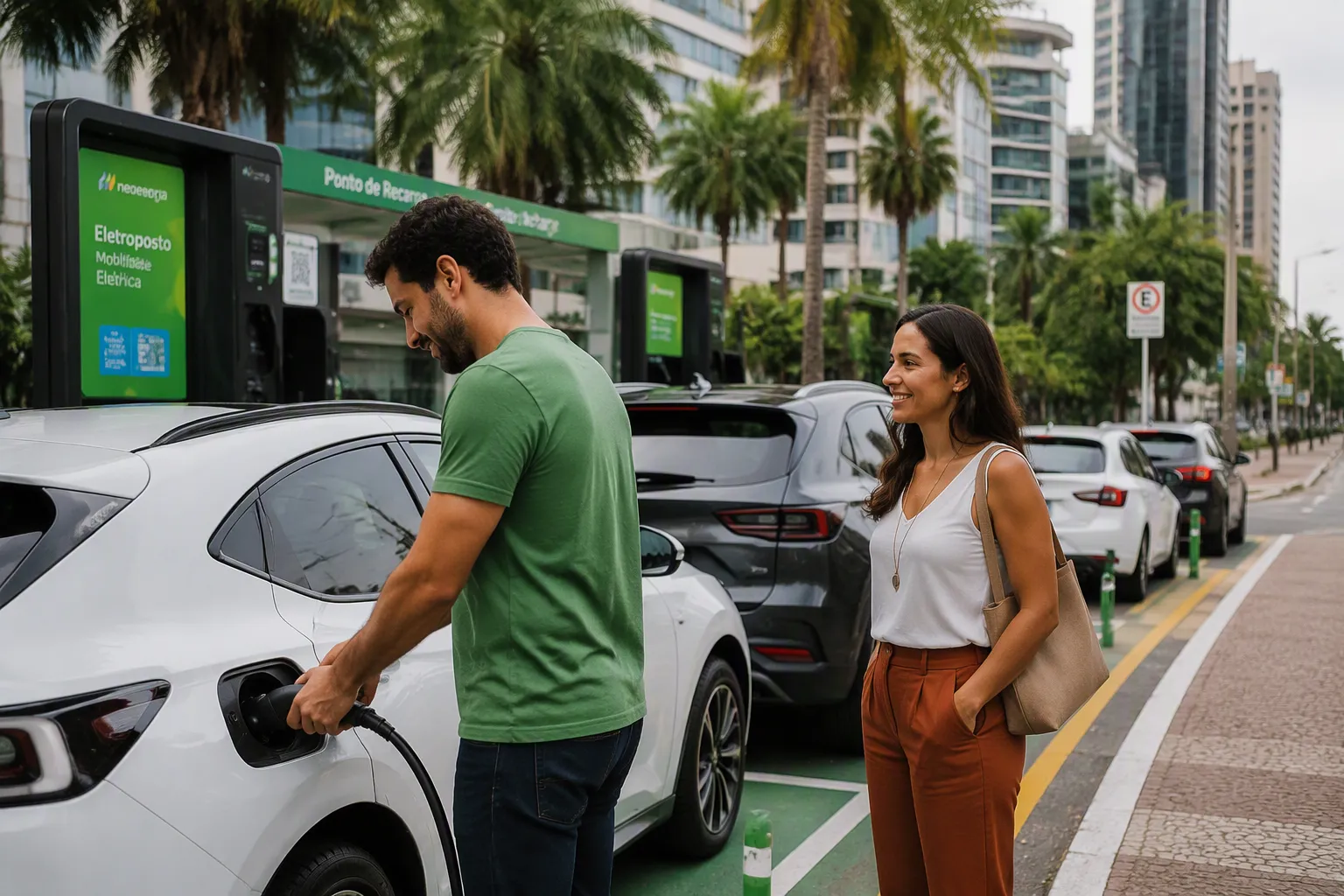
Brazil’s cities face unique challenges in deploying charging infrastructure. Dense urban environments limit access to dedicated parking and outlets. Local governments respond by installing charging points in public spaces and apartment complexes. São Paulo and Rio de Janeiro launch pilot programs that provide subsidized chargers to low-income neighborhoods. These initiatives demonstrate how targeted investments can accelerate EV adoption and support sustainable urban development.
Chile’s Rural Programs
Chile’s rural regions often lack advanced charging infrastructure. Community leaders and NGOs collaborate to bring level 1 chargers to remote villages. They use existing electrical connections and portable equipment to enable off-grid charging. Educational workshops teach residents about electric mobility and maintenance. These programs empower families and agricultural workers to participate in the EV revolution, reducing fuel costs and environmental impact.
Note: Regional differences highlight the importance of flexible solutions and local engagement in expanding access to humble level 1 chargers.
- Die humble level 1 charger enables electric vehicle access for diverse communities in South America.
- Its affordability and compatibility encourage early adoption and practical use.
- Many drivers rely on this solution despite challenges with charging speed and infrastructure.
- Ongoing innovation and strong support from governments and industry partners will sustain its role in the region’s electric vehicle revolution.
FAQ
What is a humble level 1 charger?
A humble level 1 charger is a basic electric vehicle charging device. It connects to a standard household outlet. Most users find it easy to operate and install. This charger suits daily charging needs for many South American drivers.
How long does it take to charge an EV with a level 1 charger?
Charging an electric vehicle with a level 1 charger usually takes between 22 and 40 hours for a full battery. The exact time depends on the vehicle’s battery size and the charger’s power output.
Is a level 1 charger safe to use at home?
Yes, a level 1 charger is safe for home use when installed correctly. Manufacturers design these chargers to meet strict safety standards. Users should always follow the instructions and avoid using damaged outlets or extension cords.
Can rural communities use level 1 chargers?
Rural communities can use level 1 chargers if they have access to standard electrical outlets. These chargers work well in areas without advanced charging infrastructure. Many agricultural workers and remote families rely on them for daily transportation.
What are the main advantages of level 1 chargers?
Level 1 chargers offer affordability, easy installation, and compatibility with existing outlets. They help new EV owners avoid expensive upgrades. Many users appreciate the convenience of charging at home or work.
Do level 1 chargers work with all electric vehicles?
Most electric vehicles support level 1 charging. Drivers should check their vehicle’s manual for compatibility. Some high-capacity EVs may require longer charging times, but the charger remains a practical option for daily use.
Are there government incentives for installing level 1 chargers?
Many South American governments offer incentives for EV charging equipment. These include rebates, tax credits, and grants. Residents should consult local authorities or utility companies for the latest information on available programs.
Can multiple users share a level 1 charger?
Yes, multiple users can share a level 1 charger in community settings. Shared charging schedules and cooperation help maximize access. Community charging projects often use level 1 chargers to serve several households or businesses.