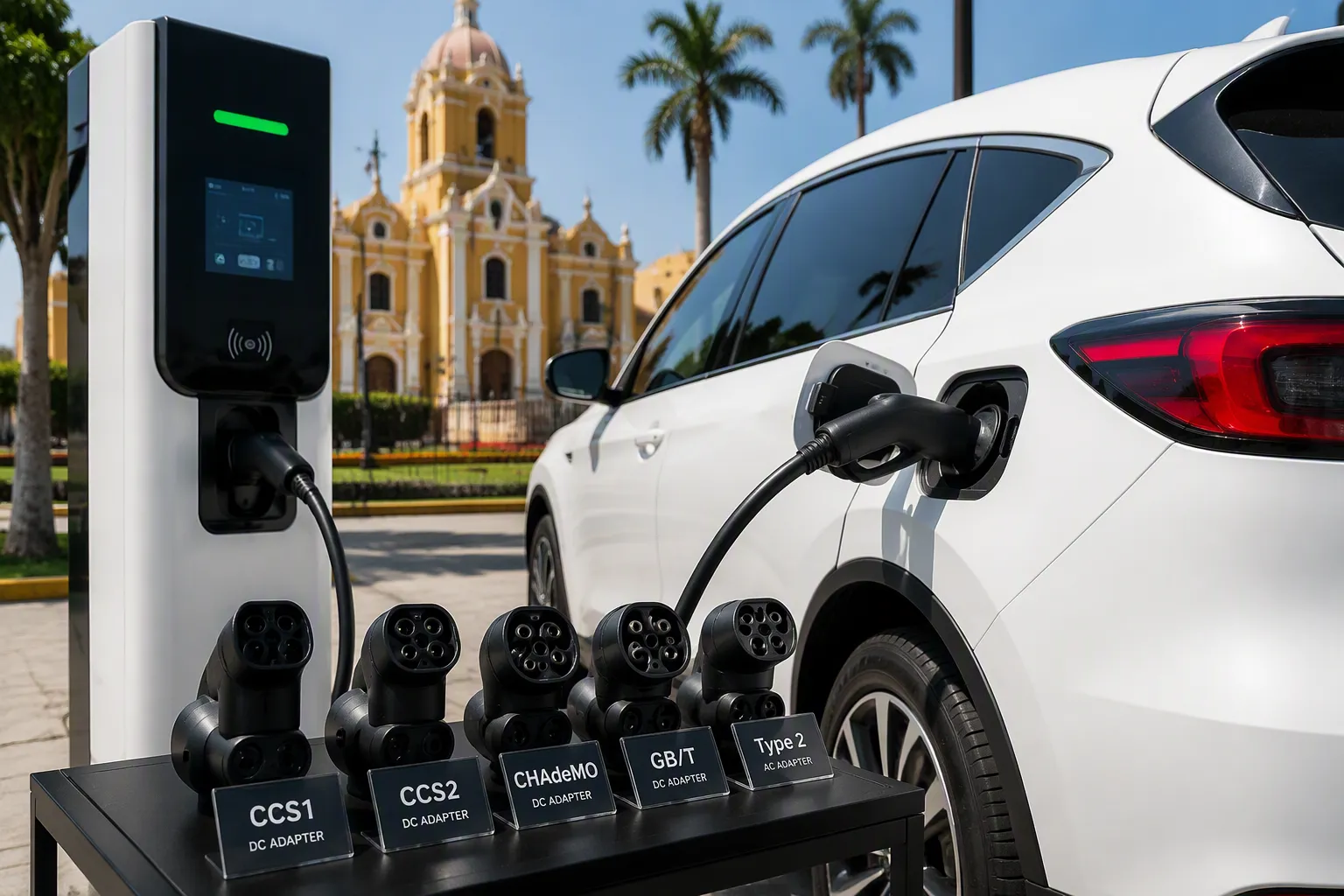
A property manager in the U.K. faces undeniable pressure for on-site EV charging. A significant 74% of apartment dwellers now consider EV charging access a critical factor. With over half (53%) of U.K. apartment residents planning an EV switch by 2029, this demand makes commercial EV charging essential. A proactive property manager must navigate EV-Ladelösungen aus verschiedenen Hersteller von EV-Ladegeräten to select the right EV-Ladegerät. This guide provides a roadmap for a successful installation, creating robust charging infrastructure beyond temporary tragbare ev-ladegeräte. Adding permanent EV charging stations for commercial EV charging is now vital for commercial properties.
Step 1: Site Assessment and Strategic Planning

A successful charging installation hinges on meticulous upfront planning. A property manager must first conduct a comprehensive site assessment. This foundational step ensures the project is feasible, cost-effective, and aligned with resident expectations. It involves a deep dive into your building’s electrical system, a clear gauge of tenant demand, and strategic decisions about where to locate the new assets.
Evaluating Your Building’s Electrical Infrastructure
Before considering any hardware, you must understand your building’s power limitations. Most older apartment buildings in the U.K. were not designed to support multiple high-draw appliances like EV chargers. Overlooking this step can lead to significant, unexpected costs and project delays.
Understanding Existing Electrical Capacity
Your building has a maximum electrical load it can safely handle, often referred to as its “assigned capacity.” Exceeding this limit can cause power outages for the entire building. You can often find this capacity figure (measured in kW or kVA) on your commercial electricity bill. If it is not listed, your electricity supplier or the local Distribution Network Operator (DNO) can provide it. Knowing this number is the absolute first checkpoint for your project.
How to Initiate a DNO Grid Connection Survey
If your planned EV charging installation requires more power than your building’s current supply can offer, you must formally request a grid connection assessment from your DNO. The DNO manages the local electricity network and must approve any significant increase in load.
Note: The DNO Application Process To initiate a survey, you will typically need to submit a formal application. DNOs often have online portals for this. Be prepared to provide detailed project information.
- Project Details: Specify the project type (e.g., Residential Development) and its purpose.
- Electrical Needs: Provide a complete list of your proposed electrical demands, including peak load estimates for the new chargers.
- Development Timeline: Offer a clear project timeline, noting key milestones for the installation.
- Site Information: Have your site’s MPAN (Meter Point Administration Number), address, and a site plan ready.
For larger projects, you may need to use specific forms like the Energy Networks Association (ENA) EREC G99 Standard Application Form. Many DNOs also hold “surgery sessions” where you can discuss project feasibility directly with their engineers.
Identifying Potential Power Upgrade Costs
A DNO survey will determine if a power upgrade is necessary and what it will entail. The costs can vary dramatically. A simple upgrade might only involve new fuses or a larger meter, costing a few thousand pounds. However, a major upgrade could require a new substation, extensive trenching, and new wiring from the street. These complex projects can easily run into the tens or even hundreds of thousands of pounds, significantly impacting your project’s budget and timeline. Early identification of these potential costs is crucial for building a realistic business case.
Surveying Resident Demand and Future Needs
Installing commercial ev charging is a resident-focused amenity. Therefore, understanding current demand and predicting future needs is essential to right-sizing your investment and ensuring the system is well-utilized from day one.
Conducting Effective Resident Surveys
A well-designed survey is the most direct way to gauge interest. It provides concrete data to justify the investment to stakeholders or a residents’ association. Your survey should aim to capture key information.
| Question Category | Example Questions |
|---|---|
| Current EV Ownership | Do you currently own or lease an electric or plug-in hybrid vehicle? |
| Future Purchase Intent | Are you planning to purchase an EV in the next 1, 3, or 5 years? |
| Ladegewohnheiten | Where do you currently charge your vehicle? How often would you use on-site charging? |
| Willingness to Pay | Would you be willing to pay a monthly fee or a per-charge rate for dedicated charging? |
This data helps you build a powerful business case and tailor the service to what residents actually want.
Projecting Future EV Adoption Rates
Look beyond your current residents. The U.K. government’s 2035 mandate on new gasoline and diesel car sales means EV adoption will only accelerate. Your initial installation should be scalable. Consider the average vehicle turnover in your building and national adoption trends. A project that meets today’s needs but cannot be expanded will quickly become obsolete. Plan for future growth by including cable routes for additional chargers, even if you do not install them immediately.
Determining the Initial Number of Chargers
Your resident survey and future-proofing analysis will guide this decision. A common starting point is to provide one charger for every 10-15 parking spaces or to match the number of current EV-driving residents. However, a phased approach is often wisest.
- Phase 1: Install a foundational number of EV-Ladestationen to meet immediate and near-term demand.
- Phase 2: Pre-cable additional parking spaces for easy future installation.
- Phase 3: Add more charging stations as adoption rates in the building increase.
This strategy manages the initial capital outlay while ensuring the charging infrastructure can grow with demand.
Selecting Optimal Locations for EV Charging Stations
The physical placement of charging stations impacts cost, usability, and safety. Strategic location selection is a balancing act between electrical logistics and resident convenience.
Mapping Proximity to Power Sources
The distance from your building’s main electrical intake to the parking spaces is a major cost driver. Longer cable runs mean more expensive trenching, more materials, and higher labor costs.
- Ideal Scenario: Cluster the initial charging stations in parking spaces closest to the main electrical room or distribution board.
- Actionable Tip: Use your building’s architectural plans to map the most efficient cable routes. This minimizes excavation and keeps installation costs down.
Prioritizing Resident Convenience and Accessibility
Chargers must be easy and safe for all residents to use. At least one accessible parking space must be provisioned with an EV charger or have the cable routes prepared for a future connection. Consider the daily path of residents from their cars to the building entrance. Placing chargers in inconvenient, poorly lit, or remote corners of a parking lot will lead to low usage and resident dissatisfaction.
Ensuring Safety, Lighting, and CCTV Coverage
Safety is paramount. The areas around the charging stations must be well-lit to ensure residents feel secure, especially when plugging in or unplugging their vehicles at night.
💡 Safety Best Practice Position chargers in areas already covered by your building’s existing CCTV network. If coverage is inadequate, factor the cost of installing new cameras into your project budget. This deters vandalism and provides residents with peace of mind. Proper lighting and surveillance are non-negotiable elements of a professional ev charging service.
Step 2: Navigating UK Funding and Regulations for EV Charging
A successful project requires more than just technical planning. A property manager must also navigate the complex landscape of U.K. funding, planning laws, and safety regulations. Understanding these rules from the outset prevents costly delays and ensures the final installation is compliant, safe, and financially viable. This step is critical for any commercial ev charging project.
Securing Government Grants and Subsidies
The U.K. government offers financial incentives to accelerate the rollout of charging infrastructure. These government grants can significantly reduce the capital expenditure for an apartment building, making the business case for installation much stronger.
The OZEV Workplace Charging Scheme (WCS) Explained
The Workplace Charging Scheme (WCS) is a voucher-based scheme administered by the Office for Zero Emission Vehicles (OZEV). It is primarily designed for businesses, charities, and public sector organizations to provide ev charging for their employees. While its main focus is commercial workplaces, it can sometimes apply to residential buildings if the parking lot is owned by the property management company for its own staff use. However, a more direct grant is typically available for residential landlords.
The EV Chargepoint Grant for Landlords
This is the most relevant grant for apartment building installations. The EV Chargepoint Grant for Landlords specifically targets property owners and managers. It provides significant financial relief for the installation of charging points for tenants.
- The grant covers up to 75% of the cost to buy and install a chargepoint socket.
- Funding is capped at a limit of £350 per grant.
- A single applicant can receive up to 200 grants a year for residential properties.
This subsidy makes the initial investment in commercial EV charging far more accessible for landlords and residents’ associations across the U.K.
How to Check Eligibility and Apply
The application process is managed through the installer. To access the grant, a property manager must:
- Choose an OZEV-Approved Installer: Only installers accredited by OZEV can process the grant claim.
- Confirm Eligibility: The property must have associated private parking. The landlord or property manager must be a registered business or public authority.
- Installer Manages the Claim: The approved installer will apply for the grant on your behalf. The grant amount is then deducted directly from your final invoice, simplifying the process.
Understanding Planning Permission Requirements
Many EV charger installations do not require a full planning application. They often fall under “permitted development rights.” However, specific rules apply, and ignoring them can lead to enforcement action from the Local Planning Authority (LPA).
When Installation is Permitted Development
In many cases, an installation is considered permitted development if it meets certain conditions. This means a property manager can proceed without a formal planning application. The key criteria vary for wall-mounted and pedestal units.
| Ladegerät Typ | Permitted Development Conditions |
|---|---|
| Wall-Mounted Outlet | The outlet and its casing must not exceed 0,2 Kubikmetern. It must not be within 2 metres of a highway. It cannot be within the grounds of a listed building or a scheduled monument. |
| Pedestal-Mounted Unit | The unit must not exceed 1.6 metres in height. It must not be within 2 metres of a highway. It cannot be within the grounds of a listed building or a scheduled monument. |
Wichtiger Hinweis: If the charging equipment is no longer needed, the land or wall must be returned to its previous condition as soon as reasonably practicable.
Navigating Listed Buildings and Conservation Areas
Permitted development rights do not automatically apply to properties in protected areas.
- Conservation Areas: An installation in a conservation area will likely require planning permission. LPAs can use an “Article 4” direction to remove permitted development rights, making a formal application necessary.
- Denkmalgeschützte Gebäude: Any alteration to a listed building that affects its character requires Listed Building Consent. Installing a modern EV charger almost always falls into this category. Proceeding without this consent is a criminal offense and can lead to significant fines.
Failure to secure the right permissions can create major complications, especially during a future property sale.
The Process for a Full Planning Application
If your project does not meet permitted development criteria, you must submit a full planning application to your LPA. This process involves submitting detailed site plans, equipment specifications, and a justification for the development. The LPA will then assess the proposal, which can take several weeks or months. Early engagement with the LPA’s planning department is highly recommended to ensure a smooth process.
Adhering to Mandatory Safety and Compliance Standards
Electrical safety is non-negotiable. All EV charging installations in the U.K. must comply with a strict set of regulations to ensure they are safe for residents and do not place undue strain on the electrical grid.
The Role of BS 7671 Electrical Safety Regulations
All electrical work, including EV charger installation, must conform to BS 7671, also known as the IET Wiring Regulations. This standard is the bedrock of electrical safety in the U.K. Key requirements for an EV charging installation include:
- Correct Earthing: The regulations have specific rules to prevent electric shock, particularly concerning the use of PME (Protective Multiple Earthing) supplies common in the UK. An installer must use one of several approved methods to ensure safety.
- FI-Schutz (RCD): Every charger circuit must have dedicated RCD (Residual Current Device) protection to disconnect the power instantly in the event of a fault.
- Appropriate Cabling: The installer must use correctly sized cables to handle the charger’s load safely without overheating.
Complying with UK Smart Charge Points Regulations
Since 2022, all new private EV chargers sold in the U.K. must be “smart.” This legislation ensures that chargers can be managed to help balance the national grid. Mandated features include:
- Intelligente Terminplanung: Chargers must be able to schedule charging to occur during off-peak hours.
- Default Off-Peak Hours: New chargers have a default charging schedule that avoids peak hours (typically 8 am-11 am and 4 pm-10 pm on weekdays) to reduce grid strain.
- Data Connectivity: Chargers must be able to receive and send information, allowing for remote management and software updates.
- Sicherheit: The regulations mandate a high level of cybersecurity to protect the charger and the user’s data.
Why You Must Use an OZEV-Approved Installer
Using an OZEV-approved installer is not just a recommendation; it is a necessity. These professionals are certified to carry out work that meets all relevant standards, including BS 7671 and the Smart Charge Points Regulations. Furthermore, only an OZEV-approved installer can claim the government grants on your behalf. Hiring a certified expert ensures your installation is safe, compliant, and eligible for available funding.
Step 3: Choosing the Right Commercial EV Charging Hardware and Software

Selecting the right technology is a critical decision for any Gewerbliches Laden von Elektroautos project. A property manager must balance resident needs, budget constraints, and future scalability. The hardware and software form the core of the user experience and the operational efficiency of the entire system. Technologically advanced providers like TPSON offer integrated solutions that simplify this complex landscape.
Selecting the Best EV Chargers for Apartment Buildings
The chargers themselves are the most visible part of the installation. Choosing the correct type ensures the system meets resident expectations for charging speed without overwhelming the building’s electrical supply.
AC (7-22kW) vs. DC Fast Chargers
For apartment buildings in the U.K., AC (Alternating Current) chargers are the standard. DC fast chargers are prohibitively expensive and require immense power, making them unsuitable for residential overnight charging. The primary choice is between 7kW and 22kW AC units.
- 7kW Chargers (Single-Phase): These are ideal for most U.K. apartment buildings. They are compatible with standard single-phase power, add 20-25 miles of range per hour, and are perfect for overnight charging. Their lower power draw allows for more units to be installed.
- 22kW Chargers (Three-Phase): These offer faster ev charging but require a three-phase power supply, which is uncommon and expensive to install in many residential properties. Many EVs cannot even accept this speed, defaulting back to 7kW.
The Importance of Load Balancing Technology
Dynamischer Lastausgleich is an essential feature for any multi-charger installation. This technology prevents electrical overloads by continuously monitoring the building’s total power consumption. It automatically adjusts and distributes the available power across all active ev charging stations. This smart management ensures the building’s maximum capacity is never exceeded, preventing blackouts and eliminating the need for costly grid upgrades.
Why Open Charge Point Protocol (OCPP) is Essential
A property manager should insist on chargers that are OCPP-compliant. This open network protocol ensures the hardware can communicate with any compliant management software. It prevents being locked into a single vendor’s proprietary system, providing the freedom to switch software providers in the future without replacing the expensive hardware.
Implementing a Charge Point Management System (CPMS)
A CPMS is the brain of the commercial ev charging network. This software platform allows for the complete remote management of the charging stations.
Key Features of Management Software
A robust CPMS provides a dashboard to monitor charger status, track energy usage, and generate financial reports. It also enables remote diagnostics and troubleshooting, reducing the need for on-site maintenance calls.
Setting User Access Controls and Permissions
The software allows a manager to control who can use the chargers. Access can be restricted to residents only, using methods like RFID cards or a mobile app. This prevents unauthorized use by the general public.
Managing Tariffs and Processing Payments
A CPMS handles the entire financial side of the ev charging service. It allows a manager to set pricing structures (e.g., per-kWh, session fees) and securely processes payments. When a driver taps their card or app, the system authorizes the transaction and finalizes the payment once the session ends.
Ensuring Reliable Network Connectivity for Smart Charging
Smart features, payments, and remote management all depend on a stable internet connection. The choice of network connectivity is a crucial part of the installation design.
Comparing Ethernet, Wi-Fi, and Cellular (4G/5G)
Each network option has distinct advantages. A stable network is vital for a reliable service.
| Connectivity Type | Verlässlichkeit | Setup Cost | Anwendungsfall |
|---|---|---|---|
| Ethernet | Sehr hoch | Hoch | Best for reliability if wiring is feasible. |
| Wi-Fi | Variable | Niedrig | Good for chargers near the building’s router. |
| Cellular (4G/5G) | Hoch | Niedrig | Excellent for remote or underground parking lots. |
Why Stable Internet is Non-Negotiable
An unstable network connection renders smart features useless. It can prevent payment processing, block remote updates, and leave residents unable to charge. A reliable network is the backbone of a professional charging service.
Planning for Network Redundancy
To ensure maximum uptime, a property manager should plan for network redundancy. Cellular connectivity often provides a built-in solution. Many modern systems use eSIMs that can automatically switch between different mobile network carriers if the primary signal fails, ensuring the chargers always stay online.
Step 4: The Charging Installation Process and Commissioning
With a solid plan in place, the project moves into the physical installation phase. A property manager’s role now shifts to contractor selection and project oversight. Choosing the right partner and understanding the process are key to a smooth and successful charging installation. This ensures the final commercial ev charging infrastructure is safe, reliable, and delivered on schedule.
Finding and Vetting a Qualified Installer
The quality of your charging installation depends entirely on the expertise of the installer. Proper vetting is a non-negotiable step to protect your investment and ensure resident safety.
Key Credentials for an EV Charging Installer
A qualified installer in the U.K. must hold specific, verifiable credentials. A property manager should always request proof of these qualifications before signing any contract.
- OZEV-Autorisierung: The installer must be on the government’s list of approved installers to process grants.
- Electrical Scheme Membership: They must have active membership with a Competent Persons Scheme (CPS) like NAPIT or NICEIC, or an Electrical Contracting Association (ECA).
- Adequate Insurance: The company must hold valid public liability insurance.
- Formal EV Training: Installers need a Level 3 qualification in EV charge point installation and should be certified to install the specific brand of chargers you have chosen.
How to Evaluate Quotes and Proposals
Receiving multiple quotes is standard practice. A thorough evaluation looks beyond the bottom-line price. Compare the specifics of each proposal, including the brand and model of the proposed hardware, the features of the management software, warranty terms for parts and labor, and ongoing support costs. A cheaper quote may hide inferior equipment or exclude essential services.
The Importance of Multi-Family Dwelling Experience
Apartment building installations present unique challenges. An installer with experience in multi-family properties understands the complexities of shared electrical supplies, load management implementation, and the logistics of working in an occupied residential building. They can navigate these issues more effectively than a contractor who only handles single-family home installations.
Understanding the Physical Charging Installation
The physical installation process typically spans a few weeks from the initial order, though the on-site work is often completed in a matter of days. The process involves several distinct stages.
Groundworks and Cable Trenching
This is often the most disruptive part of the project. The installation team will run armored cables from the main electrical intake room to the designated parking spaces. This may involve digging trenches across parking lots or landscaping. Proper planning minimizes disruption to residents.
Final Electrical Work and Charger Mounting
Once the cables are in place, electricians perform the final connections. This involves installing a new dedicated circuit in the electrical room for the E-Ladung stations. The team then securely mounts the wall-mounted or pedestal units. The entire on-site installation can take anywhere from a few hours to a full day, depending on complexity.
System Testing, Commissioning, and Handover
This final step ensures the entire system works as intended.
Commissioning Checklist
- Electrical Tests: The installer performs comprehensive electrical safety tests on every charger and circuit.
- System Verification: They confirm each charger delivers the correct power and that the load balancing system is functioning correctly with the building’s main supply.
- Netzwerkverbindung: The installer ensures each charger has a stable connection to the management network.
- Handover: The installer provides a full walkthrough of the software, demonstrates the ev charging process, and supplies a handover pack with all certifications, warranties, and as-built drawings.
Step 5: Financial Management and Monetization
A successful commercial ev charging installation requires a robust financial strategy. A property manager must develop a pricing model that covers costs, satisfies residents, and ensures long-term sustainability. Proper financial management is the final piece of the puzzle, turning the amenity into a well-run, financially sound service for the building.
Developing a Sustainable Pricing Strategy
Creating a fair and sustainable pricing structure is essential for resident adoption and cost recovery. The goal is to balance affordability for tenants with the need to cover electricity, maintenance, and network service costs.
Cost-Recovery Models: Per-kWh vs. Session Fees
A manager has several models to consider for billing residents. The most common approach is charging on a per-kilowatt-hour (kWh) basis, which mirrors how public chargers operate. This is transparent and fair, as residents only pay for the energy they use. Another option is a flat session fee, which can help cover the fixed costs of the service regardless of energy consumed. Many operators in the U.K. use a hybrid model.
| Art der Aufladung | Average Price per kWh in the UK |
|---|---|
| Schnellladen (7–22 kW) | £0.30 - £0.45 |
| Public Rapid (50kW+) | £0.50 - £0.79 |

Factoring in Time-of-Use Energy Tariffs
Smart chargers enable a dynamic pricing strategy. By using a commercial time-of-use energy tariff, the building can purchase electricity at a much lower rate during off-peak hours, typically overnight.
Intelligente Ladesoftware can automatically schedule an ev charging session to coincide with these cheap, low-demand periods. This strategy significantly reduces operational costs, allowing the property to offer a more competitive charging rate to residents while still covering expenses.
Subscription vs. Pay-As-You-Go Options
A property manager can offer different access options. A simple pay-as-you-go (PAYG) model is straightforward for all residents. However, offering a monthly subscription can provide a more stable revenue stream. A subscription might include a set amount of energy or offer a discounted per-kWh rate, rewarding regular users and encouraging adoption of the new commercial ev charging service.
Managing VAT on Residential EV Charging
Navigating Value Added Tax (VAT) is a critical financial consideration for any charging installation in the U.K. The rules for residential settings can be complex.
Current HMRC Guidance on VAT Reimbursement
HMRC-Vorschriften besagen, dass Strom zum Laden eine Stromlieferung und keine Parkdienstleistung ist. Wenn ein Vermieter Lademöglichkeiten bereitstellt, erbringt er eine gewerbliche Lieferung, die dem regulären Mehrwertsteuersatz von 20 % unterliegt. Mieter zahlen hingegen den privaten Steuersatz von 5 % auf ihren Haushaltsstrom. Diese Diskrepanz bedeutet, dass der Vermieter die Kosten nicht einfach weitergeben kann, ohne die unterschiedlichen Mehrwertsteuersätze zu berücksichtigen.
Unterscheidung zwischen gewerblicher und privater Stromlieferung
Der entscheidende Unterschied besteht darin, dass der Energieversorger den Vermieter (ein Gewerbe) und nicht den einzelnen Mieter abrechnet. Der Vermieter verkauft diesen Strom dann an den Mieter weiter. Diese Transaktionsstruktur ist der Grund, warum auf die Kosten des Vermieters der gewerbliche Mehrwertsteuersatz von 20 % anwendet ist – ein entscheidendes Detail für die Finanzplanung.
Best Practices für die Finanzbuchhaltung
Eine akribische Buchführung ist für finanzielle Transparenz und Compliance unerlässlich.
- Alle Kosten erfassen: Führen Sie detaillierte Aufzeichnungen über alle Ausgaben, einschließlich Stromverbrauch, Softwaregebühren und Wartungskosten.
- Unterzähler verwenden: Stellen Sie sicher, dass der Verbrauch jedes Ladepunkts mit einem eigenen Zähler genau gemessen wird. Dies liefert präzise Daten für die Abrechnung und Kostenanalyse.
- Prüfpfad einhalten: Bewahren Sie alle Rechnungen, Zahlungsbelege und Mieterkommunikation auf. Diese Dokumentation ist entscheidend für die korrekte Handhabung der Mehrwertsteuer und zur Rechtfertigung der Preisstruktur.
Ein Immobilienverwalter in Großbritannien kann gewerbliche E-Ladestationen erfolgreich bereitstellen, indem er wichtige Schritte befolgt. Dazu gehören Standortbewertung, regulatorische Anforderungen, Technologieauswahl und Finanzplanung. Die Installation von E-Ladestationen ist eine strategische Investition, die eine Immobilie zukunftssicher macht. Ein proaktiver Immobilienverwalter sollte eine Standortbewertung initiieren, um eine Geschäftsgrundlage für ein zuverlässiges E-Ladenetzwerk zu schaffen. Dies verschafft einen Wettbewerbsvorteil für gewerbliches E-Laden in Großbritannien und erfüllt moderne Mieteranforderungen.
FAQ
Wie lange dauert eine typische Installation?
Das gesamte Projekt, von der Planung bis zur Inbetriebnahme, kann mehrere Monate dauern. Die physische Installation vor Ort ist jedoch oft in nur wenigen Tagen abgeschlossen. Dieser effiziente Prozess minimiert Störungen für die Bewohner.
Wer zahlt den Strom für das Laden?
Der Immobilienverwalter zahlt die gewerbliche Hauptstromrechnung. Diese Kosten holt er dann über die Managementsoftware von den Bewohnern zurück. Das System berechnet jedem Nutzer direkt seine spezifische Ladesession.
Können wir den Zugang zu Ladestationen auf Bewohner beschränken?
Ja. Ein Ladepunkt-Managementsystem ermöglicht es dem Verwalter, den Zugang zu steuern. Er kann Bewohner mittels RFID-Karten oder einer mobilen App autorisieren. Diese Methode verhindert effektiv die unbefugte Nutzung durch die Öffentlichkeit.
Was passiert, wenn eine Ladestation ausfällt?
Moderne intelligente Ladestationen ermöglichen Fern diagnostik. Der Softwareanbieter kann Probleme oft aus der Ferne identifizieren und beheben. Ist eine physische Reparatur erforderlich, wird ein qualifizierter Techniker zum Standort entsandt.
Benötigen wir für jeden Parkplatz eine Ladestation?
Nein. Ein Immobilienverwalter sollte mit einer Anzahl Ladestationen beginnen, die auf der aktuellen Nachfrage der Bewohner basiert. Zusätzliche Parkplätze können vorverkabelt werden. Diese Strategie ermöglicht einen einfachen späteren Ausbau mit steigender Elektrofahrzeug-Verbreitung.
Was, wenn die Internetverbindung des Gebäudes unzuverlässig ist?
Installateure können Mobilfunk (4G/5G)-Konnektivität für die Ladestationen nutzen. Dies schafft ein zuverlässiges, unabhängiges Netzwerk für das System. Es stellt sicher, dass die Ladestationen online bleiben, selbst wenn das Hauptinternet des Gebäudes ausfällt.