
Installing ev charging stations is a primary strategy for Dutch businesses seeking a competitive edge. With the Netherlands targeting 1.8 million chargers by 2030, this investment elevates a brand’s sustainability profile and secures new revenue streams.
A commercial business that adds the right EV-Ladegerät creates valuable ev charging points, a permanent asset far superior to temporary tragbare ev-ladegeräte.
Fortgeschrittene EV-Ladelösungen from expert Hersteller von EV-Ladegeräten like TPSON are essential to future-proof your business and gain a decisive advantage in this rapidly electrifying market.
Unlock New Revenue Streams and Boost Profitability

Installing EV charging stations transforms a business’s parking area from a simple cost center into a dynamic profit generator. The financial benefits of evs for businesses extend beyond direct payments, creating a powerful ecosystem that boosts overall profitability. As the Dutch commercial charging market matures, businesses that act now can establish a significant revenue advantage.
Generate Direct Income from Charging Services
The most straightforward path to monetization is charging drivers for the electricity they use. This creates a consistent and predictable income stream. Success depends on a clear pricing model and a seamless payment experience.
Setting Your Pricing Strategy
A flexible pricing strategy allows a business to adapt to market demand and maximize revenue. The chosen financial model should align with the business’s primary goals, whether that is maximizing direct profit or encouraging customer traffic.
| Preismodell | Beschreibung | Am besten für |
|---|---|---|
| Pro Kilowattstunde (kWh) | Drivers pay for the exact amount of energy consumed. | Fair, transparent, and the most common model in the Netherlands. |
| Per Hour / Minute | Drivers pay based on the time their vehicle is connected. | Encouraging vehicle turnover at busy locations like retail centers. |
| Flat Session Fee | A single fixed price for a full charging session. | Simplicity. Often used in hospitality where guests stay for long periods. |
| Hybrid Model | Combines models, such as a session fee plus a per-kWh rate. | Balancing multiple goals, like covering fixed costs while charging for usage. |
Understanding Payment Systems
A user-friendly payment system is critical for customer satisfaction. Modern EV charging solutions offer several convenient methods for drivers to pay.
- RFID Cards / Key Fobs: Drivers use a dedicated charge card from a mobility service provider (MSP). The system authenticates the card and handles billing through the provider.
- Mobile Applications: Drivers use a smartphone app to find the station, initiate charging, and pay. Advanced software from providers like TPSON allows for seamless integration with these popular apps.
- Credit/Debit Card Terminals: On-site terminals allow for direct ad-hoc payments, catering to drivers without a specific app or RFID card.
Increase Customer Dwell Time and On-Site Spending
EV charging does more than generate direct revenue; it keeps customers on-site longer. This extended “dwell time” is a golden opportunity for retail, hospitality, and service-based businesses.
The Link Between Charging and Sales
An average AC charging session can last anywhere from 45 minutes to several hours. This captive audience is far more likely to engage with the primary business during the wait.
Anmerkung: A customer charging their EV is not just waiting—they are actively looking for ways to spend their time. A 60-minute charge session provides ample opportunity for them to shop, enjoy a meal, or use other on-site services, directly increasing average transaction value.
This transforms a parking spot into a powerful sales funnel for the main commercial operation.
Case Studies: Retail and Hospitality Gains
The impact of increased dwell time is clear across different sectors. A supermarket in Utrecht might find that EV-driving customers have a 50% larger basket size than non-EV drivers because they have more time to browse the aisles. Similarly, a hotel near Amsterdam Schiphol Airport can market overnight charging as a premium amenity, attracting business travelers who need a full battery for the next day’s appointments.
Attract a High-Value Customer Demographic
EV drivers represent a highly desirable and growing customer segment. By offering charging services, a business positions itself as a preferred destination for this modern consumer group. This strategy helps build a loyal customer base and generates a healthy return from ev charging points over the long term.
Profile of the Modern Dutch EV Driver
Understanding this demographic is key to appreciating its value. Typically, Dutch EV drivers are:
- Tech-Savvy: They are early adopters of new technology and appreciate modern conveniences.
- Environmentally Conscious: They actively choose brands that align with their sustainability values.
- Higher Disposable Income: EV ownership often correlates with a higher income level, indicating greater spending potential.
- Planners: They use apps to plan their routes and stops around the availability of reliable charging stations.
Building Loyalty with a Modern Amenity
Just as Wi-Fi became a non-negotiable amenity a decade ago, EV charging is quickly reaching the same status. Offering a reliable, well-maintained charging station sends a powerful message. It shows that a business understands and caters to the needs of the modern customer. This simple act of providing a valued service fosters brand loyalty and encourages repeat visits, turning one-time users into long-term patrons.
Gain a Decisive Competitive Edge to Future-Proof Your Business
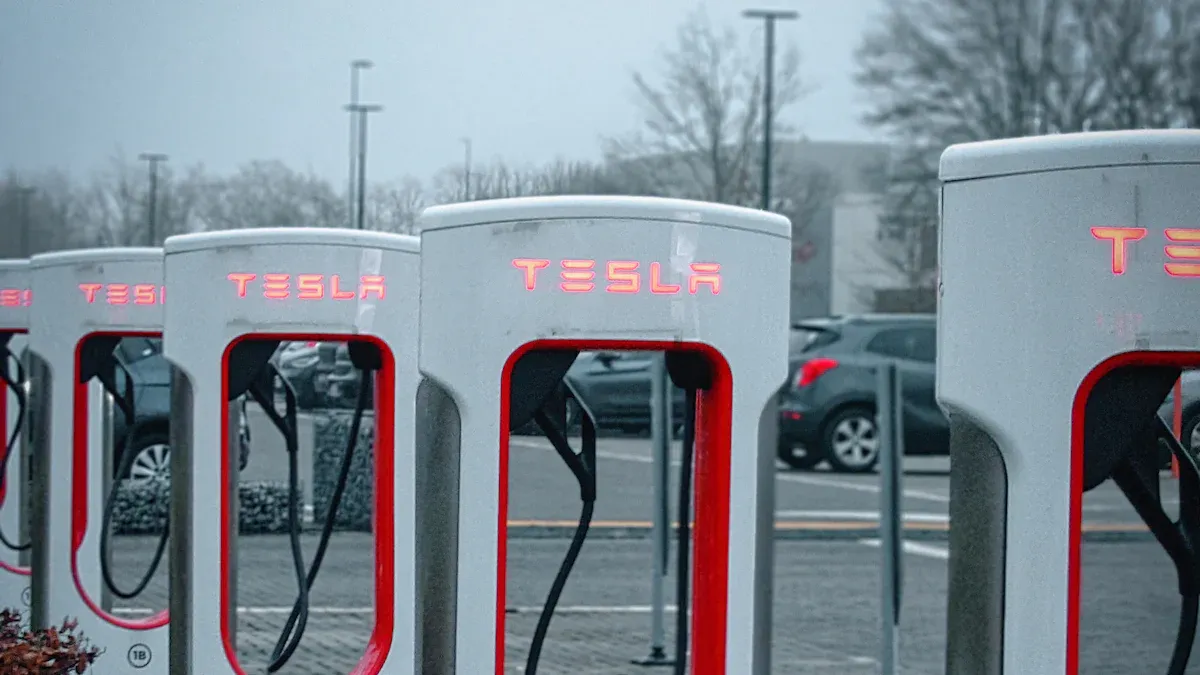
Beyond immediate revenue, installing commercial EV charging stations provides a lasting strategic advantage. It positions a business as a forward-thinking leader in its sector. This move is essential to differentiate a brand, build long-term property value, and ultimately future-proof your business against inevitable market shifts.
Become a Key Destination with EV Charging Points
In the digital age, visibility is paramount. EV charging infrastructure transforms a physical location into a digital waypoint for a growing population of EV drivers.
Getting Listed on Major Networks like Plugsurfing
Modern charging hardware from providers like TPSON includes smart technology. This technology allows the chargers to connect to a broader charging network. Once connected, the business’s location appears on popular EV charging maps and apps used by drivers throughout the Netherlands and Europe, such as Plugsurfing. This listing instantly puts the business on the radar for any EV driver planning a trip or looking for a nearby charge, turning the parking lot into a beacon for new customers.
Driving Organic Foot Traffic
Listing a charger is only the first step; the real benefit comes from attracting drivers to the location. EV drivers are planners who make conscious decisions about where they stop.
- They actively seek out safe, accessible, and well-lit locations with reliable chargers.
- Many drivers prefer destinations that offer other amenities, such as restrooms, Wi-Fi, or food and beverage options, allowing them to multitask while their vehicle charges.
- For a significant number of Dutch residents in apartments or dense urban areas without private parking, public commercial charging hubs are an absolute necessity, not just a convenience.
By offering these services, a business becomes a crucial part of the local infrastructure, drawing in consistent foot traffic from drivers who need to power up.
Differentiate Your Brand from Competitors
In a crowded marketplace, any unique selling proposition can set a business apart. EV charging is a powerful and visible differentiator that communicates a brand’s values without saying a word.
Standing Out in a Crowded Market
While competitors maintain traditional parking lots, a business with ev charging points offers a tangible, modern service. This simple addition can be the deciding factor for a customer choosing between two otherwise similar options.
It sends a clear message: this business is invested in the future, understands modern customer needs, and is committed to sustainability. This perception of innovation can elevate a brand’s status in the eyes of consumers.
This proactive step helps a business capture the growing EV driver market before its competitors do.
A Signal of Innovation and Customer Care
Installing chargers demonstrates a commitment that goes beyond the core business offering. It shows that the company pays attention to emerging trends and cares about providing a comprehensive, convenient customer experience. This focus on customer care builds trust and strengthens the brand’s public image, portraying it as a thoughtful and innovative leader in its community.
Develop Future-Proof Assets in Commercial Real Estate
EV charging infrastructure is more than an amenity; it is a permanent upgrade to a property. This investment enhances the value and desirability of commercial real estate for years to come.
Increasing Your Property’s Market Value
Installing high-quality ev charging points is a capital improvement that directly increases a property’s market value. For property owners and managers, this transforms a standard parking area into one of the most valuable future-proof assets. This enhancement makes the real estate more attractive to potential buyers, investors, and financiers, who recognize the growing importance of sustainable infrastructure. These upgrades are valuable assets that deliver returns far beyond direct charging revenue.
Meeting Future Tenant and Buyer Expectations
The demand for EV charging is not a passing trend. Future government regulations and market expectations will soon make charging stations in parking areas a standard requirement for any high-value commercial property. Businesses that invest now are not just adding a feature; they are preparing their real estate for the future. This foresight ensures the property remains competitive and desirable to future tenants and buyers, making it a strategic way to future-proof your business and its physical holdings. This preparation solidifies the long-term value of the commercial real estate portfolio.
Leverage Dutch Government Incentives and Sustainability Goals
Investing in EV charging infrastructure offers more than just commercial benefits; it aligns a business with national sustainability goals and unlocks significant government support. The Dutch government actively encourages this transition through various programs, making it a financially astute and reputation-enhancing move. Understanding these regulatory requirements and incentives is crucial for maximizing returns.
Capitalize on Financial Subsidies and Tax Benefits
The Netherlands provides several financial incentives to lower the initial investment cost of installing EV chargers. Businesses can leverage these programs to accelerate their ROI and make the project more affordable.
The Environmental Investment Allowance (MIA)
The MIA scheme allows businesses to deduct a percentage of the investment costs for environmentally friendly assets, including EV charging stations, from their taxable profit. This tax advantage directly reduces the net cost of the installation.
The Arbitrary Depreciation Scheme (VAMIL)
In conjunction with the MIA, the VAMIL scheme permits businesses to depreciate up to 75% of the investment cost at a moment of their choosing. This flexibility provides a significant liquidity and interest rate advantage, improving a company’s financial position.
SDE++ for Large-Scale Renewable Integration
For larger projects, the Stimulation of Sustainable Energy Production and Climate Transition (SDE++) subsidy may apply. This program supports companies that generate renewable energy and use it to power low-carbon technologies, such as large-scale EV charging hubs.
Achieve and Showcase Your CSR Objectives
EV charging is a powerful tool for demonstrating a company’s commitment to sustainability and corporate esg principles. It provides a tangible and visible symbol of a brand’s dedication to a greener future.
A Visible Commitment to Sustainability
Installing EV chargers is a public declaration of a company’s environmental responsibility. It shows customers, partners, and the community that the business is actively contributing to reducing carbon emissions. This action strengthens a company’s ESG profile in several ways:
- It aligns the business with internal climate goals and external frameworks.
- It improves transparency in annual ESG reporting and disclosures.
- It demonstrates leadership in environmental stewardship and innovation.
- It contributes directly to cleaner air in local communities.
Enhancing Your Brand’s Public Image
A strong commitment to sustainability enhances a brand’s reputation. Promoting EV charging infrastructure strengthens a company’s ESG reporting, which can improve its standing with both prospective employees and clients. This visible action builds trust and portrays the organization as a forward-thinking leader.
Attract and Retain Top-Tier Talent
In a competitive job market, workplace amenities can be a deciding factor for skilled professionals. EV charging is rapidly becoming a highly sought-after employee perk.
Workplace Charging as a Key Employee Perk
As Cecilia Routledge of CTEK notes, a business with workplace EV charging is “onto a winner as an employer of choice for young adult workers.” This is especially true for younger employees who are less likely to have home charging options.
Surveys show a clear trend: the preference for workplace charging among European employees nearly doubled from 12% in 2021 to 25% in 2023. Offering this benefit makes a company significantly more attractive to new talent and boosts retention among existing staff.
Aligning with Modern Employee Values
Offering on-site charging with advanced solutions from providers like TPSON does more than provide convenience. It shows that a company’s values align with those of the modern workforce. This commitment to sustainability and employee well-being fosters a positive company culture, increases engagement, and solidifies the organization’s reputation as a desirable place to work.
The Strategic Path to Implementation
A successful EV charging deployment requires a clear, step-by-step plan. This strategic path ensures the final installation meets business goals, satisfies customer needs, and delivers maximum return on investment. It begins with a thorough assessment and ends with a compliant, professional installation.
Step 1: Assess Your Site and Power Needs
Before purchasing any hardware, a business must conduct a comprehensive site assessment. Dieser grundlegende Schritt identifiziert die Chancen und Grenzen eines Standorts und verhindert so kostspielige spätere Nachbesserungen.
Bewertung des Standortpotenzials
Eine detaillierte Bewertung bestimmt die optimale Platzierung der Ladestationen. Zu berücksichtigen sind folgende Schlüsselfaktoren:
- Erreichbarkeit und Sichtbarkeit: Ladepunkte sollten leicht auffindbar sein, mit klarer Beschilderung und gut beleuchteten Zugangswegen..
- Verfügbarer Platz: Das Layout muss ausreichend Raum bieten, damit Fahrzeuge sicher parken und manövrieren können.
- Nähe zu Annehmlichkeiten: Die Platzierung von Ladepunkten in der Nähe von Eingängen, Toiletten oder Cafés verbessert das Kundenerlebnis.
- Sicherheit: Standorte mit natürlicher Überwachung oder CCTV-Abdeckung schrecken vor Vandalismus ab und erhöhen die Sicherheit der Nutzer.
Verständnis der elektrischen Infrastruktur
Eine professionelle Bewertung des bestehenden Elektrosystems ist entscheidend. Ein Installateur prüft die Stromversorgung des Grundstücks, um sicherzustellen, dass sie die zusätzliche Last durch E-Ladestationen bewältigen kann. Dies umfasst die Überprüfung von Lastberechnungen, Verteilerkästen und Unterverteilungen, um einen sicheren und zuverlässigen Energiefluss für die kommenden Jahre zu gewährleisten.
Schritt 2: Wahl der richtigen Ladetechnologie
Die Auswahl der richtigen Hardware und Software ist entscheidend für den Aufbau einer zukunftssicheren Ladeinfrastruktur. Die Wahl hängt vom Geschäftstyp, Kundenverhalten und den langfristigen Zielen ab.
AC- vs. DC-Schnelllader
AC- und DC-Lader erfüllen unterschiedliche Zwecke.. Das Verständnis ihrer jeweiligen Vorteile hilft einem Unternehmen, seine Investitionen mit den betrieblichen Anforderungen in Einklang zu bringen.
| Merkmal | AC-Lader (Level 2) | DC-Schnellladegeräte |
|---|---|---|
| Hauptanwendung | Längere Aufenthalte im Einzelhandel, Gastgewerbe und an Arbeitsplätzen. | Schnelles Nachladen an stark frequentierten Knotenpunkten und entlang von Autobahnen. |
| Aufladegeschwindigkeit | Langsamer (fügt 25–40 km Reichweite pro Stunde hinzu). | Sehr schnell (fügt in 20 Minuten 150+ km Reichweite hinzu). |
| Anfängliche Kosten | Niedriger. | Deutlich höher. |
| Idealer Standort | Einkaufszentren, Hotels, Büroparkplätze. | Tankstellen, Raststätten, Verkehrsknotenpunkte. |
Die Rolle intelligenter Ladessoftware
Effektive Management-Software wandelt Ladepunkte von einfachen Stromspendern in intelligente Assets um. Fortschrittliche Lösungen, wie sie die TPSON-Lader antreiben, bieten wesentliche Funktionen:
- Lastmanagement: Lastmanagement:.
- Verteilt die Leistung automatisch auf mehrere Ladepunkte, um Netzüberlastung zu verhindern und teure Elektro-Upgrades zu vermeiden.: Abrechnung und Zugangskontrolle.
- Verwaltet Zahlungen und steuert den Benutzerzugang über RFID-Karten oder mobile Apps. Zentrale Berichterstattung:.
Anmerkung: Liefert Daten zu Energieverbrauch, Sitzungsdauer und Umsatz und ermöglicht datengesteuerte Geschäftsentscheidungen. Protokoll für offene Ladestellen (OCPP) Hardware, die das.
Vorbereitungen für die Vehicle-to-Grid (V2G)-Technologie
Open Charge Point Protocol (OCPP) unterstützt, ist unerlässlich. Volle OCPP-Konformität gewährleistet die Interoperabilität zwischen den Ladepunkten und verschiedenen Management-Softwareplattformen und gibt Unternehmen Flexibilität und Kontrolle über ihr Ladenetz.
Vorausschauende Unternehmen sollten auch die Vehicle-to-Grid (V2G)-Eignung berücksichtigen. Diese aufstrebende Technologie ermöglicht es Elektrofahrzeugen, während der Spitzennachfrage Strom zurück an das Gebäude oder Netz zu liefern. Die Installation von V2G-fähiger Hardware bereitet ein Grundstück auf die Teilnahme an künftigen Energiemärkten vor und verwandelt geparkte Fahrzeuge in wertvolle Energie-Assets.
Schritt 3: Partnerschaft mit einem zertifizierten niederländischen Installateur.
Der letzte Schritt ist die Umsetzung des Plans mit einem qualifizierten Partner. Die Installation von E-Ladestationen erfordert die Navigation durch komplexe Vorschriften und technische Anforderungen.
Umgang mit lokalen Vorschriften und Genehmigungen.
Ein zertifizierter niederländischer Installateur verfügt über fundierte Kenntnisse der lokalen Bauvorschriften, Zonengesetze und Genehmigungsverfahren. Sein Fachwissen stellt sicher, dass das Projekt allen kommunalen und nationalen Standards entspricht und rechtliche Probleme sowie Verzögerungen vermieden werden.
Sicherstellung einer sicheren und konformen Installation Ein professioneller Partner verwaltet den gesamten Installationsprozess, von. Erdarbeiten und Parkplatzmarkierungen bis zur Endprüfung und Inbetriebnahme.
Er führt eine standortbasierte Risikobewertung durch und stellt sicher, dass das System sicher, zuverlässig und vollständig konform ist. Diese professionelle Überwachung garantiert den langfristigen Wert der Immobilieninvestition.
Optimierung Ihres E-Ladebetriebs für maximale ROI Die Installation ist nur der Anfang. Um die Rendite wirklich zu maximieren, muss ein Unternehmen seine E-Ladeinfrastruktur aktiv verwalten. Ein strategischer Ansatz für Preisgestaltung, Datenanalyse und Marketing verwandelt Ladestationen von einer einfachen Annehmlichkeit in ein leistungsstarkes und.
profitables Geschäftsasset.
Implementierung dynamischer Preisgestaltung und Lastmanagement.
Intelligente Ladetechnologie ermöglicht ausgefeilte Managementstrategien, die den Umsatz steigern und die Betriebskosten kontrollieren. Dieser intelligente Ansatz stellt sicher, dass das System effizient und profitabel läuft.
Umsatzmaximierung während der Spitzenzeiten Dynamische Preismodelle
- ermöglichen es einem Unternehmen, die Ladekosten basierend auf Echtzeitbedingungen anzupassen. Diese Strategie hilft, den Umsatz über den Tag zu optimieren. Wichtige Taktiken sind: Spitzenpreise:.
- Ein Unternehmen kann während Zeiten hoher Nachfrage, wie z.B. zur Mittagszeit oder während der abendlichen Pendlerzeiten, höhere Preise pro kWh ansetzen. Rabatte außerhalb der Spitzenzeiten:.
- Geringere Tarife in ruhigeren Zeiten fördern die Nutzung und verbessern die Auslastung der Assets. Sitzungsbasierte Gebühren:.
Diese Flexibilität ermöglicht es einem Unternehmen, die Nachfrage auszugleichen und das Einkommen zu maximieren, ohne zusätzliche Hardware zu benötigen.
Kostspielige Netzausbauten mit intelligenter Technologie vermeiden
Intelligentes Lastmanagement ist eine entscheidende Funktion moderner Ladelösungen. Diese Technologie verteilt die verfügbare Leistung intelligent auf alle aktiven Ladepunkte und verhindert so Überlastungen des hauseigenen Elektrosystems.
Durch die Echtzeit-Verwaltung der Leistungszuweisung können Unternehmen mehr Ladepunkte installieren, ohne teure Netzausbauten vornehmen zu müssen. Diese Technologie, zentral für fortschrittliche Systeme von Anbietern wie TPSON, senkt die Hürden für den Ausbau eines Ladebetriebs erheblich.
Integration von Ladedaten in die Geschäftsanalytik
EV-Ladestationen generieren eine Fülle wertvoller Daten. Die Analyse dieser Informationen liefert tiefe Einblicke in das Kundenverhalten, und ermöglicht datengestützte Entscheidungen, die sowohl den Ladeservice als auch das Kerngeschäft verbessern.
Verstehen von Verhaltensmustern bei EV-Fahrern
Lademanagement-Software bietet detaillierte Berichte zu wichtigen Kennzahlen. Unternehmen können Sitzungsdauer, Energieverbrauch, Spitzenlastzeiten und Umsatz pro Station verfolgen. Diese Daten helfen, Trends zu identifizieren, wie z.B. welche Wochentage am stärksten frequentiert sind oder wie lange der durchschnittliche Kunde bleibt. Dieses Verständnis ist entscheidend für die Ressourcenplanung und Serviceoptimierung.
Verfeinerung von Marketing- und Betriebsstrategien
Erkenntnisse aus Ladedaten befähigen Unternehmen, ihre Strategien zu verfeinern. Zeigen die Daten beispielsweise eine hohe Nachfrage an Wochenendvormittagen, kann ein Einzelhandelsgeschäft gezielte Promotionen in diesem Zeitfenster planen. Ein Restaurant könnte Informationen zur durchschnittlichen Ladezeit nutzen, um spezielle“”Laden & Speisen“-Angebote. zu erstellen. Dieser vernetzte Ansatz verwandelt Ladedaten in umsetzbare Business Intelligence, die Kundenfrequenz und Umsatz steigert.
Bewerbung Ihrer neuen EV-Ladeeinrichtung
Eine neue Ladestation ist ein bedeutendes Asset, das effektive Bewerbung erfordert. Ein klarer Marketingplan stellt sicher, dass lokale EV-Fahrer über den neuen Service informiert werden und motiviert sind, vorbeizukommen.
Effektive Bekanntgabe Ihres Service-Starts
Ein erfolgreicher Start beginnt mit klarer Kommunikation. Unternehmen sollten die neue Einrichtung über mehrere Kanäle bekanntgeben, darunter E-Mail-Newsletter an Bestandskunden, Beschilderung vor Ort und eine Pressemitteilung an lokale Medien. Die Hervorhebung der Bequemlichkeit und Zuverlässigkeit der neuen Ladestationen weckt sofortiges Interesse.
Bewerbung in sozialen Medien und lokalen Kanälen
Kontinuierliche Bewerbung hält den Service präsent. Ein Unternehmen kann Beiträge in sozialen Medien teilen, die die Ladestationen im Einsatz zeigen. Das Markieren lokaler Community-Gruppen und die Verwendung relevanter Hashtags wie #EVcharging und #Niederlande erhöhen die Sichtbarkeit. Die Auflistung der Ladestationen auf Plattformen wie Google Maps stellt sicher, dass sie in relevanten lokalen Suchen erscheinen und organischen Traffic direkt zum Standort lenken.
Die Investition in gewerbliche EV-Ladeinfrastruktur ist eine starke strategische Entscheidung für niederländische Unternehmen. Die Installation von EV-Ladepunkten bringt neue Einnahmen, einen starken Wettbewerbsvorteil und ein verbessertes Nachhaltigkeitsprofil. Dieser Schritt ist nicht nur ein operatives Upgrade; es ist eine vorausschauende Investition, um Ihr Unternehmen für das Elektrozeitalter zukunftssicher zu machen.
Machen Sie den ersten Schritt, um Ihren Wettbewerbsvorteil zu sichern und Ihr Unternehmen zukunftsfähig zu machen. Kontaktieren Sie noch heute einen zertifizierten EV-Ladeberater, um das Potenzial Ihres Standorts zu bewerten und einen maßgeschneiderten Umsetzungsplan zu entwickeln.
FAQ
Wie viel kostet die Installation gewerblicher EV-Ladestationen?
Die Installationskosten variieren je nach mehreren Faktoren. Dazu gehören die Art der Ladestation (AC vs. DC), die Anzahl der Einheiten und die vorhandene elektrische Infrastruktur. Staatliche Subventionen wie MIA und VAMIL können die Nettoinvestition für ein Unternehmen erheblich reduzieren.
Wie lange dauert der Installationsvorgang?
Eine Standardinstallation kann von wenigen Tagen bis zu mehreren Wochen dauern. Der Zeitplan hängt von der Komplexität des Standorts, den Genehmigungen und eventuell erforderlichen Elektro-Upgrades ab. Ein zertifizierter Installateur erstellt nach gründlicher Standortbewertung einen genauen Zeitplan.
Welche Wartung benötigen EV-Ladestationen?
Moderne Ladestationen benötigen minimal Wartung. Diese umfasst typischerweise routinemäßige Software-Updates und regelmäßige physische Inspektionen, um Sicherheit und Funktionalität zu gewährleisten. Fortschrittliche Lösungen von Anbietern wie TPSON sind auf hohe Zuverlässigkeit und langfristige Leistung bei minimalem Wartungsaufwand ausgelegt.
Kann ich Ladestationen mit begrenzter elektrischer Kapazität installieren?
Ja. Intelligente Ladesoftware mit Lastmanagement-Technologie ist die Lösung. Sie verwaltet intelligent die Leistungsverteilung auf alle aktiven EV-Ladepunkte. Diese Funktion ermöglicht es Unternehmen, mehr Ladestationen zu installieren, ohne teure Netzausbauten zu benötigen, was sie zu einer kosteneffektiven Strategie macht.
Ist spezielle Software zur Verwaltung der Ladestationen notwendig?
Ja, ein Charge Point Management System (CPMS) ist unerlässlich. Diese Software ermöglicht es einem Unternehmen, Preise festzulegen, Benutzerzugang zu verwalten und Nutzungsdaten zu überwachen. OCPP-konforme Hardware gewährleistet die Flexibilität, unter verschiedenen Softwareanbietern wählen zu können.
Wie lege ich den richtigen Preis für das Laden fest?
Unternehmen können aus mehreren Preismodellen wählen.
- Pro kWh: Berechnung nach verbrauchter Energie.
- Pro Stunde: Fördert die Fahrzeugumschlagshäufigkeit.
- Pauschale Gebühr: Einfach für Standorte mit langen Aufenthalten.