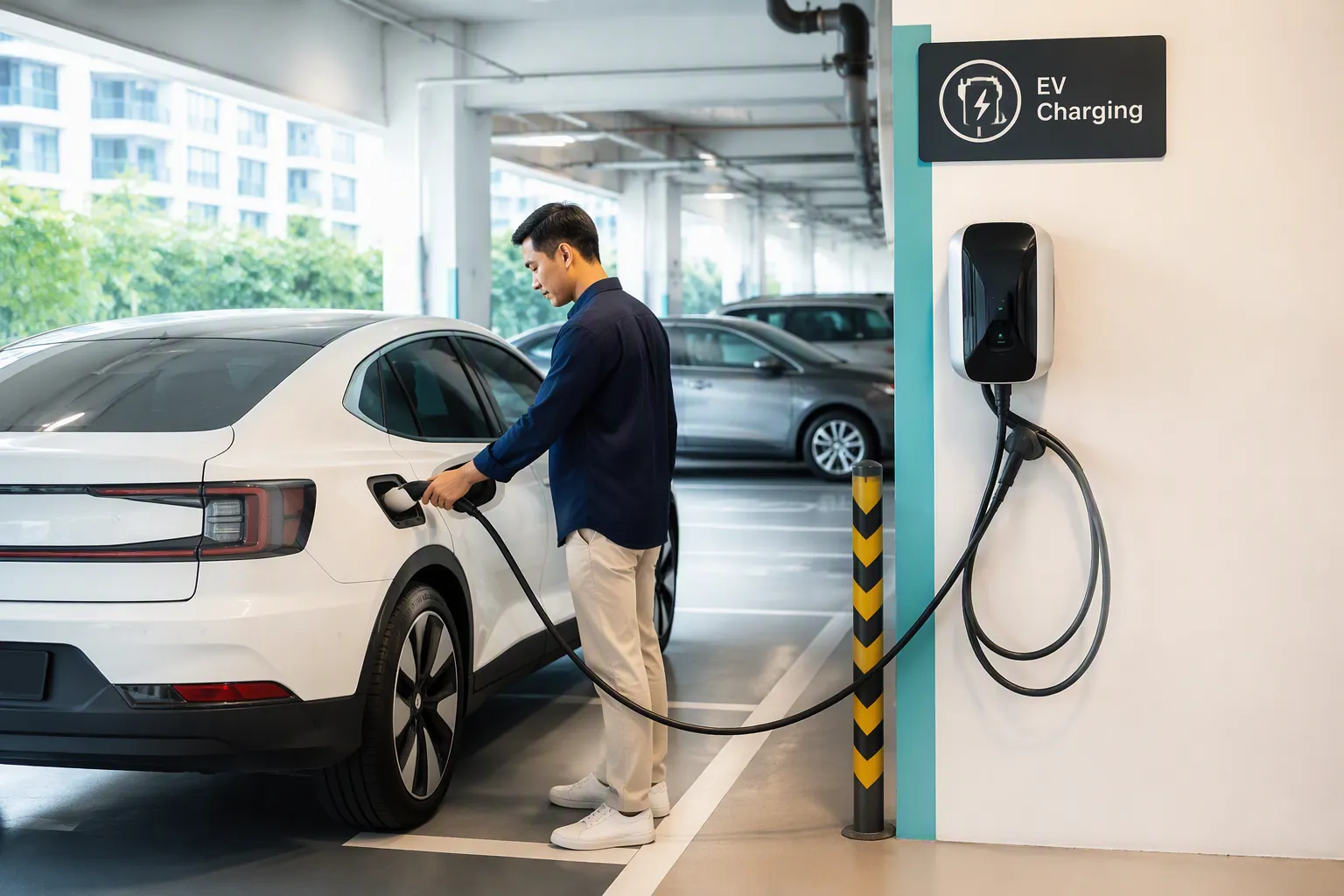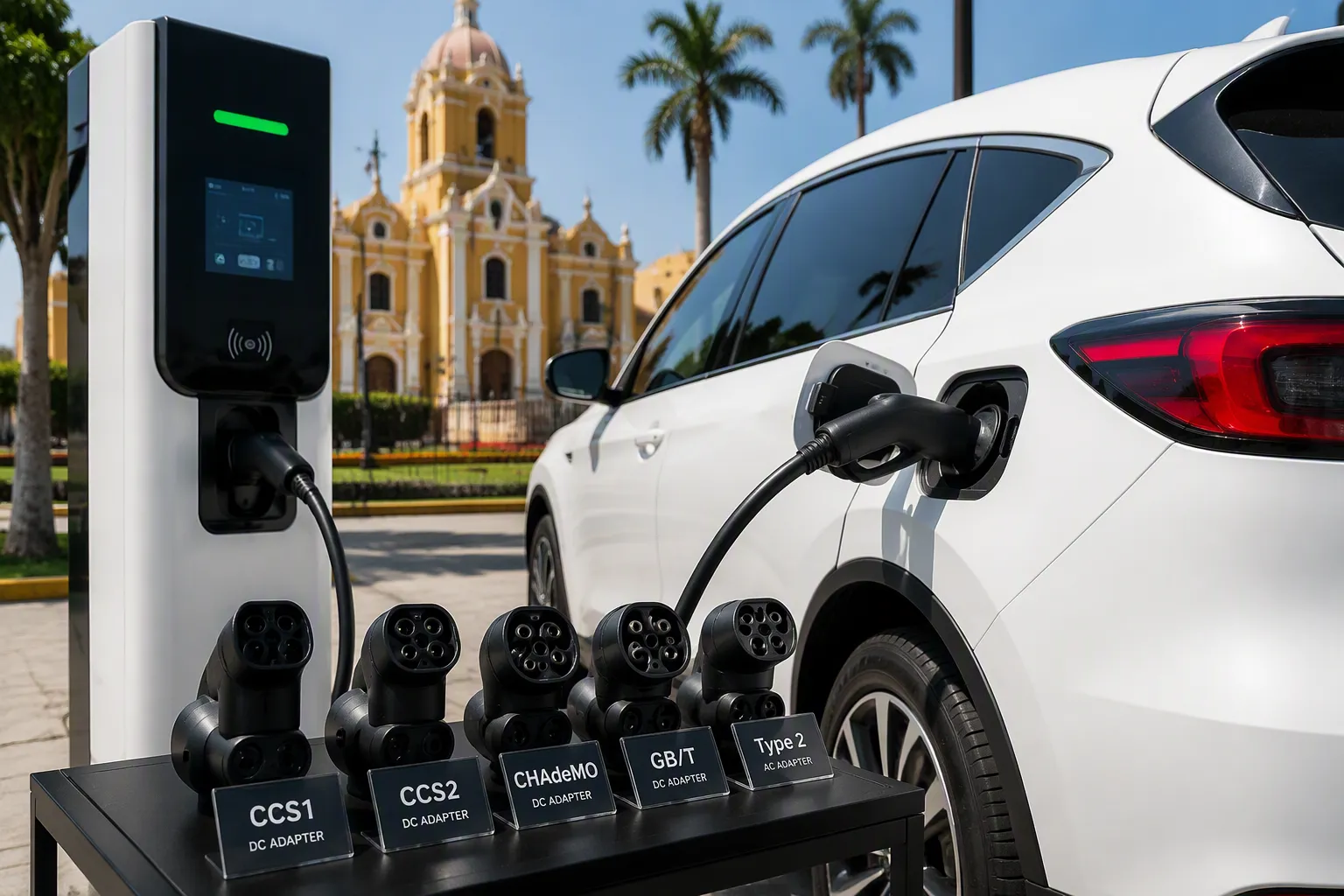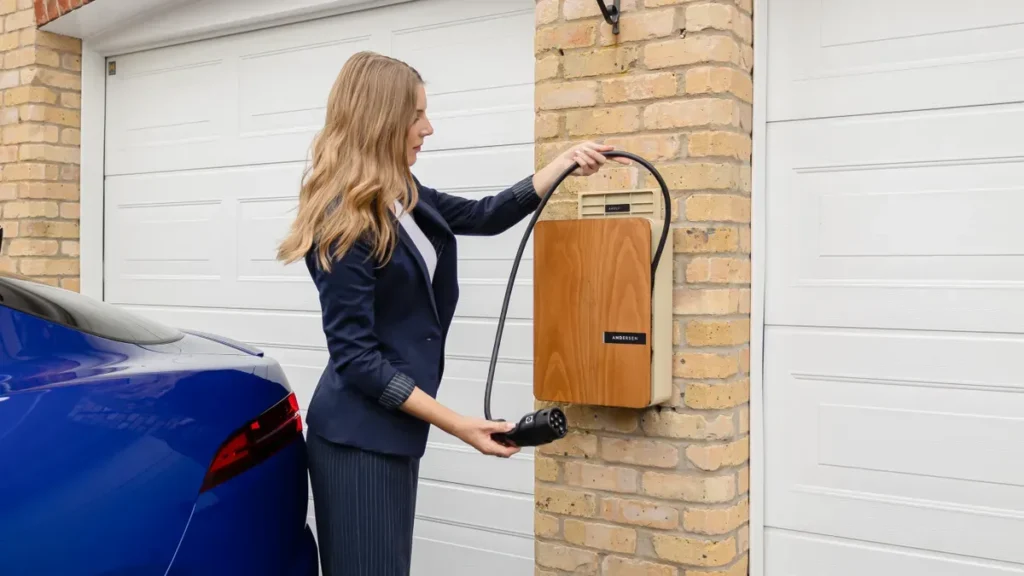
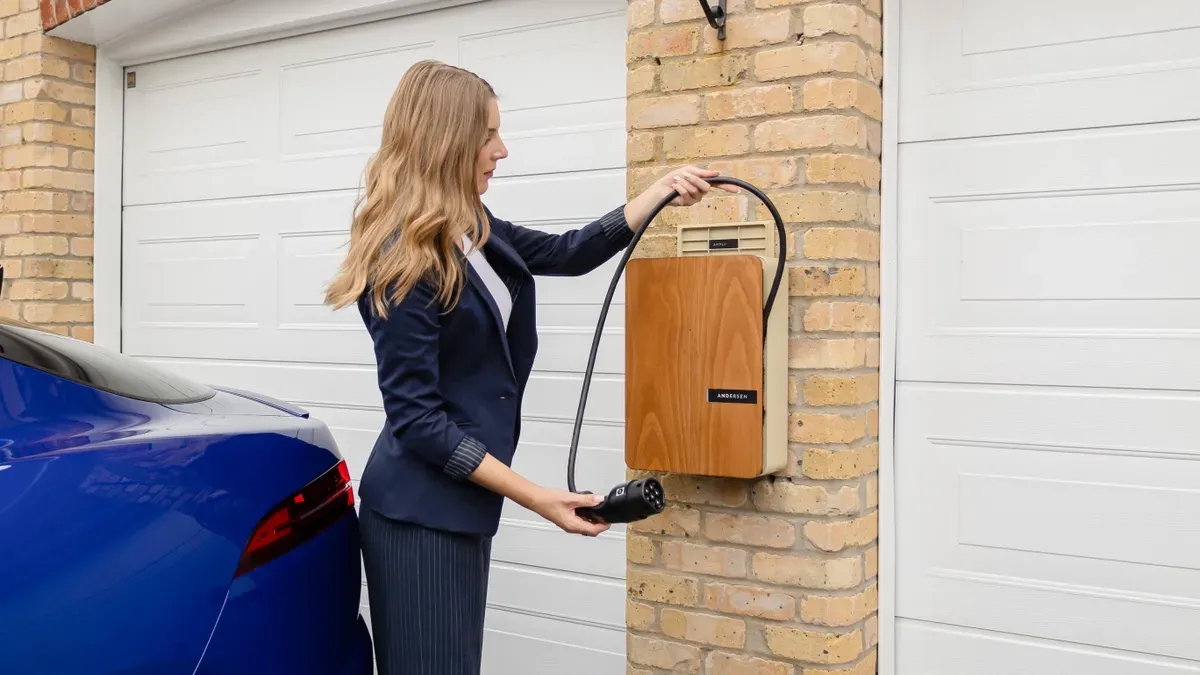
The average lifespan of a home EV-Ladegerät reicht von 10 to 15 years, depending on build quality and maintenance. Many Hersteller von EV-Ladegeräten design units for durability, supporting reliable EV-Ladelösungen at home. Owners often ask how long do home EV chargers last, especially when considering tragbare EV-Ladegeräte. Smart chargers may achieve longer lifespans through software updates. Understanding the lifespan of a home EV charger helps buyers plan for replacement and ensures safe charging.
| Lifespan Range | Beschreibung |
|---|---|
| 10–15 years | Typical lifespan of a home EV charger with proper care and installation. |
| Over 10 years | Many well-built chargers can last a decade or more. |
| Longer lifespan | Smart chargers may last even longer due to software updates. |
Average Lifespan of a Home EV Charger
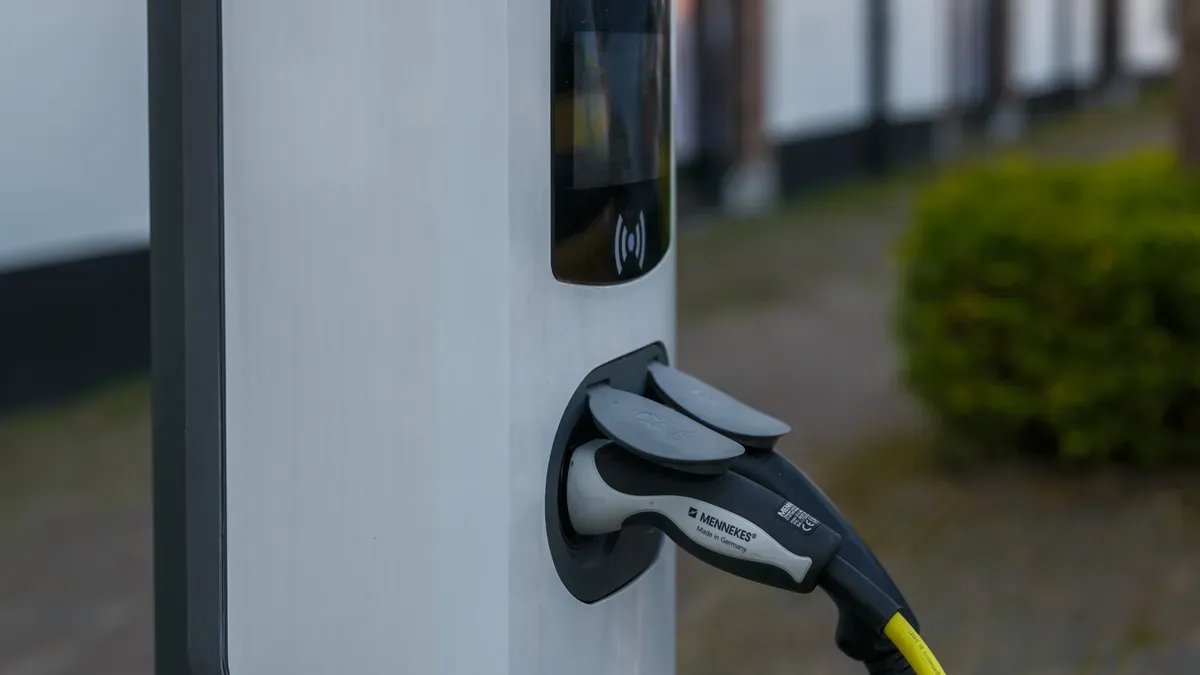
How Long Do Home EV Chargers Last
Typical lifespan range
Manufacturers and consumer organizations often report that the lifespan of a home EV charger falls between 10 and 20 years. Most homeowners can expect their charging equipment to last at least a decade. Some units may even exceed this range, especially when owners follow recommended maintenance practices. The actual lifespan depends on several factors, including the quality of the charger, how often it is used, and the environment where it operates.
A well-built charger, installed correctly and maintained regularly, will typically provide reliable service for many years. The question of how long do home EV chargers last remains important for buyers who want to maximize their investment and avoid unexpected replacement costs.
Factors that cause variation
The lifespan of a home EV charger does not remain fixed for every unit. Several variables influence how long a charger will function efficiently:
- Build Quality: Premium chargers use higher-grade materials and components, which can extend operational life.
- Einbau: Professional installation ensures proper setup and electrical compatibility, reducing the risk of early failure.
- Verwendungsmuster: Chargers used daily may experience more wear than those used occasionally.
- Environmental Exposure: Outdoor chargers face weather-related stress, while indoor units often last longer.
- Wartung: Regular inspections and cleaning help prevent minor issues from becoming major problems.
Tip: Owners who monitor their charging habits and maintain their equipment often see a longer lifespan from their home EV chargers.
Manufacturer Warranties and Durability
Warranty periods
Manufacturers provide warranties to assure buyers of the durability and reliability of their products. Most home EV chargers come with warranties that range from three to five years. Some premium brands offer extended coverage, reflecting their confidence in the product’s longevity.
- Manufacturer warranties indicate expected durability and lifespan of home EV chargers.
- Longer warranties suggest greater manufacturer confidence in product longevity.
- Warranty length is a strong indicator of how long the manufacturer expects the charger to last.
What warranties indicate about lifespan
A warranty serves as a promise from the manufacturer regarding the expected performance of the charger. When a company offers a longer warranty, it signals that the charger should operate reliably for the duration of that period, if not longer. Buyers can use the warranty period as a guideline when estimating the lifespan of a home EV charger. A longer warranty often means the manufacturer has tested the product thoroughly and expects it to withstand years of regular use.
Factors Affecting the Lifespan of a Home EV Charger
Installation Quality
Professional vs. DIY installation
Industry experts emphasize the importance of professionelle Installation for home EV chargers. Certified professionals ensure safety and compliance with all regulations. They manage the electrical load and follow industry standards. This approach maximizes the lifespan of the charger by guaranteeing optimal performance and efficiency. It also reduces the likelihood of malfunctions or breakdowns. In contrast, DIY installation can lead to mistakes that compromise safety and reliability. Homeowners who choose professionelle Installation benefit from:
- Enhanced safety for both the charger and the home’s electrical system
- Reliable operation and fewer unexpected failures
- Compliance with local codes and manufacturer requirements
Electrical compatibility
Proper electrical compatibility plays a key role in extending the life of a home EV charger. A charger must match the home’s electrical system to avoid overloads or short circuits. Professional installers check the wiring, circuit breakers, and voltage to ensure everything meets the charger’s specifications. This careful setup prevents damage and supports long-term performance.
Usage Frequency
Daily vs. occasional charging
Usage frequency directly impacts the longevity of a home EV charger. Chargers used every day experience more wear and tear than those used only a few times per week. For example, frequent use of bidirectional charging, such as vehicle-to-grid (V2G) systems, can accelerate the aging process. Studies show that using V2G charging twice daily increases capacity loss by 75% and resistance by 10%. Reducing V2G charging to once a day still results in a 33% faster capacity loss and a 5% rise in resistance. Owners who charge less often may see their chargers last longer.
Impact of charging habits
Charging habits also affect charger lifespan. Consistently charging at maximum power or unplugging the charger abruptly can stress internal components. Owners who follow manufacturer guidelines and avoid unnecessary charging cycles help preserve the charger’s condition.
Umweltbedingungen
Indoor vs. outdoor placement
The location of a home EV charger influences its durability. Indoor chargers stay protected from weather, which reduces the risk of damage. Outdoor chargers face more challenges, such as rain, snow, and temperature changes. These factors can shorten the charger’s operational life.
Weather exposure
Environmental conditions like temperature and humidity have a significant effect on charger performance. Cold weather can cause cables to stiffen and condensation to form inside the unit. High temperatures may force the charger to lower its output to prevent overheating. Humidity increases the risk of moisture build-up, which can damage internal components. Owners who protect their chargers from extreme conditions help extend their lifespan.
Brand and Model Differences
Premium vs. budget chargers
Buyers often compare premium and budget home EV chargers when making a purchase. Premium chargers usually feature advanced materials, robust construction, and enhanced smart technology. These units often last longer because manufacturers focus on durability and reliability. Budget chargers may attract buyers with lower prices, but they sometimes use less durable components. This difference in quality can lead to a shorter service life and more frequent repairs.
Premium chargers often include weatherproof casings and advanced safety features. These additions help protect the charger from environmental stress and electrical faults. Budget models may lack these protections, which can affect both performance and longevity. Owners who prioritize the quality of the charger often experience fewer issues and a longer lifespan.
Manufacturer support
Manufacturer support plays a key role in the long-term value of a home EV charger. Leading brands usually offer strong customer service, regular software updates, and clear troubleshooting guides. These resources help owners resolve problems quickly and maintain optimal performance. Budget brands may provide limited support, which can make repairs or updates more difficult.
Note: Reliable manufacturer support can extend the useful life of a charger by ensuring access to replacement parts and timely technical assistance.
Maintenance Practices
Regelmäßige Inspektionen
Routine inspections help owners identify potential problems before they lead to charger failure. Technicians check for signs of wear, loose connections, and electrical safety compliance. Regular inspections also help maintain smart features and software reliability. By addressing small issues early, owners can prevent unexpected charging failures and avoid costly call-outs or replacements.
- Prevent unexpected charging failures
- Maintain electrical safety compliance
- Protect smart features and software reliability
- Extend charger lifespan
- Avoid costly call-outs or replacements
Cleaning and care
Proper cleaning and care support the long-term performance of a home EV charger. Owners should keep connectors free from dust, dirt, and moisture. They should also check cables for fraying or damage. Simple cleaning routines help preserve the quality of the charger and reduce the risk of corrosion or electrical faults.
A well-maintained charger delivers consistent performance and lasts longer. Owners who invest time in cleaning and inspections protect their investment and ensure safe, reliable charging for years.
How to Extend the Life of Your Home EV Charger
Richtiger Einbau
Choosing a qualified installer
A properly installed EV charger forms the foundation for long-term reliability. Homeowners who select certified electricians benefit from expertise in electrical safety and compliance. Qualified installers follow manufacturer guidelines and local codes, which reduces the risk of early failure. They also ensure the charger operates efficiently and safely. Many industry professionals recommend seeking installers with experience in EV charging systems.
Ensuring correct setup
Correct setup plays a crucial role in maximizing the lifespan of a home EV charger. Installers check voltage, circuit breakers, and wiring to match the charger’s specifications. They secure mounting hardware and verify weatherproofing for outdoor units. This attention to detail prevents electrical overloads and protects the charger from environmental hazards. Owners who invest in professional installation often see fewer malfunctions and longer service life.
Routinemäßige Wartung
Cleaning connectors
Routine maintenance helps increase lifespan and ensures consistent performance. Cleaning connectors removes dust, dirt, and moisture that can cause corrosion or poor electrical contact. Owners should use non-abrasive cleaners and avoid high-pressure sprays. Monthly cleaning supports reliable charging and reduces the risk of faults.
Checking for wear and tear
Regular inspections identify issues before they become serious problems. Technicians look for cracks, loose parts, and signs of vandalism. They inspect cables for fraying and check weather seals after heavy rain or snow. Running diagnostics and checking for software updates every six months keeps smart features functioning. Annual professional maintenance ensures electrical safety and regulatory compliance.
Good care and routine maintenance protect the charger and extend the life of your home EV charger.
| Aufgabe | Frequenz | Anmerkungen |
|---|---|---|
| Visuelle Kontrolle | Wöchentlich | Check for cracks, loose parts, vandalism |
| Clean unit exterior | Monatlich | Use non-abrasive cleaner, avoid high pressure |
| Inspect cables and connectors | Monatlich | Check wear, fraying, secure connection |
| Check weather seals | Vierteljährlich | Especially after heavy rain or snow |
| Run diagnostics | Vierteljährlich | Use software or manufacturer tool |
| Check software updates | Alle 6 Monate | Contact manufacturer for support |
| Professional inspection | Jährlich | Electrical safety & full diagnostics |
| Schedule professional maintenance | Jährlich | Ensure smooth performance and compliance |
Smart Usage Habits
Avoiding overuse
Smart usage habits help owners extend the life of their home EV charger. Avoiding overuse prevents overheating and reduces stress on internal components. Owners who charge their vehicles during off-peak hours and avoid unnecessary charging cycles preserve the charger’s condition.
Monitoring charging cycles
Monitoring charging cycles and using features like Lastausgleich and energy usage tracking supports efficient operation. Charging schedules allow owners to charge when electricity costs less, which reduces overall expenses. Integration with solar panels or batteries enhances efficiency and savings.
| Merkmal | Beschreibung |
|---|---|
| Lastausgleich | Adjusts charger output to match electrical capacity, preventing overload |
| Energy Usage Tracking | Monitors energy consumption and costs |
| Charging Schedules | Allows charging during off-peak times, reducing costs |
| Solar & Battery Integration | Enhances efficiency and savings with renewable energy systems |
Owners who follow these practices and maintain their chargers properly enjoy reliable performance and increased lifespan.
Protecting Against Environmental Damage
Home EV chargers face many challenges from the weather and environment. Owners must protect their chargers to ensure reliable performance and extend their lifespan. Environmental damage can lead to costly repairs or early replacement. Manufacturers recommend several strategies to safeguard charging equipment.
Using weatherproof covers
Weatherproof covers provide a strong defense against rain, snow, and dust. These covers shield the charger from moisture and debris, which can cause corrosion or electrical faults. Outdoor chargers benefit most from weatherproofing. Many covers feature durable materials and tight seals. They prevent water from entering sensitive components. Owners should select covers designed for their specific charger model. Proper cable management also helps. Cables must stay organized and protected from harsh conditions. Regular inspections for wear and damage allow owners to spot issues early. Technicians check seals and connectors for cracks or leaks. Scheduling professional maintenance ensures that weatherproofing remains effective.
Tip: Weatherproof covers and routine inspections help prevent environmental damage and support long-term charger reliability.
Indoor storage tips
Indoor storage offers the best protection against environmental hazards. Chargers placed inside garages or utility rooms avoid exposure to extreme temperatures and humidity. Indoor locations reduce the risk of moisture buildup and corrosion. Owners should keep the charger away from chemicals and heavy equipment. Proper ventilation prevents overheating. Monitoring charger performance helps detect early signs of trouble. Owners should check cables and connectors for dust or dirt. Cleaning the unit regularly maintains optimal function. Professional maintenance keeps indoor chargers in top condition.
- Store chargers in dry, well-ventilated areas
- Keep cables organized and off the floor
- Inspect connectors for dust and debris
- Avoid placing chargers near chemicals or heavy machinery
- Schedule annual professional maintenance
A combination of weatherproof covers for outdoor units and careful indoor storage practices protects chargers from environmental threats. These measures help owners maximize the lifespan of their home EV chargers.
Signs Your Home EV Charger Is Aging or Malfunctioning
Homeowners rely on their EV chargers for consistent and reliable charging. Over time, chargers may show signs your EV charger may need attention. Recognizing these indicators helps prevent unexpected failures and ensures safety.
Physical Wear and Damage
Cracks or corrosion
Physical damage often appears as cracks in the charger’s casing or corrosion on metal components. These issues usually result from exposure to moisture, temperature fluctuations, or accidental impacts. Cracks allow water and dust to enter the unit, which can cause electrical faults. Corrosion weakens connectors and reduces the charger’s ability to deliver power efficiently. Technicians recommend inspecting the charger regularly for visible damage. Early detection prevents further deterioration and supports long-term performance.
Frayed cables
Frayed cables pose a significant safety risk. Damaged insulation exposes wires, increasing the chance of electrical shorts or shocks. Owners should check cables for wear, especially near connectors and bends. Replacing frayed cables maintains safe operation and prevents costly repairs. Routine inspections help identify cable issues before they affect charging reliability.
Performance Issues
Slow charging
Slow charging rates signal potential electrical problems within the charger. Owners may notice that their vehicle takes much longer to reach a full charge. This issue can stem from internal component wear, outdated technology, or compatibility problems with newer EV models. The table below outlines common performance issues that indicate a charger may be nearing the end of its useful life:
| Performance Issue | Beschreibung |
|---|---|
| Slow Charging Rates | Significantly longer charging times indicate potential electrical issues with the charger. |
| Compatibility Issues with Newer EV Models | Older chargers may not support newer EV models, leading to slow charging or inability to charge. |
| Frequent Maintenance Needs | Regular troubleshooting and maintenance indicate underlying issues that may necessitate an upgrade. |
| Lack of Smart Charging Features | Absence of features like scheduled charging and remote monitoring limits convenience and efficiency. |
| Increased Home Energy Consumption | Higher electricity bills may signal that an outdated charger is less energy-efficient than newer models. |
Frequent interruptions
Frequent interruptions during charging sessions suggest internal faults or electrical supply limitations. Owners may experience charging that stops unexpectedly or fails to initiate. These interruptions disrupt daily routines and reduce the charger’s reliability. Addressing these issues promptly ensures continued reliable charging and prevents further damage.
Safety Concerns
Überhitzung
Overheating represents a critical safety concern. Aging chargers often struggle with temperature management, leading to reduced power output or shutdowns. Earthing issues and electrical faults can trigger power reduction to prevent overheating. Owners should monitor the charger for excessive heat during operation. If the unit feels unusually hot, professional inspection becomes necessary.
Unusual noises or smells
Unusual noises or smells indicate underlying electrical problems. Buzzing, clicking, or burning odors signal that internal components may have failed. These symptoms require immediate attention to avoid fire hazards or electrical shocks. Technicians advise disconnecting the charger and seeking expert assistance when these signs appear.
Regular inspections and prompt action help maintain safety and optimal performance. Owners who recognize early warning signs protect their investment and ensure reliable charging for years.
Common Safety Concerns with Aging Chargers:
- Reduced charging speeds due to electrical supply limitations
- Earthing issues that can trigger power reduction
- Temperature management concerns that lead to reduced power to prevent overheating
- Potential underlying electrical issues indicated by reduced charging speeds
Repair, Maintenance, or Upgrade for Home EV Chargers
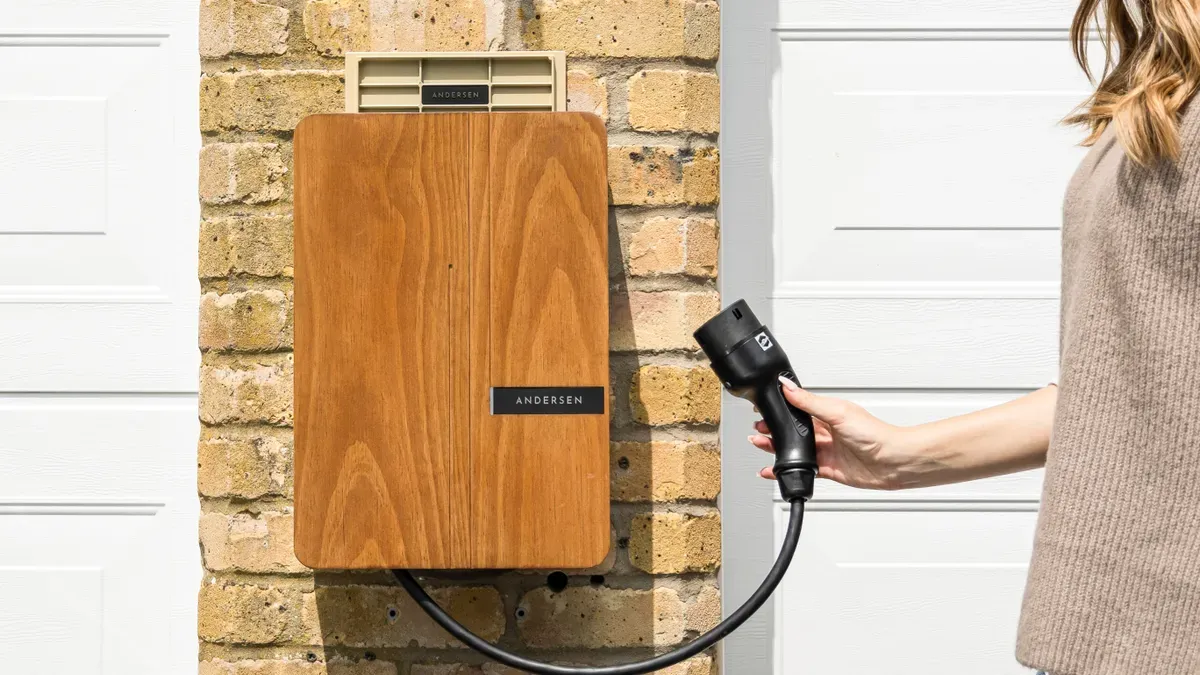
Home EV charger owners often face the decision to repair, maintain, or upgrade their charging equipment. Each option depends on the charger’s age, condition, and compatibility with new technologies. Understanding when to choose each path helps maximize safety, performance, and value.
When to Repair
Minor issues
Minor problems do not always require a full replacement. Many common issues can be resolved with simple repairs. Owners should inspect the charger regularly and look for the following:
- Exterior and casing: Check for cracks, dents, or visible damage.
- Cables: Examine for fraying, cuts, or excessive wear. Properly coil or mount cables to prevent damage.
- Connectors: Inspect for corrosion, debris, or bent pins.
- Indicator lights and screen: Confirm all lights, buttons, and screens function as expected.
- Smart features: Test buttons, touchscreen, and the charger’s app for correct responses.
- Electrical components: Request an electrician to test these if problems arise.
- Functionality: Plug in the EV to verify the charger delivers power correctly.
If these checks reveal only minor faults, a repair often restores full function.
Cost-effective fixes
Repairing a charger makes sense when the cost remains low compared to replacement. Simple fixes, such as replacing a cable or cleaning connectors, extend the charger’s life without significant expense. Owners should consult a qualified technician to assess repair options and ensure safety.
When to Maintain
Preventive care
Regular maintenance prevents small issues from becoming major problems. Cleaning connectors, inspecting cables, and checking for software updates keep the charger operating efficiently. Preventive care also supports safety and reliability.
Scheduled check-ups
Scheduled check-ups by a certified electrician help identify hidden faults. Annual inspections ensure the charger meets electrical standards and operates at peak performance. Routine maintenance reduces the risk of unexpected failures and prolongs the charger’s lifespan.
Tip: Consistent maintenance protects the investment and ensures reliable charging for years.
When to Upgrade
Outdated technology
Technology in the EV charging industry evolves rapidly. Upgrading a charger before the end of its expected lifespan can provide significant benefits. The table below highlights advancements that justify an upgrade:
| Art der Beförderung | Beschreibung |
|---|---|
| Upgrades für elektrische Schalttafeln | A 200-amp panel supports multiple chargers and future home electrification without overloading circuits. |
| Future Vehicle Compatibility | New chargers accommodate evolving vehicle technologies and higher power demands. |
| Software-Aktualisierungen | OCPP-compliant chargers receive automatic firmware upgrades for enhanced security and compatibility. |
| Remote Update Capabilities | Modern chargers download updates automatically, staying current without service visits. |
| Communication Protocol Support | Support for Wi-Fi, Bluetooth LE, and Matter ensures compatibility with smart home systems. |
| Smart Scheduling Features | Improved load balancing and integration with dynamic tariffs optimize power distribution. |
| Security Patches | Regular firmware updates protect against cyber threats and enhance infrastructure security. |
Compatibility with new EVs
New electric vehicles may require higher charging speeds or advanced communication protocols. Upgrading ensures the charger remains compatible with the latest EV models and smart home systems. Owners who upgrade benefit from improved efficiency, safety, and convenience.
Choosing Home EV Chargers for Maximum Lifespan
Evaluating Brands and Models
Selecting the right home EV charger requires careful evaluation of brands and models. Owners prioritize reliability and long-term performance when making their choice. High-quality brands such as TPSON offer advanced technology and robust customer support. Buyers consider several factors to ensure maximum lifespan:
- Installation requirements play a crucial role. Professional installation guarantees safety and compliance with electrical codes.
- Electrical panel capacity must support the charger’s load. Upgrading the panel may be necessary for optimal performance.
- Location and accessibility affect daily use. Owners select convenient mounting options for easy access.
- Regular cleaning prevents performance issues and maintains reliability.
- Inspecting for wear and tear ensures safe operation. Owners check cables and connectors for damage.
- Protection against extreme weather extends the charger’s service life. Weatherproof covers shield the unit during severe conditions.
- Monitoring software updates enhances functionality and security. Owners keep the charger’s software current for improved reliability.
Reliability ratings help buyers compare different models. Customer reviews provide insight into real-world performance and durability. Owners look for consistent positive feedback and proven track records when selecting a charger.
Features That Help Extend the Life of Your Home EV Charger
Durability options
Durability stands as a key consideration for maximizing the lifespan of a home EV charger. Manufacturers design chargers with features that protect against electrical faults and environmental hazards. The following table highlights models with durability options that contribute to extended service life:
| Ladegerät Modell | Eigenschaften |
|---|---|
| Pod Point solo 3S | Surge protection, solar compatibility, access to app and 24-hour customer support |
| EO Mini Pro 3 | Automatic shut off, power balancing |
| Vorsprung alpha max | Overcurrent, overvoltage, leakage protection, app management, RFID cards for multiple users |
| Masterplug smart | Electric shock prevention, leakage protection, auto lock, LED indicator |
Durable chargers incorporate surge protection, leakage prevention, and robust casing. Owners benefit from enhanced safety and reduced risk of early failure. High-quality brands often include advanced features that support long-term reliability.
Smart technology
Smart technology plays a significant role in extending the life of home EV chargers. Owners use chargers with slower charging options to maintain battery health. Slower charging reduces stress on the battery and minimizes degradation. Regular topping up at home keeps the battery within an optimal state of charge range, which enhances its lifespan.
Smart chargers offer features such as automatic shut off, power balancing, and app management. These functions optimize charging cycles and prevent overuse. Owners monitor energy consumption and schedule charging sessions for efficiency. TPSON provides technologically advanced solutions that integrate smart features for improved reliability and durability.
Tip: Owners who select chargers with smart technology and durability options enjoy reliable performance and extended service life.
Industry research shows the lifespan of a home EV charger typically ranges from 10 to 15 years, with some units reaching 20 years or more. Key factors that influence how long home EV chargers last include build quality, professional installation, and regular maintenance. Owners can maximize savings and enjoy greater convenience and time savings by following expert recommendations:
- Schedule regular checks and keep the unit clean.
- Inspect cables for damage and manage them properly.
- Contact a professional for repairs or if the charger malfunctions.
These practices support the financial benefits of a long-lasting EV charger, deliver long-term savings, and ensure reliable performance. Routine monitoring and care help protect home EV chargers, providing ongoing savings and peace of mind.
FAQ
How often should a home EV charger receive maintenance?
Most experts recommend a visual inspection every month and a professional check-up once a year. Regular cleaning and cable checks help prevent issues and extend the charger’s lifespan.
Can extreme weather damage a home EV charger?
Yes. Extreme temperatures, moisture, and dust can damage components. Owners should use weatherproof covers for outdoor chargers and store units indoors when possible.
What should an owner do if the charger stops working?
First, check the power supply and cables. If the charger still does not work, contact a certified electrician or the manufacturer’s support team for troubleshooting.
Is it safe to repair a home EV charger without professional help?
No. Only certified electricians should repair EV chargers. Unqualified repairs can cause electrical hazards and void warranties.
How can someone tell if a charger is compatible with a new EV?
Check the charger’s specifications and the EV’s charging requirements. Manufacturers usually provide compatibility charts. Owners can also consult the vehicle manual or contact customer support.
Do smart chargers last longer than standard models?
Smart chargers often last longer because they receive software updates and have advanced safety features. These updates help maintain performance and extend service life.
What are the signs that a charger needs replacement instead of repair?
Frequent malfunctions, outdated technology, or inability to charge new EV models signal the need for replacement. Owners should also consider replacement if repairs become too costly.