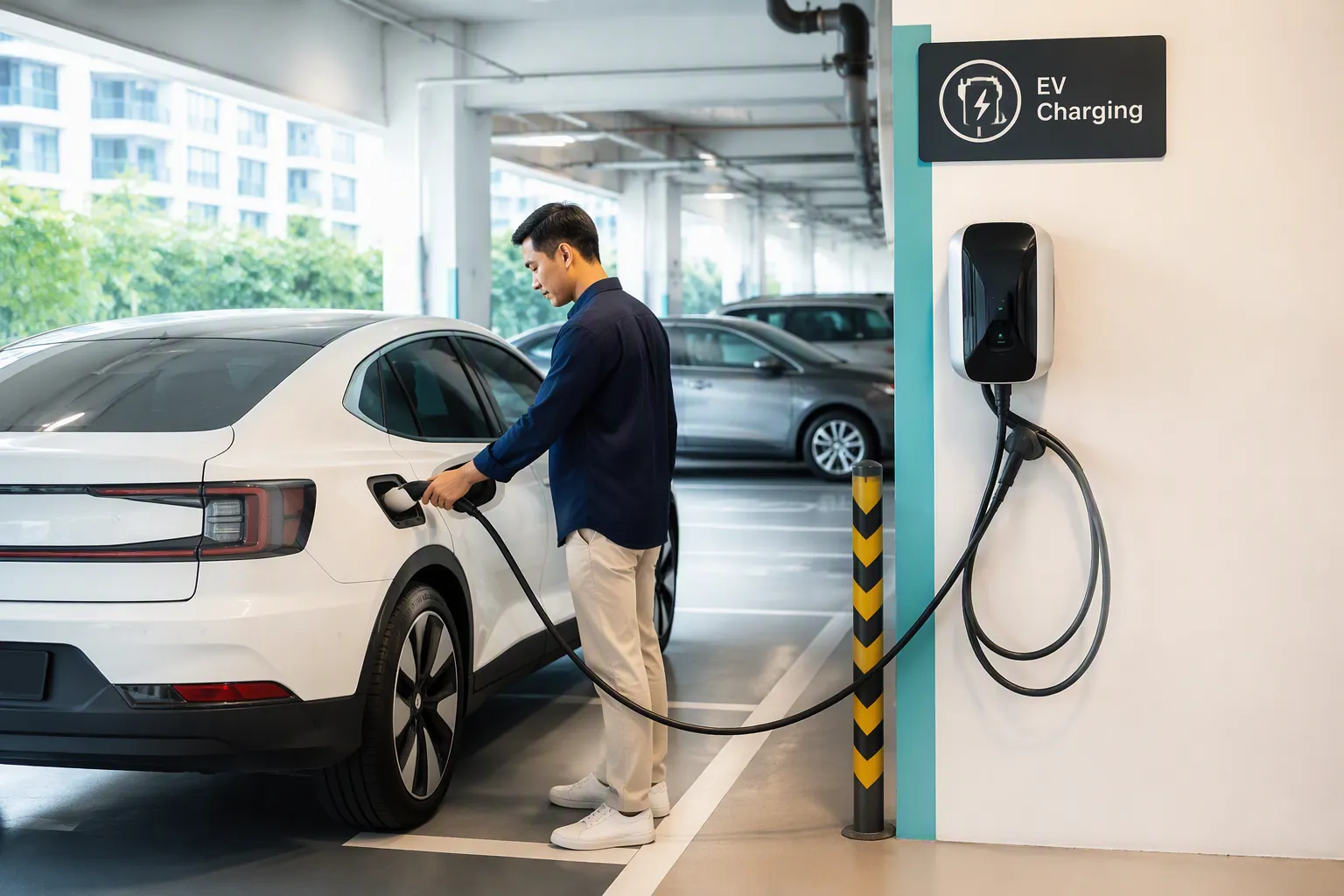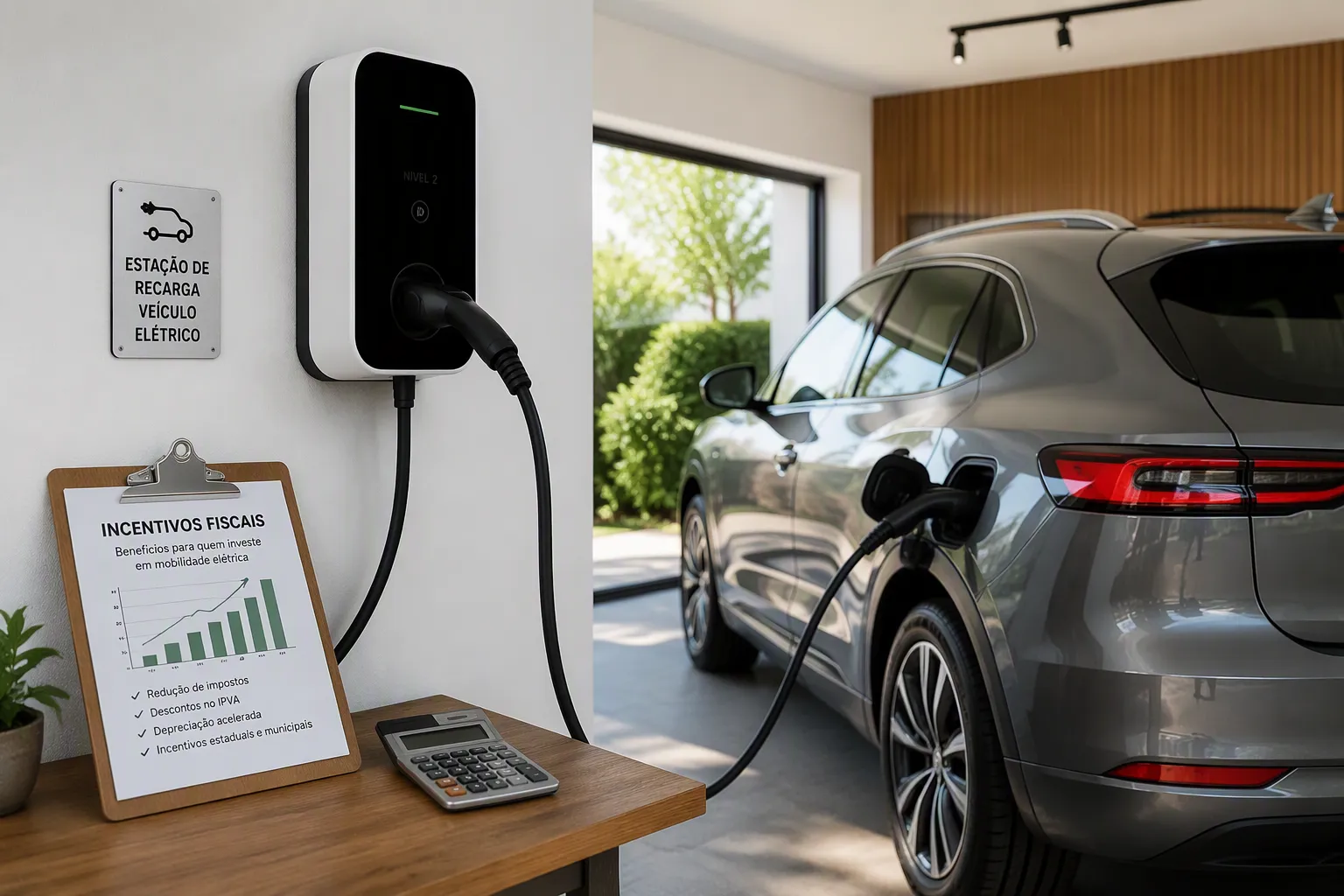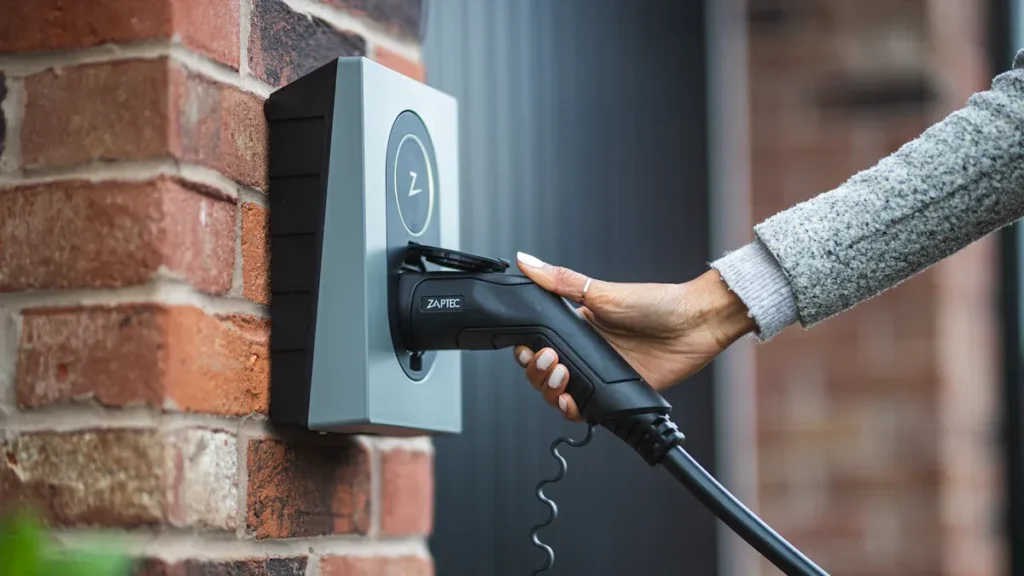

A qualified and licensed electrician can legally install an EV-Ladegerät. The task, however, requires more than general electrical knowledge. An improper installation creates serious safety hazards and can damage your property or EV.
Key Distinction: A normal electrician may not have the necessary skills. A specialist understands the unique demands of Hersteller von EV-Ladegeräten. They are familiar with advanced EV-Ladelösungen, like those from TPSON, and the complexities beyond simple tragbare ev-ladegeräte. This expertise ensures a safe and compliant installation.
What Makes an Electrician ‘Qualified’ for EV Charger Installation?
A standard electrical license is only the starting point. A truly qualified professional possesses a deep and specific skill set tailored to Electric Vehicle Supply Equipment (EVSE). This expertise is what separates a routine job from a safe, efficient, and compliant Installation von EV-Ladegeräten. The right electrician understands the unique demands of an EV, ensuring the system protects both your home and your vehicle.
Beyond a Standard License: The Necessary Skills
General electrical work does not prepare an electrician for the nuances of EV charging. Certified specialists develop a sophisticated technical understanding through dedicated experience and training.
Understanding NEC Article 625
This article of the National Electrical Code (NEC) is the rulebook for EV charging systems. An expert installer knows these regulations are not optional. Key mandates include:
- Die 125% Rule: An EV charger is a “continuous load.” The NEC requires the circuit to be rated for 125% of the charger’s maximum output. This prevents overheating and potential fires.
- Correct Wiring Size: The code dictates specific wire gauges to handle the high current. A 22kW charger, for instance, often needs a minimum of 6 mm² copper wire, which may increase to 10 mm² for longer runs to avoid voltage drop.
- FI-Schutz (RCD): Every charging point must have a Residual Current Device (RCD) to protect against shock. A Type A RCD is often sufficient if the charger has internal DC fault protection. Otherwise, a more comprehensive Type B RCD is necessary.
Expertise in Electrical Load Calculation
An EV charger is one of the most power-hungry appliances in a modern home. A qualified installer never skips a load calculation. They assess your home’s main panel capacity, which often needs to be 150A to 200A to support a powerful charger. This calculation determines if your current system can handle the added continuous load or if a panel upgrade is required for a safe installation.
Familiarity with Different EV Charger Types
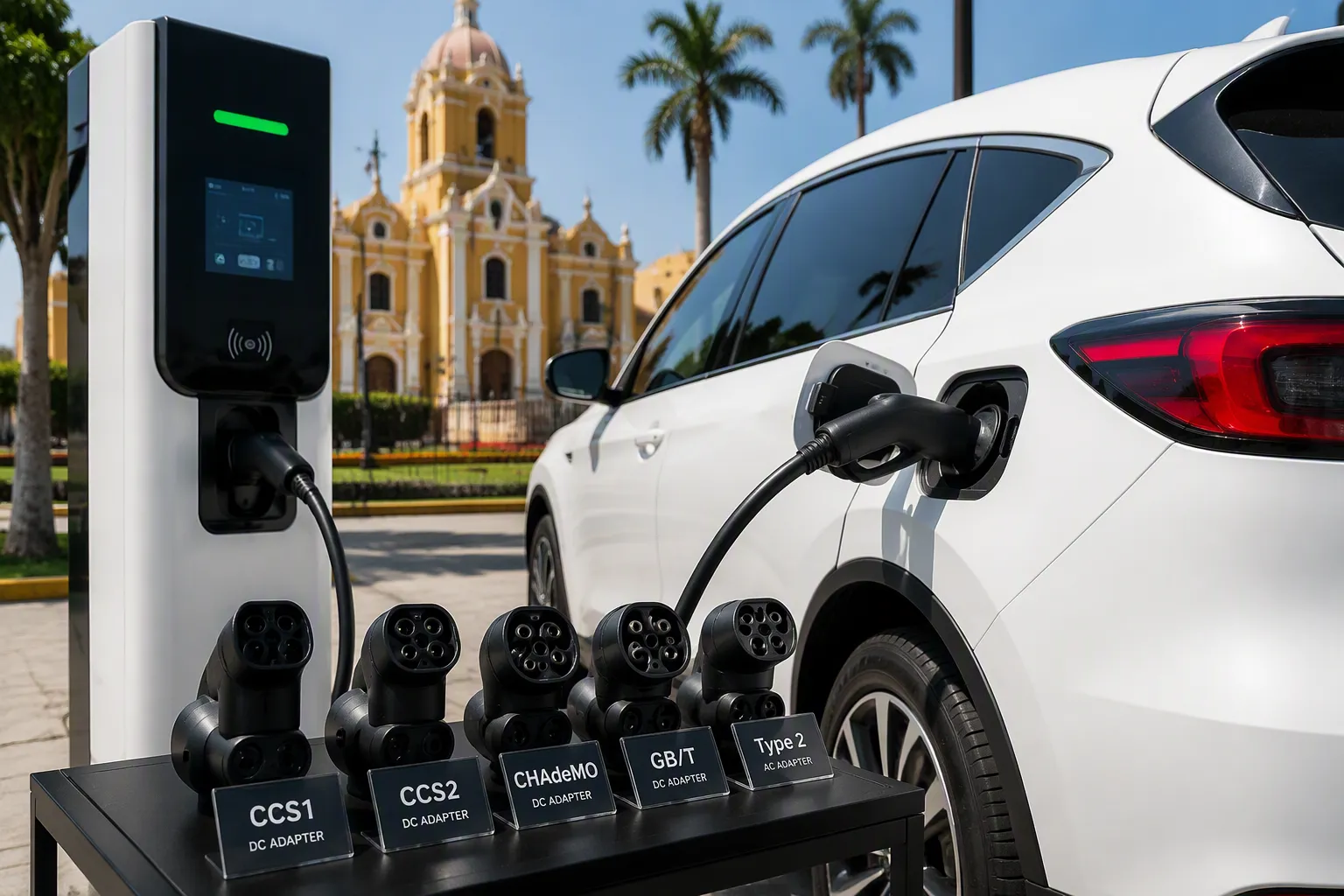
An expert is familiar with the full spectrum of charging technology. They understand the differences between a simple Level 1 charger, the common Level 2 Heim-EV-Ladegerät, and commercial DC Fast Chargers. This knowledge allows them to recommend the right solution for your specific EV and driving habits. They are also familiar with advanced systems, like those from TPSON, which offer sophisticated features beyond basic charging.
Knowledge of Manufacturer-Specific Requirements
Profi-Tipp: Every EV charger brand has its own unique installation protocol. An authorized EV charger installer has experience with various manufacturers and can ensure your warranty remains valid.
Installers certified by manufacturers gain access to exclusive technical resources, firmware updates, and dedicated support. This ensures the installation adheres to the exact specifications required for optimal performance and safety, a critical factor for any EV owner.
The Importance of Specific Training and Certification
Verifiable training is the clearest indicator of a qualified professional. These credentials prove an installer has formally studied the specific challenges and regulations related to EV charging.
Manufacturer-Certified Installer Programs
Many manufacturers offer their own certification programs. An authorized installer through these programs has proven their ability to work with that specific hardware. These partnerships often give installers access to referral networks and ensure they are always up-to-date on the latest technical standards for that brand.
Third-Party EVSE Training Credentials
Reputable, third-party organizations offer nationally recognized qualifications. These credentials show an installer has invested in their specialized education. Look for certifications such as:
- City & Guilds Level 3 Award in the Installation and Commissioning of Electric Vehicle Charging Equipment (e.g., 2921-31 oder 2921-34)
- LCL Awards or similar qualifications offered through training centers like NAPIT Training
These programs cover complex topics like load management, adherence to the latest wiring regulations, and EV-specific safety protocols.
Verifying Up-to-Date Knowledge
The world of EV technology and its supporting regulations evolves quickly. A competent installer must demonstrate current knowledge. This includes active registration with a Competent Person Scheme and adherence to the latest standards, such as BS 7671. This commitment to ongoing education ensures your installation is not just safe today but compliant with future standards.
The Risks of Using an Electrician Without EV Charger Experience

Hiring an electrician without specific EV experience introduces significant risks. These dangers extend beyond a faulty charger to include severe property damage, financial loss, and serious safety hazards. A proper installation is a specialized task that demands more than general electrical knowledge.
Critical Safety Hazards to Avoid
The most severe risks of an improper installation are those that threaten your home and family. An EV charger is a high-power device that, if installed incorrectly, can create immediate and dangerous situations.
Electrical Fires from Overloaded Circuits
An EV places a heavy, continuous load on a home’s electrical system. An unqualified electrician may fail to perform a proper Lastberechnung., leading to an overloaded circuit. This is a primary cause of electrical fires.
- Flackernde Lichter throughout the house can indicate the system is under severe stress during charging.
- A burning smell or scorching around the main electrical panel is a critical warning sign of overheating.
- Plugging other high-power appliances into the same circuit as the charger further increases the fire risk.
Shock Hazards from Incorrect Grounding
Proper grounding is essential for any high-voltage installation. It provides a safe path for excess electricity to dissipate, preventing dangerous shocks. An installer unfamiliar with EV-specific safety requirements might use incorrect grounding techniques or fail to install the appropriate Residual Current Device (RCD). This oversight creates a serious electrocution hazard for anyone using the EV charger.
Potential Damage to Your EV’s Battery
Your EV has a sophisticated battery management system that relies on a stable, clean power supply. An improper installation can deliver inconsistent voltage or “dirty” power. This instability can degrade the battery cells over time, reducing the vehicle’s range and lifespan. This slow damage can lead to thousands of dollars in premature battery replacement costs for the EV.
Compliance, Code Violations, and Financial Penalties
The financial fallout from a bad installation can be just as damaging as the physical hazards. Cutting corners on hiring a qualified professional often leads to greater expenses down the road due to non-compliance with local regulations.
Failing to Secure Necessary Permits
Most regions require a permit for an EV charger installation. An inexperienced installer may dismiss this step to save time or money. Proceeding without a permit is a code violation that can result in fines and orders to remove the unpermitted work.
Non-Compliant Installations and Failed Inspections
A job done without knowledge of current regulations will likely fail a municipal inspection. This failure requires the homeowner to hire another, qualified professional to correct the mistakes, essentially paying for the job twice. The installation must meet all local and national electrical codes to pass.
Voiding Your EV Charger or Vehicle Warranty
Charger and EV manufacturers have specific installation protocols. Failure to follow these instructions precisely can void the warranties on both your expensive equipment and your vehicle. A certified installer knows these requirements and ensures your investment remains protected.
Complications with Homeowner’s Insurance
Insurance providers view uncertified electrical work as a significant liability. An improper installation can give your insurer grounds to deny a claim related to a fire, electrical surge, or other damage.
The insurance claim rarely unravels at the accident scene—it falls apart at the paperwork check.
Insurers prioritize traceable, up-to-date records. A missing permit or installation certificate can result in a total financial loss. It is crucial to inform your provider about the new charger, as it changes your home’s risk profile and may require a policy update to ensure you remain fully covered.
A Deeper Dive into the Technical Side of EV Charger Installation
Understanding the technical requirements of an EV charger installation reveals why specialized expertise is essential. The process involves much more than connecting a few wires. It requires a precise assessment of your home’s electrical capacity and a deep knowledge of different charging technologies to ensure a safe and efficient setup for your EV.
Why Load Calculation is Non-Negotiable
A load calculation is the foundational safety check for any EV charging station installation. An electrician performs this analysis to prevent overloading your home’s electrical system.
Assessing Your Home’s Total Electrical Demand
A qualified installer begins by inventorying your home’s major electrical appliances, from the HVAC system to the oven. They calculate the total potential power draw to determine if the main electrical panel has enough spare capacity to handle the significant, sustained load of an EV charging station.
Continuous vs. Non-continuous Loads Explained
Electrical codes distinguish between loads. An EV charger is a “continuous load” because it can operate at maximum power for three hours or more. Safety standards require the circuit to be rated for 125% of the charger’s output. For example, a 48-amp charger requires a 60-amp breaker (48A x 1.25 = 60A) to prevent overheating.
The Role of a Dedicated Circuit
An EV charger must have its own dedicated circuit. This isolates the high-power device from other appliances, preventing tripped breakers and potential fire hazards. The correct wire gauge is critical for safety.
| Ladegerät-Stromstärke | Unterbrecher Größe | Recommended Wire Gauge (AWG) |
|---|---|---|
| 32A | 40A | 8 AWG Copper |
| 48A | 60A | 6 AWG Copper |
Anmerkung: For higher-power 48A chargers, some experts recommend a thicker 4 AWG wire to guarantee safety, especially over longer distances.
Wenn ein Panel-Upgrade notwendig ist
The load calculation may reveal that a panel upgrade is unavoidable. An upgrade is often required if:
- The main panel is rated at 100 amps or less.
- The panel is already near its maximum capacity.
- There is no physical space to add a new 240V double-pole breaker.
Navigating Charger Types and Power Levels
Choosing the right charger depends on your vehicle, driving habits, and home electrical system. Technologically advanced providers like TPSON offer sophisticated solutions across these levels.
Level 1 Charging: The Basic Option
Level 1 charging uses a standard 120V wall outlet. It is the slowest method, delivering only 1.3-2.4 kW of power. This translates to adding just 3-5 miles of range per hour, making it a backup option rather than a primary solution for a daily driver EV.
Level-2-Laden: Der Heimstandard
Level 2 is the most common and practical choice for home charging. Using a 240V circuit, these units provide 6.2-19.2 kW of power. This allows them to add 15-32 miles of range per hour, fully charging most vehicles overnight. This is the standard for a home EV charger.
DC Fast Charging: A Commercial Solution
DC-Schnellaufladung is a high-power commercial technology found at public stations. These units deliver 50-350 kW of direct current, capable of charging an EV battery to 80% in as little as 20-45 minutes. This type of installation is not feasible or necessary for residential settings.
How to Properly Vet an Electrician to Install an EV Charger
Selecting the right professional is the most critical step to E-Auto-Ladestation installieren safely and correctly. Homeowners must perform due diligence. A thorough vetting process protects your property, your vehicle, and your investment. It separates general electricians from true certified specialists.
Key Questions to Ask Your Electrician
A prepared homeowner asks direct questions to gauge an electrician’s expertise. Their answers reveal their experience, knowledge, and professionalism. This initial conversation is your first and best tool for evaluation.
“How many EV chargers have you installed?”
Experience is not just a number; it signifies familiarity with real-world challenges. An electrician with dozens of installations has encountered various home electrical systems, panel configurations, and charger models. This background enables them to anticipate problems and implement effective solutions. A confident answer indicates a history of successful projects.
“Are you familiar with NEC Article 625?”
This question is a direct test of technical knowledge. NEC Article 625 is the specific section of the National Electrical Code governing EV charging systems. An expert electrician should immediately recognize its importance. They can discuss key requirements like load calculations, dedicated circuits, and proper grounding without hesitation. Their familiarity proves they understand the official safety standards for this specialized work.
“Are you certified by any EV charger manufacturers?”
Manufacturer certifications demonstrate a higher level of commitment and expertise. An authorized EV charger installer has received specific training on certain brands, like the advanced systems from TPSON. This status often provides them with access to exclusive technical support and ensures the installation will not void your product warranty. An authorised professional guarantees adherence to the manufacturer’s exact protocols.
“Will you be handling the permits and inspection?”
A professional handles the entire process from start to finish. This includes managing all necessary paperwork.
- They should confirm that they will secure the required local electrical permits before work begins.
- They must coordinate the final inspection with the local authority after the installation is complete.
- Their process ensures the project is fully compliant with municipal codes.
An electrician who leaves the permitting to the homeowner is shifting a critical responsibility. A reputable installer manages this as a standard part of their service.
Red Flags and Warning Signs to Watch For
Certain behaviors and responses can signal an unqualified or unprofessional electrician. Recognizing these warning signs early helps homeowners avoid a costly and dangerous mistake. Protect your EV and your home by watching for these red flags.
Dismissing the Need for a Permit
A permit is a non-negotiable legal and safety requirement. Any electrician who suggests skipping this step is cutting corners and putting you at risk. An unpermitted installation can lead to fines, removal orders, and denied insurance claims. This is one of the most serious red flags.
Giving a Quote Without a Site Assessment
A quote provided over the phone or via email is just a guess. A professional electrician knows a physical site assessment is essential to provide an accurate price.
An on-site visit allows the electrician to:
- Assess your main electrical panel’s capacity.
- Bestimmen Sie den besten und sichersten Standort für die Wallbox.
- Messen Sie die Länge des benötigten Kabelwegs.
- Identifizieren Sie mögliche Hindernisse oder notwendige Nachrüstungen.
Ein Angebot ohne diese Bewertung ist ein Zeichen von Unerfahrenheit und kann später zu unerwarteten Kosten führen.
Unkenntnis Ihres spezifischen Ladegerätemodells
Auch wenn ein Installateur nicht jedes jemals hergestellte Modell kennen kann, sollte er mit den großen Marken vertraut sein und bereit, die technischen Spezifikationen für Ihr gewähltes Gerät zu prüfen. Wenn er durch Begriffe wie “Stufe 2,”, “48 Ampere” oder die Funktionen Ihres Elektroautos verunsichert wirkt, deutet dies auf mangelndes Fachwissen hin. Diese Unkenntnis kann zu einer fehlerhaften Installation führen.
Zögern, den Installations- oder Versicherungsnachweis vorzulegen
Ein qualifizierter und seriöser Fachmann ist stets bereit, seine Referenzen vorzuzeigen. Verlangen Sie eine Kopie seiner Elektrofachkraft-Bescheinigung und seines Haftpflichtversicherungsnachweises. Zögern oder Weigerung, diese Dokumente vorzulegen, ist ein ernstes Warnsignal. Es kann bedeuten, dass er nicht ordnungsgemäß zugelassen oder versichert ist, was Sie einem erheblichen finanziellen und rechtlichen Risiko aussetzt.
Der schrittweise Prozess zur Installation einer Wallbox

Eine professionelle Installation folgt einem strukturierten, mehrphasigen Prozess. Dies stellt sicher, dass jedes technische Detail und jede Sicherheitsvorschrift von der ersten Planung bis zur endgültigen Abnahme berücksichtigt wird. Das Verständnis dieser Schritte hilft Hausbesitzern zu wissen, was sie erwartet, wenn sie sich entscheiden, E-Auto-Ladestation installieren.
Phase 1: Beratung und Standortbeurteilung
Diese erste Phase ist eine entscheidende Grundlage für ein erfolgreiches Projekt. Der Elektriker sammelt alle notwendigen Informationen, bevor Arbeiten beginnen.
Bewertung Ihrer elektrischen Hauptschalttafel
Ein Installateur prüft zunächst das elektrische System Ihres Hauses. Diese Bewertung umfasst:
- Bestätigung der Versorgungskapazität: Er überprüft die Hauptsicherung, um sicherzustellen, dass sie die neue Last tragen kann. Eine 7-kW-Wallbox benötigt beispielsweise typischerweise eine 80-A- oder 100-A- Hauptsicherung.
- Bewertung der Sicherheitskomponenten: Der Elektriker stellt sicher, dass vorgeschriebene Überspannungsschutzgeräte (SPDs) vorhanden sind oder nachgerüstet werden, um die empfindliche Elektronik der Wallbox zu schützen.
- Überprüfung der Erdung: Er bestätigt das Erdungssystem (z.B. PME) und ermittelt, ob ein spezieller Fehlerschutz erforderlich ist.
Bestimmung des optimalen Standorts für die Wallbox
Der beste Standort für eine Wallbox vereint Bequemlichkeit, Kosten und Sicherheit. Wichtige Faktoren sind:
- Nähe zum Verteiler: Eine kurze Distanz zwischen Verteiler und Wallbox reduziert Materialkosten und Arbeitszeit.
- Erreichbarkeit des Parkplatzes: Der Standort muss es ermöglichen, dass das Ladekabel den Ladeanschluss des Fahrzeugs leicht erreicht, ohne eine Stolpergefahr zu bilden.
- Schutz der Umwelt: Eine Garage bietet eine geschützte, witterungsbeständige Umgebung. Außeninstallationen erfordern eine Wallbox mit einer hohen IP-Schutzart für Wetterbeständigkeit.
Besprechung Ihrer Fahr- und Ladebedürfnisse
Der Elektriker wird Ihre tägliche Fahrleistung, die Art Ihres Elektroautos und Ihre Ladeerwartungen besprechen. Dieses Gespräch hilft, die geeignete Leistungsstufe für Ihre Bedürfnisse zu bestimmen und sicherzustellen, dass die gewählte Wallbox perfekt zu Ihrem Lebensstil passt.
Phase 2: Angebotserstellung und Genehmigungen
Nach Abschluss der Standortbeurteilung folgt die administrative Phase.
Prüfung eines detaillierten Angebots für Arbeit und Material
Sie erhalten ein detailliertes Angebot mit allen Kosten. Eine Standard-Installation einer Level-2-Wallbox kostet durchschnittlich etwa $1,000. Dieser Preis umfasst Material und Arbeitszeit, wobei der Arbeitsanteil allein oft etwa 1TP4600 beträgt.
Einreichung der Pläne bei der örtlichen Behörde
Ein seriöser Installateur erledigt alle notwendigen Formalitäten. In den meisten Fällen gilt eine private Wallbox als ‘genehmigungsfreies Bauvorhaben‘ und benötigt keine spezielle Baugenehmigung. Der Installateur ist dafür verantwortlich, den örtlichen Netzbetreiber (DNO) zu informieren, um sicherzustellen, dass das Netz die neue Last tragen kann.
Phase 3: Die physische Installation
Dies ist die praktische Phase, in der der Elektriker den Plan umsetzt.
Verlegen der neuen Leitung vom Verteiler
Der Installateur verlegt eine neue, dedizierte Leitung direkt vom Hauptstromverteiler zum Standort der Wallbox. Dieser kritische Schritt isoliert das Hochleistungsgerät und verhindert eine Überlastung der vorhandenen Hausverkabelung.
Montage und Verdrahtung der Wallbox
Die Wallbox wird sicher an der Wand montiert. Gemäß bewährter Praxis erfolgt die Montage in einer Höhe zwischen 0,75 m und 1,2 m für gute Zugänglichkeit und zum Schutz vor Beschädigung. Der Elektriker dichtet alle Kabeleinführungen und Schraublöcher sorgfältig ab, um die witterungsbeständige IP-Schutzart des Geräts zu erhalten, – ein entscheidender Teil der Installation.
Endprüfung und Inbetriebnahme des Systems
Nachdem die physische Installation Nach Abschluss der Montage führt der Elektriker Endprüfungen durch. Er bestätigt, dass die Wallbox die korrekte Spannung liefert und ordnungsgemäß mit dem Fahrzeug kommuniziert. Bei fortschrittlichen Wallboxen, wie z.B. von TPSON, nimmt er auch alle Smart-Funktionen in Betrieb und erklärt deren Nutzung.
Phase 4: Endabnahme und Freigabe
Die letzte Phase des Projekts wechselt von der praktischen Arbeit zur offiziellen Überprüfung. Dieser Schritt bietet den formalen Abschluss und die rechtliche Dokumentation, die notwendig sind, um die Sicherheit und Konformität der neuen Wallbox zu bescheinigen. Ein professioneller Elektriker verwaltet diesen gesamten Prozess und gewährleistet so einen reibungslosen und sorgenfreien Abschluss für den Hausbesitzer. Diese Phase ist die endgültige Bestätigung, dass die Arbeit korrekt ausgeführt wurde und Ihr Eigentum sowie Ihre Investition in ein Elektroauto schützt.
Koordination mit dem örtlichen Prüfer für Elektrotechnik
Nach Abschluss der Arbeiten koordiniert der Elektriker mit der örtlichen Behörde eine Endabnahme. Dies ist keine bloße Formalität, sondern eine kritische Sicherheitsvalidierung durch eine unabhängige dritte Partei. Die Aufgabe des Prüfers ist es sicherzustellen, dass die Arbeit allen geltenden Elektrovorschriften und Sicherheitsstandards entspricht.
Ein Elektriker, der das Projekt ordnungsgemäß geplant und ausgeführt hat, wird dem Prüfprozess gelassen entgegensehen. Er betrachtet ihn als abschließende Qualitätskontrolle seiner eigenen Arbeit.
Während des Besuchs wird der Prüfer typischerweise:
- Überprüfen, dass eine dedizierte Leitung in der korrekten Größe verwendet wurde.
- Prüfen, ob die Verkabelung, der Leitungsschutzschalter und die Erdung allen Vorschriften entsprechen.
- Bestätigen, dass die Wallbox sicher montiert und alle Anschlüsse sicher sind.
- Stellen Sie sicher, dass alle Sicherheitsvorrichtungen, wie der korrekte FI-Schutzschalter (RCD/GFCI), vorhanden und funktionsfähig sind.
Der Fachinstallateur vereinbart diesen Termin und ist während der Abnahme anwesend, um technische Fragen zu beantworten und so eine reibungslose Freigabe zu gewährleisten.
Erhalt Ihres Konformitätszertifikats
Nach erfolgreicher Abnahme erhält der Hausbesitzer ein offizielles Elektroinstallationszertifikat (EIC) oder ein ähnliches Konformitätszertifikat. Dieses Dokument ist weit mehr als nur ein Stück Papier; es ist der verbindliche rechtliche Nachweis, dass die Elektroarbeiten von einer qualifizierten Fachkraft ausgeführt wurden und alle erforderlichen Sicherheitsvorschriften erfüllen. Dieses Zertifikat ist aus mehreren Gründen unerlässlich.
Es dient als offizieller Nachweis für Versicherungszwecke. Im Falle eines elektrischen Vorfalls wird eine Versicherung einen Nachweis über normgerecht ausgeführte Arbeiten verlangen. Fehlt dieses Zertifikat, kann dies einen Grund für die Ablehnung eines Schadensfalls darstellen, was den Hausbesitzer potenziell erheblichen finanziellen Verlusten aussetzt. Das Dokument bietet auch zukünftigen Käufern Sicherheit, falls Sie Ihr Haus verkaufen möchten, da es belegt, dass die Hochleistungsanlage fachgerecht installiert wurde. Für technologisch fortschrittliche Ladestationen, wie z. B. von TPSON, bestätigt dieses Zertifikat, dass die anspruchsvolle Installation alle Hersteller- und gesetzlichen Standards erfüllt. Dieses abschließende Dokument beendet das Projekt offiziell und gibt volle Gewissheit.
Ein zugelassener Elektriker ist der richtige Fachmann für die Installation einer EV-Ladestation, jedoch nur mit nachgewiesener Erfahrung. Der Schlüssel zu einer sicheren und erfolgreichen Installation liegt in der gründlichen Prüfung seiner Qualifikationen. Hausbesitzer schützen ihr Eigentum und ihr Elektrofahrzeug, indem sie diese entscheidenden Schritte befolgen:
- Priorisieren Sie die Fachinstallation: Ein Spezialist stellt den sicheren Betrieb und die Einhaltung aller Vorschriften sicher.
- Überprüfen Sie die Qualifikationen: Ein autorisierter Elektriker verfügt über die spezifische Schulung für fortschrittliche Systeme wie z. B. von TPSON.
- Prüfen Sie die Stromversorgung: Der Elektriker muss bestätigen, dass die Hausinstallation die neue EV-Ladestation versorgen kann.
Diese Sorgfalt garantiert eine fachgerechte Installation.
FAQ
Wie lange dauert die Installation eines Standard-EV-Ladegeräts?
Eine Standardinstallation dauert für einen professionellen Elektriker in der Regel zwischen zwei und vier Stunden. Die Dauer hängt von der Komplexität ab, z. B. von der Entfernung zwischen dem Verteiler und dem Standort der Ladestation sowie vom Zustand der vorhandenen Verkabelung.
Kann ein Hausbesitzer sein eigenes E-Ladegerät installieren?
Hausbesitzer sollten diese Installation nicht selbst durchführen. Die Arbeiten beinhalten Hochspannung und erfordern fundierte Kenntnisse der Elektrovorschriften und Lastberechnungen. Ein Fehler kann Brand, Stromschlag oder schweren Schaden am Fahrzeug und Eigentum verursachen. Die Fachinstallation ist aus Sicherheitsgründen unerlässlich.
Was sind die durchschnittlichen Kosten für eine Fachinstallation?
Die Kosten variieren je nach Standort und Arbeitsaufwand. Hausbesitzer sollten mit mehreren hundert bis über tausend Euro für Arbeitsaufwand und Material rechnen. Für ein genaues Angebot ist eine Vor-Ort-Begutachtung erforderlich, da ein Verteiler-Upgrade den Preis erheblich erhöhen kann.
Erhöht eine EV-Ladestation den Wert eines Hauses?
Ja, eine fachgerecht installierte EV-Ladestation ist ein attraktives Merkmal für potenzielle Käufer. Sie bietet modernen Komfort und macht die Immobilie zukunftssicher, was das Haus auf einem wettbewerbsintensiven Markt attraktiver macht und möglicherweise seinen Wiederverkaufswert steigert. 🏠
Warum eine fortschrittliche Ladestation wie von TPSON wählen?
Technologisch fortschrittliche Anbieter wie TPSON bieten intelligente Funktionen Sie bieten mehr als nur grundlegendes Laden. Dazu können Lastmanagement zum Schutz der häuslichen Elektroinstallation, app-basierte Zeitplanung für Niedertarifzeiten und detaillierte Energieüberwachung gehören. Diese Funktionen optimieren Effizienz und Komfort für den EV-Besitzer.
Ist für eine EV-Ladestation immer eine Genehmigung erforderlich?
In den meisten Gebieten sind für die Installation einer EV-Ladestation eine Genehmigung und eine Endabnahme erforderlich. Dieser Prozess stellt sicher, dass die Arbeiten allen Sicherheitsvorschriften entsprechen. Ein qualifizierter Elektriker übernimmt das Genehmigungsverfahren als standardmäßigen Teil seiner Fachdienstleistung.
Was passiert, wenn der Hauptverteiler voll ist?
Wenn im Verteiler kein Platz für einen neuen, dedizierten Leistungsschalter vorhanden ist, ist ein Upgrade erforderlich. Ein Elektriker kann einen größeren Verteiler mit höherer Kapazität installieren oder einen Unterverteiler nachrüsten. Dies ist ein häufiges Problem in älteren Häusern und wird während der ersten Vor-Ort-Begutachtung festgestellt.