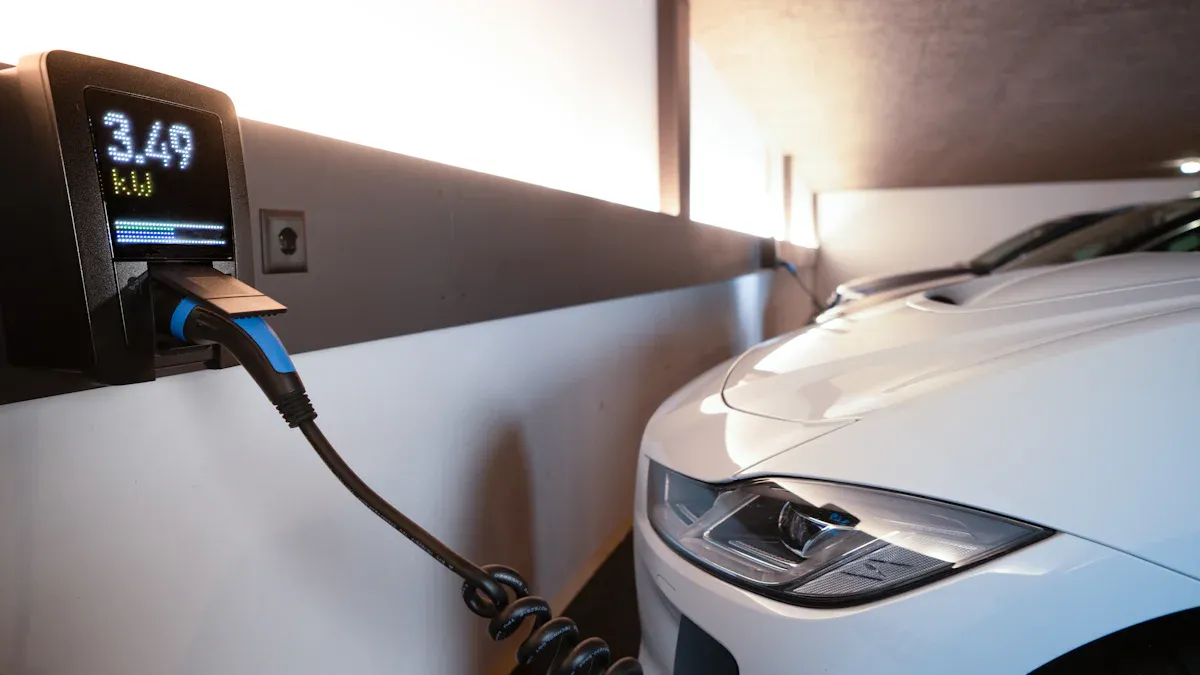
Solving ‘Range Anxiety’ in the UK: Why a Home Level 2 Charger is Key
Range anxiety in the UK is solved with a home Level 2 charger—enjoy reliable overnight charging, cost savings, and stress-free daily EV driving.

Range anxiety in the UK is solved with a home Level 2 charger—enjoy reliable overnight charging, cost savings, and stress-free daily EV driving.
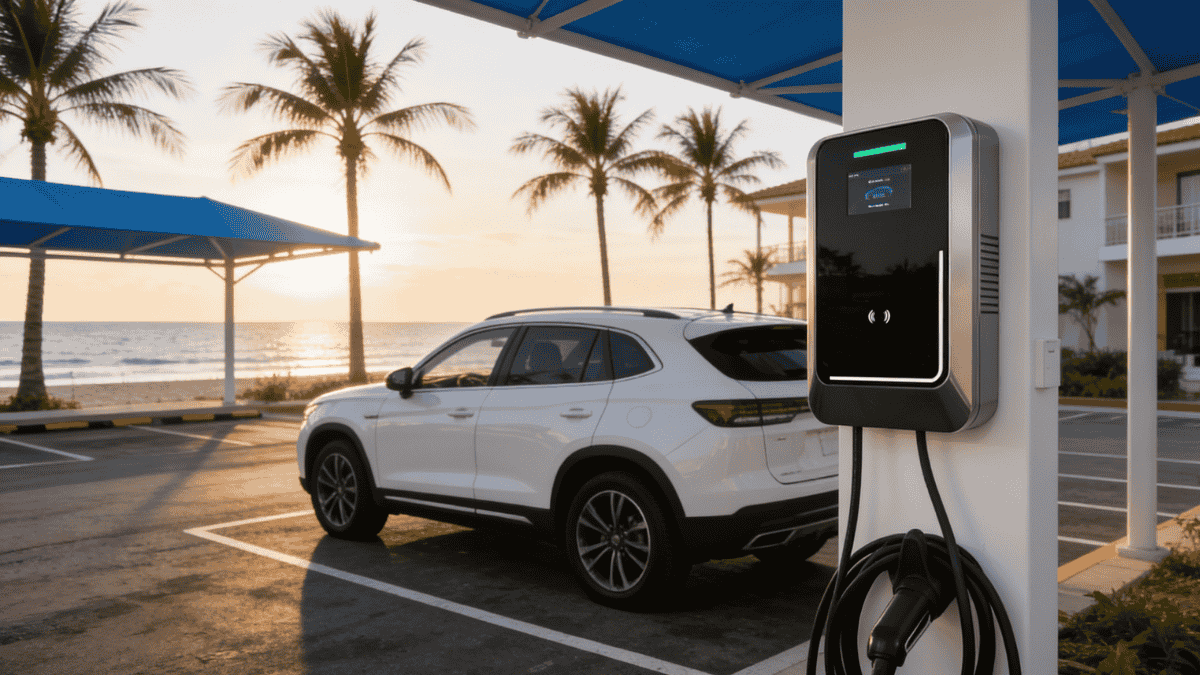
For retail and business owners, EV charging stations serve as a powerful magnet for high-spending demographics who prioritize “charge-while-you-shop” convenience. Beyond increasing customer dwell time, these installations provide a measurable boost to your brand’s green credentials and can open new revenue streams through integrated payment and advertising platforms.
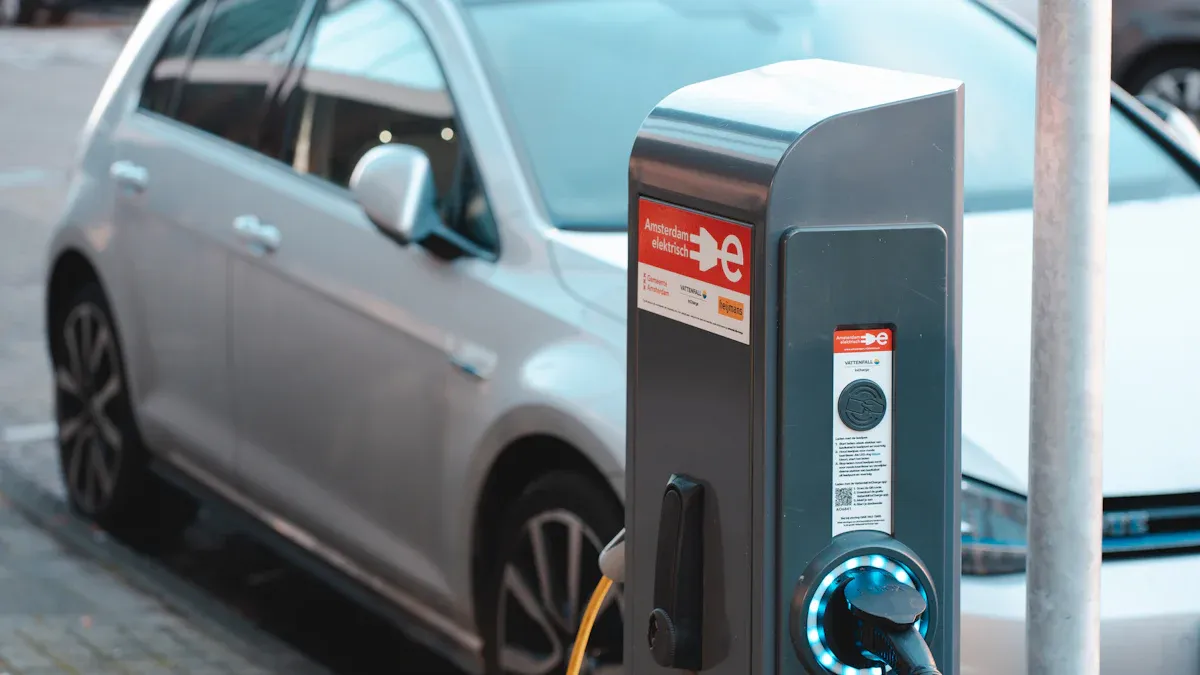
Compare smart vs. standard EV charger options in Singapore to find the best fit for your lifestyle, budget, and energy needs. Make the right EV charger choice.
Integrating EV charging infrastructure into your commercial property is no longer just an amenity; it is a strategic investment that future-proofs your real estate in an increasingly electrified economy. From choosing the right networked hardware to managing multi-unit energy distribution, a well-executed commercial charging strategy enhances property value and demonstrates a commitment to sustainable innovation.
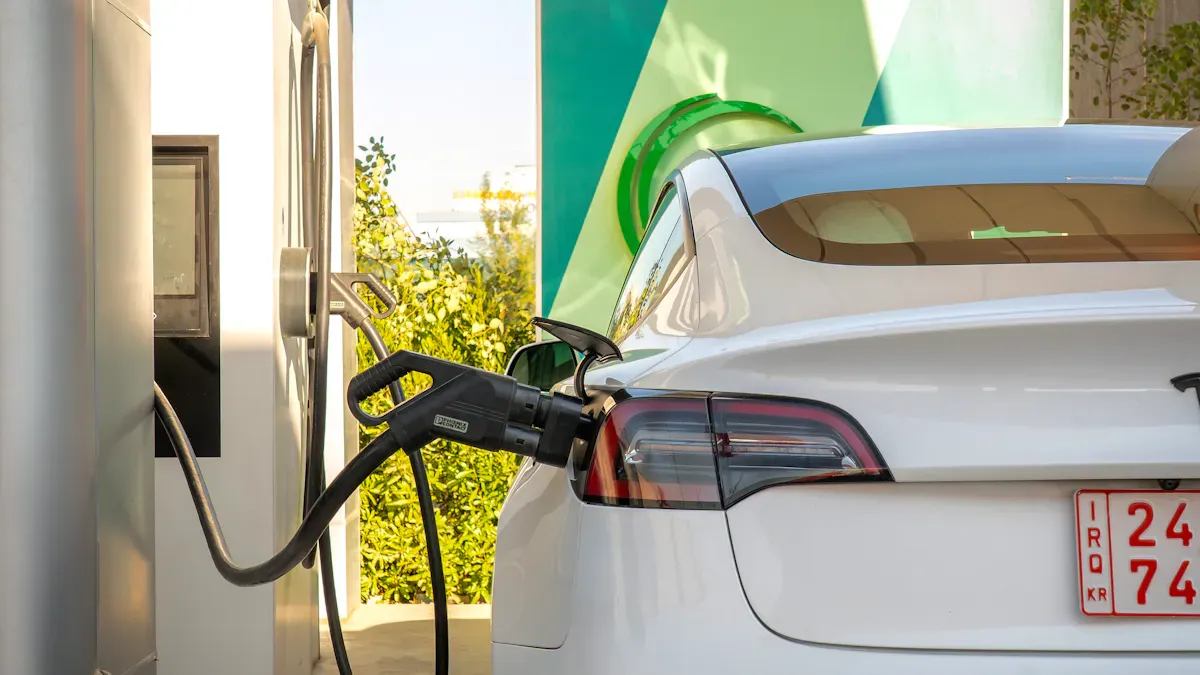
Smart chargers offer the Best Commercial Solution for Brazilian businesses needing scalability, data integration, and cost savings; dumb chargers suit basic needs.
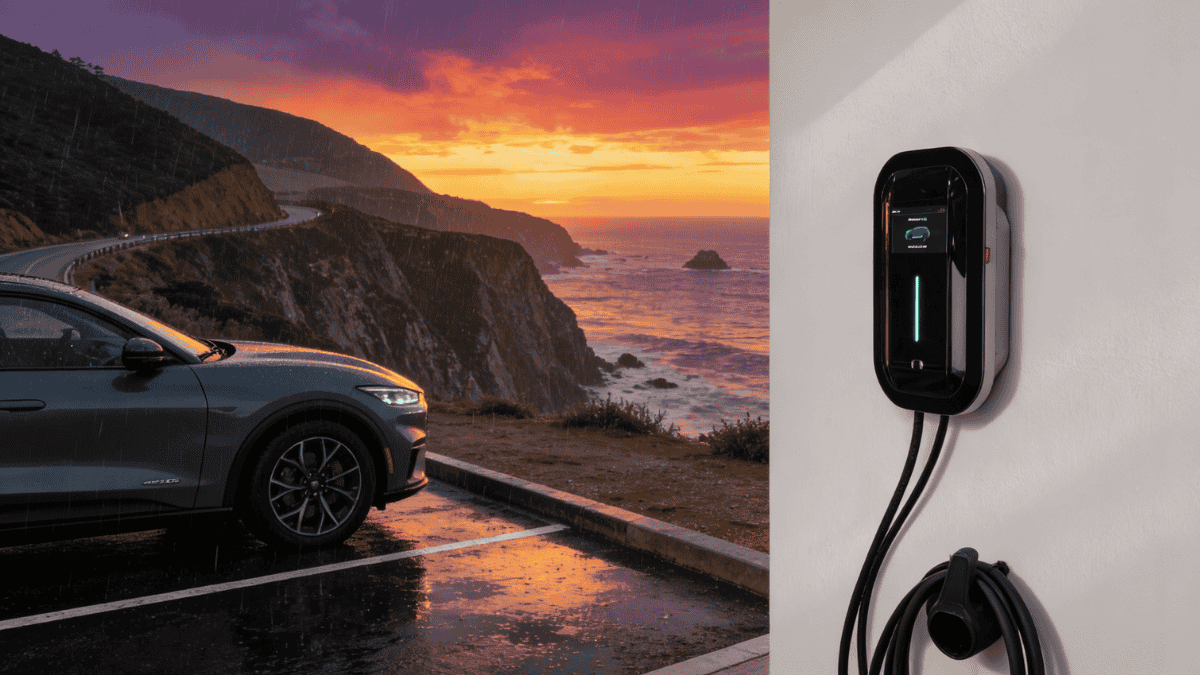
While “fast charging” usually refers to commercial DC units, achieving the fastest possible Level 2 speeds at home is a popular goal for modern EV owners. This upgrade typically involves navigating significant electrical panel limitations and potential utility service upgrades, making it essential to weigh the substantial upfront installation costs against the convenience of rapid overnight replenishment.
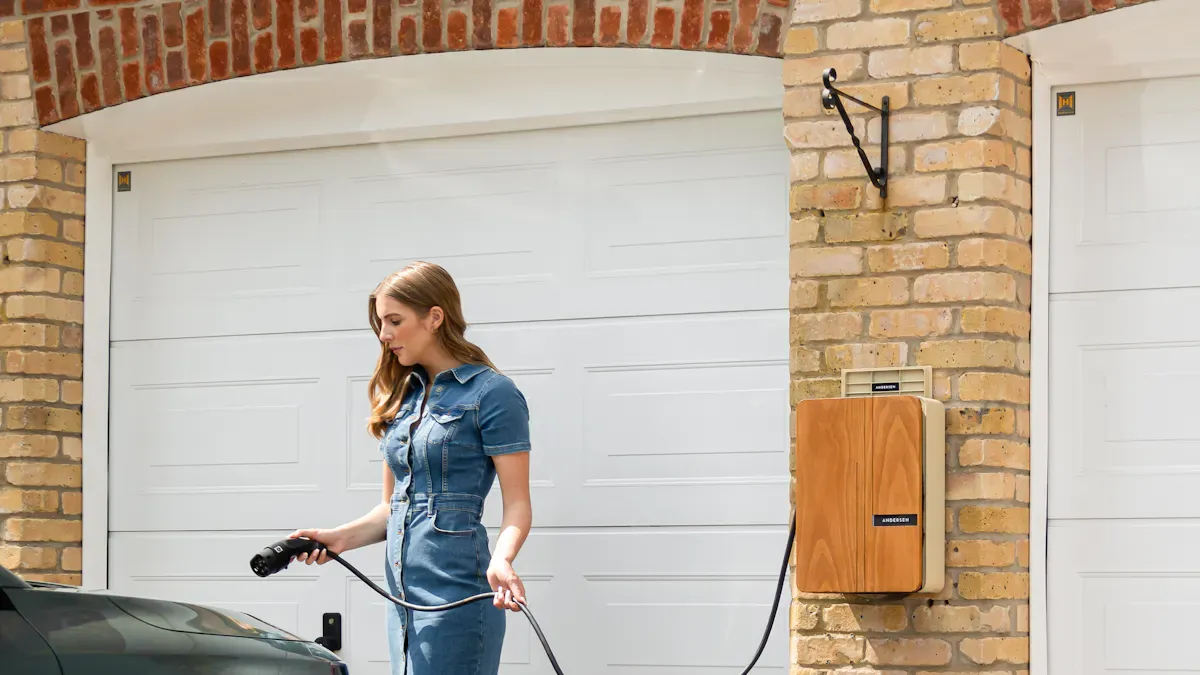
Smart EV Charging Boxes offer energy savings and flexibility for Dutch homes, while dumb chargers suit simple needs. Find the best fit for your situation.
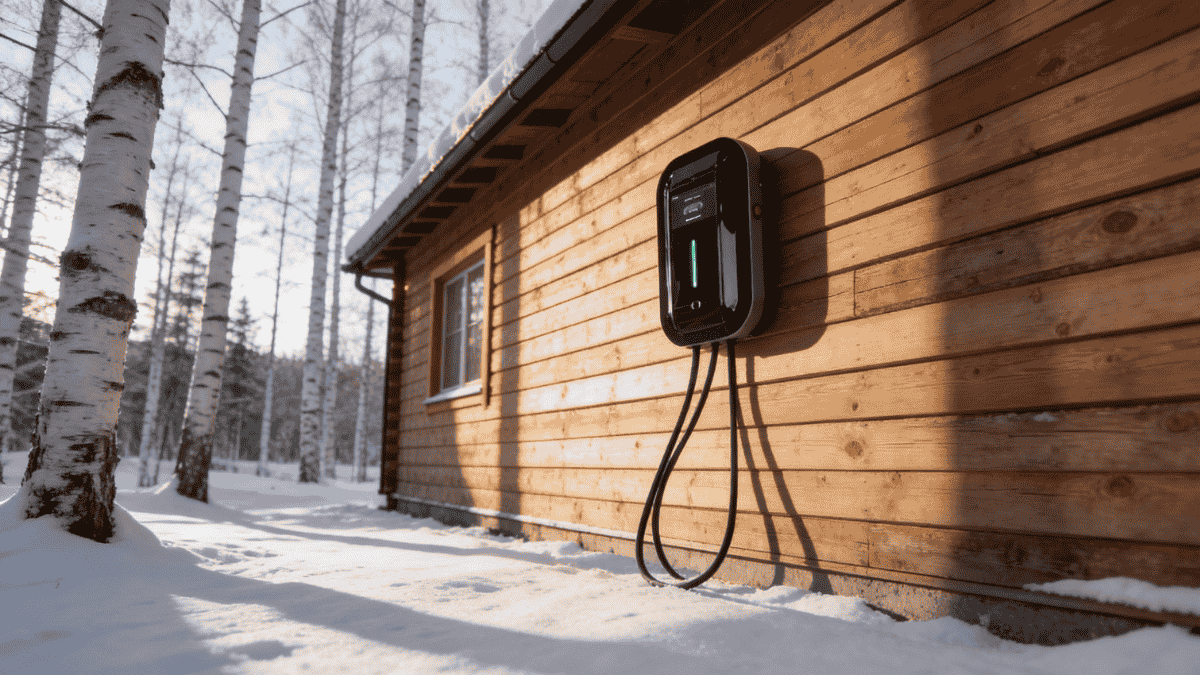
The integrity of your EV charging circuit depends entirely on the gauge and quality of the copper wiring used to handle continuous high-amperage loads. Selecting the correct wire size—such as 6 AWG for a 50-amp circuit—is not merely a performance choice but a critical safety requirement to prevent voltage drop and excessive heat buildup within your home’s walls.
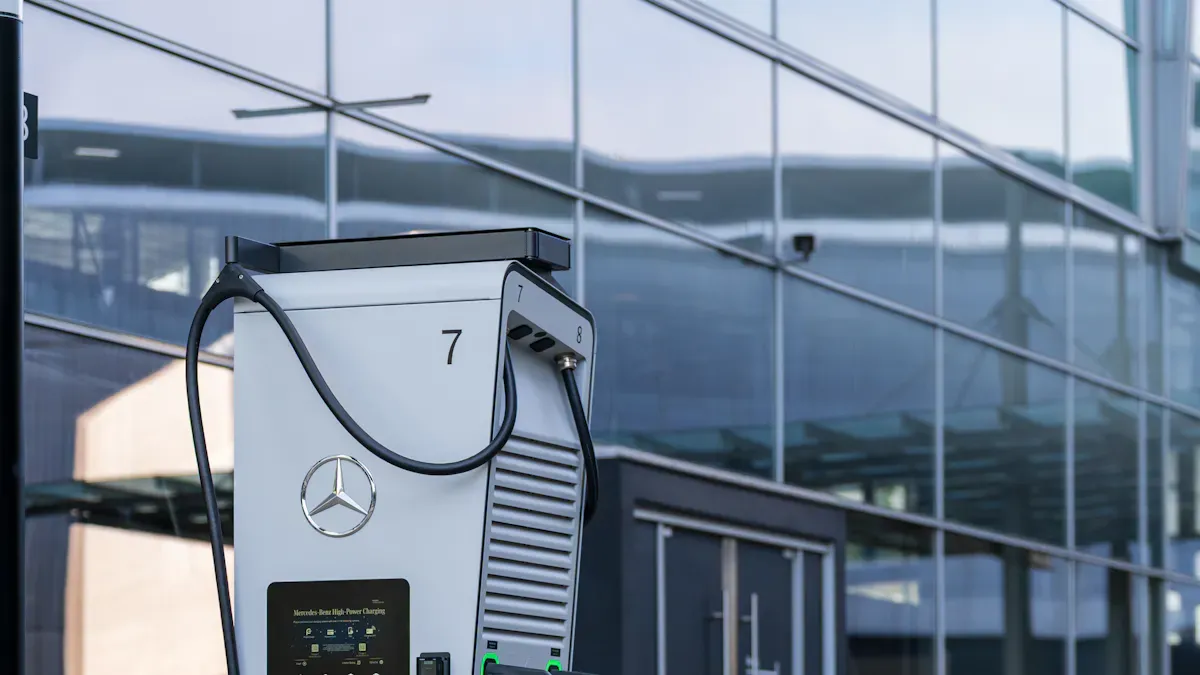
Smart commercial charging stations increase revenue, reduce costs, and attract EV customers, driving profitability for businesses in Singapore.
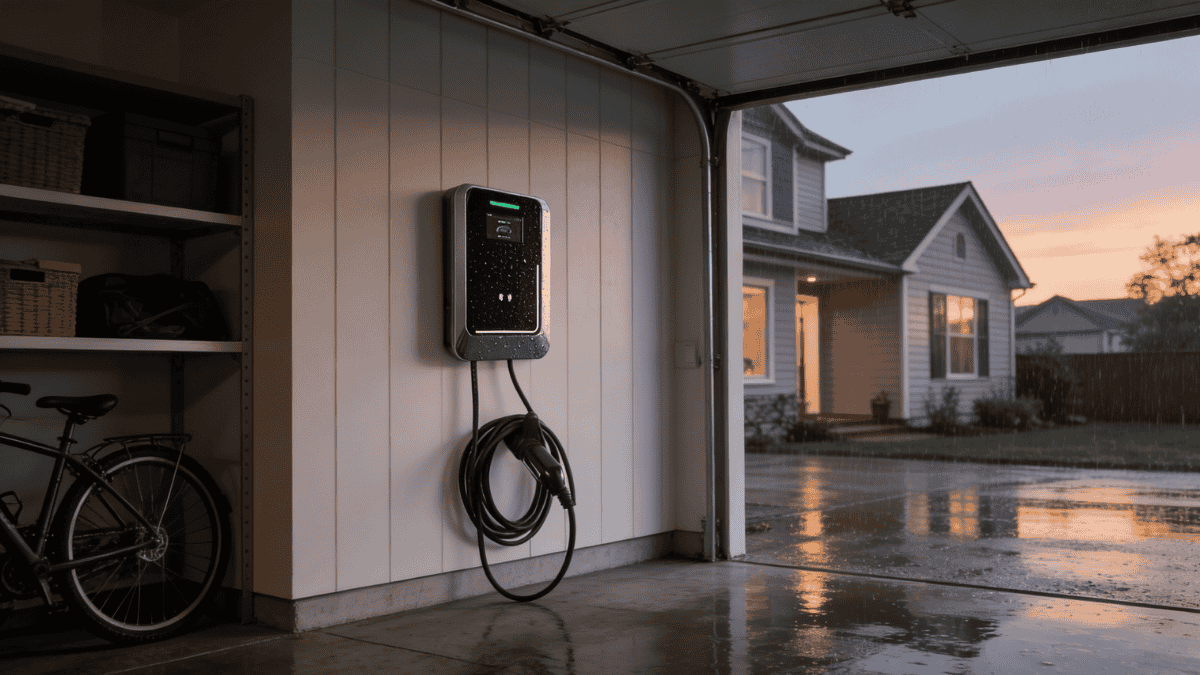
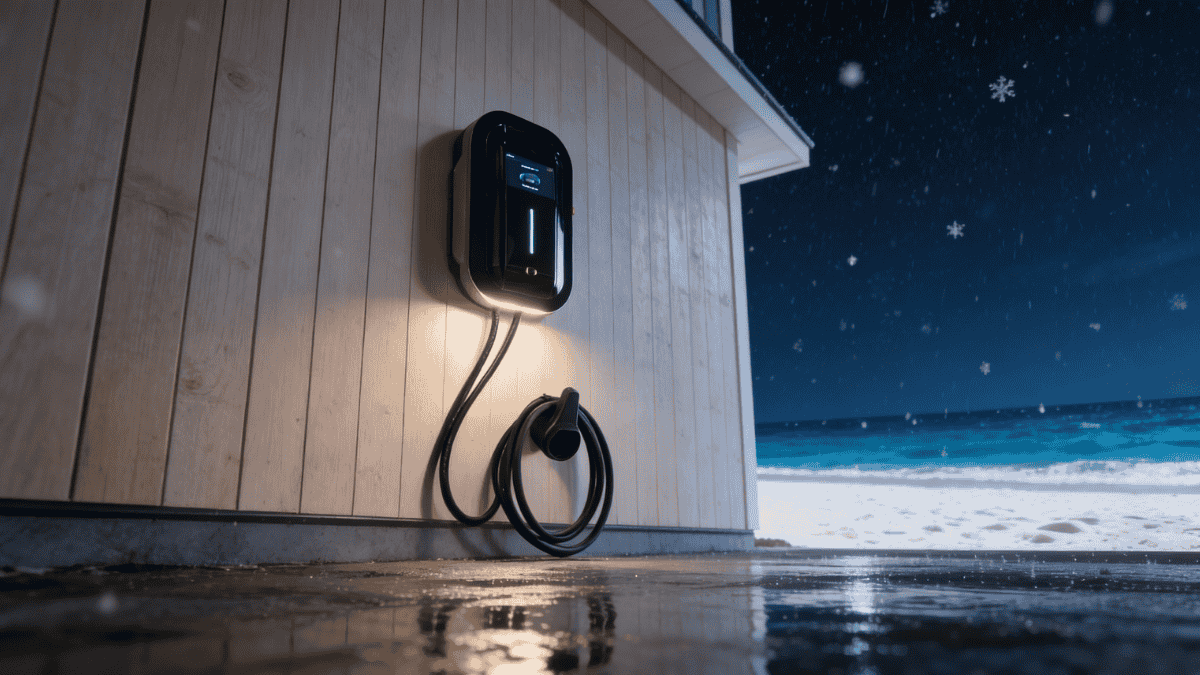
Installing an EV charger outdoors requires a specialized approach to ensure the equipment remains operational and safe through extreme temperature fluctuations, heavy rain, and snow. By prioritizing NEMA 4 or 4X rated enclosures and implementing professional-grade conduit sealing, you can create a resilient charging station that offers long-term reliability regardless of your local climate’s severity.
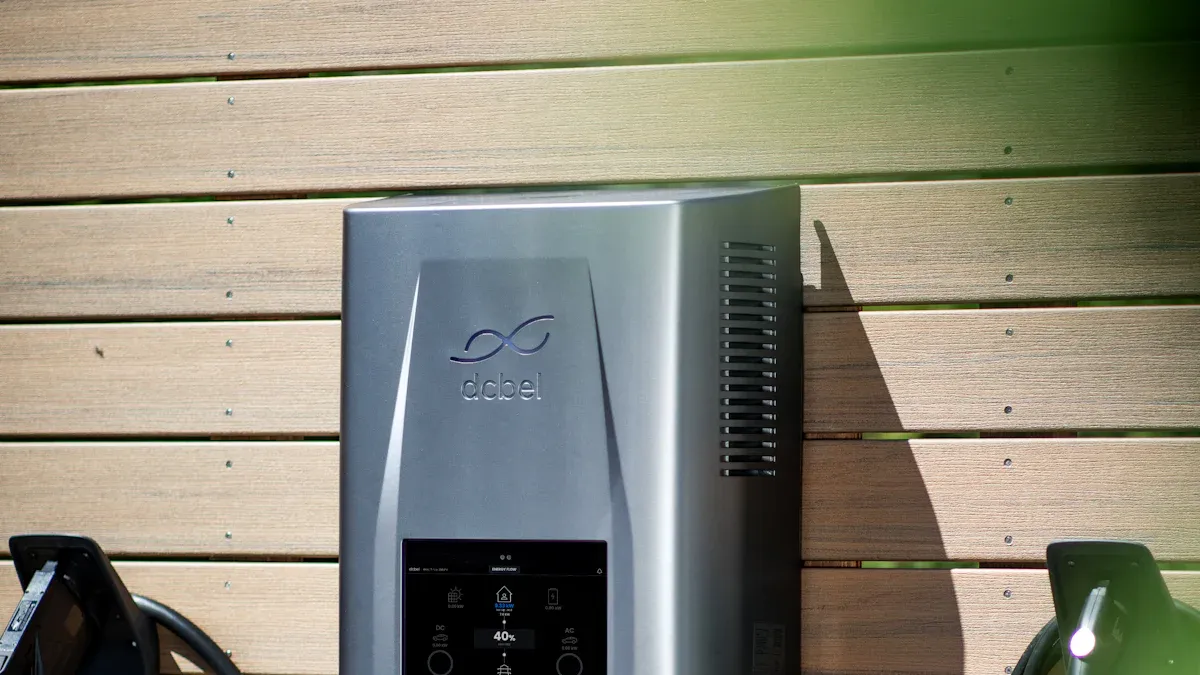
Smart Charging Explained: Schedule your AC wall charger to use off-peak rates, cut energy costs, and maximize savings on your electricity bills with smart features.
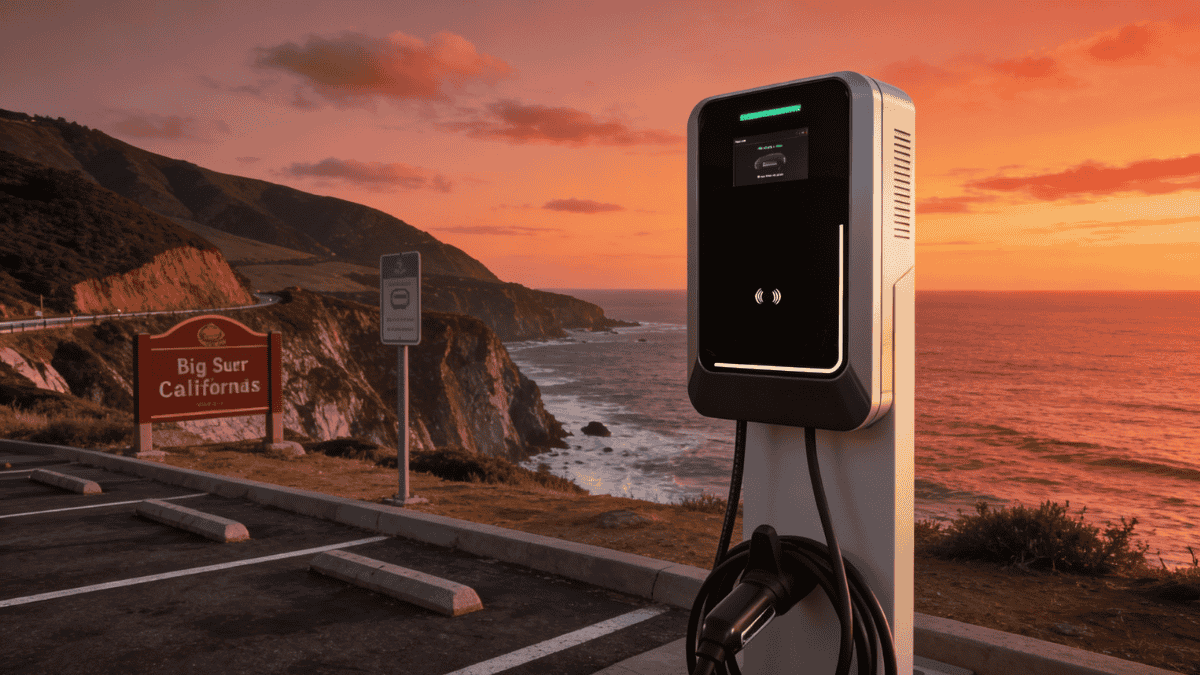
Before you click “buy” on a new EVSE (Electric Vehicle Supply Equipment), performing a comprehensive readiness assessment of your home is vital. Checking your available breaker space, calculating existing electrical loads, and inspecting the physical path for conduit will save you from unexpected expenses and ensure that the charger you choose is actually compatible with your home.
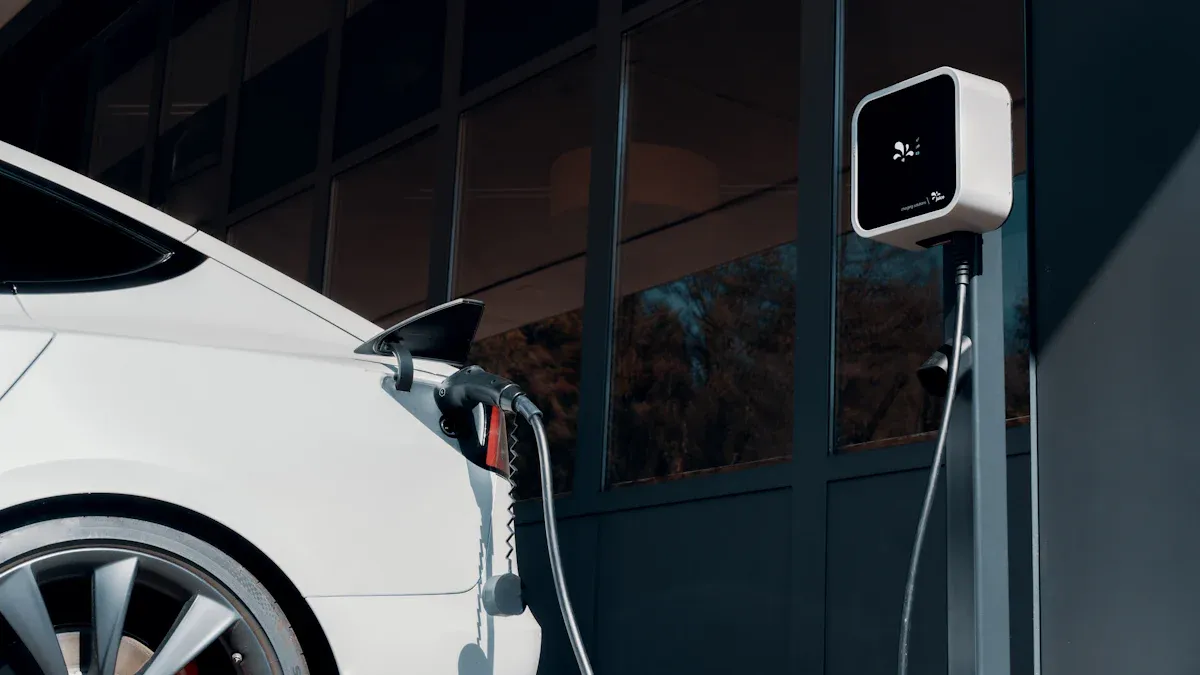
Charging my EV to 100% every night isn’t needed and may harm battery life. Most experts suggest charging to 80-90% for daily use to protect your EV.
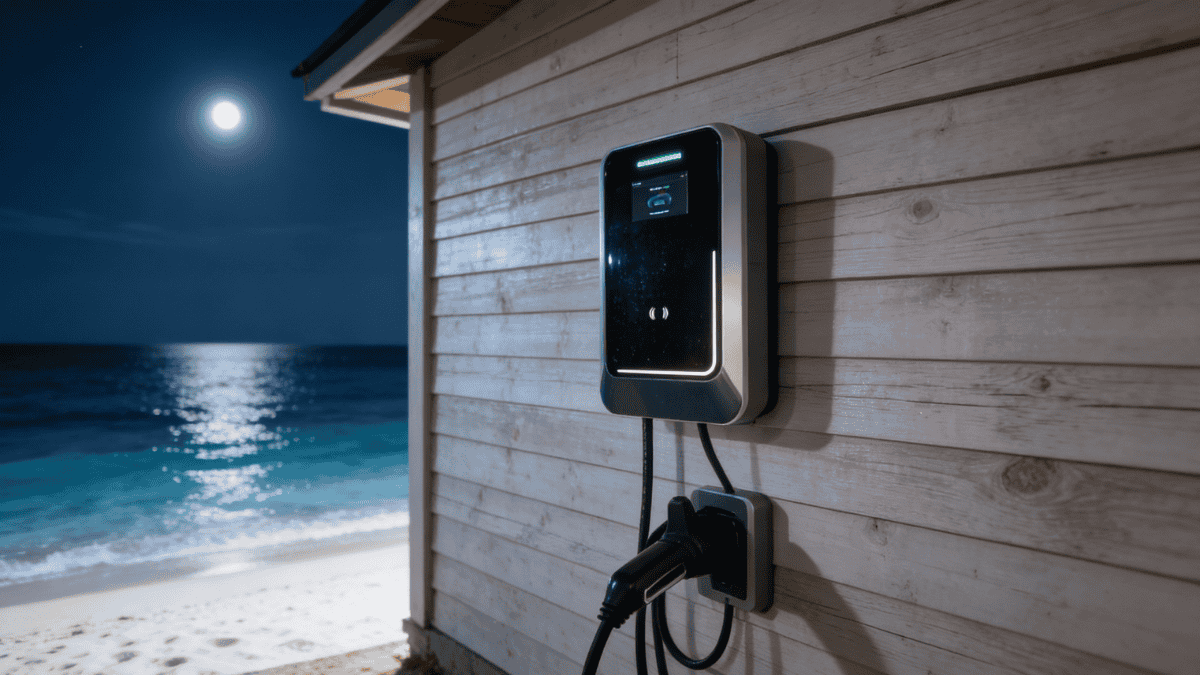
Strategic placement of your EV charger can mean the difference between effortless daily use and a frustrating struggle with heavy cables. By considering the location of your vehicle’s charging port, the length of the charging cord, and the proximity to your electrical panel, you can create a layout that maximizes convenience while minimizing installation costs.

Plug in my EV every night in winter to protect battery health, support preconditioning, and ensure reliable range despite cold weather challenges.
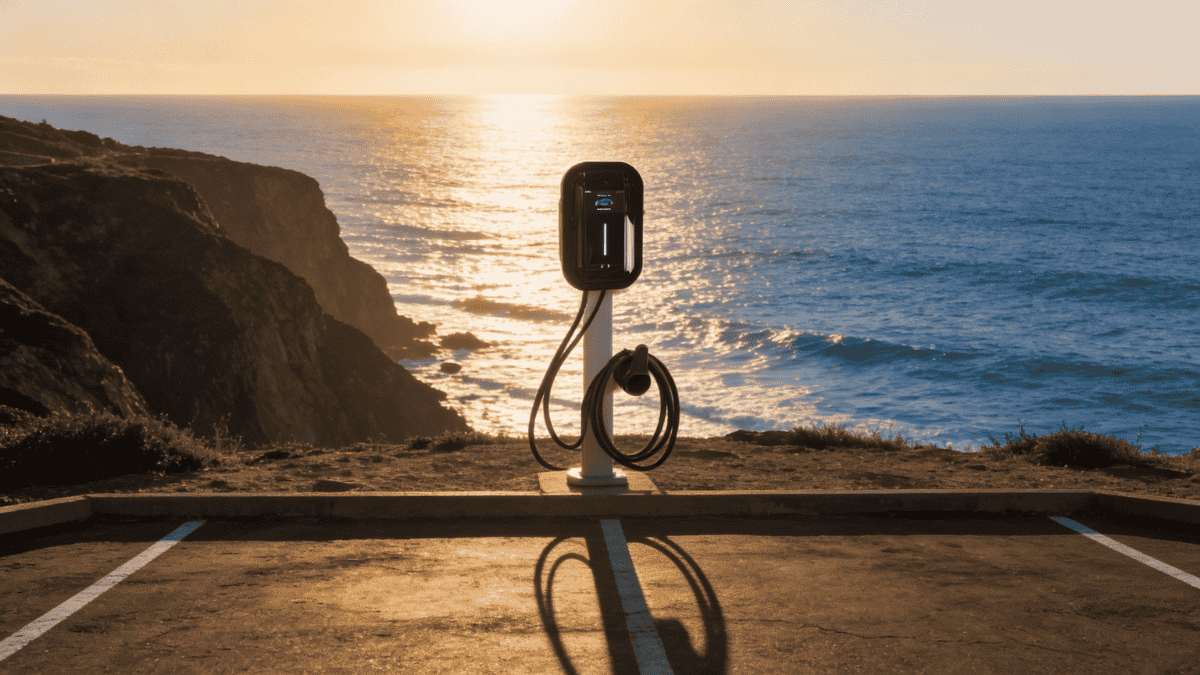
The choice between a hardwired EV charger and a plug-in model involves weighing the benefits of permanent reliability against the convenience of portability. While plug-in units offer easy replacement and can be taken with you if you move, hardwired installations often allow for higher power outputs and provide a cleaner, more weather-resistant connection for outdoor or high-use environments.
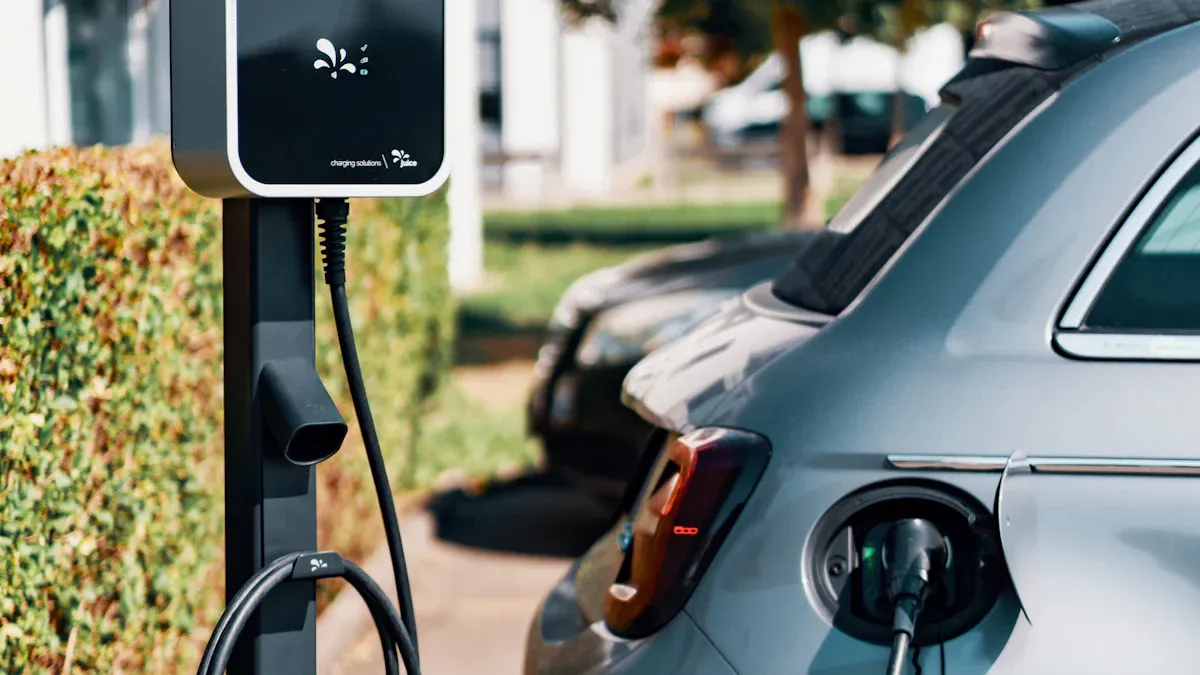
Charging to 100% daily can shorten battery life. Charge my EV to 100 only for long trips or emergencies; keep daily charge between 20%-80% for best results.
Adding an EV charger to your home is often the most significant new load your electrical system will ever face. Before the first wire is pulled, you must understand the specific requirements for dedicated circuits, proper grounding, and the potential need for a “service upgrade” if your current panel lacks the headroom to handle the additional amperage.