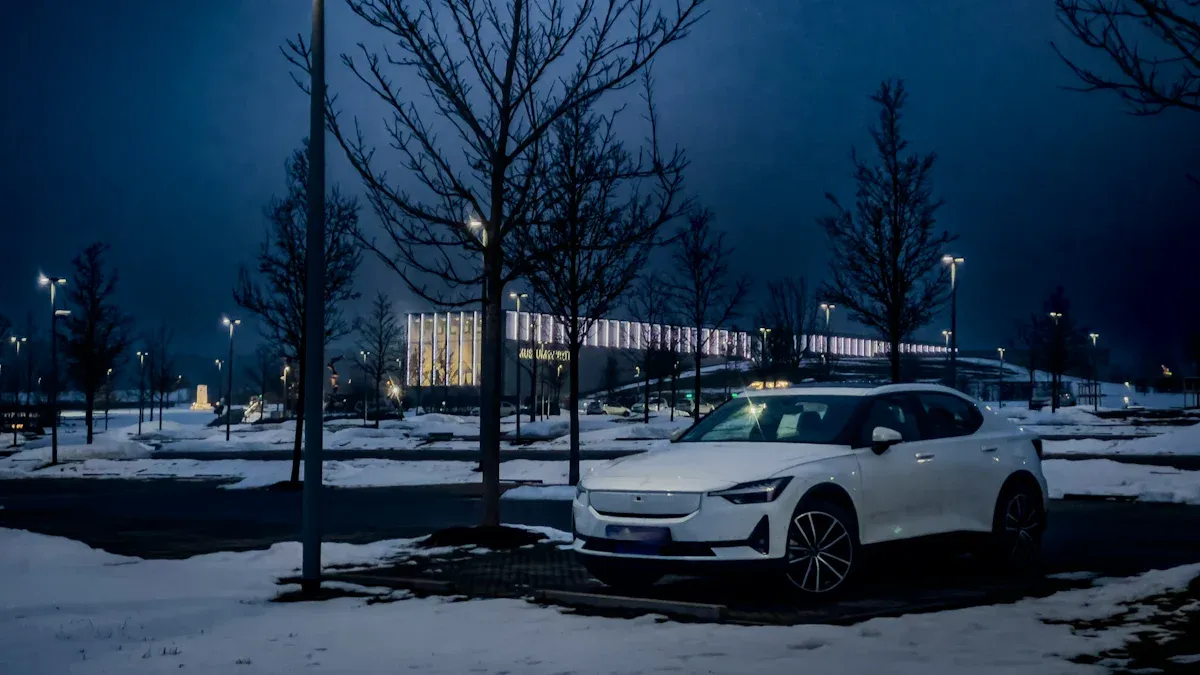
should i charge my ev every night
Most drivers don’t need to charge my EV every night. Charging based on daily use and keeping battery between 20%-80% helps maintain battery health.

Most drivers don’t need to charge my EV every night. Charging based on daily use and keeping battery between 20%-80% helps maintain battery health.
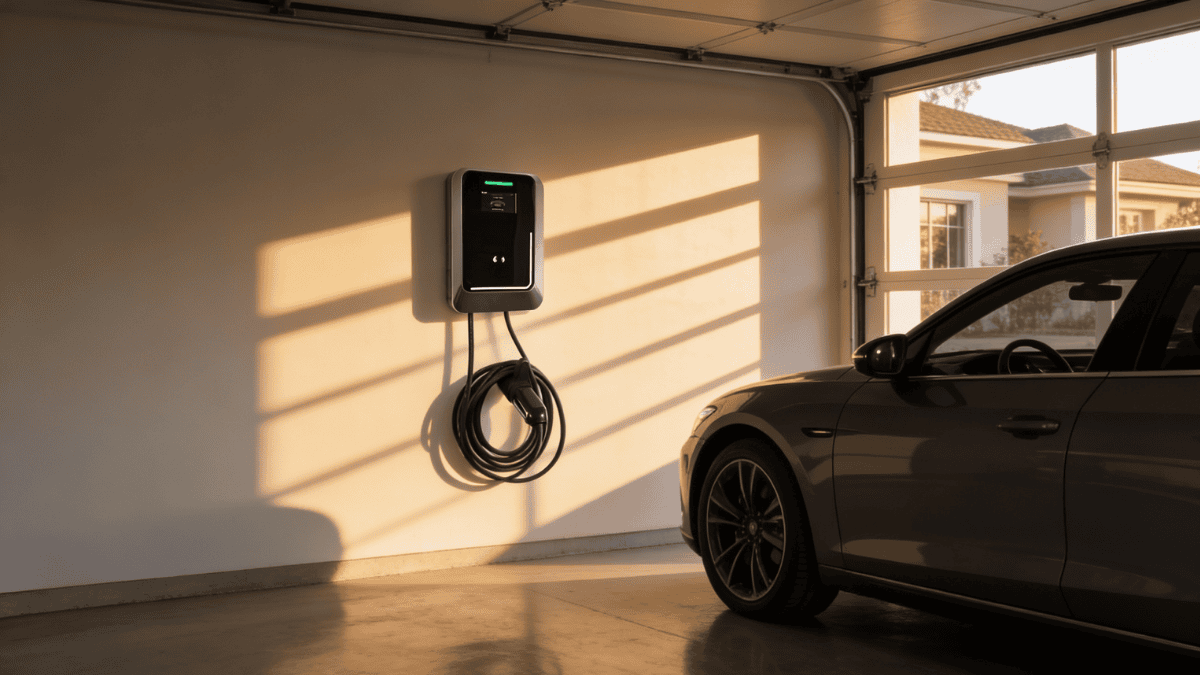
Installing an EV home charging station is a multi-step project that bridges the gap between automotive technology and residential electrical work. From the initial site assessment in your garage to the final mounting of the charging unit and the software configuration, following a standardized process is key to a successful and code-compliant “fueling” station at home.
Safety Certifications Explained: Find out which marks and standards ensure your AC wall charger is safe and compliant in Australia.
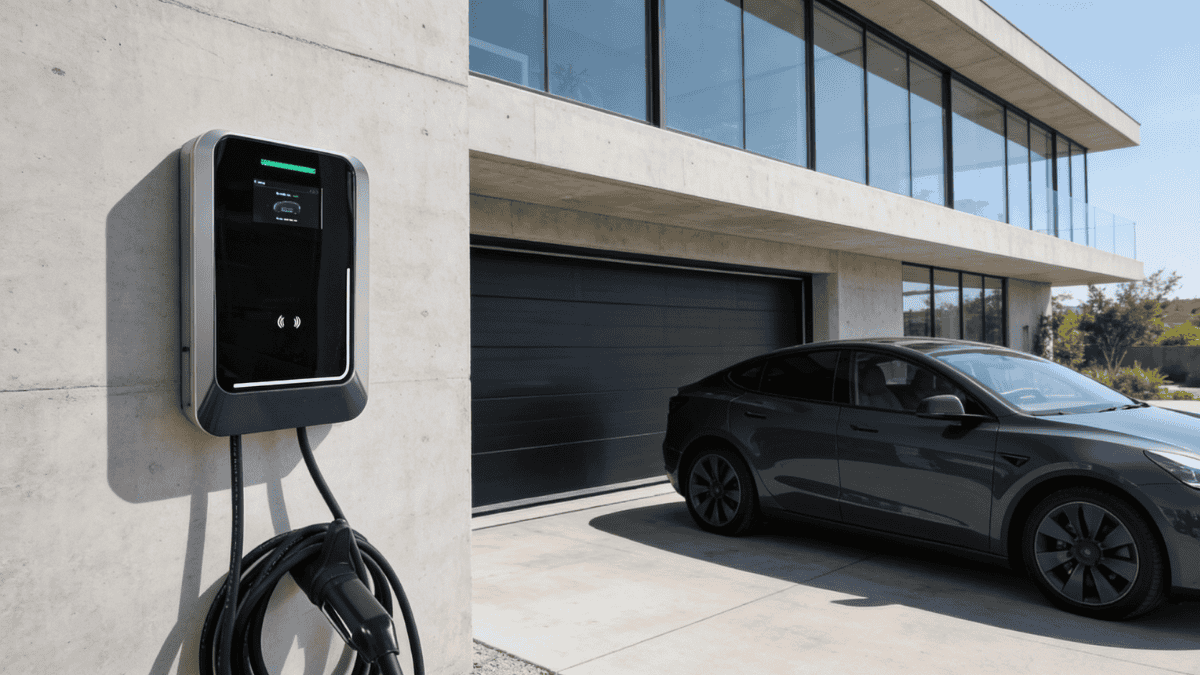
Transitioning to electric driving is only complete once you have a reliable charging solution at home, but the installation process involves more than just plugging in a device. This guide covers everything from assessing your electrical panel and choosing between various power levels to hiring a certified electrician to ensure your setup is safe, legal, and efficient.
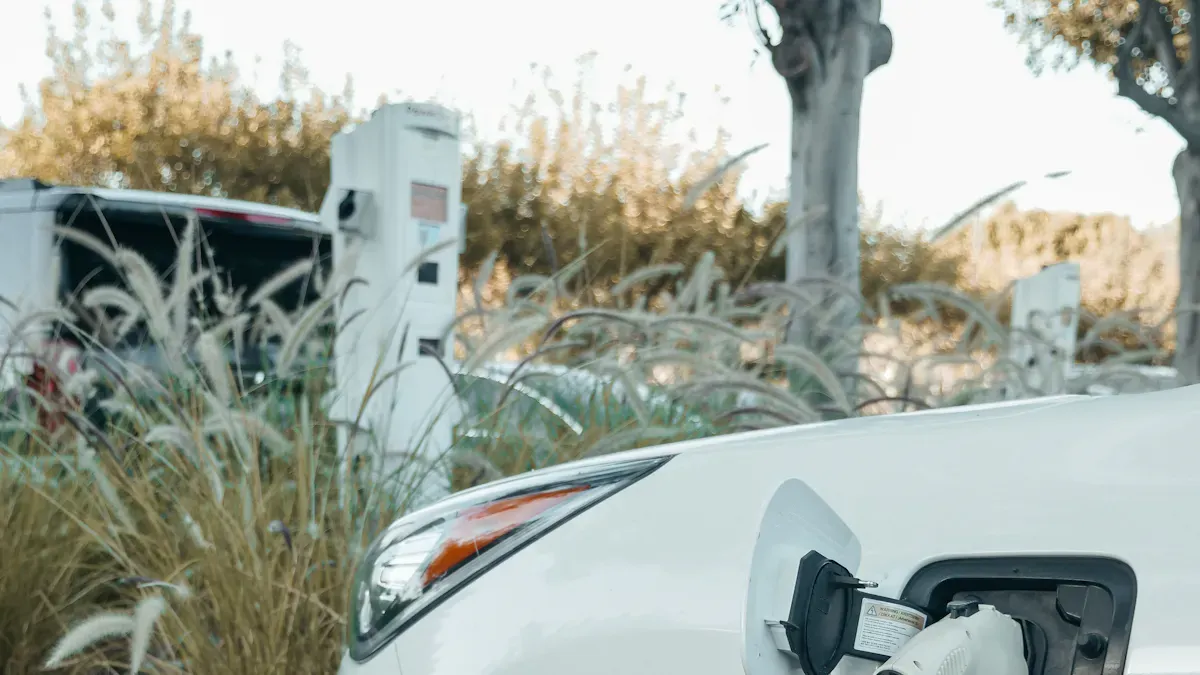
A portable EV charger ensures reliable charging anywhere in Italy, overcoming sparse public stations and supporting stress-free electric vehicle travel.
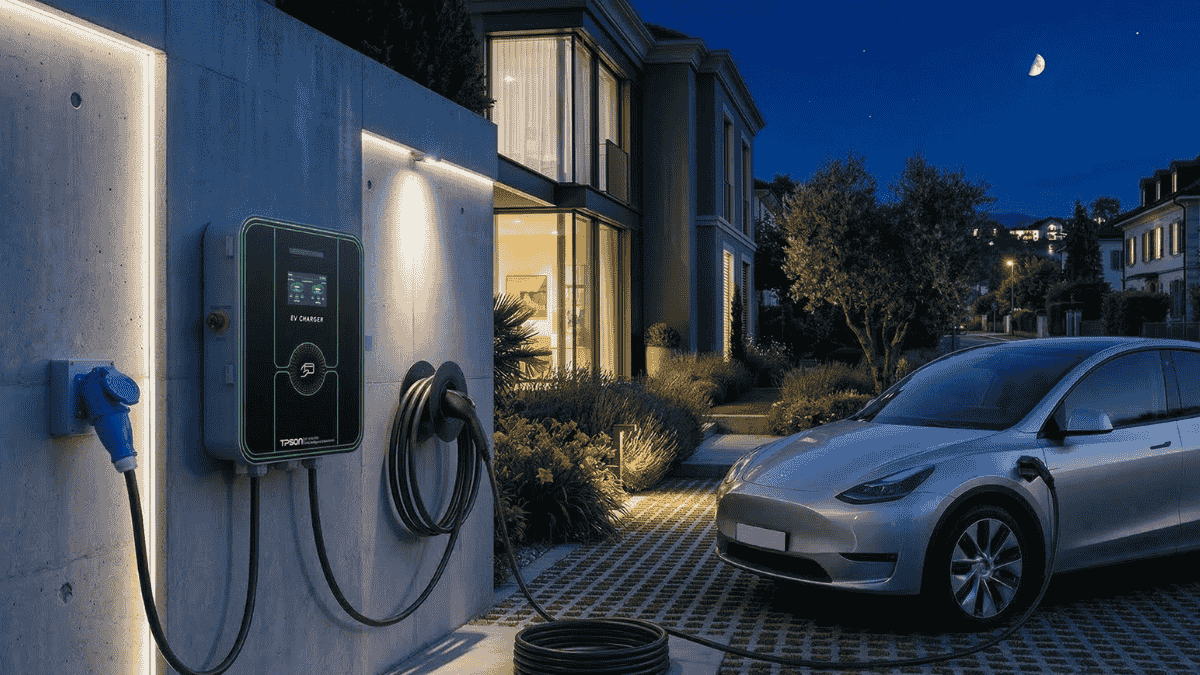
For those seeking the absolute fastest AC charging available, a 22kW EV charger offers unparalleled performance by utilizing three-phase power. While more common in European markets than in North America, these powerful units are designed for high-end EVs with dual onboard chargers, capable of adding significant range in just a fraction of the time required by standard units.
Right to Charge Laws in Spain let apartment residents install EV chargers with legal protection. Learn your rights, steps, and responsibilities for compliance.
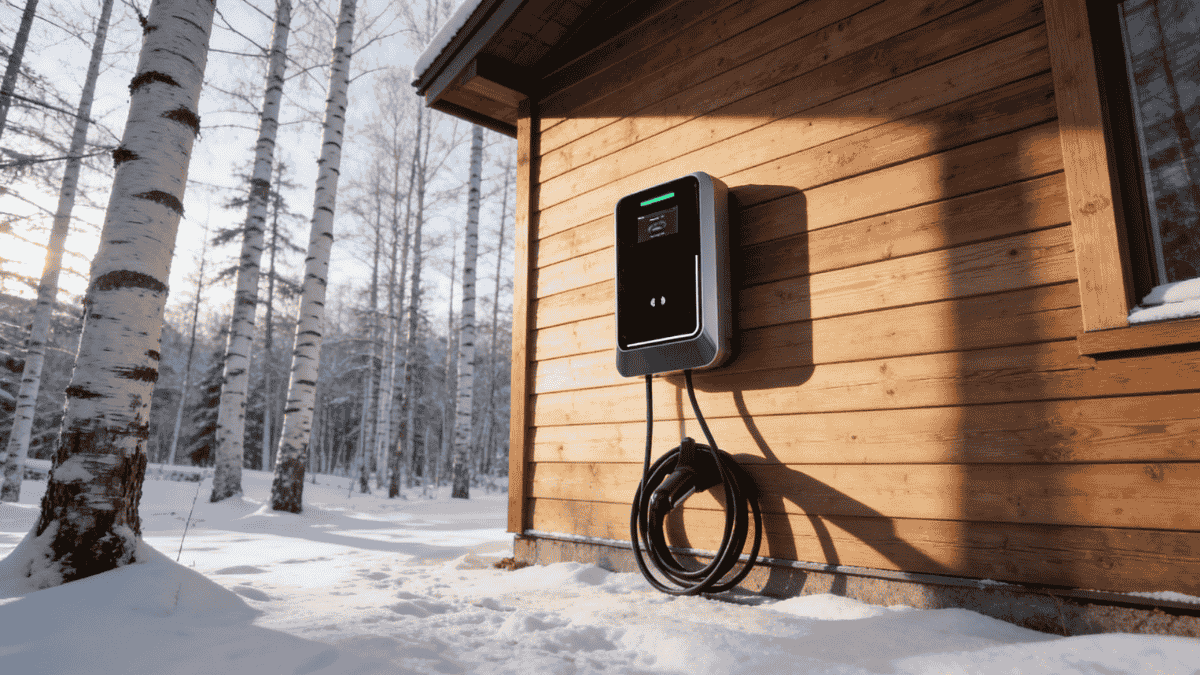
Buying a high-amperage charger won’t help you if your car’s onboard charger acts as a bottleneck. Matching your Level 2 station’s output to your vehicle’s internal AC-to-DC conversion limit ensures you aren’t overpaying for charging speed your car cannot physically utilize, allowing for a more efficient and budget-friendly installation.
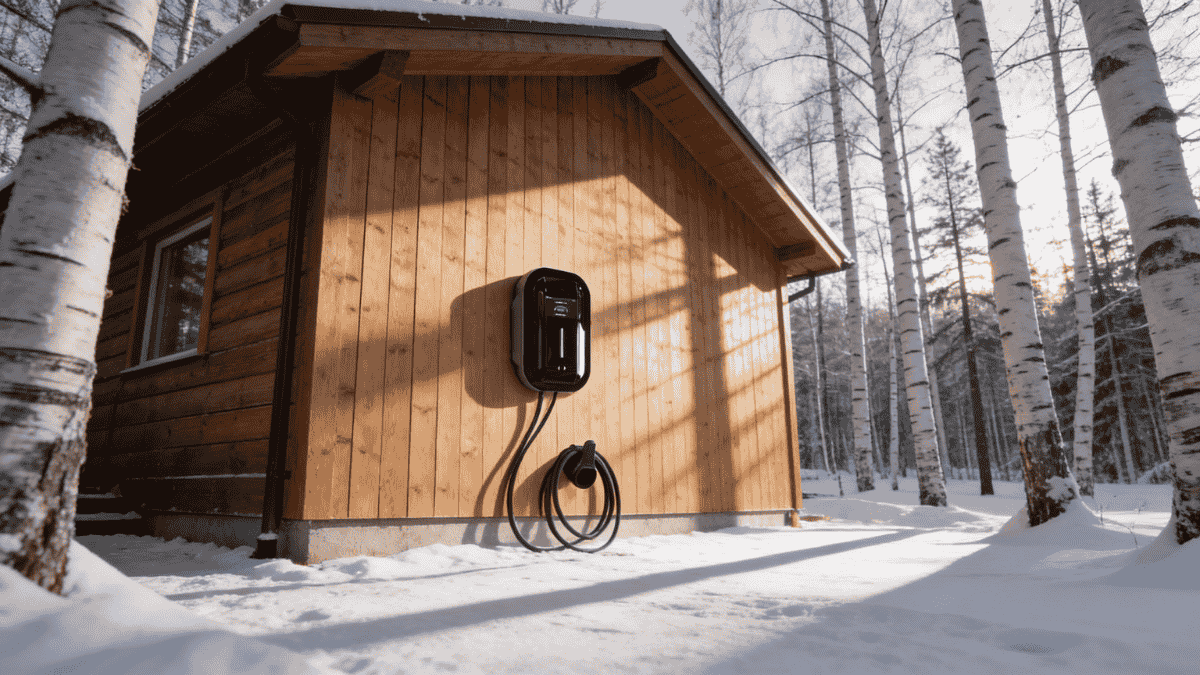
While the industry often pushes for higher power, a 24-amp EV charger remains a highly practical solution for plug-in hybrids (PHEVs) or drivers with short daily commutes. These chargers are particularly advantageous in older homes where upgrading the electrical panel to support 40 or 50 amps would be prohibitively expensive or physically impossible.
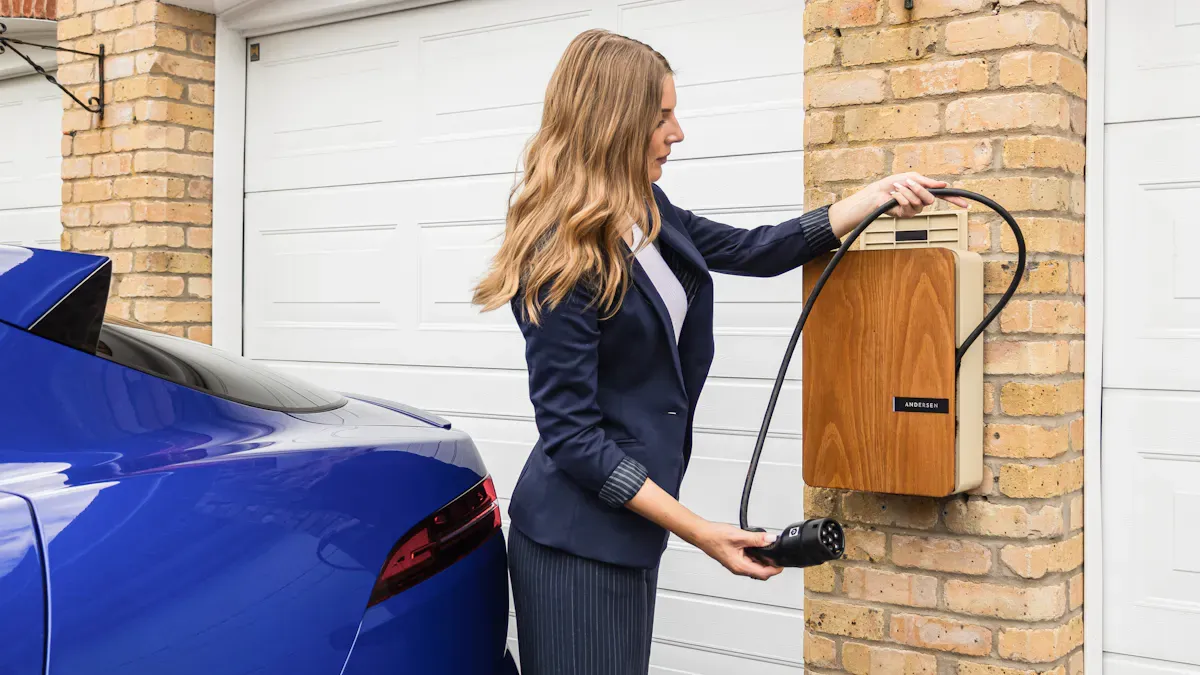
Compare portable vs. wall-mounted to find the best EV charger for Dutch drivers. Learn which offers faster charging, flexibility, and value for your needs.
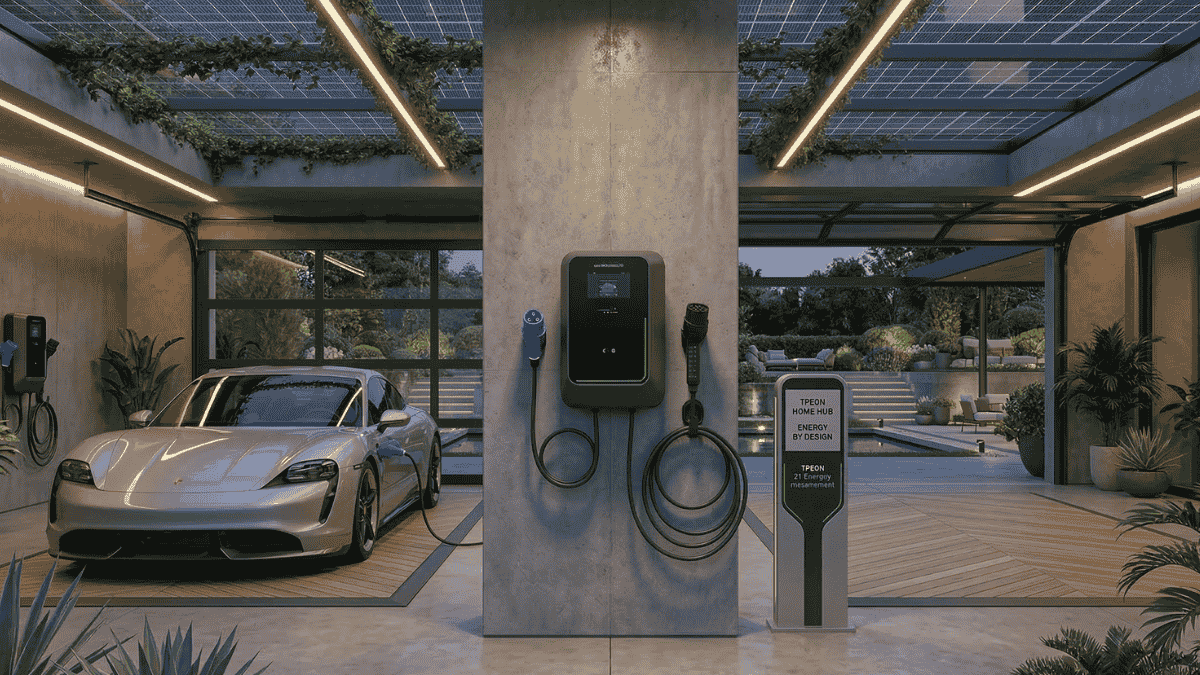
Installing a 48-amp EV charger requires a dedicated 60-amp circuit breaker to comply with the National Electrical Code’s (NEC) 80% continuous load rule. Understanding this relationship between the charger’s output and the breaker’s rating is crucial for preventing overheating, nuisance tripping, and ensuring the long-term safety of your home’s electrical system.
Find the best choice for French EV owners: compare portable vs. wall-mounted chargers for flexibility, speed, cost, and home charging convenience.
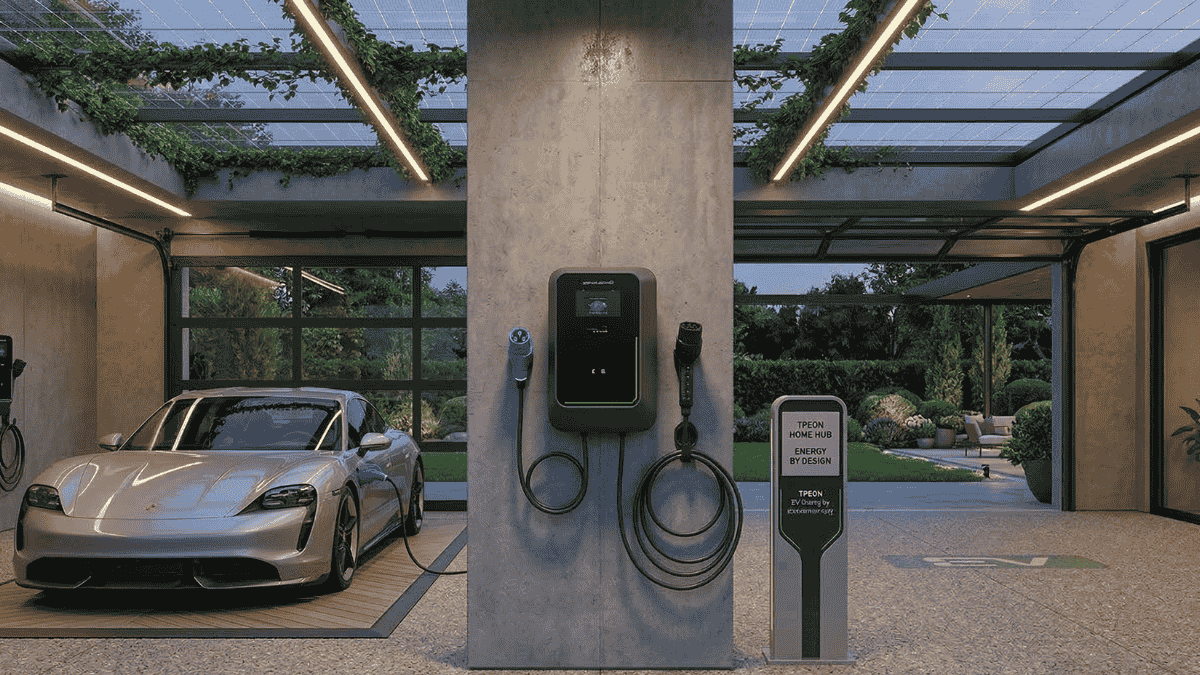
Often utilized in homes with limited electrical capacity or for older EV models, a 30-amp charger offers a balanced approach to home energy management. While it may not provide the lightning-fast speeds of its higher-amperage counterparts, its lower installation requirements make it an accessible and cost-effective entry point into the world of Level 2 charging.

Portable EV chargers offer Thai apartment renters flexible, cost-effective EV charging, but building rules and power limits may affect usability.
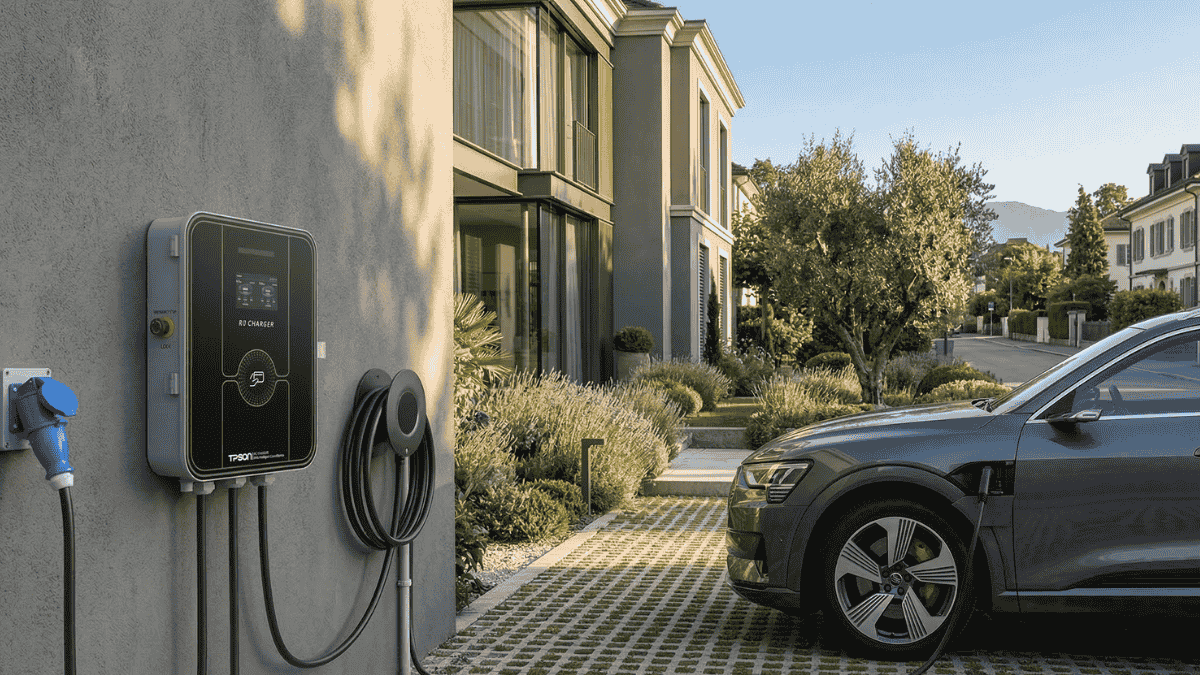
A 32-amp EV charger is widely considered the “sweet spot” for many homeowners, providing a significant upgrade over standard wall outlets without requiring massive electrical overhauls. Delivering roughly 7.7 kW of power, these units can typically fully charge most modern electric vehicles in 8 to 10 hours, making them an ideal solution for reliable overnight charging.
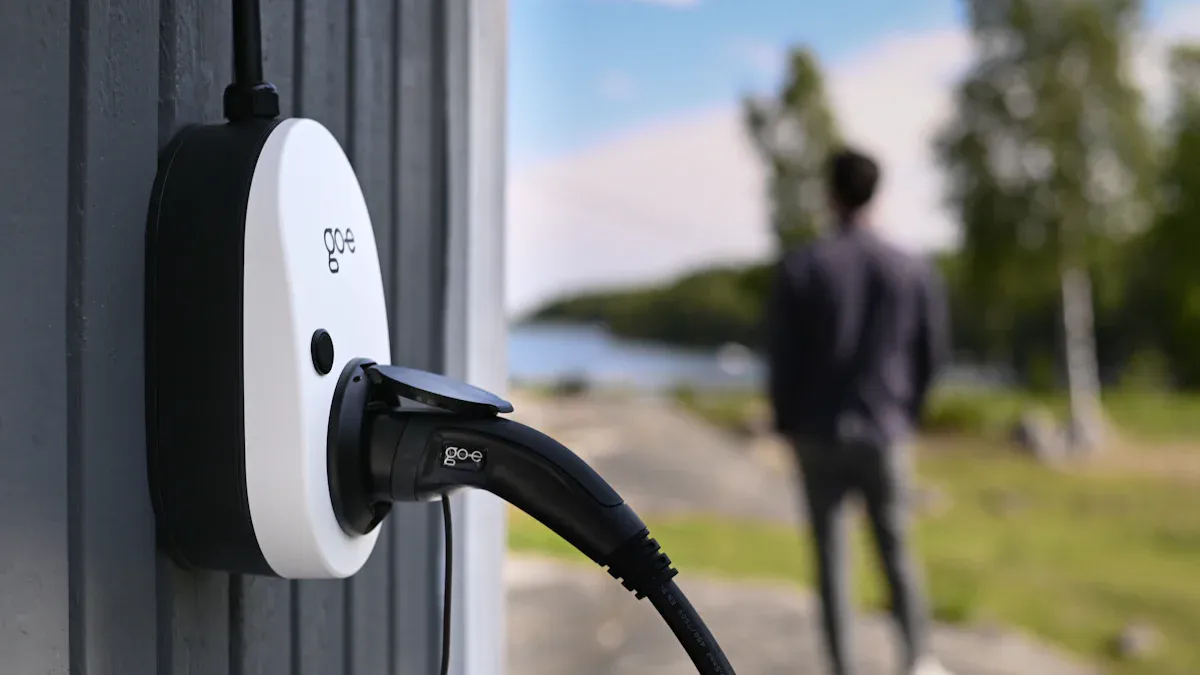
Portable EV chargers offer Singaporean drivers flexible, safe charging at home or on the go. Find out how to choose the right portable EV charger for your needs.
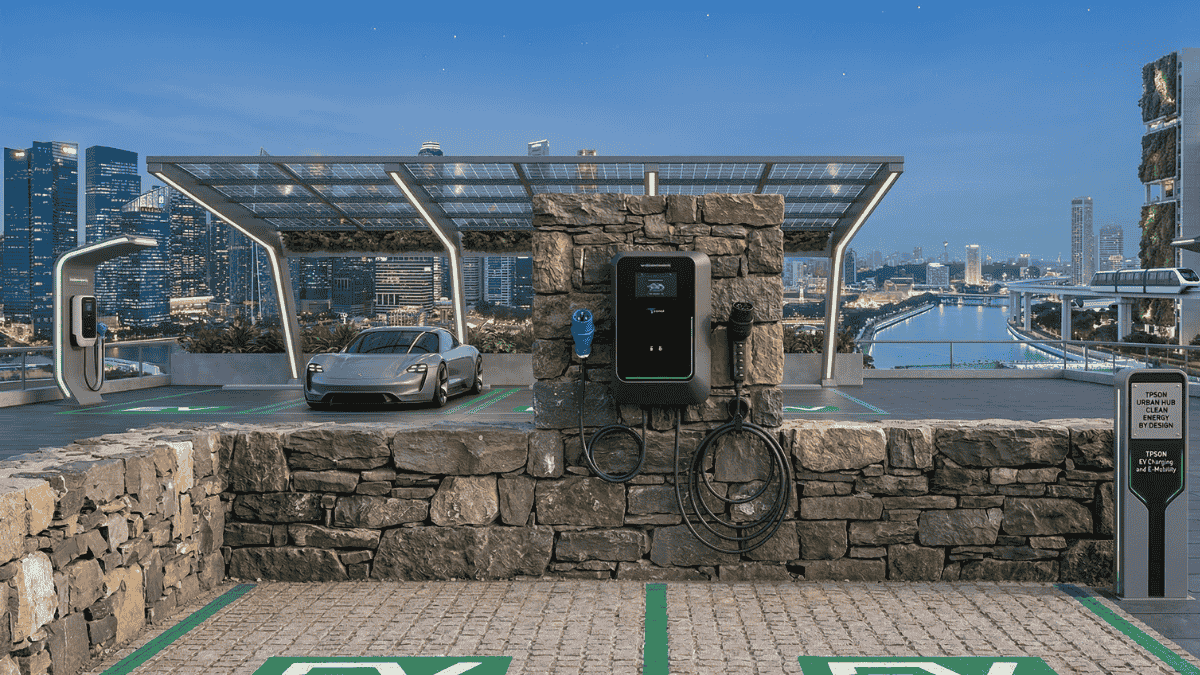
The debate between 40-amp and 50-amp EV chargers often comes down to the choice between “sufficient” and “future-proof.” While a 40-amp charger provides plenty of overnight range for the average commuter, stepping up to 50 amps offers a noticeable speed boost that can be vital for larger battery packs or multi-EV households looking for maximum flexibility.

Pack Type I, C, and L adapters for your EV road trip in Chile and Argentina. Ensure charging compatibility and avoid delays with this essential adapter guide.