
How Commercial EV Charging Can Revolutionize Gas Stations and Service Centers in Argentina
Commercial EV charging allows Argentine gas stations to profit from electricity sales, increased ancillary revenue, and new services like battery diagnostics.

Commercial EV charging allows Argentine gas stations to profit from electricity sales, increased ancillary revenue, and new services like battery diagnostics.

An AC wall charger doesn’t charge your device; it converts high-voltage AC from an outlet into low-voltage DC. The real charging circuit is inside your phone.

For Thai developers, future-proofing your property means installing scalable EV charging solutions. This guide covers assessing electrical capacity, choosing the right hardware, and navigating financials to boost property value and attract tenants.

Future-proofing your home means selecting an EV charger with the right features. Choose a 7.4kW unit with smart load balancing and TR25 compliance for a safe, efficient setup in Singapore.

See why a smart Level 2 EV charger is a wise investment for your Singapore home. It actively lowers electricity bills and boosts property value for the future.

Considering an AC wall charger with V2H capability? This guide details the required EV, charger, and gateway to power your home and lower electricity bills.
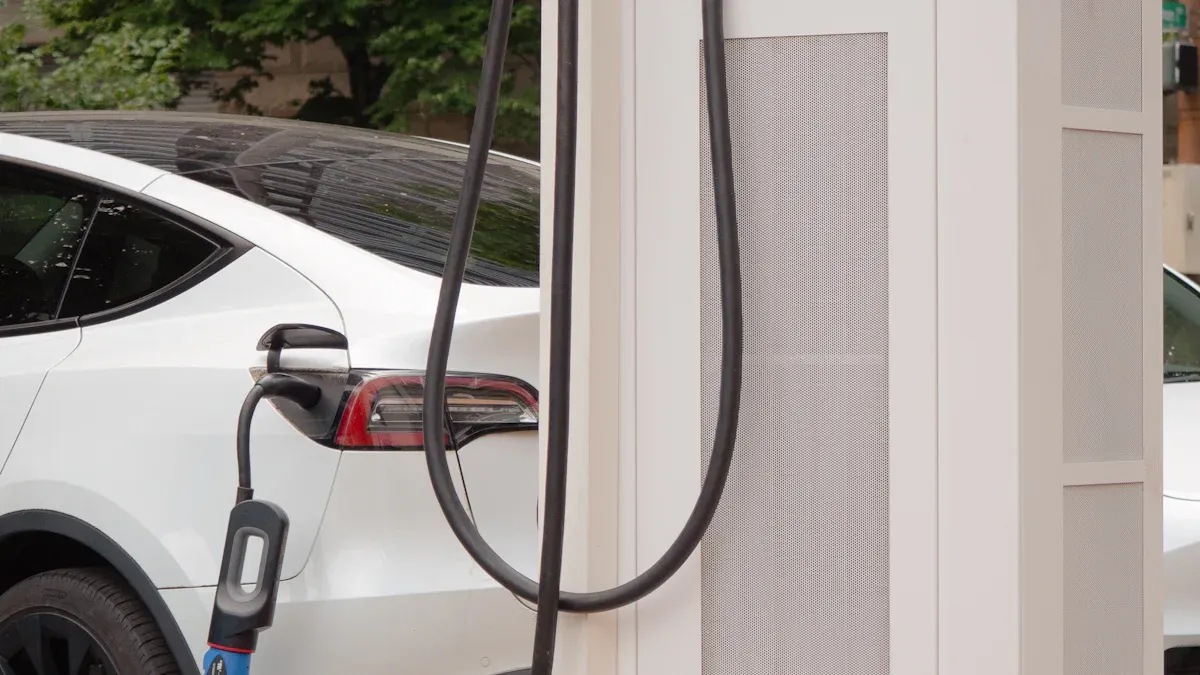
The best EV charger for German apartments is a smart 11 kW Level 2 wallbox with OCPP. It offers the ideal balance of speed, safety, and future-proof tech.

Future-proof your business by installing commercial EV chargers in the Netherlands. Attract high-value customers, create new revenue, and gain a key competitive edge.

Ready to scale your condo’s EV charging from one to fifty cars? Our guide details a phased EV charging infrastructure plan for fair, future-proof solutions.

Installing an EV wall charger in Germany requires a qualified electrician from a certified ‘Elektrofachbetrieb’. Verify their credentials and experience to ensure a safe, compliant installation.

Hire a qualified electrician in Peru by verifying their ‘Electricista Calificado’ registration and knowledge of the national electrical code for a safe EV charger install.

Your guide to EV charging in Singapore. Most EVs use a Type 2 plug for AC charging and a CCS2 plug for DC fast charging. CHAdeMO is a legacy standard.

Get essential electrical safety tips for charging your EV with a Level 1 charger in the rain. Follow our guide to inspect gear and use GFCI outlets to prevent shock.

An electric car self-charging system is impossible due to physics. Technologies marketed as ‘self-charging,’ like regenerative braking, only recover small amounts of energy to slightly extend range, but they cannot fully recharge the battery.

Driving an EV in Brazil? This guide explains which EV charging adapters you need for Type 1, CHAdeMO, and home NBR 14136 sockets to use the CCS2/Type 2 network.
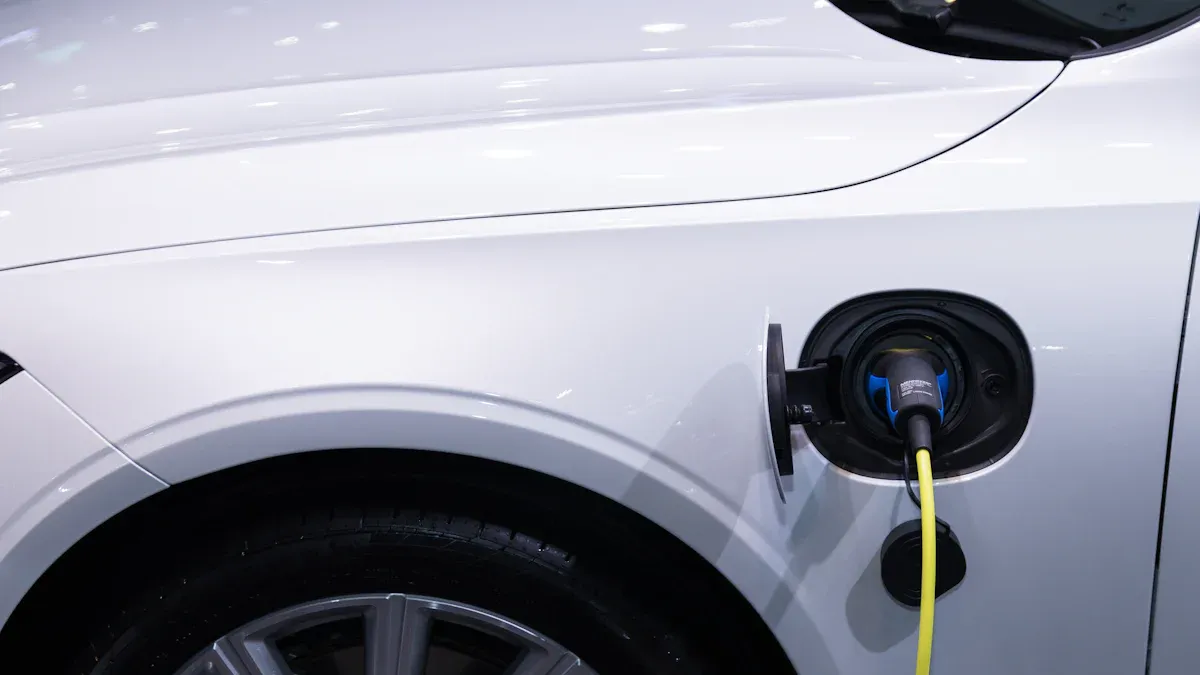
Driving a BYD, GWM, or MG in Thailand? This essential guide to GB/T adapters explains how to charge at Type 2 stations and choose the right 7kW or 22kW model.

Driving to France? Your UK Type 2 and CCS cables work on public chargers without an adapter. You only need a heavy-duty EV charging adapter for domestic sockets.
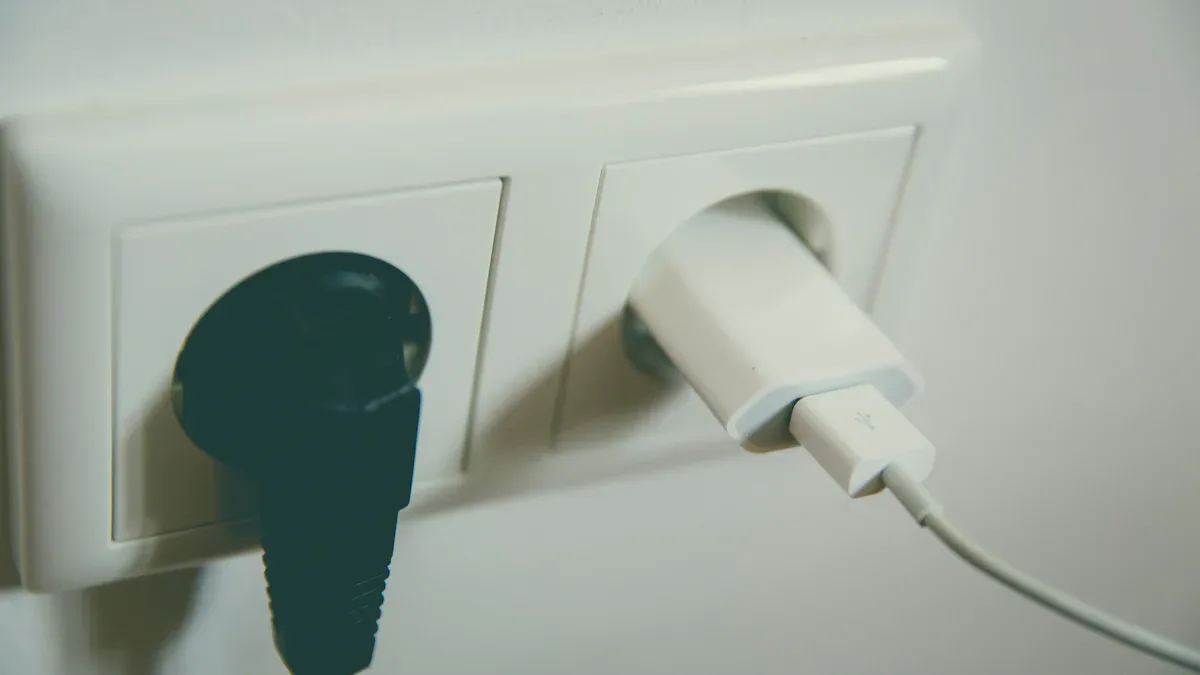
Yes, it costs slightly more to charge an EV with a 3-pin plug due to lower efficiency, not higher rates. This energy loss means you pay for more power.