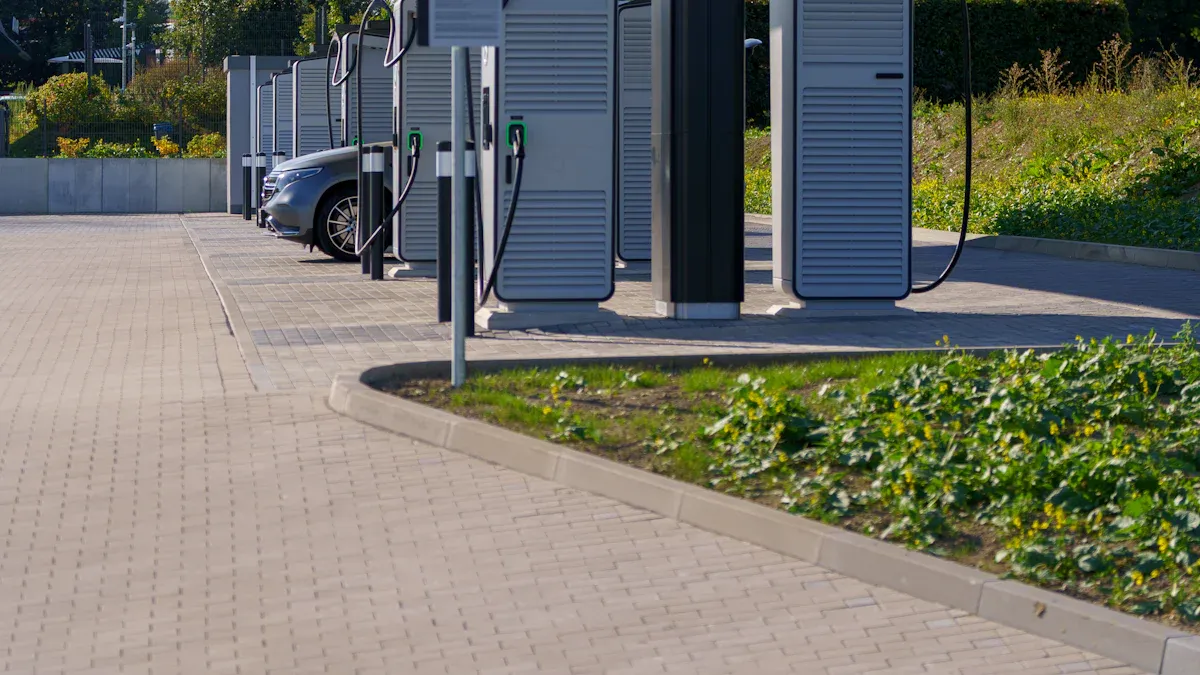
5 Steps to Installing Your First Commercial EV Charging Station in Thailand
Ready to install a commercial EV charging station in Thailand? This guide outlines 5 key steps: site assessment, hardware selection, permits, installation, and launch.

Ready to install a commercial EV charging station in Thailand? This guide outlines 5 key steps: site assessment, hardware selection, permits, installation, and launch.

Using a Level 1 EV charger for your daily commute offers major benefits, including zero installation costs, better long-term battery health, and maximum savings.
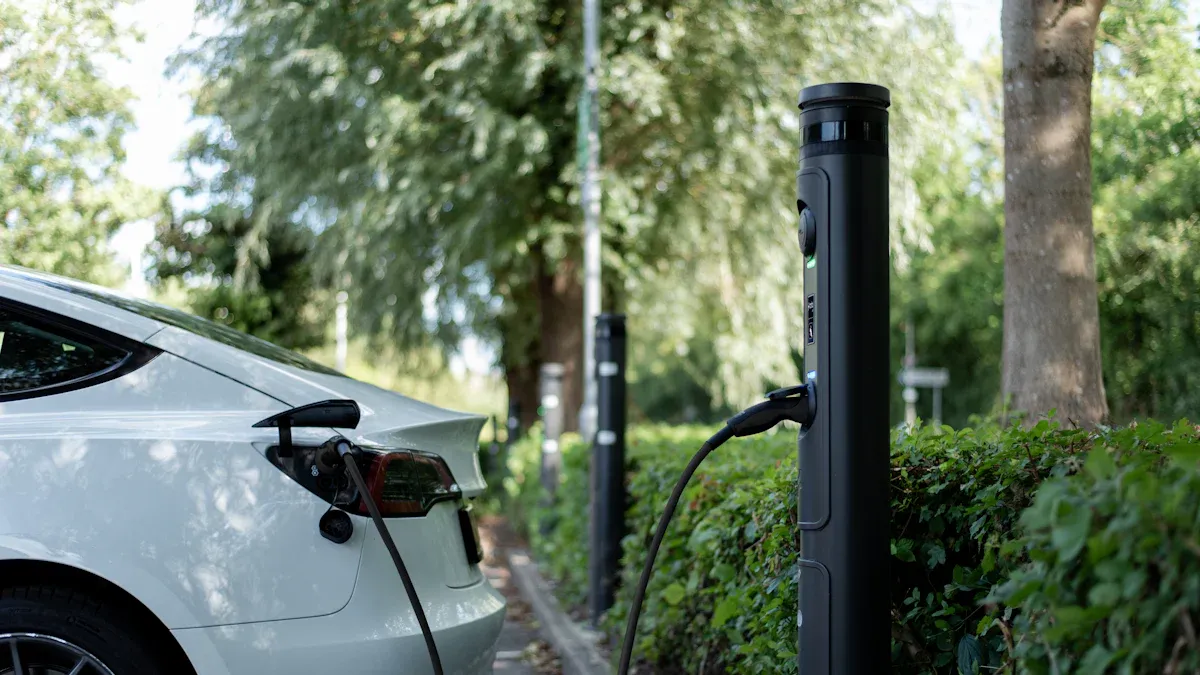
Choosing a Level 2 charger in Argentina? Avoid costly errors like ignoring your home’s ‘monofásico’ limits or buying a unit without local support and certification.

Avoid common mistakes when buying a portable EV charger in France. Ensure you have the right Type E plug, match power to your home and EV, and verify CE safety marks.
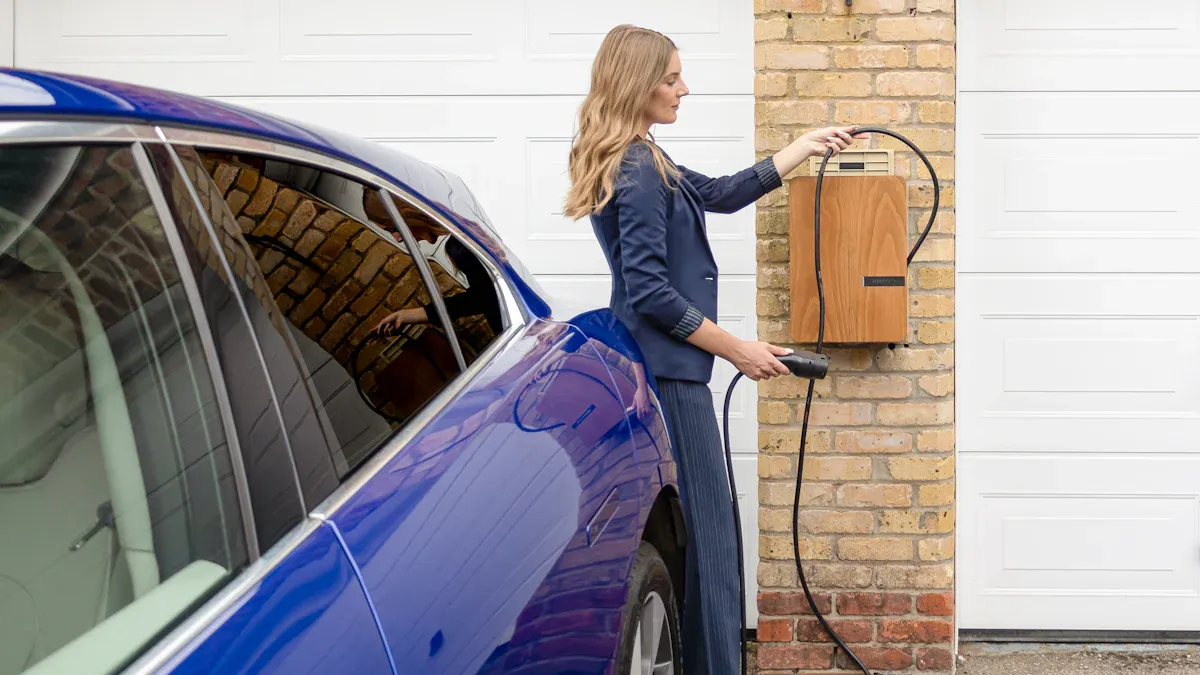
Installing a Level 2 EV charger in France? Avoid critical mistakes like ignoring IRVE certification, miscalculating electrical capacity, and picking the wrong unit.

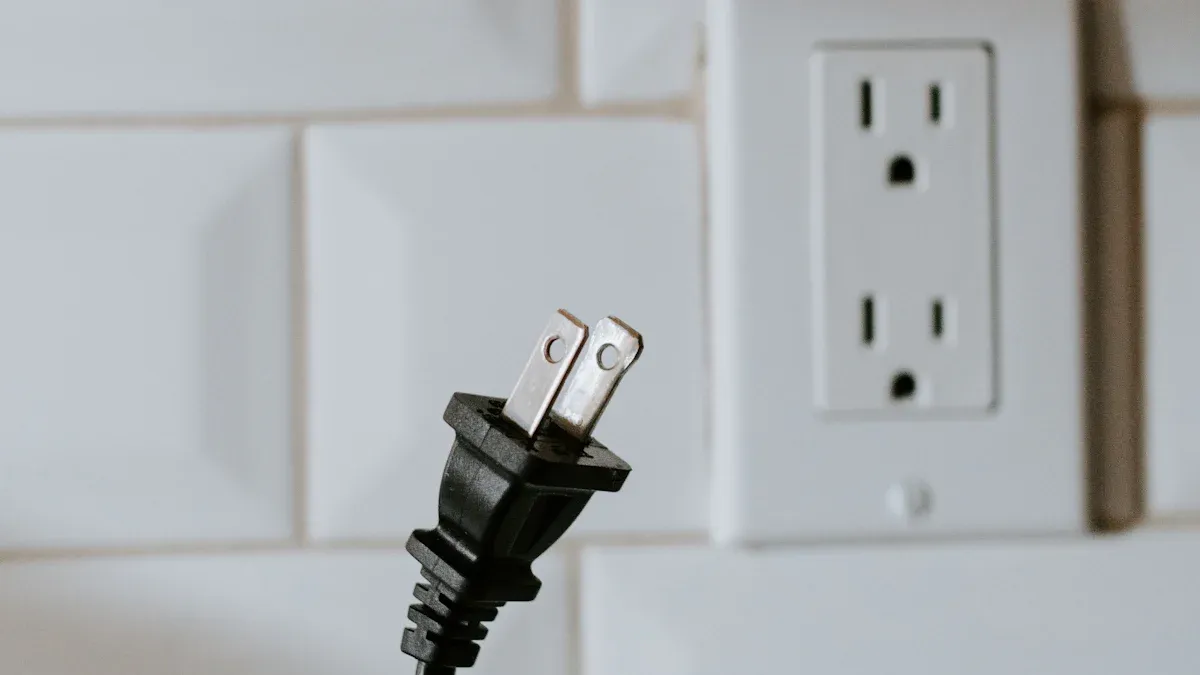
Worried about Level 1 EV charger safety? Certified chargers won’t overload circuits, cause fires, or risk shock thanks to built-in GFCI and thermal protection.

Get federal and state grants for your home EV charger. This guide details the federal tax credit, state rebates, and how to stack incentives to reduce installation costs.

Our 2025 guide reviews the top 5 EV charging stations. We compare the Grizzl-E, Zappi, Emporia, and Tesla to help you find the best features and value.
The total cost to charge your EV depends on more than just electricity rates. Your final bill is influenced by installation, public charging fees, and energy loss.

Get the best EV charging apps for a seamless journey. Start with PlugShare for its community-verified map and A Better Routeplanner (ABRP) for long-distance trips.

In 2025, home electric car charging installation costs $900-$1,800. This investment is often worth it, paying for itself through major fuel savings and daily convenience.

A home EV charging point installation typically costs between $800 and $2,500. This price includes the charger unit and labor, but can increase with panel upgrades.

A home EV charger installation typically costs between $1,200 and $2,500. This price covers the charger and standard labor for your electric car charging points.

EV charging costs depend on location, time of day, charger speed, and your vehicle’s battery. Charging at home overnight on a time-of-use plan is the cheapest way.
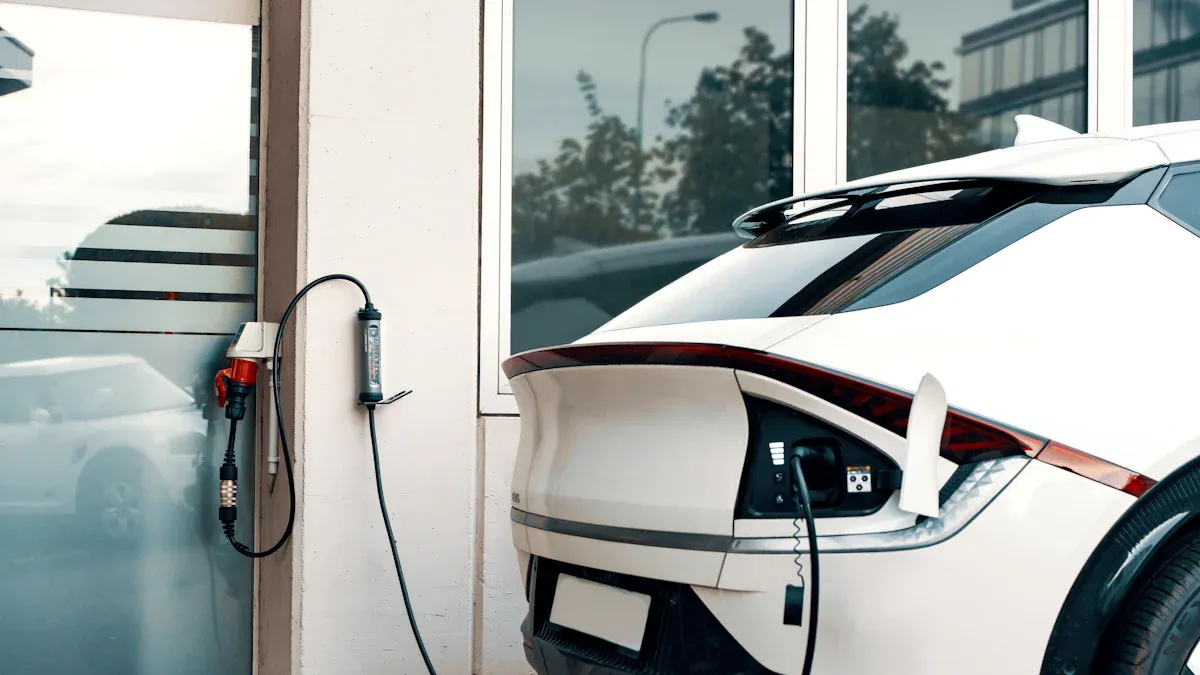
Installing a home charging point is essential for the future of home charging. It provides faster, safer charging, slashes running costs, and ends reliance on public stations.

The future of portable EV charging stations is defined by ultra-fast speeds, wireless solutions, and smart, solar-powered designs for true on-the-go power.
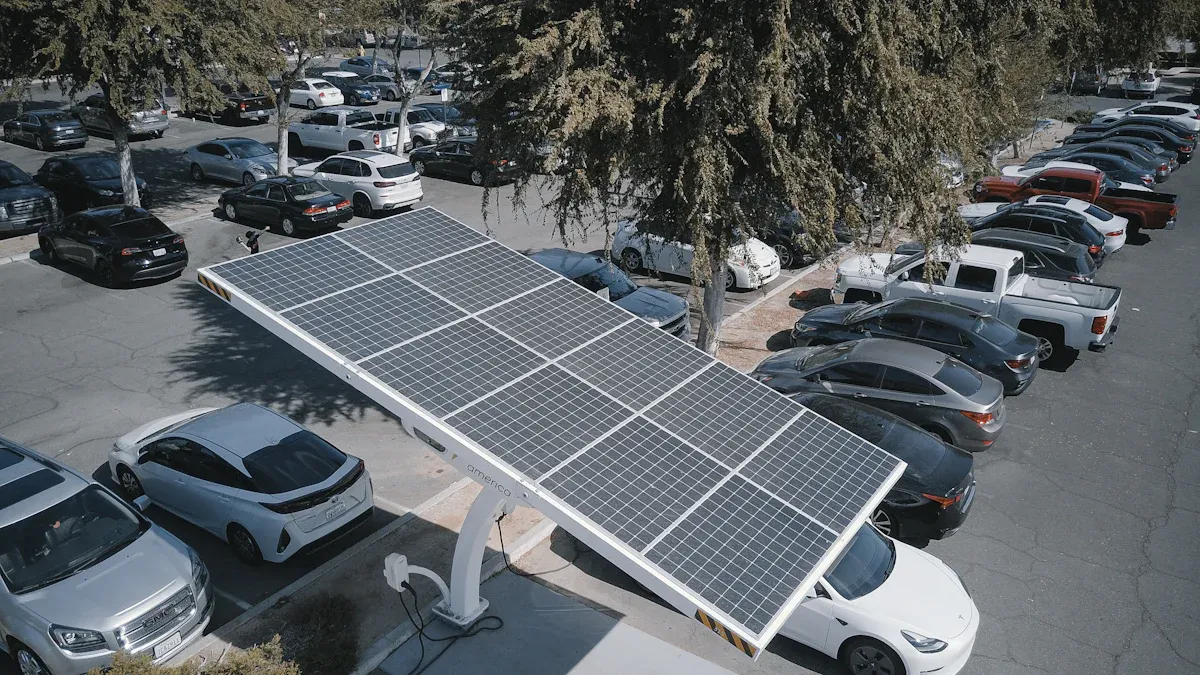
What’s the future of EV charging in 2025? Expect AI-driven reliability, seamless Plug & Charge payments, V2G grid support, and the NACS standard to redefine it.
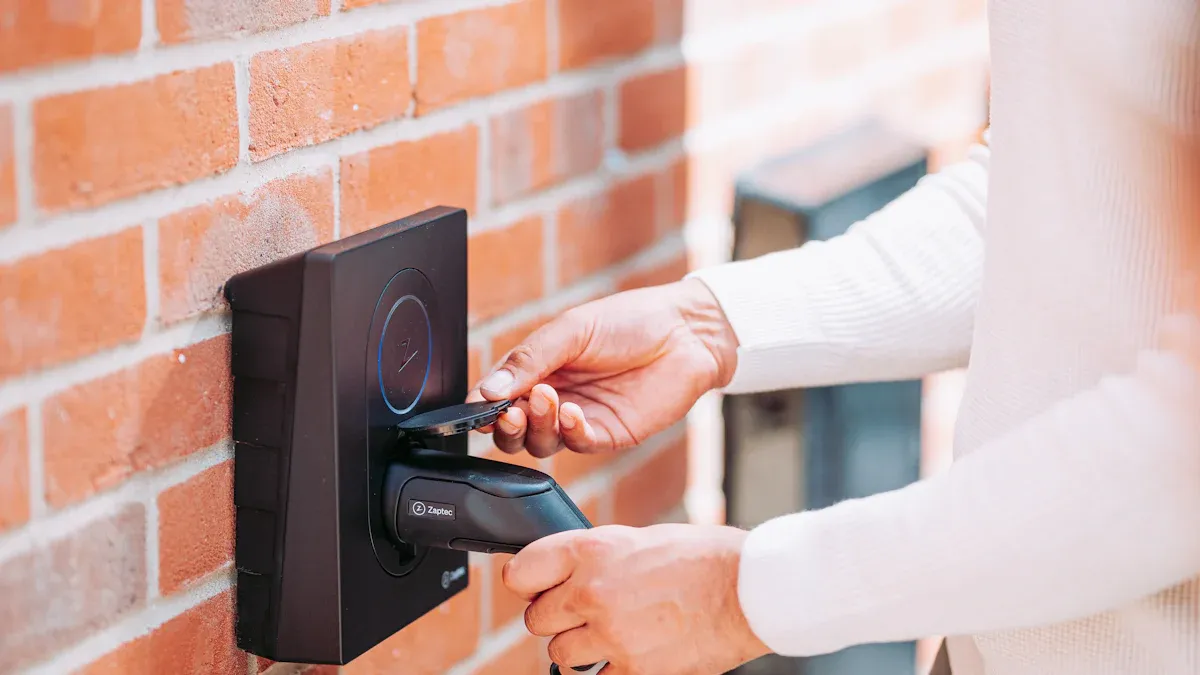
The future of home EV charging is bidirectional, allowing your car to power your home. See how V2H, AI-powered scheduling, and wireless tech will shape 2025.