**EV charger amperage** is the amount of electrical current a charger can deliver, and it directly affects charging speed, installation requirements, circuit sizing, and overall charging efficiency. Choosing the right amperage is not about buying the highest number available. It is about matching the charger to the vehicle’s onboard charger, the site’s electrical capacity, daily driving habits, local code requirements, and long-term operating costs. For most residential users, a well-selected **Level 2 AC charger** in the 32A to 48A range is more than sufficient for overnight charging, while commercial and fleet scenarios may require higher-output AC or **DC fast charging** depending on turnaround expectations.
This guide explains how EV charger amperage works, what amperage options mean in real-world use, and how buyers can evaluate **home charging**, **commercial charging**, and **fleet charging** needs with greater technical confidence. It also draws on product and company information from TPSON, industry charging platform data, and public EV charging references to provide a practical, global view of charger selection.
- What EV charger amperage actually means
- Why amperage matters more than many buyers realize
- The relationship between amps, volts, and kilowatts
- Typical EV charger amperage levels and what they are used for
- How vehicle limits affect usable charging power
- How to choose the right amperage for home charging
- How to choose the right amperage for business and public charging
- AC charging versus DC charging amperage
- Single-phase and three-phase considerations
- Dynamic load balancing and why it changes the decision
- Installation, code, and circuit sizing considerations
- A practical decision framework for buyers
- الأسئلة الشائعة
- الخاتمة
- المراجع
Amperage, measured in amps or amperes, refers to the amount of electrical current flowing through the charging system. In EV charging, amperage helps determine how much power can be delivered to the vehicle when combined with voltage. In simple terms, more available current usually means faster charging, but only within the limits of the electrical circuit, the charging equipment, and the vehicle’s onboard charging system.
Many buyers focus on marketing labels such as 7 kW, 11 kW, or 22 kW. Those are useful, but amperage remains the underlying electrical metric that determines what the charger can safely and continuously deliver. This is especially important when specifying **AC EV Chargers** for residential and destination charging, because the charger rating must align with the available breaker size and wiring.
For organizations evaluating scalable infrastructure, amperage is also central to load planning, site design, and energy management. This is why manufacturers such as مصنعة لوحدات شحن المركبات الكهربائية TPSON emphasize compatibility, safety monitoring, and **dynamic load balancing** across their product ecosystem.
Amperage influences five core aspects of charger selection:
- Charging speed and vehicle readiness
- Electrical panel and circuit requirements
- Cable thickness, thermal performance, and installation method
- Project cost, including breaker, wire gauge, and possible panel upgrades
- Scalability for homes with multiple EVs or businesses with multiple chargers
A charger that is oversized for the site may increase installation cost without meaningful practical benefit. A charger that is undersized may create avoidable delays for users, especially in fleets, hospitality, or public parking environments. The correct amperage is therefore a design decision, not simply a product feature.
This is also why the broader category of شواحن السيارات الكهربائية should be evaluated not only by connector compatibility and certifications, but also by current output, communication options, and energy management capabilities.
The basic power formula is:
To convert watts to kilowatts, divide by 1,000.
Examples:
- 240V × 32A = 7,680W, or about **7.7 kW**
- 240V × 40A = 9,600W, or **9.6 kW**
- 240V × 48A = 11,520W, or about **11.5 kW**
- 400V × 32A three-phase can reach about **22 kW** depending on system configuration
This is where global market differences matter. In North America, many home chargers operate on 208V or 240V single-phase power. In Europe and many other regions, three-phase AC enables higher power outputs such as 11 kW or 22 kW at manageable current levels. That makes amperage analysis more nuanced than simply comparing products by one global standard.
| Charging Scenario | Typical Voltage | Typical Current | Approx. Power Output | حالة الاستخدام النموذجي |
|---|---|---|---|---|
| Level 1 AC | 120V | 8A–12A | 1.0–1.4 kW | Emergency or light daily home charging |
| المستوى 2 تكييف هواء متردد | 208V–240V | 16A–48A | 3.3–11.5 kW | Home, workplace, apartment, destination charging |
| Three-phase AC | 400V | 16A–32A | 11–22 kW | Commercial and faster residential charging in many global markets |
| الشحن السريع بالتيار المستمر | High-voltage DC | Varies widely | 20 kW to 350 kW+ | Fleets, public fast charging, roadside, turnaround-critical use |
A 16A charger is often used where electrical capacity is limited or where overnight charging demand is modest. In single-phase AC, this usually means about 3.3 kW to 3.8 kW. In three-phase systems, 16A can reach about 11 kW. These chargers are relevant for small battery vehicles, low daily mileage drivers, and retrofitted sites where minimal infrastructure changes are preferred.
32A is one of the most practical EV charging current ratings globally. In North American 240V applications, it typically delivers about 7.7 kW. In European three-phase setups, it can support around 22 kW. This range is common for home charging, shared parking, and destination charging because it balances speed, installation feasibility, and cost.
A 40A charger often provides about 9.6 kW on 240V systems and is a strong option for users with higher daily driving needs, larger battery packs, or shorter overnight dwell times. Many quality residential units are offered in this range because it represents a meaningful speed increase without always requiring the heaviest possible infrastructure.
48A Level 2 charging is typically associated with hardwired installations and roughly 11.5 kW output at 240V. Car and Driver’s 2025 update on tested home chargers highlighted 48A-capable products such as Emporia Pro, Emporia Classic, and Tesla Universal Wall Connector as strong options for faster home charging where site capacity allows. This current class is highly attractive for homeowners who want future-ready charging without moving into commercial DC infrastructure.
Higher AC amperage levels, such as 80A, are more common in specialized North American commercial or premium residential applications and require careful circuit design. Commercial examples on the market include high-output AC units for workplaces and fleet depots. However, the practical value depends entirely on the vehicle’s onboard charger and the business case for faster turnaround.
One of the most common buying mistakes is assuming the charger alone determines charging speed. It does not. The vehicle’s onboard charger limits how much AC power the car can actually accept. If a vehicle can only accept 7.4 kW AC, installing an 11.5 kW home charger will not make that particular vehicle charge at 11.5 kW.
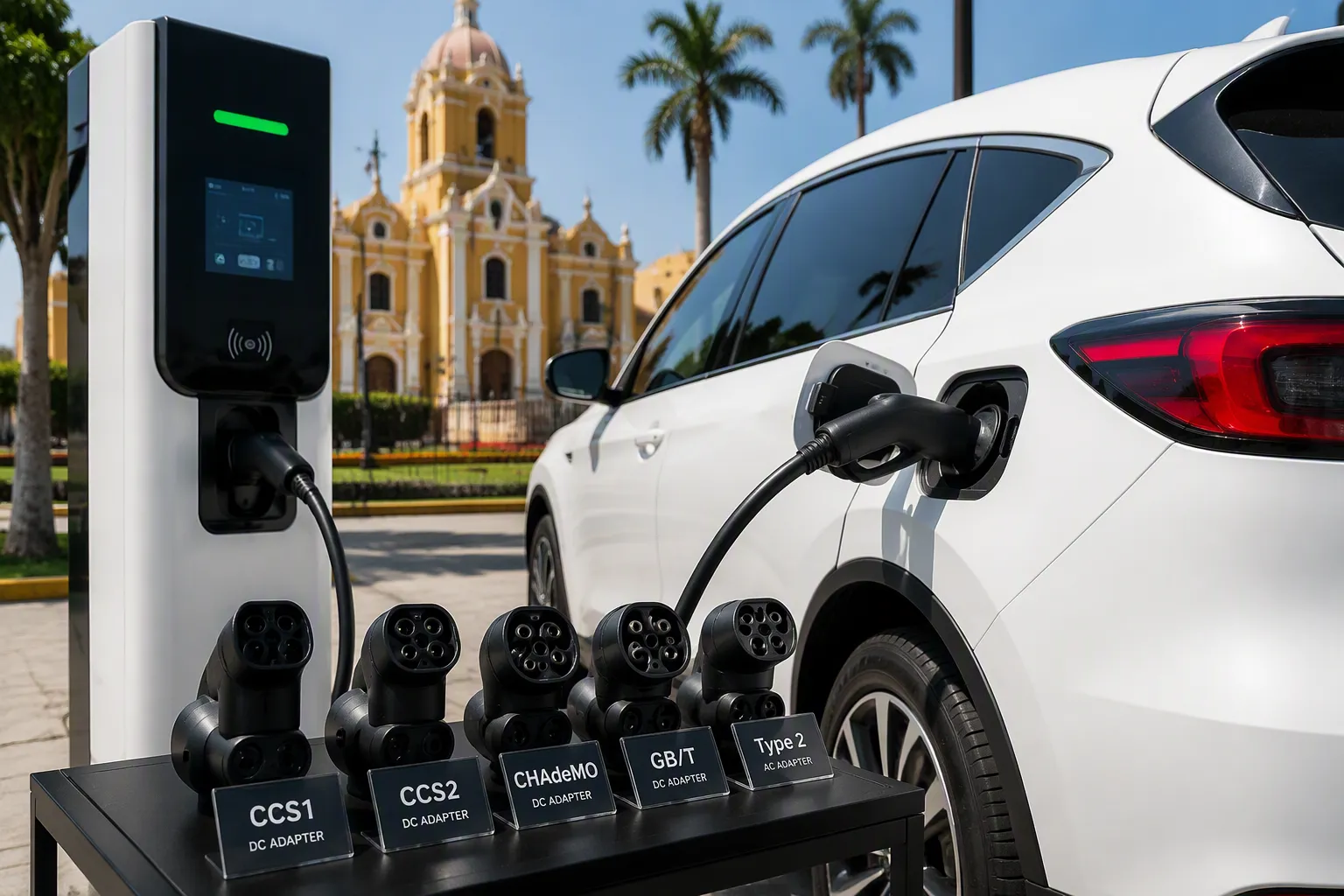
This is especially important for mixed-vehicle households or commercial properties that serve multiple brands. A site owner should assess not just charger capability, but also the charging acceptance of the vehicles expected to use it. For this reason, flexible platforms and connector options are increasingly important. TPSON’s charger portfolio, for example, emphasizes multi-standard compatibility across Type 1, Type 2, GB/T, and Tesla-oriented ecosystems, depending on market and configuration.
| العامل | Who Sets the Limit | Impact on Charging Speed |
|---|---|---|
| Circuit capacity | Building electrical system | Sets maximum safe continuous current |
| Charger output rating | Charging equipment | Defines the charger’s top delivery capability |
| Onboard AC charger | مركبة | Caps the AC charging rate the vehicle can use |
| Battery condition and temperature | Vehicle battery management system | Can reduce charging power dynamically |
A practical starting point is to estimate how many kilowatt-hours must be added overnight. If a driver consumes 12 to 18 kWh per day, even a moderate Level 2 setup can usually replenish that comfortably. For many households, a 32A or 40A charger will restore daily usage overnight without difficulty.
Car and Driver notes that many households can support a 40A or 50A circuit, but not all homes have spare electrical capacity. This is where **dynamic load balancing** becomes a major value factor. Instead of requiring expensive panel upgrades, a load-managed charger can reduce its output when the rest of the home is under heavy demand and raise it again when capacity is available.
If the vehicle is parked 10 to 12 hours overnight, moderate amperage is often enough. If charging windows are shorter, or if the household has more than one EV, higher-output AC or load-sharing solutions become more attractive. Dual-EV households should also think beyond a single charger and consider whether simultaneous or sequential charging is the better operational fit.
Products such as Emporia’s home chargers distinguish clearly between NEMA plug configurations and hardwired configurations. Plug-in units offer installation flexibility and portability, but are typically limited to 40A continuous charging. Hardwired units can reach 48A and are often preferred where maximum Level 2 output is desired.
A charger should not only fit the current EV but also the likely next vehicle. Mixed households may benefit from connector flexibility, while high-mobility users may prefer the speed headroom of a 48A solution. For many buyers, **future-proofing** is less about the highest amperage and more about app control, OTA updates, connector adaptability, and power management.
Commercial charging is less about a single vehicle and more about turnover, user mix, dwell time, and business model. A workplace where cars stay parked all day has very different amperage needs from a public roadside location or a service depot.
For long dwell times, moderate AC amperage is often ideal. The goal is not necessarily the fastest possible charge, but dependable and cost-effective replenishment across multiple vehicles. This is where network management, RFID, OCPP, and current sharing matter as much as raw current rating.
Apartments and condominiums often benefit from smart chargers that support user authentication and power allocation. A lower per-port amperage combined with centralized management can produce better capital efficiency than a smaller number of very high-output ports.
These settings require a balance between charging speed and grid economics. Public charging operators increasingly deploy a mix of AC destination charging and DC fast charging to match different visit durations. Love’s, for example, states that its EV network includes both **Level 2 AC** and **Level 3 DC fast chargers**, showing how real-world site operators segment infrastructure by travel behavior and stop duration.
Fleets are highly sensitive to time windows. When vehicles must return to service quickly, amperage decisions become mission-critical. In those environments, portable or fixed **DC EV Chargers** may be preferable to high-output AC alone. TPSON’s portable DC charger page positions 20 kW, 30 kW, and 40 kW systems for emergency roadside assistance, mobile fleet charging, temporary locations, and dealerships, which reflects a growing use case for flexible DC deployment in operational settings.
AC and DC charging cannot be compared by amperage alone. In AC charging, the vehicle’s onboard charger converts AC electricity to DC for the battery. In DC charging, that conversion occurs in the charger itself, enabling much higher charging power. As a result, a lower-sounding current number in a high-voltage DC system can still represent far more power than a higher current Level 2 AC system.
TPSON’s portable DC charger illustrates this clearly. According to the product information provided, the TP-DC compact series offers 20 kW, 30 kW, and 40 kW models with a DC 50–1000V output range. Current outputs are listed as:
- TP-DC 20kW: 0–66.7A
- TP-DC 30kW: 0–100A
- TP-DC 40kW: 0–133.3A
That makes these products suitable for use cases where faster turnaround is required but full-scale high-power public DC infrastructure would be excessive or impractical.
| نوع الشحن | Typical Current Range | Typical Power Range | Best Fit |
|---|---|---|---|
| تكييف المستوى 2 | 16A–48A common | 3.3–11.5 kW in many homes | Home, workplace, apartment, destination charging |
| Three-phase AC | 16A–32A typical | 11–22 kW | Commercial and faster AC charging in global markets |
| Portable DC charging | Up to 133.3A in TPSON example | 20–40 كيلوواط | Emergency, logistics, service, temporary deployment |
| Public DC fast charging | Widely variable | 50–350 kW+ | Highway, public network, heavy-use fleets |
A charger’s amperage means different things depending on the electrical architecture. In single-phase environments, increasing amperage often means rapidly increasing installation demands. In three-phase systems, substantial power can be delivered at more moderate current levels. That is why 11 kW and 22 kW AC chargers are especially common in Europe and other regions using three-phase power for commercial and residential installations.
TPSON’s wallbox product lines reflect this global orientation. Across the TW-10, TW-20, and TW-30 product families, the documented power options include 7.2 kW, 11 kW, and 22 kW, with support for smart functions such as app control, RFID, optional dynamic load balancing, and optional OCPP. Those features matter because amperage is not just a hardware parameter; it is part of a broader charging-control strategy.
One of the most important developments in charger selection is **dynamic load balancing**. Instead of sizing the entire property around the charger’s maximum current draw, a load-balancing system monitors total building demand and adjusts charging current in real time. This can prevent overloads, avoid nuisance breaker trips, and reduce the need for costly electrical upgrades.
This feature is particularly valuable in:
- Older homes with limited spare panel capacity
- Multi-EV households
- Apartment and condo parking areas
- إضافة مواقع تجارية لشواحن متعددة تدريجياً
توثيق TPSON الخاص لموازنة الحمل الديناميكي يصف الشاحن بأنه يضبط طاقة الشحن المتاحة بناءً على الطلب المنزلي الفوري من الأجهزة والإضاءة والأجهزة الأخرى. الآثار العملية بسيطة: أفضل أمبيرية للشاحن قد تكون أعلى نظرياً ولكن يتم تخفيضها بذكاء أثناء التشغيل عندما تتطلب ظروف الموقع ذلك.
هذا يجعل الشحن متوازن الحمل خياراً استراتيجياً قوياً للمشترين الذين يرغبون في معدات ذات تصنيف أعلى ولكن لا يمكنهم تبرير ترقيات فورية على جانب المرافق أو لوحة الكهرباء.
يجب دائماً النظر إلى أمبيرية الشاحن جنباً إلى جنب مع قانون الكهرباء وقواعد الحمل المستمر. عادةً ما يعامل شحن المركبات الكهربائية كحمل مستمر، مما يعني أن تصنيف الدائرة يجب أن يتجاوز تيار التشغيل المستمر للشاحن. القاعدة العامة الشائعة هي أن الشاحن يجب ألا يستخدم أكثر من 80 بالمائة من تصنيف قاطع الدائرة أثناء التشغيل المستمر.
Examples:
- شحن 32 أمبير يتطلب عادةً دائرة 40 أمبير
- شحن 40 أمبير يتطلب عادةً دائرة 50 أمبير
- شحن 48 أمبير يتطلب عادةً دائرة 60 أمبير
تعكس معلومات منتج إمبوريا المنشورة هذا بوضوح، حيث تذكر حماية مزدوجة القطب مخصصة 50 أمبير للشحن 40 أمبير وحماية مزدوجة القطب 60 أمبير للشحن 48 أمبير. وتلاحظ نفس الصفحة أيضاً أن تكوينات قابس NEMA أسهل في التركيب ولكنها محدودة بـ 40 أمبير، في حين أن التركيب الثابت (الأسلاك الصلبة) يدعم حتى 48 أمبير.
قضية أخرى ذات صلة هي تنسيق قاطع الدائرة الأرضي (GFCI). تبرز الملاحظات الفنية لإمبوريا أن شواحن المركبات الكهربائية المزودة بحماية GFCI مدمجة قد تواجه فصلًا مزعجًا عند إقرانها بتركيبات منافذ محمية بـ GFCI معينة. وهذا أحد الأسباب التي تجعل التركيبات الثابتة (الأسلاك الصلبة) غالباً ما تكون مفضلة للشحن السكني عالي الأمبيرية.
بالنسبة للمشاريع التجارية والعامة، تتعقد التصميمات أكثر. يؤثر التصنيف الحالي على تحديد حجم المغذي، والأجهزة الواقية، وتوزيع الطاقة، وإدارة الكابلات، والتصميم الحراري، وأحياناً حتى تجربة المستخدم. نتيجة لذلك، يجب دمج اختيار الشاحن في التخطيط الموقعي مبكراً بدلاً من معاملته كخيار معدات في المرحلة الأخيرة.
- اختر 32 إلى 40 أمبير إذا كان الشحن الليلي كافياً وهامش لوحة الكهرباء معتدل
- اختر 48 أمبير إذا كان الشحن المنزلي الأسرع ذا قيمة والتركيب الثابت (الأسلاك الصلبة) مقبول
- اختر شاحناً مزوداً **باتصال Wi-Fi** والجدولة وإعداد التقارير عبر التطبيق إذا كان تحسين أسعار المرافق مهماً
- أعط الأولوية **لتوازن الحمل الديناميكي** إذا كانت سعة الخدمة محدودة
- فضل الشواحن المتصلة بالشبكة مع RFID وإدارة المستخدمين وموازنة الحمل
- تجنب المبالغة في بناء الأمبيرية لكل منفذ إذا كان ذلك يحد من عدد نقاط الشحن الإجمالية
- فكر في الأنظمة الجاهزة لـ OCPP لمرونة مكتب الخلفية المستقبلية
- طابق الأمبيرية مع وقت المكوث بدلاً من السرعة النظرية القصوى
- ركز على وقت التشغيل، ومتانة الكابل، ومصادقة المستخدم
- استخدم استراتيجيات تقاسم الطاقة لزيادة العدد الإجمالي للمنافذ بكفاءة
- قيّم أولاً متطلبات وقت الدوران
- عندما تكون المرونة مهمة، فكر في **شواحن المركبات الكهربائية DC** المحمولة أو المتنقلة
- قيّم معايير الموصلات بعناية عبر الاختلافات الإقليمية والمركبات
- انمذج وقت التشغيل الفعلي، وليس فقط تصنيف المعدات
تضع TPSON نفسها كمزود لأنظمة الشحن الذكية وإدارة الطاقة المبنية حول خوارزمية بصمة التيار الخاصة بها. وفقاً للمواد المنشورة على موقع الشركة الإلكتروني، تعمل الشركة منذ عام 2015 وتركز على شواحن المركبات الكهربائية الذكية وحلول الطاقة مع تركيز أوسع على السلامة والكفاءة والتوافق والتشخيص.
ضمن محفظة الشحن:
- شواحن التيار المتردد الكهربائية تستهدف منتجات مثل TW-10 وTW-20 وTW-30 احتياجات المنازل والتجارية من المستوى 2 بوظائف ذكية تشمل التحكم عبر التطبيق وRFID وخيارات OCPP وموازنة الحمل.
- تستهدف وحدة الحائط المزدوجة TW-40 التطبيقات المشتركة وعالية الإنتاجية للتيار المتردد حيث يحسن شحن مركبتين في وقت واحد استغلال الموقع.
- شواحن التيار المستمر للمركبات الكهربائية تتعامل منتجات سلسلة TP-DC المحمولة مع احتياجات النشر المتنقل والطارئ واللوجستي والمؤقت في فئات 20 كيلوواط و30 كيلوواط و40 كيلوواط.
بالنسبة للمشترين الذين يقارنون استراتيجيات الأمبيرية عبر بيئات التيار المتردد والتيار المستمر، يعكس هذا الهيكل المنتج مبدأً عملياً: يجب اختيار خرج التيار وفقاً لحالة الاستخدام، وليس بمعزل عن نموذج النشر والتحكم في الوصول وإدارة الطاقة.
تؤكد عدة مراجع صناعية على فكرة أن اختيار الأمبيرية يجب أن يكون سياقياً.
- تصف ChargePoint شحن المركبات الكهربائية كنظام بيئي يتضمن البرامج والأجهزة والتوافق المفتوح مع OCPP