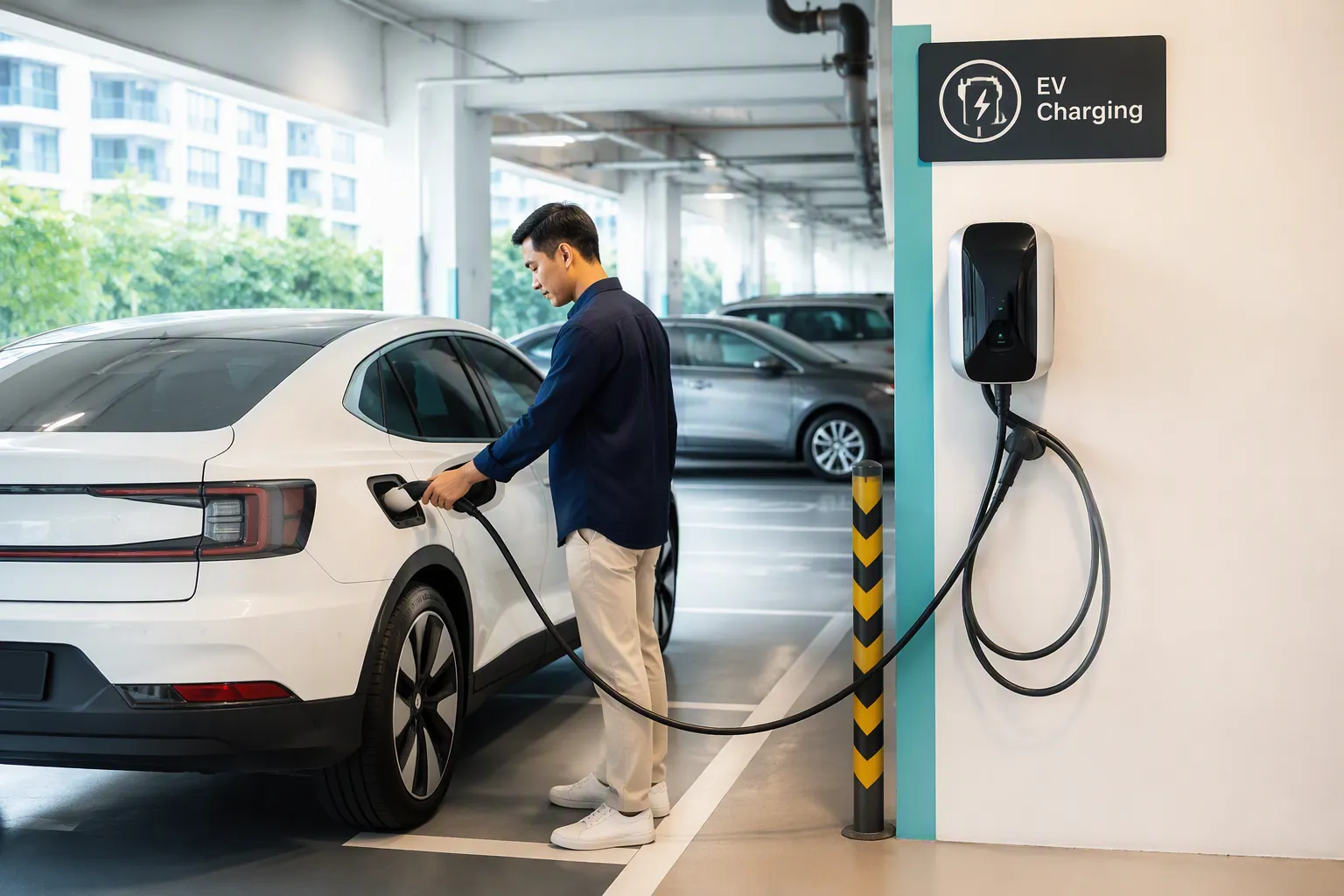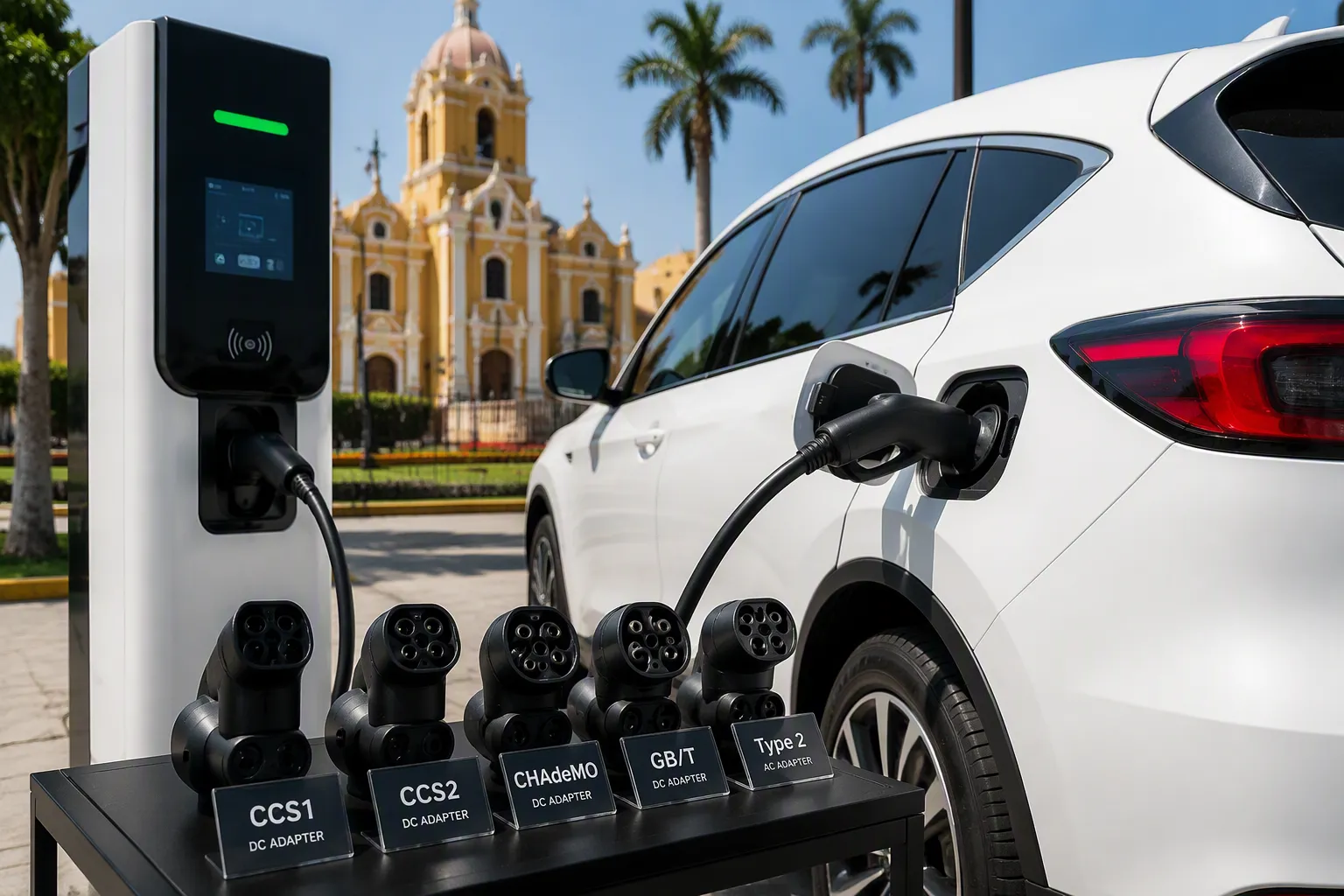

Homeowners often wonder if they can install an electric car charger themselves. In the United States, only about 0.5% of real estate listings in major cities feature an شاحن السيارة الكهربائية, with roughly 1.6 million homes equipped for electric car charging. Most installations require a dedicated circuit and the right charging equipment. The table below outlines typical prerequisites for home charging setups:
| نوع المتطلبات | الوصف |
|---|---|
| شحن المستوى 1 | Standard NEMA connector with SAE J1772; uses a NEMA 5-15 plug. |
| شحن المستوى 2 | 240-volt service and a dedicated dual-pole 40-amp circuit. |
Buyers should consult الشركات المصنعة لشاحن السيارة الكهربائية for guidance and ensure their charging solution meets safety standards.
Assessing Your Home for Electric Car Charging
Evaluating Electrical Capacity for a Home EV Charge Point
Main Panel and Circuit Breaker Assessment
A homeowner must begin by evaluating the main electrical panel before installing a home ev charge point. The panel must support the additional load required for charging. Most Level 2 chargers demand a dedicated dual-pole circuit breaker. The following table outlines typical requirements for residential charging:
| نوع الشاحن | الطاقة (كيلوواط) | Amperage (A) | Circuit Breaker Rating (A) |
|---|---|---|---|
| 3.6 كيلوواط | 3.6 | 16 | 20 |
| 7.4 كيلوواط | 7.4 | 32 | 40 |
A qualified electrician should inspect the panel for available capacity and confirm that the existing infrastructure can handle the increased demand.
Cabling, Fuse, and Consumer Unit Upgrades
Upgrading cabling and fuses may be necessary to support safe charging. The consumer unit must meet current standards and provide reliable protection. Installers often recommend using high-quality cables rated for the charger’s amperage. If the existing wiring is outdated, replacement ensures safe and efficient charging. Proper fuse selection prevents overloads and protects the system.
Earth Bonding and Grounding Requirements
Earth bonding and grounding play a critical role in electric vehicle charging safety. Installers must verify that the grounding system complies with local codes. Effective earth bonding reduces the risk of electric shock and ensures the charger operates reliably. Grounding requirements vary by region, so consulting local regulations is essential.
Safety and Compliance for Electric Car Charging
Local Codes, Permits, and Regulations
When considering the installation of an electric vehicle charging system at home, it’s essential to evaluate several factors to determine if your residence can accommodate this addition. Key considerations include electrical system capacity, installation location, and local building codes or permit requirements.
Local authorities enforce strict codes for residential charging installations. Compliance with BS 7671, especially Section 722, is mandatory. Installers must provide RCD protection, such as a 30mA Type B RCD or a 30mA Type A or F with RDC-DD DC protection. New installations require inspection and testing to verify compliance. An Electrical Installation Certificate (EIC) confirms that the work meets regulatory standards.
- Approved Document P and Approved Document B guide electrical and fire safety.
- Building Regulations apply to domestic installations, with Approved Document S outlining requirements for charging infrastructure.
- Fire safety considerations may require professional advice from a fire engineer.
When to Consult a Professional Installer
A homeowner should consult a licensed electrician if the electrical panel lacks capacity or if upgrades are necessary. Professional installers understand local codes and can secure permits. They also ensure that the charging system meets all معايير السلامة. In cases of uncertainty about fire safety or grounding, expert advice guarantees a compliant and reliable installation.
Tip: Always verify the installer’s credentials and request documentation for all completed work.
Factors to consider when assessing a home’s suitability for electric vehicle charging installation:
- Charging speed based on daily driving needs.
- Compatibility with the vehicle model.
- Installation requirements, including electrical capacity and permits.
- Portability versus wall-mounted options.
- Connectivity and smart features.
- Price and long-term value.
- Warranty and manufacturer support.
- Energy efficiency and environmental impact.
Choosing and Locating Your Home EV Charge Point

Types of Electric Car Chargers for Home Use
شواحن المستوى 1 مقابل شواحن المستوى 2
Homeowners can choose between Level 1 and Level 2 chargers for residential charging. Level 1 chargers use a standard 120-volt outlet and deliver a slow charging rate, making them suitable for drivers with low daily mileage. Level 2 chargers require a 240-volt supply and provide much faster charging, supporting most daily driving needs. The following table compares common charger types, their charging speeds, and typical installation costs:
| نوع الشاحن | سرعة الشحن (ميل/ساعة) | مناسب لـ | نطاق التكلفة (مثبتة) |
|---|---|---|---|
| 3.6 كيلوواط | 15 | السائقون ذوو الأميال المنخفضة | £450-£700 |
| 7 كيلو واط | 25-30 | معظم الإعدادات المحلية | £550-£850 |
| 11 كيلو وات | 35-40 | منازل ذات إمدادات ثلاثية الطور | £650-£950 |
| 22 كيلو وات | 75-80 | Commercial properties or rare homes | £950-£1,500 |

Level 2 chargers remain the most popular choice for home EV charger installations due to their balance of speed and cost.
Smart Charger Features and Benefits
Smart chargers offer advanced features that enhance the charging experience. These chargers allow users to schedule charging sessions, monitor energy consumption, and integrate with home energy management systems. Many smart chargers support remote control through mobile apps, providing flexibility and convenience. Smart charging can also help reduce electricity costs by taking advantage of off-peak rates.
Selecting the Best Location for Installation
التنسيب الداخلي مقابل التنسيب الخارجي
Selecting the optimal charge point location requires careful consideration. Indoor installations protect the charger from weather and vandalism. Outdoor placements offer easier access for vehicles parked in driveways. Both options must ensure the charging cable reaches the vehicle without creating trip hazards.
القرب من اللوحة الكهربائية
Placing the charger close to the main electrical panel minimizes cable length and installation costs. Shorter cable runs reduce energy loss and simplify maintenance. Installers should always assess the distance between the panel and the intended charge point location before starting the project.
Weatherproofing and Accessibility
Weatherproofing is essential for outdoor charging setups. Installers should use enclosures rated for outdoor use to protect the charger from rain, dust, and temperature extremes. Accessibility remains a top priority. The charge point location should allow easy connection to the vehicle and avoid blocking walkways or driveways.
نصيحة: Qualified providers should always perform the installation. Regular inspections and fire risk assessments help maintain safety and reliability.
A well-chosen charge point location improves convenience and ensures long-term satisfaction with the home EV charger.
Planning the Cable Route for Electric Car Charging
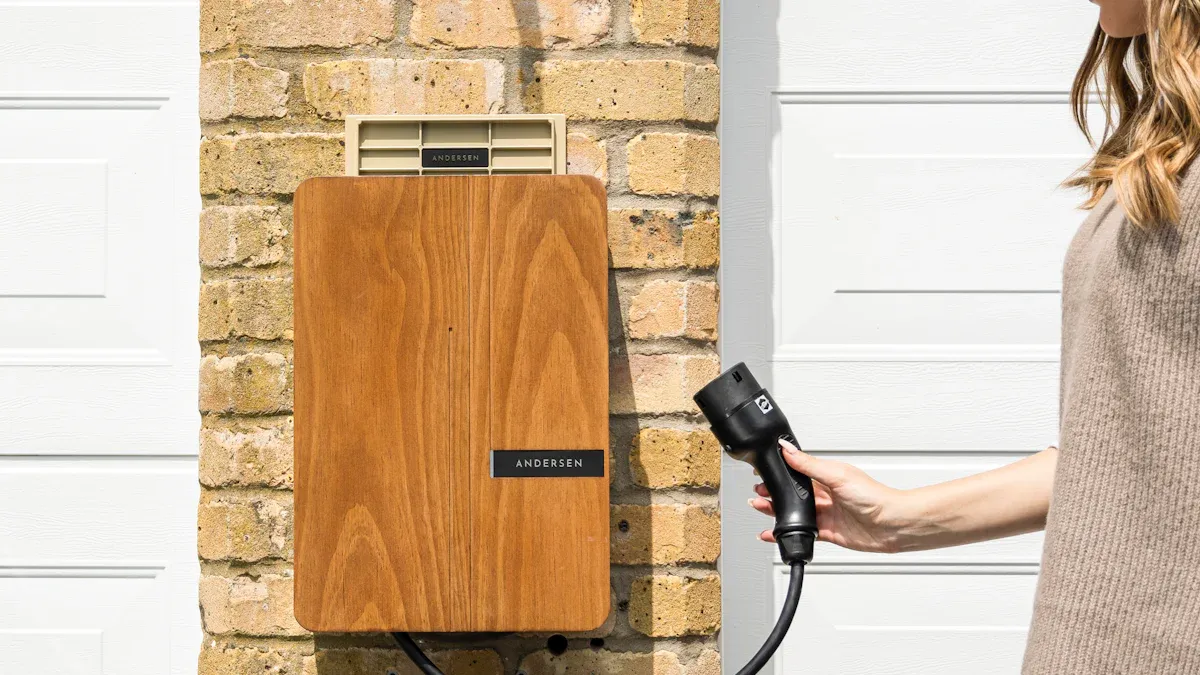
Mapping the Path from Panel to Home EV Charge Point
Minimizing Cable Length and Avoiding Hazards
Careful planning of the cable route ensures a safe and efficient charging setup. Installers should always aim to minimize cable length between the main electrical panel and the home EV charge point. Shorter cable runs reduce voltage drop and improve charging efficiency. When mapping the path, they must avoid areas where cables could create tripping hazards or interfere with daily activities.
Installers should follow these best practices when planning the cable route:
- Ensure the cable length is at least 20 feet, with some Level 2 charging units allowing up to 25 feet.
- Position the cable to avoid tripping hazards, especially when unloading from the vehicle after charging.
- Check clearances to prevent interference with doors or access to the charging station.
- Consider the typical parking location to determine the optimal distance for the charging station.
By following these guidelines, homeowners can maintain a safe environment while maximizing the convenience of their charging setup.
Wall Penetrations and Mounting Hardware
Wall penetrations often become necessary when routing cables from the electrical panel to the charging point. Installers should select locations that minimize the number of wall penetrations and avoid structural elements. Using proper mounting hardware, such as cable clips and conduit brackets, secures the cable and prevents sagging. Weatherproof grommets or bushings protect the cable where it passes through exterior walls, ensuring long-term durability and safety for the charging system.
Installation Steps for Cabling and Mounting
Drilling and Routing Techniques
Professional installers use precise drilling techniques to create clean holes for cable routing. They select drill bits that match the cable diameter and avoid damaging existing wiring or plumbing. When routing cables for charging, they follow straight paths along walls or ceilings to simplify future maintenance. Installers may use conduit to shield the cable, especially in outdoor or exposed areas, which protects the charging infrastructure from physical damage and weather.
Securing and Protecting Cables
Securing cables properly is essential for a reliable charging installation. Installers use cable clips, straps, or conduit to fasten the cable at regular intervals. This approach prevents movement and reduces wear over time. In high-traffic areas, they may install protective covers or run cables inside conduit to guard against accidental impact. For outdoor charging setups, UV-resistant materials and weatherproof enclosures extend the lifespan of the installation. Regular inspection of cable runs helps maintain charging safety and performance.
Tip: Always keep the charging cable organized and off the ground when not in use. This practice reduces wear and prevents accidental damage.
A well-planned cable route supports efficient charging, minimizes hazards, and ensures the system remains reliable for years.
Installation Requirements and Who Can Install
DIY vs. Professional Installation of an Electric Car Charger
Skills and Tools Needed for DIY
Some homeowners consider installing an electric car charger themselves. This approach requires a solid understanding of electrical systems and strict attention to safety. The installer must know how to work with high-voltage circuits and follow local codes. Essential skills include reading wiring diagrams, using electrical testing equipment, and mounting hardware securely. The installer needs tools such as voltage testers, wire strippers, drills, and conduit benders.
A DIY installer must ensure the charger is on a dedicated circuit. This step prevents interference with other circuits and supports safe charging. The installer must notify the local Distribution Network Operator (DNO) before starting the installation. Certification by a registered electrician is required for Notifiable Work under Part P of the Building Regulations.
⚠️ Attempting DIY installation without proper skills can lead to serious harm, including electrical shocks or fires. Non-compliance with regulations may result in fines or penalties.
متى تستعين بفني كهرباء مرخص
Most homeowners choose professional installation for their electric car charging needs. A licensed electrician brings expertise and ensures compliance with all regulations. The installer verifies that the electrical panel supports the charger and upgrades wiring if needed. Professional installation maintains warranty and insurance coverage for the charging system.
Hiring a competent electrician reduces the risk of issues and provides peace of mind. The installer handles permit applications, inspections, and certification. Professional installers understand local codes and follow best practices for safe charging. In many regions, DIY installations are illegal, making professional installation the only option for most homeowners.
- Professional installation helps avoid electrical hazards.
- The installer ensures the system meets all safety standards.
- Homeowners benefit from reliable charging and long-term support.
Understanding Local Regulations for Home EV Charge Point
Permit Application and Approval Process
Local regulations play a key role in the installation of home EV charge points. The installer must check planning permissions and construction requirements before starting the project. Most private land installations do not require planning permission if the wall-mounted unit is less than 0.2 cubic metres and more than 2 meters from the highway. Upstanding units must meet height restrictions, such as 1.6 meters in residential areas.
| نوع التنظيم | Key Requirements |
|---|---|
| Planning Permissions | Not required for private land under certain conditions; wall-mounted units must be <0.2 cubic metres and >2m from the highway. |
| Construction Requirements | Height restrictions for upstanding units (1.6m in residential areas, 2.3m otherwise). |
| Public Highway Installation | Local authorities can install without permission; third parties may need planning permission. |
| Additional Consents | Section 278 agreement and Section 50 street works licence may be required for public highway installations. |
| Future Regulations | Non-residential buildings with >20 parking spaces must have at least one EV charging point by 2025. |
The installer submits permit applications and coordinates with local authorities. The approval process ensures that the charging system meets all safety and construction standards.
Inspection and Certification Steps
After installation, the charging system must pass inspection and receive certification. The installer schedules an inspection with the local authority or a certified inspector. The inspector checks wiring, grounding, and overall safety. Certification confirms that the charging system complies with all regulations.
The installer provides documentation, including test results and installation certificates. Homeowners should keep these records for future reference. Regular inspections help maintain safe charging and support warranty claims.
📝 Tip: Always request certification documents from the installer after charging system installation.
Professional installers follow a clear process for inspection and certification. This approach ensures safe charging and protects homeowners from legal or insurance issues.
What’s the Cost to Install an Electric Car Charger
Equipment and Charger Unit Costs
Price Range for Home EV Charge Point
The price of a home electric vehicle charging unit varies by type and features. Level 1 chargers offer basic charging and cost less, while Level 2 chargers provide faster charge speed and more advanced options. Level 3 chargers, designed for commercial use, command a much higher price. The following table outlines typical price ranges for each charger type in the United States:
| نوع الشاحن | نطاق السعر |
|---|---|
| المستوى 1 | $300 – $600 |
| المستوى 2 | $500 – $700 |
| المستوى 3 | $12,000 – $45,000 |
Most homeowners select Level 2 chargers for their balance of cost and charge speed. Level 3 chargers rarely appear in residential settings due to their high price and power requirements.
Additional Materials and Accessories
Beyond the charger unit, several materials and accessories contribute to the total cost. These include mounting brackets, weatherproof enclosures, and heavy-duty cabling. Some installations require conduit for cable protection or upgraded circuit breakers. The following factors influence the final price:
- Location (urban or rural)
- Regional variations in electricity rates
- Charging speed options
- Differences in electric vehicle models
- Charging network pricing strategies
- Legislative and regulatory factors
- تختلف تكاليف التركيب
- Electrical infrastructure requirements
- Additional features such as smart charging controls
Labor and Professional Installation Fees
Electrician Rates and Service Charges
Professional installation ensures safe and compliant charging. Electrician rates in North America range from $75 to $150 per hour, depending on region and experience. Installation complexity, such as longer cable runs or upgrades to the electrical panel, can increase service charges. In remote areas, travel fees may apply. Installers in urban centers often charge higher rates due to demand and cost of living.
رسوم التصاريح والفحص
Local regulations require permits and inspections for most electric vehicle charging installations. Permit fees vary by municipality but typically range from $50 to $200. Inspection fees ensure the charging system meets safety standards and local codes. Regional building codes and permitting requirements can influence the total cost. Homeowners should budget for these fees when planning their charging installation.
Rebates and Incentives for Electric Car Charging
Federal, State, and Utility Programs
Many states and utilities offer rebates and incentives to reduce the cost of installing a home EV charge point. The federal tax credit provides up to $1,000, covering 30% of the cost for a home charging station and installation through 2032. Several states and utilities offer additional rebates:
| الولاية | Program/Utility | Rebate Amount/Details |
|---|---|---|
| مينيسوتا | الائتمان الضريبي الفيدرالي | Up to $1,000 for 30% off home charging station + installation costs. |
| كولورادو | بلاك هيلز للطاقة | $500 rebate for new Level 2 EV charging station installation. |
| كونيتيكت | إيفرسورس | $500 for purchasing and installing a qualifying Level 2 EV charging station. |
Other programs include:
- Arkansas: $250 rebate for ENERGY STAR-certified Level 2 charger
- California: Up to $4,000 for low-income residents combining federal and state rebates
- Colorado: Up to $5,000 tax credit for electric vehicle purchases
Homeowners should research local programs to maximize savings on their charging installation.
💡 Tip: Combining federal, state, and utility incentives can significantly lower what’s the cost of installing a home electric vehicle charging system.
Ensuring Safety and Long-Term Reliability
Testing and Verifying Your Electric Car Charger Installation
Initial Power-Up and Function Check
After installing a home charger, the installer performs a series of safety checks before charging an electric car. They visually inspect plugs and connectors for damage and examine charging cables for fraying or exposed wires. The installer ensures connectors remain clean and free from debris. Monitoring charging speed and performance helps identify irregularities. A comprehensive check-up on cables, plugs, sockets, and charger housing occurs at least once a year. Professional servicing every 12 to 24 months supports long-term reliability. The installer avoids overloading the electrical circuit to prevent overheating. They maintain a clear area around the electric vehicle charging station, free from flammable materials.
استكشاف المشكلات الشائعة وإصلاحها
During the initial function check, several common issues may arise. The table below outlines frequent problems and recommended actions:
| الإصدار | الوصف |
|---|---|
| كابل الشحن التالف | Slower charging times and safety risks. Inspect for damage and replace if necessary. |
| اتصال فضفاض | Intermittent charging or failure to charge. Ensure secure connections and inspect for wear. |
| ضعف الاتصال بالإنترنت | Smart chargers require stable internet. Troubleshoot network issues to restore functionality. |
| تحديثات البرامج | Neglecting updates can cause operational issues. Check for updates on the manufacturer’s website. |
| شاحن حائط معطل | Internal failures may cause inconsistent charging. Consult a professional if issues persist. |
If the installer encounters damaged components, they replace them and avoid DIY repairs. Consulting with the installation company ensures proper resolution.
Maintenance Tips for Your Home EV Charge Point
الفحص والتنظيف المنتظم
Routine inspection and cleaning help maintain optimal charging performance. The installer conducts visual inspections regularly to check for wear and tear, such as frayed cables or damaged plugs. Cleaning the charging station frequently removes dust and debris that could affect performance. They examine charging ports for corrosion and clean them if necessary. Proper management and storage of charging cables prevent damage.
- Schedule professional servicing every 12-24 months, depending on usage.
- A licensed technician checks wiring, connections, and the breaker panel.
Ongoing Care Guidelines
Long-term reliability depends on consistent care. The installer checks for visible signs of damage, wear, or corrosion. They keep the area around the charger clean and monitor power supply stability. Regular testing by connecting the electric vehicle ensures functionality. Staying updated with the latest charger software helps avoid operational issues. The installer consults with professionals if unsure about any component’s condition.
Tip: Replace damaged components promptly and avoid attempting repairs without proper expertise.
A well-maintained charging system provides safe, efficient charging for years. Regular attention to inspection, cleaning, and updates ensures the charger remains reliable and ready for daily use.
Key Takeaways and Next Steps for Electric Car Charging
Summary of the Installation Process
A successful electric car charging installation at home follows a clear sequence of steps. Homeowners can streamline the process by following this structured approach:
- Fill in a home eligibility survey to assess readiness for charging at home.
- تسوق لشاحن مناسب يتناسب مع السيارة واحتياجات المنزل.
- أكمل استبيانًا منزليًا عبر الإنترنت لتقديم تفاصيل التثبيت.
- حدد موعدًا للتثبيت مع متخصص مؤهل.
- رحب بفني التثبيت الذي يصل مع الشاحن المختار.
- اسمح لفني التثبيت بإكمال الإعداد مع ضمان إجراء جميع فحوصات السلامة.
- ابدأ بالاستمتاع بشحن موثوق بعد انتهاء عملية التثبيت.
ملاحظة: تضمن كل خطوة أن نظام الشحن يستوفي معايير السلامة ويوفر أداءً أمثل.
موارد للمساعدة الإضافية
توجد عدة برامج ومنح لدعم أصحاب المنازل الذين يبحثون عن مساعدة في تركيب شواحن السيارات الكهربائية. يمكن لهذه الموارد تقليل التكاليف وتقديم إرشادات الخبراء:
- منحة نقطة شحن المركبات الكهربائية لأصحاب الشقق والمستأجرين: تقدم خصمًا يصل إلى 350 جنيهًا إسترلينيًا على تكاليف التركيب لأصحاب المنازل والمستأجرين المؤهلين. تظل التقديمات مفتوحة حتى 31 مارس 2026.
- منحة نقطة شحن المركبات الكهربائية للأسر التي لديها مواقف سيارات في الشارع: توفر 350 جنيهًا إسترلينيًا لمن لديهم مواقف سيارات مؤكدة في الشارع. الموعد النهائي هو 31 مارس 2026.
- مخطط شحن مكان العمل: يغطي حتى 75% من تكاليف التركيب، بحد أقصى 350 جنيهًا إسترلينيًا لكل مقبس وما يصل إلى 40 مقبسًا. يمكن للشركات والجمعيات الخيرية المسجلة التقديم حتى 31 مارس 2026.
نصيحة: يجب على أصحاب المنازل مراجعة معايير الأهلية والمواعيد النهائية لتعظيم الدعم المتاح لمشاريع شحن السيارات الكهربائية.
التحضير لأول شحن للمركبة الكهربائية في المنزل
قبل استخدام شاحن جديد لأول مرة، يجب على أصحاب المنازل إكمال عدة استعدادات مهمة:
- قم بتركيب مخرج كهربائي 240 فولت على بعد أقدام قليلة من موقع الشاحن المخطط لضمان شحن فعال.
- ثبت حامل تركيب الشاحن مباشرة على عمود خشبي في حائط المرآب لضمان الثبات.
- قم بتوصيل محطة الحائط بالمخرج الكهربائي وقم بتشغيل قواطع الدائرة المزدوجة في لوحة الخدمة الكهربائية.
- إذا لزم الأمر، قم بتركيب حامل للكابل للحفاظ على كابل الشحن منظمًا وسهل الوصول.
تساعد هذه الخطوات في ضمان بداية سلسة وآمنة للشحن في المنزل. يدعم الإعداد السليم الموثوقية طويلة المدى ويعظم فوائد شحن السيارات الكهربائية.
لتثبيت شاحن سيارة كهربائية في المنزل، يجب على صاحب المنزل اتباع هذه الخطوات:
- اختر نوع الشاحن المناسب.
- قيم الموقع وجهز المواد.
- أكمل أي ترقيات كهربائية مطلوبة.
- ثبت الشاحن وقم بتوصيله بالأسلاك.
- اختبر نظام الشحن.
| إرشادات السلامة | الأهمية |
|---|---|
| استخدام معدات معتمدة | يقلل من خطر الصعق الكهربائي والحرائق |
| اعمل مع كهربائي مرخص | يحمي المنزل والمركبة أثناء الشحن |
| صيانة المعدات بانتظام | يمنع المخاطر ويضمن شحنًا موثوقًا |
تظل السلامة والامتثال أمران أساسيان. تساعد الصيانة الدورية والإرشادات المهنية في منع المخاطر أثناء الشحن. يمكن لأصحاب المنازل الذين يقيمون احتياجاتهم ويتخذون الإجراءات الاستمتاع بشحن فعال وآمن في المنزل.
الأسئلة الشائعة
كم من الوقت يستغرق تركيب شاحن كهربائي منزلي؟
عادةً ما يكمل فني التثبيت المحترف العملية في ساعتين إلى أربع ساعات. قد تستغرق العملية وقتًا أطول إذا تطلب اللوحة الكهربائية ترقيات أو إذا كان مسار الكابل معقدًا.
هل يمكن لصاحب المنزل استخدام سلك تمديد مع شاحن كهربائي؟
لا يوصي المصنعون باستخدام أسلاك التمديد مع شواحن المركبات الكهربائية. يمكن أن تسخن أسلاك التمديد وتشكل مخاطر حريق. قم دائمًا بتوصيل الشاحن مباشرة بمخرج مخصص.
ما الصيانة التي يتطلبها شاحن السيارة الكهربائية المنزلي؟
تساعد الفحوصات البصرية الروتينية في تحديد التآكل أو التلف. يضمن تنظيف الوحدة وفحص الكابلات من التمزق التشغيل الآمن. يدعم جدولة الصيانة المهنية كل عام إلى عامين الموثوقية طويلة المدى.
هل يلزم الحصول على تصريح لتركيب شاحن مركبة كهربائية منزلي؟
تتطلب معظم السلطات المحلية تصريحًا لتركيب شاحن مركبة كهربائية منزلي. يقدم فني التثبيت الطلب ويترتب على التفتيش بعد انتهاء العمل.
هل يمكن تركيب شاحن مركبة كهربائية منزلي في الهواء الطلق؟
يمكن لفنيي التركيب تركيب شواحن المركبات الكهربائية في الهواء الطلق إذا كانت الوحدة تحتوي على غلاف مقاوم للعوامل الجوية. يجب أن تفي التركيبات الخارجية باللوائح المحلية واستخدام مواد مصنفة للاستخدام الخارجي.
ماذا يجب أن يفعل صاحب المنزل إذا توقف الشاحن عن العمل؟
أولاً، تحقق من قاطع الدائرة ومصدر الطاقة. افحص الكابلات والموصلات للبحث عن تلف مرئي. إذا استمرت المشكلة، اتصل بكهربائي مرخص أو شركة تصنيع الشاحن للحصول على الدعم.
هل يمكن لشاحن منزلي أن يحل محل الحاجة إلى نقطة شحن عامة؟
يوفر الشاحن المنزلي راحة الشحن اليومي. ومع ذلك، قد لا يزال السائقون بحاجة إلى نقطة شحن عامة للرحلات الطويلة أو عندما يكونون خارج المنزل.