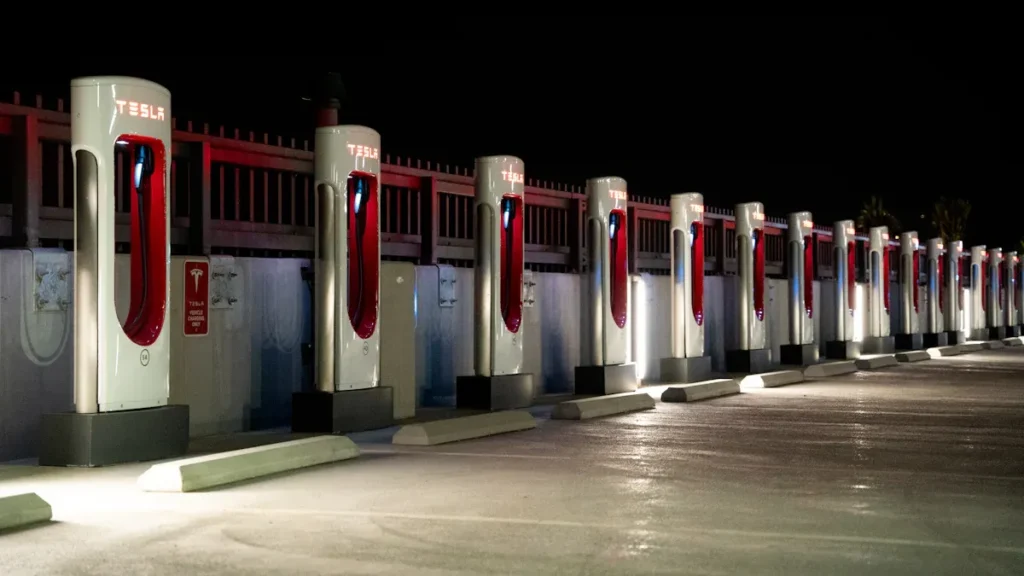
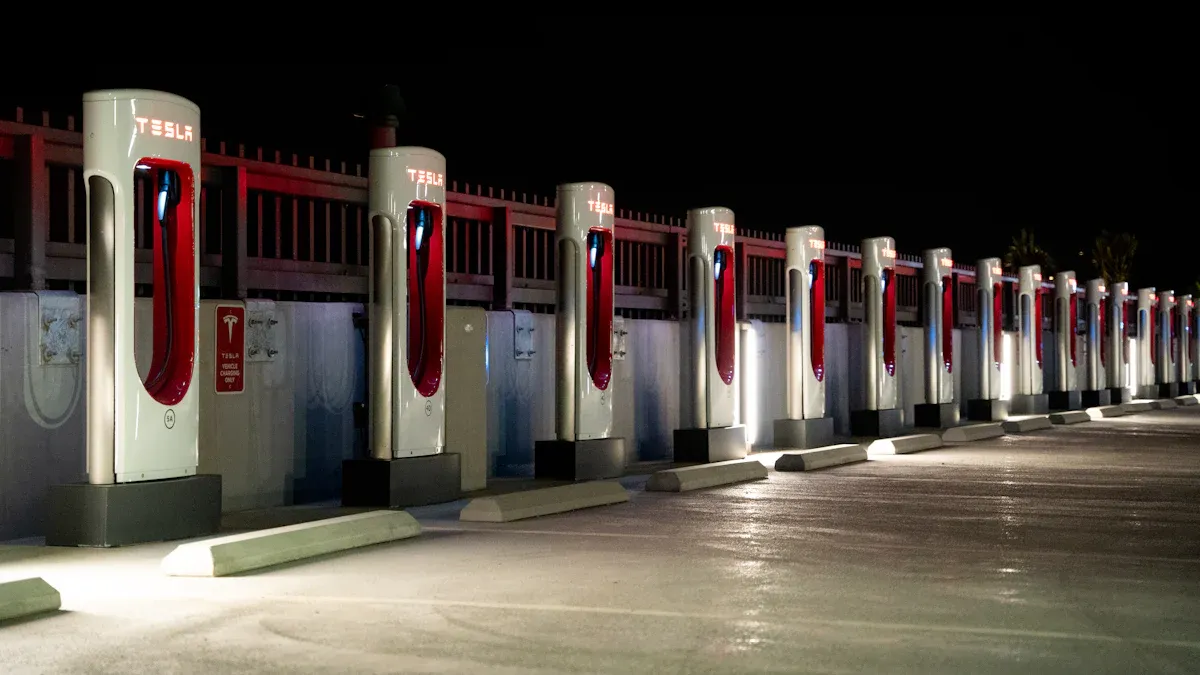
شبكات شحن المركبات الكهربائية العامة في عام 2025 تنمو بسرعة. معظم شواحن السيارات الكهربائية العامة تتطلب الدفع. تظل نقاط الشحن المجانية نادرة، ولا تمثل سوى 2% من بنية الشحن العامة في المملكة المتحدة—حوالي 1,837 من أصل أكثر من 82,000 جهاز. على مستوى العالم، تضاعف عدد نقاط الشحن إلى أكثر من 5 ملايين, ، مع تجاوز أوروبا لمليون نقطة وتوسع الهند بسرعة. مصنعو شواحن السيارات الكهربائية يواصلون الابتكار، مما يجعل شحن السيارات الكهربائية أكثر سهولة. يمكن للسائقين الآن الاستمتاع بمجموعة أوسع من الخيارات وموثوقية أكبر في مواقع الشحن العامة.
فقط 2% من شواحن المركبات الكهربائية العامة في المملكة المتحدة مجانية.
الشواحن العامة العالمية للسيارات الكهربائية تتجاوز الآن 5 ملايين.
وصلت بنية الشحن في أوروبا إلى أكثر من مليون نقطة.
شواحن المركبات الكهربائية العامة: الرسوم والوصول
الشحن المجاني مقابل المدفوع للسيارات الكهربائية
أين تجد نقاط الشحن العامة المجانية
يمكن العثور على نقاط الشحن العامة المجانية في مواقع مختارة، لكنها تظل محدودة. تقدم المتاجر الكبرى وأماكن العمل وبعض المراكز التجارية شحنًا مجانيًا كحافز للعملاء. توفر هذه النقاط عادةً سرعات شحن أبطأ، مما يجعلها مناسبة للتعبئة أثناء المهمات أو ساعات العمل. نادرًا ما تدعم نقاط الشحن المجانية الشحن السريع، لذا لا ينبغي للسائقين الاعتماد عليها للسفر لمسافات طويلة أو أوقات الاستجابة السريعة.
نصيحة: خطط مسبقًا إذا كنت ترغب في استخدام الشحن المجاني. غالبًا ما تكون هذه النقاط مشغولة وقد لا تكون متاحة دائمًا.
لماذا تفرض معظم الشواحن العامة رسومًا
معظم شواحن المركبات الكهربائية العامة تتطلب الدفع بسبب التكاليف المرتبطة بالتركيب والصيانة وإمداد الطاقة. تهيمن محطات الشحن المدفوعة على مشهد الشحن العام، وتوفر موثوقية وإتاحة أعلى. يستثمر المشغلون في تقنية شحن أسرع وبنية تحتية قوية، مما يضمن خدمة متسقة. قد تقدم المحطات المدفوعة خيارات شحن سريع، مما يجعلها ضرورية للرحلات البرية.
نقاط الشحن المجانية محدودة وغالبًا ما تكون أبطأ.
توفر محطات الشحن المدفوعة موثوقية أكبر وسرعات شحن أسرع.
يمكن العثور على الخيارات المدفوعة في معظم المواقع العامة، بما في ذلك الطرق السريعة والمراكز الحضرية.
العوامل المؤثرة على تكاليف الشحن
التسعير القائم على الموقع في نقاط الشحن
تختلف تكاليف الشحن بشكل كبير حسب الموقع. غالبًا ما تكون الأسعار أعلى في المناطق الحضرية بسبب زيادة نفقات التشغيل، بينما قد تقدم المواقع الريفية أسعارًا أكثر تنافسية. تؤثر الاختلافات الإقليمية في أسعار الكهرباء واللوائح المحلية أيضًا على السعر. يحدد المزودون الأسعار بناءً على الطلب والاستثمار في البنية التحتية والسياسات الحكومية.
العامل | الوصف |
|---|---|
الموقع | قد تكون الأسعار أعلى في المناطق الحضرية؛ بينما قد تقدم المناطق الريفية أسعارًا أقل. |
الاختلافات الإقليمية | تتغير التكاليف بناءً على أسعار الكهرباء المحلية واللوائح. |
سرعة الشحن | خيارات الشحن الأسرع تكلف أكثر من البدائل الأبطأ. |
اختلافات طراز السيارة الكهربائية | كفاءة السيارة تؤثر على استخدام الطاقة. |
استراتيجيات شبكات الشحن | يستخدم المزودون نماذج تسعير مختلفة. |
العوامل التشريعية | يمكن للحوافز والسياسات أن تقلل أو تزيد التكاليف. |
شرح الرسوم القائمة على الوقت والطاقة
هناك هيكلان رئيسيان للرسوم في نقاط الشحن العامة: التسعير القائم على الوقت والتسعير القائم على الطاقة. تفرض الرسوم القائمة على الوقت حسب مدة اتصال السيارة بالشاحن، بينما تفرض الرسوم القائمة على الطاقة حسب كمية الكهرباء المقدمة (تقاس بالكيلوواط ساعة). يجمع بعض المشغلين بين النموذجين، مع إضافة رسوم اتصال أو معاملة.
المشغل المختار
الموقع الجغرافي
طريقة الفواتير المستخدمة
نوع الشحن | التكلفة لكل كيلووات/ساعة | الوصف |
|---|---|---|
محطات التيار المتردد (22 كيلوواط) | عرض أساسي في المناطق الحضرية، مثالي للتوقفات الطويلة. | |
تيار مستمر سريع (50 كيلوواط/ساعة) | €0.40 – €0.55 | توازن جيد بين السرعة والتكلفة، مناسب للرحلات بين المدن. |
فائق السرعة (150-350 كيلوواط/ساعة) | €0.50 – €0.79 | شحن عالي السرعة، يوفر مدى كبير في وقت قصير. |
تتراوح متوسط تكاليف الشحن السريع من 60 بنس إلى 85 بنس لكل كيلوواط ساعة.
تتقلب الأسعار بناءً على ظروف سوق الطاقة.
قد تزيد الأسعار خلال ساعات الذروة.
كيفية عرض رسوم الشحن
المعلومات على الشاشة في نقاط شحن المركبات الكهربائية
تعرض نقاط الشحن معلومات تسعير واضحة وشفافة. تطلب اللوائح من المشغلين عرض أقصى سعر لكل كيلوواط ساعة, ، بما في ذلك جميع الرسوم الثابتة مثل رسوم الاتصال والمعاملة. يعرض الشاشة التكلفة بالبنسات أو الجنيهات لكل كيلوواط ساعة، مما يضمن معرفة المستخدمين للسعر الإجمالي قبل بدء جلسة الشحن.
طريقة العرض | الوصف |
|---|---|
عرض السعر الأقصى | يعرض أعلى سعر لكل كيلوواط ساعة على نقطة الشحن أو جهاز منفصل. |
تضمين الرسوم الثابتة | يتضمن جميع رسوم الاتصال والمعاملة في السعر المعروض. |
تسعير الاشتراك | يعرض أسعار الاشتراك والبدلات والرسوم الإضافية بالبنس/كيلوواط ساعة. |
يجب أن تعرض الشواحن أقصى سعر لكل كيلوواط ساعة.
يحافظ المشغلون على بيانات دقيقة حول نقاط الشحن.
يمكن للمستخدمين الوصول إلى معلومات محدثة حول التكاليف والتوفر.
تحديثات التطبيقات المحمولة والإشعارات
توفر التطبيقات المحمولة والإشعارات تحديثات فورية حول رسوم الشحن وحالة نقاط الشحن. يمكن للسائقين عرض البيانات المرجعية، بما في ذلك الموقع، ونوع الموصل، وطرق الدفع، والتسعير. كما تظهر التطبيقات ما إذا كانت نقطة الشحن تعمل أم معطلة. على سبيل المثال، تسمح منصة برمجيات ChargePoint للمستخدمين برؤية هياكل تسعير متنوعة، مما يضمن بقاء المستخدمين على اطلاع بالتكاليف قبل وأثناء جلسات الشحن.
ملاحظة: بحلول 24 نوفمبر 2023، يجب على جميع نقاط الشحن العامة عرض إجمالي تكاليف الشحن. تتطلب شواحن السيارات الكهربائية العامة الجديدة التي تزيد قدرتها عن 8 كيلوواط خيارات دفع لا تلامسية بحلول 24 نوفمبر 2024.
كيفية عمل نقاط شحن السيارات الكهربائية
العثور على شواحن السيارات الكهربائية العامة
استخدام تطبيقات وخرائط الشحن
يمكن للأدوات الرقمية مساعدة السائقين في تحديد مواقع شواحن السيارات الكهربائية العامة بسرعة. توفر تطبيقات وخرائط الشحن تحديثات فورية، وتقييمات المستخدمين، ومرشحات التوافق. تساعد هذه المنصات في تحديد أقرب نقطة شحن عامة والتحقق من حالتها قبل الوصول. تتضمن بعض التطبيقات الأكثر شيوعًا في عام 2025:
اسم التطبيق | الميزات الرئيسية | Link |
|---|---|---|
بلج شير (PlugShare) | قاعدة بيانات شاملة، تحديثات فورية، تقييمات المجتمع، مرشحات التوافق | |
تشارج بوينت | قوائم شاملة، تخطيط المسار، معلومات مفصلة عن المحطات | |
شبكة كبيرة من الشواحن السريعة من المستوى 3، أدوات تحديد مواقع سهلة الاستخدام |
يستفيد مالكو السيارات الكهربائية الأمريكية أيضًا من موارد مثل خريطة محطات الوقود البديل من وزارة الطاقة الأمريكية، وخرائط جوجل، وWaze. تسمح هذه المنصات للمستخدمين بالبحث عن “محطات شحن السيارات الكهربائية” وعرض الخيارات القريبة. تتضمن قاعدة بيانات وزارة الطاقة الأمريكية ما يقرب من 60,000 نقطة بيانات لمحطات شحن السيارات الكهربائية, ، معظمها عامة. تقوم منصات المحتوى الذي ينشئه المستخدمون بتصفية المحطات قيد الإصلاح أو التي بها قيود وصول، مما يوفر معلومات أكثر دقة عن الموقع.
أنظمة الملاحة لشحن السيارات الكهربائية
يمكن لأنظمة الملاحة الحديثة دمج شبكات الشحن مباشرة في تخطيط المسار. ما عليك سوى إدخال الوجهة، وسيقترح النظام نقاط شحن السيارات الكهربائية على طول الرحلة. تتوفر بسهولة المعلومات حول التوافر الفعلي، وأنواع الموصلات، وأوقات الشحن المقدرة. تساعد هذه التكنولوجيا في تجنب التأخيرات وتضمن وصول السائقين إلى وجهاتهم دون انخفاض مستوى البطارية.
الوصول إلى جلسة الشحن وبدئها
العضويات، الشبكات، والوصول كضيف
يمكن للسائقين الوصول شواحن المركبات الكهربائية العامة من خلال العضويات، أو شبكات الشحن، أو كضيف. تقدم العديد من شبكات الشحن بطاقات شحن RFID أو تطبيقات محمولة لتسهيل المصادقة. تدعم بعض الشبكات خدمات التجوال للسيارات الكهربائية، مما يسمح لك باستخدام بطاقة أو تطبيق واحد عبر مزودين متعددين. يتوفر الوصول كضيف في معظم نقاط الشحن العامة، غالبًا من خلال الدفع غير التلامسي أو رموز QR.
الوصف | |
|---|---|
الدفع بدون تلامس | استخدم بطاقات الخصم أو الائتمان عند نقطة الشحن. |
بطاقات الشحن RFID | مصادقة سريعة، غالبًا ما تقتصر على شبكات شحن محددة. |
التطبيقات المحمولة | تحديد مواقع المحطات والدفع، تتطلب أحيانًا تطبيقات متعددة. |
رموز الاستجابة السريعة | امسح للوصول إلى صفحات الدفع للشحن. |
التوصيل والشحن | مصادقة وشحن تلقائي عند توصيل المركبة. |
خدمات التجوال للسيارات الكهربائية | الوصول إلى شبكات متعددة بطريقة مصادقة واحدة. |
المصادقة وبدء الشحن
يمكن بدء جلسات الشحن باتباع خطوات بسيطة:
قم بتوصيل المركبة بنقطة شحن السيارة الكهربائية باستخدام الكابل الصحيح.
قم بمصادقة الجلسة ببطاقة RFID، أو تطبيق محمول، أو دفع غير تلامسي.
راقب حالة الشحن على شاشة المحطة، أو التطبيق المحمول، أو لوحة قيادة السيارة.
أنهِ الجلسة عبر التطبيق، أو بطاقة RFID، أو طريقة الدفع عند اكتمال الشحن.
قد لا تحتوي بعض المحطات على كابل شحن، لذلك قد يحتاج السائقون، خاصة في أوروبا، إلى إحضار كابلهم الخاص. غالبًا ما تعرض شبكات الشحن التعليمات على الشاشة لتوجيه المستخدمين خلال العملية.
إنهاء وتأمين جلسة الشحن الخاصة بك
فصل آمن من نقاط الشحن
عند اكتمالها، يمكن إنهاء جلسة الشحن من المستوى 1 أو 2 عن طريق فصل الكابل والتأكد من توقف الجلسة. تحقق دائمًا من عرض المحطة أو التطبيق للتأكد من انتهاء الشحن. بالنسبة للشحن السريع من المستوى 3، يجب على السائقين إنهاء جلسة الشحن من شاشة المحطة أو التطبيق المحمول قبل محاولة إزالة الكابل.
ضمان أمان البيانات والمركبة
يمكن للسائقين حماية مركباتهم وبياناتهم الشخصية باستخدام مواقع مضاءة جيدًا ومزدحمة للشحن. مراقبة تقدم الشحن عن بُعد والإبلاغ عن أي معدات تالفة أو مشبوهة. تستخدم شبكات الشحن طرق مصادقة مشفرة لحماية المعلومات الشخصية. تساعد خيارات الدفع الآمنة وبروتوكولات الشبكة القوية في نقاط شحن السيارات الكهربائية جميعها في حماية البيانات.
نصيحة: تحقق دائمًا من انتهاء جلسة الشحن قبل مغادرة المحطة. تمنع هذه الخطوة رسومًا غير ضرورية وتضمن أن مركبتك جاهزة للسفر.
أنواع شواحن السيارات الكهربائية العامة في عام 2025

نقاط الشحن السريع للسيارات الكهربائية
سرعات الشحن والمواقع النموذجية
يمكن العثور على نقاط الشحن السريع في الطرق السريعة الرئيسية، والمراكز الحضرية، والأماكن العامة المزدحمة. توفر هذه الشواحن طاقة تتراوح بين 25 كيلوواط و99 كيلوواط، مما يسمح لبطارية السيارة الكهربائية بالوصول إلى شحن بنسبة 80٪ في أقل من ساعة. يمكن للشواحن فائقة السرعة، التي تتجاوز 100 كيلوواط، تقديم زيادة كبيرة في المدى في حوالي 20 دقيقة. يقارن الجدول أدناه أنواع الشواحن الرئيسية حسب السرعة والكفاءة:
نوع الشاحن | تصنيف الطاقة | الوقت للوصول إلى شحن 80٪ | المدى في الساعة |
|---|---|---|---|
شاحن سريع | 25-99 كيلوواط | < ساعة واحدة | > 120 ميلاً |
شاحن فائق السرعة | 100 كيلوواط+ | ~ 20 دقيقة | غير متاح |
شاحن سريع | < 25 kW | 2-4 ساعات | 20-25 miles |
Rapid and ultra-rapid charging sessions have become more popular, with user adoption rising from 29% in 2022 to 45% in 2023. These solutions are raising user confidence, especially when quick charging sessions are needed during travel.
Vehicle Compatibility with Rapid Chargers
Most new electric vehicles support rapid charging. However, some do not, so it is important to check the vehicle’s specification before attempting to use fast charging. Some older models may not accept higher power rates, which can limit charging speed. Manufacturers continue to improve compatibility, making rapid charging accessible for a wider range of vehicles.
Tip: Always confirm your vehicle’s maximum charging rate to avoid unnecessary wait times at a rapid charging point.
Fast Electric Vehicle Charging Points
Use Cases and Charging Times
Some drivers rely on fast charging points for daily commutes, shopping trips, and workplace charging. Fast chargers typically deliver less than 25 kW, requiring two to four hours to reach 80% battery. These electric vehicle charging points suit locations where people park for extended periods, such as supermarkets or office lots. Fast charging plays a crucial role in supporting long-distance travel, bridging the gap between slow and rapid charging options. DC fast charging stations along busy routes can add 100 to 200+ miles of range in just 30 minutes, helping drivers continue their journeys with minimal delay.
Cost Comparison with Other Chargers
Fast charging points offer a balance between speed and cost. Users pay less per session compared to rapid chargers, but must spend more time at the station. Fast chargers are becoming more prevalent due to technological advancements and increased demand for quicker charging times. Public place charging stations dominate the market, driven by urban demand and government support. China, Europe, and North America lead in infrastructure expansion, making fast charging widely available.
Slow Public Electric Vehicle Chargers
When to Use Slow Charging Points
Slow charging points work best when a vehicle is parked for several hours or overnight. These chargers work well for homeowners, workplace users, and urban dwellers who need a steady, cost-effective charge. Slow charging supports battery health and grid compatibility, making it a practical choice for routine use.
Pros and Cons of Slow Charging
The table below outlines the advantages and disadvantages of slow charging points:
المزايا | العيوب |
|---|---|
الفعالية من حيث التكلفة | سرعة الشحن |
Battery Health | Limited Range Addition |
Grid Compatibility |
Slow charging means lower costs and improved battery longevity, but with the tradeoff of longer charging times and limited range increases. Slow charging points suit daily needs but may not meet urgent travel requirements.
Payment Methods and Costs at Electric Vehicle Charging Points
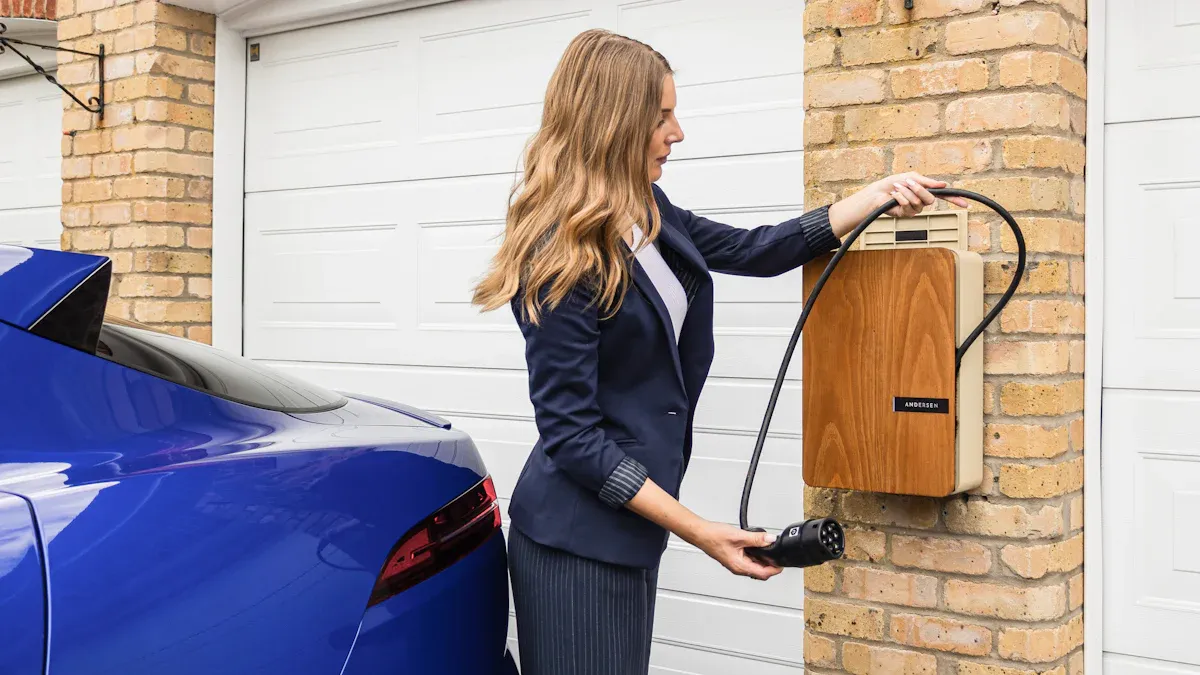
Paying for Public Electric Car Charging
Credit, Debit, and Contactless Payments
معظم شواحن المركبات الكهربائية العامة in 2025 offer seamless payment experiences. الدفع بالبطاقات اللاتلامسية have become the standard, allowing users to tap your bank card and start charging instantly. This method is user-friendly and meets regulatory requirements, especially for new chargers above 8 kW in the UK. Payment terminals are available at stations with 50 kW or more, ensuring accessibility for all drivers. Immediate payments are always possible, so drivers do not need a subscription to access electric car charging.
طريقة الدفع | الوصف |
|---|---|
Contactless Card Payments | Tap your card for instant charging access. |
Mobile Apps and Digital Wallets | Pay via Apple Pay or similar platforms for convenience. |
بطاقات التعريف بالترددات اللاسلكية | Use for subscription models and instant authentication. |
In-Car Payment Systems | Authorize payments directly from your vehicle’s dashboard. |
Tip: Always check for contactless payment options before starting your charging session.
Mobile Apps and Subscription Plans
Mobile apps and digital wallets can also be used at most charging stations. These platforms let drivers locate chargers, monitor charging status, and complete payments with a few taps. Subscription plans offer fixed rates and exclusive benefits, making frequent charging more affordable. RFID cards linked to user accounts provide instant authentication and payment. In-car payment systems in newer vehicles streamline the process, letting users authorize and pay for charging directly from the car dashboard.
Understanding the Cost Structure
Per kWh vs. Per Minute Pricing Models
Drivers may encounter several pricing models when calculating the cost to charge an electric car. The most common are per kWh and per minute. Per kWh pricing charges for the energy delivered, which ensures fairness across different vehicle models. Time-based pricing bills by the duration of the charging session. Hybrid models combine both, optimizing station usage and preventing charger blocking. Off-peak pricing encourages EV owners to charge during non-peak hours for lower rates, while premium pricing applies to fast and ultra-fast charging services.
نموذج التسعير | الوصف |
|---|---|
Time-based | Charges for the duration of your charging session. |
Energy-based | Charges for the electricity used, measured in kWh. |
Fixed-rate | Subscription plans with set prices. |
Hybrid pricing | Combines time and energy charges. |
Off-peak pricing | Lower rates during non-peak hours. |
Premium pricing | Higher rates for rapid and ultra-rapid charging. |
Remember to review the displayed rates before starting a session to understand the cost to charge an electric car.
Idle Fees and Penalties at Charging Points
Idle fees and penalties play a key role in managing station availability. If someone leaves a vehicle connected after charging is complete, they may incur additional fees. Data from Electrify America shows that idle fees have reduced average station dwell time by 15% since 2024. Chargefox highlights that these fees encourage drivers to vacate charging stations promptly, reducing congestion and wait times for other drivers.
Note: Always end your charging session and move your vehicle when charging is finished to avoid unnecessary costs.
Discounts, Incentives, and Loyalty Programs
Utility Partnerships and Special Offers
Utility partnerships and special offers both help to make charging more accessible. Public-private partnerships accelerate infrastructure development by sharing financial and technical resources. Utilities collaborate with local governments and businesses to install charging stations in convenient locations. Time-of-use pricing incentivizes charging during off-peak hours, helping save on the cost to charge an electric car. Joint advocacy between utilities and charging providers leads to favorable policies and streamlined processes, reducing costs and promoting electric car charging adoption.
Benefits for Frequent Electric Car Charging
Loyalty programs reward users for frequent charging, off-peak usage, and eco-friendly choices. Drivers can earn discounts, points, free charging minutes, or gifts. For example, Sainsbury’s national loyalty scheme lets drivers collect Nectar points for charging, providing tangible rewards and encouraging repeat visits. Discounts for charging during off-peak hours and using renewable energy sources, such as solar or wind, further reduce the cost to charge an electric car. When purchasing an eligible new EV priced under £37,000, owners can receive automatic discounts ranging from £1,500 to £3,750.
Tip: Take advantage of loyalty programs and special offers to maximize savings and enhance your charging experience.
New Technologies in Public Electric Vehicle Charging
Contactless and Automated Electric Car Charging
Plug-and-Charge Technology in 2025
You now experience seamless charging with plug-and-charge technology. This universal framework allows a vehicle to authenticate and process payments automatically when connected to a compatible station. This eliminates the need to swipe cards or use multiple apps. Plug-and-charge works across different vehicles and networks, making public charging more convenient and secure. As a result, drivers can save time and reduce the risk of payment errors.
Wireless Charging Pads at Public Points
Wireless charging pads are transforming the way we power electric vehicles. Drivers can simply park over a pad, and the system transfers energy through induction. The contactless inductive charging market continues to expand, driven by the demand for efficient and user-friendly solutions. Automated robotic charging systems also play a role, connecting chargers to vehicles without manual intervention. These advancements promise faster and more accessible charging, especially in busy urban areas.
ملاحظة: إن miniaturization of devices and the rise of IoT have increased the need for wireless power solutions in electric mobility.
الشحن الذكي وإدارة الطاقة
Dynamic Pricing and Load Balancing
تقنيات الشحن الذكي use advanced algorithms to monitor and control each charging session. Dynamic load management (DLM) continuously balances the electrical load, preventing grid overload and optimizing charging power. Real-time communication between vehicle, charging station, and the grid ensures efficient energy use.
Smart charging employs data analytics to optimize schedules.
DLM adjusts charging capacity based on real-time grid conditions.
These systems support grid stability and reduce unnecessary peaks.
التكامل مع مصادر الطاقة المتجددة
Cities are installing solar-powered charging stations to align with ecological goals. Vehicles can now be charged using renewable energy, reducing carbon footprints. Integration with renewable sources supports sustainability and helps cities meet environmental targets. As global expenditure on charging infrastructure rises, there will be more stations powered by solar and wind energy.
Technology Type | الوصف |
|---|---|
Innovations that enhance user experience, including dynamic load management and mobile app integration. | |
تكامل الطاقة المتجددة | Cities are installing solar-powered charging stations to align with ecological goals. |
Universal Plug & Charge | A framework enabling seamless charging and payment processing across different vehicles and stations. |
Enhanced User Experience at Charging Points
Real-Time Availability and Status Updates
User can enjoy real-time updates on charging point availability and status through mobile apps and station displays. These updates help plan routes and avoid wait times. Over 64% of U.S. citizens now live within two miles of a public charging station, making accessibility a key feature of modern charging networks.
In-App Support and Troubleshooting
In-app support provides instant assistance if there are any issues during charging. Troubleshooting guides, customer service, and session notifications are all available on mobile apps. Integration of AI and smart control systems further enhances efficiency and user experience, ensuring drivers have the necessary support at every step.
What to Expect When Using Public Electric Vehicle Chargers
Typical Charging Times at Different Charging Points
Rapid vs. Fast vs. Slow Charging Explained
Public electric vehicle chargers come in a range of charging speeds. Ultra-rapid chargers deliver up to 350 kW, allowing a vehicle to reach 80% battery in just 20 minutes. Rapid chargers, with 50 kW output, typically take about 40 minutes for the same result. Fast chargers operate at 22 kW and require around three hours. Ultra-rapid DC chargers, offering 100 kW or more, can finish the job in 20 to 30 minutes. Tesla Superchargers vary by model but often provide quick turnaround.
نوع الشحن | ناتج الطاقة | Charging Time to 80% from Empty |
|---|---|---|
فائق السرعة | 350 كيلوواط | 20 دقيقة |
سريع | 50 كيلو واط | 40 minutes |
سريع | 22 كيلو وات | 3 hours |
Ultra-rapid DC | 100 كيلوواط+ | 20-30 دقيقة |
شواحن تسلا الفائقة | Up to 150 kW | Varies by model |
Different chargers suit different schedules and battery needs. Rapid and ultra-rapid chargers suit long trips, while fast chargers work well for daily routines.
العوامل المؤثرة في سرعة الشحن
Charging speed depends on several factors. A vehicle’s battery capacity and maximum charging rate play a major role. Ambient temperature and battery condition also influence how quickly a car can charge. Some stations adjust output during peak demand to balance the grid. The fastest results come when a battery is warm and nearly empty.
Tip: For optimal charging, arrive with a low battery and use rapid or ultra-rapid chargers during off-peak hours.
Etiquette and Best Practices for Electric Car Charging
Sharing Public Charging Points
Public EV charging access is shared with other drivers. It is courteous to move a vehicle away from a charger once a session is complete to allow others access. It is also polite to offer information about remaining charge time to other drivers who are waiting. Unplugging another vehicle without permission should be avoided. Some car models even have alarms to deter this.
Park only in designated charging spaces.
Monitor charging session to prevent overstaying.
Communicate politely with fellow EV users.
Avoiding Idle Fees and Maximizing Access
Idle fees apply when a vehicle is left connected after charging ends. These fees encourage drivers to vacate the space promptly. This maximizes access for everyone by ending sessions as soon as charging completes. Mobile phone reminders or app notifications can also help to track progress.
Quick turnover at charging stations helps reduce wait times and supports a positive charging experience for all.
السلامة والأمن في نقاط الشحن العامة
Protecting Your Vehicle and Personal Data
Drivers can protect their vehicles and personal data by using well-lit, busy locations for charging. Secure payment methods can help protect personal and financial information. Charging networks use encrypted authentication methods to safeguard personal information. Vehicles should remain locked with valuables kept out of sight.
Emergency Support and Assistance
If there are any issues during charging, most stations offer emergency support. Help buttons or contact numbers are usually visible on the charger display. Mobile apps provide troubleshooting guides and direct links to customer service. In case of equipment malfunction, report the problem immediately to ensure safety.
Tip: Familiarize yourself with emergency procedures at each charging location before starting your session.
Practical Tips for Electric Car Charging in Public
Planning Your Route and Charging Stops
Using Route Planning Tools for EVs
The travel experience can be improved by using route planning tools designed for electric vehicles. These tools help identify charging stations along a planned route and estimate the time needed for each stop. Many navigation apps now include real-time data on charger availability and speed. Once a destination is entered, the app suggests optimal charging points based on battery level and vehicle range. This approach reduces stress and helps avoid unnecessary detours.
Tip: Always check the charger type and compatibility before you start your journey.
Backup Options for Charging Points
It is best to be prepared for unexpected situations by considering backup options.. Sometimes, a preferred charging station may be busy or out of service. In these cases, there may be alternative stations nearby or along the route. Many apps allow users to filter stations by connector type and charging speed.
Backup Strategy | المزايا |
|---|---|
Save multiple stations | Ensures flexibility |
Check real-time status | Avoids unavailable chargers |
Carry charging cable | Expands access to more points |
تعظيم كفاءة الشحن إلى أقصى حد ممكن
Battery Management and Timing Your Charge
Battery life can be maximized by managing charging sessions carefully. Charging when a battery is warm and at a lower state of charge increases efficiency. Avoid frequent full charges, which can reduce battery health over time. Many vehicles offer scheduling features that start charging during off-peak hours. This strategy saves money and supports grid stability.
Tips for Faster and Cheaper Charging
Optimize the charging experience by following a few practical tips:
Use fast chargers for quick top-ups during long trips.
Charge during off-peak hours to benefit from lower rates.
Monitor battery level and avoid deep discharges.
Select stations with dynamic pricing for cost savings.
Note: Charging at slower stations may cost less, but plan for longer stops.
Troubleshooting Common Issues at Charging Points
ماذا تفعل إذا كان الشاحن غير متوفر
Sometimes, chargers may be unavailable. If this happens, mobile apps can help find alternatives. The station operator can also be contacted for updates on repair status. Keeping a portable charging cable increases options at less-equipped stations. Avoid delays by planning for these scenarios in advance.
Getting Help and Support on the Road
When problems arise, most charging stations have resources for timely assistance. Most apps provide direct links to customer support and troubleshooting guides. Emergency contact information can usually be found on the charger display. If assistance is required, follow the instructions provided and report any issues to the operator. This approach ensures a safe and reliable electric car charging experience.
Most chargers require payment, but there are free options at select locations.
Charging speeds and costs vary by station type and location.
Smart technology and real-time updates makes the experience more convenient and efficient.
نصيحة: Plan your route with charging apps and always check station status before you travel.
Final Tips for Smooth Charging |
|---|
Use loyalty programs |
Avoid idle fees |
Secure your vehicle and data |
You maximize convenience and savings by staying informed and prepared.
الأسئلة الشائعة
How do you find available public EV chargers near your location?
Use charging apps or your vehicle’s navigation system. These tools show real-time availability, connector types, and charging speeds. You can filter results by compatibility and location.
Can you pay for charging without a subscription?
Most public chargers accept contactless cards, mobile wallets, or QR codes. Subscriptions are not usually required. Simply tap or scan to start a charging session.
What should you do if a charging station is out of order?
The charging network’s app can show alternatives. Report the issue to the operator using the app or the contact number on the charger.
Are public EV chargers safe to use at night?
Just like anything else, safety depends on the surrounding location. To maximize safety, you can find well-lit, busy locations with security cameras, but make sure to lock your vehicle and stay aware of your surroundings.
كم من الوقت يستغرق شحن سيارتك الكهربائية في محطة عامة؟
Charging time depends on the charger type and your vehicle’s battery. Ultra-rapid chargers take about 20 minutes for 80%. Fast chargers need up to three hours. Slow chargers require several hours.
Do you need to bring your own charging cable?
Check the station details before arrival. Some public chargers provide cables, especially rapid and fast types. Slow chargers in certain areas may require you to bring your own cable.
What happens if you leave your car plugged in after charging finishes?
Some stations charge idle fees. Charging networks charge extra for vehicles that remain connected after charging ends. Cars should be moved promptly to avoid penalties and help other drivers.
Tip: Set a reminder on your phone to unplug and move your vehicle when charging completes.