Level 1 charging often meets the needs of most Italian plug-in hybrid drivers who follow regular daily routines. Many rely on standard home outlets to keep their electric cars ready for city commutes. Some drivers use شواحن السيارات الكهربائية المحمولة as a practical solution. الشركات المصنعة لشاحن السيارة الكهربائية have designed various حلول شحن السيارات الكهربائية that fit Italian households. An شاحن السيارة الكهربائية at home supports convenience, but those who travel long distances may need faster options beyond Level 1 charging.
Level 1 Charging Explained

How Level 1 Charging Works for PHEVs
Using Standard Italian Outlets
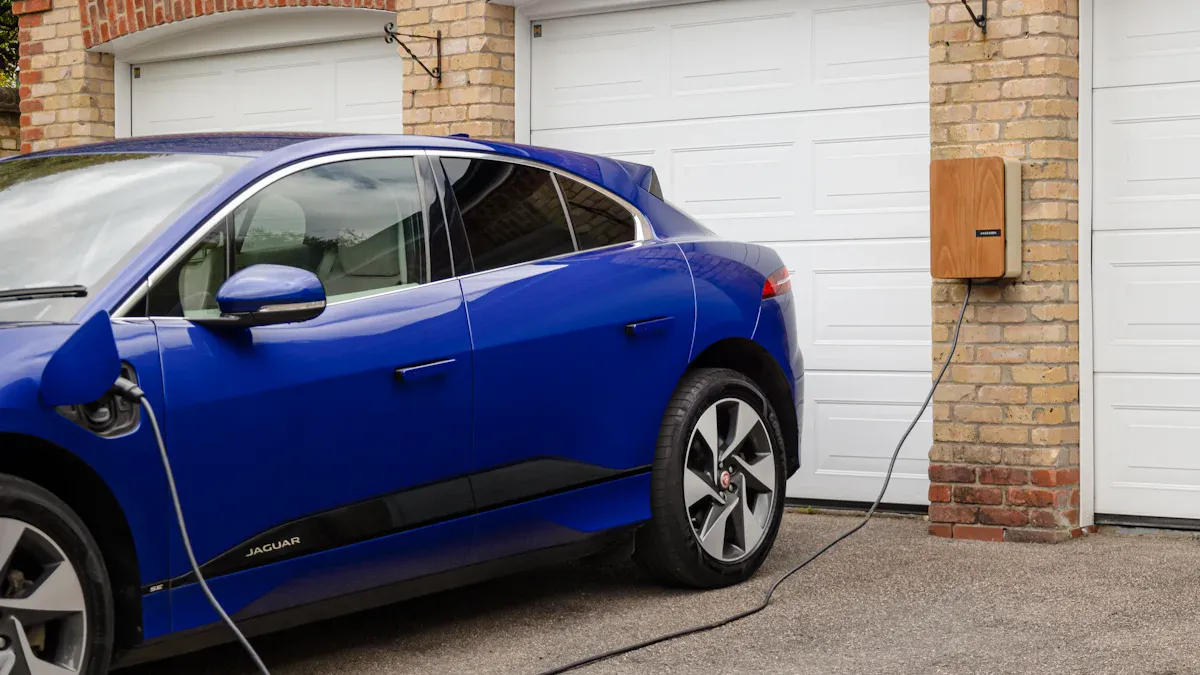
Most Italian homes feature standard 230V outlets. These outlets allow drivers to plug in their PHEV without special equipment. Many PHEV owners use the portable charging cable that comes with their vehicle. This setup fits well with the Italian electrical grid and does not require expensive upgrades. Homeowners can usually find a suitable outlet in their garage or driveway.
سرعة الشحن ومخرجات الطاقة
Level 1 charging provides a practical solution for daily use. The typical power output ranges from 1.4 to 1.9 kilowatts. This rate adds about 3 to 5 miles of electric range per hour. Drivers often choose overnight or multi-day charging sessions to keep their PHEV ready for short trips.
- Typical power output: 1.4 to 1.9 kilowatts (1,400 to 1,900 watts)
- Charging speed: Adds about 3 to 5 miles of range per hour
- Suitable for overnight or multi-day charging sessions
Level 1 Charging vs. Charging Stations
Level 2 and DC Fast Charging Overview
Level 2 charging stations use higher power and require dedicated installation. These stations deliver much faster charging compared to standard outlets. DC fast charging offers even greater speed, but most PHEVs do not support this option due to their smaller battery sizes.
Differences in Speed and Convenience
يقارن الجدول أدناه بين the main charging options for PHEVs:
| مستوى الشحن | سرعة الشحن (ميل في الساعة) | Time to Charge (10% to 80%) |
|---|---|---|
| المستوى 1 | من 3 إلى 5 | غير متاح |
| المستوى 2 | 25 | غير متاح |
| دي سي فاست | غير متاح | 20 to 30 minutes |
Level 1 charging works best for drivers with predictable routines and access to home outlets. Level 2 and DC fast charging suit those who need faster turnaround or travel longer distances. Each method offers unique advantages, so drivers should consider their daily needs and vehicle compatibility.
PHEVs and Level 1 Charging Compatibility
Typical PHEV Battery Sizes
Energy Needs for PHEVs
Plug-in hybrid electric vehicles use smaller batteries than fully electric cars. Most plug-in hybrid models in Italy feature battery capacities between 8 and 15 kilowatt-hours (kWh). These batteries support daily city driving and short commutes. Drivers often find that a single overnight charging session restores enough energy for the next day.
Note: A typical plug-in hybrid battery covers 30 to 60 kilometers on electric power alone. This range matches the needs of many Italian drivers who travel short distances each day.
Charging Time Estimates for Popular Models
Charging time depends on battery size and the power output of the home outlet. The table below shows estimates for several popular PHEV models in Italy when using الشحن من المستوى 1:
| الطراز | حجم البطارية (كيلوواط/ساعة) | Level 1 Charging Time (0-100%) |
|---|---|---|
| Toyota Prius Plug-in | 8.8 | 5-6 ساعات |
| Mitsubishi Outlander | 13.8 | 8-10 ساعات |
| إعادة شحن فولفو XC60 فولفو XC60 | 11.6 | 7-8 hours |
| BMW 330e | 12 | 7-9 hours |
Most drivers plug in their PHEV at night and wake up to a fully charged battery. This routine fits well with the Italian lifestyle and typical work schedules.
Charging at Home in Italy
Italian Home Electrical Standards
Italian homes use a 230V electrical system. Standard outlets support Level 1 charging for plug-in hybrid vehicles. Most homes do not require major upgrades to accommodate a PHEV. However, drivers should check the condition of their wiring and outlets before regular use.
Safety and Installation Tips
Safety remains a top priority when installing a charging solution at home. Drivers should follow these tips:
- Consult a certified electrician before starting regular charging.
- Use outlets with proper grounding to prevent electrical hazards.
- Avoid using extension cords, which can overheat during long charging sessions.
- Install a dedicated circuit if possible for consistent performance.
Tip: Regularly inspect the charging cable and plug for signs of wear or damage. Safe charging protects both the vehicle and the home.
Daily Driving Needs for PHEVs in Italy

Average Commute Distances
Urban vs. Rural Driving Patterns
Italian drivers experience different daily routines based on their location. In major cities such as Milan, Rome, and Turin, most people travel short distances. Urban commutes often range from 10 to 20 kilometers each way. City traffic and frequent stops make electric driving practical for these routes. In contrast, rural and suburban residents may face longer journeys. Many rural drivers cover 30 to 50 kilometers daily, sometimes more if they commute to nearby towns or cities. These patterns influence how each driver uses a phev and plans for charging.
Electric Range Used Daily
A typical phev offers an electric-only range between 30 and 60 kilometers. For many urban drivers, this range covers the entire daily commute without using the gasoline engine. Rural drivers may use the full electric range on the way to work and switch to hybrid mode for the return trip. The daily electric range used depends on the length of the commute and the availability of charging at home or work. Most Italian households find that their daily driving fits within the electric capabilities of their vehicle.
Overnight Level 1 Charging
Realistic Charging Times
الشحن من المستوى 1 provides a practical solution for most Italian phev owners. Using a standard home outlet, drivers can recharge their vehicle overnight. The process typically takes about 6 hours and 20 minutes to reach a full charge. The table below summarizes this information:
| طريقة الشحن | Duration to Full Charge |
|---|---|
| Level 1 AC | Approximately 6 hours and 20 minutes |
This duration allows drivers to plug in their phev after work and wake up to a fully charged battery. Overnight charging fits well with the Italian lifestyle, where vehicles often remain parked for extended periods during the night.
Impact on Daily Routine
Overnight charging minimizes disruption to daily routines. Drivers do not need to visit public stations or adjust their schedules for refueling. They simply connect their phev at home and let the vehicle charge while they sleep. This approach works especially well for those with predictable commutes and consistent parking arrangements. For families with multiple vehicles, scheduling may require some coordination, but most households find Level 1 charging sufficient for their needs.
Tip: Setting a regular charging schedule helps ensure the phev always starts the day with maximum electric range, reducing reliance on gasoline and lowering running costs.
When Level 1 Charging Is Enough for PHEVs
Scenarios Where Level 1 Charging Works
Short Commutes and City Driving
Level 1 charging meets the needs of many Italian drivers who use their phev for daily city commutes. In urban environments, most people travel short distances. A plug-in hybrid with a fully charged battery can cover these routes without switching to gasoline. Overnight charging at home allows the vehicle to regain its electric range by morning. This routine fits well with the lifestyle in cities like Milan or Rome, where parking and access to outlets are common. Drivers who use their phev for errands, school runs, or work commutes rarely need more than the electric range provided by a single charge.
Note: For city dwellers, level 1 charging offers a practical and reliable solution. It eliminates the need to visit public stations and reduces dependence on fossil fuels.
Occasional Longer Trips
Some Italian families use their phev for occasional longer journeys. Level 1 charging still provides value in these cases. Drivers can rely on the plug-in hybrid’s gasoline engine when the electric range runs out. After returning home, they can recharge the battery overnight. This approach works well for those who do not travel long distances every day. The flexibility of a phev ensures that drivers never feel limited by the battery alone.
Benefits of Level 1 Charging
الوفورات في التكاليف
Level 1 charging offers significant cost advantages. Home electricity rates in Italy are generally lower than the cost of gasoline. Drivers avoid the expense of installing a dedicated charging station. Most plug-in hybrid owners use the portable cable that comes with their vehicle. This setup reduces upfront costs and ongoing expenses. Over time, the savings add up, especially for those who drive mostly on electric power.
| المزايا | الوصف |
|---|---|
| انخفاض تكلفة التركيب | No need for special equipment or upgrades |
| Reduced energy cost | Home electricity is cheaper than gasoline |
| Minimal maintenance | Fewer components to service or repair |
Simplicity and Convenience
Level 1 charging stands out for its simplicity. Drivers only need a standard outlet to keep their phev ready for use. There is no need to search for public charging stations or wait in line. The process fits easily into daily routines. Most people plug in their vehicle at night and unplug it in the morning. This convenience appeals to busy families and professionals who value time and reliability.
Tip: Setting a regular charging schedule helps maximize the electric range and ensures the phev is always ready for the next trip.
Level 1 charging also supports the transition to electric cars for those new to the technology. It provides a low-barrier entry point for Italian households considering a plug-in hybrid. The combination of cost savings, ease of use, and compatibility with daily driving patterns makes level 1 charging an ideal choice for many.
When You Need More Than Level 1 Charging
Longer Trips and Heavy Use
Limits of Overnight Charging
الشحن من المستوى 1 supports most daily routines for PHEV drivers. However, some situations demand more power and flexibility. Drivers who cover long distances each day may find overnight charging insufficient. A single night may not restore the full electric range if the battery depletes completely during heavy use. Those who rely on their PHEV for business travel or frequent intercity trips often need faster solutions. The limited speed of Level 1 charging can create gaps in mobility, especially when multiple charging sessions are required within a short period.
Note: Drivers who regularly exceed their vehicle’s electric range may experience increased fuel consumption and reduced electric driving benefits.
Planning for Extended Travel
Extended travel requires careful planning for PHEV owners. They must consider the availability of charging points along their route. Level 1 charging at hotels or friends’ homes may not provide enough energy for the next leg of a journey. In these cases, access to faster charging stations becomes essential. Many drivers use mobile apps to locate charging infrastructure before starting a trip. They also check the compatibility of their PHEV with available charging points. Proper planning ensures that long journeys remain smooth and efficient.
Public Charging Stations in Italy
Availability of Level 2 and Fast Chargers
Italy continues to expand its public charging infrastructure. Major cities and highways now feature a growing number of charging stations. The Tesla supercharger network operates 50 charging stations across the country. These high-power charging points support both Tesla vehicles and, in some cases, other brands with compatible adapters. National infrastructure plans include investments to install more high-power charging stalls at fueling stations. This expansion aims to make long-distance travel more convenient for PHEV and electric vehicle owners.
- Major cities offer multiple Level 2 charging stations.
- Highways feature fast charging points for quick top-ups.
- The Tesla network provides reliable coverage in strategic locations.
- Infrastructure investments target both urban and rural areas.
Using Charging Networks for Flexibility
Charging networks offer flexibility for PHEV drivers who need more than Level 1 charging. Membership in a charging network allows access to a wide range of charging stations across Italy. Drivers can use mobile apps to find available charging points, check real-time status, and pay for charging sessions. This flexibility proves valuable during road trips, unexpected detours, or when home charging is unavailable. Reliable infrastructure ensures that PHEV owners can maintain electric driving even during demanding travel schedules.
Tip: Registering with multiple charging networks increases access to charging stations and reduces waiting times during peak hours.
Comparing Level 1 Charging to Faster Charging Stations
Pros and Cons of Level 1 vs. Level 2 Charging
Installation Costs and Requirements
Level 1 charging uses a standard household outlet, so most Italian homes do not require upgrades. Owners of a plug-in hybrid can start charging immediately with the cable provided by the manufacturer. This approach keeps installation costs low and avoids the need for professional electrical work.
محطات الشحن من المستوى 2 require a dedicated circuit and professional installation. Electricians often need to upgrade the home’s wiring or add a new breaker. The cost for Level 2 charging stations can range from several hundred to over a thousand euros, depending on the brand and features. TPSON, a technologically advanced electric vehicle charging solution provider, offers reliable Level 2 charging stations that meet Italian safety standards.
| الميزة | شحن المستوى 1 | محطات الشحن من المستوى 2 |
|---|---|---|
| تكلفة التركيب | الحد الأدنى | متوسط إلى مرتفع |
| Professional Required | لا يوجد | نعم |
| Home Upgrades Needed | Rare | في كثير من الأحيان |
Tip: Always consult a certified electrician before installing any charging stations at home to ensure safety and compliance.
Charging Speed and Time Management
Level 1 charging provides a slow but steady charge, usually adding 3 to 5 miles of range per hour. For a plug-in hybrid, this speed covers most daily needs if the vehicle charges overnight. However, drivers with longer commutes or unpredictable schedules may find Level 1 charging too slow.
Level 2 charging stations deliver much faster charging, often adding up to 25 miles of range per hour. This speed allows drivers to top up their battery during the day or quickly prepare for unexpected trips. Faster charging reduces downtime and increases flexibility, especially for families with multiple vehicles.
Note: Level 2 charging stations can make a significant difference for those who need to maximize their vehicle’s electric range in a short period.
Choosing the Right Charging Solution
Factors to Consider
Drivers should evaluate several factors before choosing between Level 1 and Level 2 charging stations:
- Daily driving distance: Short commutes favor Level 1 charging, while longer trips may require faster charging.
- Home electrical capacity: Some homes may not support the higher power needs of Level 2 charging stations without upgrades.
- Budget: Level 1 charging remains the most affordable option, but Level 2 charging stations offer greater convenience.
- Vehicle type: The battery size and charging capability of the plug-in hybrid influence the best solution.
Balancing Cost, Convenience, and Lifestyle
Selecting the right charging solution depends on balancing cost, convenience, and lifestyle. Level 1 charging suits those with predictable routines and overnight parking at home. Level 2 charging stations benefit drivers who need rapid charging or share their home with other electric vehicles. TPSON provides advanced charging stations that combine safety, speed, and smart features for Italian households.
Callout: Consider future needs when investing in charging stations. A Level 2 solution may offer more flexibility as electric vehicle adoption grows.
Real-Life Scenarios for Italian PHEV Owners
Commuting in Major Cities with Level 1 Charging
Milan, Rome, and Urban Charging Challenges
Drivers in Milan, Rome, and other Italian cities often face unique challenges. Urban streets can be crowded, and parking spaces may be limited. Many residents live in apartment buildings where private garages are rare. These factors make it difficult for some to access a dedicated outlet for their plug-in hybrid. Public charging stations exist, but competition for these spots remains high during peak hours. City drivers must plan their routines to ensure their vehicle stays ready for daily use.
Tip: Urban PHEV owners can benefit from workplace charging if their employer provides it. This option helps supplement home charging and reduces range anxiety.
Parking and Outlet Access
Parking arrangements play a key role in the success of Level 1 charging. Homeowners with private garages or driveways enjoy the most convenience. They can plug in their vehicle overnight and start each day with a full battery. Apartment dwellers may need to coordinate with building managers to install accessible outlets. Some Italian cities offer incentives for residential charging infrastructure, making it easier for more people to adopt plug-in hybrids.
| السيناريو | Charging Access | Convenience Level |
|---|---|---|
| Private garage/driveway | Easy | عالية |
| Shared parking | Possible with approval | متوسط |
| Street parking | محدودة | منخفضة |
Rural and Suburban Living with PHEVs
Home Charging Reliability
Residents in rural and suburban areas often have more space and private parking. They can set up reliable home charging without major obstacles. Overnight charging fits well with longer parking periods at home. These drivers rarely need to visit public stations unless they travel far from home. Reliable home charging supports daily commutes and local errands.
Longer Distances and Charging Needs
Rural drivers often cover greater distances each day. They may need to recharge more frequently, especially if their route exceeds the electric range of their PHEV. Tools like Mitsubishi CONNECT help these drivers locate charging stations near their destination. The app also allows remote control of charging and climate functions, making it easier to manage energy use. These features support flexibility and reduce the stress of long journeys.
- Locate nearby charging stations with mobile apps.
- Use remote features to monitor and control charging sessions.
- Plan routes to include charging stops when necessary.
Note: Rural PHEV owners who travel long distances should check charging station availability before starting their trip.
Family and Multi-Car Households Using Level 1 Charging
Sharing Outlets and Scheduling
Families with more than one plug-in hybrid must coordinate their charging routines. Sharing a single outlet requires careful scheduling. Some households set up a charging calendar to avoid conflicts. Others install a second outlet if their electrical system allows. Good communication ensures that each vehicle receives enough energy for the next day.
Managing Multiple PHEVs
Managing multiple PHEVs in one household can present challenges. Drivers must monitor charging times and adjust schedules for everyone’s needs. Level 1 charging works best when vehicles remain parked overnight. For families with unpredictable routines, a Level 2 charging station may offer more flexibility. Each household should evaluate its driving patterns and choose the solution that fits best.
Callout: Multi-car households can maximize efficiency by staggering charging times and using smart plugs or timers.
الشحن من المستوى 1 offers a practical solution for Italian PHEV owners who drive short distances and have consistent access at home. Many drivers find that electric cars fit their daily routines without the need for expensive upgrades. Those who travel frequently or manage multiple electric cars may benefit from faster charging stations. Each household should evaluate its driving habits, home setup, and travel needs before choosing the best option. Electric cars provide cost-effective mobility, but owners must understand the limits of Level 1 charging.
الأسئلة الشائعة
Can Level 1 charging fully recharge most PHEV batteries overnight?
Most PHEV batteries reach full charge overnight with Level 1 charging. Drivers plug in their vehicles for 6–10 hours, depending on battery size. This routine fits typical Italian work schedules.
Is Level 1 charging safe for Italian home electrical systems?
Certified electricians recommend Level 1 charging for Italian homes. Owners should use grounded outlets and avoid extension cords. Regular inspections ensure safe operation.
Does Level 1 charging require special equipment or installation?
Level 1 charging uses the standard cable provided by the manufacturer. Italian homes with 230V outlets do not need upgrades or special equipment. Owners can start charging immediately.
How much does Level 1 charging cost compared to gasoline?
Level 1 charging costs less than gasoline. Home electricity rates in Italy remain lower than fuel prices. Drivers save money by charging at home and using electric power for daily commutes.
Can Level 1 charging support multiple PHEVs in one household?
Families with more than one PHEV can share outlets by scheduling charging times. Installing a second outlet increases convenience. Level 2 charging stations offer faster charging for multi-car households.
What happens if a driver needs to travel longer distances?
Drivers use the gasoline engine when the electric range runs out. For extended trips, public charging stations provide faster charging. Planning routes with charging stops ensures smooth travel.
Are public charging stations widely available in Italy?
Italy continues to expand its charging infrastructure. Major cities and highways feature Level 2 and fast charging stations. Drivers use mobile apps to locate available charging points.