An EV owner might ask, “How often should I charge my EV to 100%?” The answer is simple: rarely for daily driving. The ideal daily charging range for optimal battery health is between 20% and 80%. A full 100% charge should be reserved for times when an EV driver absolutely needs the maximum range for a long trip. This charging practice helps preserve the electric vehicle’s battery longevity. TPSON, a technologically advanced company among الشركات المصنعة لشاحن السيارة الكهربائية, provides smart حلول شحن السيارات الكهربائية, including a reliable شاحن السيارة الكهربائية و شواحن السيارات الكهربائية المحمولة, to help EV owners manage their charging habits effectively.
The Science Behind the 80% Rule

The recommendation to limit daily charging to 80% is not arbitrary. It is rooted in the chemistry of the lithium-ion batteries that power every modern EV. Understanding this science helps an EV owner protect their investment and maximize battery health.
Understanding Your EV’s Lithium-Ion Battery
How a Lithium-Ion Battery Works
An EV battery stores and releases energy by moving lithium ions between two electrodes: a cathode and an anode. During charging, ions move from the cathode to the anode. During discharging (powering the EV), they move back. This constant movement enables the electric vehicle to run.
What is State of Charge (SoC)?
State of Charge (SoC) is the battery’s current charge level, expressed as a percentage. A 100% SoC means the battery is full, while 0% means it is empty. An EV driver monitors SoC to know their available range.
The Concept of Battery Cycles and Degradation
A charge cycle represents one full discharge and recharge, from 100% to 0% and back. However, partial cycles also count. Over time, each charging cycle contributes to gradual, irreversible capacity loss, known as battery degradation. Smart charging habits can slow this process significantly.
Why a 100% Charge Creates Stress
Consistently charging an EV to 100% places significant stress on the battery components, accelerating wear. This is a key reason to avoid full charging for daily use.
Chemical Stress at High Voltages
High voltage at a full state of charge induces chemical stress. The battery’s internal materials become less stable. For example, in certain cathode chemistries:
- High charge states can cause irreversible structural changes.
- The cathode may experience significant oxygen oxidation and loss from its surface.
- These reactions lead to a permanent loss of capacity and voltage.
Heat Generation During Full Charges
The final stage of charging, from 80% to 100%, generates more heat. Heat is a primary enemy of battery health. Elevated temperatures during charging speed up the chemical reactions that degrade battery cells, reducing the overall lifespan of the EV battery.
The Impact on the Battery Cathode
Sustained high voltages from full charging directly harm the cathode. When an EV battery is charged beyond its designed full capacity, chemical reactions can trigger an exothermic failure. This process damages the cathode’s crystalline structure, leading to permanent performance loss.
The Dangers of a Low State of Charge
Just as a high SoC is stressful, a very low SoC is also damaging. An EV owner should avoid letting the battery drop to extremely low levels.
The Risks of Deep Discharging Below 20%
Using an EV battery below a 20% charge level can cause over-discharge. This state triggers irreversible chemical reactions inside the battery. These reactions cause irreparable damage, reduce the battery’s total capacity, and shorten its operational life.
Why Staying Above 20% is a Safe Bet
نصيحة محترف: Think of the 20% to 80% range as the “comfort zone” for your EV battery. Keeping the charge within this window minimizes stress at both high and low extremes. This simple habit is the most effective way to preserve long-term battery health and performance. Advanced charging solutions from providers like TPSON can help automate this process, making smart charging effortless.
The Practical Downsides of Daily Full Charges
Beyond the chemical stress on the battery, daily full charges introduce practical issues that affect an EV’s performance and an owner’s wallet. These downsides impact both driving efficiency and long-term vehicle value.
Reduced Regenerative Braking
One of the most immediate effects of a 100% charge is the reduction or complete loss of regenerative braking.
What is Regenerative Braking?
Regenerative braking is a core feature of an EV. When a driver lifts their foot off the accelerator, the electric motor reverses its function. It acts like a generator, converting the car’s kinetic energy into electricity and sending it back to the battery. This process helps slow the EV down while recapturing energy.
Why a Full Battery Can’t Recapture Energy
A battery at 100% state of charge has no available capacity to store more energy. The Battery Management System (BMS) prevents overcharging to protect the cells. Consequently, the regenerative braking system cannot send power back to a full battery. The EV has nowhere to put the recaptured energy.
The Impact on Efficiency and Driving Feel
ملاحظة: With regenerative braking disabled, the EV must rely solely on its mechanical friction brakes to slow down. This change has two main effects:
- Reduced Efficiency: The energy that would normally be recaptured during deceleration is lost as heat through the brakes. This makes the EV less efficient, especially in stop-and-go traffic.
- Inconsistent Driving Feel: Drivers accustomed to “one-pedal driving” will find the EV coasts more freely, requiring more frequent use of the brake pedal.
Accelerated Battery Degradation
The most significant long-term consequence of improper charging habits is accelerated battery degradation.
Defining Battery Degradation vs. Capacity Loss
Battery degradation refers to the irreversible aging of the battery’s internal components. Capacity loss is the measurable result of this degradation. An EV owner experiences it as a reduction in the total range the EV can travel on a single charge compared to when it was new.
How Daily Full Charges Speed Up Aging
Routine full charges force the battery to remain at a high voltage, which accelerates the chemical reactions that degrade the cathode and electrolyte. This constant stress speeds up the natural aging process. Over months and years, this habit leads to a faster decline in battery capacity than a proper charging routine would.
Long-Term Financial Implications of Poor Charging Habits
Poor charging habits have direct financial costs. An electric vehicle with a significantly degraded battery has a lower resale value. In a worst-case scenario, premature battery failure could lead to an expensive replacement. Adopting a smart charging strategy is crucial. Technologically advanced providers like TPSON offer charging solutions that help EV owners automate healthier charging cycles, protecting their investment. Limiting daily charging is a simple step to preserve the EV battery’s health.
When It Is Okay (and Necessary) to Charge My EV to 100
While the 20-80% rule is ideal for daily driving, there are specific situations where a full 100% charge is not only acceptable but also necessary. Understanding these exceptions helps an EV owner use their vehicle to its full potential without causing undue harm to the battery.
Preparing for a Long-Distance Trip
The most common reason to charge an EV to 100% is to prepare for a road trip that exceeds the vehicle’s 80% range estimate.
Maximizing Your Range for the Road
A long journey requires every kilometer of range available. In this scenario, the benefit of reaching a destination without an extra charging stop outweighs the minor stress of a single full charge. Charging to 100% provides the maximum possible starting range, giving the driver more flexibility and peace of mind on the road.
The “Charge Just Before You Leave” Strategy
A battery is most stressed when it sits at a 100% state of charge for an extended period. To mitigate this, an EV driver should time their charging to finish just before they plan to depart.
نصيحة محترف: Use your EV or a smart charger app, like those compatible with TPSON solutions, to schedule your charging session. Set it to reach 100% around your departure time. This ensures the EV battery spends minimal time at its maximum voltage.
Planning Your Trip with Charging Stops
Even with a full charge, long-distance travel in an EV requires planning. Drivers should use their vehicle’s navigation system or a third-party app to map out necessary DC fast charging stations along their route. This proactive planning prevents range anxiety and ensures a smooth journey.
Battery Management System (BMS) Calibration
Occasionally, a full charge is recommended to help the vehicle’s computer system maintain accuracy.
What is the BMS and What Does It Do?
The Battery Management System (BMS) is the electronic brain of the EV battery pack. It monitors key metrics like temperature, voltage, and current. Its most important job for the driver is to calculate the battery’s State of Charge (SoC) and the corresponding estimated range.
Why Calibration is Sometimes Needed for Accuracy
The BMS tracks how often batteries are fully charged. If an EV is only ever partially charged (e.g., from 30% to 70%), the BMS can lose its precise sense of the battery’s upper and lower limits. Manufacturers advise that occasional full charges are crucial for the BMS to recalibrate. This process allows the system to fully charge each individual cell to its maximum capacity, ensuring accurate battery readings. A sudden range change after a firmware update might also indicate the need for recalibration, as the system now has a more precise reading.
Always Check Your Owner’s Manual First
مهم: Before you charge my EV to 100 for calibration, always consult the owner’s manual. The manufacturer provides specific guidelines on if and how often this should be done. Some brands may recommend it once every few months, while others may have different instructions.
The LFP Battery Exception
Not all EV batteries are the same. The rise of Lithium Iron Phosphate (LFP) batteries has changed the charging conversation for some owners.
Introducing Lithium Iron Phosphate (LFP) Batteries
Lithium Iron Phosphate (LFP) is a type of lithium-ion battery chemistry that is becoming more common, especially in standard-range electric vehicle models. It offers excellent safety and a long cycle life, and its charging requirements differ significantly from more traditional Nickel Manganese Cobalt (NMC) batteries.
Why LFP Batteries Tolerate a 100% Charge
LFP cells can be safely charged to 100% in each cycle. Their chemistry is inherently more robust. Key advantages include:
- LFP batteries have strong covalent bonds in their cathode materials.
- This robust cathode chemistry contributes to exceptional structural integrity.
- The strong bonds enhance thermal stability, reducing risks associated with high states of charge.
- LFP cells tolerate a full depth of discharge without inducing significant structural stress.
Because of this stability, manufacturers of EVs with LFP batteries often recommend a regular 100% charging routine to ensure the BMS remains accurate.
How to Know if Your EV Has an LFP Battery
The easiest way to determine your EV battery type is to check the owner’s manual. Additionally, many vehicles with LFP batteries will state this directly on the charging screen in the infotainment system. They might even display a message recommending the owner to charge my EV to 100 at least once a week. This regular full charging helps the BMS provide an accurate range estimate, a known challenge with LFP chemistry’s flat voltage curve.
Building the Best EV Charging Routine: The 20-80 Rule

Establishing the best ev charging routine is the most impactful step an owner can take to protect their vehicle’s battery. The 20-80 rule is the foundation of this routine. It provides a simple yet powerful framework for preserving battery longevity and performance.
What is the 20-80 Rule?
A Simple Guideline for Maximum Battery Life
The 20-80 rule is a straightforward guideline: for daily driving, an EV owner should aim to keep their battery’s state of charge between 20% and 80%. This means plugging the EV in for شحن before it drops below 20% and stopping the session once it reaches 80%. This practice avoids the stress associated with very low or very high charge levels, contributing directly to better long-term صحة البطارية.
The Scientific “Sweet Spot” for Battery Health
Lithium-ion batteries are most stable when they are neither full nor empty. The 20% to 80% range represents a chemical “sweet spot” where voltage is moderate and internal stress is minimized.
- Operating within this window reduces the rate of chemical degradation on the cathode.
- It minimizes heat generation during شحن, another factor that accelerates aging.
- تحافظ هذه العادة البسيطة على البطارية في نطاق تشغيلها الأمثل، مما يبطئ فقدان السعة خلال العمر الافتراضي للمركبة.
كيفية تنفيذ استراتيجية الشحن الخاصة بك
اعتماد قاعدة 20-80 سهل التنفيذ، حيث توفر تكنولوجيا السيارات الكهربائية الحديثة طرقًا متعددة لأتمتة العملية. يمكن للمالك ضبط الحدود المفضلة لديه شحن ببضع نقرات فقط.
استخدام نظام الترفيه في مركبتك
تسمح معظم السيارات الكهربائية للمالك بتعيين مستوى الشحن الأقصى مباشرة من خلال الشاشة اللمسية المركزية. في قائمة إعدادات السيارة، يوجد عادةً شحن قسم يتيح منزلق أو حقل إدخال للمستخدم تحديد الحد الأقصى للشحن عند 80٪ للاستخدام اليومي. ستتوقف السيارة الكهربائية تلقائيًا شحن عند الوصول إلى هذا الهدف.
تعيين الحدود عبر تطبيق الهاتف الخاص بسيارتك الكهربائية
لمزيد من الراحة، تقدم كل شركة مصنعة تقريبًا للسيارات الكهربائية تطبيقًا للهاتف المحمول. يتيح هذا التطبيق للمالك مراقبة وتحكم مركبته عن بُعد شحن. يمكن للمالك تعيين حد 80٪، بدء أو إيقاف جلسة الشحن، وعرض حالة الشحن الحالية من أي مكان، مما يضمن أن روتين الشحن الخاص به دائمًا على المسار الصحيح.
برمجة شاحن منزل ذكي
يوفر الشاحن المنزلي الذكي أعلى مستوى من التحكم والبيانات. تقدم شركات متقدمة تقنيًا مثل TPSON حلولًا تندمج بسلاسة في المنزل المتصل.
ميزات الشاحن الذكي 💡 الشواحن الذكية المزودة باتصال Wi-Fi تمنح المالك تحكمًا دقيقًا عبر تطبيق هاتف ذكي مخصص. تشمل الميزات الرئيسية غالبًا:
- جهاز التحكم عن بُعدالتحكم عن بُعد: بدء، إيقاف، ومراقبة شحن جلسات الشحن من أي مكان.
- الجدولةالجدولة: برمجة الشاحن للعمل خلال ساعات الذروة المنخفضة لتقليل تكاليف الكهرباء.
- تتبع الطاقة في الوقت الفعلي: توفر بعض الموديلات بيانات مفصلة عن استهلاك الطاقة، مما يساعد المالكين على إدارة استخدامهم بكفاءة.
تطوير عادة شحن صحية
تجعل التكنولوجيا اتباع قاعدة 20-80 أمرًا سهلاً، لكن تطوير العادات الصحيحة يضمن أن يصبح أفضل روتين للشحن طبيعة ثانية.
عقلية “التوصيل كل ليلة”
تبني عادة “التوصيل كل ليلة” يوفر فوائد كبيرة. ممارسة الشحن كل ليلة تضمن أن السيارة الكهربائية دائمًا جاهزة لتنقلات اليوم التالي أو أي رحلات غير متوقعة، مما يقضي بشكل فعال على قلق المدى. علاوة على ذلك، يمكن للسيارة الكهربائية المتصلة استخدام طاقة الشبكة للتكييف المسبق. هذا يسمح للمالك بتدفئة أو تبريد المقصورة و وتسخين البطارية قبل التحرك، مما يحافظ على شحن البطارية للقيادة ويعزز أقصى مدى، خاصة في درجات الحرارة القصوى. هذا يجعلها الشحن كل ليلة حجر زاوية في الخاص به.
استراتيجية شحن فعالة.
الشحن الجزئي مقابل انتظار انخفاض البطارية الكهربائية الجديدة على عكس العادات المتكونة مع سيارات البنزين، تستفيد بطارية شحن السيارة الكهربائية من الشحن المتكرر الضحل بدلاً من انتظار تفريغها بالكامل. شحن السيارة الكهربائية جزئيًا كل ليلة للحفاظ على نطاق 20-80٪ هو أكثر صحة بكثير من تفريغها إلى 5٪ ثم الخاص به إعادة شحنها بالكامل. هذا, شحن يقلل من دورات التفريغ العميق، التي تسبب إجهادًا للبطارية. للرحلات اليومية القصيرة جدًا،.
قد يكون الشحن كل يومين أو ثلاثة أيام كافيًا، طالما ظلت حالة الشحن ضمن النطاق المثالي المريح.
معرفة متقدمة عن الشحن لملاك السيارات الكهربائية.
فهم الفروق الدقيقة لطرق الشحن المختلفة والعوامل البيئية يمكن مالك السيارة الكهربائية من اتخاذ قرارات مستنيرة. هذه المعرفة المتقدمة تساعد في تحسين كفاءة الشحن وصحة البطارية على المدى الطويل.
الشحن AC مقابل الشحن السريع DC: ما الفرق؟.
تستخدم السيارات الكهربائية نوعين من التيار الكهربائي للشحن: التيار المتردد (AC) والتيار المستمر (DC). تخزن بطارية السيارة الطاقة كتيار مستمر (DC)، لذا يجب تحويل طاقة التيار المتردد (AC) القادمة من الشبكة.
شرح الشحن من المستوى 1 و 2 (AC).
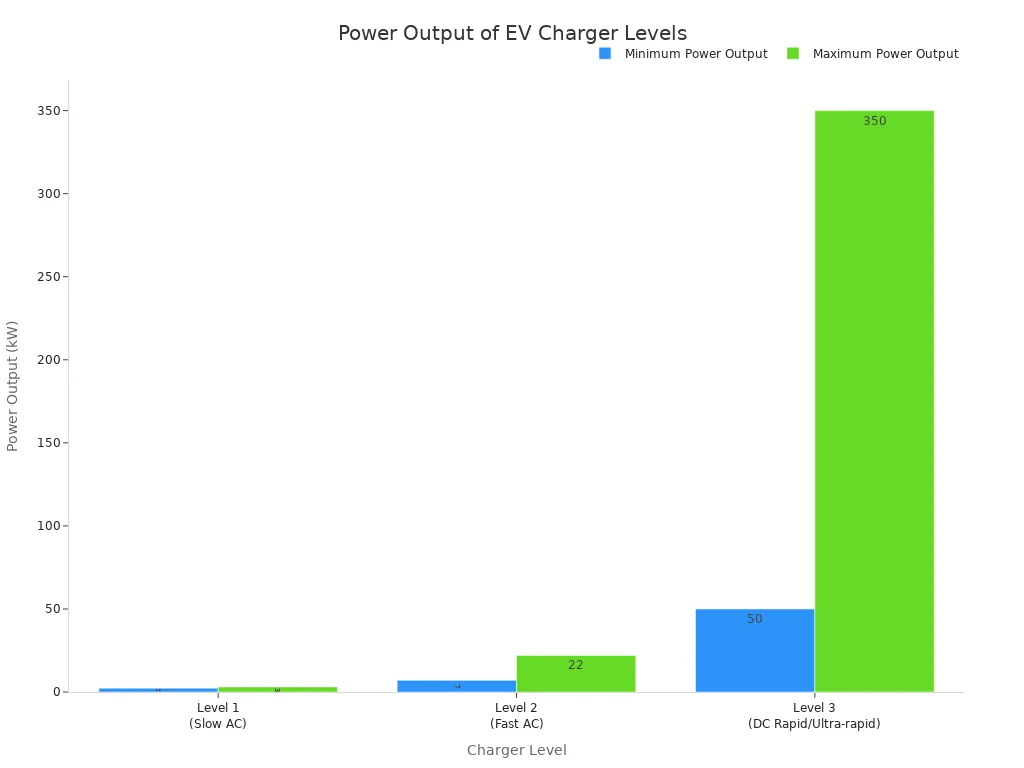
- شحن المستوى 1يستخدم الشحن AC محول السيارة المدمج لتحويل طاقة الشبكة AC إلى طاقة DC للبطارية. هذه هي الطريقة الأكثر شيوعًا للشحن في المنزل ومكان العمل. 2-3 كيلوواط. المستوى 1: يستخدم هذا مقبس منزلي قياسي، ويوفر حوالي.
- شحن المستوى 21.4-2.3 كيلوواط. وهي أبطأ طريقة شحن، تضيف بضعة أميال فقط من المدى في الساعة. مزودو الخدمات المتقدمة تكنولوجياً المستوى 2: يتطلب هذا شاحنًا مخصصًا، مثل تلك المقدمة من.
شركات مثل TPSON. يوفر 7-22 كيلوواط ويمكنه شحن معظم السيارات الكهربائية بالكامل خلال الليل. هذا هو الحل المثالي للشحن اليومي.
شرح الشحن السريع من المستوى 3 (DC).
| الميزة | المستوى 1 (تكييف هواء بطيء) | المستوى 2 (تكييف سريع) | المستوى 3 (تيار مستمر سريع/فائق السرعة) |
|---|---|---|---|
| ناتج الطاقة | 2.3-3 كيلوواط | 7-22 كيلو واط | 50-350 كيلوواط |
| سرعة الشحن | يتجاوز الشحن السريع DC محول السيارة المدمج. فهو يزود البطارية مباشرة بالكهرباء DC عالية الطاقة. هذا يسمح بسرعات شحن أسرع بكثير، مما يجعله مثاليًا للرحلات الطويلة. تتراوح مخرجات الطاقة من 50 كيلوواط إلى أكثر من 350 كيلوواط. يمكن للشاحن السريع DC غالبًا إيصال البطارية إلى 80٪ في أقل من ساعة. | 2-5 ساعات لمسافة 100 ميل | 20-40 دقيقة لمسافة 100-200 ميل |
| نوع الموصل | 8–10 ساعات لـ 100 ميل | النوع 2 | قابس 3 دبابيس |
كم مرة يجب أن أشحن سيارتي الكهربائية إلى 100٪؟
كيف يؤثر الشحن السريع DC المتكرر على صحة البطارية, على الرغم من كونه مريحًا،. يمكن أن يؤدي الشحن السريع DC المتكرر إلى تسريع تدهور البطارية sophisticated Battery Management Systems أنظمة إدارة البطارية (BMS) التي تدير الحرارة للتخفيف من الضرر. تظهر الدراسات أن الشحن السريع المتكرر قد يزيد من فقدان السعة السنوي بنحو 0.1% فقط مقارنة بمركبة لا تستخدمه أبدًا. بالنسبة للشحن اليومي،, يظل الشحن المتردد (AC) الخيار الألطف والأكثر فعالية من حيث التكلفة..
تأثير درجة الحرارة على الشحن
تؤثر درجة الحرارة المحيطة بشكل كبير على سرعة الشحن وكفاءته. يشكل كل من البرد القارس والحرارة الشديدة تحديات..
أفضل الممارسات للشحن في البرد القارس
تبطئ درجات الحرارة المنخفضة التفاعلات الكيميائية داخل البطارية. مما يزيد المقاومة الداخلية ويقلل من قدرة البطارية على استقبال الشحن.
نصيحة للطقس البارد 🥶
في الطقس البارد، سيقيد نظام إدارة البطارية (BMS) طاقة الشحن لحماية البطارية، مما يؤدي إلى جلسة شحن أبطأ. يجب على المالك توصيل المركبة بالشحن فور الوصول بينما لا تزال البطارية دافئة من القيادة لتحقيق معدل شحن أسرع.
أفضل الممارسات للشحن في الحر الشديد
يشكل الحر الشديد أيضًا ضغطًا على البطارية. سيقوم نظام إدارة البطارية (BMS) بتشغيل نظام تبريد البطارية أثناء الشحن للحفاظ عليها ضمن نطاق درجة حرارة آمن. يجب على المالك محاولة ركن المركبة في مكان مظلل أو بارد أثناء الشحن في الأيام الحارة لتقليل الحمل على نظام التبريد.
دور التكييف المسبق للبطارية
يعد تكييف البطارية ميزة حيوية لتحسين الشحن. يقوم النظام تلقائيًا بتسخين أو تبريد البطارية إلى درجة حرارتها المثالية (عادة 15-35 درجة مئوية) قبل بدء جلسة الشحن. تضمن هذه العملية شحنًا أسرع وأكثر كفاءة وتقلل من الإجهاد الحراري، وهو أمر بالغ الأهمية لحماية البطارية أثناء الشحن السريع بالتيار المستمر (DC) في درجات حرارة غير مثالية.
دحض الخرافات الشائعة حول شحن المركبات الكهربائية
المعلومات الخاطئة حول شحن المركبات الكهربائية قد تمنع المالكين من تطوير عادات صحية. يساعد فهم الحقائق المالك على حماية بطارية مركبته وتعظيم عمرها الافتراضي.
خرافة: يجب الشحن إلى 100% “لملء الخزان”
كسر عقلية البنزين
غالبًا ما يحمل السائقون الجدد على المركبات الكهربائية عادات من سيارات البنزين. لا تنطبق عقلية “ملء الخزان” على بطاريات المركبات الكهربائية. على عكس خزان البنزين، تتعرض بطارية الليثيوم أيون للإجهاد عند حالات الشحن العالية جدًا. تسرع عمليات الشحن الكامل الروتينية من التدهور، وهو مفهوم غريب عن مركبات محركات الاحتراق الداخلي.
لماذا تشبه المركبة الكهربائية الهاتف الذكي أكثر
يجب على مالك المركبة الكهربائية التفكير في بطارية مركبته كما يفكر في بطارية هاتفه الذكي. يوصِل معظم الأشخاص هواتفهم في الليل ويفصلونها في الصباح دون القلق إذا كانت ممتلئة بنسبة 100%. تستفيد المركبة الكهربائية من نفس السلوك. الشحن الجزئي المتكرر أكثر صحة للبطارية من دفعها باستمرار إلى سعتها القصوى.
خرافة: عدم الشحن إلى 100% سيضر البطارية
لماذا الشحن الجزئي أكثر صحة
يقلق بعض المالكين من أن عدم إجراء شحن كامل قد يضر البطارية بطريقة ما. العكس هو الصحيح. تكون بطارية الليثيوم أيون أكثر استقرارًا وأقل تعرضًا للإجهاد عند إبعادها عن حدودها العليا والدنيا. روتين الشحن الجزئي، مثل قاعدة 20-80، هو أفضل ممارسة للحفاظ على صحة البطارية على المدى الطويل.
فهم تأثير ذاكرة البطارية (أو عدم وجوده)
تنشأ هذه الخرافة من ظاهرة حقيقية في تقنيات البطاريات القديمة. لوحظ “تأثير الذاكرة"تأثير الذاكرة”في بطاريات النيكل والكادميوم (NiCad)، التي يمكن أن “تنسى” سعتها الكاملة إذا تم شحنها بشكل متكرر من نفس الحالة الجزئية.
التحقق من الحقيقة: بطاريات الليثيوم أيون الحديثة لا تعاني من تأثير الذاكرة. كيميائيتها مختلفة تمامًا. تحتفظ بطارية المركبة الكهربائية بإمكانية الشحن القصوى لديها بغض النظر عما إذا بدأ المالك الشحن عند 20% أو 40% أو 60%.
خرافة: يجب تفريغ البطارية بالكامل قبل الشحن
لماذا التفريغ العميق ضار
السماح لبطارية مركبة كهربائية بأن تفرغ إلى 0% هو أحد أكثر الأشياء ضررًا التي يمكن للمالك فعلها. يضع التفريغ العميق ضغطًا كبيرًا على خلايا البطارية. يمكن أن يؤدي هذا إلى تغييرات كيميائية لا رجعة فيها وفقدان دائم للسعة. ركن مركبة كهربائية لفترة طويلة ببطارية مستنفدة يمكن أن يسبب ضررًا شديدًا ودائمًا.
فوائد عمليات الشحن المتكررة والضحلة
تزدهر بطارية المركبة الكهربائية بدورات الشحن المتكررة والضحلة. بدلاً من انتظار انخفاض البطارية، يجب على المالك اعتماد عادة التوصيل بالشحن بانتظام. تحافظ هذه الممارسة على حالة الشحن ضمن النطاق المثالي 20-80%. يقلل هذا الروتين البسيط من الإجهاد وهو أكثر فائدة بكثير من دورات التفريغ العميق.
يحافظ المالك على الأداء الأمثل صحة البطارية من خلال الحفاظ على مستوى الشحن بين 20% و 80% للاستخدام اليومي. يجب عليه فقط شحن مركبتي الكهربائية إلى 100% في مناسبات خاصة مثل الرحلات الطويلة.
اعتماد روتين شحن ذكي الخاص به هو الإجراء الأكثر فعالية للعناية طويلة المدى بالمركبة. يحافظ هذا الروتين الثابت الخاص به على الأداء وقيمة إعادة البيع.
تقدم مزودون متطورون تقنيًا مثل TPSON حلولاً لتبسيط هذا الروتين الخاص به. في النهاية، يحمي روتين الشحن الصحي الخاص به البطارية صحة البطارية وهو ضروري عندما لا يحتاج المالك إلى شحن مركبتي الكهربائية إلى 100%.
الأسئلة الشائعة
هل من السيء ترك مركبة كهربائية موصلة بالشحن طوال الليل؟
لا، ليس سيئًا. تمتلك المركبات الكهربائية الحديثة نظام إدارة البطارية (BMS) الذي يوقف عملية الشحن تلقائيًا بمجرد الوصول إلى الحد المحدد. ترك المركبة الكهربائية موصلة بالشحن آمن ويضمن أن المركبة ستكون جاهزة للاستخدام في اليوم التالي.
ما مقدار المدى المفقود بالشحن حتى 80% فقط؟
يفقد المالك 20% من المدى الإجمالي المحتمل للمركبة. بالنسبة لمعظم الرحلات اليومية، فإن المدى المتاح عند شحن بنسبة 80% أكثر من كافٍ. تحافظ هذه الممارسة على صحة البطارية على المدى الطويل، وهو مقايضة تستحق العناء للقيادة اليومية.
هل تنطبق قاعدة 80% على جميع المركبات الكهربائية؟
تنطبق قاعدة 80% بشكل أساسي على المركبات الكهربائية ذات بطاريات NMC أو NCA. بينما تشكل المركبات ذات بطاريات LFP استثناءً. غالبًا ما يوصي المصنعون بشحن بطاريات LFP إلى 100% بانتظام. يجب على المالك دائمًا الرجوع إلى دليل مركبته للحصول على إرشادات محددة.
هل شحن واحد بنسبة 100% سيضر ببطاريتي؟
شحن واحد بنسبة 100% لرحلة طويلة لن يسبب ضررًا كبيرًا. ينتج تدهور البطارية عن الإجهاد التراكمي الناتج عن الشحن الكامل الروتيني. بينما يعتبر الشحن الكامل العرضي، خاصة قبل الرحيل مباشرة، مقبولاً تمامًا عند الحاجة إلى أقصى مدى.
كيف يمكن للمالك اتباع قاعدة 20-80 بسهولة؟
يمكن للمالك تطبيق هذه القاعدة بسهولة باستخدام عدة طرق:
- ضبط حد الشحن في نظام الترفيه داخل المركبة.
- استخدام التطبيق الجوال الخاص بالشركة المصنعة للتحكم في الشحن.
- برمجة شاحن منزلي ذكي من مزود مثل TPSON.
لماذا تكون سرعة شحن مركبتي الكهربائية أبطأ من المتوقع؟
يمكن أن تتأثر سرعة الشحن بعدة عوامل.
الأسباب المحتملة:
- درجات الحرارة المنخفضة: تستقبل البطارية الباردة الشحن ببطء أكبر.
- حالة الشحن العالية: يتباطأ الشحن تلقائيًا مع اقتراب البطارية من حدها الأقصى.
- الطاقة المشتركة: بعض الشواحن العامة تقسم الطاقة بين مركبتين.