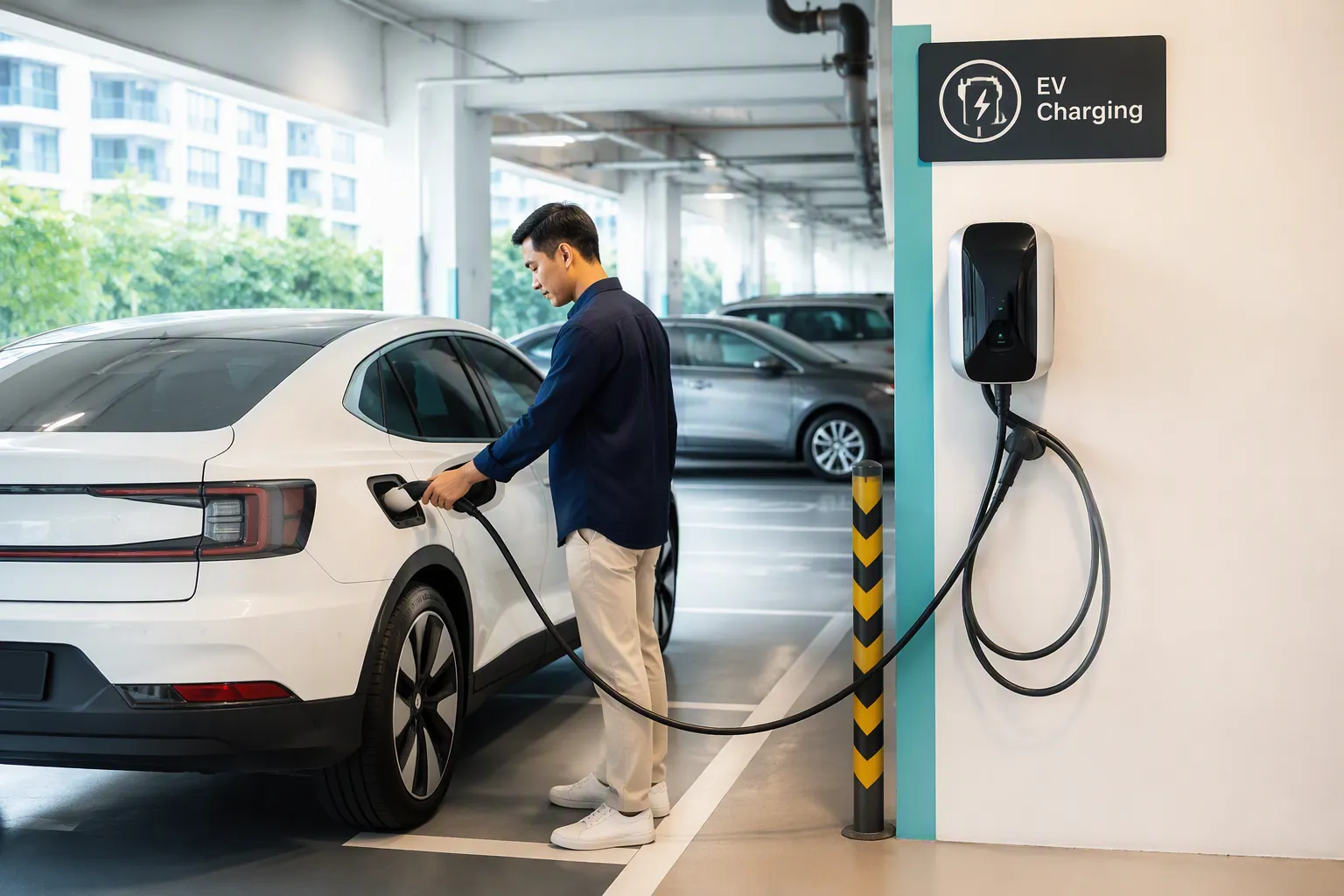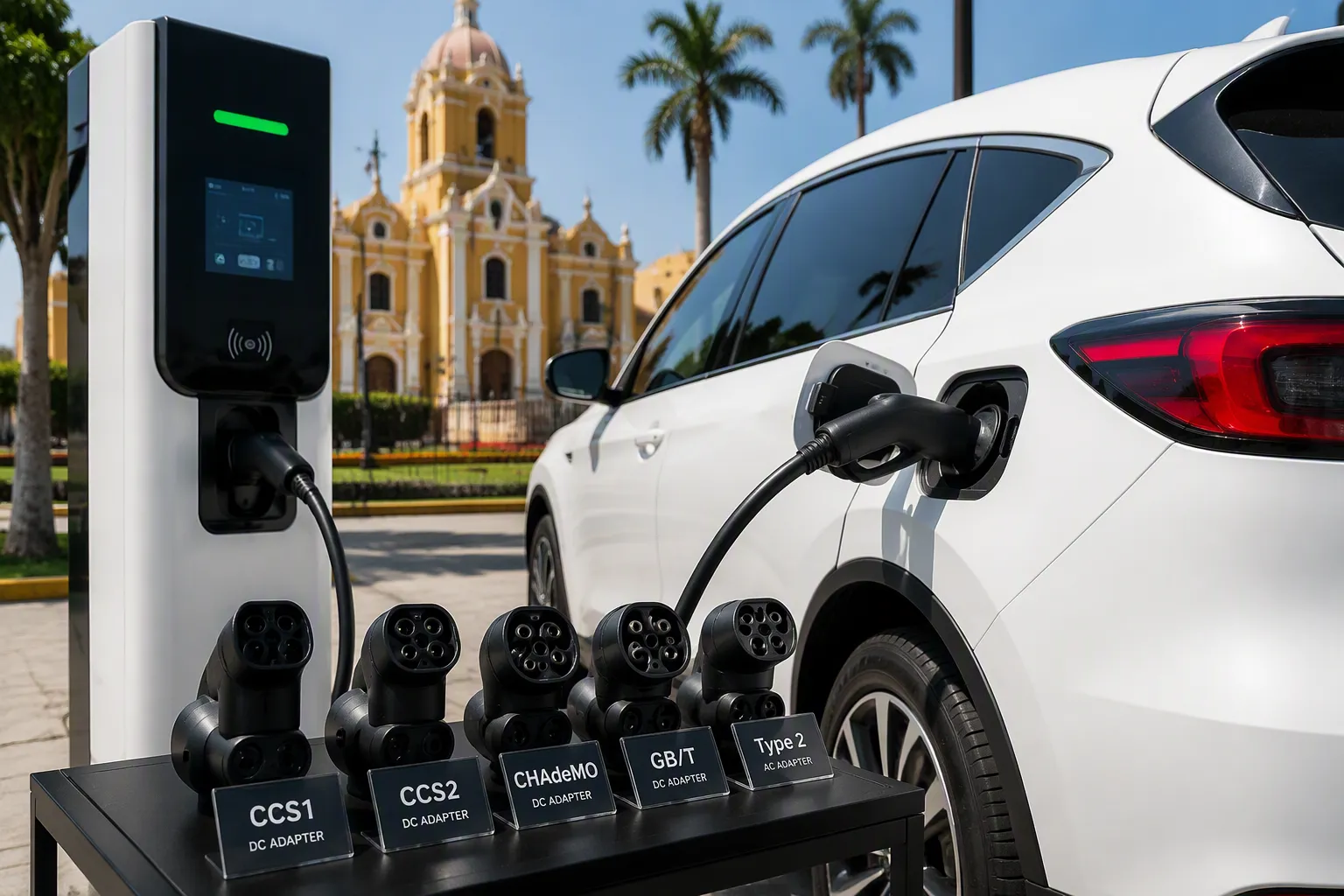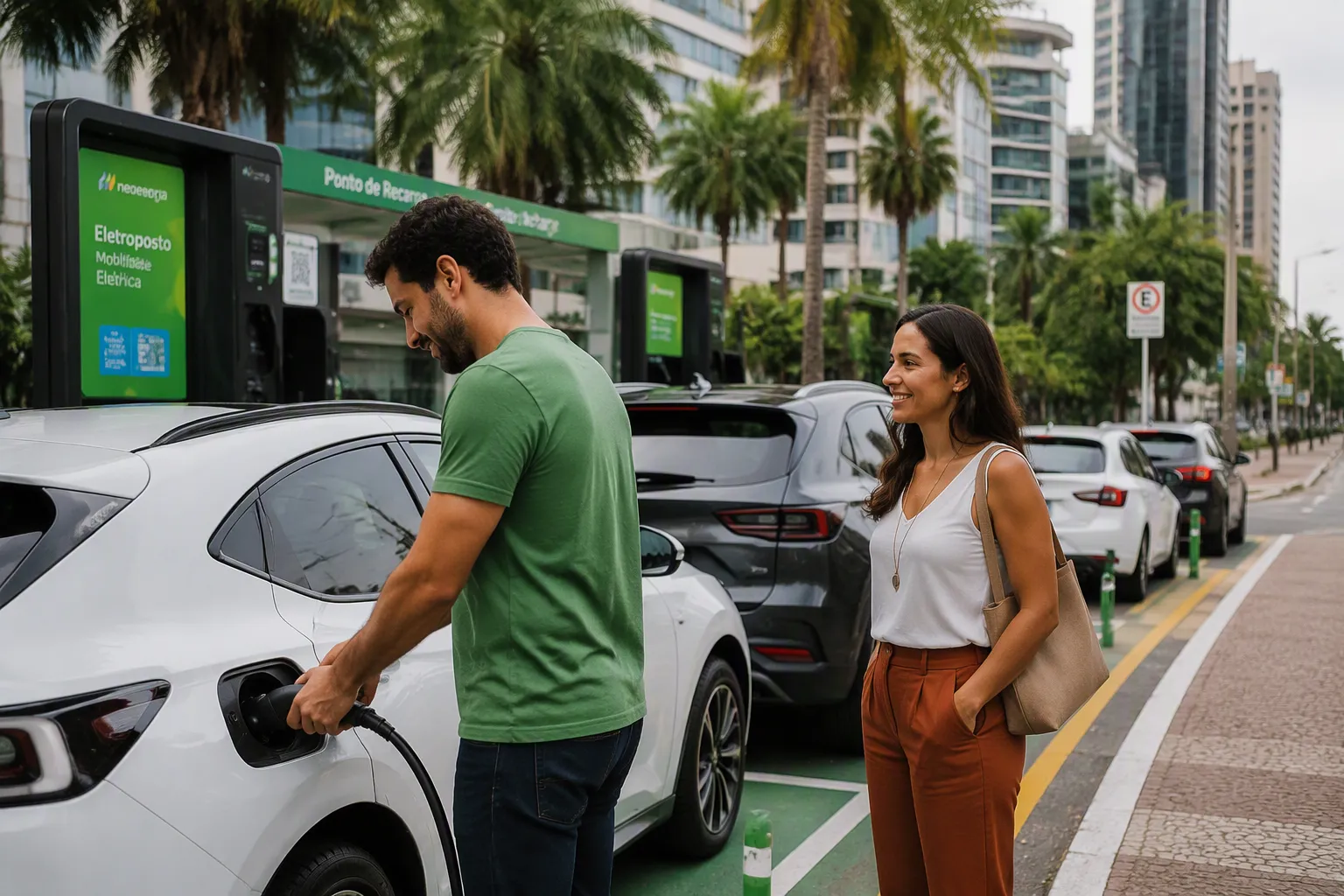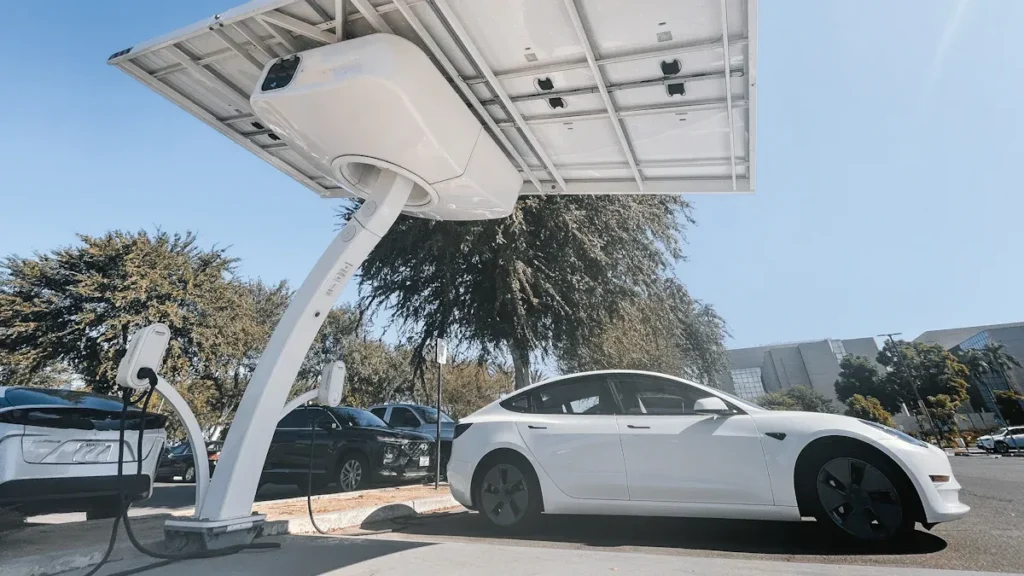

يتسارع التحول العالمي نحو المركبات الكهربائية. تتوقع الأبحاث أن تمثل السيارة الكهربائية أكثر من ثلثي مبيعات السيارات العالمية بحلول عام 2030. هذا الاعتماد السريع يتطلب رؤية جديدة لشحن المركبات الكهربائية. مستقبل نقاط شحن السيارات الكهربائية يتضمن شبكة ذكية من تقنيات الشحن المتقدمة. الشركات المصنعة لشاحن السيارة الكهربائية مثل TPSON تطور التكنولوجيا من أجل هذا المستقبل.
في المستقبل، سيصبح شحن المركبات الكهربائية نشاطًا تلقائيًا في الخلفية، وليس مهمة روتينية. ستجعل البنية التحتية للشحن تزويد المركبة الكهربائية بالطاقة أكثر ملاءمة من التوقف للتزود بالوقود. هذا التطور في تكنولوجيا الشحن يجعل السيارة الكهربائية جزءًا أساسيًا من مستقبلنا الكهربائي. ستكون شاحن السيارة الكهربائية في كل مكان. تجربة الشحن السلسة للمركبة الكهربائية هي الهدف.
ثورة السرعة: مستقبل نقاط شحن السيارات الكهربائية

يُحدد مستقبل نقاط شحن السيارات الكهربائية بهدفين متوازيين: جعل الشحن سريعًا بشكل مذهل وسهلًا تمامًا. تتجاوز ثورة السرعة هذه مجرد إضافة المزيد من أجهزة الشحن؛ فهي تعيد تصور التجربة بأكملها. تقوم شركات تصنيع شواحن المركبات الكهربائية المتقدمة مثل TPSON بتطوير تقنيات محطات الشحن التي ستقود هذا التحول. الهدف هو جعل تزويد المركبة الكهربائية بالطاقة ليس مجرد بديل للبنزين، بل تجربة متفوقة من كل النواحي.
محاور الشحن فائقة السرعة (UFC)
محور هذه الثورة هو مركز الشحن فائق السرعة (UFC). تم تصميم هذه المراكز لتقديم كميات هائلة من الطاقة بسرعة وموثوقية، مما يقلل بشكل كبير من الوقت الذي يقضيه سائق المركبة الكهربائية في الانتظار.
كسر حاجز 350 كيلوواط
شواحن اليوم السريعة مثيرة للإعجاب بالفعل، لكن الموجة التالية من تكنولوجيا الشحن السريع ستعيد تعريف السرعة. تقوم الشركات بتطوير بطاريات ليثيوم أيون جديدة قادرة على الوصول إلى شحن بنسبة 80% في ست دقائق أو أقل. هذا الابتكار في البطاريات، مقترنًا بهياكل كهربائية جديدة، يدفع بقوة الشحن إلى ما هو أبعد من المعيار الحالي البالغ 350 كيلوواط. حتى أن بعض المنصات تظهر قدرات شحن على مستوى الميجاوات.
الهدف هو إضافة مئات الأميال من المدى في الوقت الذي يستغرقه شراء فنجان قهوة. على سبيل المثال، ستسمح بعض الأنظمة للمركبة الكهربائية بإضافة مدى 100 ميل في خمس دقائق فقط، مما يجعل السفر لمسافات طويلة سلسًا.
الشحن بالميجاوات للأساطيل التجارية
بالنسبة للمركبات التجارية مثل الشاحنات والحافلات الكهربائية، الوقت هو المال. يتم تطوير أنظمة الشحن بالميجاوات (MCS) خصيصًا لهذه التطبيقات الثقيلة. ستتيح هذه التكنولوجيا للشاحنة الكهربائية إضافة مدى يقارب 250 ميلاً خلال استراحة السائق الإلزامية البالغة 30 دقيقة. يضمن هذا المستوى من الطاقة أن تحويل الأساطيل التجارية إلى الكهرباء يصبح مجديًا من الناحية التشغيلية والمالية، مع الحفاظ على استمرارية الخدمات اللوجستية دون تأخيرات طويلة في الشحن.
تصميم محطة الوقود المستقبلية
سيبدو مركز الشحن المستقبلي مختلفًا تمامًا عن محطة الوقود التقليدية. يتم تصميم هذه المواقع كمساحات نظيفة وعصرية وفعالة. تقوم الشركات الرائدة بالفعل ببناء هذه البنية التحتية المستقبلية.
| الشركة/الشراكة | المساهمة في شبكة الشحن المستقبلية |
|---|---|
| فاستنيد | بناء مراكز شحن كهربائية فائقة السرعة متعددة الممرات وقابلة للقيادة من خلالها، مزودة بشواحن قادرة على تقديم طاقة تصل إلى 400 كيلوواط. |
| Pivot Power | إنشاء مراكز طاقة فائقة كبيرة الحجم تتيح الشحن السريع الجماعي للمركبات الكهربائية, ، مدعومة بالطاقة المتجددة. |
| المصدر (TotalEnergies & SSE) | نشر آلاف نقاط الشحن عالية الطاقة في المراكز الحضرية، مدعومة بـ 100% طاقة متجددة. |
هذه المراكز هي جزء من توسع هائل في شبكة الشحن. تقوم مزودات مثل Rolec EV بنشر مئات نقاط الشحن في جميع أنحاء المملكة المتحدة، مقدمة مزيجًا من حلول الشحن السريع بالتيار المتردد والتيار المستمر السريع التي يمكنها خدمة ما يصل إلى أربع مركبات في وقت واحد. وهذا يضمن أن الشبكة تملك السرعة والسعة لدعم العدد المتزايد من المركبات الكهربائية.
بساطة ‘اشحن وانطلق’
بينما السرعة حاسمة، فإن الراحة القصوى تكمن في الأتمتة. بروتوكول ‘اشحن وانطلق’، المبني على المعيار الدولي ISO 15118, ، من شأنه أن يجعل عملية شحن المركبة الكهربائية ببساطة توصيل الهاتف الذكي.
دور ISO 15118
ينشئ ISO 15118 رابط اتصال آمنًا بين المركبة الكهربائية ومحطة الشحن. فكر فيه كمصافحة رقمية. عند توصيل مركبة كهربائية بمحطة متوافقة، تخبر السيارة الشاحن تلقائيًا من هي وأي حساب دفع تستخدمه. هذا المعيار هو العمود الفقري الذي يمكن عملية الشحن والفوترة الآلية بالكامل.
التخلص من التطبيقات وبطاقات RFID
مع ‘اشحن وانطلق’، يختفي التعقيد في الشحن العام. لم يعد السائق بحاجة إلى التعامل مع تطبيقات متعددة أو حمل محفظة مليئة ببطاقات RFID. يتم تبسيط العملية إلى خطوات بسيطة قليلة:
- التوصيل: يقوم السائق بتوصيل المركبة الكهربائية بمحطة الشحن.
- المصادقة: تتبادل المركبة والمحطة شهادات رقمية بشكل آمن للتحقق من هوية السيارة وعقد الدفع المرتبط بها.
- الشحن: تبدأ جلسة الشحن تلقائيًا.
- فصل القابس: تتم معالجة الفاتورة في الخلفية، ويمكن للسائق ببساطة فصل القابس والمغادرة.
تتيح هذه التكنولوجيا للمركبة الكهربائية العمل كمحفظة رقمية، تربط السيارة مباشرة بحساب فوترة شخصي أو مؤسسي وتجعل تجربة الشحن العام سهلة.
الأمان في المدفوعات الآلية
تتطلب أتمتة المدفوعات أمانًا قويًا لحماية بيانات المستخدم ومنع الاحتيال. يتضمن بروتوكول ‘اشحن وانطلق’ طبقات متعددة من الأمان لضمان سلامة كل معاملة. تشمل ميزات الأمان الرئيسية:
- البنية التحتية للمفاتيح العامة (PKI): تدير هذه النظام وتحقق من الشهادات الرقمية في الوقت الفعلي، مما يضمن أن المركبات المصرح لها فقط يمكنها الاتصال بالمحطات.
- تشفير أمان طبقة النقل (TLS): يتم تشفير جميع الاتصالات بين المركبة الكهربائية ومحطة الشحن، مما يمنع أي شخص من التنصت أو العبث بالمعلومات الشخصية أو معلومات الدفع.
- الشبكات الآمنة: تُستخدم الشبكات الخاصة وشبكات VPN لتوجيه حركة المرور بشكل آمن, ، بينما يرصد المراقبة المستمرة أي نشاط مشبوه ويمنعه.
تعمل هذه الإجراءات معًا لإنشاء نظام دفع آلي آمن وموثوق، مما يمنح سائقي المركبات الكهربائية راحة البال بينما يستمتعون براحة الشحن السلس.
لاسلكي وآلي: البنية التحتية الجديدة للشحن
إلى جانب السرعة الخام، فإن الحد التالي لشحن المركبات الكهربائية هو الأتمتة الكاملة. الهدف هو إخراج السائق من العملية تمامًا، وتحويل الشحن من فعل واعٍ إلى حدث سلبي في الخلفية. يعتمد هذا التطور على new charging infrastructure built on wireless power and robotic precision. Emerging technologies are paving the way for a future where an electric vehicle refuels itself without a human ever touching a cable.
The Magic of Wireless (Inductive) Charging
Wireless, or inductive, charging uses magnetic fields to transfer energy between a pad on the ground and a receiver on the bottom of an EV. This technology eliminates the need for physical cables, offering the ultimate convenience. Technologically advanced providers like TPSON are exploring these charging solutions to create a truly seamless experience. The EV simply parks over a designated spot, and the charging process begins automatically.
Static Wireless Charging at Home
For the daily driver, static wireless charging represents a paradigm shift in convenience. Imagine pulling into your garage and having your EV begin charging immediately, with no plugs to manage. This “park and forget” model is rapidly becoming a reality.
- Current systems already achieve impressive grid-to-battery efficiency levels between 90% and 95%, nearly on par with traditional wired charging.
- Power output for home systems typically ranges from 3.2 kW to 11 kW, perfect for overnight charging that ensures a full battery every morning.
- Automakers like BMW and Hyundai are already integrating this capability into select models, signaling a clear industry trend.
This innovation makes home EV charging an invisible part of a daily routine.
Public Wireless Charging Lots
The same static technology is being deployed in public and commercial settings. Pilot programs are testing wireless charging stations for public use, particularly for vehicle fleets with predictable routes and dwell times. A key example is the WiCET project in Nottingham, which installed wireless charging pads for electric taxis at a busy station rank. This allows the taxis to top up their batteries between fares without the driver needing to leave the vehicle or handle a cable, maximizing uptime and efficiency. Companies like InductEV are pushing this further, offering high-power wireless systems capable of charging buses and heavy-duty vehicles at up to 450 kW.
Dynamic Charging on Electric Roads
The most ambitious form of wireless charging is dynamic wireless power transfer (DWPT), which embeds charging coils directly into the road surface. This technology allows an electric vehicle to charge while it is in motion, effectively granting it a nearly unlimited range on equipped highways. While it sounds like science fiction, this innovation is already being tested worldwide.
Successful pilot programs are demonstrating the viability of electric roads. In Gotland, Sweden, a 40-tonne truck was powered wirelessly along a test section of road. Similarly, a project in Tel Aviv, Israel, is using this technology to charge public buses dynamically along a 2km route.
These projects, along with research initiatives like the Dynacov project assessing the grid impact of DWPT, are laying the groundwork for an infrastructure that could one day eliminate range anxiety completely for long-haul journeys.
Innovations in Automated EV Charging
Alongside wireless methods, other automated charging technologies are emerging to serve specific needs, especially for the growing number of autonomous vehicles and commercial fleets.
Robotic Charging Arms for Autonomous Fleets
For self-driving electric vehicle fleets, human-operated charging stations are a logistical bottleneck. Robotic charging arms solve this problem. An autonomous EV can navigate to a designated charging bay, where a robotic arm identifies the vehicle’s charge port and automatically plugs in the connector. This allows an entire fleet of vehicles to manage its charging schedule without any human operators. The process is fully automated: the EV drives itself to the charging station, gets charged, and returns to service autonomously. This technology is crucial for the operational efficiency of future robotaxi services and automated logistics.
Battery Swapping Stations
An alternative to waiting for a battery to charge is to swap it for a fully charged one. Battery swapping stations are automated facilities that can replace a depleted EV battery with a fresh one in just a few minutes—a time comparable to refueling a conventional car. This model offers distinct advantages and disadvantages compared to fast charging.
| الميزة | الشحن السريع | Battery Swapping |
|---|---|---|
| الإيجابيات | Widely available; growing infrastructure; flexible for many EV models. | Extremely fast (under 5 minutes); eliminates range anxiety; can extend battery life. |
| السلبيات | Can accelerate battery degradation; still takes longer than a gas fill-up. | Requires expensive, specialized stations; lack of battery standardization is a major hurdle. |
While the lack of standardized battery packs has slowed adoption for personal cars, swapping is an ideal solution for commercial fleets, ride-sharing services, and other high-utilization scenarios where minimizing downtime is critical.
Mobile Charging-as-a-Service
What happens when an EV runs out of power far from a station? Mobile charging-as-a-service provides the answer. This concept involves deploying mobile charging units—essentially batteries on wheels—that can be dispatched to a stranded EV. A driver could request a charge through an app, and a service vehicle would arrive to provide enough energy to get the EV to the nearest fixed charging station. This on-demand service acts as a roadside assistance program for the electric era, providing a crucial safety net that builds driver confidence and makes EV ownership more practical, even in areas with less developed charging infrastructure.
Ambient Power: Integrating Electric Vehicle Charging into Daily Life
The future of electric vehicle charging is not just about speed; it is about ubiquity. The next evolution will see charging infrastructure seamlessly woven into the fabric of our daily lives. This concept of “ambient power” means an EV will recharge wherever it spends time—at home, at work, or while shopping. The goal is to make charging an effortless background process, powered by smart technology that optimizes cost, convenience, and sustainability.
The Evolution of Smart Home Charging
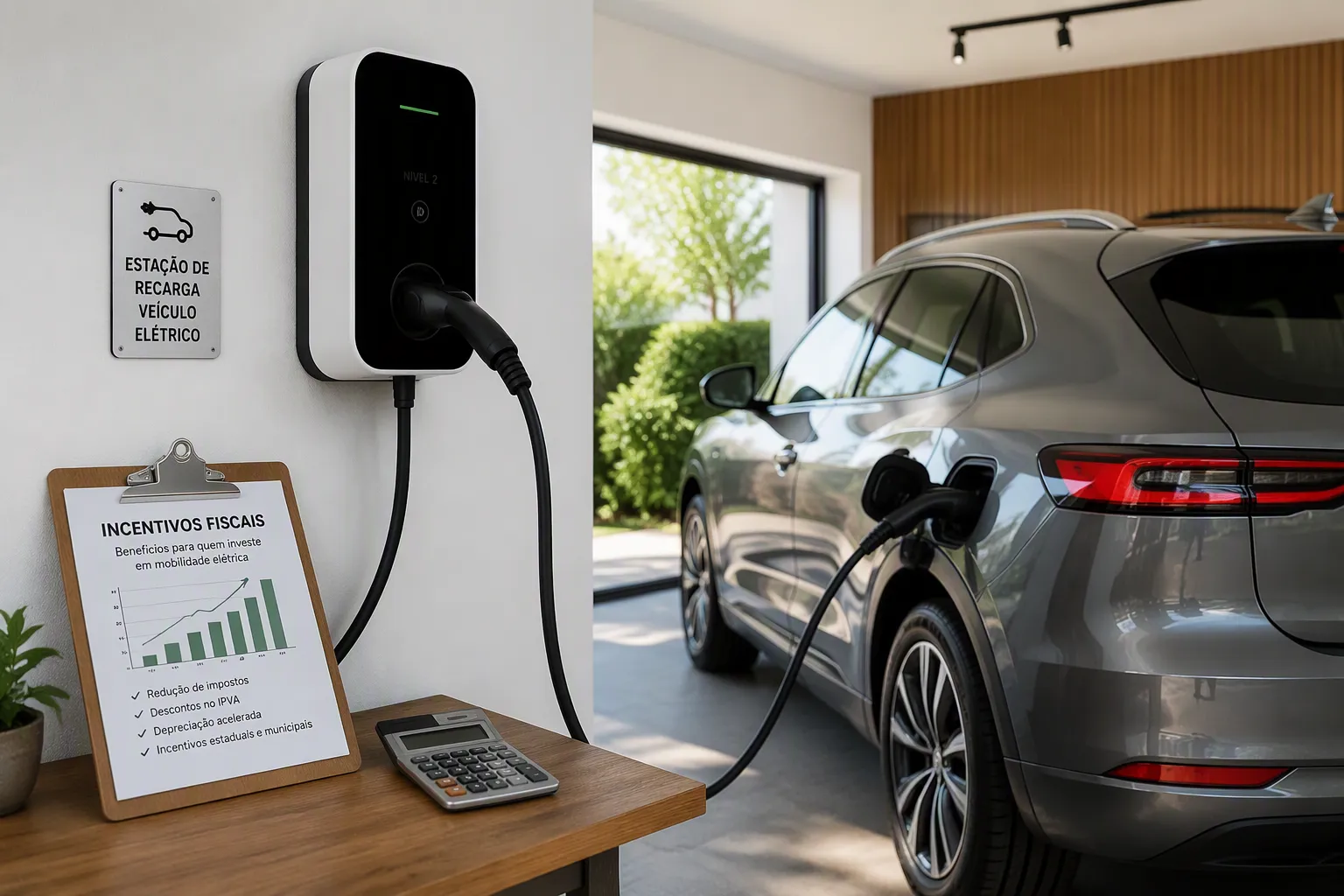
The home remains the primary charging location for most EV owners. حلول الشحن الذكي are transforming the garage into an intelligent energy hub, making the entire process more efficient and cost-effective. Technologically advanced providers like TPSON are developing the smart charging solutions that power this evolution.
Intelligent Off-Peak Rate Scheduling
Modern smart chargers are internet-connected devices. They enable an EV owner to schedule charging sessions to take advantage of lower, off-peak electricity rates. This simple automation significantly reduces the cost of running an electric vehicle. Users can monitor the charging status in real-time through an app, ensuring their EV is ready when they need it without paying premium energy prices.
Vehicle-to-Home (V2H) for Power Outages
An EV is essentially a large battery on wheels. Vehicle-to-Home (V2H) technology unlocks this potential, allowing an electric vehicle to act as a backup power source for a house during a grid failure. This capability provides homeowners with a new level of energy independence and resilience, ensuring critical appliances remain operational during an outage.
Integration with Home Solar Systems
Combining home EV charging with a solar panel system creates a powerful, self-sufficient energy ecosystem. This integration offers several key advantages for the EV owner:
- كفاءة التكلفة: Generating your own electric power for your EV drastically cuts down on utility bills and protects against future rate increases.
- استقلالية الطاقة: A solar and battery storage setup allows an EV to charge even during a power outage, ensuring a consistent energy supply.
- الأثر البيئي: Powering an EV with solar energy creates a truly zero-emission transportation cycle, reducing reliance on grid power often generated from fossil fuels.
Charging Where You Park
For charging to become truly ambient, it must be available everywhere people park their vehicles for extended periods. This means expanding the infrastructure beyond the home and dedicated fast-charging stations.
Workplace Charging as a Standard Perk
Workplace charging is becoming an essential employee benefit. It offers a convenient way for commuters to top up their EV during the workday. Companies that install charging points find it helps attract and retain talent while supporting corporate sustainability goals. This infrastructure ensures employees can start their journey home with a full battery.
الشحن بالتجزئة وشحن الوجهة
Retail locations are rapidly becoming key charging hubs. Supermarkets and shopping parks are installing charging stations to attract EV drivers and encourage them to spend more time on-site.
In the UK, supermarkets added over 1,000 new charge points in just over a year, with many of these being rapid or ultra-rapid stations. These destination charging solutions make it easy for an EV driver to add range while running errands.
This strategy future-proofs retail spaces and provides a vital service for the growing number of EV drivers.
Lamppost and Curbside Charging Solutions
A major challenge for EV adoption in cities is the lack of private parking. Innovative charging solutions are addressing this by retrofitting existing urban infrastructure. Cities are deploying charging points integrated into lampposts and curbside cabinets. These on-street stations provide accessible and convenient overnight charging options for residents in apartments and terraced houses, making EV ownership a practical choice for everyone.
The Smart Grid: Intelligently Powering Every Electric Vehicle

A future filled with millions of electric vehicles requires more than just charging stations; it demands a smarter energy grid. The smart grid is an intelligent, responsive electrical network that manages the immense power demands of a fully electric fleet. This innovation transforms each electric vehicle from a simple energy consumer into an active participant in a balanced, efficient, and sustainable energy ecosystem. This smart infrastructure is essential for a sustainable future.
AI’s Role in Grid Management
Artificial Intelligence (AI) is the brain behind the smart grid. It uses advanced algorithms to process vast amounts of data, optimizing how and when every EV gets its charge. This management ensures the grid remains stable and efficient.
AI for Demand Prediction
AI excels at forecasting energy needs. It analyzes historical data, weather patterns, and even local events to predict when and where drivers will need EV charging. This foresight allows grid operators to prepare for demand spikes. Different AI models perform specific functions to achieve this accuracy.
| نوع الخوارزمية | Primary Function |
|---|---|
| Machine Learning Models | Refine prediction accuracy using factors like temperature and public holidays. |
| Clustering Algorithms | Segment users into groups based on charging behaviors and energy use. |
| Neural Networks | Process complex variables like weather and tariffs for efficient charging strategies. |
| Reinforcement Learning Models | Continuously improve charging decisions by learning from past outcomes. |
| Demand Forecasting Models | Anticipate peak charging periods by analyzing traffic and regional events. |
| Energy Price Prediction Algorithms | Identify optimal charging windows when electricity costs are lowest. |
Optimizing Charger Uptime
For commercial fleets and public charging networks, reliability is paramount. AI-powered platforms monitor the health of charging stations in real-time. They can predict maintenance needs before a failure occurs, dispatch technicians, and intelligently reroute vehicles to operational stations. This proactive management maximizes uptime and ensures the charging network is always available.
توصيات الشحن المخصصة
AI-driven smart charging solutions deliver direct benefits to EV owners. Smart apps can analyze an individual’s driving habits, utility tariffs, and real-time grid carbon intensity. The system then recommends the cheapest and greenest times for charging an EV. This technology turns charging into an automated, cost-saving process for every electric vehicle owner.
تقنية تحويل المركبة إلى شبكة (V2G)
Vehicle-to-Grid (V2G) technology transforms an EV into a mobile energy storage unit. This allows the electric vehicle to not only draw power from the grid but also sell stored energy back to it during peak demand. This capability is a cornerstone of future grid stability.
How V2G Stabilizes the Power Grid
V2G helps balance energy supply and demand. During times of high energy production from renewables, a fleet of connected EVs can absorb and store the excess power. When demand exceeds supply, these same EVs can discharge energy back to the grid, preventing blackouts. Projects in cities like Utrecht, Netherlands, و Gothenburg, Sweden, are already demonstrating how V2G-connected vehicles provide essential flexibility services to stabilize local power grids.
Earning Money by Selling Power Back
Participating in V2G programs creates a new revenue stream for EV owners. By allowing their EV to support the grid, drivers can earn significant financial rewards.
- Energy providers like Octopus Energy estimate that V2G drivers could save up to £880 per year.
- Projections suggest that by 2040, selling power back could generate hundreds of pounds in annual revenue per EV.
This turns an EV from a transportation expense into an active financial asset.
The Tech Behind Bidirectional Charging
V2G is made possible by bidirectional charging technology. Unlike standard chargers, bidirectional stations allow electricity to flow in two directions: from the grid to the EV and from the EV back to the grid. A smart management system, often integrated by providers like TPSON, controls this two-way flow, balancing the needs of the driver with the demands of the grid.
A Sustainable Charging Ecosystem
The ultimate goal is a completely green transportation cycle. This requires powering the electric vehicle charging infrastructure with renewable energy and ensuring the entire process supports long-term sustainability.
Solar-Powered Charging Canopies
Many new charging hubs are being built with large solar canopies. These structures not only provide shelter for vehicles but also generate clean electricity on-site. This reduces the station’s reliance on grid power and ensures that the energy used for EV charging is 100% renewable, especially during sunny days.
Pairing Wind Power with Charging Demand
Forward-thinking companies are now directly connecting wind turbines to EV charging stations. This approach provides a powerful source of renewable energy, particularly overnight when wind generation is often high and many EVs are plugged in for charging. This direct pairing can dramatically lower charging costs and reduce the carbon footprint of the electric mobility network.
ضمان دورة نقل خضراء
الاستدامة الحقيقية تتجاوز مجرد مصدر الطاقة. فهي تشمل دورة الحياة الكاملة للمركبة الكهربائية ومكوناتها. وهذا يشمل تطوير بطاقات بمواد أقل ضررًا، وإنشاء سلاسل توريد أخلاقية، ووضع برامج إعادة تدوير قوية يمكنها استعادة ما يصل إلى 90% من مواد البطارية. هذا التركيز على الاقتصاد الدائري يضمن أن التحول نحو التنقل المستدام يفيد الكوكب من التصنيع حتى نهاية العمر الافتراضي.
مستقبل نقاط شحن السيارات الكهربائية تمثل تحولًا جوهريًا في الانتقال إلى المركبات الكهربائية. تصبح عملية شحن المركبة الكهربائية نشاطًا تلقائيًا غير مرئي. هذه البنية التحتية الذكية المستقبلية، وهي شبكة سلسة من خيارات الشحن، تجعل امتلاك مركبة كهربائية أكثر ملاءمة من سيارة البنزين. التقنية وراء هذه الشبكة الذكية تحول كل مركبة كهربائية. لم تعد المركبة الكهربائية مجرد وسيلة للسفر؛ فكل مركبة كهربائية تصبح جزءًا فاعلاً في شبكة كهربائية أنظف. مستقبل نقاط شحن السيارات الكهربائية يضمن هذه التجربة المتكاملة للشحن لجميع المركبات الكهربائية. هذا هو مستقبل شحن المركبات الكهربائية لكل مركبة، مما يجعل كل مركبة كهربائية مركبة ذكية.
الأسئلة الشائعة
كيف سيساعد الشحن الذكي مالك المركبة الكهربائية؟
يسمح الشحن الذكي للمركبة الكهربائية بالشحن تلقائيًا خلال ساعات الذروة المنخفضة. هذه العملية الذكية تخفض تكاليف الكهرباء لمالك المركبة الكهربائية. يتيح تطبيق ذكي لسائق المركبة الكهربائية مراقبة جلسة الشحن، مما يضمن أن المركبة الكهربائية دائمًا جاهزة. وهذا يجعل شحن السيارات الكهربائية الشحن أكثر تحملاً للتكلفة لكل مركبة كهربائية.
ما الفائدة الرئيسية للشحن اللاسلكي للمركبات الكهربائية؟
يقدم الشحن اللاسلكي للمركبات الكهربائية أقصى درجات الراحة. يقوم سائق المركبة الكهربائية ببساطة بركن المركبة فوق لوح شحن. تبدأ المركبة الكهربائية الشحن تلقائيًا دون أي كابلات. هذه التقنية تجعل الشحن اليومي للمركبة الكهربائية نشاطًا خلفيًا سلسًا لمالكها. تكون المركبة الكهربائية دائمًا مستعدة.
هل ستكون محطات الشحن أسرع في المستقبل؟
نعم، يشمل مستقبل شحن المركبات الكهربائية محطات أسرع بكثير. ستضيف محطات الشحن فائقة السرعة الجديدة مئات الأميال من المدى في دقائق. كما يجري تطوير محطات شحن بالميغاواط لأساطيل المركبات الكهربائية التجارية. ستقلل هذه المحطات أوقات الانتظار بشكل كبير لكل مركبة كهربائية.
ما هي تقنية التحويل من مركبة إلى شبكة (V2G)؟
تسمح تقنية المركبة إلى الشبكة (V2G) للمركبة الكهربائية بإعادة الطاقة إلى الشبكة. هذه القدرة الذكية تساعد على استقرار شبكة الطاقة خلال أوقات الذروة. يمكن لمالك المركبة الكهربائية كسب المال بالمشاركة. وهذا يحول كل مركبة كهربائية إلى أصل طاقة متنقل. تدعم المركبة الكهربائية الشبكة الذكية بأكملها.
كيف تشحن المركبة الكهربائية بدون ممر خاص؟
تقوم المدن بتركيب محطات شحن جديدة في الشوارع. توفر محطات الشحن في أعمدة الإنارة وعلى الأرصفة طاقة سهلة الوصول للمركبة الكهربائية. تضمن هذه الشبكة المتنامية أن كل مالك مركبة كهربائية، بما في ذلك سكان الشقق، لديه مكان موثوق لشحن مركبته. يمكن للمركبة الكهربائية الشحن خلال الليل.
هل أنظمة الدفع الآلية لشحن المركبات الكهربائية آمنة؟
نعم، أنظمة مثل ‘التوصيل والشحن’ تستخدم أمانًا قويًا. تتواصل المركبة الكهربائية مع محطات الشحن عبر اتصال مشفر. وهذا يحمي معلومات الدفع للمركبة الكهربائية. العملية الآلية في محطات الشحن آمنة لكل سائق مركبة كهربائية. هذه الشبكة الذكية آمنة.
لماذا تعتبر شبكة الشحن الذكية مهمة للتحول إلى المركبات الكهربائية؟
شبكة الشحن الذكية ضرورية لإدارة الطلب على الطاقة من ملايين المركبات الكهربائية. تستخدم الذكاء الاصطناعي لتحسين جداول شحن المركبات الكهربائية عبر جميع المحطات. وهذا يضمن بقاء الشبكة مستقرة وفعالة مع تحول المزيد من السائقين إلى المركبات الكهربائية. تصبح المركبة الكهربائية جزءًا من الحل.