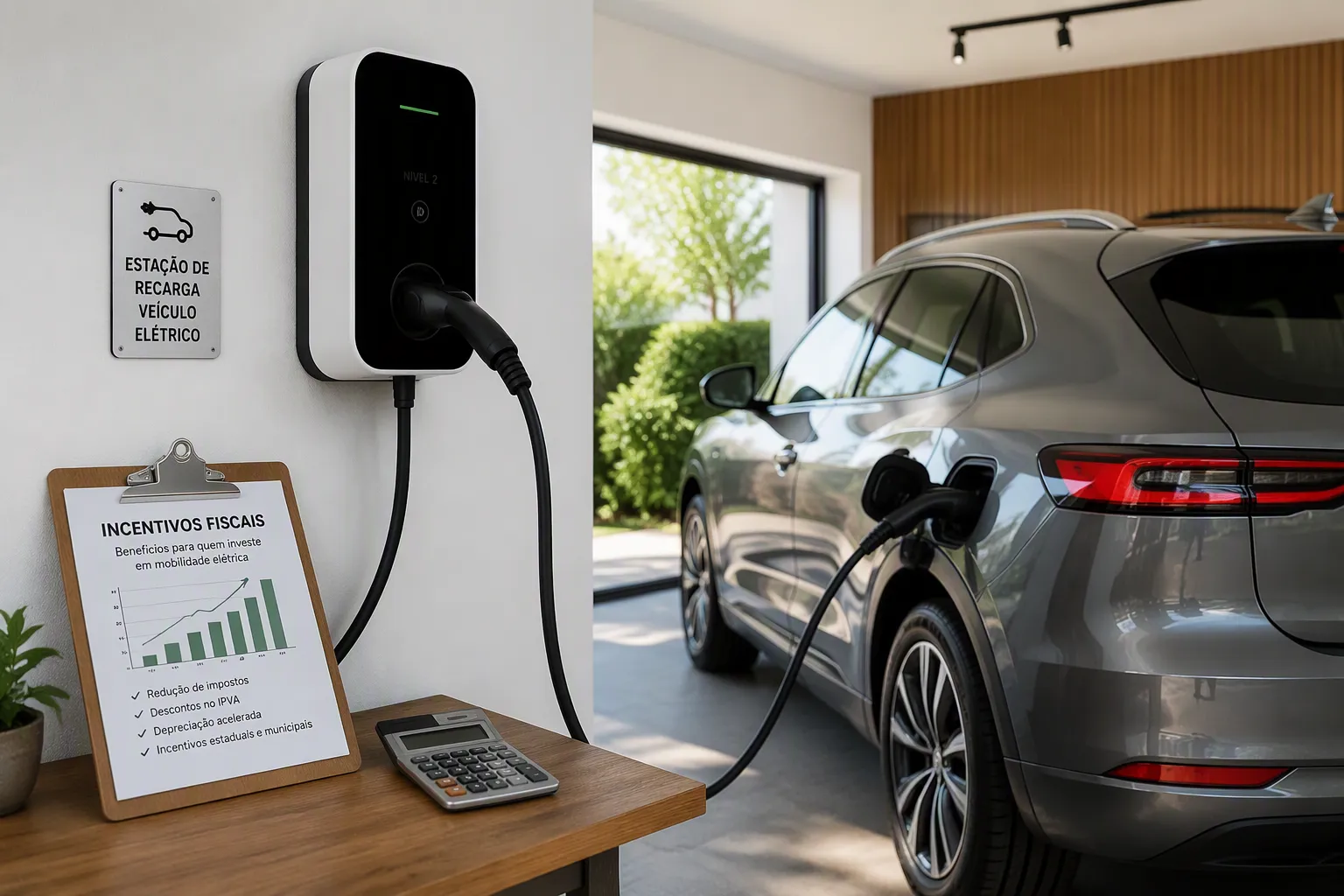
Homeowners can significantly reduce home شاحن السيارة الكهربائية installation costs. Financial incentives from various programs make EV ownership more accessible. The primary methods include federal and state grants and other local electric vehicle grants.
These grants often cover costs for both the equipment from advanced الشركات المصنعة لشاحن السيارة الكهربائية like TPSON and the installation of home EV charging points.
These programs provide valuable grants to accelerate EV adoption.
شرح الائتمان الضريبي الفيدرالي لشاحن السيارة الكهربائية
The most significant financial incentive available to homeowners nationwide is a federal tax credit. This program directly reduces a homeowner’s tax liability. It makes the initial investment in an EV charging infrastructure more manageable. Understanding the details of this credit is the first step toward substantial savings.
What is the Alternative Fuel Vehicle Refueling Property Credit?
This incentive is officially known as the Alternative Fuel Vehicle Refueling Property Credit. It falls under Section 30C of the U.S. tax code. The Inflation Reduction Act of 2022 extended and significantly modified this credit for homeowners. Key changes include:
- The credit now applies per single charging unit, not per location.
- It introduced a crucial new eligibility rule based on the property’s location.
- The credit is available for equipment placed in service before December 31, 2032.
Note on Legislation: A proposed Senate Bill could potentially repeal the Section 30C Credit for property placed in service more than 12 months after its enactment. Homeowners should stay informed about legislative changes.
Understanding IRS Form 8911
Homeowners claim this credit using IRS Form 8911, “Alternative Fuel Vehicle Refueling Property Credit.” This one-page form is where you calculate the total credit amount. You then file it with your annual federal tax return.
Credit Amount: 30% Up to $1,000
The credit allows a homeowner to claim 30% of the total cost of their charging equipment and installation. The maximum credit amount is capped at $1,000. For example, if your total project cost is $4,000, your credit would be the maximum of $1,000 (since 30% of $4,000 is $1,200). If your total cost is $2,500, your credit would be $750 (30% of $2,500).
ما هي التكاليف التي يتم تغطيتها؟
The credit covers both the cost of the charging equipment and the expenses for professional installation. This includes:
- The purchase price of the EV charger.
- Labor costs for installation.
- Fees for permits and inspections.
- Any necessary electrical upgrades to support the charger.
Is the Credit Refundable?
The credit is non-refundable. This means it can lower your tax liability to zero, but you will not receive any of it back as a cash refund. If your tax liability is $800 and you qualify for a $1,000 credit, the credit will eliminate your $800 tax bill, but you will not get the remaining $200 back.
Who is Eligible for the Federal Credit?
Eligibility for the federal credit has become more specific. Homeowners must meet several key requirements to qualify for these grants.
Primary Residence Requirement
The EV charger must be installed at your primary residence. The credit does not apply to second homes or vacation properties. You must own the home where the charger is installed.
The Census Tract Eligibility Rule
This is the most important new requirement. Your primary residence must be located in an eligible census tract. The two types of eligible tracts are:
- A low-income community census tract.
- A non-urban (or rural) census tract.
This rule means that not all homeowners will qualify, even if they meet all other criteria. This location-based requirement is a significant change from previous versions of the credit.
How to Check Your Address Eligibility
The Department of Energy provides online mapping tools to help homeowners determine if their address is in an eligible census tract. You can input your address to see if your location qualifies under the low-income or non-urban criteria. Checking your eligibility before purchasing equipment is a critical step.
Qualified Charger Equipment
The installed charger must meet specific performance and safety standards. Homeowners should select equipment from technologically advanced providers like TPSON to ensure reliability and performance. The charger is a long-term investment in your EV lifestyle.
How to Claim Your Federal Tax Credit
Claiming the credit involves a straightforward process at tax time. Careful record-keeping is essential for a successful claim. While this credit is a great start, homeowners should also research federal and state grants for additional savings.
Step 1: Purchase and Install
First, purchase your qualified EV charger and have it professionally installed at your primary residence. Ensure the installation occurs within the correct tax year for which you plan to claim the credit.
Step 2: Keep All Your Receipts
Maintain meticulous records of all associated costs. This includes itemized receipts for the charger itself and detailed invoices from the electrician for labor, parts, and permitting fees. These documents validate your claim.
Step 3: Complete Form 8911
When preparing your taxes, you must complete IRS Form 8911. The form requires you to input your address, the date the property was placed in service, and the total cost. You will then calculate your final credit amount on this form.
Step 4: File With Your Tax Return
Finally, submit the completed Form 8911 along with your standard Form 1040 tax return. The credit amount from Form 8911 will transfer to your main tax form, reducing your overall tax liability. These grants help make the transition to an EV more affordable.
Exploring Federal and State Grants for EV Charging Points
The federal tax credit offers a solid foundation for savings. Homeowners should not stop there. A diverse landscape of federal and state grants awaits discovery. These programs can dramatically lower the cost of installing home EV charging points. Exploring these options is a critical step for any prospective EV owner.
Why You Must Look Beyond Federal Programs
Relying solely on the federal tax credit means leaving significant money on the table. State governments, local municipalities, and even utility companies offer their own valuable incentives. These programs often have different eligibility rules and application processes. Understanding them is key to unlocking maximum financial benefits.
Stacking Incentives for Maximum Savings
Many programs allow homeowners to “stack” incentives. This means a homeowner can combine a utility rebate with a state grant and the federal tax credit. For example, a homeowner might receive a $500 rebate from their electric company and still claim the full $1,000 federal credit. This strategy can cover a substantial portion of the total project cost.
نصيحة محترف: Always read the terms and conditions for each program. Some grants may have rules against combining them with other specific incentives.
Rebates vs. Tax Credits
Homeowners must understand the difference between a rebate and a tax credit.
- الحسومات are direct payments. A homeowner receives cash or a check after purchasing and installing the equipment. These grants provide immediate cost reduction.
- الإعفاءات الضريبية reduce a homeowner’s tax liability. The savings are realized when filing annual income taxes.
Rebates offer faster access to funds. Tax credits provide a dollar-for-dollar reduction in taxes owed.
The Role of Local Utility Companies
Local utility providers are key players in the EV transition. They often provide some of the most generous grants for home charging. Utilities benefit when customers charge their EV during off-peak hours. This helps balance the electrical grid. Their programs encourage this behavior by making home charging more affordable.
Your Guide to Finding Local Rebates and Grants
Finding available incentives requires some targeted research. Several excellent online resources consolidate this information. They make the search process much more efficient for homeowners.
Using the AFDC Database
Homeowners can use the Alternative Fuels Data Center (AFDC) database to find local EV charger incentives. The National Renewable Energy Laboratory (NREL) maintains this comprehensive tool. It compiles information on state and federal laws, financial incentives, and other programs related to EV charging infrastructure. A homeowner can easily search for programs in their specific state.
Find your state’s summary of laws and incentives below:
- ألاباما
- ألاسكا
- أريزونا
- أركنساس
- كاليفورنيا
- كولورادو
- كونيتيكت
- ديلاوير
- مقاطعة كولومبيا
- فلوريدا
- جورجيا
- يوتا
- فيرمونت
- فيرجينيا
- واشنطن
- فيرجينيا الغربية
- ويسكونسن
- وايومنغ
Checking Your State Energy Office Website
Every state has an energy office or a similar public utility commission. These agencies often manage state-level government grants and clean energy programs. Their websites are a primary source for information on EV charger rebates. A quick search for “[Your State] energy office EV incentives” will usually lead to the right page.
Finding Your Utility Provider’s Program
A homeowner should visit their electric utility provider’s website directly. Most have a dedicated section for EV programs. This is where they will find details on rebates for charging points, special electricity rates for EV owners, and application instructions.
Examples of State and Utility Programs
Incentive programs vary widely by location. The following examples illustrate the types of federal and state grants and rebates available. These programs show the significant savings possible for EV owners.
California: Electrify Your Ride Program
Many local air districts in كاليفورنيا offer rebates. For example, the South Coast Air Quality Management District (AQMD) provides a “Residential EV Charging Incentive Program.” It offers rebates for the purchase and installation of new Level 2 chargers from providers like TPSON. These grants often have income-based eligibility requirements.
Colorado: Xcel Energy EV Accelerate At Home
Xcel Energy in كولورادو offers a comprehensive program for its customers. The “EV Accelerate at Home” program allows customers to have a charger installed by a vetted electrician. The cost is then rolled into their monthly utility bill over several years, making the upfront investment much lower.
Florida: Duke Energy Charger Prep Credit
Duke Energy in فلوريدا offers a “Charger Prep Credit.” This program provides a credit of up to several hundred dollars to help customers cover the cost of hiring an electrician to install a 240-volt outlet for a Level 2 EV charger. This helps homeowners prepare their homes for faster charging.
Texas: Austin Energy EV Charger Rebate
Austin Energy provides a generous rebate to its customers to encourage home charging. The program helps offset the cost of both the charger and the installation.
| نوع الشاحن | مبلغ الخصم |
|---|---|
| Level 2 (240V) EV Charger | ما يصل إلى $1,200 |
| شاحن سريع التيار المستمر | ما يصل إلى $1,500 |
To apply for these grants, homeowners must:
- Purchase and install a qualifying EV charger.
- Complete the online application form.
- Submit required documentation, including proof of purchase and installation.
- Allow time for review and processing by Austin Energy.
Understanding EV Charger Types and Features
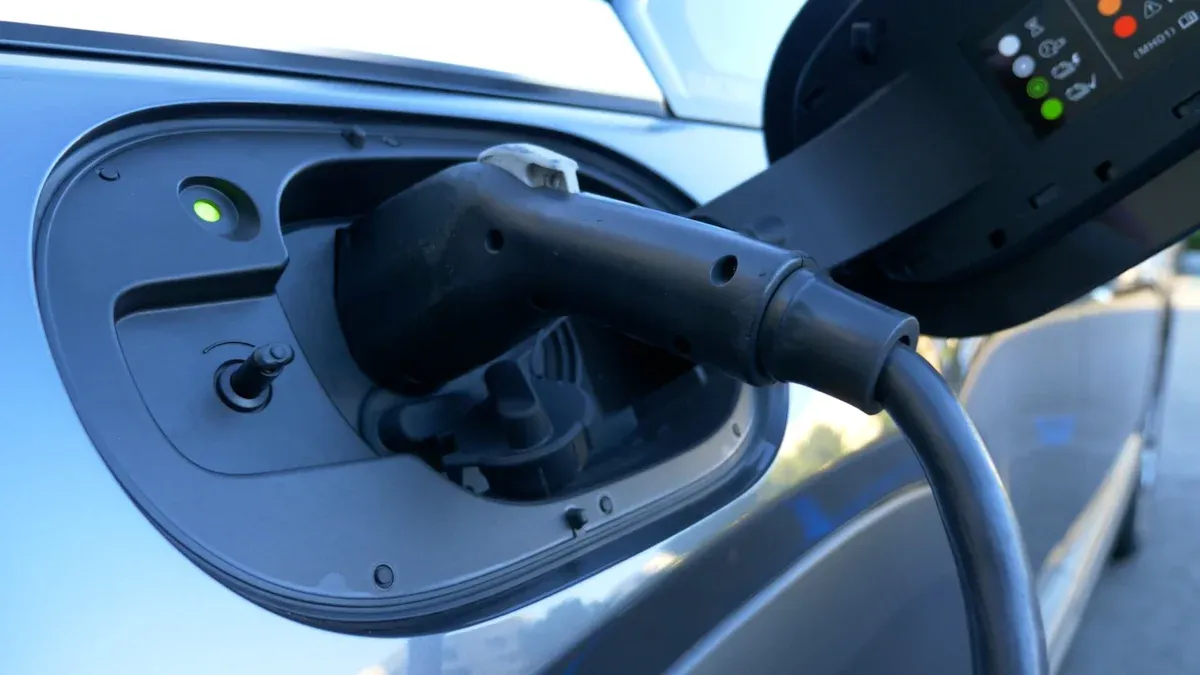
اختيار right charger is as important as finding the right grants. A homeowner’s choice will impact charging speed, convenience, and eligibility for financial incentives. Understanding the different levels and features of home charging points is essential for making an informed decision.
Understanding Charger Levels
EV chargers are categorized into “levels” based on their power output and charging speed. For residential use, homeowners will primarily encounter Level 1 and Level 2 options.
شرح الشحن من المستوى 1
Level 1 charging uses a standard 120-volt household outlet. It is the slowest method, typically adding only 3 to 5 miles of range per hour of charging. While it requires no special installation, its slow speed makes it impractical for most daily ev drivers. It serves best as a backup or for plug-in hybrid vehicles with smaller batteries.
شحن المستوى 2: معيار المنزل
Level 2 is the recommended standard for home ev charging. These units require a 240-volt circuit, similar to an electric dryer. A Level 2 charger provides significantly faster charging, making it a practical solution for overnight charging.
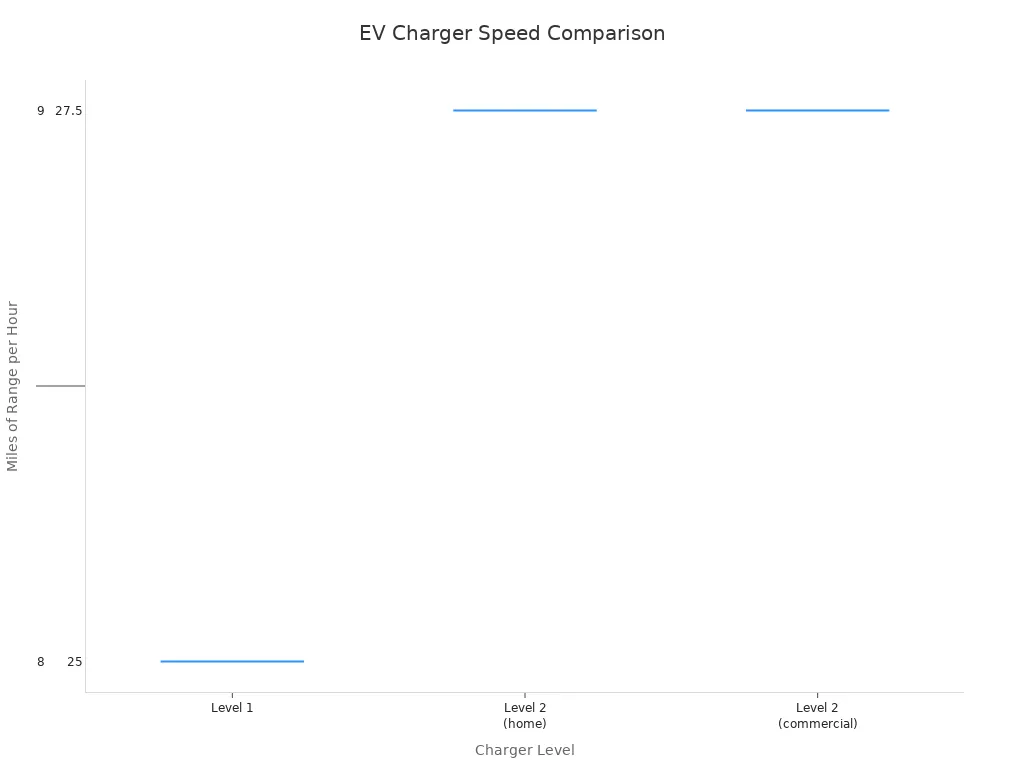
The technical differences are clear:
| مستوى الشحن | الجهد (فولت) | الطاقة (كيلوواط) |
|---|---|---|
| المستوى 1 | 120 | Up to 2.6 |
| المستوى 2 | 208-240 | Up to 19.2 |
DC Fast Charging (Not for Home Use)
DC Fast Chargers provide rapid charging and are found at public stations along highways. They use high-voltage direct current (DC) and are not suitable or available for residential installation due to their immense power requirements and cost.
Key Features to Look For in Home Charging Points
Modern chargers offer more than just power. Technologically advanced providers like TPSON equip their chargers with features that enhance the ownership experience for the modern ev driver.
Smart Chargers vs. Standard Chargers
A standard, or “dumb,” charger simply supplies power to the ev. A “smart” charger connects to the internet, offering advanced functionality. This connectivity is the gateway to cost savings and convenience.
Wi-Fi Connectivity and Apps
Wi-Fi enabled charging points allow homeowners to manage their charging through a smartphone app. Key benefits include:
- جهاز التحكم عن بُعد: ابدأ أو أوقف جلسة الشحن من أي مكان.
- جدولة الشحن: اضبط الشاحن للعمل خلال ساعات الذروة المنخفضة عندما تكون أسعار الكهرباء في أدنى مستوياتها.
- مراقبة الطاقة: تتبع استهلاك الكهرباء لفهم تكاليف الشحن.
- تحديثات البرامج: تلقَّ تحديثات لاسلكية للميزات الجديدة والتحسينات.
خرج الطاقة (الأمبيرية)
تأتي شواحن المستوى 2 بمخرجات طاقة مختلفة، تقاس بالأمبير (A). الخيارات الشائعة تتراوح من 32A إلى 48A. يتيح التيار الأعلى شحنًا أسرع، بشرط أن تكون المركبة قابلة لاستقبال المعدل الأعلى.
شهادات السلامة (UL، ETL)
يجب على مالكي المنازل شراء الشواحن التي تم اختبارها واعتمادها فقط من قبل مختبر اختبار معترف به وطنياً، مثل UL (مختبرات التأمين) أو ETL (إنترتك). تضمن هذه الشهادات أن المنتج يستوفي معايير السلامة الصارمة.
التأكد من أهلية شاحنك للحصول على خصومات
ليس كل شاحن في السوق مؤهلاً للحصول على خصم. لدى برامج المنح متطلبات معدات محددة لضمان السلامة وكفاءة الطاقة.
التحقق من المتطلبات الخاصة بكل برنامج
قبل الشراء، يجب على صاحب المنزل مراجعة قائمة المنتجات المؤهلة لكل برنامج خصم يخطط لاستخدامه. تتوفر هذه القوائم عادةً على موقع شركة المرافق أو الوكالة الحكومية.
أهمية شهادة ENERGY STAR
تفرض العديد من برامج المرافق والولايات أن يكون الشاحن حاصلاً على شهادة ENERGY STAR. يمثل هذا الاعتماد متطلبًا حاسمًا للعديد من المنح.
الشواحن الحاصلة على شهادة ENERGY STAR هي خيار ذكي. فهي تستخدم طاقة أقل أثناء الشحن النشط وفي وضع الاستعداد. هذا يقلل من فواتير الكهرباء ويدعم موثوقية الشبكة، ولهذا السبب غالبًا ما تكون مطلوبة لبرامج الحوافز.
عملية تركيب شاحن مركبتك الكهربائية
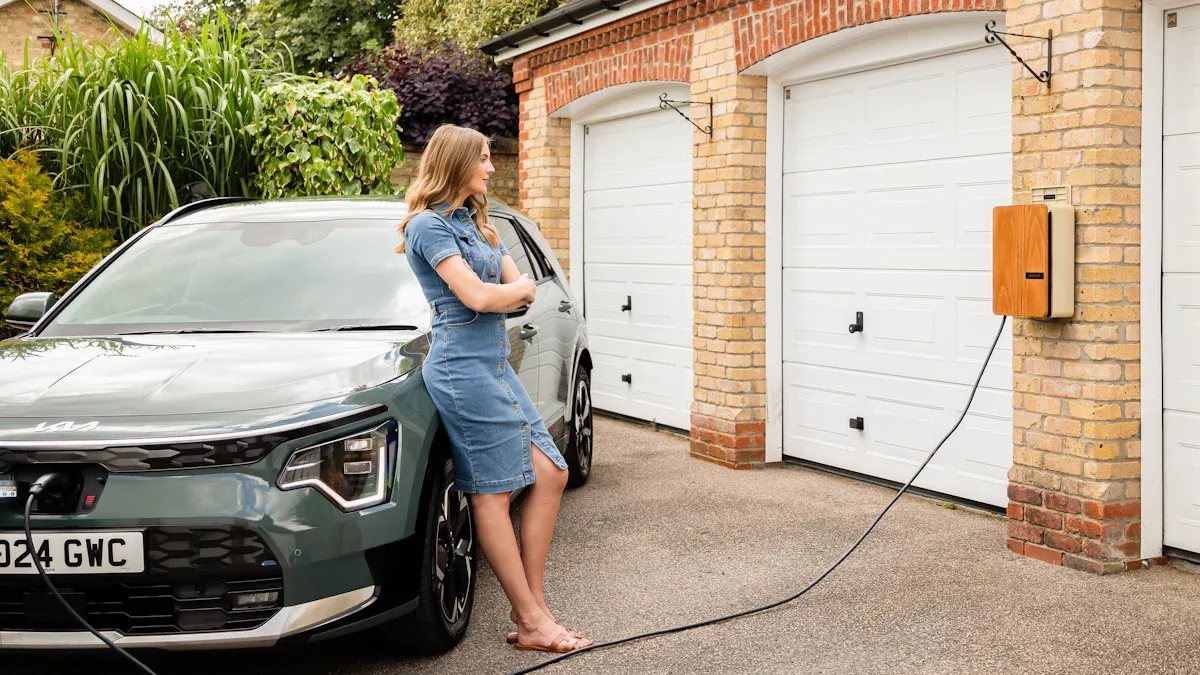
بمجرد أن يختار صاحب المنزل الشاحن المناسب، تكون المرحلة الحاسمة التالية هي التركيب. يضمن التركيب الاحترافي السلامة والامتثال والأداء الأمثل لمعدات الشحن. تتضمن هذه العملية العثور على خبير مؤهل، وفهم التكاليف، وإكمال تقييم الموقع.
العثور على كهربائي مؤهل وتوظيفه
اختيار الكهربائي أمر بالغ الأهمية. ليس جميع الكهربائيين لديهم التدريب المتخصص المطلوب لتركيب نقاط شحن المركبات الكهربائية المنزلية بأمان وصحة.
لماذا تحتاج إلى محترف مرخص
يضمن المحترف المرخص أن التركيب يستوفي جميع معايير السلامة واللوائح الكهربائية. تتطلب العديد من ضمانات الشاحن، بما في ذلك تلك من مزودين متقدمين مثل TPSON، أن تكون شهادة التركيب الكهربائي (EIC) سارية المفعول. يجب أن يحصل المٌركبون على شهادات من هيئة معترف بها مثل NICEIC أو مزود آخر لـ "مخطط الجزء P".
مهم: يعد استخدام مُركب معتمد غالبًا شرطًا أساسيًا لأهلية المنح. هؤلاء المحترفون مدربون للعمل وفقًا للوائح الأسلاك BS 7671 ومدونة الممارسات الخاصة بـ IET، مما يضمن إعدادًا آمنًا ومتوافقًا.
كيفية الحصول على عروض أسعار متعددة
يجب على صاحب المنزل دائمًا الحصول على ثلاثة عروض أسعار على الأقل من كهربائيين مؤهلين مختلفين. تتيح هذه الممارسة مقارنة التكاليف والحلول المقترحة والجداول الزمنية. يجب تفصيل كل عرض أسعار لإظهار تكلفة العمالة والمواد وأي أعمال محتملة على اللوحة الكهربائية.
أسئلة تطرحها على كهربائيك
قبل التوظيف، يجب على صاحب المنزل طرح عدة أسئلة رئيسية لقياس خبرة الكهربائي:
- هل أنت معتمد لتركيب شواحن المركبات الكهربائية؟
- ما هي التكلفة الإجمالية المقدرة, ، بما في ذلك التصاريح؟
- هل ترى حاجة لترقية إمداد منزلي بالكهرباء؟
- أين توصي بتركيب الشاحن من أجل السلامة والراحة؟
- هل يمكنك المساعدة في الأوراق اللازمة لـ أي دعم مالي متاح?
فهم تكاليف التركيب
يمكن أن تختلف تكاليف التركيب بشكل كبير بناءً على تعقيد المهمة. يساعد الفهم الواضح للنفقات المحتملة صاحب المنزل على وضع الميزانية بشكل فعال.
العوامل المؤثرة على السعر
تحدد عدة عوامل سعر التركيب النهائي. وتشمل هذه المسافة من اللوحة الكهربائية إلى موقع الشاحن، ونوع الأسلاك المطلوبة، وأسعار العمالة المحلية. سيكلف التركيب البسيط في مرآب قريب من اللوحة أقل من التركيب الذي يتطلب أعمال حفر وتوصيلات واسعة.
ترقيات اللوحات الكهربائية
العديد من المنازل القديمة لديها لوحات كهربائية 100 أمبير قد لا تدعم الحمل المستمر لشاحن مركبة كهربائية من المستوى 2. توفر الترقية إلى لوحة 200 أمبير سعة أكبر للشاحن والاحتياجات الكهربائية المستقبلية. يمكن أن تكون هذه الترقية نفقة كبيرة، تتراوح غالبًا من 1000 إلى 2500 جنيه إسترليني.
رسوم التصاريح
تتطلب معظم البلديات تصريحًا لتركيب دوائر كهربائية جديدة. عادةً ما يتولى الكهربائي عملية التصريح، لكن صاحب المنزل مسؤول عن الرسوم. تختلف هذه الرسوم حسب الموقع وتُضاف إلى التكلفة الإجمالية للمشروع.
تقييم الموقع قبل التركيب
سيقوم كهربائي مؤهل بإجراء تقييم شامل للموقع قبل تقديم عرض أسعار نهائي. يحدد هذا التقييم أي تحديات محتملة ويضمن تركيبًا سلسًا.
تقييم مرآبك أو ممر سيارتك
سيحدد الكهربائي أفضل موقع لنقاط الشحن. يأخذ هذا القرار في الاعتبار القرب من مكان وقوف السيارة، وسهولة الوصول، والحماية من العوامل الجوية. وسيقوم أيضًا بـ تقييم قوة إشارة الواي فاي في الموقع المختار، حيث أن هذا ضروري لوظيفة الشاحن الذكي.
التحقق من السعة الكهربائية لمنزلك
الجزء الأكثر أهمية في التقييم هو تحليل النظام الكهربائي. للمنزل. سيقوم الكهربائي بـ فحص اللوحة الرئيسية لتحديد سعتها الإجمالية والتحقق مما إذا كانت الأسلاك والدوائر الحالية يمكنها تحمل الحمل الجديد. تؤكد هذه الخطوة ما إذا كانت ترقية اللوحة المكلفة ضرورية لضمان التشغيل الآمن.
خطتك الإجرائية خطوة بخطوة لتعظيم التوفير
Navigating the world of charger incentives requires a clear strategy. A homeowner who follows a structured plan can confidently secure the most financial aid available. This action plan breaks the process down into manageable steps, from initial research to final selection.
Step 1: Research and Confirm Eligibility
The foundation of maximizing savings is thorough research. A homeowner must understand which programs they qualify for before making any purchases. This initial diligence prevents costly mistakes and disappointment.
Check Federal Eligibility First
A homeowner should begin by verifying their eligibility for any national-level tax credits or programs. These incentives often have specific requirements related to location or income. Confirming this eligibility first provides a baseline for potential savings and helps shape the overall budget for the project.
Compile a List of State and Local Options
After assessing federal options, the next step is to look locally. The homeowner should create a detailed list of all available state, regional, and utility provider programs. This list should include:
- The name of the program
- The incentive amount
- Key eligibility rules
- Application deadlines
This organized approach ensures no potential grants are overlooked.
Step 2: Get Pre-Approval (If Needed)
Some incentive programs require homeowners to apply and receive approval قبل they purchase or install equipment. Ignoring this crucial step can result in a denied application for otherwise available grants.
Review Application Timelines
Homeowners must pay close attention to program deadlines. Many grants operate with limited funds that are distributed on a first-come, first-served basis. Understanding the application window and typical processing times is essential for successful planning.
Submitting Your Initial Paperwork
Pre-approval often involves submitting a basic application form along with proof of residence or utility account ownership. A homeowner should gather these documents early. A complete and accurate initial submission helps expedite the approval process for their new ev charger.
Step 3: Select Your Charger and Electrician
With a clear understanding of available incentives, the homeowner can confidently select their equipment and a qualified installer. The program requirements will often guide these choices.
نصيحة محترف: Always check the “Qualified Product List” for each grant program. Many incentives require specific certifications, so choosing a compliant charger is non-negotiable.
Compare Charger Models and Prices
A homeowner should compare different charger models that meet the program criteria. Technologically advanced providers like TPSON offer smart chargers with features that can enhance the ev ownership experience. The goal is to find a unit that balances performance, features, and cost.
Finalize Your Installation Quote
The final step is to obtain a detailed, itemized quote from a licensed electrician. This quote should clearly separate the costs for the charger, labor, and any necessary materials or permits. This documentation is critical for submitting final rebate and grants applications.
Step 4: Complete the Installation
With the planning phase complete, the homeowner moves to the physical installation. This is the final step in preparing their home for their new ev. Proper execution ensures safety and compliance, which are essential for securing financial incentives.
Schedule the Work
A homeowner should coordinate with their chosen electrician to schedule the installation. It is wise to confirm the estimated duration of the work. This helps minimize disruption to the household. The electrician will install the dedicated circuit, run the necessary wiring, and mount the charging unit from a provider like TPSON.
Final Inspection and Permitting
After the installation, a final inspection by a local building or electrical inspector may be necessary. The electrician usually arranges this. A successful inspection results in a signed-off permit. This official approval confirms the work meets all safety codes and is often a requirement for the final approval of grants.
Step 5: Gather All Documentation
Meticulous record-keeping is the key to a successful application. A homeowner must collect and organize every piece of paperwork related to the project. This documentation serves as the evidence needed to claim incentives.
Itemized Invoices for Equipment
The homeowner needs the final, paid invoice for the charging unit. This document must be itemized, clearly showing the manufacturer, model number, serial number, and purchase price. A simple credit card statement is usually not sufficient.
Detailed Receipts for Labor
The electrician’s final invoice is equally important. It should provide a detailed breakdown of all costs:
- رسوم العمالة
- Cost of materials like wiring and conduits
- Permitting fees
A single lump-sum cost is often rejected by program administrators.
Photos of the Final Installation
Many programs require visual proof of the completed project. A homeowner should take clear photographs of the final installation of their ev charger. Good photos include a wide shot showing the charger and the vehicle’s parking space, and a close-up of the charger’s serial number sticker.
Step 6: Submit Your Applications
With the installation complete and all documents in hand, the homeowner can finally apply for their savings. This step requires careful attention to detail to ensure all requirements are met.
تذكير: A homeowner should submit applications promptly. Many programs have funding limits and operate on a first-come, first-served basis.
Filing for Utility and State Rebates
The homeowner should use their compiled documents to complete the application for each state and utility program. They must double-check every form for accuracy before submission. Most programs now offer online portals for uploading documents, which simplifies the process to successfully apply for rebates and grants.
Claiming the Federal Credit at Tax Time
National-level tax credits are handled separately. The homeowner will use the same set of invoices and receipts when filing their annual taxes for their ev charger. They will need to complete the specific tax forms required by their country’s revenue agency to claim any available national-level grants or credits.
Installing home charging points is more affordable than many homeowners realize. The key to maximizing savings is strategically combining federal and state grants with other local grants. A clear action plan helps a homeowner navigate the process smoothly. This significantly reduces out-of-pocket costs for their new ev. Homeowners should start researching local incentives today. This makes the transition to ev driving easier and cheaper.
الأسئلة الشائعة
هل يمكن لصاحب المنزل تركيب شاحن كهربائي بنفسه؟
No, a homeowner should not perform a self-installation. Most grant programs and charger warranties require installation by a licensed and certified electrician. This ensures the work meets all local electrical codes and safety standards, protecting the home and the vehicle.
How does a homeowner choose the right charger for their EV?
A homeowner should first check the grant program’s qualified product list. They can then select a charger that meets their vehicle’s charging speed capabilities. Technologically advanced providers like TPSON offer smart chargers with useful features like remote scheduling and energy monitoring.
Is a smart charger necessary to receive grants?
تتطلب العديد من المنح المقدمة من شركات المرافق والحكومة تركيب شاحن ذكي متصل بالشبكة. تساعد هذه الوحدات في إدارة الطلب على الطاقة في شبكة الكهرباء. يجب على صاحب المنزل دائمًا التحقق من متطلبات المعدات المحددة لكل برنامج حوافز قبل إجراء عملية الشراء.
كم تستغرق عملية تركيب شاحن منزلي عادةً؟
قد تستغرق عملية التركيب القياسية بضع ساعات. ومع ذلك، يمكن أن يمتد الجدول الزمني إذا كانت المهمة معقدة. عوامل مثل المسافة من لوحة الكهرباء أو الحاجة إلى ترقية اللوحة ستزيد من إجمالي وقت التركيب.
هل يمكن لصاحب المنزل الجمع بين عدة منح لشاحن واحد؟
نعم، تسمح العديد من البرامج بـ “الدمج” بين الحوافز. قد يجمع صاحب المنزل بين خصم من شركة المرافق ومنحة إقليمية. من الضروري قراءة شروط كل برنامج، حيث قد يمنع بعضها الجمع بينها وبين حوافز مالية محددة أخرى.
ماذا يجب أن يفعل صاحب المنزل إذا تم رفض طلب المنحة؟
يجب على صاحب المنزل أولاً مراجعة سبب الرفض المقدم من مدير البرنامج. تشمل المشكلات الشائعة الوثائق المفقودة أو المنتج غير المؤهل. يمكنهم بعد ذلك تصحيح الخطأ وإعادة التقديم إذا كانت قواعد البرنامج وجدوله الزمني يسمحان بإعادة الإرسال.
هل يتطلب المنزل القديم اعتبارات خاصة للتركيب؟
نعم، غالبًا ما تحتاج المنازل القديمة إلى تقييم للنظام الكهربائي. قد تفتقر اللوحة الكهربائية الرئيسية للمنزل إلى السعة اللازمة لشاحن المستوى 2. قد يوصي كهربائي بترقية اللوحة لدعم الحمل الكهربائي الإضافي من الشاحن بأمان.