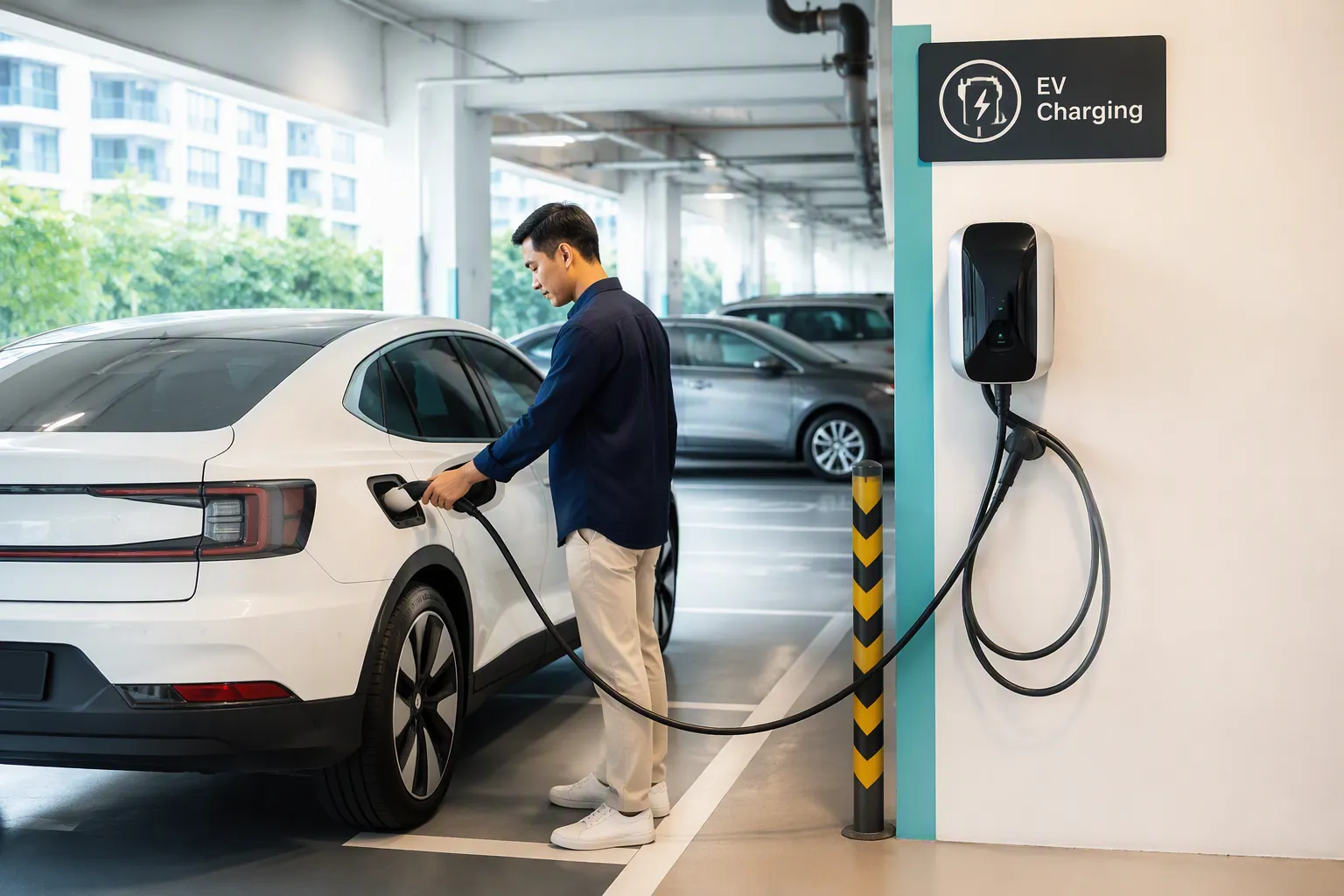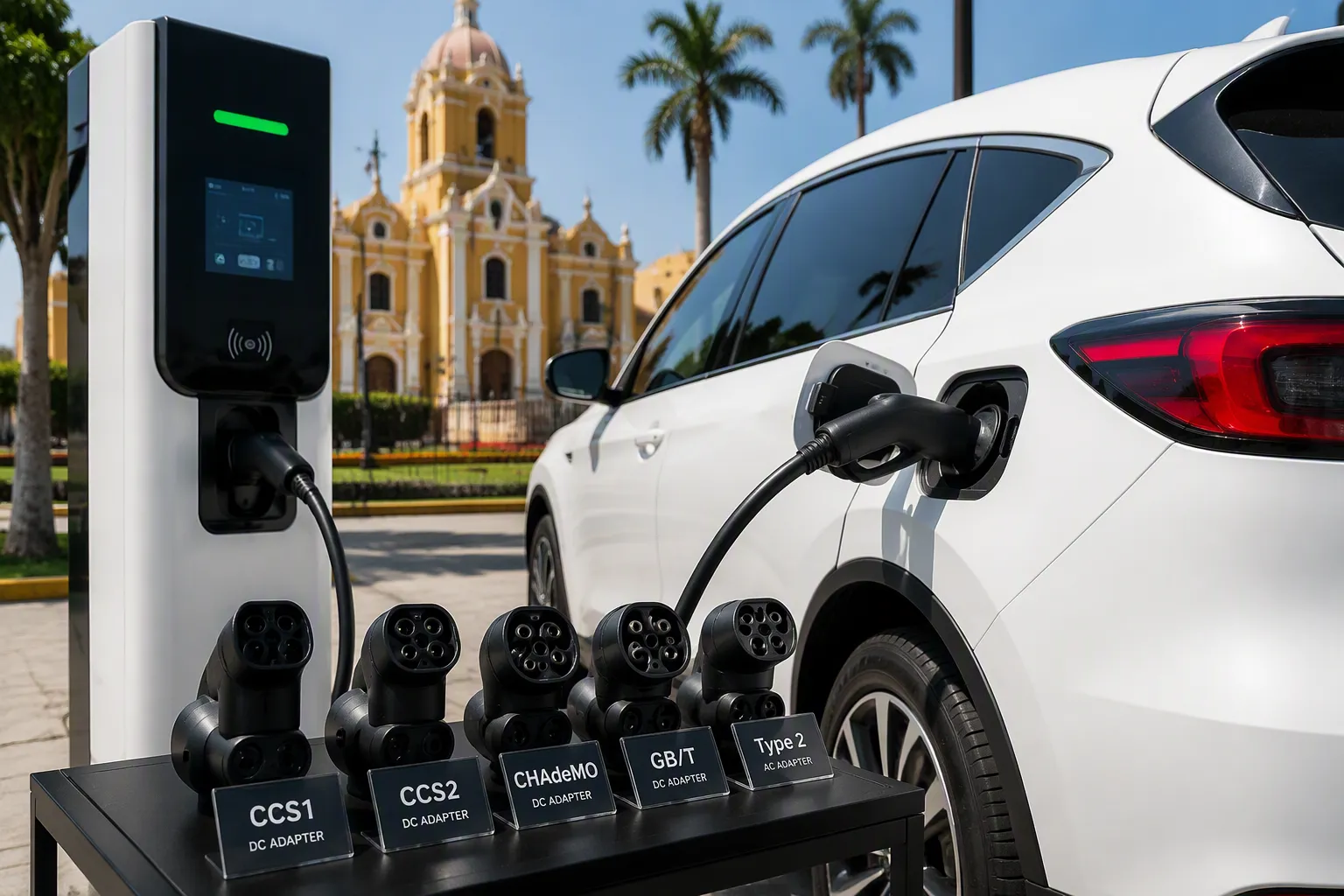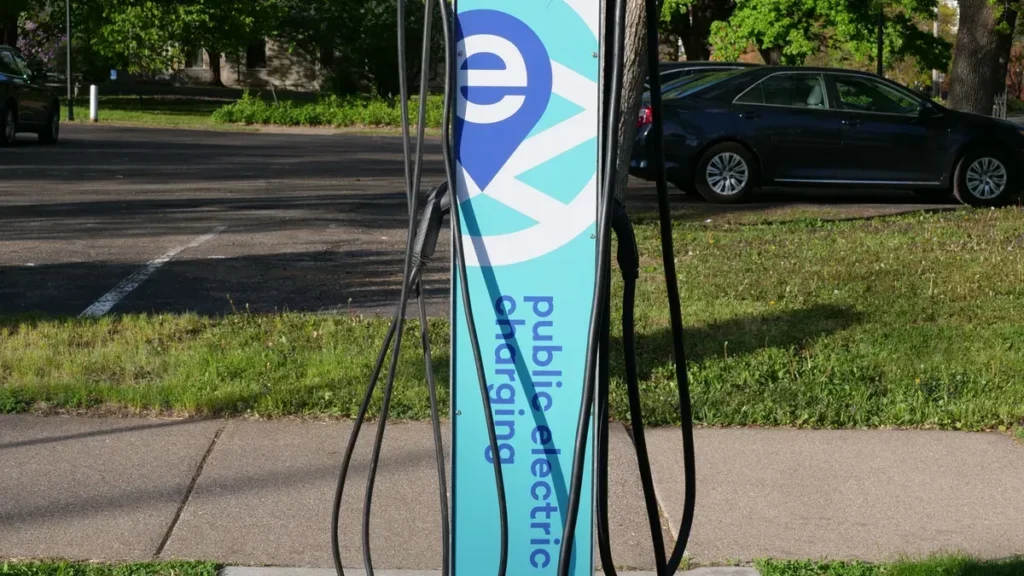
Level 1 charging relies on a standard 120V outlet and delivers slower charging speeds. Level 2 charging connects to a 240V outlet, allowing much faster energy transfer. Drivers notice a significant difference when charging their electric vehicle. The table below shows typical charging times for each charger type.
| نوع الشاحن | Charging Time to Full Charge |
|---|---|
| المستوى 1 | 20-40 hours |
| المستوى 2 | 4-8 ساعات |
الشركات المصنعة لشاحن السيارة الكهربائية design both solutions to meet different needs. Level 1 charging offers simplicity for home use, while level 2 charging supports faster turnaround. شواحن السيارات الكهربائية المحمولة provide flexibility. Choosing between حلول شحن السيارات الكهربائية depends on desired speed, installation, and daily routine.
Key Differences Between Level 1 Charging and Level 2 Charging
Comparison Table: Level 1 vs. Level 2 Charging
The technical specifications and user experience for Level 1 and Level 2 charging differ significantly. The table below highlights the most important distinctions, including voltage, power output, سرعة الشحن, installation, and cost.
| الميزة | شحن المستوى 1 | شحن المستوى 2 |
|---|---|---|
| الفولتية | 120V | 240V |
| ناتج الطاقة | 1–1.8 kW | 3–22 kW |
| سرعة الشحن | 3–7 miles of range per hour | 10–75 miles of range per hour |
| وقت الشحن الكامل | 22–40 hours | A few hours (typically 4–8 hours) |
| التركيب | Plug into standard outlet, no upgrades | Requires dedicated 240V circuit, التركيب الاحترافي |
| تكلفة المعدات | متوفرة مع معظم السيارات الكهربائية | $300–$1,000 for charger |
| تكلفة التركيب | لا يوجد | $500-$5001,500 |
| Ideal User | Low-mileage, overnight charging | Daily drivers, higher mileage, busy schedules |
| المرونة | محدودة | Greater flexibility and efficiency |
Bullet Point Summary of Main Differences
- Level 1 charging uses a standard 120V household outlet. Most electric vehicles include a Level 1 charger at no extra cost.
- الشحن من المستوى 2 operates on a 240V circuit, similar to large home appliances. This setup delivers much faster charging speeds and requires a dedicated outlet.
- Level 1 charging provides 3–7 miles of range per hour, making it suitable for drivers with short daily commutes or those who can leave their vehicle plugged in overnight.
- Level 2 charging delivers 10–75 miles of range per hour, supporting the needs of daily drivers, commuters, and those with higher mileage requirements.
- Installation for Level 1 charging is simple. Owners can plug the charger directly into an existing outlet without electrical upgrades or professional labor.
- Level 2 charging installation often requires a licensed electrician. The process may involve upgrading the electrical panel and installing a dedicated 240V circuit to ensure safety and compliance.
- The cost difference is significant. Level 1 charging typically involves no additional expense, while الشحن من المستوى 2 requires purchasing a charger and paying for professional installation.
- Level 2 charging offers greater convenience and flexibility for regular use. It allows drivers to quickly recharge their vehicles between trips, reducing downtime and supporting busy lifestyles.
- Improper installation of Level 2 charging equipment can create safety hazards or damage the electrical system. Professional installation ensures reliable and efficient operation.
Tip: Drivers who travel short distances each day may find level 1 charging sufficient. Those with longer commutes or unpredictable schedules benefit from the speed and flexibility of level 2 charging.
Charging Speed: Level 1 Charging vs. Level 2 Charging
Level 1 Charging Speed Explained
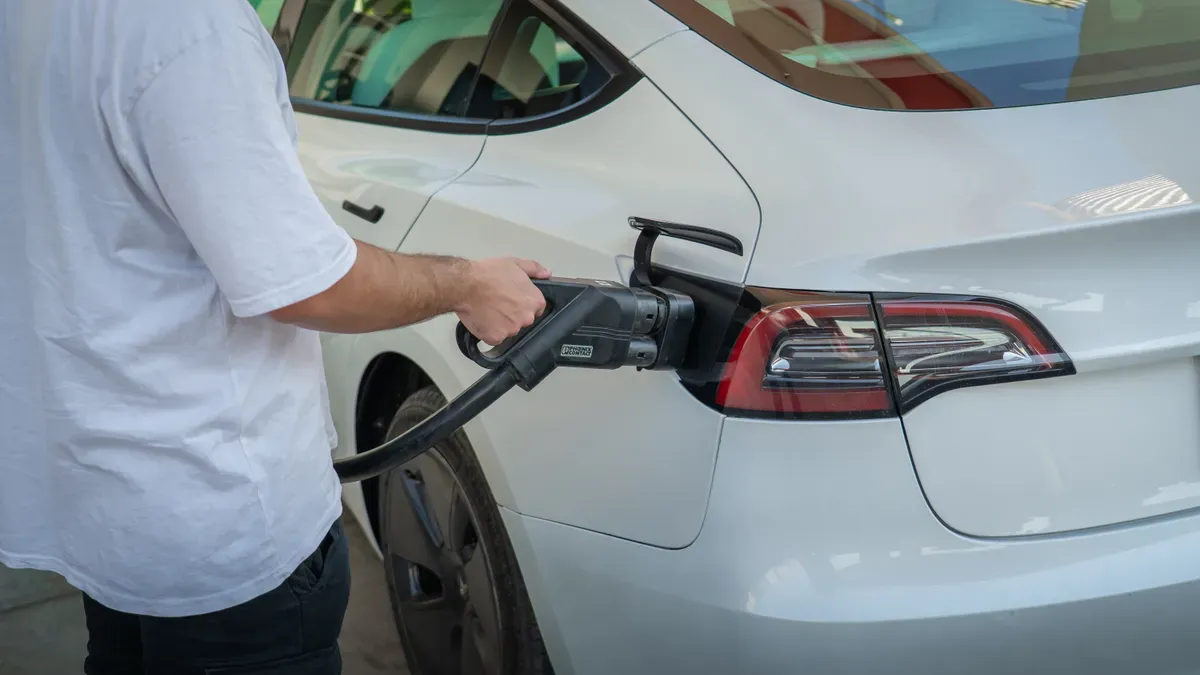
الشحن من المستوى 1 uses a standard 120V outlet. This method delivers a modest charging speed, making it suitable for drivers who travel short distances. Most electric vehicles gain between 3 and 7 miles of range per hour when plugged into a level 1 charger. The process works well for overnight charging or situations where the vehicle remains parked for extended periods. Many drivers appreciate the simplicity of plugging into a household outlet without additional equipment or installation. Level 1 charging speeds remain consistent across most EV models, although battery size and ambient temperature can affect performance.
Note: Level 1 charging provides a reliable solution for those who do not require rapid charging. It fits the needs of individuals with predictable routines and limited daily mileage.
Level 2 Charging Speed Explained
الشحن من المستوى 2 operates on a 240V circuit, similar to those used by dryers or ovens. This setup enables much faster energy transfer, supporting a wide range of electric vehicles. Charging speeds for level 2 charging range from 10 to 75 miles of range per hour, depending on the vehicle and charger specifications. Most drivers notice a significant reduction in charging time compared to level 1 charging. Level 2 chargers often require professional installation and a dedicated circuit, but the convenience and efficiency appeal to daily commuters and busy households.
The following table compares typical charging speeds for both charging levels:
| مستوى الشحن | Speed (miles of range per hour) |
|---|---|
| المستوى 1 | 3-7 |
| المستوى 2 | 10-75 |
Level 2 charging supports faster turnaround, allowing drivers to recharge their vehicles between trips or during short breaks. This flexibility proves valuable for those with unpredictable schedules or higher mileage requirements.
أمثلة على وقت الشحن في العالم الحقيقي
Charging time depends on the battery size and the charger’s power output. Smaller batteries charge faster, while larger batteries require more time. The table below illustrates how charging times vary for different battery sizes using a 7 kW AC charger, which represents a typical level 2 charger:
| حجم البطارية (كيلوواط/ساعة) | وقت الشحن بشاحن تيار متردد بقوة 7 كيلوواط |
|---|---|
| 30 كيلوواط/ساعة | 4-5 ساعات |
| 60 كيلوواط/ساعة | 8-9 ساعات |
| 90 كيلوواط/ساعة | 12-14 ساعة |
Drivers with a 30 kWh battery can expect a full charge in about five hours using level 2 charging. Those with larger batteries, such as 60 kWh or 90 kWh, may need up to fourteen hours. Level 1 charging would take significantly longer for the same battery sizes, often requiring overnight or multi-day charging sessions.
Tip: Choosing the right charging level depends on daily driving habits and the need for quick turnaround. Level 2 charging offers greater flexibility for those who require faster charging speeds.
Power Source and Equipment for Level 1 EV Charger and Level 2 EV Charger

Level 1 EV Charger Power Source
A level 1 شاحن ev connects directly to a standard household outlet. Most homes in North America provide 120 volts through these outlets. This setup delivers between 1.4 and 1.9 kilowatts of power, which translates to approximately 6 to 8 kilometers of range per hour for most electric vehicles. Homeowners do not need to modify their electrical system to use a level 1 charger. The simplicity of this approach appeals to drivers who want a plug-and-play solution. They can use the charger included with their vehicle and begin charging immediately.
Note: A level 1 ev charger works best in homes with reliable electrical wiring and where overnight charging meets daily driving needs.
Level 2 EV Charger Power Source
A level 2 ev charger requires a 240-volt outlet, similar to those used for large appliances like dryers or ovens. This higher voltage allows the charger to deliver between 3.3 and 19.2 kilowatts of power. Many residential and commercial locations now offer access to these outlets. The increased power output enables much faster charging compared to a level 1 charger. Most installations require a dedicated circuit, often rated for 40 إلى 50 أمبير. Electricians must ensure the circuit breaker is rated at least 25% higher than the charger’s maximum draw. In some cases, older homes may need an electrical panel upgrade to support the additional load.
Tip: A level 2 ev charger provides a practical solution for drivers who need faster charging or own vehicles with larger batteries.
Equipment Needed for Each Charging Level
The equipment requirements for each charging level differ in complexity and cost. A level 1 charger usually comes with the vehicle and includes a charging cable and plug compatible with standard outlets. No additional equipment or installation is necessary.
A level 2 charger setup involves more components and planning. The following list outlines the main requirements:
- Dedicated 240-volt outlet
- Level 2 ev charger unit (wall-mounted or portable)
- Circuit breaker rated for 40-50 amps
- Proper wire gauge (6 AWG for 40 amps, 8 AWG for 30 amps)
- Sufficient electrical panel capacity
Electricians play a key role in installing a level 2 charger. They assess the home’s electrical system, install the outlet, and ensure compliance with safety codes. Some homeowners may need to upgrade their electrical panel to accommodate the higher power demand.
| المعدات | شاحن المستوى 1 | شاحن المستوى 2 |
|---|---|---|
| مصدر الطاقة | 120V standard outlet | 240V dedicated outlet |
| وحدة الشاحن | متوفرة مع معظم السيارات الكهربائية | Purchased separately |
| قاطع الدائرة | Existing household breaker | 40-50 amp dedicated breaker |
| مقياس السلك | Standard household wiring | 6 or 8 AWG copper wire |
| تعقيد التركيب | التوصيل والتشغيل | التركيب الاحترافي |
Drivers should evaluate their charging needs and consult a licensed electrician before installing a level 2 charger.
Installation Requirements for Level 1 Charging and Level 2 Charging
Level 1 Charging Installation Steps
Installing a level 1 ev charger remains straightforward for most homeowners. The process does not require specialized tools or professional assistance. Most electric vehicles include a portable charger that plugs directly into a standard 120V household outlet. This setup allows drivers to begin charging immediately after parking their vehicle.
The typical steps for installing a level 1 ev charger include:
- Locate a grounded 120V outlet near the parking area.
- Inspect the outlet and wiring for visible damage or wear.
- Plug the charger into the outlet.
- Connect the charging cable to the vehicle’s charging port.
- Monitor the charging process to ensure the system operates safely.
Level 1 charging can take على مدار 24 ساعة to fully charge an electric vehicle, making it best suited for overnight charging or for drivers with low daily mileage.
Note: Homeowners should check that the outlet and wiring can handle the continuous load of a charger before regular use.
Level 2 Charging Installation Steps
A level 2 ev charger requires a more involved installation process. This system operates on a 240V circuit, similar to those used for large appliances. Most installations require a دائرة مخصصة and a wall-mounted charging unit.
The main steps for installing a level 2 ev charger are:
- Assess the home’s electrical panel to confirm it can support the additional load.
- Hire a licensed electrician to install a dedicated 240V circuit from the main panel to the charging location.
- Mount the charging unit on a wall or a secure post near the parking area.
- Connect the charger to the dedicated circuit.
- Test the system to ensure safe and efficient operation.
Level 2 charging systems can fully charge most electric vehicles in 4 to 8 hours, offering a significant reduction in charging time compared to level 1 chargers.
Tip: Some homes may require an electrical panel upgrade to accommodate the higher power demand of a level 2 ev charger.
التركيب الاحترافي مقابل التركيب الذاتي
The need for professional installation differs between charging levels. The table below summarizes the main requirements:
| نوع الشاحن | Installation Requirement | الفولتية | وقت الشحن |
|---|---|---|---|
| المستوى 1 | No professional needed | 120V | 8-12 ساعة |
| المستوى 2 | التركيب الاحترافي المطلوب | 240V | 4-6 ساعات |
Most homeowners can install a level 1 charger without assistance. In contrast, a level 2 charger requires a licensed electrician to ensure compliance with safety codes and local regulations. Installation costs for a level 2 system can range from $500 to $2,000, depending on the complexity of the work and the need for electrical upgrades.
Level 2 charging systems use higher voltage and current, which increases the risk of electrical hazards if not installed correctly. Professional installation ensures the system operates safely and efficiently.
Safety Alert: Always consult a qualified electrician before installing a level 2 ev charger to prevent electrical hazards and ensure code compliance.
Cost Breakdown: Level 1 Charging vs. Level 2 Charging
Equipment Costs for Level 1 and Level 2 EV Chargers
Level 1 chargers usually come with the electric vehicle at no extra cost. Owners can use the included charging cable and plug it into a standard outlet. This makes Level 1 charging the most affordable option for equipment.
Level 2 chargers require a separate purchase. The price depends on the brand, features, and power output. Most Level 2 chargers cost between $400 and $1,200. Some advanced models with smart features or Wi-Fi connectivity may cost more. The table below compares the typical equipment costs for both charging levels:
| نوع الشاحن | تكلفة المعدات | تكلفة التركيب | التكلفة الإجمالية |
|---|---|---|---|
| المستوى 1 | $0 | $0 | $0 |
| المستوى 2 | $400 – $1,200 | $750 – $5,000+ | Highly variable |
Level 1 charging remains the most budget-friendly choice for equipment. Level 2 charging requires a higher initial investment but offers faster charging and more features.
Installation Costs for Level 1 and Level 2 Charging
Level 1 charging does not require professional installation. Owners can plug the charger into an existing outlet, so there are no extra installation costs.
Level 2 charging involves more steps. Most homes need a dedicated 240V outlet and a new circuit breaker. Electricians handle this work to ensure safety and code compliance. Installation costs for Level 2 chargers range from $800 to $2,500 for standard setups. Complex installations, such as those in older homes or detached garages, can exceed $3,000. The following table shows typical installation costs:
| نوع الشاحن | نطاق تكلفة التركيب |
|---|---|
| المستوى 1 | Included with vehicle |
| المستوى 2 | $800 – $2,500 |
| Complex Installations | Over $3,000 |
Most homeowners pay around $1,400 for a standard Level 2 installation. The total charging cost increases with the need for electrical upgrades or longer wiring runs.
Tip: Homeowners should request quotes from licensed electricians before starting a Level 2 charger installation.
Operating Costs and Efficiency
Operating costs for both charging levels depend on local electricity rates and how often the vehicle charges. Level 1 charging uses less power per hour but takes much longer to fully charge a battery. This longer charging time can lead to higher energy loss and lower efficiency.
Level 2 charging completes the process faster and uses energy more efficiently. Monthly electrical costs for Level 1 charging usually range from $15 to $30. Level 2 charging can cost between $20 and $50 per month, depending on driving habits and battery size. The table below summarizes the main differences:
| الميزة | المستوى 1 | المستوى 2 |
|---|---|---|
| Monthly electrical costs | ~$15-$30 | ~$20-$50 |
| كفاءة الطاقة | Less efficient | More efficient |
Level 2 chargers reduce energy waste by shortening charging sessions. They also support higher daily mileage without increasing the charging cost significantly.
Note: Drivers who need to charge quickly or drive long distances may find Level 2 charging more cost-effective over time.
Convenience and Daily Use: Level 1 Charging and Level 2 Charging
Charging at Home with Level 1 and Level 2
Electric vehicle owners often prioritize convenience when selecting a charging solution for their homes. Level 1 charging at home requires only a standard 120V outlet, making it accessible for most households. This method suits drivers with predictable, low-mileage routines who can leave their vehicles plugged in overnight. Level 2 charging, on the other hand, uses a 240V outlet and delivers much faster charging speeds. It appeals to those who need quick turnarounds or drive longer distances daily.
يلخص الجدول أدناه الاختلافات الرئيسية:
| الميزة | المستوى 1 | المستوى 2 |
|---|---|---|
| الفولتية | 120V | 240V |
| سرعة الشحن | 4–5 miles/hour | 25–40 miles/hour |
| وقت الشحن | 24–48 hours (empty-full) | 3–8 hours (empty-full) |
| التركيب | None required | 240V outlet or hardwire needed |
| التكلفة | Free with EV | $300–$700 plus installation |
| Ideal User | Light daily drivers | Frequent drivers, commuters |
- Level 1 charging offers a plug-and-play experience with no extra cost.
- الشحن من المستوى 2 requires professional installation but provides significant time savings.
Tip: Homeowners who drive frequently or have larger battery vehicles benefit most from Level 2 charging.
Charging at Work or Public Stations
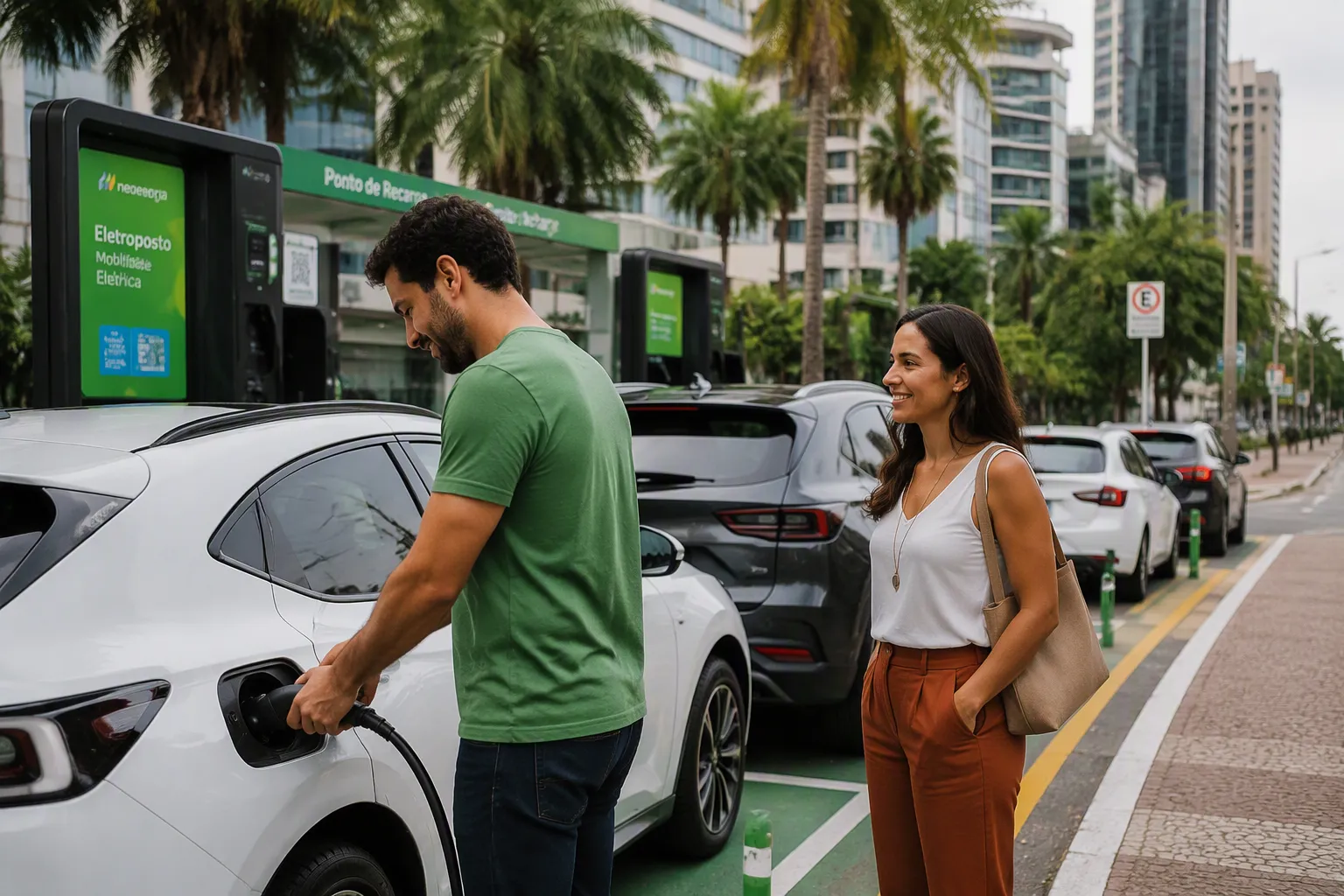
Workplace and public charging stations provide additional flexibility for electric vehicle users. Level 1 charging at these locations works well for plug-in hybrids or drivers with very short commutes. It requires no special installation and can use any standard outlet. However, the slow charging rate may not meet the needs of pure electric vehicles, especially for those who need to recover significant range during the workday.
Level 2 charging stations dominate most public and workplace environments. These chargers offer 4 to 8 times faster charging than Level 1, ensuring that most vehicles can achieve a full charge during a typical work shift or shopping trip. The main advantages include guaranteed overnight charging, support for larger batteries, and the ability to serve multiple vehicles in a household or fleet.
| مستوى الشحن | المزايا | العيوب |
|---|---|---|
| المستوى 1 | Zero installation cost, works anywhere, good for plug-in hybrids | Slow for pure EVs, not suitable for long trips |
| المستوى 2 | Fast charging, flexibility, future-proofing, supports multiple vehicles | Higher upfront cost, installation complexity |
- Level 1 charging fits those with predictable, short driving needs or as a backup solution.
- Level 2 charging supports a wider range of users, including those with variable schedules.
Impact on Daily Routine and Flexibility
Charging speed directly affects how electric vehicle owners plan their day. Level 1 charging provides 3 to 5 miles of range per hour, which suits low-mileage drivers who can leave their vehicles plugged in for extended periods. Level 2 charging delivers 25 to 40 miles of range per hour, allowing daily drivers to recharge quickly and maintain flexibility for spontaneous trips.
| مستوى الشحن | المدى في الساعة | وقت الشحن الكامل | الملاءمة |
|---|---|---|---|
| المستوى 1 | 3–5 miles | أكثر من 30 ساعة | السائقون ذوو الأميال المنخفضة |
| المستوى 2 | 25–40 miles | 6–12 hours | Daily drivers |
Drivers who rely on their vehicles for commuting or family activities often prefer Level 2 charging. They can adapt to changing schedules without worrying about range limitations. Those with consistent, short commutes may find Level 1 charging sufficient for their needs.
Note: Choosing the right charging solution depends on driving habits, vehicle type, and the need for flexibility.
Ideal User Scenarios for Level 1 Charging and Level 2 Charging
Who Should Choose Level 1 Charging?
الشحن من المستوى 1 fits the needs of drivers with predictable, low-mileage routines. Many electric vehicle owners use this option for overnight home charging, especially in areas where daily driving distances remain short. They often park their vehicles for eight hours or more, allowing enough time to replenish the battery. Level 1 charging also works well for renters or those in temporary living situations, since it does not require special installation.
Drivers who benefit most from Level 1 charging include:
- Individuals with short daily commutes, typically under 40 miles
- Owners of plug-in hybrid vehicles
- Those who run short-distance errands or travel less than 50 miles per day
- Households with consistent overnight parking
- Users who need a backup charging solution when their primary system is unavailable
Level 1 charging also provides a practical option for emergency backup situations. It offers a simple, cost-effective way to maintain electric vehicle range for drivers with modest needs.
Tip: Level 1 charging suits those who value convenience and have low daily mileage requirements.
Who Should Choose Level 2 Charging?
الشحن من المستوى 2 appeals to drivers who require faster charging speeds and greater flexibility. This solution supports daily commuters, families with multiple electric vehicles, and those who travel longer distances. Many choose Level 2 charging when they need to recharge their vehicle quickly between trips or have unpredictable schedules.
Level 2 charging is ideal for:
- Daily drivers who cover more than 40 miles per day
- Households with more than one electric vehicle
- Owners of vehicles with larger batteries
- Individuals who need to maximize vehicle availability for work or family activities
- Homeowners who want to future-proof their charging setup
Level 2 charging also benefits those who want to take advantage of workplace or public charging stations. The increased power output reduces downtime and supports a wider range of driving habits.
Note: Professional installation ensures safe and reliable operation for Level 2 charging systems.
Matching Charging Level to Driving Habits
Selecting the right charging level depends on daily driving patterns and vehicle type. Drivers should consider how far they travel each day and how much time their vehicle spends parked. The table below matches common driving habits to recommended electric vehicle types:
| عادة القيادة | Recommended EV Type |
|---|---|
| Daily commuters | Smaller EV with a range of 250-400 km |
| Long-distance drivers | EVs with a range of 500+ km or plug-in hybrids |
| Weekend adventurers | Electric SUVs or trucks with off-road features |
Most electric vehicle owners find home charging the most economical and convenient method. Overnight charging ensures the vehicle is ready for daily use. For longer trips, public charging stations provide flexibility and allow drivers to recharge quickly.
Drivers who match their charging solution to their routine enjoy greater convenience and peace of mind. They maintain optimal electric vehicle range and adapt easily to changing schedules.
شرح الشحن من المستوى 1
How Level 1 Charging Works
A level 1 charger operates by connecting directly to a standard 120-volt household outlet. Most electric vehicles include this charger as part of the purchase. The user plugs one end into the wall and the other into the vehicle’s charging port. The system draws power at a low rate, typically between 1 and 1.8 kilowatts. This process does not require special equipment or electrical upgrades. Many drivers appreciate the simplicity and accessibility of this charging method. They can begin charging immediately after parking, without waiting for installation or setup.
Level 1 charging works best for those who park their vehicles overnight or for extended periods. The slow charging rate allows the battery to replenish gradually, making it ideal for predictable routines. Most users find that the vehicle is ready for daily use by morning.
Note: A level 1 charger provides a reliable solution for new electric vehicle owners who want to start charging at home without additional investment.
15 أمبير عند 125 فولت
Level 1 charging offers several advantages for electric vehicle owners. The most significant benefit comes from its convenience and accessibility. Drivers can use any standard household outlet, which eliminates the need for specialized infrastructure. This feature makes level 1 charging available in almost every home, garage, or parking space.
Other key benefits include:
- No installation costs, since the charger comes with most electric vehicles.
- مثالية لـ الشحن الليلي, allowing the vehicle to recharge while the owner sleeps.
- Simple plug-and-play operation, which reduces the learning curve for new users.
- Useful as a backup charging solution when faster options are unavailable.
These advantages make level 1 charging a practical choice for many drivers, especially those with short daily commutes or limited access to public charging stations.
قابلية النقل القصوى
Despite its convenience, level 1 charging has several limitations. The most notable drawback is its slow charging speed. Drivers may find that a level 1 charger cannot meet the demands of longer commutes or frequent travel. The system typically adds only 3 to 7 miles of range per hour, which may not suffice for those who need rapid turnaround.
Other disadvantages include:
- Not practical for drivers who require faster charging solutions.
- More suitable as a backup method rather than a primary charging option.
- Extended charging times may not fit busy or unpredictable schedules.
Some users may experience frustration if they rely solely on level 1 charging for all their needs. They may need to consider alternative solutions, such as installing a level 2 charger, to achieve greater flexibility and efficiency.
Tip: Drivers should evaluate their daily mileage and charging needs before relying exclusively on a level 1 charger.
Best Use Cases for Level 1 Charging
Level 1 charging serves as a practical solution for many electric vehicle owners. The system offers simplicity and reliability, making it ideal for specific scenarios. Drivers often select Level 1 charging when their daily routines align with its capabilities.
Common Use Cases for Level 1 Charging:
Overnight Charging for Low-Mileage Drivers:
Individuals who drive fewer than 40 miles per day benefit from Level 1 charging. They plug in their vehicles at night and wake up to a fully charged battery. This routine fits students, retirees, and professionals with short commutes.السيارات الكهربائية الهجينة القابلة للشحن (PHEVs):
Owners of plug-in hybrids often rely on Level 1 charging. The smaller battery size allows for a complete recharge within a few hours. They avoid the need for expensive upgrades or installations.Renters and Temporary Residents:
Level 1 charging appeals to renters and those living in temporary accommodations. The system requires no permanent installation. Drivers use the charger included with their vehicle and access any standard outlet.Backup Charging Solution:
Many households keep a Level 1 charger as a backup. If the primary Level 2 charger fails or becomes unavailable, Level 1 charging ensures continued access to power. This redundancy supports reliability and peace of mind.Limited Access to Dedicated Parking:
Drivers who park in shared lots or street parking often lack access to dedicated circuits. Level 1 charging works in these environments, as it only needs a standard outlet.Cost-Conscious Users:
Individuals who prioritize affordability choose Level 1 charging. The system incurs no additional equipment or installation costs. They avoid the expense of upgrading electrical panels or hiring electricians.
Tip: Level 1 charging provides a dependable option for those who value simplicity and do not require rapid charging speeds.
Quick Reference Table: Level 1 Charging Use Cases
| السيناريو | Why Level 1 Works Well |
|---|---|
| Short daily commutes | Overnight charging meets needs |
| Plug-in hybrid vehicles | Small battery, quick recharge |
| Renting or temporary housing | No installation required |
| Backup for Level 2 charger | Ensures continued access to charging |
| Shared or public parking spaces | Uses standard outlets |
| Budget-focused drivers | No extra costs |
Level 1 charging excels in environments where convenience and low cost matter most. Drivers who park their vehicles for extended periods, such as overnight or during work hours, achieve consistent results. The system supports those who do not need fast charging or who wish to avoid complex installations.
Electric vehicle owners should assess their daily mileage, parking situation, and budget before choosing Level 1 charging as their primary method. The solution remains reliable for many, especially when paired with predictable routines and modest driving requirements.
Level 2 Charging Explained
كيفية عمل الشحن من المستوى 2
A level 2 charger operates on a 240-volt electrical circuit, similar to those used by large household appliances. This system delivers more power to the electric vehicle, which results in faster charging times compared to standard outlets. Most homeowners install a level 2 charger in their garage or driveway. The process involves connecting the charger to a dedicated circuit, which ensures safety and consistent performance.
When a driver plugs the charging cable into the vehicle, the charger communicates with the car’s onboard charging system. The charger then supplies electricity at a higher rate, typically between 3 and 19 kilowatts. This increased power allows most electric vehicles to gain 10 to 75 miles of range per hour. Many public charging stations also use level 2 charging, making it a common choice for both residential and commercial settings.
Tip: A licensed electrician should always handle the installation of a level 2 charger to ensure compliance with local codes and safety standards.
Pros of Level 2 Charging
Level 2 charging offers several advantages for electric vehicle owners. The most significant benefit is the dramatic reduction in charging time. Drivers can fully recharge their vehicles in just a few hours, which supports busy schedules and frequent travel. This speed allows users to top off their battery during short stops or between errands.
Other benefits include:
- Greater flexibility for households with multiple electric vehicles.
- Compatibility with most modern electric vehicles and plug-in hybrids.
- Enhanced convenience for daily drivers who need reliable access to a charged vehicle.
- Increased home value, as many buyers look for properties with EV charging capabilities.
Many workplaces and public locations now offer level 2 charging, which helps drivers extend their range throughout the day. The widespread availability of this technology supports the growth of electric vehicle adoption.
Cons of Level 2 Charging
Despite its advantages, level 2 charging presents some challenges. The initial cost of purchasing and installing a level 2 charger can be significant. Homeowners may need to upgrade their electrical panel or wiring, which adds to the expense. Installation requires professional expertise, and not all properties have the necessary electrical capacity.
Some users may find the equipment bulky or difficult to install in tight spaces. Level 2 charging also draws more power, which can increase monthly electricity bills if used frequently. In rare cases, older homes may not support the higher voltage without major upgrades.
Note: Drivers should evaluate their home’s electrical system and consult a professional before investing in a level 2 charger.
Best Use Cases for Level 2 Charging
Level 2 charging stands out as the preferred solution for many electric vehicle owners who demand efficiency and flexibility. This charging method delivers faster results and supports a wide range of driving habits. Several scenarios highlight when Level 2 charging becomes the optimal choice.
1. Daily Commuters with Long Distances
Drivers who travel more than 40 miles each day benefit from Level 2 charging. The faster charging speed ensures that the vehicle remains ready for use, even after a long workday or multiple trips. Commuters can recharge their batteries overnight or during short breaks, reducing downtime and range anxiety.
2. Households with Multiple Electric Vehicles
Families or shared households often own more than one electric vehicle. Level 2 charging supports back-to-back charging sessions, allowing each vehicle to receive a full charge within a reasonable timeframe. This setup prevents conflicts over charging access and keeps all vehicles available for daily use.
3. Owners of Electric Vehicles with Large Batteries
Some electric vehicles feature larger battery packs, which require more time to recharge. Level 2 charging significantly reduces the wait, making it practical for owners of electric SUVs, trucks, or long-range models. These drivers can maintain their vehicles’ readiness without sacrificing convenience.
4. Unpredictable or Busy Schedules
Individuals with irregular routines or frequent last-minute trips rely on Level 2 charging for its speed. The ability to quickly top off the battery between errands or appointments ensures that the vehicle remains available whenever needed.
5. Homeowners Seeking to Future-Proof Their Property
Installing a Level 2 charger adds value to a home and prepares it for future electric vehicle models. Many buyers now consider EV charging infrastructure a desirable feature. Homeowners who invest in Level 2 charging position their property as modern and energy-conscious.
6. Workplaces and Public Locations
Businesses and public facilities often install Level 2 chargers to support employees, customers, or visitors. These chargers accommodate a variety of vehicles and enable users to recharge during work hours or shopping trips.
Tip: Level 2 charging offers the greatest benefit to those who need rapid, reliable charging at home or work. It supports busy lifestyles and adapts to evolving transportation needs.
Quick Reference Table: Level 2 Charging Use Cases
| السيناريو | Why Level 2 Excels |
|---|---|
| Long daily commutes | Fast charging keeps vehicle ready |
| Multiple EVs in one household | Supports back-to-back charging |
| Large battery vehicles | Reduces total charging time |
| Unpredictable schedules | Enables quick top-offs |
| Home value enhancement | Attracts future buyers |
| Workplaces/public stations | Serves many users efficiently |
Level 2 charging meets the demands of modern electric vehicle ownership. It provides speed, convenience, and adaptability for a wide range of users.
Installation and Cost Considerations for Level 1 and Level 2 EV Chargers
What to Know Before Installing a Level 1 or Level 2 EV Charger
Homeowners planning to install an EV charger should evaluate several important factors before starting the process. Safety and electrical capacity remain top priorities. A كهربائي مرخص should always handle the installation to ensure compliance with safety standards. This approach reduces the risk of electrical hazards and guarantees reliable operation.
Key considerations include:
- Confirming the electrical panel can support the additional load from the charger.
- Using a dedicated 240V circuit for Level 2 chargers to prevent overloading the system.
- Hardwiring the charger directly to the electrical panel, which minimizes the risk of failure at the outlet.
- Following all local safety codes and regulations during installation.
TPSON, a technologically advanced electric vehicle charging solution provider, recommends professional installation for both Level 1 and Level 2 chargers. This ensures optimal performance and long-term safety.
Tip: Always consult a qualified electrician before making any changes to your home’s electrical system.
Home Electrical Compatibility for Level 1 and Level 2 Charging
Electrical compatibility plays a crucial role in the successful installation of an EV charger. Most homes can support Level 1 charging because it uses a standard outlet and requires minimal power. However, Level 2 charging demands more from the electrical system.
A Level 2 charger needs a dedicated 240V circuit. Electricians must assess the home’s electrical panel to determine if it can handle the increased load. In some cases, older homes may require an upgrade to the panel or wiring. Hardwiring the charger creates a direct connection to the panel, which enhances reliability and reduces the chance of outlet failure.
| نوع الشاحن | Power Requirement | تعقيد التركيب | Panel Upgrade Needed? |
|---|---|---|---|
| المستوى 1 | 120V outlet | منخفضة | Rarely |
| المستوى 2 | 240V circuit | متوسط إلى مرتفع | في بعض الأحيان |
Note: Proper assessment of the home’s electrical system prevents costly mistakes and ensures safe operation.
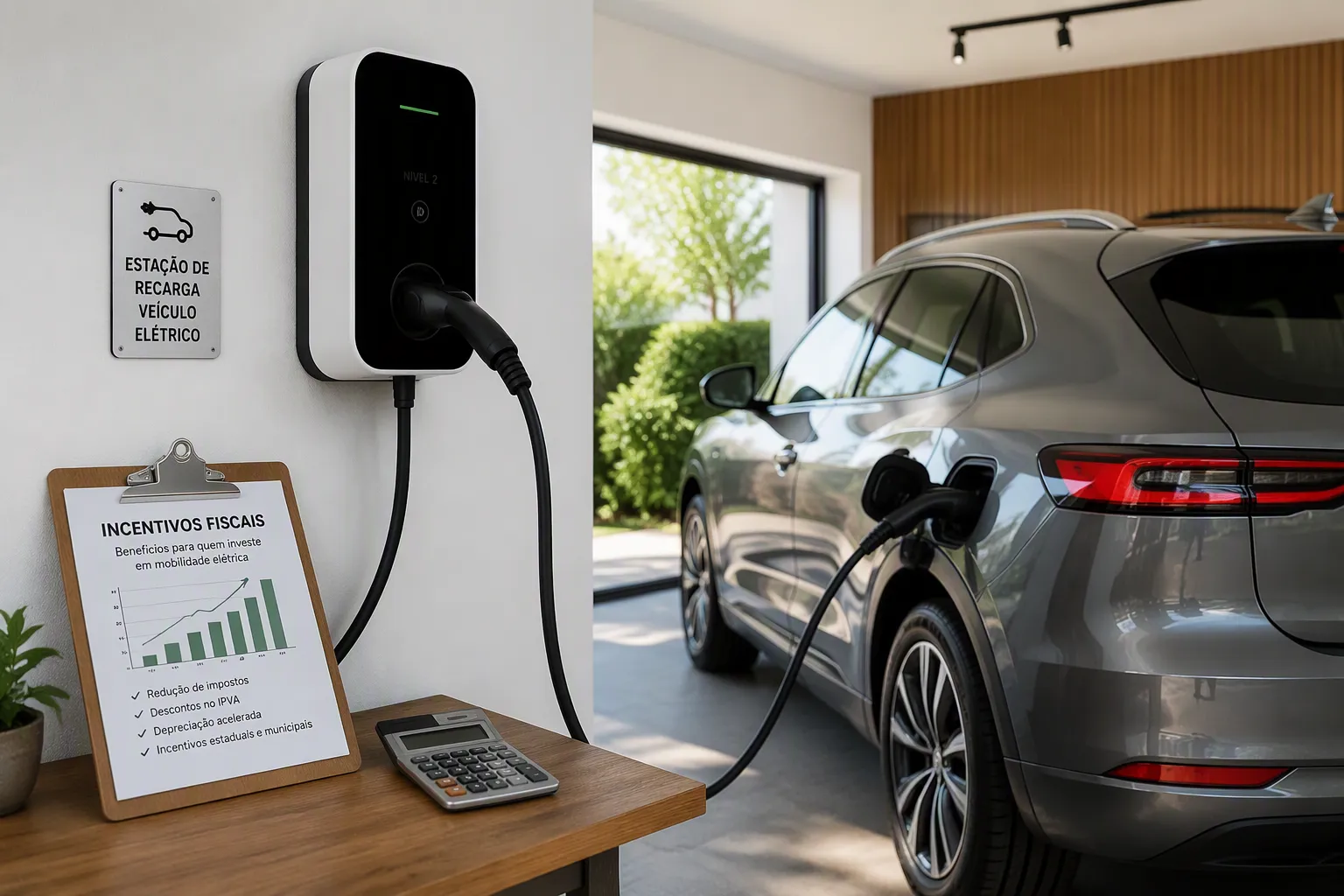
Incentives and Rebates for Level 2 EV Charger Installation
إن cost of installing a Level 2 EV charger can be significant, but various incentives and rebates help offset these expenses. Many regions offer financial support to encourage the adoption of electric vehicles and charging infrastructure.
- Businesses may qualify for rebates, grants, or tax credits when installing EV chargers.
- Homeowners and organizations should research local and national programs that provide financial assistance for charger installations.
- In the UK, the Office for Zero Emission Vehicles (OZEV) grant helps reduce the cost of Level 2 EV charger installation.
TPSON advises customers to explore all available incentives before purchasing and installing a charger. These programs can make advanced charging solutions more affordable and accessible.
💡 Pro Tip: Check with local authorities or energy providers for the latest information on incentives and rebates in your area.
Making the Right Choice: Level 1 Charging or Level 2 Charging?
Assessing Your Needs and Lifestyle
Electric vehicle owners face an important decision when selecting a home charging solution. They must consider their daily routines, vehicle specifications, and home infrastructure. Charging speed plays a critical role in convenience. Drivers who travel long distances each day often require faster charging to keep their vehicles ready. Those with short commutes may find that level 1 charging meets their needs, especially if they can leave their vehicle plugged in overnight.
يوضِّح الجدول التالي main factors to evaluate:
| العامل | الوصف |
|---|---|
| سرعة الشحن | Determines how quickly the vehicle can be charged, impacting convenience for daily use. |
| مسافة القيادة اليومية | Short distances may not require fast charging, while long commutes benefit from quicker options. |
| Vehicle Battery Size | Larger batteries may need more powerful chargers to ensure adequate charging within a reasonable time. |
| Electrical Capacity at Home | Essential for supporting Level 2 chargers; some homes may need upgrades for installation. |
| Availability of Public Charging Stations | Influences the need for home charging speed based on access to external charging options. |
Drivers should also think about how often they need to charge. Frequent charging favors faster home charging systems. Those who charge nightly and have enough time may not need high-speed options.
Questions to Ask Before Choosing
Selecting between level 1 charging and level 2 charging requires careful thought. Owners should ask themselves several key questions:
- How many miles do they drive each day?
- Does their vehicle have a large battery that takes longer to charge?
- Can their home’s electrical system support a higher-powered charger?
- Do they have access to public charging stations near work or shopping areas?
- How much time do they usually have for charging at home?
A driver who covers short distances and has predictable routines may find level 1 charging sufficient. Someone with a long commute or multiple vehicles in the household may benefit from level 2 charging. Homeowners should also consider future needs, such as purchasing another electric vehicle or upgrading to a model with a larger battery.
Tip: Planning for future vehicle purchases or changes in driving habits can help avoid costly upgrades later.
Next Steps for EV Owners
After evaluating their needs, electric vehicle owners should consult a licensed electrician. This professional can assess the home’s electrical capacity and recommend the best charging solution. Owners should research available incentives or rebates for installing level 2 charging equipment. They may also want to visit public charging stations to understand their options.
A clear plan ensures that the charging setup matches the owner’s lifestyle and vehicle requirements. By considering daily driving patterns, home infrastructure, and future needs, drivers can make an informed decision. The right choice provides convenience, efficiency, and peace of mind for years to come.
Electric vehicle owners face a clear choice between Level 1 and Level 2 charging. The table below highlights the main differences:
| الميزة | شحن المستوى 1 | شحن المستوى 2 |
|---|---|---|
| سرعة الشحن | About 20 hours for a full charge | 3 to 7 times faster |
| Power Requirement | 120-volt outlet | 240-volt outlet |
| الملاءمة | Slower, best for low daily mileage | Faster, suits overnight charging |
| التكلفة | مُرفق مع السيارة الكهربائية | Extra purchase and installation costs |
- Home charging covers over 80% of EV sessions, so convenience matters.
- Level 2 chargers reduce charging time by up to seven times.
- Charging during off-peak hours can save drivers thousands each year.
Drivers should match their charging solution to their driving habits, home setup, and budget. Consulting a licensed electrician ensures safe installation and optimal performance.
الأسئلة الشائعة
ما الفرق الرئيسي بين الشحن من المستوى 1 والمستوى 2؟
Level 1 charging uses a standard 120V outlet and charges slowly. Level 2 charging uses a 240V outlet and charges much faster. Most drivers notice a significant reduction in charging time with Level 2.
Can every home support Level 2 charging?
Not every home supports Level 2 charging without upgrades. An electrician must check the electrical panel. Some older homes need panel upgrades or new wiring to handle the higher voltage and current.
Is Level 2 charging safe for daily use?
Level 2 charging is safe for daily use when installed by a licensed electrician. Proper installation ensures compliance with safety codes and prevents electrical hazards.
Does Level 2 charging damage the battery?
Level 2 charging does not damage the battery. Modern electric vehicles use battery management systems that regulate charging speed and protect battery health.
كم تبلغ تكلفة تركيب شاحن المستوى 2؟
Installation costs for Level 2 chargers range from $800 to $2,500. The final price depends on the charger model, home wiring, and any required electrical upgrades.
Can renters use Level 2 charging?
Renters can use Level 2 charging if the property owner allows installation. Portable Level 2 chargers may work with existing 240V outlets, but permission and proper wiring remain essential.
Are there incentives for installing Level 2 chargers?
Many regions offer rebates, tax credits, or grants for Level 2 charger installation. Drivers should check with local utilities or government programs for current incentives.