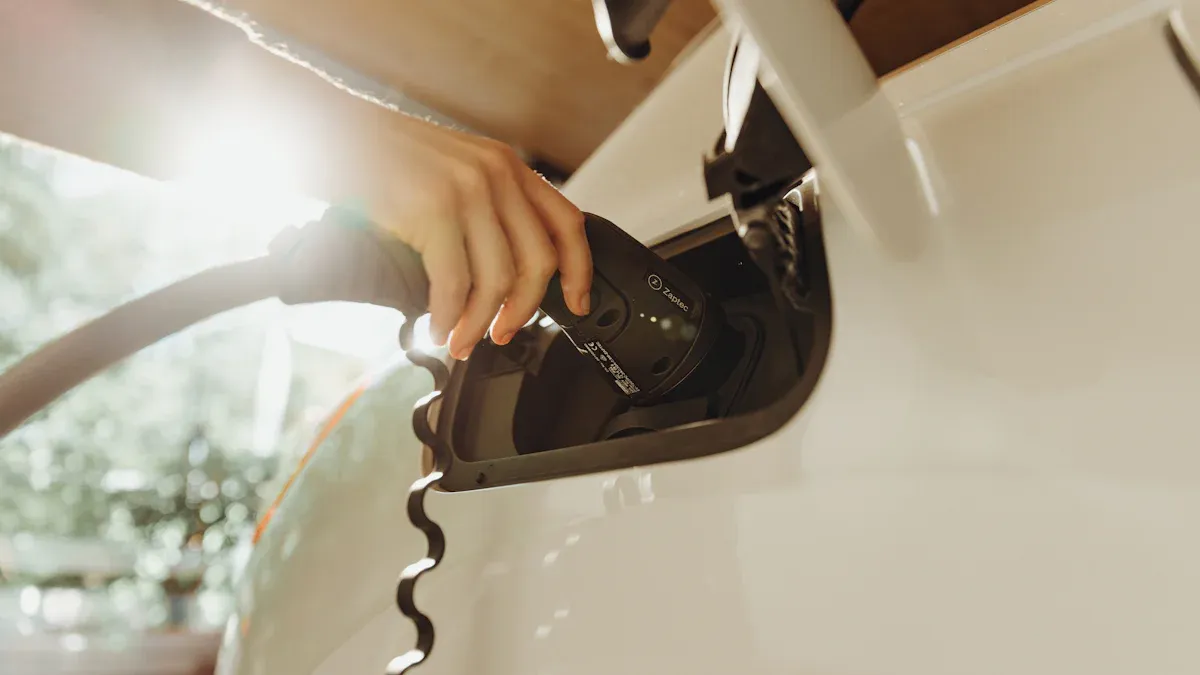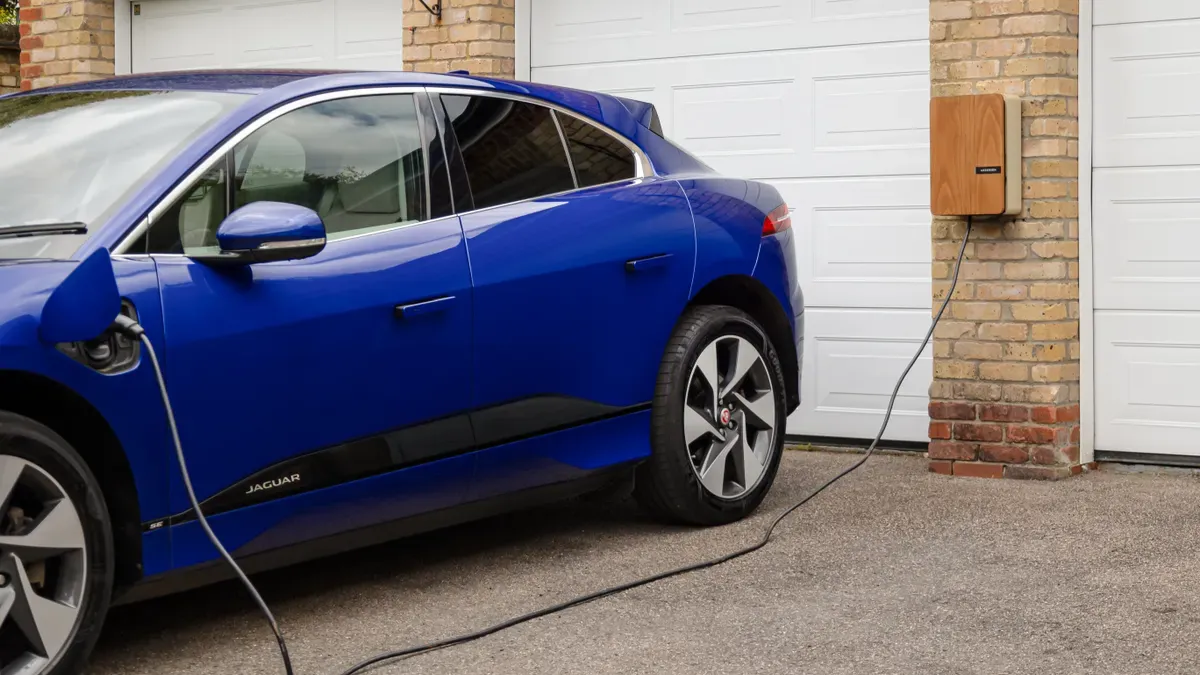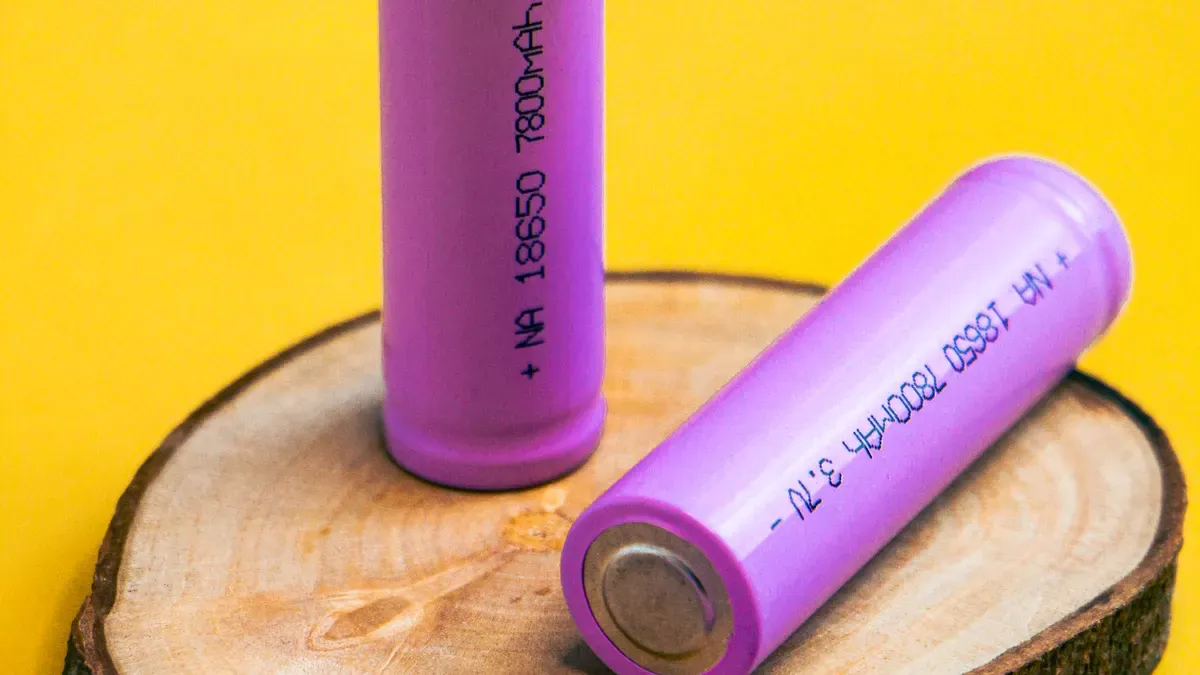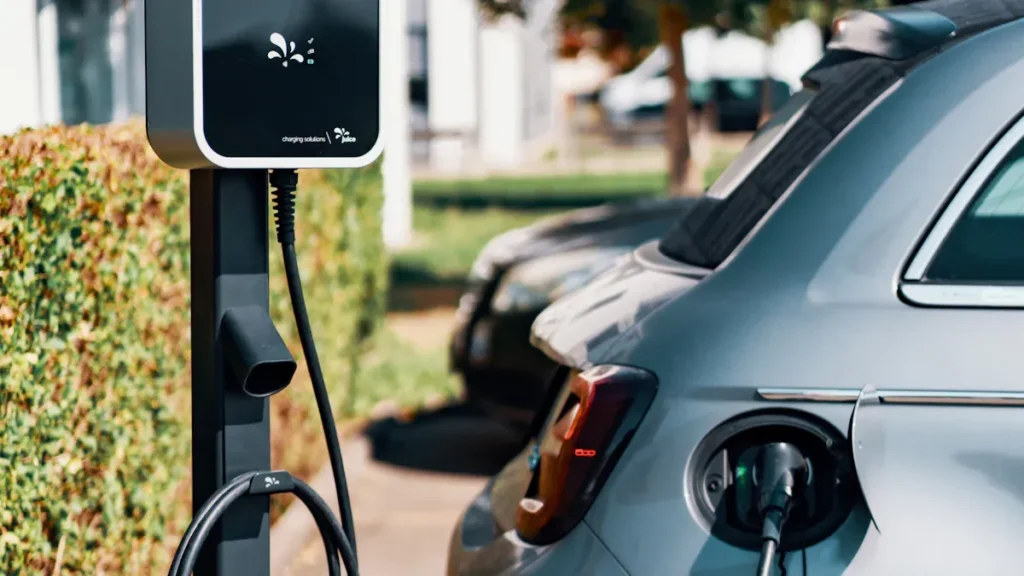
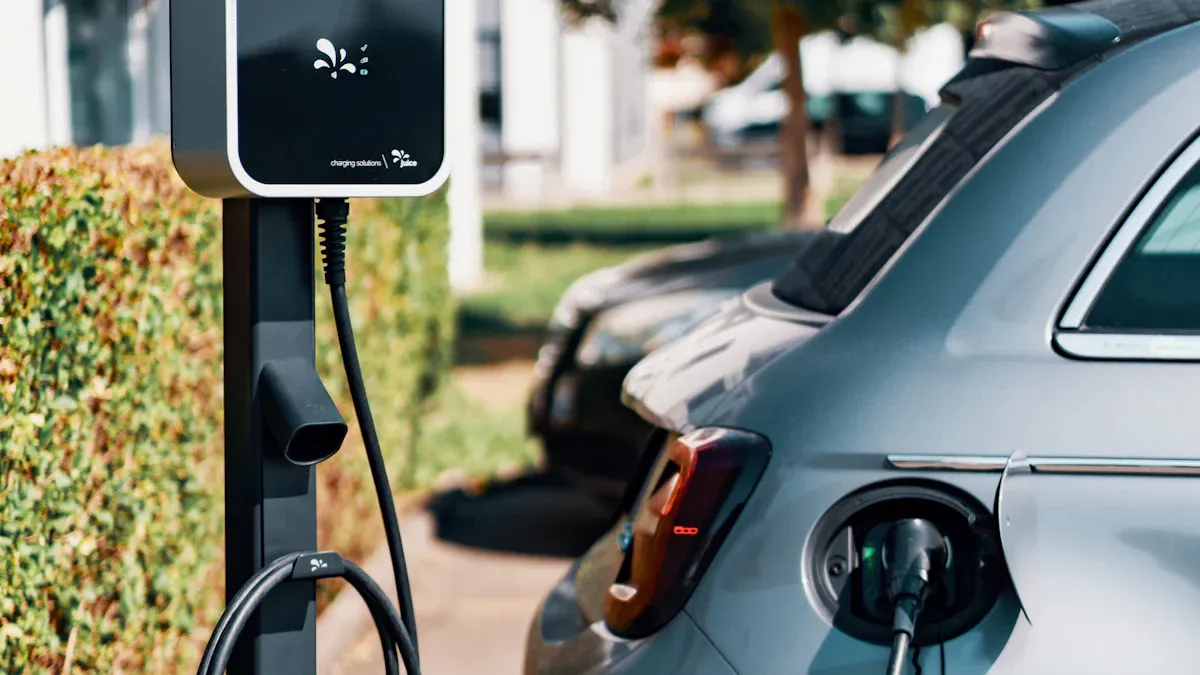
No one should charge their EV to 100% every day unless the extra range is absolutely necessary. Studies show that charging to full capacity can accelerate battery degradation, which shortens battery life and affects performance. Lithium-ion batteries last longer when not frequently charged to maximum. TPSON offers advanced حلول شحن السيارات الكهربائية, بما في ذلك شواحن السيارات الكهربائية المحمولة, that help drivers set optimal limits. Leading الشركات المصنعة لشاحن السيارة الكهربائية recommend using an شاحن السيارة الكهربائية with adjustable settings to protect battery health. To maximize the benefits, always consider when to charge my ev.
Why You Shouldn’t Always Charge My EV to 100
Battery Longevity and Health
How Charging to 100% Impacts Battery Life
Charging an electric vehicle battery to full capacity places additional stress on the battery’s internal chemistry. Lithium-ion batteries, which power most modern EVs, experience faster degradation when kept at a high state of charge for extended periods. Real-world data from thousands of monitored vehicles shows that average annual battery degradation remains below 2%, even with occasional rapid charging. Manufacturers often provide warranties for eight years or around 100,000 miles, which demonstrates their confidence in battery durability. However, users who frequently charge lithium batteries to 100% tend to see faster degradation rates compared to those who maintain lower charge levels, such as 30-50%. Storing a battery at full charge, especially in warm climates, can accelerate this process.
Understanding Battery Degradation Over Time
Battery degradation refers to the gradual loss of capacity and efficiency as the battery ages. A large-scale telematics study found that moderate exposure to high state-of-charge levels, even up to 80% of cumulative time, had no meaningful effect on battery aging. Degradation rates remained nearly identical between groups with low and medium exposure to high charge extremes, at approximately 1.4% to 1.5% per year. This challenges the belief that charging only between 20% and 80% is always necessary to protect battery longevity. Still, frequent full charges, especially in hot conditions, can increase the rate of capacity loss over time.
The Science Behind Battery Stress
High Voltage and Its Effects on Battery Cells
High voltage charging, particularly through DC fast charging, generates increased heat due to higher electrical currents. This heat, combined with a high state of charge, creates stressful conditions for lithium-ion batteries. Modern battery management systems monitor temperature and reduce power input if it exceeds safe limits. These systems help protect the battery, but repeated exposure to high voltage and heat can still contribute to gradual wear.
Heat Generation and Wear from Full Charges
Heat is a major factor in battery wear. When a battery charges to 100%, it often generates more heat, especially if the process uses rapid charging. TPSON and other advanced charging solution providers design their products with thermal management in mind, helping to regulate temperature and protect battery health. In cold climates, manufacturers implement pre-heating systems to maintain efficiency and enable rapid charging, but extreme temperatures—both hot and cold—can still impact battery performance and longevity.
نصيحة: Parking and charging in shaded or temperature-controlled environments can help minimize heat-related battery stress.
Real-World Consequences of Full Charges
Reduced Driving Range Over the Years
Over time, batteries that frequently reach 100% charge may lose capacity faster, resulting in a noticeable reduction in driving range. Cold weather can also reduce range by 20-30%, as chemical reactions slow down and more energy is used for heating. Efficiency can drop by up to 41% at temperatures below -6°C, especially when heating is used extensively. These factors combine to reduce the power available for driving and charging, making it important to manage charging habits carefully.
The Cost and Hassle of Battery Replacement
Replacing an EV battery can be expensive and inconvenient. Although most manufacturers offer long-term warranties, batteries that degrade faster due to frequent full charges may require replacement sooner than expected. This not only increases costs but also causes downtime and potential hassle for the vehicle owner. Using smart charging solutions, such as those provided by TPSON, allows drivers to set optimal charge limits and extend battery life, reducing the likelihood of early replacement.
- Users who frequently charge to 100% experience:
- Faster battery degradation
- Increased risk of reduced range
- Higher likelihood of costly battery replacement
Choosing when to charge my ev to full capacity should depend on actual driving needs, not habit. By following best practices and using advanced charging technology, drivers can protect their investment and enjoy reliable performance for years.
When Should I Charge My EV to 100
Preparing for Long Road Trips
Maximizing Range for Extended Travel
Drivers often need maximum range when planning extended journeys. Charging an electric vehicle to 100% before a long trip ensures that the battery provides its full capacity. This practice helps reduce anxiety about finding charging stations along the route. Industry experts agree that topping up to full is acceptable for these occasions.
For longer trips, it’s acceptable to charge your EV to 100% because it’s an occasional necessity for peace of mind during the journey.
TPSON offers smart charging solutions that allow users to schedule a full charge in advance. These systems help drivers optimize battery readiness without compromising long-term health.
Timing Your Full Charge Before Departure
Timing plays a crucial role in maximizing battery efficiency. Drivers should aim to finish charging shortly before departure. This approach minimizes the time the battery spends at a high state of charge, which can help preserve battery health. Many EVs feature scheduled charging, allowing users to set the exact time to complete charging. TPSON’s advanced chargers support these features, making trip preparation more convenient.
Emergency and Unusual Situations
Unexpected Travel or Limited Charging Access
Emergencies or sudden travel plans often require a full battery. Charging to 100% provides flexibility when access to charging infrastructure is uncertain. Drivers may encounter areas with limited charging stations or unpredictable travel distances.
In emergency situations where maximum range is required, not charging to 100% can be a disadvantage. Having the full battery capacity available can provide peace of mind and flexibility.
TPSON’s portable EV chargers offer a practical solution for these scenarios, enabling drivers to charge their EV wherever needed.
Power Outages and Backup Needs
Power outages or disruptions in charging availability can create challenges. Keeping the battery fully charged during such events ensures that the vehicle remains ready for use. Some drivers rely on their EV as a backup power source for their home, making a full charge essential during uncertain conditions.
Battery Type and Manufacturer Guidance
LFP vs. NMC Batteries and Full Charging
تؤثر كيمياء البطارية على ممارسات الشحن. تستجيب بطاريات فوسفات الحديد الليثيوم (LFP) وبطاريات النيكل والمنغنيز والكوبالت (NMC) بشكل مختلف للشحن الكامل. يلخص الجدول أدناه الاختلافات:
| كيمياء البطارية | الشحن حتى 100٪ | مخاطر الشحن الزائد |
|---|---|---|
| فوسفات الحديد الليثيوم (LFP) | آمن | لا يوجد |
| النيكل والمنغنيز والكوبالت (NMC) | غير موصى به | مخاطر عالية |
غالبًا ما يوصي المصنعون بشحن بطاريات فوسفات الحديد الليثيوم (LFP) بانتظام حتى 100٪، بينما تستفيد بطاريات النيكل والمنغنيز والكوبالت (NMC) من حدود شحن أقل. يجب على السائقين الرجوع إلى دليل مركبتهم للحصول على إرشادات محددة.
ميزات الشحن الكامل المؤقت في بعض المركبات الكهربائية
تتضمن بعض المركبات الكهربائية أوضاع شحن كامل مؤقتة. تسمح هذه الميزات للسائقين بتجاوز حدود الشحن القياسية في مناسبات خاصة، مثل الرحلات الطويلة أو حالات الطوارئ. تندمج شواحن TPSON بسلاسة مع هذه الإعدادات، لدعم كل من الشحن الروتيني والشحن الكامل العرضي.
يجب على السائقين تقييم احتياجاتهم قبل اتخاذ قرار شحن مركبتي الكهربائية حتى 100٪. لا يؤثر الشحن الكامل العرضي للسفر أو حالات الطوارئ بشكل كبير على صحة البطارية، خاصة عند دعمه بتقنية شحن متقدمة.
أفضل الممارسات لشحن مركبتي الكهربائية للاستخدام اليومي
تحديد حدود الشحن المثالية
قاعدة 80/20 لصحة البطارية
يوصي خبراء البطاريات بقاعدة 80/20 كإرشاد عملي للشحن اليومي. يحافظ هذا النهج على حالة شحن البطارية بين 20٪ و 80٪، مما يساعد في الحفاظ على عمر البطارية. يظهر تحليل Geotab أن المركبات التي تتبع هذه القاعدة تعاني من تدهور ضئيل في البطارية، مع معدلات سنوية منخفضة تصل إلى 1.4٪ إلى 1.5٪. فقط عندما تقضي المركبات أكثر من 80٪ من وقتها عند مستويات شحن عالية أو منخفضة يحدث تدهور كبير، يصل إلى 2.0٪ سنويًا.
- الحفاظ على شحن البطارية بين 20٪ و 80٪.
- تجنب الشحن حتى 100٪ إلا قبل الرحلات الطويلة.
- لا تترك البطارية أقل من 20٪ لفترات طويلة.
- اشحن حسب الحاجة بدلاً من الشحن اليومي لتقليل دورات الشحن.
- قم بإجراء شحن كامل عرضي (ربع سنوي) لأنظمة إدارة البطارية.
- يُفضل الشحن بالتيار المتردد المستوى 2 على الشحن السريع بالتيار المستمر المتكرر للحفاظ على عمر البطارية.
يمكن للسائقين الذين يتبعون قاعدة 80/20 توقع احتفاظ بطارياتهم بالسعة وتقديم أداء متسق مع مرور الوقت.
كيفية تعيين حدود الشحن في مركبتك الكهربائية
تسمح معظم المركبات الكهربائية الحديثة للمستخدمين بتعيين حدود شحن مخصصة من خلال نظام الترفيه في السيارة أو تطبيق جوال متصل. تندمج حلول الشحن المتقدمة من TPSON بسلاسة مع هذه الأنظمة، مما يجعل تعيين حدود الشحن وتعديلها أمرًا سهلاً. يجب على السائقين الرجوع إلى دليل المركبة للحصول على تعليمات محددة، ولكن العملية تنطوي عادةً على اختيار نسبة شحن قصوى مفضلة. يساعد تعيين حد عند 80٪ للاستخدام اليومي وزيادته فقط عند الضرورة في تحسين صحة البطارية.
استخدام الشحن المجدول والذكي
فوائد الشحن خلال ساعات الذروة المنخفضة
الشحن المجدول يوفر فوائد اقتصادية وتقنية. من خلال الشحن خلال ساعات الذروة المنخفضة، يمكن للسائقين الاستفادة من أسعار الكهرباء المنخفضة وتقليل تكاليف الطاقة الإجمالية. تسمح أنظمة الشحن الذكية، مثل تلك من TPSON، للمستخدمين برمج جلسات الشحن لتبدأ تلقائيًا عندما تكون الأسعار في أدنى مستوياتها.
| المزايا | الوصف |
|---|---|
| الشحن المجدول | يمكن لمالكي المركبات الكهربائية توفير تكاليف الكهرباء عن طريق الشحن خلال ساعات الذروة المنخفضة، مما يساعد في إدارة نفقات الطاقة بشكل فعال. |
| موازنة التحميل الديناميكي | تمنع هذه الميزة أحمال الدوائر الكهربائية الزائدة، مما يمكن أن يطيل عمر البطارية من خلال ضمان ظروف شحن آمنة. |
| تحسين استخدام الطاقة المستدامة | يمكن للشحن الذكي أن يتوافق مع إنتاج الطاقة المتجددة، مما يقلل الاعتماد على طاقة الشبكة ويعزز صحة البطارية. |
| توفير التكاليف على فواتير الكهرباء | على الرغم من أن الشواحن الذكية قد تكون ذات تكلفة أولية أعلى، إلا أنها تؤدي إلى توفير طويل الأجل من خلال تحسين سلوك الشحن واستخدام الطاقة. |
لا يوفر السائقون الذين يستخدمون الشحن المجدول المال فحسب، بل يساعدون أيضًا في تحقيق التوازن في الشبكة الكهربائية ويدعمون استخدام الطاقة المستدامة.
أتمتة الشحن للراحة والتوفير
تضيف ميزات الشحن الآلي راحة للروتين اليومي. تسمح العديد من المركبات الكهربائية والشواحن الذكية للمستخدمين بتعيين أوقات وحدود الشحن مسبقًا. تقدم حلول TPSON واجهات سهلة الاستخدام للجدولة والأتمتة، مما يضمن أن تكون المركبة جاهزة عند الحاجة دون إجهاد غير ضروري للبطارية. تساعد الأتمتة أيضًا في تجنب فترات ذروة الطلب، مما يقلل التكاليف بشكل أكبر ويدعم استقرار الشبكة.
نصائح للعناية اليومية بالبطارية
تجنب التفريغ العميق والشحن الزائد
تلعب العادات اليومية دورًا كبيرًا في صحة البطارية. يجب على السائقين تجنب ترك البطارية تنخفض عن 20٪ أو الشحن حتى 100٪ إلا عند الضرورة القصوى. يحافظ إبقاء البطارية ضمن النطاق الأمثل على خلايا البطارية ويطيل العمر الإجمالي. يساعد الشحن الكامل العرضي، الذي يتم إجراؤه كل بضعة أشهر، في معايرة نظام إدارة البطارية ولكن لا ينبغي أن يصبح روتينًا.
الحفاظ على برودة بطاريتك وحمايتها
إدارة درجة الحرارة أمر بالغ الأهمية لعمر البطارية. يمكن أن يؤدي الحر الشديد أو البرد القارس إلى تسريع تآكل البطارية وتقليل الكفاءة. يوصي الخبراء بتخزين المركبة في الداخل عندما يكون ذلك ممكنًا والشحن كل ثلاثة أشهر إذا بقيت المركبة خاملة. عادات القيادة السلسة ، مثل التسارع والفرم اللطيفين، تساهم أيضًا في صحة البطارية.
| نصيحة | الوصف |
|---|---|
| الحفاظ على مستويات الشحن المثلى | تعمل بطاريات الليثيوم أيون بأفضل أداء عند الحفاظ على شحنها بين 20٪-80٪. تجنب الشحن حتى 100٪. |
| تجنب درجات الحرارة القصوى | قم بتخزين المركبة في الداخل وشحنها كل ثلاثة أشهر إذا كانت خاملة لمنع فقدان السعة. |
| مارس عادات قيادة سلسة | تقلل القيادة السلسة من الإجهاد على البطارية، مما يعزز طول عمرها وكفاءتها. |
| التحضير للتخزين السليم | بالنسبة للتخزين طويل الأجل، حافظ على شحن البطارية عند حوالي 50٪ لتقليل الإجهاد على الخلايا. |
نصيحة: تتضمن شواحن TPSON الذكية ميزات إدارة حرارية وخيارات جدولة، مما يساعد السائقين على حماية بطارياتهم في جميع الظروف.
باتباع أفضل الممارسات هذه، يمكن للسائقين شحن مركبتهم الكهربائية للاستخدام اليومي بثقة مع تعظيم صحة البطارية وتقليل التكاليف طويلة الأجل.
ما يقوله المصنعون حول كيفية شحن مركبتي الكهربائية
Official Recommendations from Leading Brands
Tesla’s Charging Guidelines
Tesla recommends setting a daily charging limit below 100% for most users. Drivers should charge their vehicles to 80% for routine use. Tesla’s software allows users to adjust the charge limit easily through the vehicle’s touchscreen or mobile app. Charging to 100% is advised only before long journeys or when maximum range is essential. This practice helps maintain battery health and reduces the risk of accelerated degradation. Tesla’s battery management system monitors charging patterns and provides reminders to optimize battery longevity.
Nissan’s Advice for Leaf Owners
Nissan advises Leaf owners to avoid frequent full charges. The manufacturer suggests keeping the battery بين 20٪ و80٪ for daily driving. Charging to 100% should occur only when preparing for extended trips. Nissan’s guidance aligns with industry best practices, emphasizing that regular full charges can shorten battery lifespan. The Leaf’s onboard charging system supports scheduled charging, allowing drivers to finish charging just before departure. TPSON’s advanced charging solutions integrate with Nissan’s systems, offering users flexibility and control.
Chevrolet’s Approach for Bolt Drivers
Chevrolet recommends Bolt drivers use the vehicle’s charge limit feature to preserve battery health. For everyday use, drivers should set the maximum charge to 80%. Charging to 100% is acceptable when planning long journeys or when extra range is required. Chevrolet’s guidance highlights the importance of minimizing time spent at full charge. The Bolt’s charging interface enables users to schedule and automate charging sessions. TPSON’s smart chargers support these features, ensuring optimal battery care.
Manufacturers across the industry provide similar advice. The following table summarizes recommendations from several leading brands:
| الشركة المصنعة | الموديل/الموديلات | Charging Recommendation Regarding 100% Charge |
|---|---|---|
| أودي | e-tron & e-tron Sportback | For daily use, set charging target to 80% to extend battery life; charge to 100% only before long trips for maximum range. |
| جاكوار | I-Pace | For long-term storage, keep battery charged between 30% and 60%; avoid charging to 100% frequently to prevent battery damage. |
| كيا | e-Niro, Niro PHEV, Soul EV | Recommended to leave battery fully charged; vehicle stops charging automatically when full, so charging to 100% is acceptable. |
Note: Always consult the vehicle’s manual for specific instructions, as recommendations may vary based on battery chemistry and model.
Warranty and Policy Considerations
Does Charging to 100% Affect Your Warranty?
Manufacturers typically offer warranties for EV batteries that last around eight years or 100,000 miles. These warranties cover defects and performance issues. However, best practices in charging can help maintain battery longevity and warranty validity. Regularly charging to 100% may negatively affect battery health, though it does not usually void the warranty unless misuse is proven. Drivers should charge their vehicles only when needed and maintain a charge between 30% and 80% for optimal battery health. Charging to full should occur only for longer journeys.
- Keeping the battery charge between 20% and 80% is recommended to preserve battery health.
- الشحن حتى 100٪ should be done only when necessary, such as for long journeys.
- EV batteries typically come with a warranty of around eight years or 100,000 miles.
- Warranty covers manufacturing defects and performance issues.
- Best practices in charging can help maintain battery longevity and warranty validity.
TPSON’s smart charging solutions help drivers follow manufacturer guidelines, supporting battery health and warranty compliance.
Importance of Reading Your Owner’s Manual
Each electric vehicle model has unique charging requirements. Drivers should read the owner’s manual to understand specific recommendations for their vehicle. The manual provides guidance on setting charge limits, scheduling charging sessions, and maintaining battery health. Following these instructions ensures optimal performance and protects the battery. TPSON’s chargers offer compatibility with a wide range of EVs, making it easier for drivers to implement manufacturer advice and charge my ev according to best practices.
Tip: Refer to the owner’s manual regularly to stay updated on recommended charging habits and maximize battery life.
Quick FAQs About How to Charge My EV
Will Charging to 100% Damage My Battery?
Charging an electric vehicle to 100% does not cause immediate or severe battery damage, especially if done infrequently. Recent studies indicate that occasional full charges have minimal impact on battery health. However, regular charging to full capacity can accelerate battery degradation over time. The battery’s internal chemistry experiences more stress at higher charge levels, which can lead to a gradual reduction in capacity and efficiency. Most experts recommend maintaining a charge between 20% and 80% for daily use. This practice helps preserve battery longevity and ensures consistent performance. Drivers who use advanced charging solutions, such as those from TPSON, can easily set charge limits to protect their battery investment.
ملاحظة: The last 20% of charging is slower and less efficient, often generating more heat and increasing energy costs.
Is It Okay to Charge to 100% Occasionally?
Charging to 100% is acceptable when preparing for long journeys or in situations where maximum range is necessary. Occasional full charges do not significantly harm the battery. Most manufacturers and industry experts agree that keeping the battery between 20% and 80% for routine driving is ideal. Frequent charging outside this range can contribute to faster battery wear. Drivers should reserve full charges for specific needs, such as extended travel or emergencies. TPSON’s smart chargers allow users to schedule and automate occasional full charges, ensuring the vehicle is ready when required without compromising long-term battery health.
Advantages of Charging to 100%:
- Provides maximum driving range for long trips.
- Offers flexibility for longer distances without recharging.
- Delivers peace of mind during emergencies.
Disadvantages of Charging to 100%:
- Can accelerate battery degradation if done regularly.
- Charging from 80% to 100% is slower and less efficient.
- Generates more heat, which may affect battery lifespan.
- Reduces regenerative braking efficiency when fully charged.
What If I Need Full Range Every Day?
Some drivers require the full range of their electric vehicle for daily commutes or work. In these cases, charging to 100% becomes necessary. To minimize battery stress, drivers should adopt efficient driving habits, such as using regenerative braking and maintaining steady speeds. Optimizing battery usage by prioritizing slow charging and keeping the battery within the recommended range when possible can help. Regular maintenance, including checking tire pressure and removing unnecessary roof racks, also supports battery health and vehicle efficiency.
TPSON provides technologically advanced charging solutions that help drivers manage their charging routines, even when daily full charges are unavoidable. By combining smart charging practices with efficient driving, drivers can extend battery life and maintain reliable performance.
Does Charging to 100% Improve Performance?
Charging an electric vehicle to 100% does not boost acceleration, power output, or overall driving performance. The vehicle’s electric motor receives consistent power delivery, regardless of whether the battery sits at 80% or 100%. Most modern EVs use sophisticated battery management systems that regulate energy flow to maintain optimal performance at various charge levels.
Drivers may notice a slight increase in available driving range when the battery reaches full charge. However, this does not translate to faster speeds or improved handling. The main benefit of a 100% charge remains the extended distance the vehicle can travel before needing to recharge.
ملاحظة: بعض المركبات الكهربائية تحد مؤقتًا من الكبح التجديدي عندما تكون البطارية مشحونة بالكامل. يحدث هذا لأن البطارية لا تستطيع استقبال طاقة إضافية حتى تنخفض عن 100٪. قد يلاحظ السائقون انخفاضًا في كفاءة الكبح التجديدي خلال الأميال القليلة الأولى بعد الشحن الكامل.
النقاط الرئيسية التي يجب تذكرها:
- الشحن حتى 100٪ يزيد المدى، وليس القوة أو السرعة.
- قد ينخفض الكبح التجديدي مؤقتًا عند الشحن الكامل.
- أنظمة إدارة البطارية تضمان أداءً متسقًا.
حلول الشحن المتقدمة من TPSON تساعد السائقين على تحديد حدود شحن مناسبة، مما يضمن بقاء البطارية في حالة صحية دون التضحية بالأداء اليومي.
كيف أحدد حد الشحن في مركبتي الكهربائية؟
يتيح تحديد حد الشحن للسائقين حماية صحة البطارية وتحسين روتين الشحن. تقدم معظم المركبات الكهربائية واجهات سهلة الاستخدام لضبط حدود الشحن. تظهر هذه الإعدادات عادة على الشاشة اللمسية للمركبة أو داخل تطبيق الهاتف المتصل.
خطوات تحديد حد الشحن:
- الوصول إلى قائمة الشحن على شاشة المركبة أو التطبيق.
- تحديد خيار “حد الشحن” أو “الشحن المستهدف”.
- ضبط المنزلق أو إدخال النسبة المئوية المطلوبة (عادة 80٪ للاستخدام اليومي).
- تأكيد وحفظ الإعداد الجديد.
توفر بعض المركبات الكهربائية ميزات إضافية، مثل الشحن المجدول أو التجاوز المؤقت للرحلات الطويلة. تندمج شواحن TPSON الذكية مع هذه الأنظمة، مما يتيح تحكمًا سلسًا في حدود الشحن والجداول الزمنية.
| الميزة | المزايا |
|---|---|
| حد شحن قابل للتعديل | يطيل عمر البطارية |
| الشحن المجدول | يقلل من تكاليف الطاقة |
| تكامل تطبيقات الجوال | يوفر تحكمًا ومراقبة عن بُعد |
نصيحة: يجب على السائقين الرجوع إلى دليل المالك للمركبة للحصول على تعليمات خاصة بالموديل. يمكن لفريق دعم TPSON أيضًا المساعدة في دمج ميزات الشحن المتقدمة.
من خلال تحديد حدود شحن مناسبة، يمكن للسائقين الحفاظ على صحة البطارية، وتقليل التكاليف طويلة المدى، والاستمتاع بأداء موثوق من مركباتهم الكهربائية.
يمكن للسائقين إطالة عمر البطارية وتقليل التكاليف باتباع عادات شحن ذكية. يجب عليهم تجنب الشحن حتى 100٪ يوميًا وحفظ الشحن الكامل للرحلات الطويلة أو الطوارئ. تظهر الأبحاث أن الحفاظ على البطارية بين 20٪ و 80٪ يدعم الاستقرار طويل المدى ويقلل التآكل. توفر TPSON حلولًا متقدمة لمساعدة السائقين على تحديد الحدود وجدولة الشحن.
- حافظ على الشحن بين 20٪ و 80٪ للاستخدام اليومي.
- يُفضل الشحن البارد (AC) البطيء وتجنب التفريغ العميق.
- جدولة الشحن خلال ساعات الذروة المنخفضة.
| الممارسة | المزايا |
|---|---|
| تجنب الشحن اليومي حتى 100٪ | يقلل إجهاد البطارية ويطيل العمر الافتراضي |
| استخدام حدود الشحن والجدولة | يقلل تكاليف الصيانة والمصروفات غير المتوقعة |
يمكن للسائقين الذين يتبعون هذه الإرشادات شحن مركبتي الكهربائية بثقة والاستمتاع بأداء موثوق لسنوات.
الأسئلة الشائعة
هل يمكن أن يضر الشحن اليومي لمركبتي الكهربائية حتى 100٪ بالبطارية؟
الشحن حتى 100٪ يوميًا يزيد من إجهاد البطارية ويسرع التدهور. يوصي معظم المصنّعين بالحد من الشحن اليومي إلى 80٪. تساعد شواحن TPSON السائقين على تحديد حدود شحن مثلى لصحة أفضل للبطارية.
كم مرة يجب أن تصل المركبة الكهربائية إلى شحن كامل؟
يجب على السائقين حفظ الشحن الكامل للرحلات الطويلة أو الطوارئ. الشحن الكامل العرضي، مثل مرة شهريًا، يساعد في معايرة نظام إدارة البطارية. الشحن الكامل اليومي ليس ضروريًا لمعظم المستخدمين.
هل تؤثر سرعة الشحن على عمر البطارية؟
الاستخدام المتكرر للشحن السريع يولد حرارة أكثر ويمكن أن يقصر عمر البطارية. الشحن البارد (المستوى 2) أكثر لطفًا على البطارية. تقدم TPSON حلولًا تدعم كلًا من وضعي الشحن السريع والبطيء.
ما هو مستوى الشحن الأفضل للاستخدام اليومي؟
يوصي معظم الخبراء بالحفاظ على البطارية بين 20٪ و 80٪ للقيادة اليومية. هذا النطاق يقلل الإجهاد على خلايا البطارية ويطيل العمر الافتراضي. تسمح شواحن TPSON بضبط حدود الشحن بسهولة.
هل يمكنني ترك مركبتي الكهربائية موصولة بالشحن طوال الليل؟
ترك المركبة الكهربائية موصولة بالشحن طوال الليل آمن إذا كان الشاحن والمركبة يمتلكان أنظمة إدارة مناسبة. تتميز شواحن TPSON بالجدولة الذكية والإيقاف التلقائي لمنع الشحن الزائد.
هل تدعم جميع المركبات الكهربائية حدود شحن قابلة للتعديل؟
تسمح معظم المركبات الكهربائية الحديثة للمستخدمين بتحديد حدود الشحن عبر واجهة المركبة أو تطبيق الهاتف. تندمج شواحن TPSON مع هذه الأنظمة للتحكم السلس والراحة.
هل سيعمل الشحن حتى 100٪ على تحسين أداء مركبتي الكهربائية؟
الشحن حتى 100٪ يزيد المدى القيادي ولكنه لا يعزز التسارع أو القوة. يبقى الأداء متسقًا عبر معظم مستويات الشحن. فقط المدى يستفيد من الشحن الكامل.
كيف تؤثر درجة الحرارة على عادات الشحن؟
يمكن أن تؤثر الحرارة أو البرودة الشديدة على كفاءة البطارية وعمرها. الشحن في درجات حرارة معتدلة واستخدام ميزات إدارة الحرارة، مثل تلك الموجودة في شواحن TPSON، يساعد في حماية البطارية.