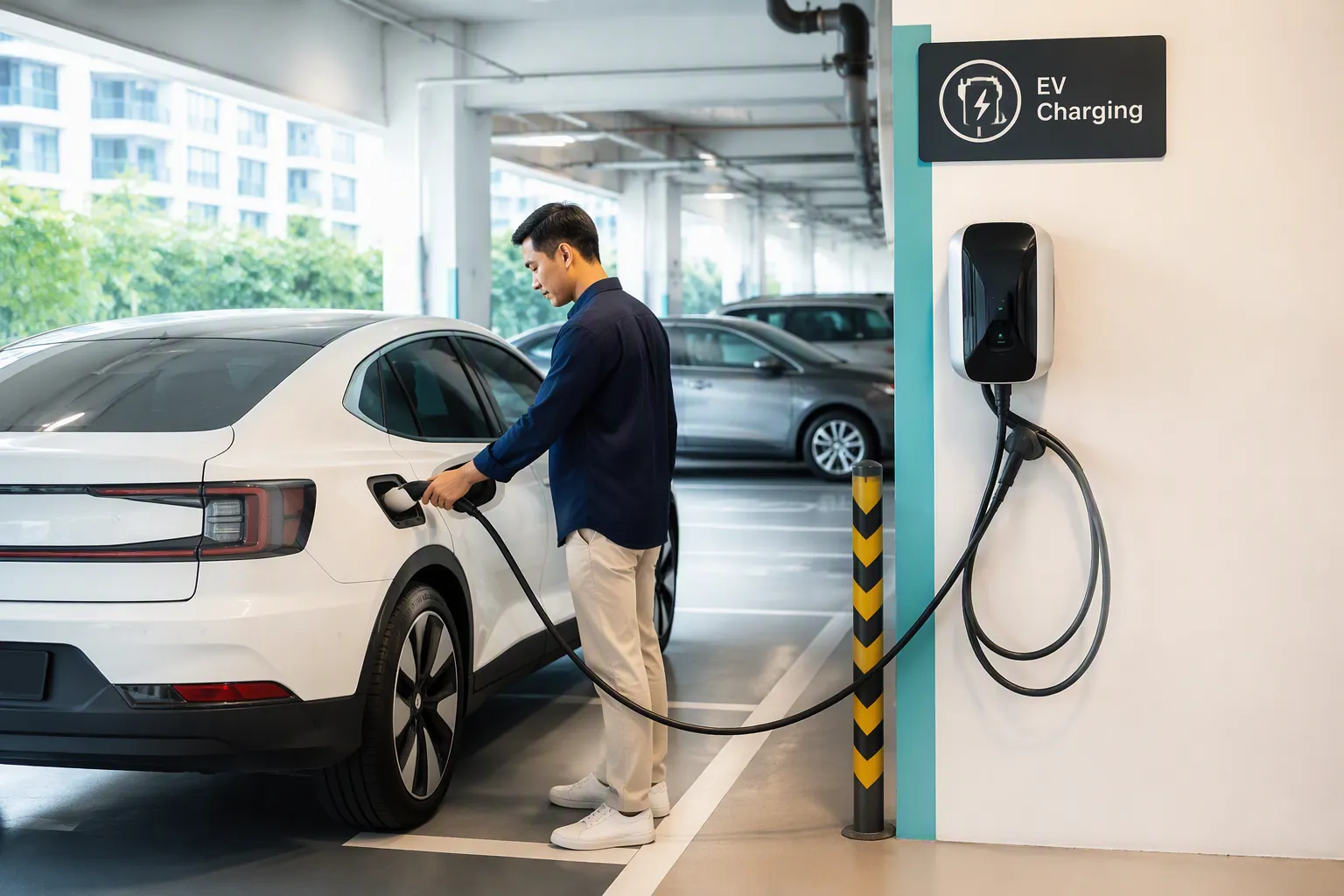
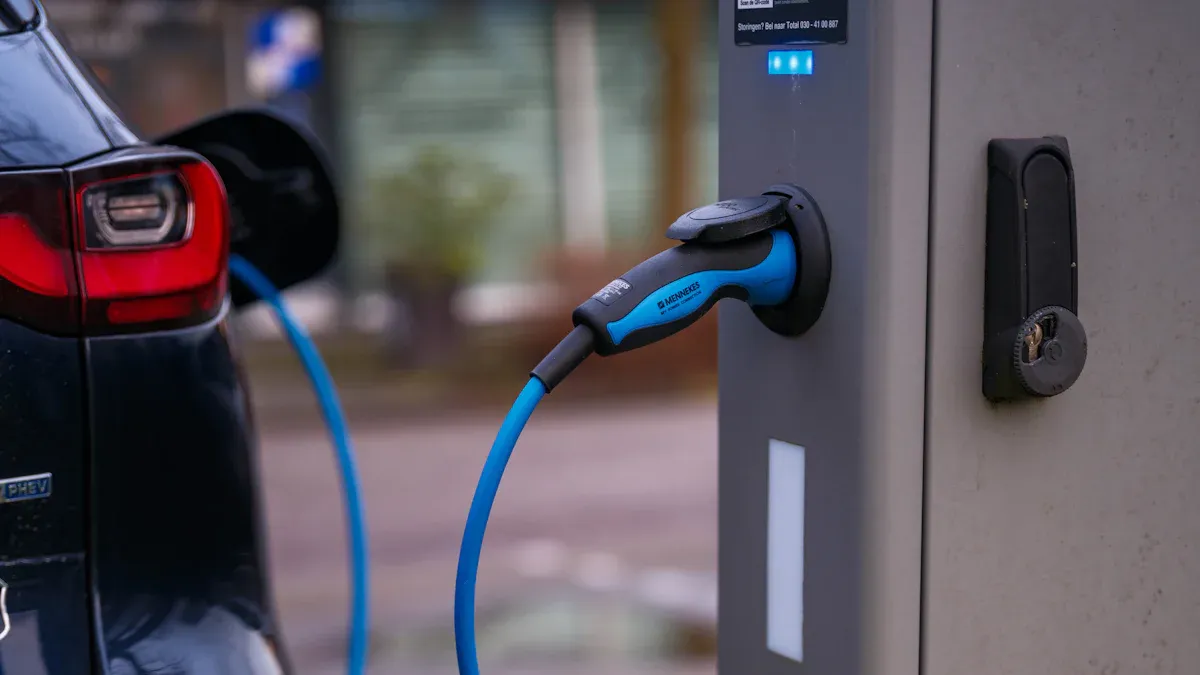
An electric vehicle owner’s primary concern often revolves around maximizing EV battery life. With the projected mass adoption of EVs expected by 2028 in the United States, understanding proper charging habits is crucial. More than 80% of EV owners charge their vehicles at home, making daily routines central to battery health. For daily driving, the simple rule is to initiate charging with your شاحن السيارة الكهربائية before the EV battery drops below a 20% state of charge. Adhering to the “20-80% rule”—keeping the charge level within this range—is the optimal strategy for long-term electric vehicle battery preservation. Occasional dips below 20% for long trips are acceptable and will not cause significant harm. Many الشركات المصنعة لشاحن السيارة الكهربائية تقدم مجموعة متنوعة من حلول شحن السيارات الكهربائية, بما في ذلك شواحن السيارات الكهربائية المحمولة, to help owners maintain optimal battery health.
The Critical Importance of Avoiding a Low Battery Level
While modern EV batteries are remarkably durable, understanding how to care for them is key to ensuring their longevity. Good habits prevent premature wear and help maintain optimal performance for years. A crucial aspect of this care is avoiding a consistently low battery level.
What Happens Inside Your EV Battery at a Low Charge?
An electric vehicle battery operates through a constant chemical dance. Letting the charge level drop too low puts unnecessary stress on its internal components.
Understanding Chemical Strain on Lithium-Ion Cells
Lithium-ion cells function by moving lithium ions between a cathode and an anode. At a very low state of charge, the materials in these components experience higher mechanical and chemical strain. This stress makes it harder for the ions to move, which can cause microscopic damage over time. Think of it like a sponge; it’s easy to get water in and out when it’s damp, but wringing out the very last drop requires much more effort and can damage the sponge’s structure.
The Concept of Deep Discharging
A deep discharge occurs when a battery is drained to nearly 0%. Each time this happens, it contributes to irreversible chemical changes inside the battery cells. While a single deep discharge is not catastrophic, making it a regular habit significantly shortens the battery’s lifespan. It forces the battery to work harder during the subsequent charge cycle, generating more heat and accelerating wear.
The Long-Term Consequences of Frequent Low Levels
Consistently running your EV on a low charge has tangible, negative effects. While experts note the impressive durability of modern batteries, poor habits can still lead to costly issues.
“EV batteries aren’t dying. They’re outliving the cars.”
— Professor Colin Herron
Even with this durability, avoiding frequent low charge levels is a smart strategy, especially considering the high cost of battery replacement.
Accelerated Battery Degradation
The most significant consequence is faster degradation. Every time an EV battery is deeply discharged and recharged, it loses a tiny fraction of its ability to hold energy. Frequent drops below 20% increase the rate of this degradation. Drivers should aim to keep their electric car بين 20٪ و80٪ for the highest efficiency.
Permanent Capacity Loss Explained
Permanent capacity loss is the irreversible reduction in the total energy a battery can store. This is different from the temporary range reduction seen in cold weather. Each deep discharge contributes to this permanent loss. Over hundreds of cycles, this behavior can noticeably reduce your vehicle’s maximum range, impacting its daily usability and long-term value.
Increased Internal Resistance and Performance Issues
As a battery degrades, its internal resistance increases. This has two main effects:
- Reduced Power Output: Higher resistance means the battery cannot deliver power as quickly. This can lead to sluggish acceleration and diminished overall performance.
- Slower Charging: The battery will also accept a charge more slowly, especially at DC fast-charging stations, as the battery management system works to prevent overheating.
The “20-80 Rule”: The Gold Standard for EV Battery Care

EV owners often hear about the “20-80% rule” as the key to battery longevity. This guideline suggests keeping the state of charge between 20% and 80% for daily driving. This practice is not an arbitrary recommendation; it is based on the fundamental chemistry of lithium-ion batteries. Adhering to the 20-80% rule minimizes stress, reduces wear, and can significantly extend the life of an electric vehicle battery.
Why the 20-80% Range is Optimal
The 20-80% window represents a “sweet spot” where the battery operates with the highest efficiency and lowest stress. Staying within this range helps the internal components maintain their structural integrity for longer.
The Science of Minimizing Battery Stress
A lithium-ion battery works by moving lithium ions between its electrodes. At very high states of charge (above 80%), the charging process forces ions into the anode’s graphite structure, creating physical stress. Conversely, at very low states of charge (below 20%), the nearly empty structure can become unstable. The 20-80% range avoids these extremes.
نصيحة محترف: Think of the battery as being in a comfortable, relaxed state within this range. Pushing it to 100% or draining it to 0% is like stretching a rubber band to its absolute limits repeatedly. It will eventually lose its elasticity.
Keeping the battery in this optimal zone provides several key benefits:
- Minimized Stress: It reduces wear on the battery’s electrodes.
- Optimal Performance: The battery delivers reliable power without risking damage.
- Extended Lifespan: This habit can prolong battery life compared to frequent full charge cycles.
How This Range Prevents Lithium Plating
Lithium plating is a harmful phenomenon where metallic lithium builds up on the anode’s surface. This process is more likely to occur at high states of charge and during fast charging, especially in cold temperatures. Plating permanently reduces the battery’s capacity and can even pose a safety risk in extreme cases. By capping the daily charge at 80%, drivers reduce the conditions that foster lithium plating, protecting the long-term health of their ev battery.
The “80%” Cap: Why You Shouldn’t Fully Charge Daily
The upper limit of the 20-80% rule is just as important as the lower one. While seeing “100%” might feel reassuring, consistently charging to full capacity for daily use accelerates degradation.
The Stress of High Voltage on Battery Cells
As a battery approaches a full charge, its internal resistance increases. This causes the charging process to generate more heat. High voltage and excess heat are two of the primary enemies of battery health, causing chemical reactions that degrade the battery’s materials over time. Capping the charge at 80% minimizes this high-voltage stress and heat generation. This simple habit also preserves the effectiveness of regenerative braking, as a full battery cannot store any additional energy captured during deceleration.
When to Charge to 100% for Long Trips
The advice to avoid a 100% charge applies to daily routines. For long road trips, charging to 100% is perfectly acceptable and often necessary. The key is to manage the timing. An electric vehicle owner should schedule the charging session to finish just before they plan to depart. This strategy minimizes the time the battery sits at a stressful 100% state of charge.
The “20%” Floor: Your Daily Charging Trigger
Just as avoiding 100% is crucial, so is preventing the battery from dropping too low. The 20% mark serves as a reliable and safe trigger to begin a charging session.
Why 20% is the Widely Recommended Minimum
Dropping below 20% regularly puts the battery into a state of deep discharge, which strains the electrodes and can lead to irreversible damage. The 20% floor acts as a protective buffer, ensuring the battery’s internal structure remains stable and healthy. Making a habit of plugging in before the battery level gets this low is one of the easiest ways to preserve its maximum capacity.
Is It Okay to Go Below 20% Occasionally?
Yes, it is perfectly fine. An occasional dip below 20% to make it to the next charging station on a long trip will not cause significant harm. Modern battery management systems are designed to protect the battery from occasional deep discharges. The primary goal is to avoid making it a regular habit. For daily driving, initiating charging before the battery hits 20% remains the best practice.
Implementing Smart Charging Best Practices at Home

Translating battery theory into daily habits is simple with modern EV technology. Establishing a consistent home charging routine is the most effective way to protect the battery investment. These charging best practices ensure both longevity and convenience.
Setting Up Your Daily Charging Routine
A smart routine automates battery care. Owners can leverage their vehicle’s built-in software and efficient hardware to create a hands-off system that follows the 20-80 rule.
Using Your Vehicle’s Charge Limit Settings
Nearly every electric vehicle allows the owner to set a maximum charge level through its infotainment system or mobile app. This is the most critical tool for daily battery care.
How to Set Your Limit:
- Navigate to the ‘Charging’ menu on your vehicle’s touchscreen.
- Find the setting for ‘Charge Limit’ or ‘Target Charge Level’.
- Adjust the slider or input a value of 80% للاستخدام اليومي.
This simple setting instructs the vehicle to automatically stop the charging session once it reaches 80%, preventing the stress of a full charge.
The Benefits of Overnight Level 2 Charging
While a standard wall outlet (Level 1) can charge an EV, it is extremely slow. A شاحن المستوى 2 is the superior choice for home charging. Technologically advanced providers like TPSON offer حلول شحن السيارات الكهربائية that make this process efficient. A Level 2 unit can add 25-30 ميلاً في الساعة, allowing most EVs to reach their 80% target in just a few hours overnight. This speed ensures the vehicle is always ready for the next day’s commute.
Should You Charge Your EV Every Night?
The question of nightly charging frequency depends on driving habits and personal preference. There are valid arguments for both topping up daily and waiting for the battery to drop lower.
Topping Up vs. Waiting for 20%
Plugging in every night, even with minimal daily driving, offers peace of mind and eliminates range anxiety. This charging practice also allows owners to take advantage of cheaper off-peak electricity rates. However, for those who drive less than 40 miles a day, waiting until the battery approaches 20% before initiating a charge is also a sound strategy. This approach reduces the total number of charging cycles over the vehicle’s life.
How Modern Battery Management Systems Help
EV owners can feel confident because a sophisticated Battery Management System (BMS) is always working to protect the battery. The BMS is the brain of the battery pack. It performs several critical functions:
- Prevents Overcharging: It automatically stops the flow of electricity when the set limit (e.g., 80%) is reached.
- Manages Temperature: It uses heating or cooling systems to keep the cells in their optimal temperature range during charging.
- Balances Cells: It ensures all individual cells within the battery pack maintain a uniform charge, maximizing lifespan and capacity.
This intelligent system provides a crucial safety net, making home charging a safe and worry-free process.
How External Factors Influence Your Electric Vehicle Battery
An owner’s habits and environment play a significant role in the long-term health of an electric vehicle battery. Factors like charging speed, ambient temperature, and driving style directly influence its efficiency and lifespan. Understanding these variables allows drivers to make informed decisions that protect their investment.
The Impact of Charging Speed
The method an owner chooses for charging has a direct effect on battery health. Not all charging speeds are created equal.
Level 1 & 2 (AC) Charging for Daily Health
For routine charging, Level 1 and Level 2 AC chargers are the best option. These methods supply power at a slower, more manageable rate. This gentle flow of energy generates minimal heat within the battery pack, reducing stress on the cells. Overnight Level 2 charging is the ideal balance of convenience and battery care.
DC Fast Charging: A Tool for Road Trips, Not Daily Use
العاصمة fast chargers deliver a massive amount of power directly to the battery, enabling a rapid charge. This technology is invaluable for long-distance travel. However, its high power makes it unsuitable for daily use. Frequent reliance on DC fast charging can accelerate battery degradation over time.
Why Excessive Heat from Fast Charging is Harmful
Heat is a primary enemy of the ev battery. While the DC charging process itself is efficient, the high rate of energy transfer can cause the battery’s internal temperature to rise significantly.
DC charging generates less heat in the charging process compared to AC charging. Heat generation can slow down the charging rate, so DC charging is more efficient in this regard.
Despite this efficiency, the battery must work hard to absorb the power, creating internal heat that stresses its chemical components.
How Extreme Temperatures Affect Your Battery
تعمل المركبة الكهربائية بأفضل أداء ضمن نافذة حرارية محددة. يمكن أن تؤثر البرودة الشديدة والحرارة الشديدة سلبًا على المدى وصحة البطارية.
مخاطر انخفاض مستوى شحن البطارية في الطقس البارد
تقلل درجات الحرارة الباردة من كفاءة البطارية والمدى المتاح. تعتبر حالة الشحن المنخفضة في الظروف المتجمدة محفوفة بالمخاطر بشكل خاص، حيث تمتلك البطارية طاقة أقل متاحة لتدفئة نفسها. يمكن أن يؤدي هذا إلى أداء بطيء وحتى منع المركبة من البدء.
كيف تسرع الحرارة الشديدة التدهور
تسرع درجات الحرارة المحيطة العالية التفاعلات الكيميائية داخل البطارية، مما يؤدي إلى تدهور أسرع وفقدان دائم للسعة. يجب على المالكين تجنب ترك مركبتهم الكهربائية متوقفة تحت أشعة الشمس المباشرة لفترات طويلة في الأيام الحارة.
نصائح للتعامل مع درجات الحرارة القصوى
تمتلك معظم المركبات الكهربائية نظام إدارة حرارية لحماية البطارية. يمكن للمالكين أيضًا المساعدة باتباع بعض الإرشادات.
- تعمل بطارية المركبة الكهربائية بشكل مثالي بين 15 درجة مئوية و45 درجة مئوية (15°م و 45°م).
- درجة الحرارة المثالية لصحة البطارية وشحنها هي بين 20-25 درجة مئوية (68-77 درجة فهرنهايت).
- يمكن للسائقين استخدام ميزة التكييف المسبق للمركبة لتدفئة أو تبريد البطارية بينما لا تزال موصولة بالشحن.
دور أسلوب القيادة الخاص بك
تؤثر طريقة قيادة الشخص بشكل مباشر وفوري على استهلاك البطارية والتآكل طويل المدى.
القيادة العدوانية واستنزاف البطارية الأسرع
عادات القيادة العدوانية, ، مثل التسارع السريع والفرملة القاسية، تستنزف البطارية بشكل أسرع بكثير. يجبر هذا الأسلوب البطارية على تفريغ الطاقة بمعدل عالٍ، مما يسبب إجهادًا على مكوناتها الداخلية ويساهم في تدهور أسرع.
تعظيم المدى من خلال القيادة السلسة والفرملة التجديدية
يعد أسلوب القيادة السلس أمرًا بالغ الأهمية لتعظيم المدى. يسمح التسارع اللطيف والانزلاق للتوقف نظام الفرملة التجديدية بالعمل بفعالية. يلتقط هذا النظام الطاقة الحركية أثناء التباطؤ ويحولها مرة أخرى إلى شحن للبطارية. في القيادة الحضرية, ، يمكن للفرملة التجديدية استعادة ما يصل إلى 26% من الطاقة المستخدمة للدفع، مما يمدد مدى المركبة بشكل كبير.
توجيهات الشركة المصنعة وكيميائيات البطاريات المختلفة
بينما تعد قاعدة 20-80 إرشادًا عامًا ممتازًا، يمكن أن تختلف استراتيجية الشحن المثالية بناءً على الكيمياء المحددة لبطارية المركبة. تقدم شركات السيارات نصائح مخصصة لمساعدة المالكين على تعظيم عمر بطارية مركبتهم الكهربائية المحددة.
هل تتبع جميع المركبات الكهربائية نفس القواعد؟
لا تستخدم جميع المركبات الكهربائية نفس نوع البطارية. أكثر نوعين شيوعًا من الكيمياء في المركبات الكهربائية الحديثة هما نيكل منغنيز كوبالت (NMC) و ليثيوم حديد فوسفات (LFP)، ولكل منهما متطلبات رعاية مختلفة.
نصائح عامة لبطاريات NMC (نيكل منغنيز كوبالت)
تستخدم معظم المركبات الكهربائية على الطريق اليوم بطاريات NMC. بالنسبة لهذه المركبات، تعد قاعدة 20-80 هي المعيار الذهبي. يؤدي الشحن باستمرار إلى 100٪ أو ترك الشحن ينخفض أقل من 20٪ إلى مزيد من الإجهاد على الخلايا،, تسارع التدهور المتسارع بمرور الوقت.
اعتبارات خاصة لبطاريات LFP (ليثيوم حديد فوسفات)
تكتسب بطاريات LFP شعبية، خاصة في الطرازات ذات المدى القياسي. هذه البطاريات أكثر متانة وأقل عرضة للإجهاد الناتج عن حالات الشحن العالية. يمكن شحن خلايا LFP بأمان إلى السعة الكاملة في كل دورة. في الواقع، توصي العديد من الشركات المصنعة بشحن سيارة كهربائية مجهزة ببطارية LFP إلى 100٪ على الأقل مرة واحدة أسبوعيًا لمساعدة نظام إدارة البطارية على معايرة تقدير المدى بدقة.
ما توصي به العلامات التجارية الكبرى
غالبًا ما تقدم العلامات التجارية الرئيسية للسيارات إرشادات شحن محددة مباشرة لعملائها، أحيانًا مباشرة على شاشة عرض المركبة.
نصيحة الشحن على الشاشة من تسلا
تسلا هي رائدة في تقديم نصائح واضحة وسهلة الوصول. تختلف توصيات الشركة اعتمادًا على نوع البطارية في المركبة.
| الطراز/نوع البطارية | توصية الشحن اليومي |
|---|---|
| موديل 3 الدفع الخلفي (LFP) | تعيين الحد إلى 100٪ والشحن بالكامل أسبوعيًا على الأقل |
| طرازات تسلا الأخرى (NMC) | تعيين الحد إلى 80-90٪ للاستخدام اليومي |
إرشادات من فورد، وهيونداي، وجي إم، وغيرها
توصي معظم الشركات المصنعة الرئيسية الأخرى، بما في ذلك فورد، وهيونداي، وجنرال موتورز، عمومًا بنطاق 20-80٪ لمركباتها المجهزة ببطاريات NMC. ينصحون بشحن كامل بنسبة 100٪ فقط عند الحاجة للرحلات الطويلة.
أين تجد الإرشادات المحددة لسيارتك
أفضل مصدر للمعلومات هو دائمًا الشركة المصنعة. يمكن للمالكين العثور على هذه التفاصيل في أماكن قليلة مريحة.
استشارة دليل المالك
دليل مالك المركبة هو المرجع النهائي. يحتوي على معلومات دقيقة حول نوع البطارية وتوصيات الشحن الرسمية من الشركة المصنعة للحفاظ على الصحة على المدى الطويل.
التحقق من نظام الترفيه والتطبيق المحمول
تدمج المركبات الكهربائية الحديثة هذا التوجيه في برمجياتها. غالبًا ما تعرض شاشة نظام الترفيه حد الشحن اليومي الموصى به. علاوة على ذلك، تقدم التطبيقات المحمولة أدوات قوية لـ إدارة شحن مركبتك.
نصيحة محترف: تسمح تطبيقات المركبات الكهربائية المحمولة للمالكين بإدارة مركبتهم عن بُعد. تشمل الميزات الرئيسية غالبًا:
- جدولة أوقات الشحن لاستخدام كهرباء أرخص.
- تكييف المقصورة والبطارية مسبقًا أثناء التوصيل بالشحن.
- تلقي إشعارات لتتبع جلسات الشحن.
تجعل هذه الأدوات من السهل اتباع أفضل الممارسات من أي مكان.
الالتزام بقاعدة 20-80٪ هو الاستراتيجية الأساسية للحفاظ على بطارية صحية في الاستخدام اليومي. يمكن لمالك المركبة الكهربائية الشحن إلى 100٪ للرحلات الطويلة، ولكن لا ينبغي أن يكون هذا عادة يومية. الفوائد طويلة المدى لهذا الانضباط كبيرة.
على سبيل المثال، تجاوز أحد السائقين 300,000 ميل في سيارة هجينة من خلال الحفاظ باستمرار على مستوى الشحن بين 20٪ و80٪..
الشحن البطيء والقيادة الواعية يحميان بطارية السيارة الكهربائية بشكل أكبر. للحصول على النصيحة الأكثر دقة، يجب على المالكين دائمًا الرجوع إلى دليل السيارة، حيث يوفر أفضل تعليمات العناية المخصصة لبطارية سيارتهم الكهربائية.
الأسئلة الشائعة
ما هي قاعدة 20-80 لبطاريات السيارات الكهربائية؟
قاعدة 20-80 هي إرشاد للعناية اليومية بالبطارية. حيث يحافظ المالك على مستوى شحن البطارية بين 20٪ و80٪. هذه الممارسة تقلل من الإجهاد الكيميائي على خلايا الليثيوم أيون، مما يساعد في تعزيز صحة البطارية وعمرها الافتراضي على المدى الطويل.
هل من السيء شحن سيارتي الكهربائية إلى 100٪؟
الشحن إلى 100٪ يوميًا يُسرع من تدهور البطارية بسبب إجهاد الجهد العالي. يجب على المالكين الاحتفاظ بالشحن الكامل للرحلات الطويلة. للحصول على أفضل النتائج، يجب عليهم التخطيط لإنهاء الشحن قبل المغادرة مباشرة، لتقليل الوقت الذي تقضيه البطارية عند 100٪.
هل يجب أن أشحن سيارتي الكهربائية كل ليلة؟
الشحن الليلي يوفر الراحة ويضمن أن السيارة جاهزة دائمًا. ومع ذلك، يمكن للمالكين ذوي المسافات القصيرة الانتظار حتى يقترب مستوى الشحن من 20٪. أنظمة إدارة البطاريات الحديثة تجعل كلا الأسلوبين آمنين وفعالين للبطارية.
هل الشحن السريع بالتيار المستمر يضر البطارية؟
الشحن السريع المتكرر بالتيار المستمر يمكن أن يُسرع من تدهور البطارية. الطاقة العالية تولد حرارة كبيرة، مما يُجهد المكونات الداخلية للبطارية. يجب على المالكين استخدام الشحن السريع للرحلات البرية، وليس كطريقة شحن يومية أساسية. الشحن البطيء الشحن بالتيار المتردد أفضل للاستخدام الروتيني.
هل تتبع بطاريات LFP قاعدة 20-80؟
لا، بطاريات فوسفات الحديد الليثيوم (LFP) لها متطلبات مختلفة. غالبًا ما يوصي المصنعون بشحن بطاريات LFP إلى 100٪ على الأقل مرة أسبوعيًا. هذه الممارسة تساعد نظام إدارة البطارية على معايرة وعرض المدى التقديري للسيارة بدقة.
كيف يؤثر الطقس البارد على بطارية سيارتي الكهربائية؟
درجات الحرارة المنخفضة تقلل من كفاءة البطارية والمدى المتاح. انخفاض مستوى الشحن في الطقس المتجمد محفوف بالمخاطر بشكل خاص. تحتاج البطارية إلى طاقة لتسخين نفسها لأداء مثالي، لذا فإن الحفاظ على مستوى شحن أعلى حكمة في الشتاء.
هل من المقبول ترك بطاريتي تنخفض عن 20٪؟
نعم، الانخفاض العرضي تحت 20٪ مقبول. السيارات الكهربائية الحديثة لديها أنظمة وقائية تمنع الضرر الناتج عن التفريغ العميق غير المتكرر. الهدف الرئيسي هو تجنب جعل ذلك عادة منتظمة للقيادة اليومية. قم بالشحن دائمًا قبل 20٪ عندما يكون ذلك ممكنًا.