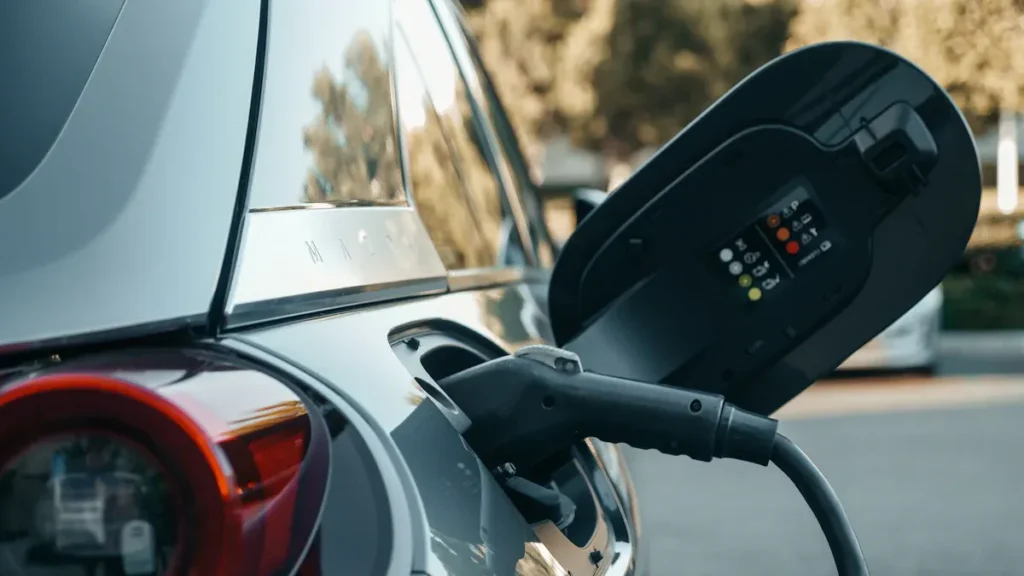
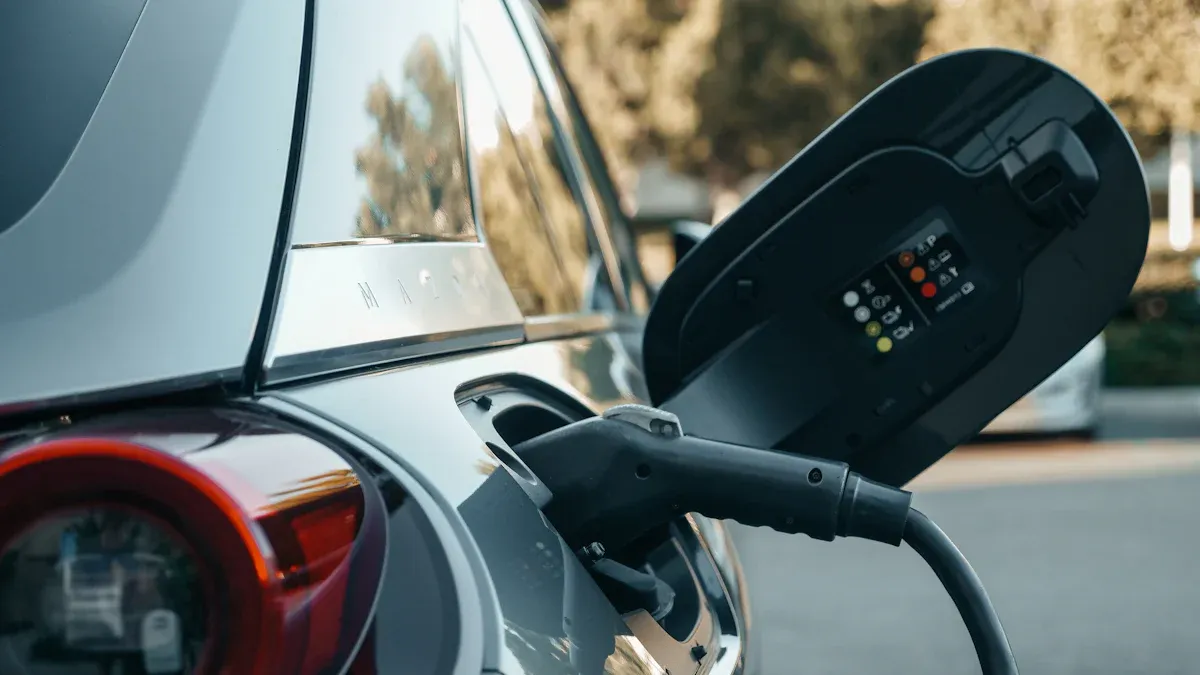
تقدم شواحن السيارات الكهربائية من المستوى 2 لمالكي المنازل في المملكة المتحدة ترقية عملية من خيارات الشحن القياسية. فهي توفر شحنًا أسرع، وسلامة محسنة، وموثوقية أكبر لأي منزل. العديد منها الشركات المصنعة لشاحن السيارة الكهربائية تم تصميمه حلول شحن السيارات الكهربائية خصيصًا لسوق المملكة المتحدة، لمعالجة الاحتياجات المحددة لمالكي المنازل. على عكس شواحن السيارات الكهربائية المحمولة, ، يدعم الشاحن الثابت الاستخدام اليومي للسيارة الكهربائية براحة وتحكم. إن تركيب شاحن السيارة الكهربائية يساعد في تجهيز المنزل للمستقبل، استعدادًا لتطور تكنولوجيا المركبات الكهربائية.
فهم شحن السيارات الكهربائية والشحن المنزلي
أساسيات شحن السيارات الكهربائية لمالكي المنازل في المملكة المتحدة
كيفية عمل شحن السيارات الكهربائية في المنزل
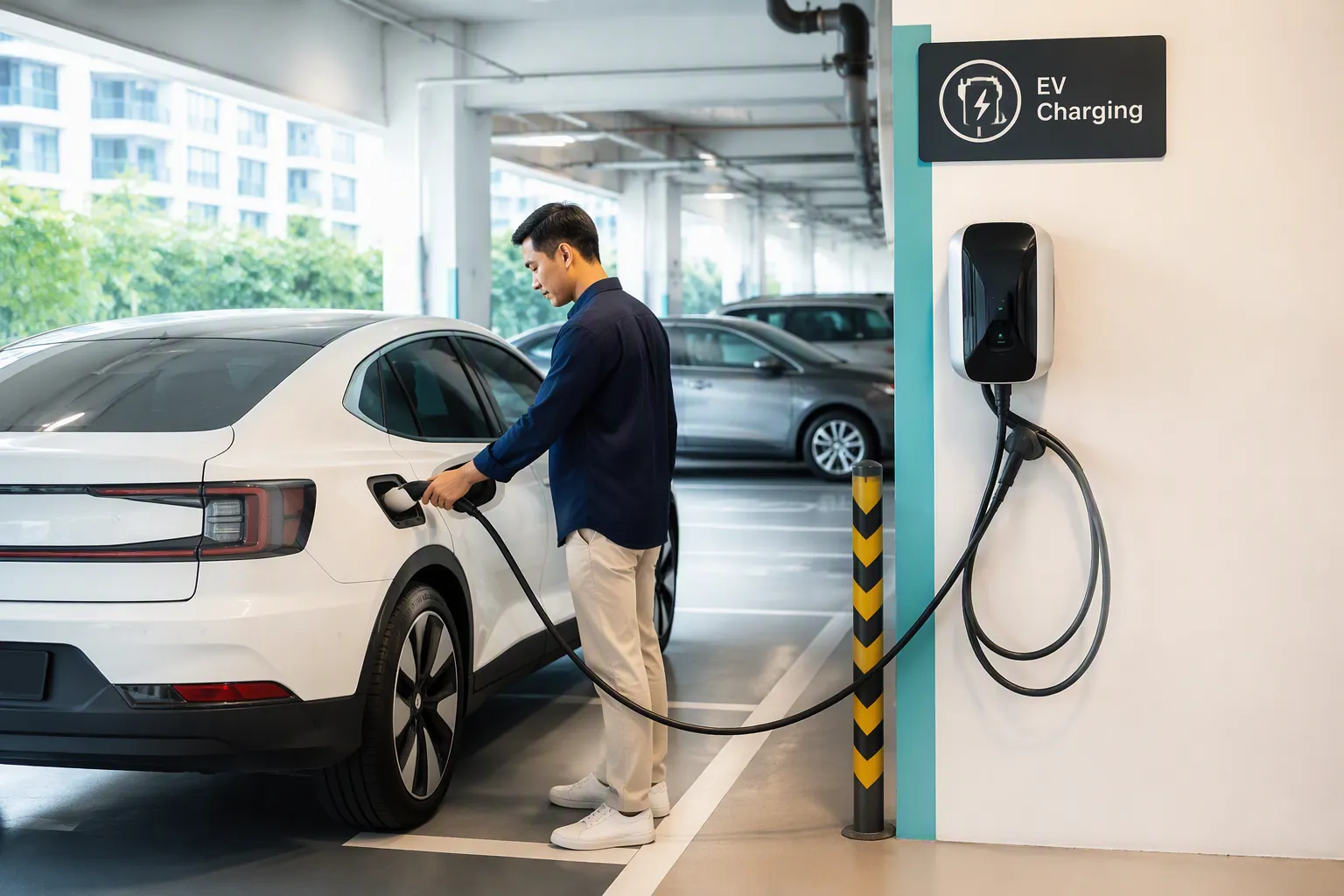
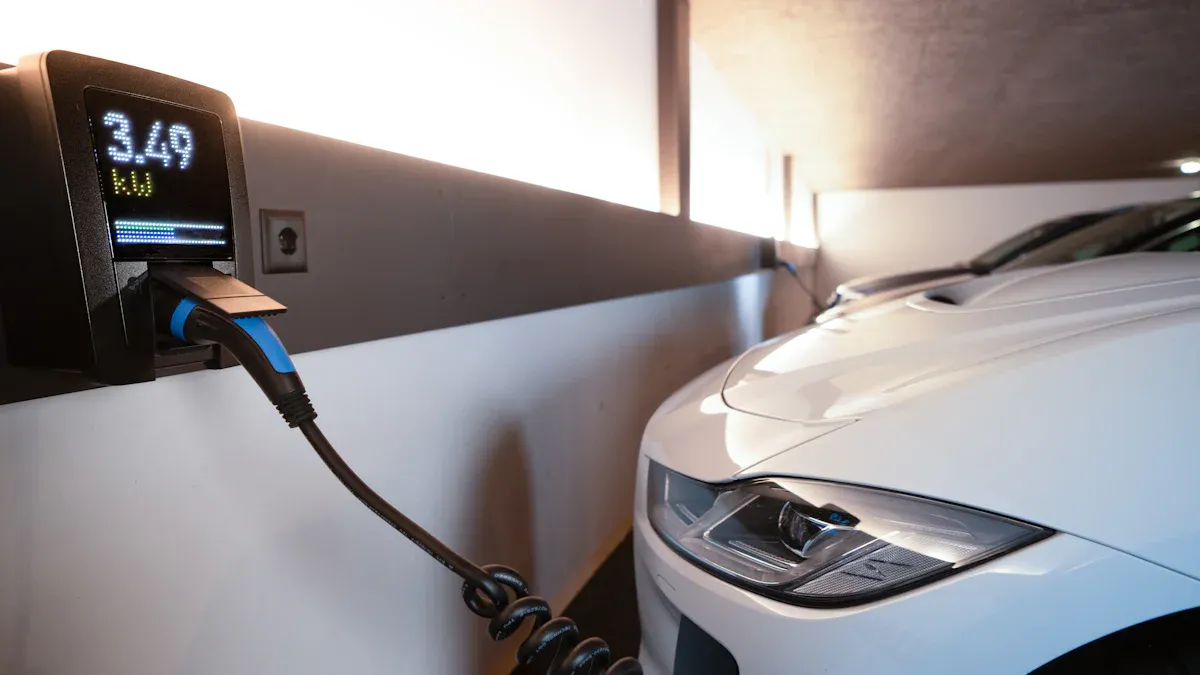
يتيح الشحن المنزلي للسيارات الكهربائية لمالكي المنازل في المملكة المتحدة تشغيل مركباتهم الكهربائية بسهولة. يتصل شاحن السيارة الكهربائية بإمداد الطاقة الكهربائي للمنزل، ليقدم الطاقة مباشرة إلى بطارية المركبة. تستخدم معظم شواحن السيارات الكهربائية المنزلية دائرة كهربائية مخصصة لضمان الشحن الآمن والفعال. توفر حلول الشحن المنزلي مرونة، مما يمكن المستخدمين من الشحن أثناء الليل أو خلال ساعات الذروة المنخفضة. تتضمن العملية توصيل السيارة الكهربائية بالشاحن، الذي يتواصل مع المركبة لتنظيم تدفق الطاقة ومراقبة حالة البطارية. يستفيد مالكو المنازل من القدرة على التحكم في أوقات الشحن ومراقبة استهلاك الطاقة، مما يجعل الشحن المنزلي للسيارات الكهربائية خيارًا عمليًا للاستخدام اليومي.
شرح أنواع شواحن السيارات الكهربائية المنزلية
عادةً ما تحتوي المنازل في المملكة المتحدة على نوعين رئيسيين من الشواحن للسيارات الكهربائية. يوضح الجدول التالي الاختلافات:
| نوع الشاحن | الوصف | ناتج الطاقة | وقت الشحن |
|---|---|---|---|
| المستوى 1 | الشحن البطيء باستخدام مقبس منزلي قياسي | 2–3 كيلوواط | 24 – 38 ساعة |
| المستوى 2 | الشحن السريع باستخدام موصل من النوع 2 | 7-22 كيلو واط | 100+ ميل في بضع ساعات على شاحن 7 كيلوواط |
تقدم شواحن المستوى 1 شحنًا أساسيًا للسيارات الكهربائية ولكنها تتطلب أوقات شحن طويلة. تقدم شواحن السيارات الكهربائية من المستوى 2 حلول شحن أسرع، مما يجعلها مثالية للاستخدام المنزلي. يتمتع مالكو المنازل الذين يركبون شاحن السيارة الكهربائية المنزلي بقدرة المستوى 2 براحة وكفاءة أكبر.
شواحن السيارات الكهربائية من المستوى 2: السرعة، السلامة، والراحة
أوقات الشحن وإخراج الطاقة
توفر شواحن المستوى 2 تحسينات كبيرة في سرعة الشحن مقارنة بوحدات المستوى 1. يسلط الجدول أدناه الضوء على الاختلافات الرئيسية:
| نوع الشاحن | الطاقة (كيلوواط) | المدى المضاف (ميل/ساعة) | وقت الشحن الكامل (بالساعات) |
|---|---|---|---|
| المستوى 1 | 2.3-3 | 8-10 | >20 |
| المستوى 2 | 7.4 | 25-30 | 6-8 |
يمكن لشواحن السيارات الكهربائية من المستوى 2 إضافة متوسط 32 ميل من مدى القيادة لكل ساعة شحن. تصل معظم السيارات الكهربائية إلى شحن كامل في 4-8 ساعات, ، اعتمادًا على حجم البطارية. يضمن الشحن أثناء الليل بشاحن من المستوى 2 أن تكون المركبة جاهزة للاستخدام اليومي. يدعم الشحن المنزلي بحلول المستوى 2 أنماط الحياة المزدحمة ويقلل الاعتماد على محطات الشحن العامة.
نصيحة: عادةً ما يكتمل الشحن الكامل بالشحن من المستوى 2 في المنزل أو العمل خلال 4-8 ساعات, ، مما يجعله مناسبًا للشحن أثناء الليل.
ميزات السلامة والموثوقية
تظل السلامة أولوية قصوى للشحن المنزلي للسيارات الكهربائية في المملكة المتحدة. يجب أن تلتزم شواحن السيارات الكهربائية من المستوى 2 بمعايير صارمة لضمان التشغيل الموثوق. يلخص الجدول أدناه لوائح السلامة الرئيسية:
| قياسي | الوصف |
|---|---|
| ISO 15118-2 | يحدد اتصال المركبة بالشاحن، مما يتيح خاصية "التوصيل والشحن" |
| ISO 15118-20 ISO 15118-20 | يمتد ليشمل اتصال المركبة بالشاحن، مما يتيح خاصية "المركبة إلى الشبكة" |
| SESS | أنظمة الطاقة الذكية الآمنة: إطار تنظيمي لوحدات تحميل الطاقة |
| OCPP 1.6 → 2.0.1 / 2.1 | يتعامل مع تبادل البيانات بين الشواحن والمكاتب الخلفية |
| IEC 61851 / 62196 | يحدد سلامة الكهرباء وتنسيقات الموصلات |
| لوائح نقاط الشحن الذكية 2021 | تفرض الأمن السيبراني والجدولة في ساعات الذروة المنخفضة |
| لوائح نقاط الشحن العامة 2023 | تتطلب الدفع، الموثوقية، وشفافية البيانات المفتوحة |
| PAS 1899 | يضمن تصميمًا يسهل الوصول إليه للشحن العام |
يصمم المصنعون شواحن السيارات الكهربائية المنزلية لتلبية هذه المعايير، مما يوفر لمالكي المنازل راحة البال. تقدم شواحن السيارات الكهربائية من المستوى 2 ميزات سلامة قوية، بما في ذلك إيقاف التشغيل التلقائي، والحماية من زيادة التيار، وبروتوكولات اتصال آمنة. تساعد حلول الشحن الموثوقة في حماية كل من المركبات والمنازل، مما يدعم الانتقال إلى شحن السيارات الكهربائية في المملكة المتحدة.
فوائد شواحن السيارات الكهربائية من المستوى 2 للشحن المنزلي
شحن أسرع وراحة يومية
ما الذي يحدد شاحن المستوى 2؟ تحول شواحن المستوى 2 الروتين اليومي لمالكي المنازل في المملكة المتحدة. تقدم هذه الشواحن سرعة شحن تفوق بكثير قابس الثلاثة أطراف القياسي. توفر وحدة الحائط المخصصة حتى 7.4 كيلوواط, ، وهو ما يقارب أسرع بثلاث مرات من المقبس التقليدي. يختبر مالكو المنازل زيادة كبيرة في الكفاءة، حيث يضيف شاحن المستوى 2 حوالي 25 إلى 30 ميلًا من المدى لكل ساعة. في المقابل، يضيف القابس القياسي فقط 3 إلى 5 أميال في الساعة. يعني هذا التحسن أن شواحن المستوى 2 أسرع بحوالي 3 إلى 6 مرات، مما يجعلها مثالية للشحن المنزلي للسيارات الكهربائية.
ملاحظة: يضمن الشحن أثناء الليل أن تكون المركبات جاهزة للاستخدام اليومي، مما يوفر راحة لا مثيل لها للعائلات المشغولة.
يسلط الجدول التالي الضوء على كيفية تعزيز شواحن السيارات الكهربائية من المستوى 2 للروتين اليومي:
| المزايا | الوصف |
|---|---|
| الشحن أثناء الليل | يضمن أن تكون المركبة جاهزة للاستخدام اليومي، مما يعزز الراحة لمالكي السيارات الكهربائية. |
| الشحن السريع | يضيف مدى كبير بسرعة، مما يسمح بإعادة شحن كاملة أثناء الليل. |
| بطارية ممتلئة كل صباح | يضمن أن تكون السيارة مشحونة بالكامل وجاهزة للاستخدام كل يوم، مما يحسن الروتين اليومي. |
Flexibility and Control Over EV Charging
Homeowners gain greater flexibility and control with a home charging point. Modern home EV chargers offer advanced features that support residential EV charging. App connectivity enables remote monitoring and management of charging sessions. Scheduling charging during off-peak hours can reduce costs by up to 40%. Real-time tracking of energy consumption provides insight into kWh usage and charging costs. Notifications alert users when charging starts, completes, or encounters issues. Adjusting charging speeds helps balance household power demands instantly. Diagnostic information facilitates troubleshooting without needing a technician. Solar PV integration maximizes renewable energy usage, prioritizing solar-generated electricity for charging. Dynamic load balancing prevents circuit overloads by distributing power intelligently across devices. Energy management systems integrate with time-of-use tariffs to minimize electricity costs.
| الميزة | المزايا |
|---|---|
| App connectivity | Enables remote monitoring and management of charging sessions from anywhere. |
| Schedule charging sessions | Allows charging during off-peak hours, reducing costs by up to 40%. |
| تتبع استهلاك الطاقة | Provides real-time data on kWh usage and charging costs. |
| تلقي الإشعارات | Alerts when charging starts, completes, or encounters issues. |
| Adjust charging speeds | Balances household power demands instantly. |
| Access diagnostic information | Facilitates troubleshooting without needing a technician. |
| Solar PV integration | Maximizes renewable energy usage by prioritizing solar-generated electricity for charging. |
| موازنة التحميل الديناميكية | Prevents circuit overloads by distributing power intelligently across devices. |
| Energy management systems | Integrates with time-of-use tariffs to minimize electricity costs. |
Future-Proofing Your Home for EVs
Installing a home EV charger prepares a residential property for the evolving landscape of electric vehicles. Smart app control allows remote management of charging, providing cost-saving and convenience. Dynamic load balancing adjusts power distribution to prevent system overloads. V2G and V2H capabilities enable energy flow from EV to home, potentially powering the home with stored energy. Connectivity options such as Wi-Fi, Bluetooth, and RFID ensure seamless integration. Solar integration allows charging from solar energy, reducing reliance on the grid. Scalability supports future EV models and increased energy demands. Smart technology offers features like smart scheduling and load balancing. Renewable integration maximizes energy efficiency by working with solar and battery systems. OZEV grant eligibility provides financial incentives for homeowners.
Tip: Investing in level 2 EV chargers ensures that a home remains compatible with future EV models and supports sustainable energy solutions.
A home charging point with advanced features positions homeowners to benefit from the latest innovations in EV charging. Homeowners who choose home EV chargers gain access to a range of benefits, including enhanced convenience, flexibility, and long-term value.
How to Choose the Right Level 2 EV Charger
Selecting the best level 2 EV charger for a UK home involves careful consideration of several important features. Homeowners must evaluate سرعة الشحن, compatibility, smart technology, and durability to ensure optimal performance and safety.
Key Features to Consider in an EV Charger
خرج الطاقة وسرعة الشحن
Charging speed depends on the power output of the charger and the battery capacity of the EV. Fast chargers with ratings between 7kW and 22kW deliver a significant speed advantage over slow chargers. A 7kW charger suits most residential EV charging needs, providing a balance between efficiency and accessibility. Higher power chargers reduce charging time, but not all vehicles can accept maximum rates. Charging speed often slows as the battery approaches full capacity. Homeowners should match the charger’s power output to their EV’s capabilities and daily driving requirements.
Tip: A 7.4kW charger typically offers optimal performance for home charging, ensuring quick top-ups and reliable overnight charging.
Cable Length and Connector Types
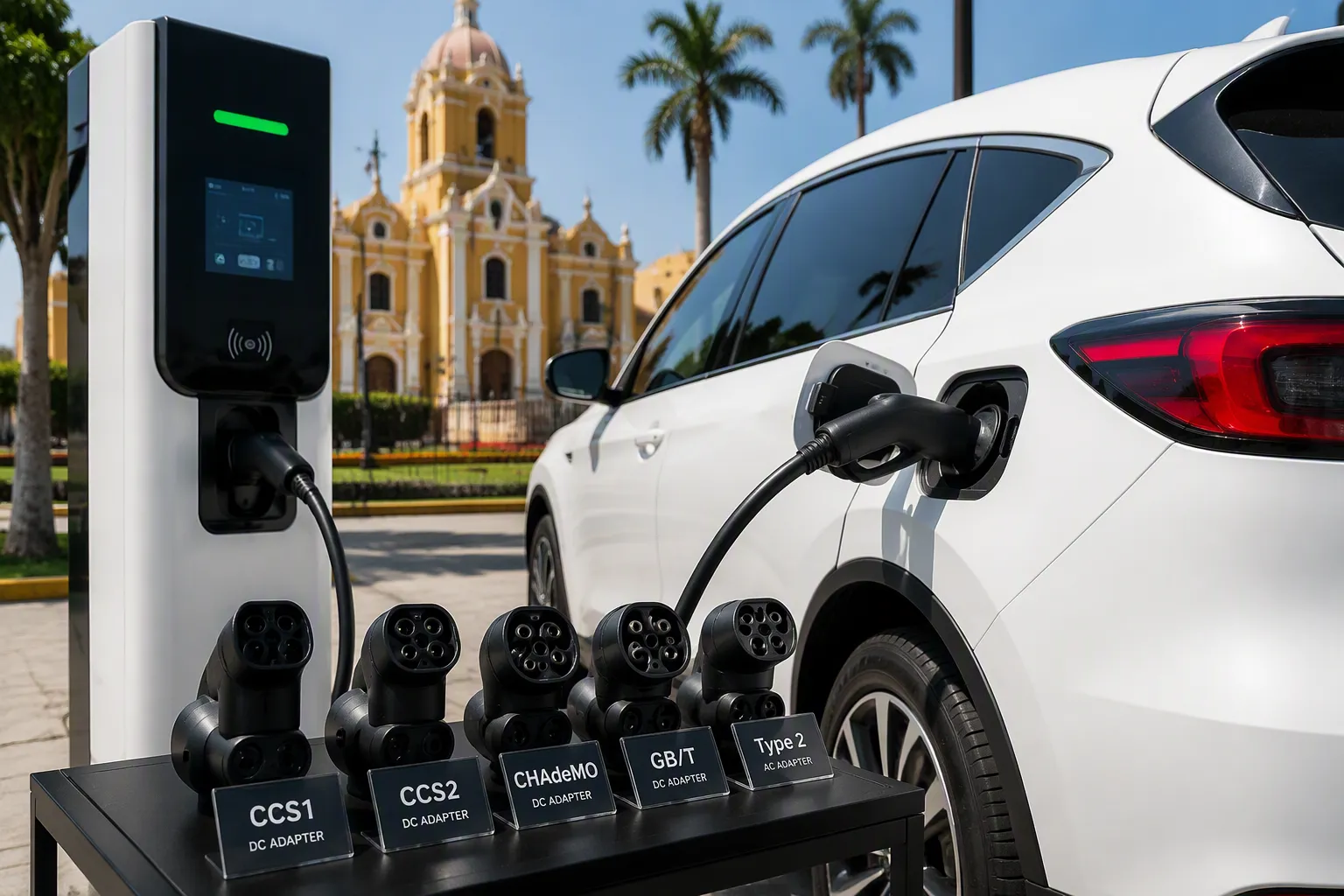
Cable length and connector type play a crucial role in usability. Most UK electric vehicle chargers use the موصل من النوع 2, which is compatible with nearly all modern EVs. Homeowners should assess their parking situation and choose a cable length that allows easy access from the charger to the vehicle. Tethered chargers feature a fixed cable, providing convenience and reducing setup time. Untethered chargers require a separate cable, offering flexibility for different vehicles. The Type 2 connector ensures compatibility across major brands, including Tesla, BMW, Volkswagen, Nissan, Renault, Jaguar, and Hyundai.
| نوع الشاحن | نوع الموصل | Cable Length Options | مناسب لـ |
|---|---|---|---|
| مربوط | النوع 2 | 5m, 7.5m, 10m | Single EV households |
| غير مقيد | النوع 2 | Customizable | مركبات كهربائية متعددة |
الميزات الذكية وتكامل التطبيقات
Smart features enhance control and convenience for residential EV charging. Many home EV chargers offer app connectivity, enabling remote monitoring, scheduled charging, and load management. Homeowners can track energy consumption, receive notifications, and adjust charging speeds. Smart scheduling allows charging during off-peak hours, reducing electricity costs. Software updates future-proof the charger, ensuring compatibility with evolving EV technology. Integration with solar PV systems maximizes renewable energy usage. Brand reputation and warranty options provide additional peace of mind.
- Key smart features to consider:
- Smartphone app control
- الشحن المجدول
- Load management
- Energy tracking
- Remote diagnostics
- تحديثات البرامج
EV Compatibility and Home Electrical Requirements
Compatibility remains essential when choosing a level 2 charger. Nearly all new electric vehicles in the UK support Type 2 charging, making selection straightforward. Homeowners must verify that the charger matches their EV’s connector type and charging specifications. The installation requirements for residential EV charging include a دائرة مخصصة, adequate electrical service, and proper wiring. Most installations require a 240V supply and a 40-amp circuit breaker. Electricians must follow UK regulations, notify the Distribution Network Operator, and fit RCDs for safety. Ground Fault Circuit Interrupters protect against electrical imbalances, ensuring safe operation.
- Typical home electrical requirements:
- Dedicated circuit for the EV charger
- 240V electrical supply
- قاطع دائرة كهربائية بقوة 40 أمبير
- Proper wiring (usually 8-gauge)
- Ground Fault Circuit Interrupter (GFCI)
- Compliance with UK installation codes
Note: Professional consultation ensures the electrical system supports the additional load and meets all safety standards.
Weatherproofing and Durability for UK Homes
Durability and weatherproofing are vital for outdoor installation in the UK climate. Level 2 chargers must withstand rain, dust, sunlight, and corrosion. The IP rating indicates protection against environmental factors. An IP65 rating or higher ensures reliable operation in outdoor conditions. UV resistance prevents material degradation from sunlight exposure. Corrosion-resistant materials protect chargers in coastal or humid areas.
| الميزة | الأهمية | التوصية |
|---|---|---|
| تصنيف IP | Protects against dust and rain, ensuring functionality in outdoor conditions | Choose IP65 or higher |
| مقاومة الأشعة فوق البنفسجية | Prevents material degradation from sunlight exposure | Select products designed for outdoor use |
| مقاومة التآكل | ضرورية في المناطق الساحلية/الرطبة لمنع التدهور | استخدام مواد مقاومة للتآكل |
تضمن نقطة الشحن المنزلية القوية موثوقية وأمانًا طويل الأمد لشحن المركبات الكهربائية السكنية. يجب على مالكي المنازل اختيار شواحن المركبات الكهربائية المصممة لمناخ المملكة المتحدة، مما يضمن أداءً متسقًا وصيانةً محدودة.
العلامات التجارية الموثوقة وشهادات السلامة
يظل اختيار شاحن من المستوى 2 موثوق أمرًا ضروريًا لكل مالك منزل في المملكة المتحدة يقدر السلامة والأداء طويل الأمد. يقدم السوق عدة علامات تجارية موثوقة, ، كل منها معترف به لنقاط قوة فريدة في التصميم والميزات الذكية والمتانة. غالبًا ما يبحث مالكو المنازل عن منتجات تجمع بين الهندسة القوية والتكنولوجيا المتقدمة لضمان تجارب شحن سلسة.
العلامات التجارية الرائدة لشواحن المستوى 2 في المملكة المتحدة
- يتميز شاحن KD Energy بقدرة 11 كيلوواط بـ قدرة الشحن السريع وبنائه القوي. يضمن التصنيف العالي IP66 متانة ممتازة في الأماكن الخارجية، بينما تسمح الميزات الذكية للمستخدمين بمراقبة الشحن عن بُعد.
- يجذب شاحن ChargePoint Home Flex أولئك الذين يقدرون عناصر التحكم التطبيقية البديهية. تعمل وظائف الجدولة وتتبع الطاقة على تبسيط الروتين اليومي، وتكون عملية التثبيت مباشرة.
- يقدم شاحن JuiceBox 40 توازنًا بين الموثوقية وبسعر معقول. يقدر العديد من المستخدمين وظائفه التطبيقية، مما يجعله خيارًا عمليًا لأولئك الذين يبحثون عن القيمة دون التضحية بالأداء.
- يتميز شاحن Wallbox Pulsar Plus بتصميم مدمج ويوفر سرعات شحن موثوقة. تدعم تكامله مع التطبيق الذكي إدارة الطاقة المرنة.
- يحصل شاحن Easee One على درجات عالية لرضا التثبيت، حيث أفاد 96% من المستخدمين بتجارب إيجابية. ومع ذلك، لاحظ بعض المستخدمين بطء خدمة ما بعد البيع ومشاكل عرضية في سرعة الشحن.
- تقدم TPSON حلولًا متطورة تكنولوجيًا لشحن المركبات الكهربائية. تركز منتجاتها على الابتكار والسلامة والتكامل مع أنظمة الطاقة الذكية.
نصيحة: يجب على مالكي المنازل مراعاة كل من موثوقية المنتج ودعم ما بعد البيع عند اختيار علامة تجارية للشاحن.
شهادات السلامة لشواحن المملكة المتحدة
تظل السلامة أولوية قصوى لكل عملية تثبيت. تفرض المملكة المتحدة معايير صارمة لحماية الممتلكات والمستخدمين على حد سواء. يجب على مالكي المنازل التحقق من أن أي شاحن من المستوى 2 يستوفي المتطلبات التالية:
- الامتثال لـ الجزء P من لائحة البناء, ، الذي يحكم السلامة الكهربائية في الممتلكات السكنية.
- الالتزام بالجزء S، الذي يفرض أن المنازل الجديدة التي تحتوي على أماكن وقوف سيارات تتضمن نقاط شحن للمركبات الكهربائية.
- التثبيت وفقًا للوائح الأسلاك BS 7671، مما يضمن الأسلاك المناسبة والتشغيل الآمن.
- دعم وظائف إدارة الطاقة الذكية، التي تساعد في تحسين الشحن وتقليل تكاليف الطاقة.
- تضمين حماية RCD (جهاز التيار المتبقي) وعلبة مقاومة للعوامل الجوية لتعزيز السلامة.
- التأريض السليم، كما هو محدد في BS 7671، لمنع المخاطر الكهربائية.
يلخص الجدول أدناه شهادات وميزات السلامة الأساسية:
| الشهادة/الميزة | الغرض | متطلب المملكة المتحدة |
|---|---|---|
| الجزء P (لائحة البناء) | السلامة الكهربائية في الممتلكات السكنية | نعم |
| الجزء S (لائحة البناء) | نقاط شحن المركبات الكهربائية في المنازل الجديدة | نعم |
| BS 7671 | الأسلاك والتثبيت الآمن | نعم |
| حماية التجمع الكونغولي من أجل الديمقراطية (RCD) | يمنع الصعق الكهربائي | نعم |
| علبة مقاومة للعوامل الجوية | المتانة في الأماكن الخارجية | نعم |
| الإدارة الذكية للطاقة | يحسن الشحن واستخدام الطاقة | نعم |
| التأريض السليم | يمنع الأعطال الكهربائية | نعم |
يمكن لمالكي المنازل الذين يختارون شاحنًا من علامة تجارية حسنة السماع ويتأكدون من هذه الشهادات، أن يثقوا في أن نظامهم سيقدم شحنًا آمنًا وفعالًا وجاهزًا للمستقبل لأي مركبة كهربائية. يضمن هذا النهج الامتثال للوائح المملكة المتحدة ويدعم الانتقال السلس إلى التنقل الكهربائي.
عملية تثبيت شاحن المركبات الكهربائية والتكاليف
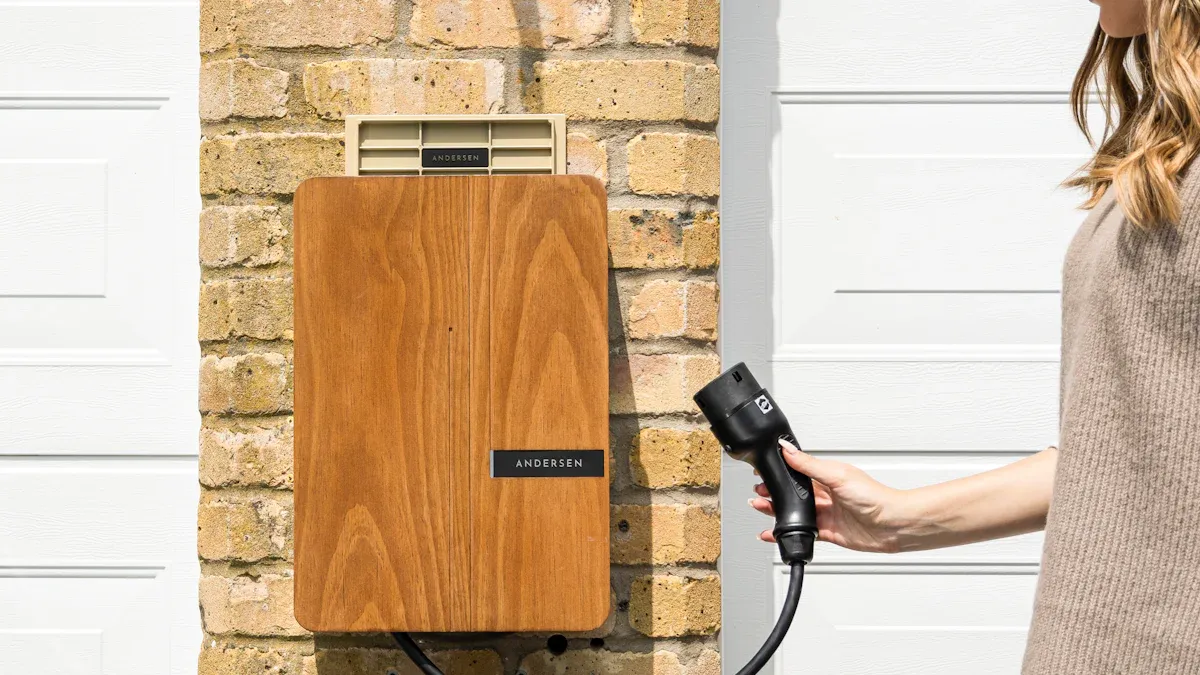
العثور على مثبت شاحن مركبات كهربائية مؤهل
ما الذي تبحث عنه في المثبت
يضمن اختيار المثبت المناسب لنقطة شحن المركبات الكهربائية السكنية السلامة والامتثال. يجب على مالكي المنازل في المملكة المتحدة إعطاء الأولوية للمحترفين ذوي الخبرة المثبتة في شواحن المركبات الكهربائية. يجب أن يكمل المثبتون تدريبًا متخصصًا لمعدات شاحن المركبات الكهربائية. يوضح الحصول على موافقة مكتب المركبات ذات الانبعاثات الصفرية الخبرة في حلول الشحن المنزلية. تضيف الخبرة السابقة في بنية شحن المركبات الكهربائية الثقة في جودة العمل.
الاعتماد ومعايير السلامة
يظل الاعتماد ضروريًا لأي مثبت. يوضح الجدول التالي متطلبات التأهيل الرئيسية:
| متطلب التأهيل | الوصف |
|---|---|
| التسجيل المهني | يجب أن يكون مسجلاً لدى NAPIT أو NICEIC أو هيئة مماثلة. |
| الشهادة الذاتية | القدرة على شهادة العمل ذاتيًا تحت الجزء P من لائحة البناء. |
| لوائح الأسلاك | يجب أن يلتزم كل العمل بلوائح الأسلاك BS 7671. |
يضمن المثبتون الذين يستوفون هذه المعايير أن عملية التثبيت تتبع لوائح المملكة المتحدة. يستفيد مالكو المنازل من راحة البال مع العلم أن شاحن مركباتهم الكهربائية يستوفي جميع متطلبات السلامة.
ما يمكن توقعه أثناء تثبيت شاحن المركبات الكهربائية
مسح وتقييم الموقع
تبدأ عملية التثبيت بمسح الموقع. يقوم المثبت بتقييم النظام الكهربائي للملكية وتحديد أفضل موقع لنقطة الشحن. يتحقق من كفاية إمداد الطاقة ويراجع ترتيبات وقوف السيارات لضمان سهولة الوصول إلى الشاحن.
ترقيات الكهرباء والإعداد
تتطلب بعض المنازل ترقيات كهربائية قبل تثبيت شاحن من المستوى 2. قد يحتاج المثبت إلى تركيب دائرة مخصصة أو ترقية لوحة المستهلك. يضمن الامتثال للوائح الأسلاك BS 7671 التشغيل الآمن. يشمل الإعداد التحقق من سعة النظام الكهربائي وضمان التأريض السليم.
خطوات يوم التثبيت
On installation day, the installer mounts the charger and connects it to the electrical supply. They test the charging point for functionality and safety. The installer provides guidance on using the charger and explains maintenance requirements. Homeowners receive documentation confirming compliance with UK standards.
Tip: Professional installation ensures that the EV charger operates safely and efficiently, reducing risks associated with residential EV charging.
Installation Costs and Factors Affecting Price
Installation costs for Level 2 EV chargers in the UK vary. The average cost of a Type 2 home EV charger ranges from £700 to £1,300. The charger unit alone costs between £400 and £800. Professional installation fees are estimated at £300 to £500. Overall, the total cost for purchasing and installing a charging point typically falls between £800 and £1,500.
Several factors influence the price of charging point installation. The type and power output of the charger set the baseline cost. Properties with older electrical systems may require upgrades, increasing costs. Labor rates differ across regions, affecting the final price. Additional charges may apply for longer cable runs or complex installations.
Note: Investing in a quality charger and professional installation supports reliable home charging and long-term value for EV owners.
Grants and Incentives for Home EV Charging in the UK
The OZEV EV Chargepoint Grant Explained
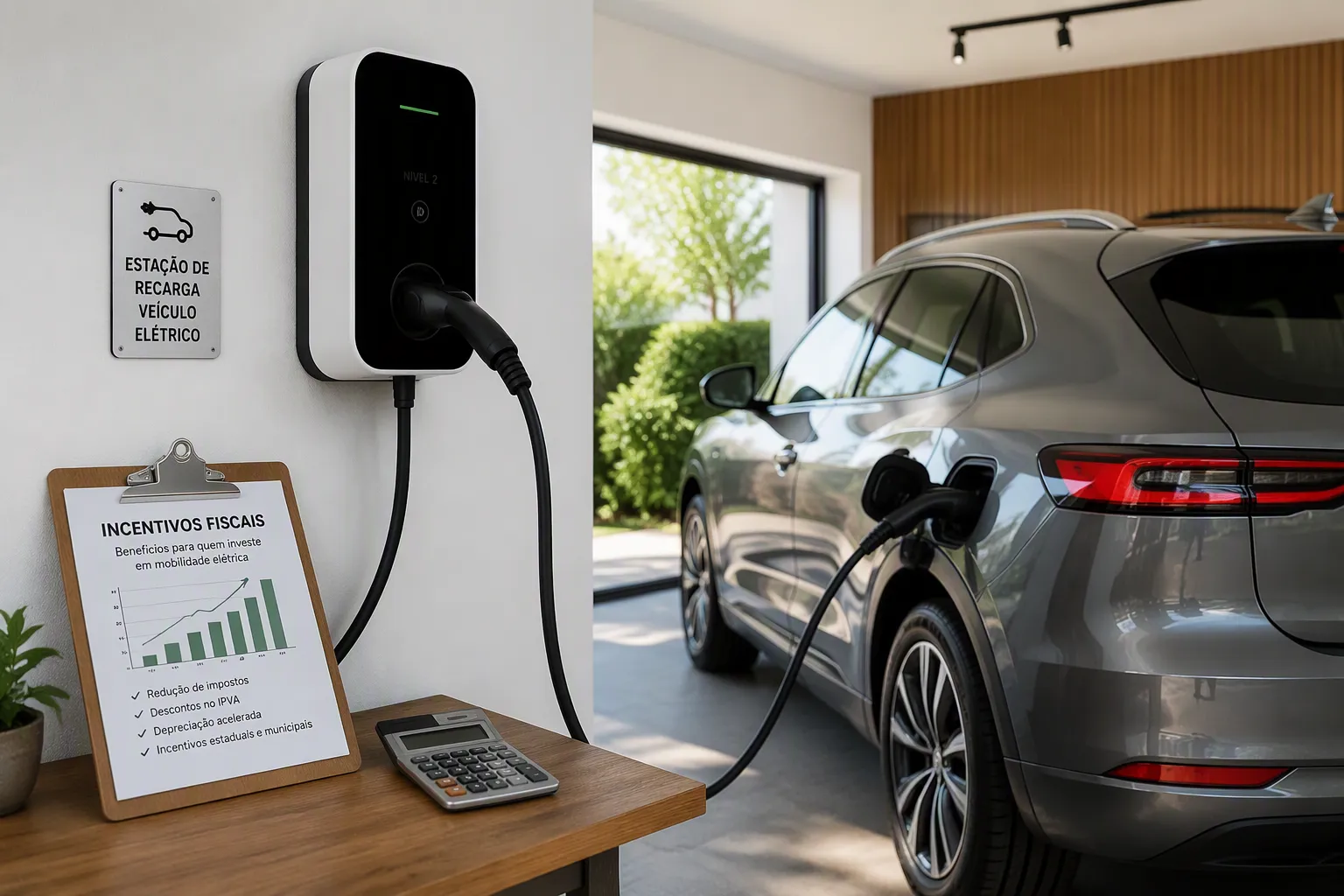
The UK government supports the transition to electric vehicles by offering financial incentives for residential charging infrastructure. The Office for Zero Emission Vehicles (OZEV) EV Chargepoint Grant provides homeowners with a substantial discount on the purchase and installation of eligible charging points. This grant covers up to 75% of the total cost, capped at £350. Homeowners benefit from reduced upfront expenses, making the adoption of EV technology more accessible.
Who Qualifies and How to Apply
Eligibility for the OZEV EV Chargepoint Grant depends on several criteria. Individuals must meet specific requirements to receive funding:
- Residents must live in a flat they own or rent a residential property.
- The property must feature a private off-street parking space.
- Applicants must own or use an eligible vehicle listed by OZEV.
- The grant excludes homeowners living in houses unless converted into flats.
- Residents cannot apply if they rent accommodation where the landlord or homeowner lives.
- The grant does not support applicants planning to move or those who have already claimed the grant.
- Replacement or relocation of existing chargepoints is not covered.
- Properties must be located in the UK, excluding the Channel Islands and Isle of Man.
- Supporting evidence, such as a rental agreement, is required for renters.
Additional vehicle-related requirements include:
- Only vehicles on the OZEV-approved list qualify.
- Applicants must be registered keepers or lease an eligible vehicle for at least six months.
- Company car users or primary users of eligible vehicles may also qualify.
Applicants must submit documentation and follow the official application process. OZEV reviews each submission to ensure compliance with uk ev charging regulations.
What the Grant Covers for Homeowners
The grant assists with the cost of buying and installing a home EV charging point. Homeowners receive a discount of up to £350, which covers both hardware and installation fees. The grant applies to new installations only. It does not support upgrades or replacements of existing chargers. This financial support encourages more residents to invest in EV technology and aligns with the UK’s sustainability goals.
Tip: Homeowners should consult OZEV’s official guidance to confirm eligibility and maximize grant benefits.
Other Local and Regional EV Charging Incentives
Local authorities across the UK offer additional incentives to promote EV adoption. These programs complement national grants and provide further support for residents.
- Local grants and financial incentives help communities transition to electric vehicles.
- Some cities, such as Oxford and Milton Keynes, offer free parking spaces for EVs.
- Residents may access street parking permits and use bus lanes in select areas.
- Dundee provides free public charging stations for local EV owners.
- Local Electric Vehicle Infrastructure (LEVI) funding supports local authorities.
- LEVI funding enables installation of on-street charging infrastructure in areas without off-street parking.
- Authorities must complete an application process to secure funding.
These incentives make EV ownership more attractive and practical for a wider range of residents. Local schemes often address unique challenges, such as limited parking or access to charging facilities.
Note: Residents should check with their local council for the latest incentives and eligibility requirements.
Ongoing Costs and Saving on Home EV Charging
How Much Does Home EV Charging Cost?
Homeowners in the UK often find that charging an EV at home is more affordable than using public chargers. The average annual cost for home charging depends on the electricity tariff and the vehicle’s energy consumption. Most drivers pay between £165 and £512 per year for charging, based on their chosen tariff. Home charging integrates seamlessly into the household electricity bill, making it easier to track energy usage and manage costs. Many EV owners have halved their fueling expenses by switching to home charging, especially when they select a tariff tailored for EV use. Installation costs for a home EV charger are a one-time expense, while ongoing costs relate to electricity usage and maintenance.
Choosing the Right Electricity Tariff for EV Charging
Selecting the right electricity tariff can significantly reduce the cost of charging an EV at home. Time-of-use tariffs, such as Octopus Agile or OVO Charge Anytime, reward users who charge during low-cost periods. These tariffs offer dynamic pricing, allowing homeowners to benefit from lower rates when demand is low. EV-specific tariffs cater to those with unpredictable schedules, providing flexibility and savings.
Off-Peak and EV-Friendly Tariffs
Charging during off-peak hours remains one of the most effective ways to lower costs. The table below compares standard and EV off-peak tariffs:
| نوع التعريفة | Annual Cost (£) | Savings (£) |
|---|---|---|
| Standard Tariff | 512 | غير متاح |
| EV Off-Peak Tariff | 165 | 347 |
EV-friendly tariffs can save homeowners up to £347 annually. Charging overnight or during designated off-peak periods maximizes these savings. Many energy suppliers in the UK now offer tariffs designed specifically for EV charging, making it easier for homeowners to optimize their charging routines.
Tip: Scheduling charging sessions during off-peak hours can reduce electricity costs by up to 40%.
Tips for Reducing Your EV Charging Costs
Homeowners can adopt several strategies to minimize ongoing costs associated with EV charging:
- Home charging is generally more affordable than public chargers, especially with a good energy tariff.
- Tracking energy usage is simpler when charging is integrated into the home electricity bill.
- Installing solar panels allows for free daytime charging, potentially saving over £500 annually.
- Solar panels can generate electricity when the charger is idle, allowing for energy storage for later use.
- A home battery system enables charging during the evening with solar energy captured during the day.
- Charging directly from solar energy during the day helps avoid peak electricity rates.
- Partial solar charging can significantly lower annual running costs, especially for those who work from home.
- Combining solar charging with off-peak EV tariffs enhances cost efficiency.
Smart scheduling, solar integration, and choosing the right tariff all contribute to lower costs. Homeowners who invest in these solutions enjoy greater control over their energy expenses and maximize the value of their شاحن السيارة الكهربائية التركيب.
Common Concerns and Troubleshooting for Home EV Chargers
Safety, Maintenance, and Support
Safety remains a primary concern for homeowners in the UK who install a Level 2 EV charger. Certified installers ensure compliance with national safety standards, reducing the risk of electrical fires and system malfunctions. الصيانة الدورية helps maintain the efficiency and reliability of the charger. Over time, components may wear out, so scheduled inspections and timely replacements prevent costly repairs and voided warranties.
Key safety features in EV chargers protect users from electrical and fire hazards. Chargers shut down immediately when they detect electrical faults, minimizing risks. Compliance with the National Electric Code is essential for safe operation. Homeowners should establish a maintenance schedule to keep their EV charger functioning efficiently.
- Safety features protect against electrical hazards.
- Chargers shut down during faults to prevent accidents.
- Regular maintenance ensures efficiency and reliability.
Professional support from manufacturers and installers provides guidance on troubleshooting and repairs. Homeowners benefit from warranty coverage and access to technical assistance, which helps resolve issues quickly.
Moving Home with Your EV Charger
Relocating a charger when moving home presents unique challenges. Homeowners in the UK often wish to take their EV charger to a new property. They must consult a certified installer to disconnect and reinstall the charger safely. The installer assesses the new site for compatibility and electrical requirements. Moving a charger may incur additional costs, including installation fees and potential upgrades to the electrical system.
Homeowners should check the warranty terms before relocating the charger. Some warranties may not cover reinstallation or damage during transit. Registering the charger at the new address ensures continued support and compliance with UK regulations. Proper planning and professional assistance simplify the process and maintain the reliability of the EV charging system.
Tip: Always use an OZEV-authorized installer for relocation to ensure safety and preserve warranty coverage.
Dealing with Power Outages and Charging Issues
Power outages and charging issues can disrupt daily routines for EV owners. Homeowners in the UK should monitor their charger for signs of external damage, exposed wiring, or slower charging times. Regular cleaning and drying of cable connectors maintain functionality and prevent faults. Storing charging cables properly extends their lifespan.
Troubleshooting steps for common issues include:
- Inspect the charger for visible damage.
- Check for exposed wiring that may pose safety hazards.
- Monitor charging speed; slower rates may indicate underlying problems.
Professional inspections help prevent malfunctions and safety hazards. Homeowners should schedule regular checks to ensure compliance with industry standards and maintain system reliability. Registering the warranty immediately after installation avoids future complications. Promptly addressing issues reduces downtime and protects the investment in EV charging technology.
Note: Regular maintenance and professional support keep the EV charger safe, efficient, and ready for daily use.
Level 2 EV chargers offer UK homeowners a range of benefits that make daily life easier and more efficient. Key advantages include:
- الملاءمة: Charge an EV at home overnight and avoid waiting at public stations.
- Cost-effectiveness: Home charging saves money, especially with off-peak rates.
- Faster charging: A charger adds up to 30 miles of range per hour, ideal for busy schedules.
- Increased property value: Homes with a charger attract more buyers.
- Environmental benefits: Charging at home with renewable energy supports sustainability.
Taking the next step toward installing a home EV charger helps homeowners enjoy these benefits. Support and guidance remain available from trusted installers and local resources across the UK.
الأسئلة الشائعة
How long does it take to charge an EV at home with a Level 2 charger?
Charging an EV at home with a Level 2 charger usually takes between 4 and 8 hours. Battery size and charging speed determine the exact time. Most drivers find overnight charging meets their daily needs.
Can a Level 2 EV charger be installed outdoors?
Manufacturers design Level 2 EV chargers for outdoor installation. Weatherproof housing and high IP ratings protect the unit from rain and dust. Installers recommend placing the charger in a sheltered location for added durability.
Is a dedicated circuit required for a home EV charger?
A dedicated circuit is required for safe operation. Electricians install the circuit to prevent overloads and ensure compliance with UK regulations. This setup protects both the charger and the home’s electrical system.
Will a Level 2 charger work with any electric vehicle?
Most Level 2 chargers use a Type 2 connector, which fits nearly all modern EVs in the UK. Owners should check compatibility with their vehicle before installation. Manufacturers provide compatibility lists for reference.
ما هي الصيانة التي يحتاج إليها شاحن السيارة الكهربائية المنزلي؟
Routine maintenance includes visual inspections, cleaning connectors, and checking for damage. Installers recommend annual checks to ensure safety and performance. Warranty coverage often includes support for troubleshooting and repairs.
Are there grants available for installing a home EV charger?
The UK government offers the OZEV EV Chargepoint Grant. Eligible homeowners receive up to £350 toward installation costs. Local authorities may provide additional incentives, depending on the region.
What happens if there is a power outage during charging?
Charging stops immediately during a power outage. The EV charger resumes operation when power returns. Owners should inspect the charger for damage after outages and contact support if issues arise.
Can the EV charger be moved to a new home?
Installers can relocate the charger to a new property. Owners must consult a certified professional for safe removal and reinstallation. Warranty terms may affect coverage after moving the unit.