يشهد سوق السيارات الكهربائية في البرازيل توسعاً سريعاً، حيث قفزت المبيعات بنسبة 85٪ في عام 2024. يؤدي هذا النمو إلى زيادة الطلب على شحن موثوق في المنزل. لتعمل التثبيت شاحن السيارة الكهربائية الوحدات بشكل صحيح، تعتبر دائرة كهربائية مخصصة بجهد 220 فولت أمراً حاسماً لتوصيل الطاقة بكفاءة. يجب أن يلتزم تركيب أي شاحن السيارة الكهربائية شاحن بدقة بالمعايير الفنية البرازيلية، NBR 17019 و NBR 5410، لضمان السلامة الكاملة. يجب أن يقوم بهذا العمل محترف مؤهل ويصدر (ART) شهادة المسؤولية الفنية. تقدم الشركات المصنعة لشاحن السيارة الكهربائية, الشركات الرائدة، حلول شحن السيارات الكهربائية بما في ذلك المزود المتقدم تقنياً TPSON، شواحن السيارات الكهربائية المحمولة خيارات متميزة مقارنة بالشواحن الأساسية.
لهذه السيارات الكهربائية الجديدة.
فهم شحن السيارات الكهربائية من المستوى 2 في البرازيل.
يتضمن الانتقال إلى سيارة كهربائية فهم أفضل طريقة لإبقائها مشحونة. يعد شاحن المستوى 2 المعيار الاحترافي للشحن المنزلي، حيث يوفر ترقية كبيرة مقارنة بخيارات الشحن المحمولة الأساسية.
سرعة الشحن ومخرجات الطاقة
ما الذي يحدد شاحن المستوى 2؟ توفر شواحن السيارات الكهربائية من المستوى 2 3.3 كيلوواط إلى 19.2 كيلوواط. شحنًا أسرع بكثير باستخدام دائرة 220 فولت. يتراوح ناتج طاقتها في البرازيل عادةً من.
| 7.4 كيلوواط إلى 22 كيلوواط. | ناتج الطاقة (كيلوواط) |
|---|---|
| تقلل هذه الطاقة المتزايدة بشكل كبير الوقت اللازم لإعادة شحن بطارية السيارة الكهربائية. على سبيل المثال، تقدم حلول الشحن الكهربائي المتقدمة تقنياً من مزودين مثل TPSON طاقة ثابتة وفعالة. تقدم بعض الشواحن الحديثة مخرجات طاقة قابلة للتعديل لتتناسب مع الاحتياجات المحددة. | 1.4~11 |
| مثال على الموديلات | 1.4~22 |
X1-HAC-11, X3-HAC-22.
تُظهر هذه الموديلات، المتوفرة في السوق البرازيلية،
مرونة شواحن السيارات الكهربائية الحديثة.
| نوع الشاحن | سرعة الشحن (المدى في الساعة) |
|---|---|
| المستوى 1 | لماذا هو الحل المنزلي المثالي |
| المستوى 2 | الميزة الأساسية لشاحن المستوى 2 هي الراحة. فهو يحول الشحن المنزلي من عملية بطيئة تستغرق عدة أيام إلى مهمة موثوقة طوال الليل. قد يضيف شاحن المستوى 1 القياسي بضعة كيلومترات فقط من المدى في الساعة، لكن تركيب شاحن المستوى 2 يضمن أن تكون سيارتك الكهربائية جاهزة لرحلة التنقل الكاملة كل صباح. وهذا يجعله الحل الأكثر عملية لسائقي السيارات الكهربائية اليوميين. |
3-5 أميال (حوالي 5-8 كم)
10-20 ميلاً (حوالي 16-32 كم)
الشبكة الكهربائية البرازيلية ومنزلك.
الفرق بين 127 فولت و 220 فولت
تلميح أمان: شبكة الكهرباء البرازيلية فريدة من نوعها، حيث تستخدم العديد من المناطق كلاً من 127 فولت و 220 فولت. معظم المنافذ المنزلية هي 127 فولت، وهو ما لا يكفي للشحن من المستوى 2. تتطلب شواحن المستوى 2 إمداداً مخصصاً بجهد 220 فولت. في المنازل التي تعمل بنظام 127 فولت/220 فولت، يمكن لفني كهربائي إنشاء دائرة 220 فولت عن طريق دمج طورين 127 فولت (ثنائي الطور). يمكن للمنازل في المناطق ذات الإمداد الأصلي 220 فولت استخدام طور واحد.
كيفية تحديد جهد منزلك
- الطريقة الأكثر أماناً لتأكيد جهد منزلك هي استشارة فني كهربائي مؤهل. يمكنه تقييم لوحة الكهرباء ونوع الاتصال بدقة.
- يمكن لأصحاب المنازل غالباً العثور على معلومات أولية من خلال:.
فحص لوحة قاطع الدائرة الرئيسية للبحث عن ملصقات.
مراجعة فاتورة الكهرباء الشهرية، والتي قد تذكر نوع الاتصال (مثل أحادي الطور، ثنائي الطور، ثلاثي الطور).
المعايير الفنية البرازيلية الإلزامية.
NBR 17019: دليل شحن السيارات الكهربائية
هذا هو المعيار الفني الأساسي الذي يحكم أنظمة شحن السيارات الكهربائية في البرازيل. تحدد NBR 17019 متطلبات الشواحن والموصلات وبروتوكولات سلامة التركيب. يضمن الامتثال أن المعدات آمنة ومتوافقة مع جميع السيارات الكهربائية المباعة في البلاد.
NBR 5410: أساس السلامة الكهربائية
NBR 5410 هو المعيار الأساسي لجميع التركيبات الكهربائية منخفضة الجهد في البرازيل. يجب أن تلتزم أي دائرة جديدة، بما في ذلك دائرة شاحن السيارة الكهربائية، بقواعدها الخاصة بالأسلاك والتأريض وأجهزة الحماية. يعد اتباع NBR 5410 أمراً غير قابل للتفاوض من أجل تركيب آمن وقانوني. ما قبل التركيب: قائمة التحقق المنزلية الأساسية قبل شراء شاحن سيارة كهربائية،.
يجب على صاحب المنزل إجراء تقييم شامل
لنظامه الكهربائي المنزلي. تضمن قائمة التحقق هذه عملية تركيب سلسة وآمنة ومتوافقة.
الخطوة 1: إجراء تقييم للشبكة الكهربائية تأكد من توفر 220 فولت (ثنائي الطور أو ثلاثي الطور) يتطلب شاحن المستوى 2 إمداداً بجهد 220 فولت. يجب على الفني الكهربائي أولاً التأكد مما إذا كان العقار يحصل على اتصال 220 فولت. في العديد من المناطق البرازيلية، يتضمن ذلك استخدام نظام ثنائي الطور أو.
ثلاثي الطور
يمكن للمحترف تحديد ذلك بسهولة عند مدخل الخدمة الرئيسي أو لوحة الكهرباء. تأكد من توفر 220 فولت (ثنائي الطور أو ثلاثي الطور) فهم نوع اتصالك ثنائي الطور يحدد نوع الاتصال الكهربائي (أحادي الطور، ثنائي الطور، أو ثلاثي الطور) كيفية إنشاء دائرة 220 فولت. على سبيل المثال، يسمح اتصال.
ثنائي الطور
للفني الكهربائي بدمج طورين 127 فولت لتحقيق 220 فولت. يوفر اتصال
ثلاثي الطور
- مرونة أكبر للأحمال عالية الطاقة. غالباً ما تذكر فاتورة الكهرباء هذه المعلومات، لكن الفني المؤهل يقدم التأكيد النهائي. الخطوة 2: تقييم سعة لوحتك الكهربائية.
- حساب الحمل الكهربائي لمنزلك.
- يجب على الفني الكهربائي حساب إجمالي الطلب الكهربائي للمنزل لضمان قدرة اللوحة على تحمل الحمل الإضافي لشاحن السيارة الكهربائية. يمنع هذا الحساب تحميل النظام فوق طاقته. تتضمن العملية:.
سرد جميع الأجهزة عالية الطاقة الحالية (سخانات المياه الكهربائية، مكيفات الهواء، الأفران). إضافة طلب الطاقة الجديد لشاحن السيارة الكهربائية (مثل 32 أمبير لشاحن 7.4 كيلوواط)., تطبيق "عامل التنوع" لتقدير أقصى استخدام متزامن للطاقة.
لماذا الدائرة الكهربائية المخصصة ليست قابلة للتفاوض
شاحن السيارة الكهربائية هو جهاز عالي الطاقة يعمل بشكل مستمر. يجب أن يكون له دائرة مخصصة خاصة به متصلة مباشرة بلوحة التوزيع الكهربائية. يؤدي مشاركة الدائرة مع مقابس أو أجهزة أخرى إلى خلق خطر جسيم لحدوث حريق وسيتسبب في فصل القاطع باستمرار. تعزل الدائرة المخصصة حمل الشحن، مما يضمن أداءً موثوقًا وأقصى درجات السلامة.
الخطوة 3: التخطيط للأجهزة الوقائية المطلوبة
يتطلب المعيار البرازيلي NBR 5410 أجهزة وقائية محددة لأي دائرة جديدة، خاصة للتطبيقات عالية الطاقة مثل شحن السيارات الكهربائية. حلول الشحن المتقدمة تكنولوجياً من مزودين مثل TPSON تعمل بشكل أفضل عند دعمها بهذه البنية التحتية القوية.
قاطع الدائرة (القاطع الحراري المغناطيسي)
هذا هو خط الدفاع الأول. يقوم قاطع الدائرة بقطع الطاقة تلقائيًا إذا اكتشف تيارًا زائدًا أو دائرة قصر، مما يحمي الأسلاك والشاحن من التلف.
جهاز التيار المتبقي (جهاز التيار المتبقي - DR)
يعتبر جهاز DR جهازًا حيويًا ينقذ الأرواح. فهو يكتشف التسربات الصغيرة للتيار - مثل ما قد يحدث إذا لمس شخص مكونًا حيًا - ويقطع الطاقة في غضون أجزاء من الثانية لمنع صدمة كهربائية شديدة.
جهاز حماية من زيادة الجهد (جهاز الحماية من زيادة الجهد - DPS)
يحمي جهاز DPS المكونات الإلكترونية الحساسة داخل كل من شاحن السيارة الكهربائية والمركبة نفسها. فهو يحول ذروات الجهد الضارة، التي تسببها غالبًا الصواعق أو تقلبات الشبكة، بأمان إلى الأرض.
الخطوة 4: اختيار موقع تركيب آمن
يعد اختيار الموقع المناسب لشاحن السيارة الكهربائية قرارًا بالغ الأهمية يؤثر على تكلفة التركيب والراحة اليومية والسلامة على المدى الطويل. سيساعد كهربائي محترف صاحب المنزل على تقييم المكان المثالي بناءً على عدة عوامل رئيسية.
القرب من لوحة التوزيع الكهربائية
المسافة بين لوحة التوزيع الكهربائية (لوحة التوزيع) والشاحن هي العامل الأكبر والأكثر تأثيرًا على تكلفة التركيب. توفر المسافة القصيرة مزايا كبيرة. سيوصي الكهربائي دائمًا بأكثر مسار مباشر ممكن.
- تقليل تكاليف المواد: الكابل الكهربائي المتخصص المطلوب لشواحن السيارات الكهربائية باهظ الثمن. يؤدي المسار الأقصر إلى خفض التكلفة الإجمالية للمشروع مباشرة.
- انخفاض رسوم العمالة: يتطلب تركيب أنابيب وكابلات أقل وقتًا أقل، مما يقلل من رسوم عمالة الكهربائي.
- تقليل هبوط الجهد إلى الحد الأدنى: تفقد الكهرباء كمية صغيرة من الجهد أثناء انتقالها لمسافات طويلة. يضمن الحفاظ على مسار الكابل قصيرًا حصول الشاحن على أقصى طاقة للتشغيل الكفء.
مسار الكابل والمسافة إلى مكان وقوف السيارات
يجب أن يكون المسار المخطط للكابل الكهربائي عمليًا وآمنًا. سيرسم الكهربائي مسارًا يتجنب المخاطر المحتملة ويتوافق مع معيار NBR 5410. يجب أن يسمح الموضع النهائي للوح الحائطي للكابل الخاص بالشحن بالوصول بسهولة إلى منفذ شحن المركبة.
نصيحة احترافية: خطط للراحة 🚗.
يجب حماية مسار الكابل، عادة داخل أنبوب صلب أو مرن. ولا يجب أن يعبر ممرات مرور عالية أو يكون معرضًا في مناطق قد يسحق أو يتلف فيها.
الحماية من العوامل الجوية والأضرار المادية
يعد حماية شاحن السيارة الكهربائية من العوامل الجوية والصدمات العرضية أمرًا ضروريًا لطول عمره وتشغيله الآمن. بينما تتمتع العديد من الوحدات الحديثة، بما في ذلك حلول شحن السيارات الكهربائية المتقدمة تقنيًا من مزودين مثل TPSON، بتصنيفات عالية للحماية من دخول الأجسام الصلبة والسوائل (IP) لمقاومة الماء والغبار، إلا أن الموقع المحمي يكون دائمًا أفضل.
يحمي موقع التركيب المثالي الوحدة من:
- ضوء الشمس المباشر: يمكن لأشعة الشمس المستمرة والشديدة أن تتلف الهياكل البلاستيكية وتؤثر على المكونات الإلكترونية الداخلية بمرور الوقت.
- الأمطار الغزيرة: يمنع الموقع تحت سقف أو داخل مرآب تعرض الوحدة للماء مباشرة، مما يقلل من خطر تسلل الرطوبة.
- الصدمات المادية: يمنع وضع الشاحن بعيدًا عن المناطق التي قد يصطدم بها بباب سيارة أو دراجة أو معدات العناية بالحدائق حدوث أضرار مادية.
يلخص الجدول التالي خيارات المواقع الشائعة.
| الموقع | مستوى الحماية | التوصية |
|---|---|---|
| داخل مرآب | ممتاز | مثالي. يوفر حماية كاملة من العوامل الجوية والأضرار المادية. |
| موقف سيارات مسقوف | جيد | موصى به. يوفر حماية قوية من الشمس والمطر. |
| جدار خارجي (غير مسقوف) | الحد الأدنى | مقبول، بحذر. يتطلب شاحنًا بتصنيف عالي للحماية (مثل IP65) وقد يحتاج إلى غطاء وقائي إضافي. |
سيساعد الكهربائي صاحب المنزل على اختيار موقع يوازن بين التكلفة والراحة والحاجة الحرجة للحماية.
اختيار شاحن السيارة الكهربائية والمواد المناسبة

يعد اختيار الأجهزة المناسبة خطوة حاسمة في عملية التركيب. يتضمن القرار اختيار وحدة حائطية تناسب احتياجات المستخدم وتوريد مكونات كهربائية عالية الجودة تضمن إعدادًا متوافقًا مع المعايير وطويل الأمد.
كيفية اختيار وحدة الحائط من المستوى 2
يجب على صاحب المنزل تقييم عدة عوامل للعثور على وحدة الحائط المثالية، موازنةً بين الطاقة والتوافق والميزات الحديثة.
مطابقة الطاقة لاحتياجاتك (7.4 كيلوواط، 11 كيلوواط، 22 كيلوواط)
يؤثر ناتج طاقة شواحن السيارات الكهربائية بشكل مباشر على سرعة الشحن. ومع ذلك، فإن الاختيار الأفضل يعتمد على النظام الكهربائي للمنزل وإمكانيات المركبة. غالبًا ما يكون شاحن 7.4 كيلوواط كافيًا للشحن طوال الليل ويعمل مع مصدر طاقة قياسي أحادي الطور 220 فولت. توفر الشواحن ذات الطاقة الأعلى سرعات أسرع ولكن لها متطلبات محددة.
| طاقة الشاحن | متطلبات المنزل الكهربائية | توافق شاحن المركبة المدمج | الفائدة الرئيسية |
|---|---|---|---|
| 7.4 كيلوواط | 220 فولت أحادي الطور قياسي | جميع السيارات الكهربائية | مثالي لمعظم المنازل والشحن طوال الليل. |
| 11 كيلو وات | 220 فولت أو 380 فولت ثلاثي الطور | معظم السيارات الكهربائية الحديثة | شحن أسرع للمركبات المتوافقة. |
| 22 كيلو وات | 380 فولت ثلاثي الطور فقط | مقتصر على سيارات كهربائية فاخرة محددة | أقصى سرعة للتيار المتردد، لكنها تتطلب توصيلة سكنية نادرة. |
ملاحظة مهمة: ستشحن السيارة الكهربائية فقط بأقصى سرعة يسمح بها شاحنها المدمج. تركيب وحدة حائط بقدرة 22 كيلوواط لسيارة كهربائية تقبل فقط 7.4 كيلوواط لن يسرع العملية.
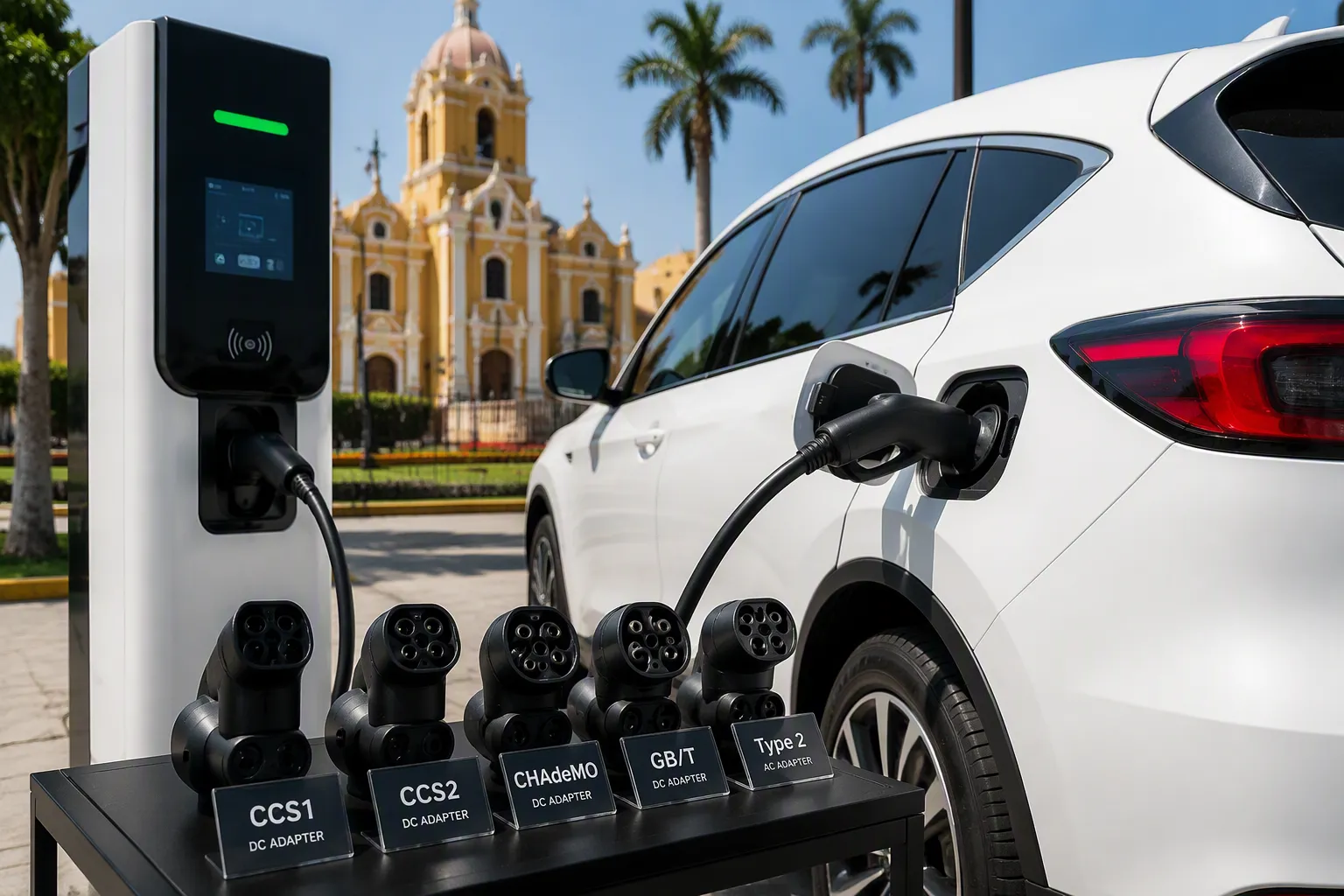
معيار موصل النوع 2 (مينيكيس)
في البرازيل، يُعد موصل النوع 2، المعروف أيضًا باسم مينيكيس، المعيار الرسمي للشحن بالتيار المتردد. يضمن هذا التوحيد أن أي وحدة حائط معتمدة ستكون متوافقة مع أي سيارة كهربائية تباع في البلاد. يجب على مالكي المنازل التأكد من أن الشاحن الذي يختارونه يستخدم هذا الموصل لضمان التوافق العالمي.
تقييم الميزات الذكية (واي-فاي، التحكم بالتطبيق، موازنة الحمل)
شواحن السيارات الكهربائية الحديثة تقدم أكثر من مجرد طاقة. توفر الميزات الذكية الراحة والتحكم. غالبًا ما تتضمن حلول شحن السيارات الكهربائية المتقدمة تقنيًا من مزودين مثل TPSON:
- واي-فاي والتحكم بالتطبيق: يسمح للمستخدمين ببدء جلسات الشحن وإيقافها وجدولتها عن بُعد من الهاتف الذكي.
- مراقبة الطاقة: يتتبع استهلاك الكهرباء لإدارة أفضل للتكاليف.
- موازنة الحمل: يضبط ناتج طاقة الشاحن تلقائيًا لمنع التحميل الزائد على النظام الكهربائي للمنزل عند استخدام أجهزة كبيرة أخرى.
توريد المكونات الكهربائية المعتمدة
جودة مواد التركيب لا تقل أهمية عن الشاحن نفسه. استخدام المكونات المعتمدة ضروري للسلامة والامتثال.
تحديد حجم الكابل الصحيح للسلامة
يجب على الكهربائي اختيار مقياس الكابل الكهربائي (بيتولا) الصحيح. يجب أن يكون الكابل سميكًا بما يكفي لتحمل التيار المستمر للشاحن دون ارتفاع درجة الحرارة. الكابل الأصغر من المطلوب يشكل خطرًا كبيرًا للحريق. يحسب المحترف الحجم المناسب بناءً على أمبيرية الدائرة والمسافة من اللوحة.
القنوات، وصناديق التوصيل، والتجهيزات
يجب حماية جميع الأسلاك داخل قنوات(إلكترونات)تحمي هذه الأنابيب الكابلات من التلف المادي والرطوبة. تضمن صناديق التوصيل والتجهيزات الأخرى أن جميع الوصلات آمنة ومعزولة، مشكلة مسارًا كهربائيًا كاملاً ومحميًا.
أهمية شهادة INMETRO
في البرازيل، يجب أن تحصل جميع المنتجات الكهربائية، من الكابلات وقواطع الدائرة إلى القنوات، على شهادة INMETRO. يؤكد هذا الختم أن المنتج قد تم اختباره ويلبي معايير الجودة والسلامة الوطنية. يجب أن يصر صاحب المنزل على أن يستخدم كهربائيه مواد معتمدة من INMETRO فقط للتركيب.
كيفية تركيب شاحن السيارة الكهربائية: دليل احترافي خطوة بخطوة

التركيب الفعلي لشاحن السيارة الكهربائية هو عملية تقنية يجب تركها للمحترفين. يوضح هذا الدليل الخطوات الرئيسية التي سيتبعها الكهربائي لضمان إعداد آخرومتوافق وفعال. اتباع هذه العملية الاحترافية هو الطريقة الوحيدة لتركيب أنظمة شاحن السيارة الكهربائية بشكل صحيح.
الخطوة 1: توظيف كهربائي مؤهل
الخطوة الأولى والأكثر أهمية هي اختيار المحترف المناسب لهذه المهمة. يؤثر هذا القرار مباشرة على سلامة وموثوقية بنية الشحن بأكملها.
العثور على متخصص في تركيبات السيارات الكهربائية
ليس جميع الكهربائيين المرخصين لديهم خبرة في أنظمة شحن السيارات الكهربائية. يجب على مالكي المنازل البحث عن محترفين أو شركات متخصصة في تركيب شواحن السيارات الكهربائية. يفهم هؤلاء المتخصصون المتطلبات المحددة لمعيار NBR 17019، وفروقات نماذج الشواحن المختلفة، وأفضل الممارسات لإنشاء بنية شحن قوية. يمكنهم تقديم نصائح قيمة حول اختيار الشاحن وموقعه.
المطالبة بـ ART (إفادة المسؤولية التقنية)
ART هي وثيقة قانونية يصدرها مهندس أو كهربائي مؤهل من خلال CREA (المجلس الإقليمي للهندسة والزراعة). وهي تُسند المسؤولية التقنية عن المشروع إلى المحترف.
لماذا تعتبر ART ضرورية؟ ART هي ضمان لصاحب المنزل بأن التركيب تم تنفيذه بشكل صحيح ويلتزم بجميع المعايير التقنية البرازيلية. إنها ضرورية لأغراض التأمين وتوفر خطًا واضحًا للمساءلة في حالة حدوث أي مشاكل مستقبلية. لا ينبغي لصاحب المنزل المضي قدمًا في التركيب دون التزام من المحترف بإصدار ART عند الانتهاء.
طلب عرض سعر تقني مفصل
اقتباس احترافي (يجب أن يكون الميزانية التقنيةأكثر من مجرد سعر نهائي. يجب على مالكي المنازل طلب تفصيل مفصل يتضمن:
- قائمة بجميع المواد (الكابلات، القنوات، أجهزة السلامة) مع المواصفات.
- تكلفة وحدة الحائط إذا كان المثبت هو المورد.
- وصف واضح للأعمال المطلوبة.
- تكلفة إصدار ART.
- الجدول الزمني المتوقع للتركيب.
تساعد هذه الشفافية مالكي المنازل على فهم ما يدفعونه بالضبط وتضمن عدم وجود تكاليف خفية.
الخطوة 2: تنفيذ أعمال البنية التحتية الكهربائية
مع توظيف محترف مؤهل، تبدأ الأعمال المادية. تتضمن هذه المرحلة إنشاء دائرة جديدة ومخصصة ومحمية من اللوحة الكهربائية الرئيسية إلى موقع الشاحن.
تركيب قاطع الدائرة المخصص الجديد
سيقوم الكهربائي أولاً بإيقاف التيار الرئيسي للمنزل للعمل بأمان. ثم سيقوم بتركيب قاطع دائرة حرارية مغناطيسية جديد داخل اللوحة الكهربائية. يتم تحديد حجم هذا القاطع خصيصًا لمعدل قدرة شاحن السيارة الكهربائية (مثل قاطع 40 أمبير لشاحن 7.4 كيلوواط على دائرة 220 فولت). سيكون مخصصًا فقط لشاحن السيارة الكهربائية، معزولاً عن جميع دوائر المنزل الأخرى.
إضافة أجهزة السلامة DR و DPS
بعد ذلك، سيقوم الكهربائي بتركيب أجهزة السلامة الإلزامية على الدائرة الجديدة. يتم تركيب جهاز التيار المتبقي (DR) للحماية من الصعق الكهربائي، بينما تتم إضافة جهاز حماية من زيادة الجهد (DPS) لحماية السيارة الكهربائية والإلكترونيات الحساسة للشاحن من طفرات الجهد. هذه المكونات أساسية لنظام متوافق وآمن.
مد القناة والكابلات من اللوحة إلى موقع الشاحن
غالبًا ما يكون هذا الجزء هو الأكثر كثافة في العمل. يبني الكهربائي المسار المادي للتيار الكهربائي. تتبع العملية منهجية دقيقة:
- رسم مسار التمديد: يحدد المحترف المسار الأكثر كفاءة وأمانًا من لوحة الكهرباء إلى موقع الشاحن، مع تقليل الطول لتخفيض التكلفة وانخفاض الجهد الكهربائي.
- تركيب القنوات: يتم تثبيت القنوات الواقية (
القنوات الكهربائية) على طول المسار المخطط. تحمي هذه الأنابيب الأسلاك من التلف المادي والرطوبة والتعرض البيئي. - سحب الكابلات: يقوم الكهربائي بسحب الكابلات الكهربائية ذات الحجم المناسب عبر القناة. وهذا يشمل سلك الطور (الأسلاك) والسلك المحايد وسلك التأريض الوقائي المخصص.
- تأمين الوصلات: يتم توصيل الأسلاك بعناية بقاطع الدائرة الجديد والأجهزة الأمنية داخل اللوحة. ويتأكد الكهربائي من إحكام جميع الوصلات وأمانها لمنع ارتفاع الحرارة.
يشكل هذا العمل الأساسي بنية تحتية متينة وآمنة للشحن، مما يحضر الموقع للخطوة النهائية.
الخطوة 3: تركيب وتوصيل علبة الحائط
مع وجود الدائرة الكهربائية في مكانها، تكون الخطوة النهائية هي تركيب وتشغيل الشاحن نفسه. تجلب هذه المرحلة المشروع إلى مرحلة الاكتمال، مما يجعل المنزل جاهزًا لشحن المركبات الكهربائية.
تركيب وحدة الشاحن بشكل آمن
سيستخدم الكهربائي قالب التثبيت والأدوات المقدمة من شركة تصنيع الشاحن. وسيثبت علبة الحائط بشكل آمن على الحائط على ارتفاع مناسب للمستخدم وآمن من الصدمات المحتملة. بالنسبة لحلول شحن المركبات الكهربائية المتقدمة تقنيًا، مثل تلك المقدمة من مزودين مثل TPSON، يضمن التركيب السليم الاستقرار ويحمي المكونات الداخلية. يجب أن تكون الوحدة مستوية ومركبة بإحكام لتحمل توصيل وفصل كابل الشحن بشكل متكرر.
توصيل الأسلاك بأطراف الشاحن
بعد تركيب الوحدة، سيقوم الكهربائي بتوصيل أسلاك الدائرة بأطراف إدخال الشاحن. هذا اتصال حاسم يتطلب الدقة.
- يتم تجريد أسلاك الطور والمحايد والتأريض إلى الطول الصحيح.
- يتم إدخال كل سلك في الطرف المقابل داخل الشاحن.
- يتم شد براغي الأطراف بعزم الدوران المحدد من قبل الشركة المصنعة.
يمكن أن يتسبب الاتصال غير المحكم في هذه المرحلة في توليد الحرارة وخلق خطر الحريق والتسبب في فشل الشحن. بعد التوصيل، يُغلق الكهربائي غطاء الشاحن ويقوم بسده. وهذا يكمل عملية تركيب أجهزة شاحن المركبات الكهربائية، مما يجعلها جاهزة للاختبار النهائي.
الخطوة 4: تشغيل النظام واختباره
التشغيل هو المرحلة المهنية النهائية حيث يتحقق الكهربائي من أن النظام بأكمله آمن ووظيفي وجاهز للاستخدام اليومي. تحول هذه الخطوة الأجهزة المثبتة حديثًا إلى حل شحن موثوق.
إجراء فحوصات الجهد والسلامة
قبل أن يقوم صاحب المنزل بتوصيل مركبته، يقوم الكهربائي بسلسلة من اختبارات السلامة والأداء الحرجة. هذه خطوة غير قابلة للتفاوض لضمان الامتثال لمعيار NBR 5410 وضمان سلامة المستخدم والمركبة الكهربائية على حد سواء. يستخدم المحترف أجهزة متعددة القياسات المتخصصة ومعدات الاختبار للتحقق من الدائرة.
تشمل عمليات التحقق الرئيسية:
- جهد الخرج والتيار: يقيس الكهربائي الجهد للتأكد من استقراره عند 220 فولت وأن سعة التيار تتطابق مع تصنيف قاطع الدائرة. وهذا يمنع تلف بطارية المركبة.
- مقاومة العزل: يتحقق هذا الاختبار من أي تسرب محتمل للتيار بين الأسلاك الكهربائية والأرض، مما يمنع الأعطال.
- استمرارية التأريض: يؤكد هذا وجود اتصال قوي بأرضية التأريض، وهو أمر ضروري لكي تعمل أجهزة السلامة بشكل صحيح.
- حماية من عطل الأرضي: يقوم المحترف بتشغيل جهاز DR (جهاز التيار المتبقي) يدويًا للتأكد من استجابته الفورية، مما يؤكد قدرته على إنقاذ الحياة.
أهمية اختبار الاستمرارية اختبار الاستمرارية هو فحص أساسي يتحقق من مسار كهربائي كامل وغير منقطع. يستخدم الكهربائي جهاز اختبار لإرسال إشارة صغيرة عبر دائرة التأريض الوقائية. يؤكد الاختبار الناجح أن نظام التأريض سليم من اللوحة إلى الشاحن، وهو متطلب حاسم للسلامة.
يقوم الكهربائي بإجراء هذه الاختبارات مع تشغيل الطاقة الرئيسية ولكن قبل توصيل المركبة، مما يضمن أن البنية التحتية نفسها مثالية.
تكوين إعدادات الواي فاي والتطبيق
الشواحن الحديثة هي أكثر من مجرد منافذ طاقة؛ فهي أجهزة ذكية. بالنسبة للشواحن ذات هذه القدرات، مثل حلول شحن المركبات الكهربائية المتقدمة تقنيًا من مزودين مثل TPSON، سيرشد الكهربائي صاحب المنزل خلال الإعداد الأولي.
تتضمن هذه العملية عادةً بضع خطوات بسيطة:
- يقوم صاحب المنزل بتنزيل التطبيق المخصص للشركة المصنعة على هاتفه الذكي.
- يساعد الكهربائي في توصيل الشاحن بشبكة الواي فاي المنزلية عبر التطبيق.
- ينشئ صاحب المنزل حسابًا ويربطه بشاحنه الجديد.
بمجرد التكوين، يمكن لصاحب المنزل الوصول إلى ميزات مثل البدء/الإيقاف عن بُعد، وجداول الشحن، ومراقبة استهلاك الطاقة، مما يضيف طبقة من الراحة والتحكم في التكلفة.
إجراء أول شحن اختباري بمركبتك الكهربائية
هذا هو التحقق النهائي للمشروع بأكمله. بحضور الكهربائي، يقوم صاحب المنزل بأول جلسة شحن. يشرف المحترف على هذا الاختبار الحاسم للتأكد من أن جميع المكونات تعمل معًا بسلاسة.
أثناء شحن الاختبار، يراقب الكهربائي:
- المصافحة: يتواصل الشاحن والمركبة الكهربائية بنجاح لبدء جلسة الشحن.
- سحب الطاقة: يقدم النظام تيارًا مستقرًا دون إيقاف قاطع الدائرة.
- ردود فعل النظام: تشير أضواء حالة الشاحن ولوحة عدادات المركبة إلى أن الشحن يسير بشكل صحيح.
يؤكد الكهربائي أن النظام يعمل كما هو متوقع تحت حمل حقيقي. بعد اختبار ناجح، يسلم المحترف النظام رسميًا لصاحب المنزل. وهذا يكمل العملية المهنية لتركيب أنظمة شاحن المركبات الكهربائية، تاركًا للمالك محطة شحن منزلية آمنة وفعالة.
وضع الميزانية لمحطة شحن المركبات الكهربائية المنزلية
تخطيط الميزانية هو جزء أساسي من تركيب الشاحن المنزلي محطات شحن السيارات الكهربائية. يجب على أصحاب المنازل مراعاة وحدة الشاحن، والعمالة المهنية، والمواد، وأي ترقيات محتملة للنظام. يضمن الفهم الواضح لهذه التكاليف مشروعًا سلسًا دون مفاجآت مالية.
تكلفة شاحن المستوى 2 (علبة الحائط)
سعر علبة الحائط نفسه هو أول نفقة كبيرة. تختلف التكاليف بشكل كبير بناءً على خرج الطاقة والعلامة التجارية والميزات الذكية. تقدم حلول شحن المركبات الكهربائية المتقدمة تقنيًا من مزودين مثل TPSON مجموعة من الخيارات لتناسب الميزانيات والاحتياجات المختلفة.
نطاق السعر للنماذج الأساسية
شواحن المركبات الكهربائية الأساسية غير الذكية هي نقطة الدخول الأكثر بأسعار معقولة إلى الشحن من المستوى 2. تقدم هذه الوحدات عادةً قدرة خرج تبلغ 7.4 كيلووات وتوفر طريقة بسيطة وموثوقة لشحن المركبة الكهربائية. تفتقر إلى ميزات مثل اتصال الواي فاي أو التحكم بالتطبيق.
التكلفة النموذجية: في البرازيل، يمكن لأصحاب المنازل أن يتوقعوا الدفع بين 2,500 ريال برازيلي و 4,000 ريال برازيلي للحصول على علبة حائط أساسية عالية الجودة. هذه المحطات ممتازة للمستخدمين الذين يفضلون وظيفة مباشرة للشحن والتوصيل.
النطاق السعري للموديلات الذكية عالية الطاقة
تقدم شواحن السيارات الكهربائية الذكية ميزات متطورة تعزز الراحة والتحكم. تتصل هذه الموديلات بشبكة Wi-Fi، مما يسمح للمستخدمين بإدارة جلسات الشحن عبر تطبيق الهاتف الذكي. وغالبًا ما تتضمن ميزات الجدولة ومراقبة الطاقة وتحقيق التوازن الديناميكي للحمل. وتندرج الموديلات عالية الطاقة (11 كيلوواط أو 22 كيلوواط) أيضًا ضمن هذه الفئة، على الرغم من أنها تتطلب إمدادًا كهربائيًا ثلاثي الأطوار. توفر هذه الشواحن والمحطات المتقدمة تجربة مستخدم فائقة.
التكلفة النموذجية: يتراوح سعر الشواحن الذكية أو عالية الطاقة عمومًا من 4,500 إلى 8,000 ريال برازيلي أو أكثر. يوفر هذا الاستثمار تحكمًا أكبر في استهلاك الطاقة وإمكانية الوصول إلى الميزات المتميزة لمحطات شحن السيارات الكهربائية.
تكاليف عمالة ومواد التركيب
تكلفة التركيب الاحترافي هي جزء منفصل وبنفس الأهمية من الميزانية. تغطي هذه الرسوم خبرة الكهربائي، والعمالة، وجميع المكونات الكهربائية اللازمة لبناء الدائرة المخصصة لمحطات شحن السيارات الكهربائية.
رسوم عمالة الكهربائي النموذجية في البرازيل
تعيين كهربائي مؤهل يمكنه إصدار تقرير فني (ART) أمر غير قابل للتفاوض. يمكن أن تختلف تكاليف العمالة بناءً على تعقيد التركيب، وخبرة المحترف، والمنطقة الجغرافية. سيكون التركيب البسيط مع مسافة قصيرة من لوحة الكهرباء إلى الشاحن أقل تكلفة من التركيب المعقد الذي يتطلب أعمال قناة توصيل موسعة.
التكلفة التقديرية للعمالة: يجب على أصحاب المنازل تخصيص ميزانية بين 1,000 و 3,000 ريال برازيلي للعمالة المحترفة. تضمن هذه الرسوم أن يكون تركيب محطات شحن السيارات الكهربائية آمنًا ومتوافقًا مع جميع المعايير البرازيلية.
التكلفة التقديرية للكابلات والقنوات وأجهزة السلامة
تمثل المواد المطلوبة للتركيب جزءًا كبيرًا من التكلفة. وهذا يشمل الكابل الكهربائي المتخصص، والقنوات الواقية، وأجهزة السلامة الإلزامية مثل جهاز التيار المتبقي (DR)، وواقي زيادة الجهد (DPS)، وقاطع الدائرة. تتأثر التكلفة الإجمالية بشدة بالمسافة بين لوحة الكهرباء وموقع الشاحن. التسعير لكل متر للكابلات الكهربائية المطلوبة يمكن أن يتقلب، لكن المسافة الأطول تزيد مباشرة من نفقات المواد. هذه المواد أساسية لجميع محطات شحن السيارات الكهربائية.
- الكابلات والقنوات: تزداد التكلفة مع كل متر مسافة.
- أجهزة السلامة (DR، DPS، قاطع الدائرة): يمكن أن تتراوح تكلفة مجموعة من الأجهزة عالية الجودة والمعتمدة من المعهد الوطني للقياس والمعايرة (INMETRO) بين 400 و 800 ريال برازيلي.
تكاليف إضافية محتملة يجب مراعاتها
في بعض الحالات، قد يتطلب النظام الكهربائي الحالي للمنزل ترقيات لدعم السحب عالي الطاقة المستمر لشحن السيارات الكهربائية بأمان. سيحدد الكهربائي هذه الاحتياجات خلال التقييم الأولي. هذه الترقيات حاسمة للتشغيل الآمن للمحطات.
ترقيات لوحة الكهرباء (Quadro)
يتطلب شاحن السيارة الكهربائية طاقة كبيرة. الأنظمة الكهربائية القديمة، خاصة في المنازل المبنية قبل عام 2010, ، قد لا تكون مصممة لهذا السحب العالي المستمر. قد يستلزم ذلك ترقيات للوحة الكهرباء الرئيسية (quadro de distribuição).
). قد تشمل الترقيات المحتملة:
- وحدة مستهلك جديدة: إذا كانت اللوحة الحالية قديمة أو ممتلئة أو لا يمكنها استيعاب أجهزة السلامة الحديثة، فقد تكون هناك حاجة لوحدة جديدة.
- دوائر إضافية: توفير مساحة للدائرة المخصصة الجديدة.
- تحديثات تأريض النظام: ضمان أن نظام التأريض في المنزل قوي.
ترقية النظام الكهربائي للمنزل لدعم شاحن سيارة كهربائية قد تتضمن قاطع دائرة جديد أو استبدال كامل للوحة. هذه الترقيات حيوية للسلامة طويلة المدى للمحطات.
طلبات ترقية شبكة المرافق
في حالات نادرة، قد يكون اتصال المنزل بشبكة المرافق المحلية غير كافٍ. هذا أكثر شيوعًا في الأحياء القديمة أو المناطق الريفية. إذا قرر الكهربائي أن الخدمة الواردة لا يمكنها دعم الحمل الإضافي للسيارة الكهربائية، فيجب على صاحب المنزل طلب ترقية من مزود الطاقة المحلي (شركة الطاقة). يمكن أن تكون هذه العملية طويلة وتتضمن تكاليف كبيرة، حيث قد تتطلب أعمدة أو محولات جديدة لمحطات شحن السيارات الكهربائية.
رسوم التصاريح (نادرة للمنازل السكنية)
بالنسبة لمعظم تركيبات المنازل المنفردة، لا توجد حاجة إلى تصاريح بلدية محددة (تراخيص). عادةً ما يكون إصدار تقرير فني (ART) من قبل الفني المسؤول بمثابة السجل الرسمي للمشروع للمحطات. ومع ذلك، يجب على أصحاب المنازل دائمًا التأكد من اللوائح المحلية، حيث قد يكون لبعض البلديات متطلبات فريدة. هذا أكثر شيوعًا في التركيبات التجارية أو المشاريع السكنية المعقدة التي تتضمن محطات متعددة.
تركيب شاحن سيارة كهربائية في مجمع سكني (Condomínio)
يتطلب تركيب وحدات شحن السيارات الكهربائية في مبنى سكني مشترك تخطيطًا دقيقًا وتواصلًا جيدًا. على عكس المنازل المنفردة، تتضمن تركيبات المجمعات السكنية التعامل مع قواعد المبنى، والحصول على الموافقات، وإنشاء نظام عادل لفوترة الطاقة. يعتمد النجاح على مشروع واضح والتعاون مع إدارة المبنى.
التعامل مع موافقة المبنى واللوائح
مراجعة النظام الأساسي للمجمع السكني (Convenção e Regimento Interno)
الخطوة الأولى لأي مقيم هي مراجعة الوثائق الحاكمة للمجمع السكني بدقة. الاتفاقية و واللوائح الداخلية تحدد القواعد الخاصة بإجراء تعديلات على المناطق المشتركة، بما في ذلك المرائب والأنظمة الكهربائية. ستوضح هذه الوثائق الإجراء الرسمي لاقتراح تركيبات جديدة.
عرض مشروعك على المدير (Síndico)
بعد مراجعة النظام الأساسي، يجب على المقيم إعداد اقتراح مشروع رسمي لعرضه على مدير المبنى (المشرف). يجب أن يتضمن هذا الاقتراح تفاصيل تقنية من كهربائي مؤهل، والموقع المقترح لمحطات شحن السيارات الكهربائية، وخطة لقياس استهلاك الكهرباء. يظهر المشروع المعد جيدًا الاحترافية ويعالج المخاوف المحتملة مقدمًا.
عملية الموافقة الرسمية في الجمعية
تتطلب معظم المجمعات السكنية موافقة على المشروع في جمعية رسمية (assembleia). يعرض المقيم أو المشرف الاقتراح على جميع أصحاب المنازل للتصويت. يصبح الحصول على الموافقة أسهل عندما يحدد المشروع بوضوح كيفية إدارة التكاليف وكيف أن بنية الشحن الجديدة لن تؤثر سلبًا على القدرة الكهربائية الحالية للمبنى.
نماذج التركيب الشائعة في المجمعات السكنية
يوجد نموذجان أساسيان لنشر محطات شحن المركبات الكهربائية في المجمعات السكنية. يعتمد الاختيار على البنية التحتية للمبنى والاهتمام الجماعي للسكان.
التثبيت الفردي مع عدادات خاصة
يسمح هذا النموذج للساكن بتثبيت إحدى شواحن المركبات الكهربائية لاستخدامه الحصري. يتم توصيل الشاحن بمصدر طاقة، ويقوم عداد مخصص بتتبع استهلاكه. وهذا يضمن أن يدفع مالك المركبة الكهربائية مقابل الكهرباء الخاصة به، مما يجعله حلاً عادلاً وشائعًا لمحطات شحن المركبات الكهربائية الفردية.
التثبيت الجماعي مع محطات شحن المركبات الكهربائية المشتركة
في هذا النموذج، يستثمر المجمع السكني في محطة أو أكثر من محطات شحن المركبات الكهربائية المشتركة لاستخدام جميع السكان. يُنشئ هذا النهج بنية تحتية مشتركة للشحن وهو مثالي للمباني التي تضم العديد من مالكي المركبات الكهربائية. تتطلب هذه المحطات المشتركة نظامًا لإدارة الوصول والفواتير لجميع مستخدمي المحطات.
إدارة تكاليف الطاقة والقياس
تعد إدارة تكاليف الكهرباء بشكل عادل الجانب الأكثر أهمية في شحن المركبات الكهربائية في المجمعات السكنية. يمكن دمج حلول شحن السيارات الكهربائية المتقدمة تقنيًا من مزودين مثل TPSON مع أنظمة قياس قوية.
حلول لقياس الطاقة الفردي
بالنسبة للمحطات الخاصة، توجد عدة حلول تقنية لضمان الفوترة الدقيقة. يمكن لفني كهربائي المساعدة في تحديد الخيار الأفضل:
- توصيل الشاحن مباشرة بعداد شقة الساكن، وهو أمر ممكن فقط إذا كان موقف السيارات قريبًا.
- تثبيت عداد فرعي مخصص بين إمداد الطاقة المشترك للمبنى والشاحن.
- استخدام محطات شحن المركبات الكهربائية ذات قدرات القياس المدمجة لتتبع الاستهلاك لكل جلسة شحن.
نماذج تقاسم التكاليف للأنظمة الجماعية
تتطلب المحطات المشتركة أنظمة إدارة متطورة لضمان توزيع التكاليف بشكل عادل. تقدم حلول البنية التحتية للشحن الحديثة ميزات تجعل هذه العملية سلسة.
يمكن للأنظمة استخدام المصادقة القائمة على NFC لتحديد المستخدمين وتتبع استهلاك الطاقة الفردي لكل مركبة كهربائية. وهذا يسمح بالفوترة الدقيقة. كما يقوم برنامج إدارة الحمل المتقدم بموازنة توزيع الطاقة بين محطات متعددة، مما يمنع التحميل الزائد الكهربائي خلال ساعات الذروة. وهذا يضمن تشغيل المحطات بكفاءة وأمان. هذه الميزات ضرورية لإدارة محطات شحن المركبات الكهربائية المتعددة.
يعد تثبيت شاحن مركبة كهربائية من المستوى 2 بنجاح في البرازيل عملية مباشرة عندما يعطي أصحاب المنازل الأولوية للخبرة المهنية. يضمن اتباع معايير NBR 17019 و NBR 5410 مع فني كهربائي معتمد من ART تثبيتًا آمنًا ومتوافقًا لجميع المركبات الكهربائية. يعزز هذا الاستثمار الراحة اليومية ويسرع بشكل كبير عملية الشحن. إنه يطلق العنان للإمكانات الكاملة لامتلاك مركبة كهربائية، مما يجعل التجربة أفضل لجميع مالكي هذه المركبات المتقدمة.
الأسئلة الشائعة
هل يمكن لصاحب المنزل تركيب شاحن كهربائي بنفسه؟
لا. تتطلب اللوائح البرازيلية فنيًا كهربائيًا مؤهلاً لتثبيت جميع محطات شحن السيارات الكهربائية. يضمن هذا المحترف أن التثبيت يتوافق مع معايير السلامة ويمكنه إصدار وثيقة ART الإلزامية للمحطات.
كم من الوقت يستغرق التركيب النموذجي؟
عادةً ما يستغرق التثبيت القياسي لمحطات شحن المركبات الكهربائية المنزلية من أربع إلى ثماني ساعات. تعتمد المدة على المسافة من لوحة التوزيع الكهربائي إلى موقع الشاحن وتعقيد مسار القناة للمحطات.
هل تتوافق هذه الشواحن مع جميع المركبات الكهربائية؟
نعم. يعتبر موصل النوع 2 هو المعيار البرازيلي للشحن بالتيار المتردد. تستخدم جميع الشواحن المعتمدة ومحطات شحن المركبات الكهربائية هذا الموصل. وهو يضمن التوافق مع جميع المركبات الكهربائية المباعة في البلاد. هذه المحطات عالمية للمركبات الحديثة.
ماذا لو كان المنزل يحتوي فقط على مقابس 127 فولت؟
يمكن لفني كهربائي إنشاء دائرة 220 فولت. في معظم الحالات، يجمعون بين طورين 127 فولت لتوفير الطاقة اللازمة لمحطات شحن المركبات الكهربائية من المستوى 2. هذا إجراء قياسي لتثبيت هذه الأنواع من المحطات.
هل تستحق الشواحن الذكية التكلفة الإضافية؟
تقدم الشواحن الذكية فوائد كبيرة. فهي تسمح بالتحكم عن بعد ومراقبة الطاقة لمحطات شحن المركبات الكهربائية. توفر حلول شحن المركبات الكهربائية المتقدمة تقنيًا من مزودين مثل TPSON ميزات تعمل على تحسين الشحن لمركبات مختلفة، مما يجعل هذه المحطات أكثر كفاءة.
ما هي الخطوة الأولى لتثبيت في مجمع سكني؟
يجب على الساكن أولاً مراجعة اللوائح الداخلية للمجمع السكني. بعد ذلك، يجب عليه تقديم مشروع رسمي لمدير المبنى. يجب أن يوضح هذا المشروع خطة محطات شحن المركبات الكهربائية وكيفية قياس المحطات.
لماذا توجد العديد من أجهزة السلامة لهذه المحطات؟
شواحن المركبات الكهربائية هي أجهزة عالية الطاقة. تحمي مكونات السلامة المطلوبة المستخدم ونظام الكهرباء المنزلي والمركبة. هذه الأجهزة إلزامية بموجب القانون البرازيلي لجميع محطات شحن المركبات الكهربائية الجديدة لضمان تشغيل المحطات بأمان.