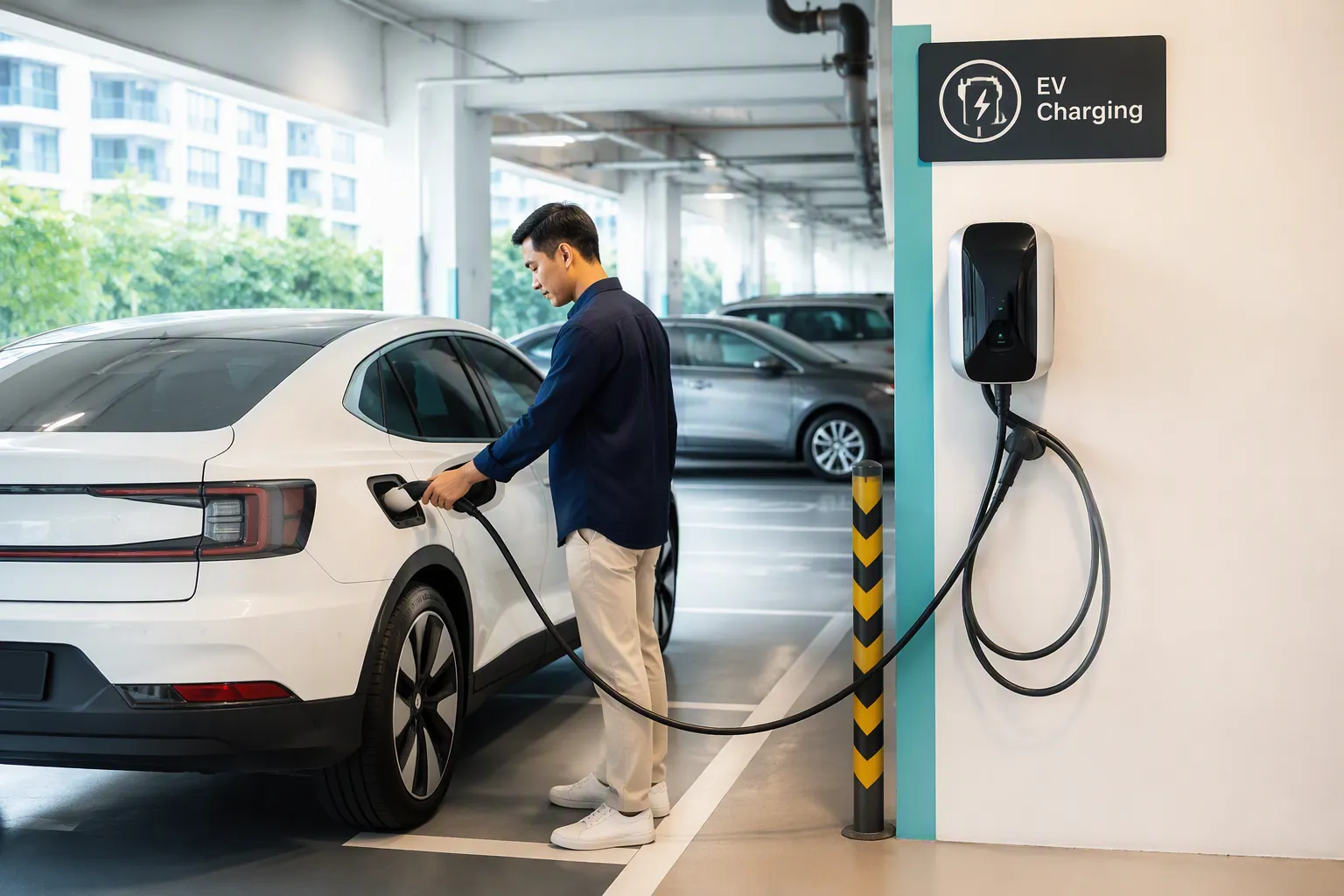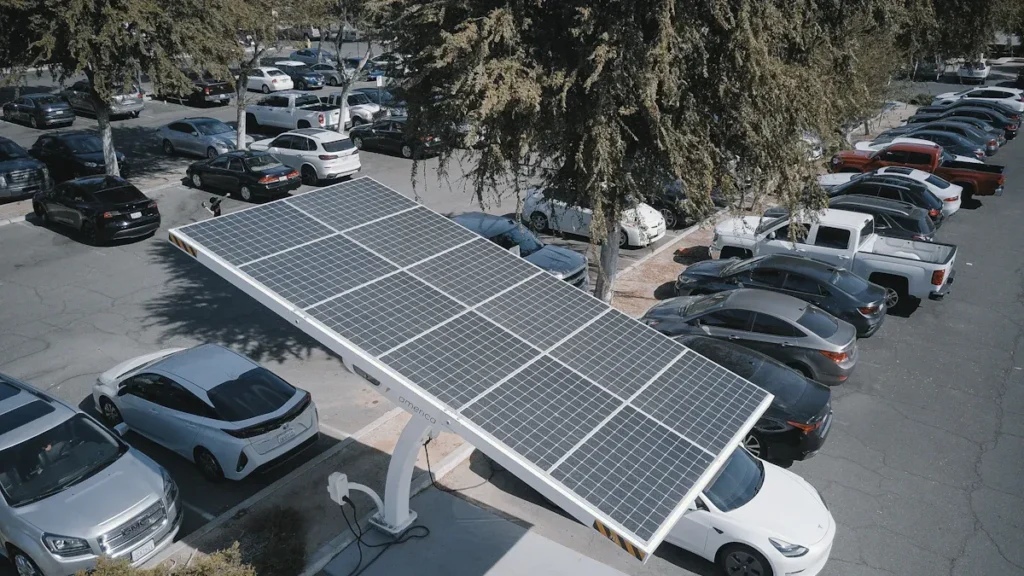
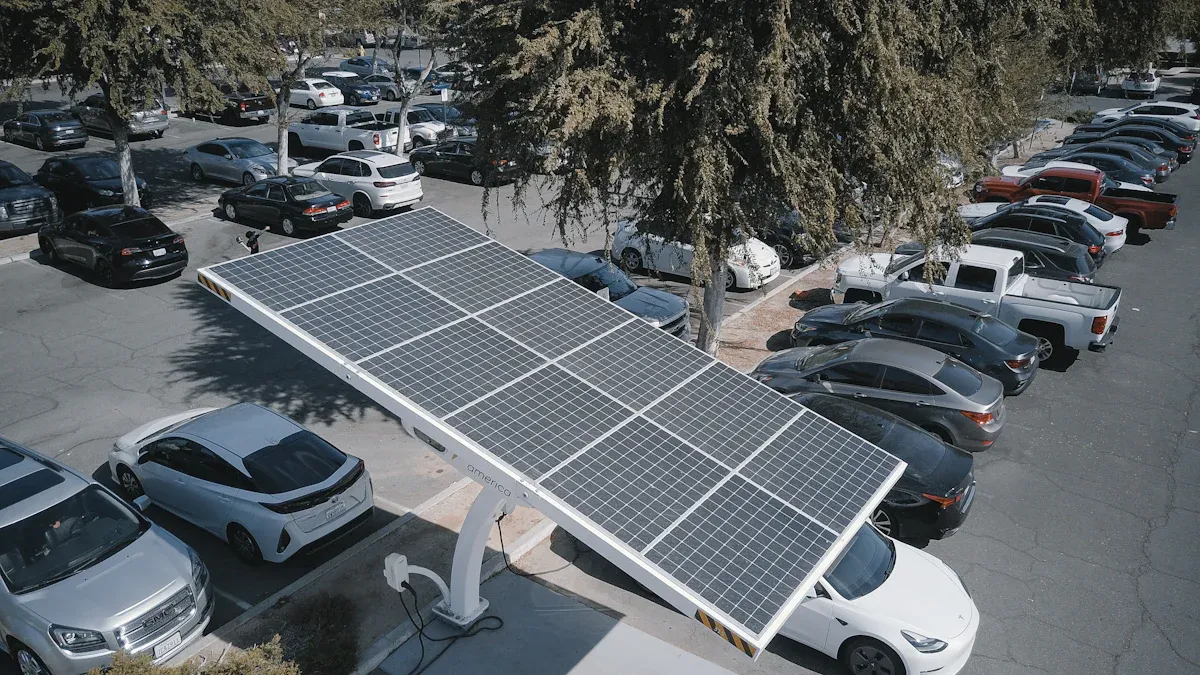
The future of green transportation hinges directly on the innovations shaping EV infrastructure. This advanced infrastructure is defined by three core pillars: intelligent grid integration for electric vehicles, superior user convenience, and universal access. As the global public charging infrastructure doubles to over 5 million points, the need for efficient EV charging becomes paramount. The future of EV charging is dynamic, with technologies like Vehicle-to-Grid (V2G) leading the way.
The V2G market alone is forecast to expand from USD 353.7 million to USD 1.7 billion by 2032.
متقدمة تكنولوجياً الشركات المصنعة لشاحن السيارة الكهربائية, including TPSON, are pivotal in developing the electric vehicle charging network for this electric future.
The Foundation: Expanding Access to Electric Vehicle Charging
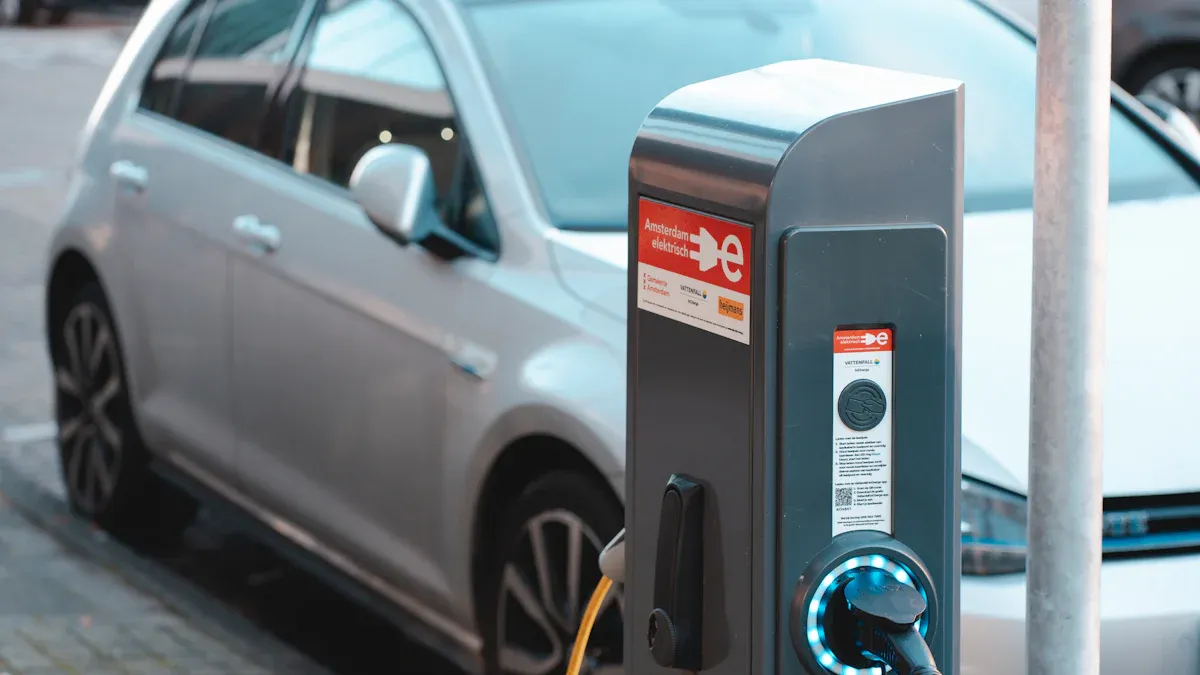
A truly green transportation future begins with universal access to شحن موثوق. The expansion of charging networks provides the essential groundwork for all other smart technologies. This expansion is not just about adding more stations; it involves a strategic deployment of infrastructure to serve every driver, everywhere.
Scaling the Public Charging Network
The growth of the public charging network is fundamental to eliminating range anxiety and encouraging EV adoption. Governments and private enterprises are working together to build a robust charging infrastructure.
From Urban Hubs to Rural Highways
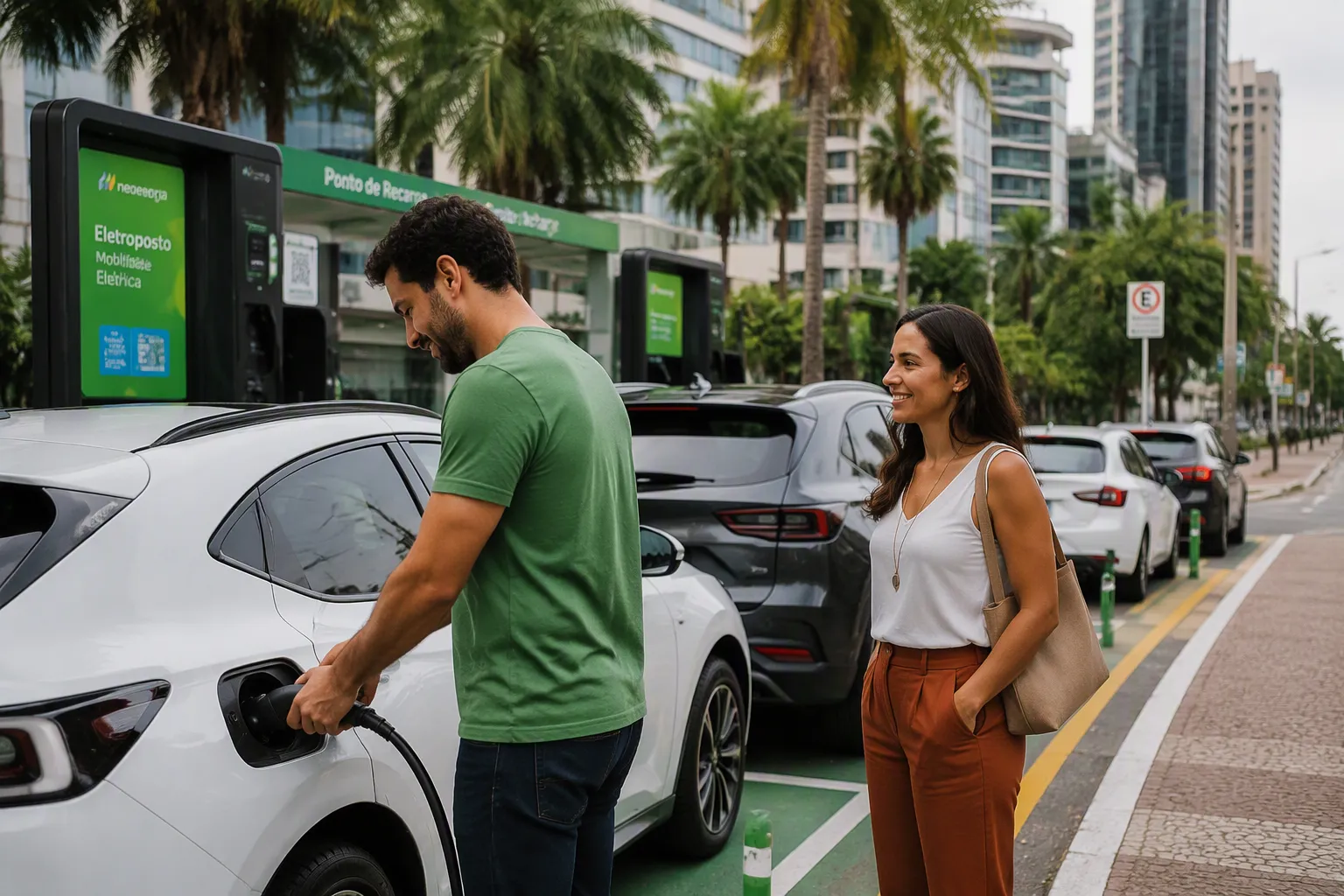
Strategic initiatives are placing charging stations in highly accessible locations. These include busy city centers, public parking areas, and critical highway corridors. States like California and New York are leading this charge, aligning the installation of charging stations with high EV ownership. This ensures drivers have confidence for both daily commutes and long-distance travel. Private businesses, from retail stores to hospitality venues, are also adding EV charging services to attract customers and capitalize on the growing demand.
The Role of DC Fast Charging
Speed is a critical factor for public charging. DC الشحن السريع, or ultra-fast charging technology, significantly reduces the time drivers spend waiting. The network requires a massive increase in this capability to support mainstream adoption.
- North America will need approximately 1 million more public chargers by 2030.
- Of these, about 170,000 should be new DC fast chargers, more than tripling the current count.
On-Street and Lamppost Solutions
Urban areas present unique challenges for drivers without dedicated parking. Innovative solutions like on-street charging points and chargers integrated into lampposts are vital. These technologies make electric vehicle charging a viable option for apartment dwellers and homeowners with limited space, increasing charging density in populated areas.
The NACS Revolution
Standardization is a powerful catalyst for growth. The adoption of the North American Charging Standard (NACS) is a landmark development for the EV infrastructure, promising to streamline the entire charging ecosystem.
Unifying a Fragmented Market
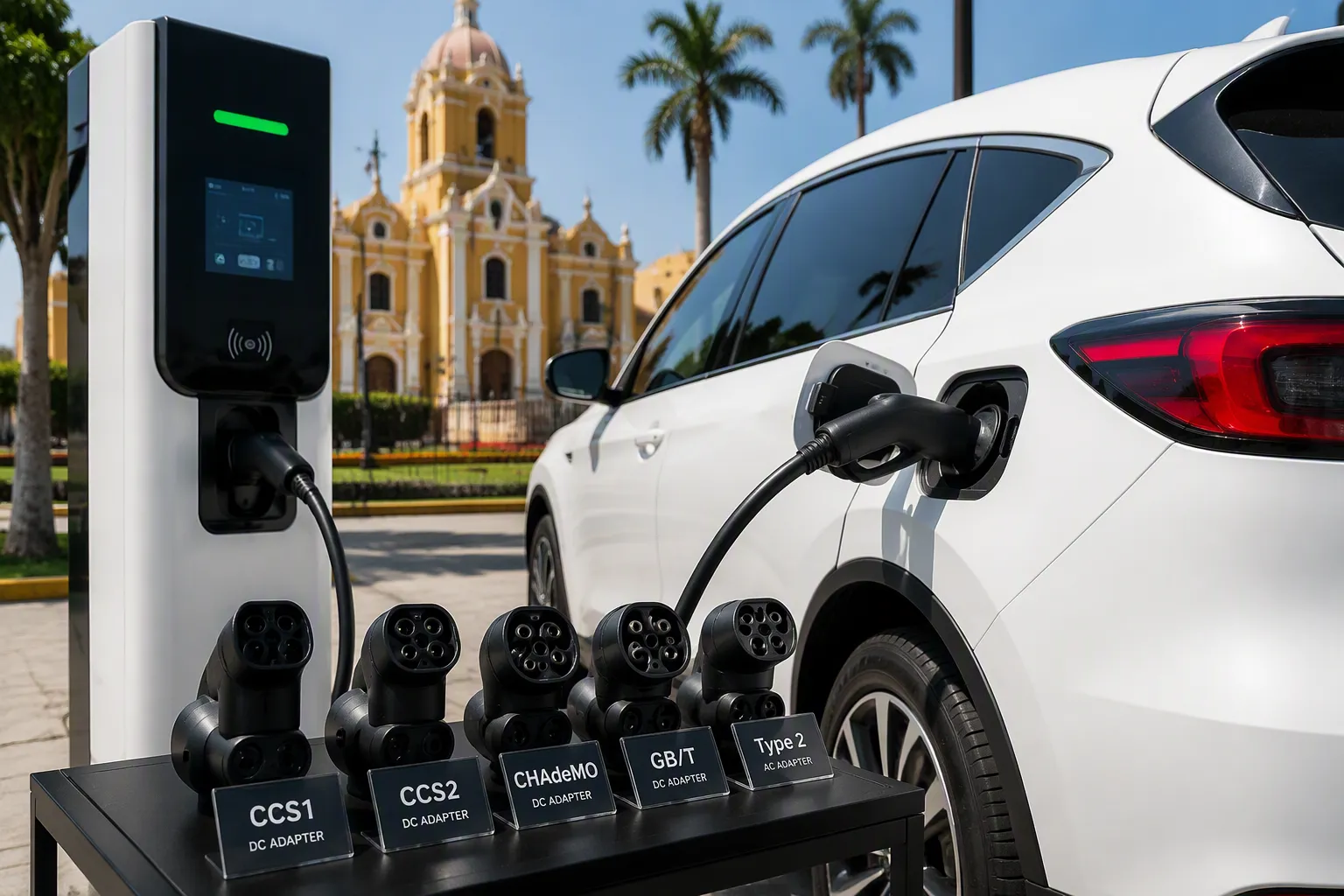
For years, the charging network operated with multiple, incompatible plug types, creating confusion for drivers. SAE International’s decision to standardize the NACS connector as SAE J3400 marks a turning point.
This move allows suppliers and manufacturers to produce and deploy a single, interoperable connector for electric vehicles and charging stations across North America, ending market fragmentation.
تبسيط تجربة المستخدم
A unified standard means EV drivers will no longer need to worry about carrying multiple adapters or finding a compatible station. This simplified “plug-and-play” experience is crucial for consumer confidence. A vast coalition of industry players has committed to this unified network.
| الفئة | Companies Adopting NACS |
|---|---|
| Automakers | Ford, Stellantis, GM, Honda, BMW |
| Charging Networks | EVgo, FLO, ChargePoint, Electrify America |
| Hospitality | Hilton Worldwide (in partnership with Tesla) |
Accelerating Infrastructure Deployment
A single standard simplifies manufacturing and reduces costs. Standardization is projected to lower per-charger equipment and maintenance expenses by 10–15%. This makes the expansion of the charging network more economically feasible. Technologically advanced providers like TPSON are pivotal in developing the charging infrastructure in 2025 and beyond, leveraging standardized components to accelerate the deployment of reliable and efficient stations. This improved ROI encourages further investment, creating a positive feedback loop for infrastructure growth.
The Core Innovations Shaping EV Infrastructure
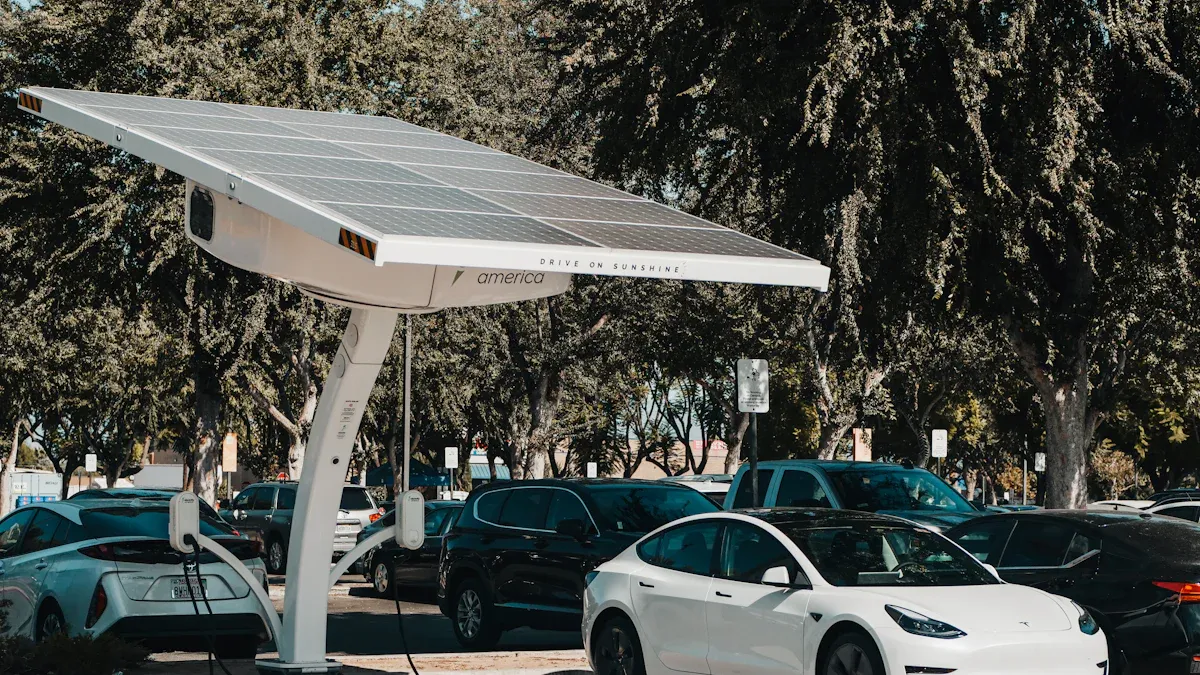
With a foundation of accessible charging points in place, the focus shifts to making the experience smarter and more convenient. The core innovations shaping EV infrastructure are centered on seamless connectivity and artificial intelligence. These advancements transform the simple act of charging into an integrated, efficient, and user-friendly process, further strengthening the EV infrastructure.
The Seamless Connection: Wireless and Plug & Charge
The ultimate goal of modern charging technology is to eliminate friction for the driver. Two key innovations, wireless charging and Plug & Charge, are making the process of powering an EV as simple as parking a car.
The Mechanics of Wireless EV Charging
Wireless, or inductive, charging allows an EV to power up without cables. The system uses a transmission pad installed on the ground or in the pavement, which sends power across a short distance to a receiver pad on the underside of the vehicle. This technology is moving from concept to commercial reality, with several companies leading its development.
- WiTricity Corporation
- InductEV Inc.
- ENRX
- Plugless Power Inc.
- HEVO Inc.
For example, HEVO Inc.’s Rezonant E8 system offers 8-kilowatt wireless capability and adheres to key safety and performance standards like UL 2750 and SAE J2954. This makes wireless charging a safe and viable option for residential garages and public parking lots.
Automating Authentication with Plug & Charge
Plug & Charge technology streamlines the payment and authorization process at public stations. It enables secure, direct communication between the electric vehicle and the charging station based on the ISO 15118 standard. Once a driver plugs in, the station automatically identifies the vehicle and its associated payment account, initiating the charging session without needing an app or RFID card.
This automated handshake is gaining widespread support. A growing coalition of automakers and charging networks are enabling this feature, creating a more unified and hassle-free experience for drivers across thousands of charging stations.
Removing Friction from the Process
Together, these technologies remove the final hurdles from the electric vehicle charging experience. Imagine an EV driver simply parking over a wireless pad at home or work, with the charging process starting automatically. For public charging, the Plug & Charge protocol eliminates the need to fumble with apps or payment cards. These innovations shaping EV infrastructure make owning an EV more convenient than a traditional gasoline car, a critical step for mass adoption.
AI-Powered Efficiency in EV Charging
Artificial intelligence (AI) is the brain behind the next generation of smart charging solutions. By analyzing vast amounts of data, AI optimizes the entire charging ecosystem for cost, efficiency, and reliability. Technologically advanced providers like TPSON are instrumental in developing these intelligent charging solutions.
Smart Charging Algorithms
AI-powered smart charging algorithms act as intelligent managers for the charging process. These systems process multiple data points to create optimal charging schedules. Key inputs include the EV’s arrival and departure times, its state of charge, the total energy required, and real-time electricity costs. The algorithm then calculates the ideal charging plan to meet the driver’s needs while minimizing strain on the power grid.
Optimizing for Cost and Time
For EV owners, the most significant benefit of AI is cost reduction. AI algorithms capitalize on variable electricity pricing, such as Time-of-Use (TOU) rates.
- The system analyzes historical data and user behavior to predict charging needs.
- It automatically schedules charging sessions during off-peak hours when electricity is cheapest.
- This intelligent scheduling directly lowers the cost of EV charging, making electric transportation more economical.
This optimization ensures the vehicle is ready when needed without incurring peak energy prices, balancing convenience with cost-effectiveness.
Predictive Analytics for Station Availability
AI also addresses a common frustration for EV drivers: arriving at a charging station to find all ports occupied or out of service. Predictive analytics use AI to forecast the availability of stations. The system analyzes a wide range of data to make its predictions.
| نوع البيانات | Application in Predictive Analytics |
|---|---|
| Historical Usage | Identifies peak times and usage patterns for specific stations. |
| Real-Time Data | Monitors current station status and traffic conditions. |
| External Factors | Considers weather forecasts and local events that may impact demand. |
This foresight allows navigation apps and charging network platforms to guide drivers to available chargers, improving the reliability of the public EV infrastructure.
AI for Battery Health Management
Beyond cost and convenience, AI plays a vital role in preserving the most expensive component of an electric vehicle: the battery. The innovations shaping EV infrastructure include AI-driven battery management. AI algorithms can adjust charging speeds and manage battery temperature during a session. This prevents overheating and reduces degradation over time, extending the battery’s lifespan and protecting the owner’s investment in their electric vehicle.
Vehicle-to-Grid (V2G): The Future of EV Charging and Energy Symbiosis
Vehicle-to-Grid (V2G) technology represents a paradigm shift, transforming electric vehicles from simple transportation devices into active participants in the energy ecosystem. This symbiotic relationship is a cornerstone of the future of EV charging, enhancing grid stability and promoting sustainability.
EVs as Mobile Power Banks
The core principle of V2G is to treat the massive, distributed battery capacity of parked electric vehicles as a collective energy storage network.
شرح مفهوم V2G
V2G enables a two-way flow of energy between an EV and the power grid. While standard EV charging is a one-way process, V2G allows a connected EV to not only draw power from the grid but also discharge stored energy back to it when needed. This turns every compatible EV into a mobile power bank, ready to support the larger electric infrastructure.
Bidirectional Charging Hardware
This capability requires specialized hardware. Both the EV and the charging station must support bidirectional power flow. A growing number of automakers are equipping their vehicles with this technology.
- كيا EV9
- Mitsubishi Outlander (PHEV)
- Mitsubishi Eclipse Cross (PHEV)
- نيسان ليف
These models, along with others from manufacturers like Volkswagen and Ford, are paving the way for a V2G-enabled future. مزودو الخدمات المتقدمة تكنولوجياً مثل TPSON are developing the sophisticated bidirectional charging stations essential for this EV infrastructure.
The EV as a Distributed Energy Resource
When aggregated, V2G-capable vehicles form a powerful Distributed Energy Resource (DER). Utilities can draw upon this network of batteries to manage grid load. For EV owners, participation can be financially rewarding. A demonstration project estimated that a V2G-enabled vehicle could generate approximately $1,525 annually through energy savings and demand response events.
Balancing the Grid for a Renewable Future
V2G technology is critical for creating a resilient grid capable of handling the intermittency of renewable energy sources.
Stabilizing Grid Frequency
Power grids must maintain a stable frequency to operate correctly. V2G offers a rapid response solution. A successful pilot project demonstrated how a fleet of parked EVs could store and return energy, effectively stabilizing the grid and providing instant backup during power failures. This capability turns the EV charging network into a virtual power plant.
Storing Excess Renewable Energy
Renewable energy generation from solar and wind is often variable. V2G provides a practical solution for this challenge. During periods of high sun or wind, EVs can absorb and store the excess renewable power. This stored clean energy can then be discharged back to the grid later, ensuring that valuable renewable generation is not wasted.
Reducing Peak Demand Strain
V2G helps utilities manage periods of high electricity consumption. Instead of firing up expensive and less efficient “peaker” power plants, grid operators can call upon the EV fleet to discharge energy. This reduces strain on the grid, lowers operational costs, and decreases reliance on fossil fuels for peak power generation, making the entire system more efficient.
The Expanding V2X Ecosystem
Vehicle-to-Grid is just one part of a larger “Vehicle-to-Everything” (V2X) ecosystem. This concept expands bidirectional charging capabilities to power homes, tools, and entire buildings, turning the electric vehicle into a versatile energy asset.
من السيارة إلى المنزل (V2H)
Vehicle-to-Home (V2H) technology allows an EV to function as a backup generator for a residence, providing energy security and greater energy independence.
Powering Your Home During Outages
During a power outage, a V2H-enabled vehicle can automatically supply electricity to a house. The energy stored in a single EV battery is substantial. An average EV with a 69.5 kWh battery can power a typical home for about two days. Larger vehicles can extend this significantly; some models can supply power for three full days of normal use or حتى 21 يومًا مع إدارة دقيقة للطاقة. توفر هذه القدرة لمالكي المنازل راحة البال وبديلاً موثوقًا للمولدات الصاخبة التي تعمل بالوقود الأحفوري.
التكامل مع الطاقة الشمسية المنزلية
يُحدث نظام المركبة إلى المنزل (V2H) تكاملاً قويًا مع أنظمة الألواح الشمسية السكنية. حيث يمكن لبطارية السيارة الكهربائية تخزين الطاقة الشمسية الفائضة المُولدة خلال النهار. ثم يمكن استخدام هذه الطاقة النظيفة المخزنة لتشغيل المنزل خلال المساء أو في الأيام الغائمة، مما يقلل الاعتماد على شبكة الكهرباء ويخفض فواتير الطاقة. تقوم شركات متقدمة تقنيًا مثل TPSON بتطوير محطات الشحن ثنائية الاتجاه المتطورة التي تجعل هذا التكامل السلس ممكنًا.
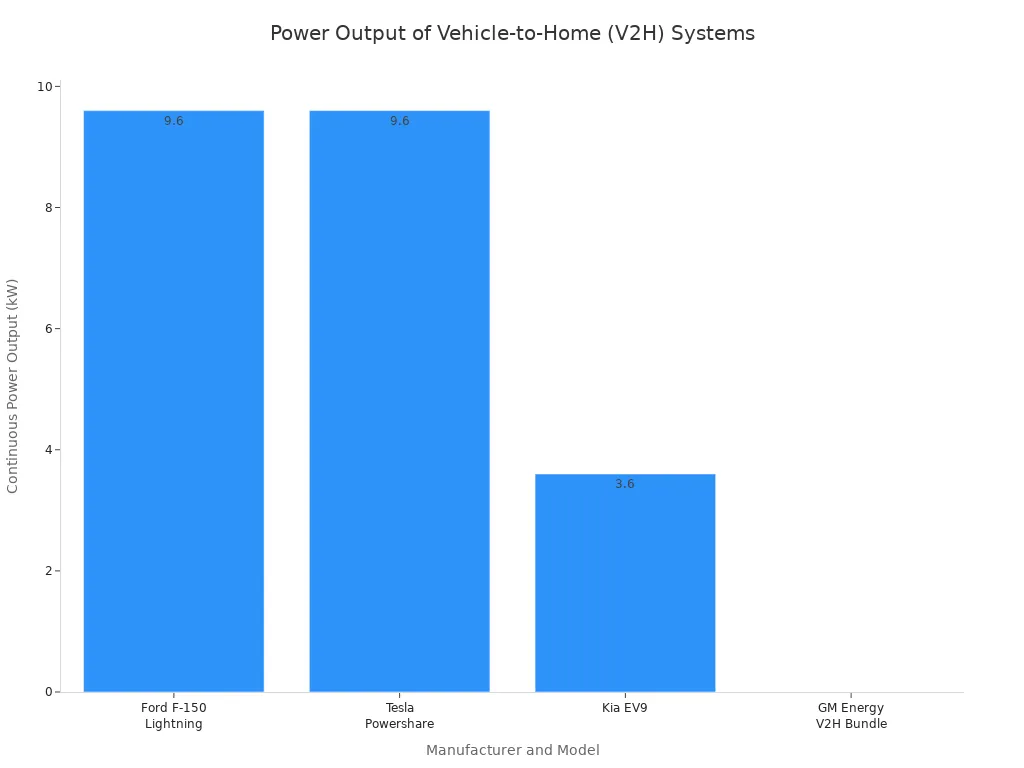
| الشركة المصنعة | الموديل/التقنية | ناتج الطاقة | التوافق/الميزات |
|---|---|---|---|
| فورد | فورد إف-150 لايتنينج مع نظام الطاقة الاحتياطية الذكي | حتى 9.6 كيلوواط بشكل مستمر | يعمل مع محطة شحن فورد برو ونظام تكامل المنزل؛ يتحول تلقائيًا إلى طاقة السيارة الكهربائية أثناء انقطاع التيار؛ يعادل أكثر من 10 بطاريات منزلية. |
| تيسلا | باورشير (سايبرتراك) | 9.6 كيلوواط بشكل مستمر (خمس منافذ: اثنان 120 فولت 20 أمبير، واحد 240 فولت 40 أمبير) | يدعم V2H، V2L، V2V؛ يعمل كمحطة طاقة متنقلة؛ مخطط للتوسع ليشمل جميع الموديلات بحلول عام 2025. |
| كيا موتورز | إي في 9 مع قدرة V2H | حتى 3.6 كيلوواط بشكل مستمر | يتكامل مع تطبيق كيا كونكت؛ يدعم V2L و V2H؛ مصمم للتكامل السلس مع أنظمة الطاقة المنزلية؛ مخطط للتوسع في الولايات المتحدة بحلول عام 2026. |
| جنرال موتورز إنرجي | حزمة V2H (شفروليه سيلفرادو إي في الإصدار الأول آر إس تي 2024) | يشغل المنزل لمدة تصل إلى 21 يومًا (مع تقليل استهلاك الطاقة) | تتضمن شاحن PowerShift ومجموة تفعيل V2H؛ تتكامل مع الألواح الشمسية والبطاريات الثابتة عبر PowerBank؛ تُدار عبر تطبيق جنرال موتورز إنرجي؛ مخطط للتوسع ليشمل جميع السيارات الكهربائية القائمة على منصة ألتيوم بحلول عام 2026. |
المركبة إلى الحمل (V2L)
تحول تقنية المركبة إلى الحمل (V2L) السيارة الكهربائية إلى مصدر طاقة متنقل، مجهزة بمقابس قياسية لتشغيل أجهزة متنوعة.
طاقة متنقلة للعمل والترفيه
تتيح وظيفة V2L للمستخدمين توصيل الأدوات والأجهزة الكهربائية والإلكترونية مباشرة بمركبتهم. هذه الميزة مفيدة للغاية في مواقع العمل غير المتصلة بالشبكة، أو رحلات التخييم، أو الفعاليات الخارجية. فهي تلغي الحاجة إلى مولدات محمولة منفصلة، وتوفر حل طاقة أكثر هدوءًا وخاليًا من الانبعاثات.
حالات الاستخدام والتطبيقات
تعتمد فائدة V2L على قدرتها الإنتاجية من الطاقة. تقدم موديلات هيونداي وكيا حتى 3.6 كيلوواط, ، وهو ما يكفي لتشغيل أجهزة الكمبيوتر المحمولة والإضاءة والأجهزة الصغيرة. يمكن للأنظمة عالية الطاقة، مثل تلك الموجودة في الشاحنات الكهربائية، تقديم 7 كيلوواط أو أكثر. يمكن لهذا المستوى من الإخراج تشغيل أدوات الطاقة الثقيلة أو حتى توفير شحن طارئ لسيارة كهربائية أخرى عالقة.
المركبة إلى المبنى (V2B)
تطبق تقنية المركبة إلى المبنى (V2B) مبادئ V2H على نطاق تجاري، مما يسمح لأسطول من المركبات الكهربائية بدعم احتياجات الطاقة للمبنى.
دعم العمليات التجارية
في نظام V2B، يمكن لمركبات الموظفين أو أسطول الشركة تفريغ الطاقة إلى المبنى المكتبي خلال ساعات الذروة. يساعد هذا المورد الجماعي للطاقة في استقرار الشبكة الداخلية للمبنى ويوفر عازلاً ضد تقلبات الطاقة الخارجية، مما يعزز مرونة التشغيل.
تقليل تكاليف الطاقة للشركات
الفائدة الأساسية لـ V2B هي مالية. من خلال استخدام الطاقة المخزنة في السيارات الكهربائية خلال أوقات ارتفاع أسعار الكهرباء، يمكن للشركات تقليل رسوم طلب الذروة بشكل كبير.
أظهرت دراسة حالة في مبنى إداري كبير أن إطار عمل V2B يمكن أن يحقق تخفيضًا محتملاً في طلب الذروة يصل إلى 37.9٪.
إستراتيجية أخرى، حيث يستخدم العمال سيارتهم المشحونة في المنزل لتشغيل المكتب، تتوقع تخفيضًا في طلب المبنى يصل إلى 50٪, ، مما يبرز نموذج عمل مربح وصديق للبيئة.
الحدود القادمة: تقنيات الشحن الناشئة
تتجاوز الحدود القادمة لشحن المركبات الكهربائية المقابس والمحطات التقليدية، لاستكشاف طرق ثورية لتشغيل المركبات. تهدف حلول الشحن الناشئة هذه إلى حل تحديات محددة للنقل الثقيل وتقديم أقصى درجات الراحة لجميع السائقين. هذا التكنولوجيا المتقدمة يعيد تعريف حدود التنقل الكهربائي.
الشحن بالميغاواط للمركبات الثقيلة
يتطلب تحويل النقل التجاري إلى كهربائي فئة جديدة من بنية الشحن التحتية قادرة على تقديم طاقة هائلة بسرعة.
تشغيل الشاحنات والحافلات الكهربائية
تمتلك المركبات الكهربائية الثقيلة مثل الشاحنات النصفية والحافلات بطاريات ضخمة. يكون الشحن السريع القياسي بطيئًا جدًا بالنسبة لجدوليات الخدمات اللوجستية والنقل العام. لذا، هناك حاجة إلى نهج جديد لجعل أساطيل المركبات الكهربائية مجدية.
نظام الشحن بالميغاواط (MCS)
نظام الشحن بالميغاواط (MCS) هو إجابة القطاع الصناعي. صُمم هذا المعيار القوي لتقديم أكثر من ميغاواط واحد من طاقة الشحن، مما يمكن شاحنة نصفية من اكتساب مدى كبير خلال فترة الراحة الإلزامية للسائق. تستعد الشركات المصنعة الكبرى بالفعل لهذا التحول. على سبيل المثال،, تطور شركة مان للشاحنات والحافلات أنظمة لدعم MCS, و تخطط سكانيا لإطلاق شاحناتها الكهربائية المتوافقة مع MCS بحلول منتصف عام 2026.
التأثير على الخدمات اللوجستية والنقل العام
سوف يغير نظام MCS صناعة الخدمات اللوجستية من خلال تقليل وقت التوقف للأساطيل الكهربائية. يجعل الشحن الأسرع نقل الشاحنات الكهربائية لمسافات طويلة عمليًا. كما يسمح للحافلات الكهربائية بإكمال مساراتها بجلسات شحن قصيرة عالية الطاقة في مراكز الصيانة، مما يحسن كفاءة التشغيل.
تبديل البطاريات كحل متخصص
يقدم تبديل البطاريات بديلاً للشحن التقليدي، مركزًا على السرعة من خلال استبدال حزمة البطارية بالكامل.
نموذج “إعادة التزود بالوقود” الفوري
يسمح هذا النموذج لسائق السيارة الكهربائية بدخول محطة تبديل واستبدال بطاريته المستنفدة بأخرى مشحونة بالكامل في دقائق بواسطة روبوت. يكتسب هذا النهج زخمًا في أسواق محددة.
| الشركة | السوق الجغرافي |
|---|---|
| نيو | الصين |
| جوجورو | تايوان |
| وافر | الولايات المتحدة الأمريكية |
| سان موبايلتي | الهند |
قامت هذه الشركات ببناء شبكات من المحطات لدعم مستخدميها, ، مما يثبت جدوى النموذج لحالات استخدام معينة.
التغلب على عقبات التوحيد القياسي
يواجه الانتشار الواسع عقبات كبيرة. تتطلب التكنولوجيا استثمارات ضخمة وتواجه تحديات معقدة.
- ارتفاع التكاليف الرأسمالية: النفقات الأولية للآلات الروبوتية ومخزون البطاريات الاحتياطي وبرامج الإدارة المتطورة هي نفقات كبيرة.
- عدم وجود معايير موحدة: تستخدم شركات تصنيع السيارات الكهربائية أحجام بطاريات وكيميائيات وبروتوكولات اتصال مختلفة، مما يجعل محطة استبدال عالمية شبه مستحيلة.
- التعقيد التشغيلي: إدارة صحة البطاريات والخدمات اللوجستية وسلاسل التوريد لآلاف الحزم يشكل عائقًا تشغيليًا رئيسيًا.
الشحن الديناميكي والطرق الكهربائية
يتضمن المفهوم الأكثر تطلعًا للمستfuture شحن المركبات الكهربائية أثناء حركتها.
رؤية الشحن أثناء القيادة
الشحن الديناميكي, ، أو أنظمة الطرق الكهربائية (ERS)، يدمج تقنية الشحن مباشرة في الرصيف. وهذا يسمح للمركبة الكهربائية بالشحن لاسلكيًا أو من خلال شريط اتصال مادي أثناء القيادة، مما قد يلغي قلق المدى ويمكن من استخدام بطاريات أصغر حجمًا وأخف وزنًا.
البرامج التجريبية الحالية والتحديات
ينتقل هذا المفهوم من النظرية إلى الواقع من خلال برامج تجريبية متنوعة. السويد هي رائدة في هذا المجال، حيث تختبر طرقًا كهربائية للشاحنات والحافلات بين المراكز اللوجستية الرئيسية. تجارب أخرى نشطة في مواقع مثل تل أبيب للحافلات العامة. ومع ذلك، فإن التكلفة الهائلة لتحديث الطرق السريعة وتحقيق معيار تكنولوجي موحد تظل التحديات الرئيسية للنشر على نطاق واسع.
المستقبل المعرّف بالبرمجيات للشحن
توفر الأجهزة الاتصال المادي لشحن المركبات الكهربائية، لكن البرمجيات هي التي تحدد التجربة. يعتمد مستقبل شبكة الشحن على منصات برمجية ذكية ومفتوحة وتركز على المستخدم. هذه الطبقة الرقمية هي التي تحول منفذ طاقة بسيط إلى مكون ذكي ومتكامل لأنظمة الطاقة والنقل لدينا.
دور المعايير المفتوحة
المعايير المفتوحة هي حجر الأساس لشبكة شحن قابلة للتطوير وقادرة على المنافسة. فهي تضمن أن الأجهزة والبرمجيات من شركات مختلفة يمكنها التواصل بسلاسة، مما يمنع تفتت السوق ويمنح مشغلي الشبكات القدرة.
OCPP والقدرة على التشغيل البيني
إن بروتوكول نقطة الشحن المفتوح (OCPP) هو معيار اتصال مفتوح المصدر حاسم. إنه يعمل كلغة عالمية بين محطات الشحن وأنظمة الإدارة المركزية التي تتحكم فيها. هذا التكنولوجيا أساسي لشبكة شحن موحدة.
- يسمح لأجهزة محطة الشحن من أي شركة مصنعة بالاتصال بأي برنامج خلفي متوافق مع OCPP.
- إنه يقوم بتوحيد العمليات الأساسية مثل بدء جلسة الشحن أو إيقافها، والإبلاغ عن الحالة، وإدارة المدفوعات.
- هذا يمنع “الاحتجاز لدى مورد واحد”، مما يمنح مشغلي الشبكات حرية اختيار أفضل الأجهزة والبرمجيات دون الارتباط بمزود واحد.
تقوم مزودون متطورون تكنولوجيًا مثل TPSON ببناء حلول الشحن الخاصة بهم على معايير مفتوحة مثل OCPP. وهذا يضمن إمكانية دمج أجهزتهم في أي شبكة شحن، مما يدعم التوسع المرن للبنية التحتية العامة.
تعزيز الابتكار والمنافسة
عندما تبنى الشركات على معيار مشترك، تتنافس على الميزات والجودة، وليس على الاتصالات الاحتكارية. هذه البيئة المفتوحة تسرع الابتكار عبر الصناعة. أدت المنافسة التي تعززها المعايير المفتوحة إلى تطوير ميزات متقدمة، بما في ذلك:
- تكامل الشبكة الذكية: تحسين الشحن لمنع أحمال الشبكة الزائدة.
- الشحن ثنائي الاتجاه (V2G): السماح للمركبات الكهربائية بإعادة الطاقة إلى الشبكة.
- أنظمة إنترنت الأشياء (IoT): استخدام الذكاء الاصطناعي والمنصات السحابية للمراقبة في الوقت الفعلي والصيانة التنبؤية.
أهمية عقلية التركيز على العميل
في النهاية، يعتمد نجاح التحول الكهربائي على تجربة السائقين الأفراد. تعني عقلية التركيز على العميل تصميم أنظمة شحن سهلة الاستخدام وموثوقة وشفافة لجميع المستهلكين.
واجهة المستخدم والتجربة (UI/UX)
تجربة المستخدم السيئة تشكل حاجزًا كبيرًا أمام اعتماد المركبات الكهربائية. غالبًا ما يواجه السائقون مشهدًا محبطًا لواجهات غير متسقة وأنظمة غير موثوقة. تشمل نقاط الألم الشائعة:
- تضخم التطبيقات: يجب على العديد من السائقين التعامل مع ثلاثة إلى ستة تطبيقات مختلفة للوصول إلى شبكات شحن متنوعة.
- تسعير مربك: هياكل تسعير غير شفافة بمعدلات متفاوتة ورسوم جلسة ورسوم توقف تخلق ارتباكًا وعدم ثقة.
- فشل المدفوعات: أجهزة دفع معطلة وضعف اتصال الشبكة شائعة، مما يؤدي إلى محاولات شحن فاشلة.
أنظمة التجوال والدفع
يتطلب حل هذه المشكلات التركيز على القدرة التشغيلية والبساطة. تسمح شبكات التجوال للسائقين باستخدام حساب واحد عبر شبكات شحن مختلفة متعددة، يشبه إلى حد كبير عمل الهاتف المحمول على شركات اتصالات مختلفة. الهدف النهائي هو عملية دفع سلسة حقًا. تقنيات مثل "التوصيل والشحن" (Plug & Charge)، القائمة على المعيار ISO 15118, ، تجعل هذا حقيقة واقعة. تسمح هذه التكنولوجيا للمركبة بالمصادقة على نفسها تلقائيًا وبشكل آمن لدى جهاز الشحن، والتعامل مع الدفع دون أي تدخل من السائق. هذا يزيل الطبقة الأخيرة من الاحتكاك من تجربة الشحن العامة.
الابتكارات التي تشكل البنية التحتية للمركبات الكهربائية تتطور بالمركبات الكهربائية لتتجاوز مجرد وسيلة نقل بسيطة. إنها تصبح مكونات نشطة في شبكة طاقة مرنة، تعزز استدامة الشبكة. يعتمد مستقبل البنية التحتية للمركبات الكهربائية على تقارب شبكة شحن موسعة، وبرمجيات ذكية، وشحن ثنائي الاتجاه. هذا التآزر يخلق مستقبل نقل مستدام حقًا، يدمج مصادر الطاقة المتجددة بشكل أكثر فعالية.
تحقيق هذه الرؤية المستقبلية يتطلب جهدًا تعاونيًا. يجب على صانعي السيارات وشركات المرافق وصناع السياسات والمستهلكين العمل معًا لبناء البنية التحتية الذكية والشبكة الكهربائية للأجيال القادمة.
الأسئلة الشائعة
ما هو الشحن الذكي؟
يستخدم الشحن الذكي تقنية ذكية لإدارة كيفية ووقت شحن المركبة الكهربائية. فهو يحسن جلسات الشحن من حيث التكلفة واستقرار الشبكة وملاءمة المستخدم. هذه التكنولوجيا تربط المركبات الكهربائية ومحطات الشحن ومشغلي الشبكة في شبكة مستجيبة.
كيف تعمل تقنية تحويل المركبة إلى شبكة (V2G)؟
تقنية V2G يتيح تدفقًا ثنائيًا للطاقة بين مركبة كهربائية وشبكة الطاقة. يمكن لمركبة متوافقة تفريغ الطاقة المخزنة مرة أخرى إلى الشبكة خلال أوقات الذروة. هذه العملية تساعد على استقرار النظام الكهربائي ويمكن أن تولد دخلاً لمالك المركبة الكهربائية.
لماذا معيار OCPP مهم؟
يضمن بروتوكول نقطة الشحن المفتوح (OCPP) إمكانية التشغيل البيني بين محطات الشحن وبرامج الإدارة من مختلف الشركات المصنعة.
يمنع هذا المعيار المفتوح الاحتكار من قبل الموردين. فهو يسمح لمشغلي الشبكات ببناء شبكات شحن مرنة وقادرة على المنافسة باستخدام أجهزة من مختلف الموردين.
ما الفرق بين V2H و V2L؟
- من السيارة إلى المنزل (V2H) تسمح V2H للمركبة الكهربائية بتشغيل المنزل، حيث تعمل كمولد احتياطي أثناء انقطاع التيار الكهربائي.
- المركبة إلى الحمل (V2L) تحول V2L المركبة الكهربائية إلى مصدر طاقة متنقل يحتوي على منافذ لتشغيل الأدوات أو الأجهزة المنزلية.
ما الغرض من نظام الشحن بالميغاواط (MCS)؟
نظام الشحن بالميغاواط (MCS) هو معيار شحن عالي الطاقة مصمم للمركبات الكهربائية الثقيلة مثل الشاحنات النصفية والحافلات. يوفر طاقة تزيد عن ميغاواط واحد. تقلّل هذه القدرة أوقات الشحن بشكل كبير، مما يجعل الخدمات اللوجستية الكهربائية والنقل العام أكثر عملية.
كيف يحسّن الذكاء الاصطناعي تجربة شحن المركبات الكهربائية؟
يحسّن الذكاء الاصطناعي جدولة الشحن لتقليل التكاليف باستخدام أسعار الكهرباء خارج أوقات الذروة. كما يتنبأ الذكاء الاصطناعي بتوفر محطات الشحن لمنع إحباط السائقين. علاوة على ذلك، يدير صحة البطارية من خلال ضبط سرعات الشحن، مما يطيل عمر البطارية ويحمي استثمار المالك.
ما فوائد تقنية "التوصيل والشحن" (Plug & Charge)؟
تؤتمت تقنية "التوصيل والشحن" عملية المصادقة والدفع في محطات الشحن العامة. يقوم السائق ببساطة بتوصيل المركبة. تتعرف المحطة تلقائياً على السيارة وحساب الدفع الخاص بها، مما يوفر تجربة سلسة وخالية من المتاعب دون الحاجة إلى تطبيقات أو بطاقات.