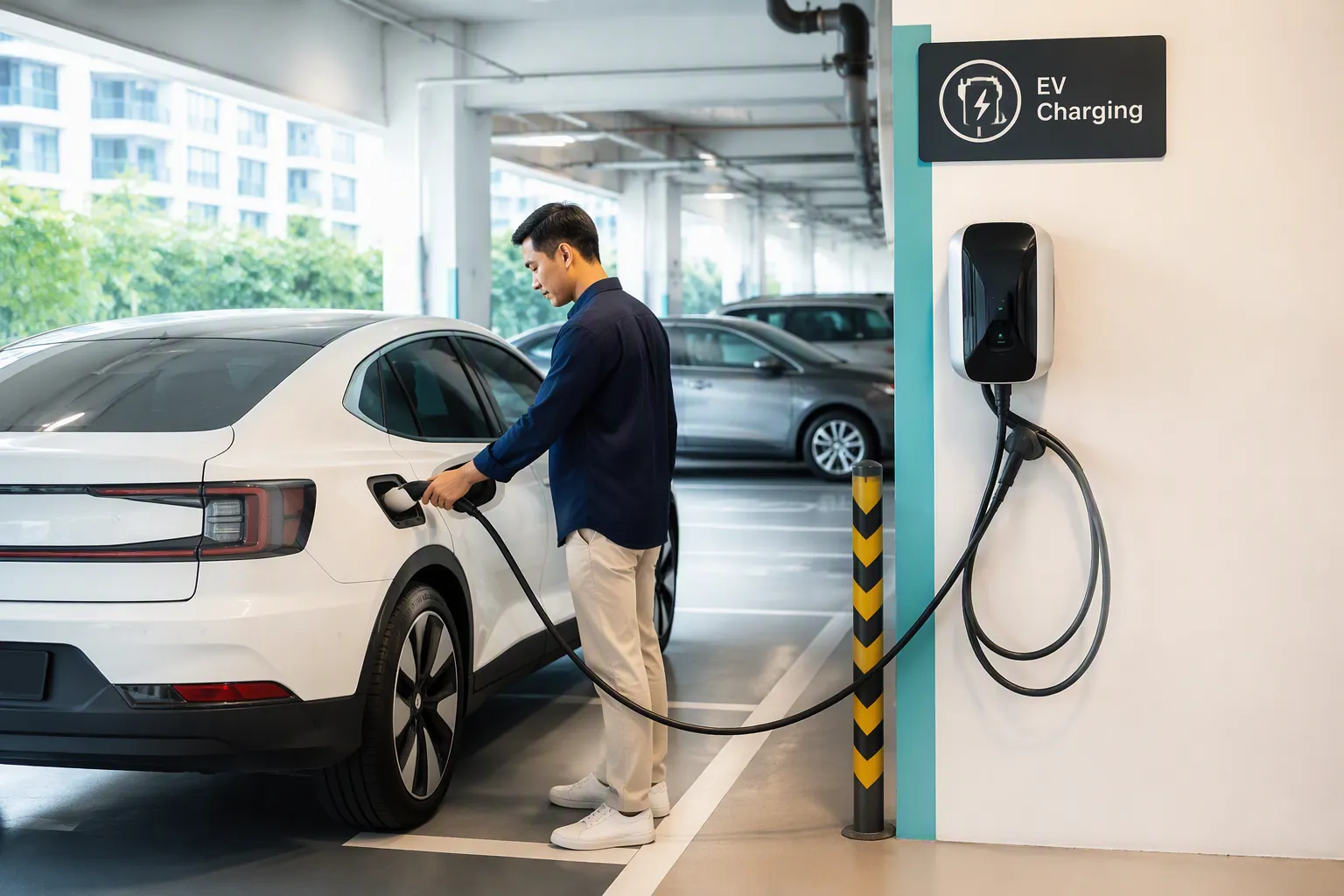
Attracting and Retaining Tenants: Why EV Charging is a Must-Have Amenity for Singapore Condos
EV charging is a must-have amenity for Singapore condos to attract and retain tenants. Learn how it boosts property value and occupancy rates.

EV charging is a must-have amenity for Singapore condos to attract and retain tenants. Learn how it boosts property value and occupancy rates.
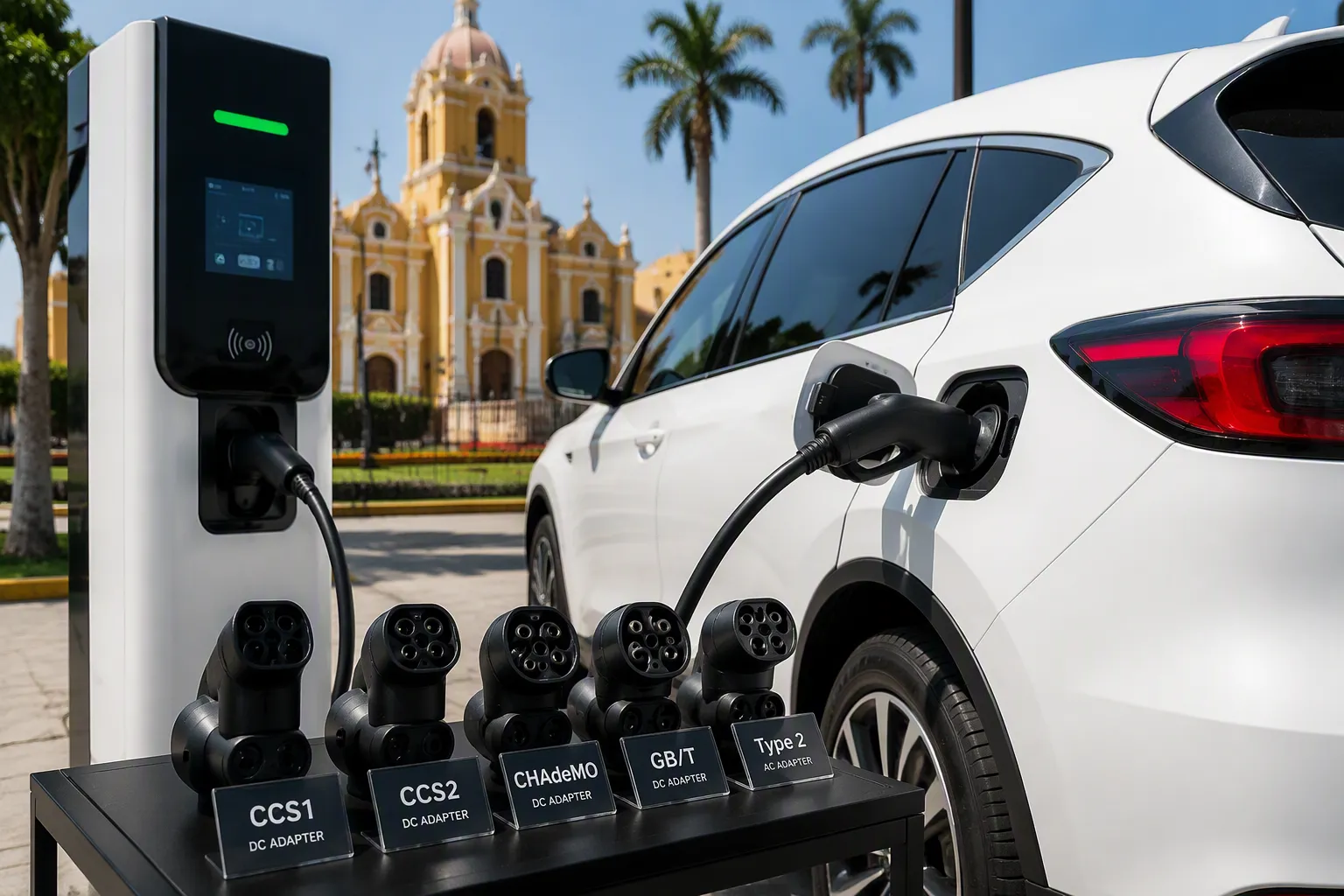
As CCS2 becomes standard in South America, three adapters remain worth buying: CHAdeMO-to-CCS2, Type 1-to-Type 2 AC, and Tesla-to-CCS2. Each solves specific compatibility issues.
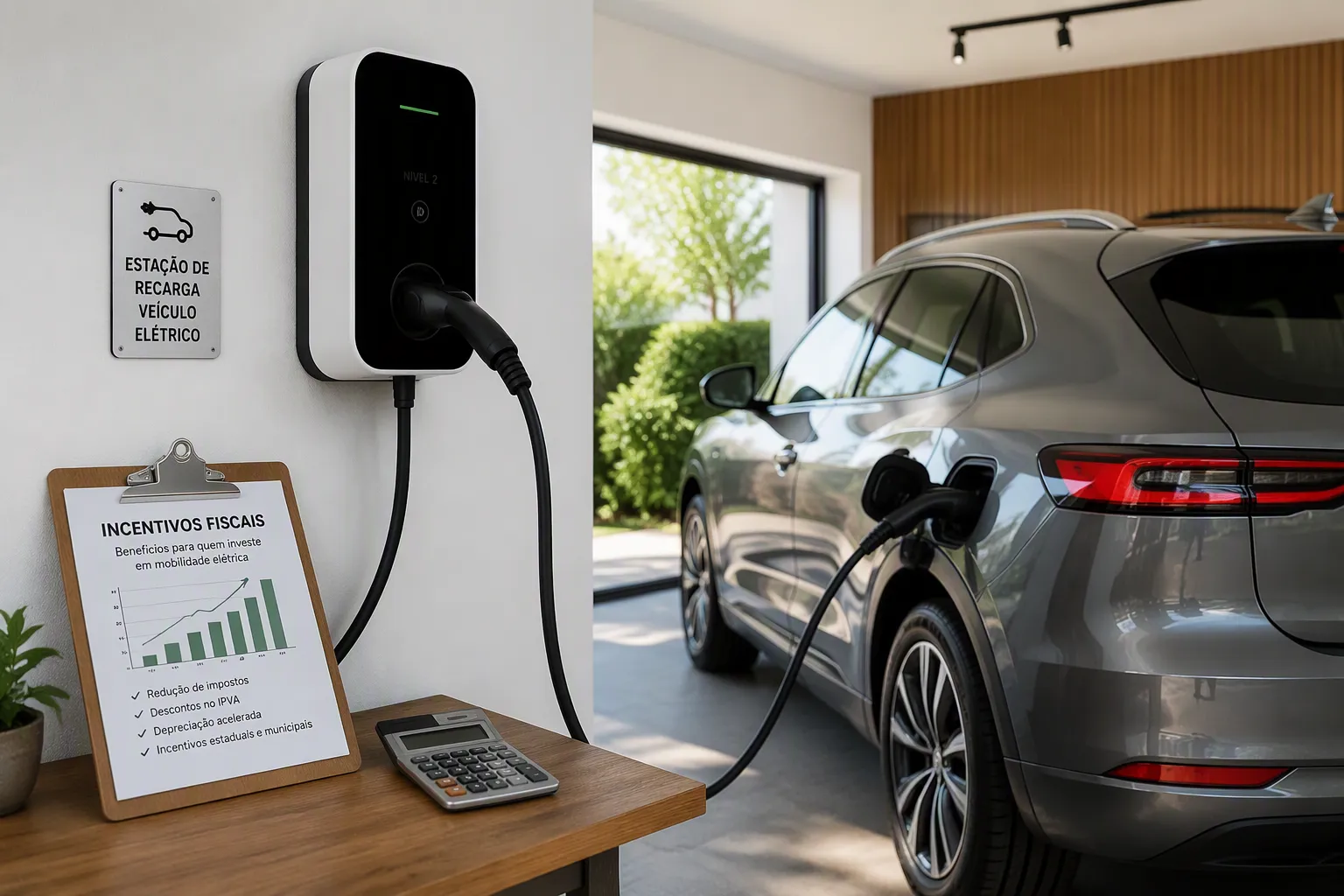
Yes, Brazil offers federal, state, and municipal tax incentives for Level 2 EV charger installation, reducing costs significantly for homeowners and businesses.
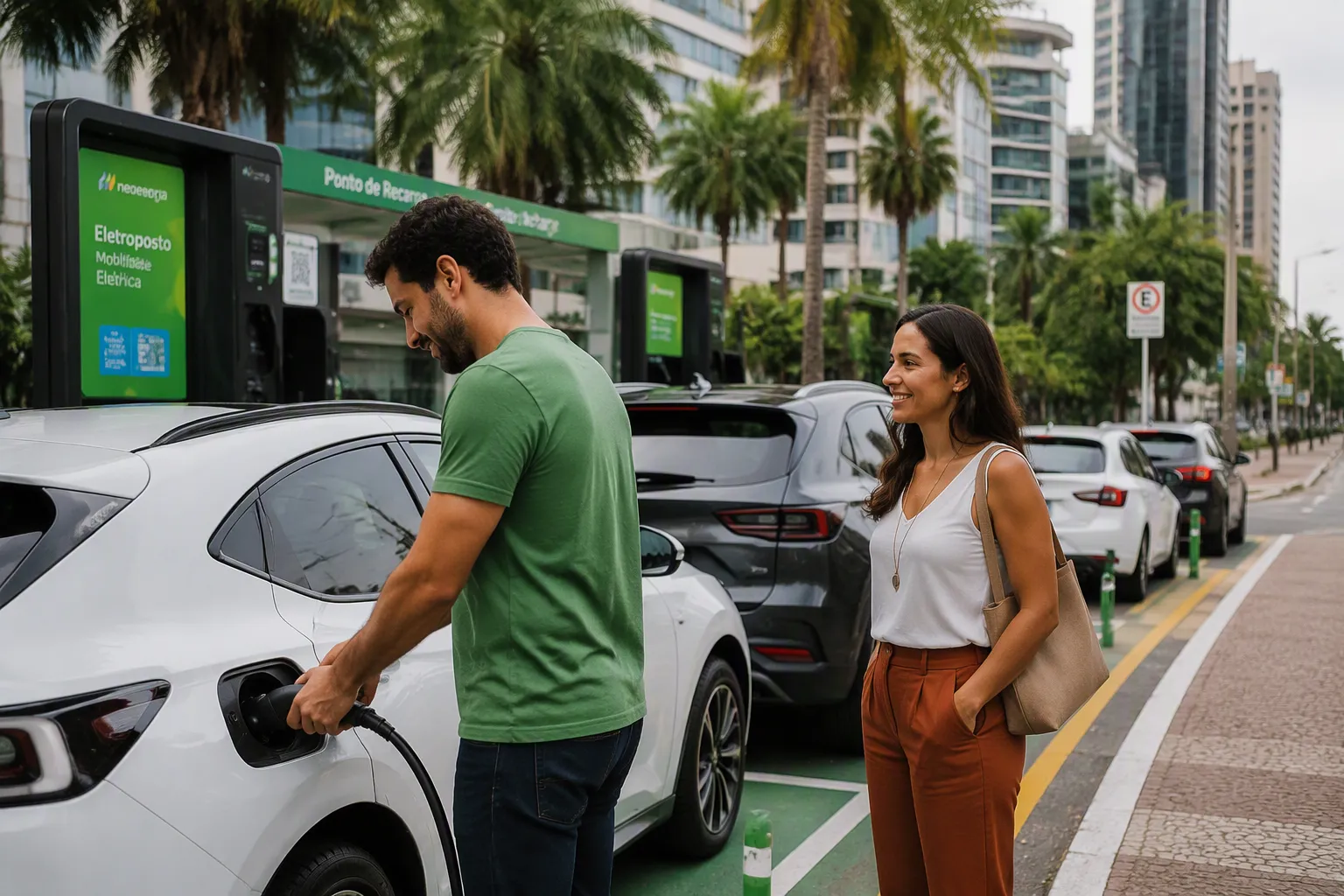
Essential public charging etiquette for busy Level 3 stations in Brazil: never park without charging, respect queues, and follow the 80% rule for efficiency.
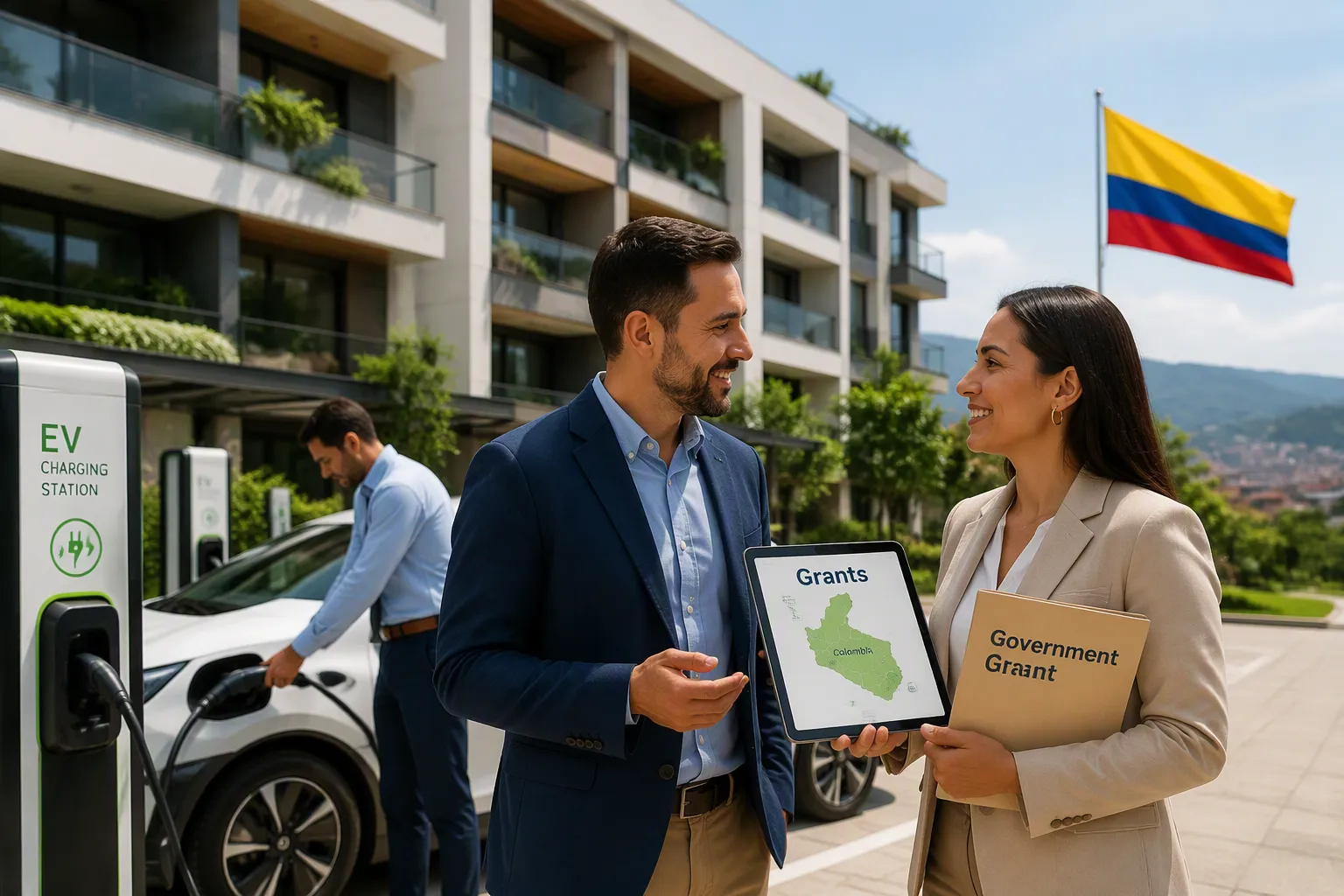
Government Grants for EV charging in Colombian apartment buildings: FENOGE, Bogotá, Medellín programs, tax benefits, eligibility, and application steps.
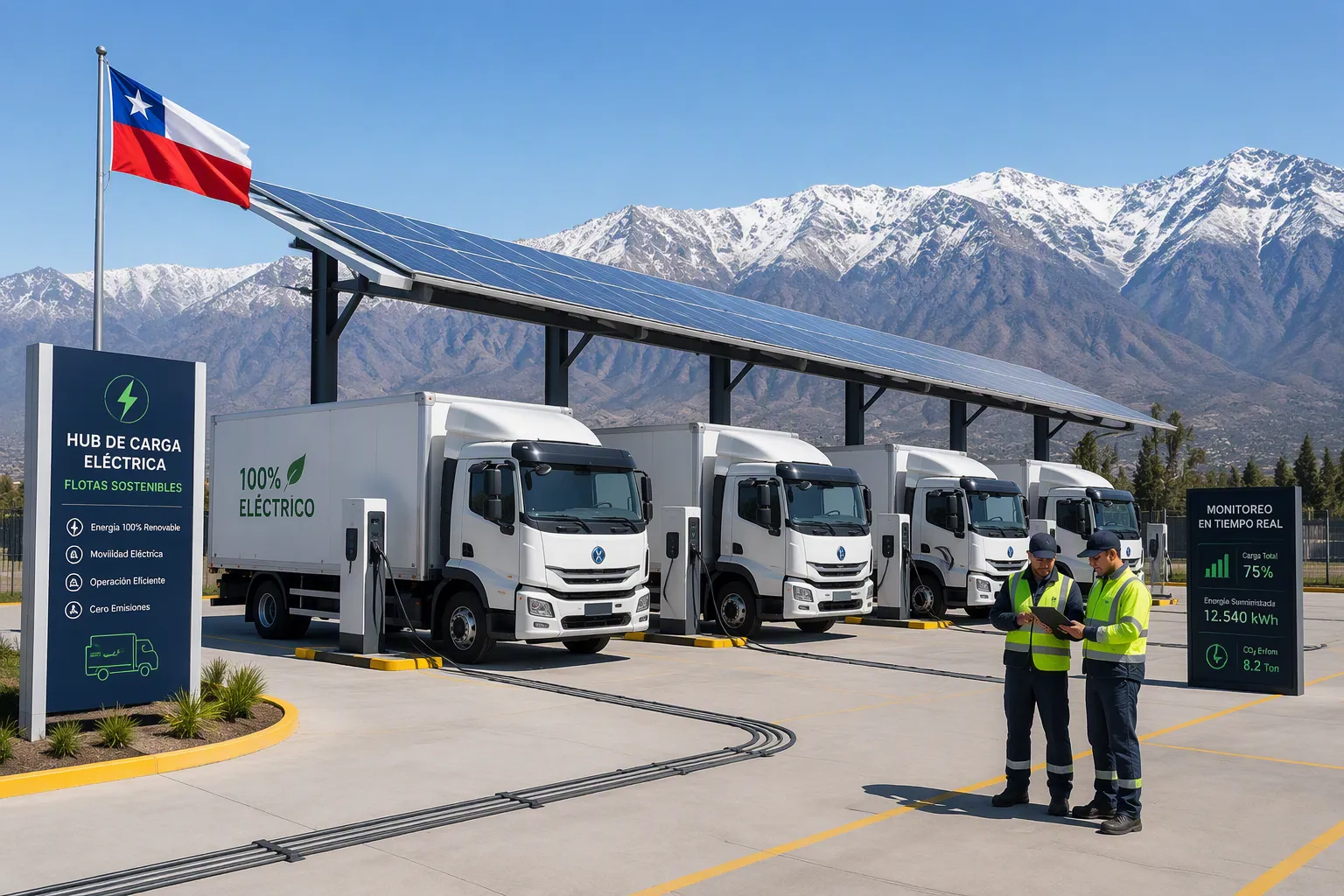
A Private Charging Hub in Chile offers fleet operators payback in 3-6 years, with fuel and maintenance savings offsetting up to 70% of the initial investment.

EV stop charging automatically when full, thanks to battery management systems that prevent overcharging and protect battery health.
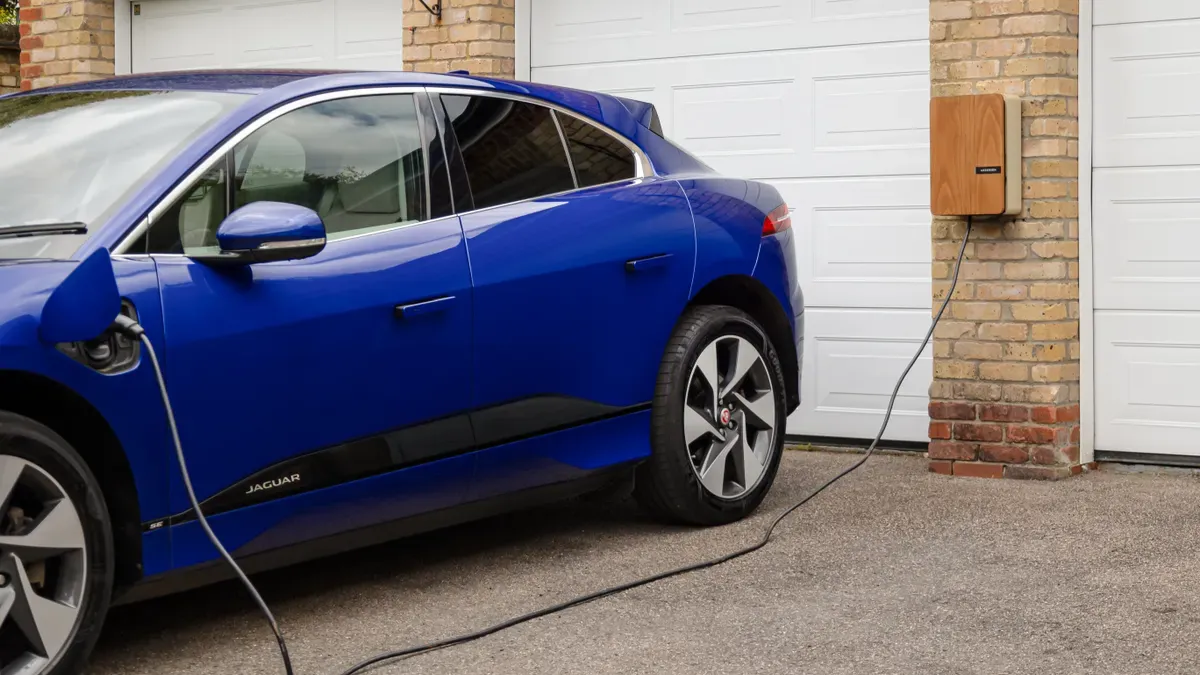
Level 2 electric vehicle chargers offer faster, cost-effective, and convenient charging, making them the dominant choice for everyday EV charging needs.

Level 1 Charger offers Colombian plug-in hybrid owners affordable, easy home charging using standard outlets—no upgrades or extra costs required.
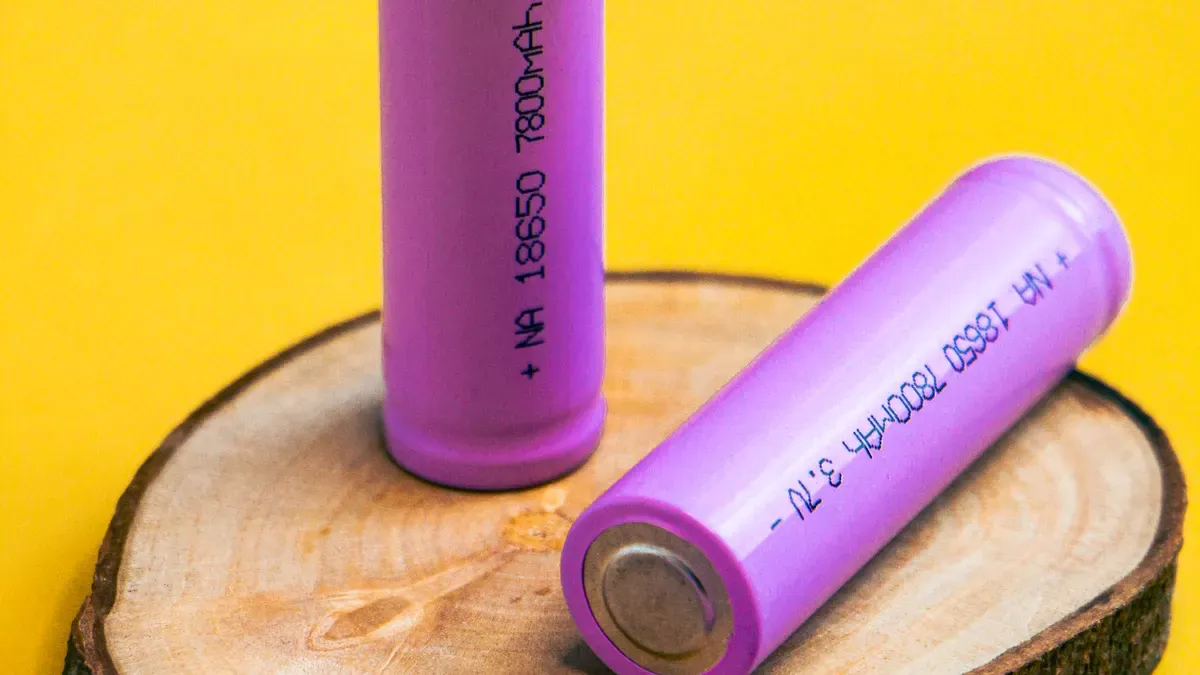
Charging your car to 100% stresses the battery, shortens its lifespan, and increases costs. Keep daily charge between 20% and 80% for optimal health.
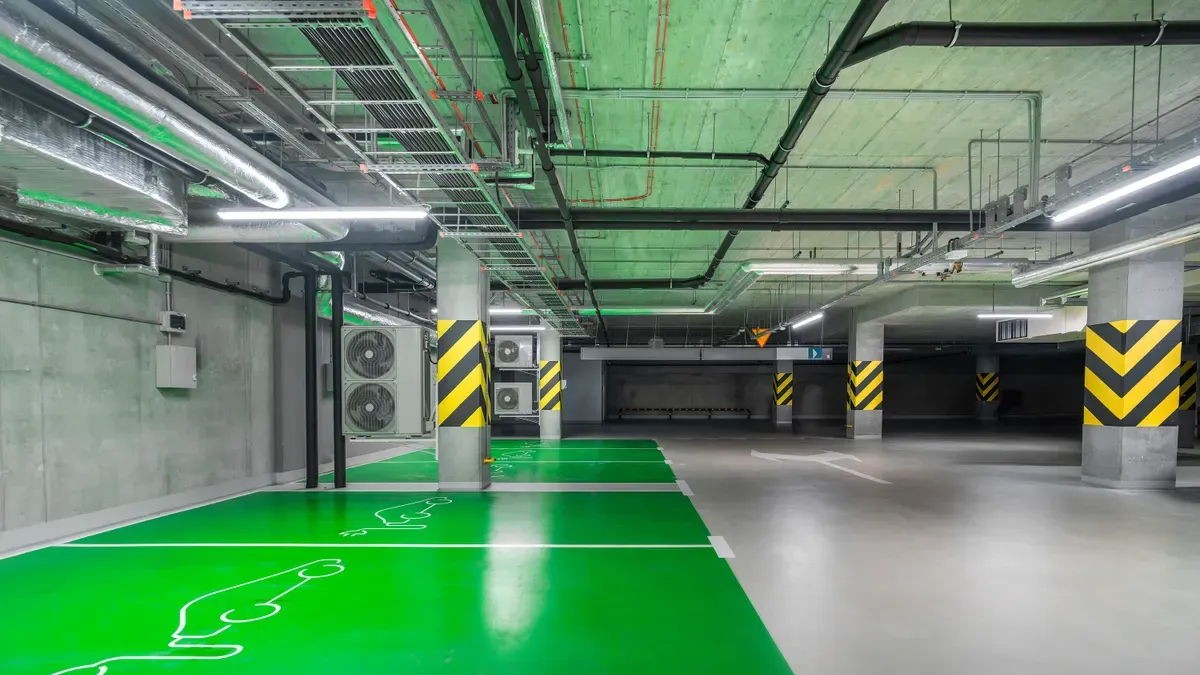
Shopping malls in Thailand offer high traffic, accessibility, and amenities, making them the perfect sites for commercial EV charging stations.
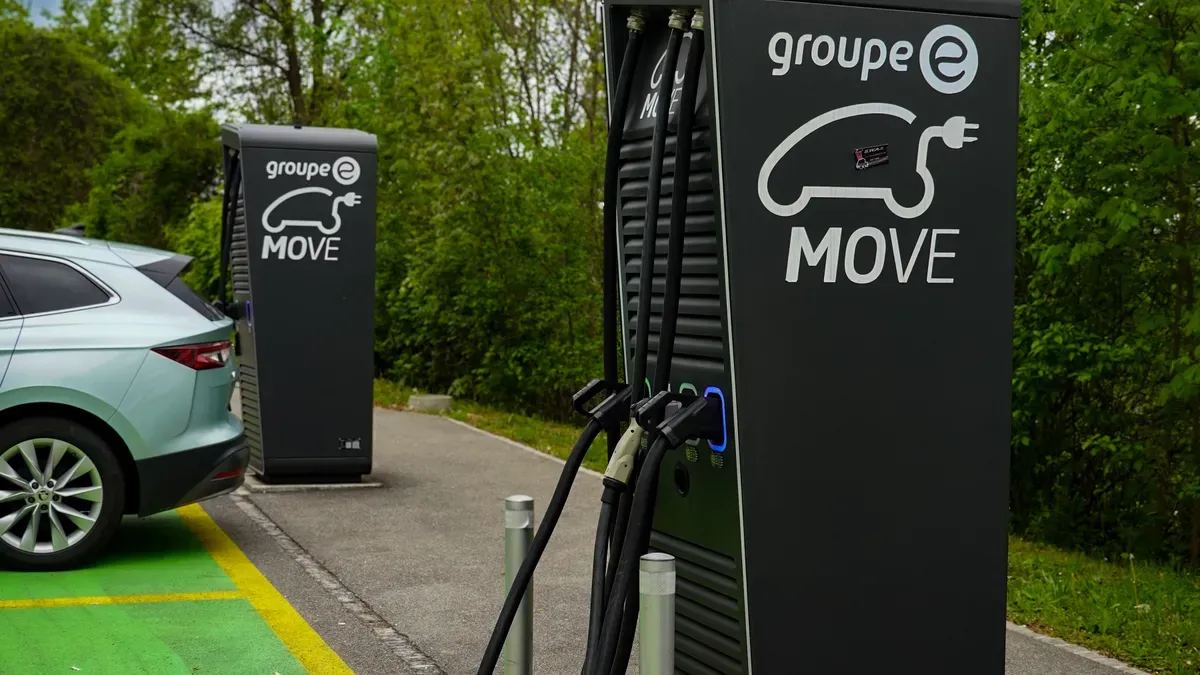
Hotels and resorts in Thailand invest in Level 3 EV chargers to attract eco-conscious guests, boost satisfaction, and stay competitive in hospitality.
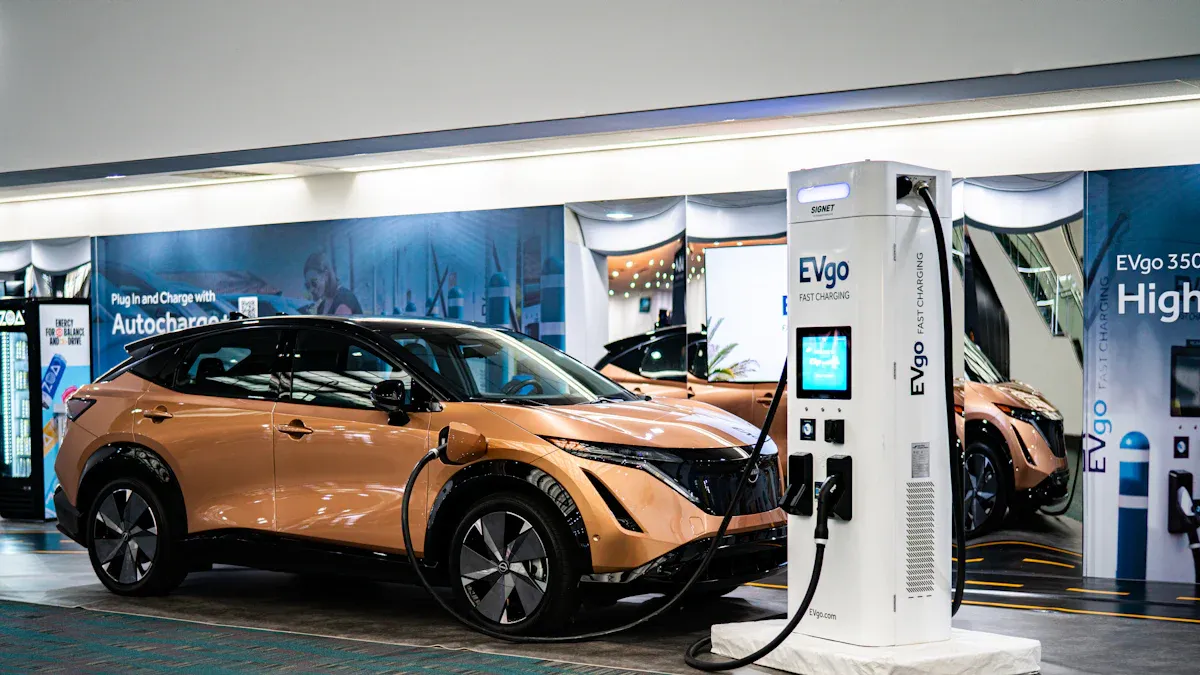
Level 3 Chargers vary in speed due to power output, vehicle compatibility, grid limits, and technology. Find out what makes some chargers faster for Dutch drivers.
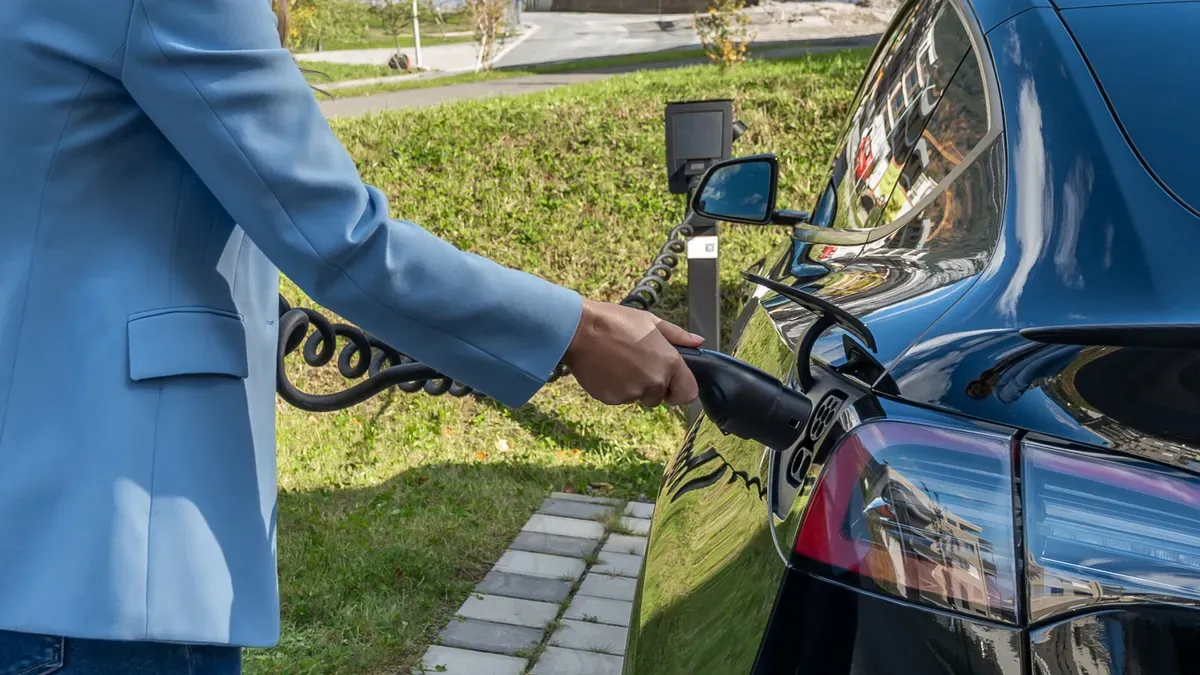
EVs suit city drivers seeking zero emissions and low maintenance, while hybrids offer flexibility for long trips and areas with limited charging.
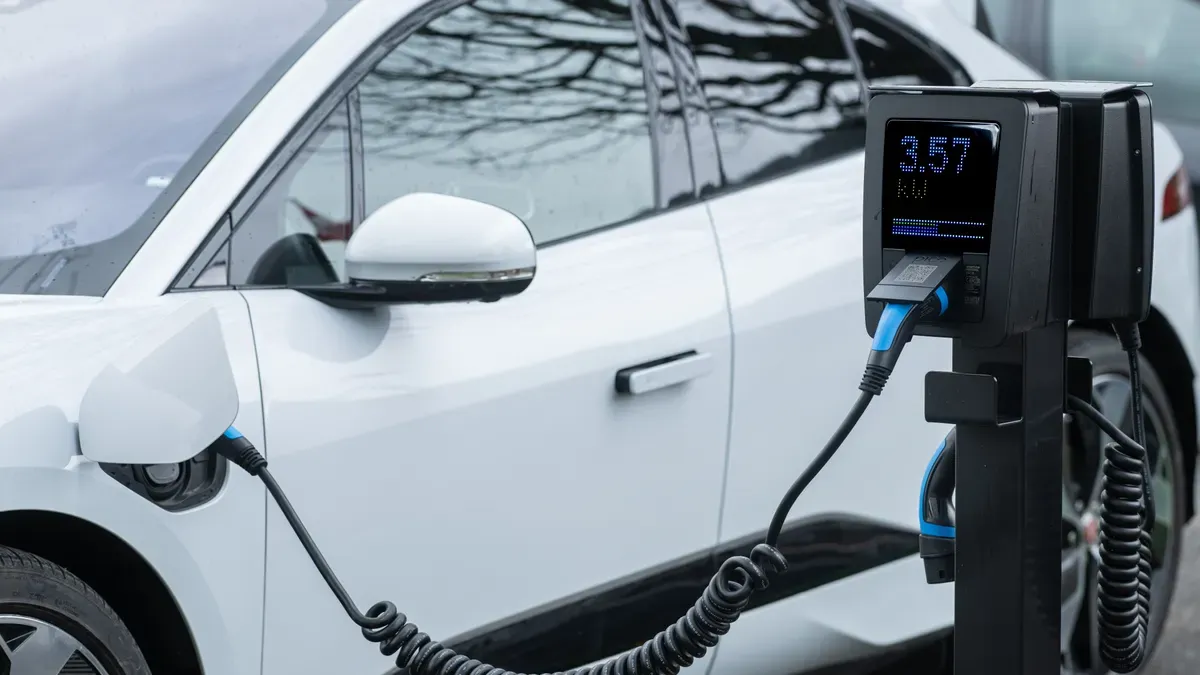
A 7kW home charger offers faster charging and future-proofing, while a 3kW suits low-mileage drivers or homes with electrical limits.
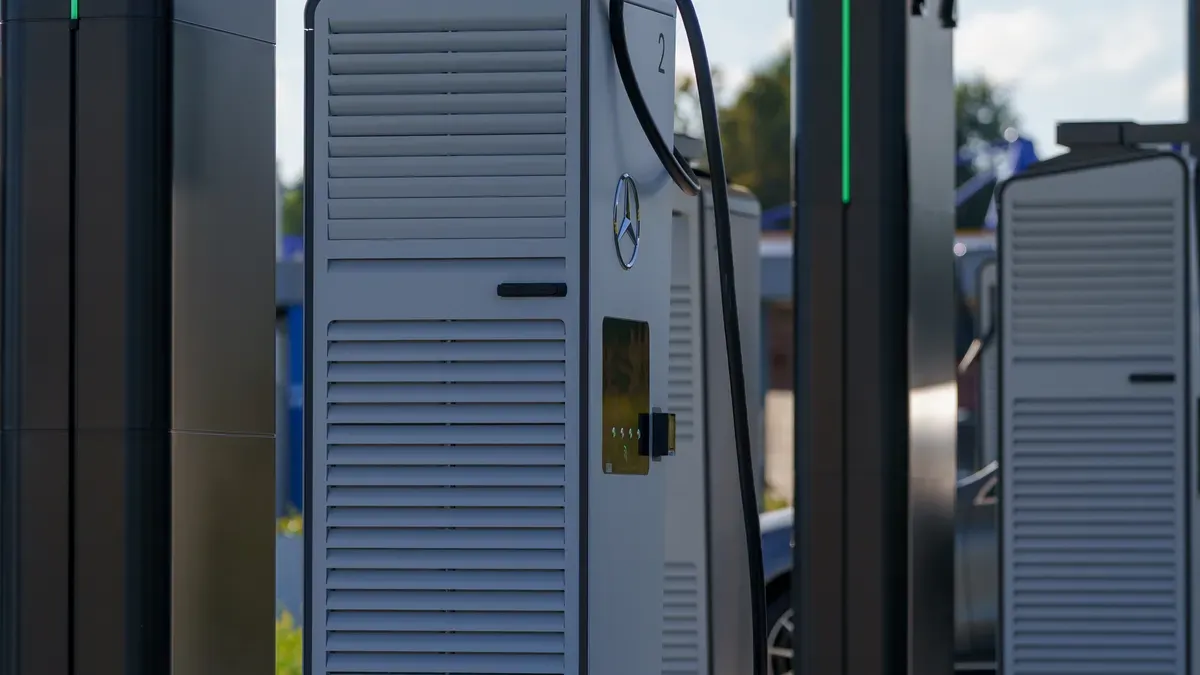
Top companies like ChargePoint, Blink, Tesla, and ABB provide commercial EV charging solutions for businesses seeking scalable, reliable infrastructure.
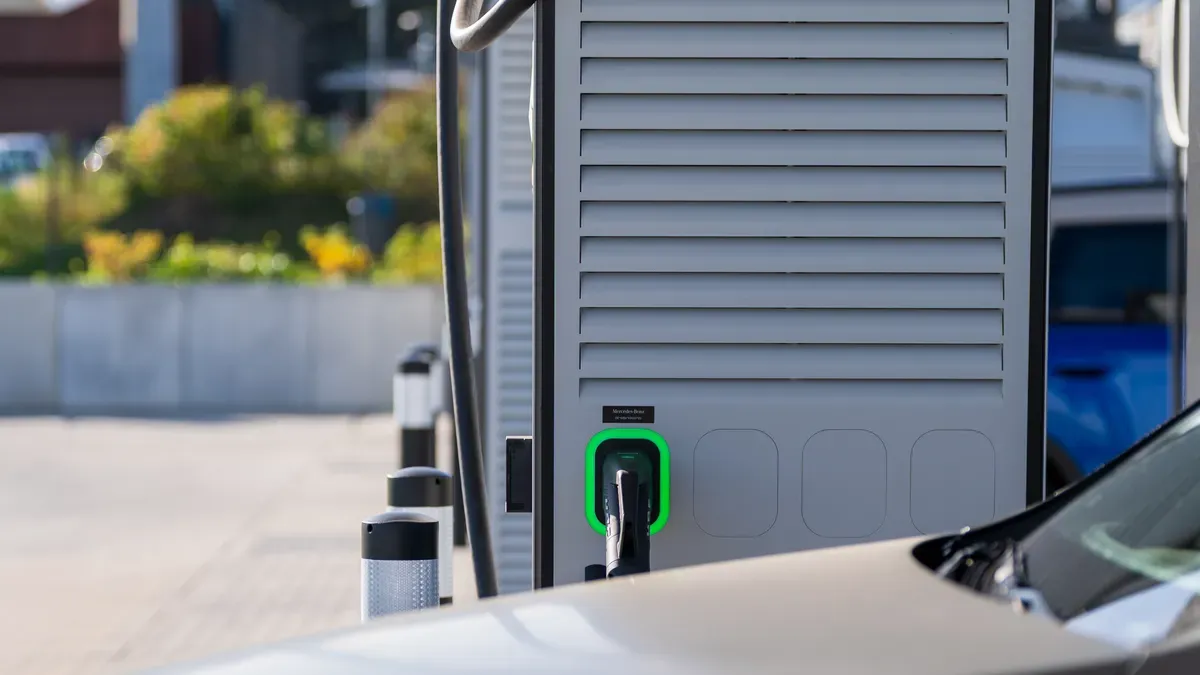
Hypervolt, Easee, Pod Point, Tesla, Fastned, and MFG EV Power are the charging point brands with the best customer reviews for reliability and satisfaction.
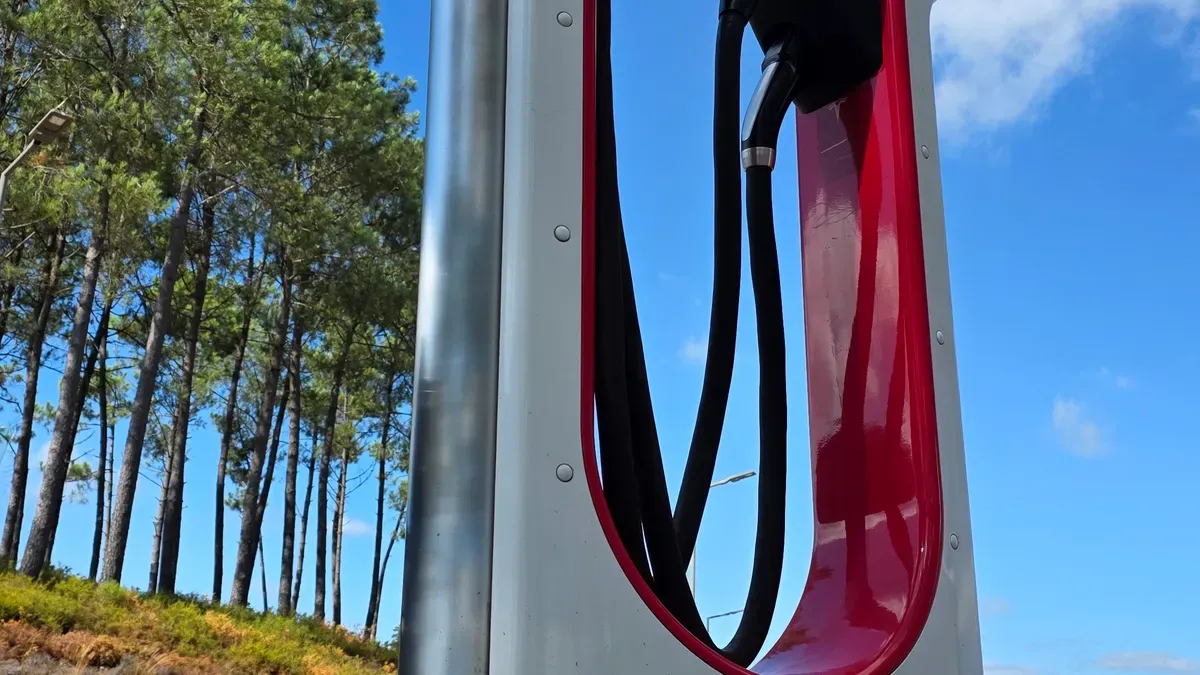
Quality EV charging adapters in Argentina are available at trusted retailers, online platforms, and authorized dealerships. Ensure compatibility and safety.