EV owners in Brazil can indeed safely charge their EV using a standard wall socket. Success hinges on two factors: a suitable portable EV charger and the correct adapter. The safety of the EV and home depends on using the right adapter with the charger. EV charger manufacturers, like TPSON which provides advanced EV charging solutions, design portable EV chargers for this flexibility.
Note: The NBR 14136 adapter is non-negotiable for this type of home charging. This guide details the essential EV charger adapter for your EV in Brazil.
An owner must also ensure their home’s wiring can support the continuous power draw from the outlet.
The Essential Gear: Your Portable EV Charger and Adapters

An EV owner’s ability to charge anywhere rests on having the right equipment. A portable EV charger and a set of specific EV charging adapters form a critical toolkit for every driver in Brazil. Understanding each component ensures safe and efficient power delivery.
Understanding Your Portable EV Charger
What is a Mobile Connector?
A mobile connector, or portable EV charger, is a device that allows an EV to draw power from a standard electrical outlet. Technologically advanced providers like TPSON design these chargers for safety and flexibility. The device contains circuitry that communicates with the vehicle, managing the charging rate to protect both the car’s battery and the home’s electrical system. This makes the portable EV charger an indispensable tool for daily top-ups and travel.
Identifying Your Charger’s Plug (e.g., CEE Industrial)
Most popular portable EV chargers do not come with a standard domestic plug. Instead, they often feature a robust industrial plug, such as a blue or red CEE plug. This design allows the charger to connect to various high-quality EV charging adapters. The owner must identify their charger’s specific plug type to purchase the correct adapter for different outlets.
The Most Important Adapter: NBR 14136
Why This Three-Pin Adapter is Non-Negotiable
The NBR 14136 adapter is the single most crucial accessory for home charging in Brazil. It connects your portable charger to the country’s standard three-pin wall socket. Without this specific adapter, an EV owner cannot safely use a household outlet. This adapter is the key that unlocks convenient charging at home or when visiting friends and family.
Choosing a High-Quality, Certified Adapter
Not all EV charging adapters are created equal. An owner should select a high-quality, certified adapter built for the continuous power demands of EV charging. A well-made adapter will have a snug fit, robust construction, and proper grounding. A low-quality adapter poses a significant fire risk due to potential overheating.
Safety Tip: Always invest in a certified adapter from a reputable supplier. The safety of your EV and home depends on the quality of this small but vital component.
Other Adapters for Your EV in Brazil
While the NBR 14136 adapter is for home use, other EV charging adapters are necessary for public charging. The EV landscape in Brazil uses several standards.
Type 2 (Mennekes) for Public AC Charging
The Type 2 (Mennekes) connector is the dominant standard for public AC charging stations across Brazil. EV owners will find these connectors at shopping malls, supermarkets, and dedicated public charging points. Most modern EVs sold in the region come equipped with a Type 2 inlet, making a separate adapter for this purpose unnecessary for many drivers.
Adapters for CHAdeMO or Type 1, If Applicable
Some EV models, particularly older ones, may use different standards. An adapter may be needed for these vehicles.
- Type 1 (SAE J1772): Some imported or older vehicles might have a Type 1 inlet, requiring a Type 1 to Type 2 adapter to use most public AC stations.
- CHAdeMO: This is a DC fast-charging standard. If a vehicle uses CHAdeMO, it will not need an adapter for compatible DC stations, but it will still need the correct portable charger and adapter setup for AC charging.
Understanding your charger and having the right adapter set provides ultimate flexibility for any EV driver.
Brazil’s Electrical System: What Every EV Owner Must Know
An EV owner in Brazil must understand the home electrical system for safe and effective charging. The country’s unique standards for outlets, amperage, and voltage directly influence equipment choice and charging performance. A proper adapter is the bridge between the charger and the wall.
The NBR 14136 Standard Wall Socket Explained
The Recessed Three-Pin Design for Safety
The NBR 14136 is the official standard wall socket in Brazil. Its design prioritizes safety. The socket is recessed, which means the electrical pins are deep inside the outlet. This feature prevents accidental contact with live parts when plugging or unplugging a device. The third, central pin provides a dedicated ground connection, a critical feature for protecting both the user and the EV from electrical faults. A quality adapter will properly engage all three pins.
Why This Standard is Used Across Brazil
Brazil adopted the NBR 14136 standard to unify electrical connections nationwide. This move improved electrical safety and ensured appliance compatibility across different regions. For an EV driver, this standardization means that a single, correct adapter for their portable charger will work in any modern home throughout the country. This makes having the right adapter a matter of universal convenience.
Differentiating 10A vs. 20A Outlets
Not all NBR 14136 outlets are the same. They come in two main ratings: 10 Amperes (10A) and 20 Amperes (20A). Using the correct adapter for each is essential.
Visual Guide: Pin Hole Size (4mm vs. 4.8mm)
An owner can easily distinguish between the two outlets by looking at the size of the pinholes.
- 10A Outlet: Features smaller, 4mm diameter holes.
- 20A Outlet: Has larger, 4.8mm diameter holes to accommodate higher-power devices.
A 20A-rated adapter has thicker pins and will not fit into a 10A outlet.
The Safety Feature of Physical Incompatibility
This size difference is an intentional safety design. It physically prevents a user from plugging a high-draw appliance, which requires a 20A plug, into a 10A circuit that cannot handle the load. This prevents overheating and potential fires. An EV owner must use a 20A-specific adapter to take advantage of the faster charging offered by a 20A outlet. This ensures both a secure connection and proper compatibility. The right adapter is key.
The Voltage Variable: 127V vs. 220V
The electrical voltage in Brazil is not uniform and varies by state and even city. This is a major factor in charging speed.
How Voltage Drastically Affects Charging Speed
Power, which determines charging speed, is the product of voltage and amperage. A 220V outlet delivers power much faster than a 127V outlet at the same amperage. Charging an EV on a 220V circuit can be nearly twice as fast as on a 127V circuit. A versatile portable charger and adapter combination can handle either voltage.
Identifying Your Home’s Voltage
An owner can identify their home voltage in several ways:
Pro Tip: Check the labels on large appliances like air conditioners or electric showers, as they often indicate the voltage. One can also check the home’s circuit breaker box or use a simple multimeter for a precise reading.
Knowing the voltage helps set realistic expectations for home charging times. The selected adapter must be rated to handle the available voltage.
How to Safely Charge EV at Home: A Step-by-Step Guide

Following a structured process is paramount to safely charge an EV at home. These step-by-step guidelines ensure the protection of the vehicle, the electrical system of the home, and the owner. Each step addresses a critical aspect of the home charging procedure, from initial inspection to the final connection.
Step 1: Inspect Your Electrical Setup
Before plugging anything in, a thorough inspection of the home’s electrical components is a non-negotiable first step. This proactive check prevents most common charging problems.
Check the Wall Outlet for Damage or Discoloration
An owner must carefully examine the standard wall socket. Look for any signs of physical damage, such as cracks in the plastic housing. Check for discoloration or burn marks around the pinholes. These are clear indicators of previous overheating and mean the outlet is unsafe for use. The outlet should also hold the adapter plug firmly; a loose connection can generate dangerous heat.
Assess Your Circuit Breaker and Wiring
The owner should locate the circuit breaker panel in the home. They need to identify the specific breaker that protects the outlet they intend to use. The breaker’s amperage rating (e.g., 10A or 20A) must match the outlet type. In older homes, the wiring may not be sufficient for the sustained load of charging an EV. If there is any doubt about the wiring’s condition, consulting a qualified electrician is the safest course of action.
Step 2: Prepare Your Charging Equipment
The condition of the portable EV charger and its adapter is just as important as the wall socket. Damaged equipment poses a significant safety risk.
Securely Connect the NBR 14136 Adapter
The owner must connect the NBR 14136 adapter to the main plug of the charger. The connection must be pushed in all the way, creating a snug and secure fit. A partial or loose connection between the charger and the adapter is a primary source of heat buildup and a potential fire hazard. This single action is critical for a safe charging session.
Inspect All Cables for Fraying or Damage
A complete physical inspection of the charger and adapter is essential before every use. The owner should run their hands along the entire length of the cable, feeling for any cuts, abrasions, or flat spots.
Pre-Charge Checklist:
- Physical Integrity: Check for cracks on the adapter or charger housings.
- Cable Condition: Ensure there are no cuts, deep scuffs, or exposed wires.
- Connector Pins: Look at the metal pins on the adapter and charging handle. They should be clean and straight, with no signs of blackening, pitting, or discoloration, which indicate overheating.
- Certification Marks: A quality adapter will have certification marks, which signal it has been tested to meet safety standards.
Equipment from advanced providers like TPSON is built for durability, but regular inspection remains a vital user responsibility. Never use a damaged adapter or cable.
Step 3: Follow the Correct Connection Sequence
The order in which an owner connects the equipment matters. Following the correct sequence allows the charger and the EV to perform safety checks and establish proper communication.
Rule #1: Plug the Charger into the Wall First
The first action is always to plug the charger, with its NBR 14136 adapter attached, into the wall outlet. This step powers up the charger’s internal electronics. The device will run a self-diagnostic, checking for proper grounding and stable voltage before it is ready to deliver power to the EV.
Rule #2: Connect the Handle to Your EV Second
After the charger’s status lights indicate it is ready, the owner can then take the charging handle and plug it into the vehicle’s charge port. This final connection initiates a “handshake” between the EV and the charger. The car communicates its battery status, and the charger confirms the safe amount of power it can provide. The charging process will then begin automatically.
Step 4: Monitor the First Charging Session
To safely charge ev, an owner must actively monitor the first session, especially when using an outlet for the first time. This vigilance confirms that all components, from the home wiring to the adapter, can handle the continuous electrical load.
The Critical 30-Minute Heat Check
The first 30 minutes of a charging session are the most telling. During this period, electrical resistance will generate heat. A small amount of warmth is normal, but excessive heat is a critical warning sign of a poor connection or an overloaded circuit.
Safety Protocol: The Touch Test After 30 minutes of continuous charging, an owner should carefully touch the key connection points.
- The Adapter Plug: Cautiously feel the plug where it enters the wall socket.
- The Wall Outlet Plate: Place a hand on the plastic faceplate of the outlet.
- The Charger Cable: Feel the cable for a few centimeters from the plug.
These components may feel warm to the touch, similar to a laptop power brick. However, they should never be hot enough to cause discomfort. A hot plug indicates a dangerous situation that requires immediately stopping the charge.
This simple, tactile check is the most effective way to confirm the physical integrity of the electrical connection in real-time.
Using Your Car’s App to Track Progress
The vehicle’s smartphone application is an invaluable tool for remote monitoring. Most modern EV manufacturers provide an app that offers a real-time window into the charging process. An owner can use it to verify that the session is proceeding as expected without needing to stay by the car.
Key metrics to monitor in the app include:
- Charging Speed (kW): This shows the rate of power delivery. On a 220V/20A circuit, this might be around 3.6 kW, while on a 127V/10A circuit, it could be closer to 1.2 kW.
- Voltage (V) and Amperage (A): The app confirms the voltage of the outlet and the amperage the car is drawing. This helps verify the circuit is performing correctly.
- Estimated Time Remaining: The app provides an estimate for when the battery will reach the target state of charge.
Monitoring these figures confirms that the portable charger and the ev are communicating correctly and that the power draw is stable. A sudden drop in charging speed or amperage could signal an issue, such as the charger reducing power due to detected heat.
Key Safety Concerns and How to Mitigate Them
An owner must understand the primary safety concerns to safely charge an EV at home. Mitigating risks involves using the correct equipment and recognizing warning signs. These practices protect the ev, the home, and its occupants from potential electrical hazards.
The #1 Hazard: Using Standard Extension Cords
The most significant danger in home charging is the misuse of common household extension cords. This is a mistake an owner must never make.
Why Household Cords are a Fire Risk
Standard extension cords are designed for short-term, low-power use, like for a lamp or a laptop. They are not built to handle the high, continuous current an ev demands for hours. Using one with a portable charger and adapter will cause the cord to overheat, melt its insulation, and create a severe fire risk. The connection points are also not weatherproof, adding another layer of danger if used outdoors.
When to Use a Proper EV-Rated Extension Cord
In situations where the wall outlet is out of reach, only a purpose-built, EV-rated extension cord is acceptable. These specialized cords are fundamentally different from standard ones. They often use robust H07RN-F rubber cable, rated for sustained high current and designed for harsh environments. A proper EV extension cord features weatherproof sockets, often with an IP66 rating, ensuring safe, prolonged outdoor use. This makes the cord resistant to impact, abrasion, and a wide range of temperatures, providing a secure link between the wall adapter and the charger.
Matching Amperage to Your Outlet
An owner must ensure the amperage setting on their charger matches the capacity of the wall outlet. This is a critical step to prevent overloading the circuit.
How to Manually Lower Amps on Your Charger or EV
Most portable EV chargers, like those from advanced providers such as TPSON, allow the user to manually select the charging amperage. An owner can typically adjust this setting directly on the charger’s interface before plugging it into the car. Some EVs also allow this adjustment through the vehicle’s infotainment screen. When using a 10A outlet, the owner must set the charger to draw 10A or less.
Why This Prevents Overloading a 10A Circuit
A 10A circuit is only designed to safely handle a continuous load up to that limit. Attempting to draw more power, even if the adapter fits, will cause the circuit breaker to trip. If the breaker is faulty, the wiring inside the walls of the home will overheat, creating a hidden fire hazard. Manually limiting the amperage ensures the power draw stays within the circuit’s safe operating capacity, preventing trips and protecting the home’s electrical system.
Recognizing Signs of Overheating
Vigilance for signs of overheating is one of the most important safety concerns. An owner’s senses are the first line of defense.
What a Hot Plug or Burning Smell Means
A plug or adapter that is hot to the touch is a definitive sign of a dangerous problem, usually a poor connection or an overloaded circuit. An owner should also be alert for unusual smells. The pungent, fish-like odor often associated with electrical overheating comes from the breakdown of phenol or urea-formaldehyde resins used in the plastic components of the outlet or adapter. This smell is an urgent warning that a component is dangerously hot and failing.
What to Do Immediately if You Suspect a Problem
If an owner detects a hot plug, a burning smell, or sees smoke, they must act immediately. The following steps prioritize safety:
Emergency Protocol
- Cut the Power: If it is safe to do so, go to the circuit breaker panel and turn off the main switch to the property. Never touch the panel with wet hands.
- Do Not Use Water: Never use water on an electrical fire; it conducts electricity and creates a severe shock hazard. Use only a CO₂ or dry powder fire extinguisher.
- Evacuate: If smoke is present or flames appear, evacuate the area immediately. Close doors on the way out to slow the fire’s spread.
- Call for Help: Once safely outside, call emergency services (fire department) and a professional electrician.
Advanced Topics for the Brazilian EV Driver
An owner can optimize their home charging experience by understanding more advanced concepts. These topics cover calculating charge times, knowing when professional help is needed, and considering future upgrades for the home.
Calculating Charging Times on 127V vs. 220V
The voltage of an outlet in Brazil directly impacts how quickly an ev can charge. An owner can estimate this time with a simple calculation.
A Simple Formula for Estimating Charge Duration
The time required for charging depends on the battery size and the charger’s power output. An owner can use a straightforward formula to estimate this.
Charging Time (Hours) = Battery Size (kWh) / Charger Power (kW)
While voltage is not in the formula, it determines the charger’s power (kW). For example, a charger drawing 10A on a 127V outlet delivers about 1.2 kW. The same charger on a 220V outlet delivers 2.2 kW, nearly halving the time.
Is 127V Charging Sufficient for Your Daily Needs?
For many drivers in Brazil, overnight charging on a 127V outlet is perfectly adequate. It can replenish the 40-60 km used in a typical daily commute. However, owners who drive longer distances or need faster turnarounds will find a 220V connection far more practical.
When to Call an Electrician
An owner must prioritize the electrical safety of their home. Certain signs indicate that a professional electrician’s assessment is necessary.
Signs Your Home Wiring Needs an Upgrade
An owner should look for specific warning signs before starting home charging. These issues suggest the home’s electrical system may not be robust enough.
- Lights that flicker when a large appliance starts.
- Circuit breakers that trip frequently.
- Outlets that are discolored, cracked, or feel loose.
- A home built several decades ago with original, uninspected wiring.
The Value of a Professional Inspection
A qualified electrician can perform a thorough inspection of the home’s electrical panel, wiring, and outlets. This professional assessment provides peace of mind. It confirms the system can safely handle the sustained load of charging an ev. This step is a wise investment in safety.
Upgrading to a Dedicated Wall Connector (Level 2)
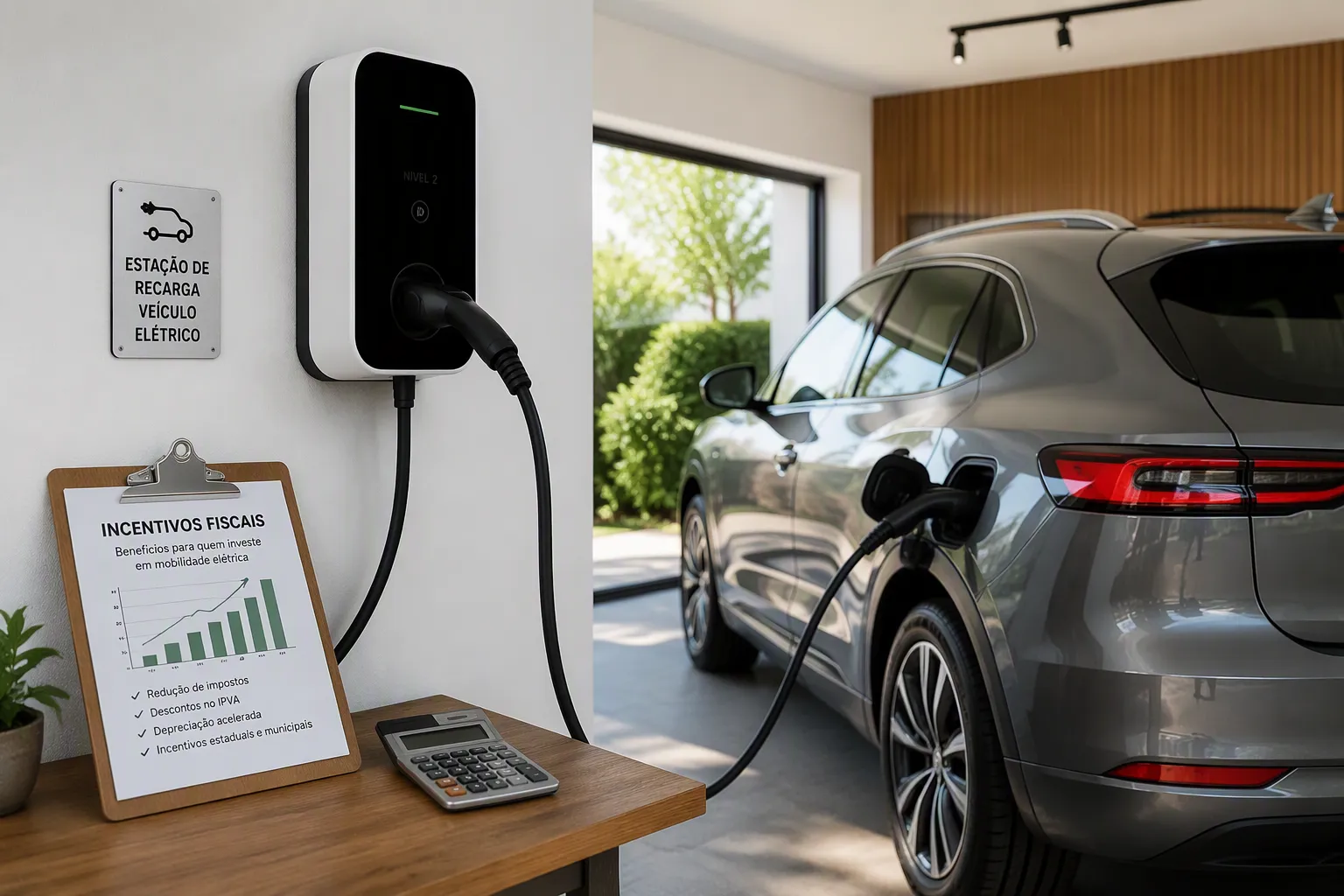
For the ultimate convenience and speed, an owner can upgrade from a portable charger to a dedicated wall connector.
The Benefits of Faster, Smarter Charging
A dedicated wallbox, or Level 2 charger, offers significant advantages. It provides much faster charging speeds, typically from 3.7 kW to 7.4 kW or more. Many models also include smart features like scheduled charging and energy monitoring. Technologically advanced providers like TPSON offer a range of these advanced charging solutions.
Overview of the Installation Process in Brazil
Installing a wall connector in Brazil requires a professional electrician. The process involves running a new, dedicated circuit from the main breaker panel to the desired location, usually a garage or carport. The electrician will install the correct breaker and wiring to match the charger’s power requirements, ensuring a safe and efficient installation.
An owner can safely charge an EV at home in Brazil using a standard wall socket. This home charging method is practical with a quality portable EV charger and the correct NBR 14136 adapter. The right EV charging adapters are the foundation of safety. TPSON provides reliable EV charging solutions and advanced charging solutions.
Critical Safety Rule: An owner must never compromise safety by using a common household extension cord for charging. This creates a severe fire risk for the home.
Keeping a complete kit with the charger and proper EV charging adapters in the EV provides essential flexibility. This setup is vital for travel and emergency charging needs throughout Brazil.
FAQ
Can I use any adapter for my portable EV charger?
No. An owner must use a high-quality adapter specifically designed for the Brazilian NBR 14136 socket. Using an incorrect or low-quality adapter creates a significant fire risk. A certified adapter ensures a safe and secure connection for charging your EV.
What is the main difference between 10A and 20A outlets?
The primary difference is the size of the pinholes and the power capacity. A 20A outlet has larger 4.8mm holes and can deliver more power for faster charging. A 10A outlet has smaller 4mm holes and supports a lower power draw.
Is charging on a 127V outlet too slow?
Charging on a 127V outlet is slower than on 220V, but it is often sufficient for overnight charging. It can easily replenish the energy used during a typical daily commute, making it a practical option for many EV drivers in Brazil.
Can I use a regular household extension cord to charge my EV?
Warning: Absolutely not. Standard household extension cords are not designed for the high, continuous power draw of an EV. Using one will cause dangerous overheating and poses a severe fire hazard. An owner must only use a proper EV-rated extension cord.
How do I know if my home wiring is safe for EV charging?
An owner should look for warning signs like flickering lights or frequently tripping breakers. For older homes or if there is any doubt, a professional electrician should perform an inspection. This ensures the electrical system can safely handle the sustained load.
What should I do if the plug or adapter gets hot?
A hot plug indicates a dangerous condition. An owner must immediately stop the charging session. If it is safe, they should turn off the power at the circuit breaker. Never use a component that shows signs of overheating.
Why does my portable charger have an industrial plug?
Many advanced portable chargers, like those from TPSON, use a robust industrial plug (e.g., CEE type). This design allows for a secure, high-power connection to various certified adapters, providing greater safety and charging flexibility across different outlet types.