
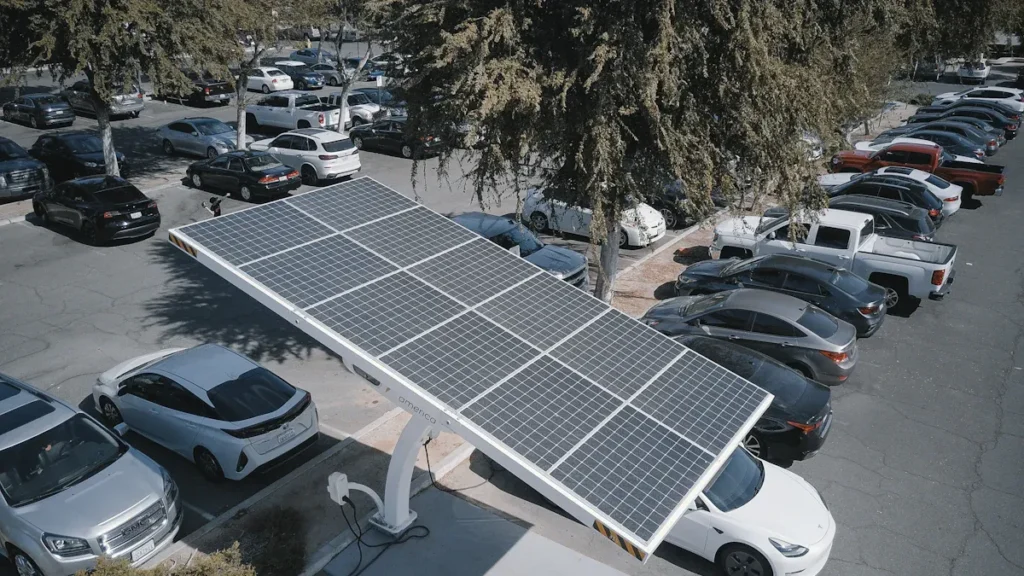

This financial guide outlines the investment for commercial electric vehicle charging in Chile. The installation costs for EV chargers begin near $3,000 for a single Level 2 EV Charger. These costs can exceed $100,000 for multi-unit DC fast charging stations.
Profitability for these charging stations depends on managing high electric costs, station usage, and hardware from EV charger manufacturers.
The payback period for EV chargers, typically 3-10 years, improves as more electric vehicles and commercial vehicles adopt EV technology. Success requires robust EV charging solutions. TPSON, a provider of advanced electric vehicle charging technology, offers diverse options from powerful stations to portable ev chargers, optimizing electric vehicle charging and overall charging costs for any EV charging need.
Market Context and Financial Viability in Chile
Understanding Chile’s market dynamics is crucial for any investor. The country’s strong commitment to electromobility creates a favorable environment for electric vehicle charging infrastructure. This strategic alignment between public policy and market demand signals a prime opportunity for investment in charging stations.
Chile’s National EV Strategy for 2025
Chile’s government actively promotes the transition to electric mobility. This national strategy provides a clear roadmap for the growth of the electric vehicle market and the necessary charging infrastructure.
Government Mandates and Goals
The Chilean government has established ambitious goals for transportation. A key mandate dictates that 100% of new light and medium vehicles sales must be zero-emission by 2035. This policy directly accelerates the need for a widespread and reliable public electric vehicle charging network. The government aims to support this transition, ensuring the electric grid can handle the increased demand from widespread EV charging.
Growth Projections for Electric Vehicles
The government’s strategy translates into significant market growth. The number of electric vehicles on Chilean roads is projected to expand rapidly. This growth creates a built-in customer base for new charging stations.
- The adoption of electric vehicles is accelerating in both private and commercial sectors.
- Analysts expect a sharp increase in EV registrations leading up to 2030.
- This expanding fleet of electric vehicles will overwhelm the existing charging infrastructure, creating high demand.
Why Invest in Commercial EV Charging Now?
Early investment in the Chilean EV charging market offers distinct competitive advantages. Companies that act now can capture significant value as the adoption of electric vehicles grows.
First-Mover Advantage in an Emerging Market
The Chilean electric vehicle charging market is still in its early stages. Investors who enter the market now can secure the most strategic locations, such as popular retail centers, office complexes, and transport hubs.
Securing these prime spots builds early brand recognition and customer loyalty. This advantage becomes difficult for later competitors to overcome in a more crowded market. Early entry solidifies a strong position in the future of electric mobility.
Aligning with Corporate Sustainability Goals
Installing EV charging stations is a powerful statement of a company’s commitment to sustainability. This action aligns with Environmental, Social, and Governance (ESG) objectives. Businesses can attract and retain environmentally conscious customers, employees, and tenants. Implementing advanced electric vehicle charging solutions helps companies meet these goals. TPSON, a technologically advanced electric vehicle charging solution provider, offers robust systems that support corporate sustainability initiatives while providing reliable charging for all types of electric vehicles.
A Financial Guide to Initial Investment Costs (CAPEX)

This financial guide details the initial capital expenditures (CAPEX) for commercial electric vehicle charging projects. These upfront costs represent the most significant financial hurdle. A clear understanding of each component is essential for accurate budgeting and securing financing. The total investment includes hardware, installation, and software setup.
Hardware Costs: Chargers and Equipment
The choice of hardware is the primary driver of initial costs. Investors must select EV chargers that match their business model, location, and target user. Technologically advanced providers like TPSON offer a range of solutions to meet diverse commercial needs for electric vehicle charging.
Level 2 AC Chargers: Cost vs. Application
Level 2 AC chargers offer a balance between charging speed and cost. They are ideal for locations where vehicles remain parked for several hours.
- Estimated Cost: $1,500 – $5,000 USD per unit.
- Charging Speed: Provides approximately 30-40 kilometers of range per hour of charging.
- Best Applications:
- Workplace and office building parking.
- Residential apartment complexes.
- Hotels and long-stay accommodations.
- Retail locations where customers have extended dwell times.
These EV chargers are a cost-effective entry point for businesses looking to provide electric vehicle charging as an amenity.
DC Fast Chargers (DCFC): High-Speed, High-Cost
DC Fast Chargers (DCFC) deliver rapid charging, making them essential for public charging stations and high-turnover locations. Their high power output requires a significant investment in both the unit and the supporting electric infrastructure.
High-Speed, High-Investment DCFC stations can charge an EV battery to 80% in just 20-40 minutes. This speed comes at a premium, with costs often exceeding $50,000 USD per charger.
These powerful stations are designed for dedicated charging hubs, highway corridors, and retail centers aiming to attract transient EV drivers. The high upfront costs are justified by higher potential revenue from greater user throughput.
Essential Electrical Infrastructure
The chargers themselves are only one part of the hardware equation. The supporting electric infrastructure represents a substantial portion of the initial costs. This infrastructure ensures the safe and reliable delivery of power to the EV chargers.
| Infrastructure Component | Description | Estimated Cost Impact |
|---|---|---|
| Transformers | Steps down high-voltage power from the grid to a usable voltage for the charging stations. | High |
| Switchgear | Manages, protects, and isolates the electrical equipment. | Medium to High |
| Conduit & Wiring | Protects and routes the high-capacity electric cables from the panel to the chargers. | Medium |
| Concrete Pads | Provides a stable, secure base for mounting the charging stations. | Low to Medium |
Installation and Labor Costs
Professional installation is critical for safety, compliance, and performance. These costs vary based on site complexity, labor rates, and the scale of the project.
Site Assessment and Preparation
Before any installation work begins, a thorough site assessment is necessary. An engineer evaluates the location’s electrical capacity, accessibility, and ground conditions. Preparation work may include:
- Trenching: To lay underground conduits for electrical wiring.
- Pavement Work: Cutting and repairing asphalt or concrete.
- Bollard Installation: To protect the charging equipment from vehicle impacts.
Certified Electrician Labor Rates
Chilean law requires that a certified electrician from the Superintendencia de Electricidad y Combustibles (SEC) performs all electric work. Labor costs are a significant part of the budget.
- Typical Rates: Labor can range from $2,000 to over $10,000 USD, depending on project complexity.
- Factors: The number of stations, the distance from the electrical panel, and the need for trenching all influence the final labor costs.
Grid Connection and Upgrade Fees
Connecting to the local electric grid may involve substantial fees, especially for high-power DCFC stations. If the existing site infrastructure cannot support the new load, a grid upgrade is required. This process involves coordination with the local utility company and can add significant time and cost to the project.
Software and Network Fees
Modern commercial charging stations operate on sophisticated software platforms. These systems manage payments, monitor usage, and allow for remote administration.
Charging Station Management Software (CSMS) Setup
A CSMS platform is the brain of your EV charging network. While most costs are operational (monthly subscriptions), there is often an initial setup or activation fee. This one-time cost covers onboarding your stations onto the network and configuring your business account.
Payment System Hardware Integration
To accept public payments, charging stations require integrated payment hardware. This includes credit card readers, RFID scanners, and NFC (tap-to-pay) terminals. The cost for this hardware is typically bundled with the charger but can sometimes be a separate line item, adding several hundred to over a thousand dollars per station. This integration is vital for user-friendly electric vehicle charging.
Permitting and Compliance Costs
Navigating the regulatory landscape is a critical step in this financial guide. Permitting and compliance costs are mandatory expenses that ensure a project is legal, safe, and insurable. Investors must budget for these administrative costs to avoid significant delays and penalties. These costs are a necessary part of the total project investment.
Municipal Permit and Inspection Fees
Every commercial EV charging project requires approval from the local municipality (municipality). These local government bodies issue the necessary permits for construction and electrical work. The associated costs can vary widely depending on the project’s location and scale.
Key municipal costs often include:
- Building Permit Fees: For any new structures, concrete pads, or significant site modifications.
- Electrical Permit Fees: For the installation of new electrical circuits and equipment.
- Zoning and Land Use Fees: Applicable if the installation requires a change in land use designation.
- Inspection Costs: Municipal inspectors must verify that the work meets local codes at various stages of the project.
These administrative costs can range from a few hundred to several thousand dollars. Early engagement with the municipal planning office helps clarify these specific costs.
Superintendencia de Electricidad y Combustibles (SEC) Compliance
Compliance with the Superintendencia de Electricidad y Combustibles (SEC) is non-negotiable. The SEC is Chile’s national regulator for electricity and fuel, setting the safety and technical standards for all electrical installations, including EV chargers.
The primary requirement is the Declaración TE-6, a certificate confirming that the EV charging installation complies with all SEC regulations. Only an SEC-certified electrician can file this declaration. Failure to secure this certification can result in fines and an order to cease operations.
The process involves a detailed review of the project’s engineering plans and a final on-site inspection. The costs for SEC compliance include the certified electrician’s time to prepare documentation and manage the filing process. Using pre-certified, technologically advanced hardware from providers like TPSON can simplify the technical validation, potentially reducing documentation costs and accelerating approval. Budgeting for these compliance costs is essential for a legally sound and operational charging station.
Managing Ongoing Operational Expenses (OPEX)
After the initial capital investment, station owners must manage ongoing operational expenses (OPEX) to ensure profitability. These recurring costs directly impact the financial performance of commercial electric vehicle charging stations. A proactive strategy for managing these expenses is fundamental to long-term success.
Electricity Costs: The Primary OPEX Driver
Electricity is the single largest operational cost for any electric vehicle charging business. Understanding and managing these costs is critical. The choice of hardware, like the advanced EV chargers from TPSON, can influence energy efficiency, but tariff structures remain a key factor.
Analyzing Chilean Commercial Tariffs (BT4.3/AT4.3)
Most commercial properties in Chile fall under the BT4.3 or AT4.3 electric tariff structures. These tariffs are complex. They include charges not just for the energy consumed (kWh) but also for the maximum power demanded from the grid at any one time. Operators must analyze their local utility’s specific rates to forecast their electric costs accurately.
Strategies for Managing Demand Charges
Demand charges can account for over 50% of an electric bill for DC fast charging stations. Installing on-site battery storage systems can significantly reduce these charges. These systems store cheaper, off-peak energy and deploy it during peak charging times. This practice, known as peak shaving, lowers the maximum power drawn from the grid. The benefits extend beyond cost savings.
- Cost Reduction: Batteries help in peak shaving, reducing high demand charges.
- Grid Stability: They contribute to a more stable local grid by managing power fluctuations.
- Reliability: Provide backup power, ensuring continuous electric vehicle charging services even during grid outages.
The financial case for battery integration is compelling, despite the initial investment.
| Scenario | Initial Investment (USD) | Annual Savings (USD) | Payback Period (Years) | Net Present Value (NPV) (USD) |
|---|---|---|---|---|
| No Battery | 0 | 0 | N/A | N/A |
| 100 kWh Battery | 100,000 | 15,000 | 6.7 | 50,000 |
| 200 kWh Battery | 180,000 | 25,000 | 7.2 | 80,000 |
| 300 kWh Battery | 250,000 | 32,000 | 7.8 | 95,000 |

Optimizing with Time-of-Use (TOU) Rates
Many Chilean utilities offer Time-of-Use (TOU) rates. These rates make electricity cheaper during off-peak hours (typically overnight) and more expensive during peak hours. Smart charging software allows station operators to create pricing incentives. They can encourage EV drivers to use the stations during low-cost periods, optimizing electric expenses for the business.
Maintenance, Repairs, and Warranties
Keeping EV charging stations operational is essential for revenue generation and customer satisfaction. Budgeting for maintenance and repairs protects the investment.
Annual Maintenance Contracts
Many installers offer annual maintenance contracts. These agreements provide for regular inspections, cleaning, and software updates to keep the stations in optimal condition. Proactive maintenance helps prevent costly downtime.
Budgeting for Unplanned Repairs
Even with regular care, equipment can fail. Owners should budget approximately 1-3% of their total hardware costs annually for unplanned repairs. This fund covers expenses for replacing components like cables, connectors, or screens that are not covered by warranty.
Understanding Service Level Agreements (SLAs)
When selecting a network provider, owners must review the Service Level Agreement (SLA). The SLA defines the provider’s commitment to uptime and response times for repairs. A strong SLA ensures that if a station goes offline, the provider will resolve the issue quickly, minimizing lost charging revenue.
Software, Network, and Transaction Fees
Modern charging stations rely on software to function. These platforms carry recurring monthly costs that must be included in any financial model for electric vehicle charging.
Monthly CSMS Subscription Costs
Charging Station Management Software (CSMS) providers charge a monthly fee per station or per connector. This fee covers access to the platform, remote monitoring, smart charging features, and customer support. These costs typically range from $20 to $50 USD per month for each charging connector.
Payment Processing and Roaming Fees
Accepting public payments involves transaction costs. Payment processors charge a percentage of each charging transaction (usually 2-4%). Additionally, if the stations are part of a roaming network that allows drivers from other networks to charge, there may be additional fees. These costs are a necessary part of offering convenient electric vehicle charging to a broad EV user base.
Insurance, Taxes, and Administrative Costs
Beyond electricity and maintenance, several other administrative costs contribute to the total operational budget. These expenses are crucial for legal compliance and risk management. Station owners must account for these ongoing costs to maintain a complete and accurate financial picture of their investment.
Business Liability Insurance Requirements
Operating a public charging station introduces new risks. Business liability insurance is essential to protect the owner from potential accidents. These incidents could include a customer tripping over a charging cable or equipment malfunction causing damage to a vehicle. Standard commercial policies may not adequately cover these specific risks.
Operators must secure appropriate insurance coverage. Insurers will evaluate the installation’s safety and compliance. Using certified, high-quality hardware from providers like TPSON can streamline this process. The policy should cover property damage, bodily injury, and other potential liabilities. These insurance and liability concerns require careful attention. The annual premium for this specialized insurance adds to the recurring operational costs, but it provides critical financial protection.
It is vital for investors to consult with a Chilean insurance broker who specializes in commercial energy projects. They can help identify the correct level of coverage and find a policy that addresses the unique risks of EV charging, ensuring the insurance is comprehensive.
Property Tax Implications
Installing permanent, high-value assets like EV charging stations can increase a property’s assessed value. This revaluation often leads to higher annual property taxes (property taxes). The increase depends on the local municipality’s assessment criteria and the total value of the charging infrastructure.
Business owners should anticipate this change in their financial models. These tax costs are a direct consequence of the capital improvement.
- The initial investment value is reported to the municipality.
- The property is reassessed based on the new, higher value.
- The resulting tax increase becomes a fixed part of the annual operating costs.
Failing to budget for these additional tax costs can negatively impact the project’s long-term profitability. Proactive financial planning helps absorb these expenses without surprises.
Revenue Streams for Commercial Electric Vehicle Charging
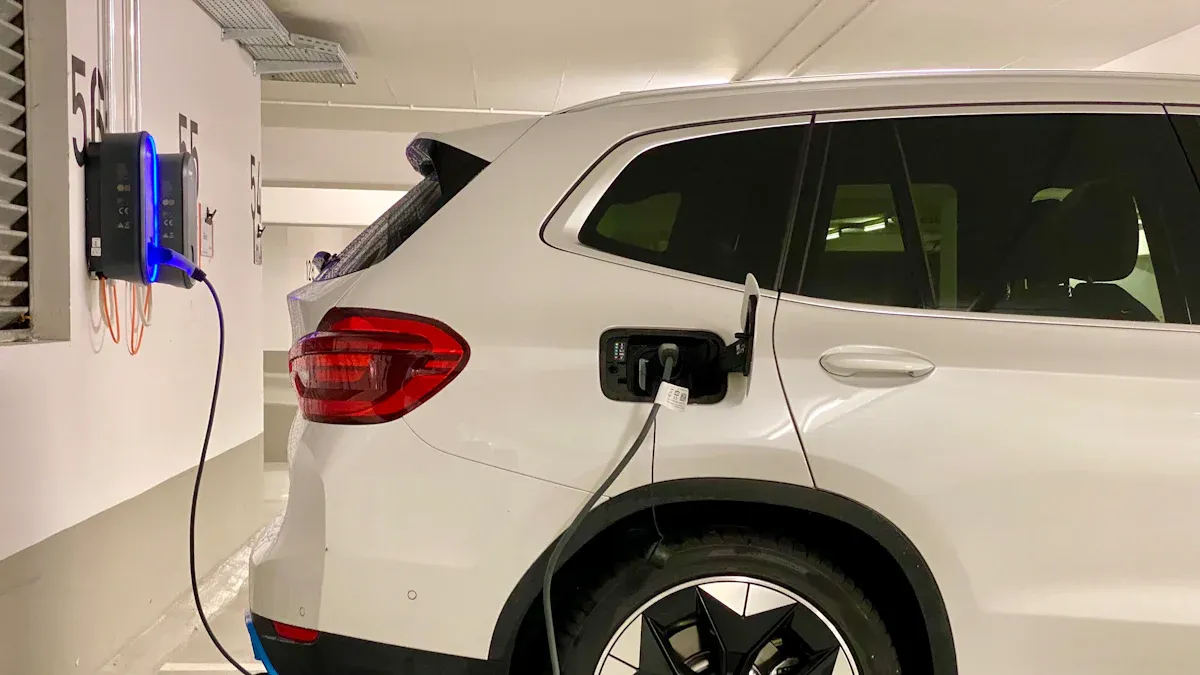
A successful electric vehicle charging business model requires diverse revenue streams. Station owners can monetize their investment through direct user fees, recurring subscriptions, and indirect value-add benefits. A flexible strategy allows businesses to adapt to the evolving electric vehicle market and maximize profitability.
Direct User Fee Models
Direct fees are the most common way to generate revenue from public charging stations. The pricing structure should be clear to drivers of electric vehicles and reflect the value provided.
Per-Kilowatt-Hour (kWh) Pricing
Charging customers based on the amount of electric energy they consume is the most transparent method. This model mirrors how people pay for gasoline.
- Drivers of electric vehicles pay only for the energy their vehicle receives.
- This approach is fair and easy for consumers to understand.
- It directly links revenue to the primary operational cost: electricity.
Time-Based Pricing (Per Minute/Hour)
This model charges users for the time their EV is connected to the station. It is effective for discouraging drivers from leaving their electric vehicles parked after charging is complete.
This pricing strategy is particularly useful for high-demand locations. It ensures the stations remain available for other users, maximizing throughput and potential revenue for the charging service.
Flat-Fee Session Pricing
A flat-fee model charges a single price for a complete charging session. This simple approach works well in specific environments, like hotels or event venues, where the business can bundle the cost of electric vehicle charging into other services. It offers predictable revenue per use.
Recurring Revenue Models
Recurring revenue models create a stable and predictable income stream. They are ideal for building customer loyalty and serving specific segments of the electric vehicle market.
Monthly Memberships for Frequent Users
Businesses can offer monthly subscriptions for unlimited or discounted charging. This model attracts local residents, commuters, and other regular EV drivers. Membership programs provide consistent cash flow and foster a loyal customer base for the charging stations.
Private Fleet Charging Agreements
Companies can establish contracts with businesses that operate fleets of electric vehicles. These agreements provide dedicated charging access for delivery vans, corporate cars, or taxis. Fleet contracts guarantee high utilization for the ev chargers and offer significant, reliable revenue benefits. This is a growing segment of the electric market.
Indirect Revenue and Value-Add Benefits
The benefits of installing charging stations extend beyond direct charging fees. These indirect advantages can significantly impact a business’s bottom line and market position.
Increasing Foot Traffic and Customer Dwell Time
Retailers, restaurants, and shopping centers see major benefits from electric vehicle charging. Drivers of electric vehicles choose locations where they can charge their vehicles. While charging, they spend more time and money inside the business. This increased dwell time translates directly into higher sales.
Attracting High-Value Tenants and Employees
For commercial properties and workplaces, charging stations are a powerful amenity. They help attract and retain high-value tenants and top employee talent who drive electric vehicles. Offering on-site electric vehicle charging demonstrates a commitment to sustainability and modern infrastructure, creating a competitive advantage in the real estate market.
Opportunities for On-Site Digital Advertising
Modern charging stations often feature large digital screens. These screens create a new revenue opportunity. Businesses can sell advertising space to other companies, generating income independent of charging usage. Advanced stations from providers like TPSON often include these features, adding another layer of financial benefits to the investment.
Chilean Government Incentives and Support for EV Projects (2025)
The Chilean government offers significant incentives to accelerate the adoption of electric vehicles. Investors in electric vehicle charging infrastructure can leverage these programs to improve financial returns. These government-backed benefits reduce initial costs and create strategic business opportunities.
Fleet Electrification Program Synergies
Public charging stations can align with national fleet electrification goals. This synergy creates a reliable customer base for new charging infrastructure.
Supporting the “Mi Taxi Eléctrico” Program
The “Mi Taxi Eléctrico” program helps taxi drivers switch to electric vehicles. These drivers require accessible and fast public charging to operate effectively. Installing DC fast charging stations in urban centers directly supports this initiative. It provides essential services for this growing segment of professional EV drivers.
Servicing Corporate and Last-Mile Delivery Fleets
Corporations and logistics companies are rapidly converting their fleet vehicles to electric models. These commercial fleets need dependable electric vehicle charging solutions to maintain operations.
- Businesses can secure contracts to provide dedicated charging for these fleet vehicles.
- This strategy guarantees high utilization for the charging stations.
- It creates a steady revenue stream for the EV charging operator. The growth of the electric fleet presents a major opportunity.
Grants and Co-Financing Opportunities
Financial aid from government agencies can substantially lower the investment barrier for new projects. These grants and co-financing options are key benefits for investors.
CORFO’s Green Credit and Sustainable Project Grants
Chile’s economic development agency, CORFO, offers programs for sustainable projects. Its Green Credit initiatives and specific grants provide co-financing for clean energy technologies. These grants can cover a portion of the hardware and installation costs for new electric vehicle charging stations. Securing these grants offers powerful financial benefits.
Accessing Regional Energy Development Funds
Investors should also explore funds from regional governments. Many regions have specific development goals tied to electromobility and renewable energy. These local grants can provide additional financial support, further reducing the upfront capital needed for new charging stations. These grants are valuable benefits.
Tax Incentives and Financial Deductions
Tax benefits provide another layer of financial relief for electric vehicle charging projects. These incentives directly improve a project’s profitability and shorten the payback period for the investment in EV chargers.
Accelerated Depreciation for Green Energy Assets
EV charging equipment often qualifies as a “green asset.” This classification allows businesses to use accelerated depreciation. Owners can deduct a larger portion of the asset’s value from their taxable income in the early years of operation. This tax strategy improves cash flow, offering immediate financial benefits.
Potential VAT Credits on EV Charging Equipment
A recent ruling from the Chilean Tax Authority (SII) provides a major advantage.
Official Letter No. 2,770 of 2023 clarifies the VAT (IVA) treatment for charging equipment. When permanently installed for a business operation, the equipment is an ‘immovable good by destination’. This classification allows businesses to recover the input VAT paid on the hardware, provided their charging services are subject to VAT.
This ruling offers one of the most direct financial benefits, effectively reducing the net cost of the charging hardware for qualifying businesses. It makes the investment in electric vehicles and charging more attractive.
Calculating Your Return on Investment (ROI)
Calculating the potential return on investment is the final step in this financial guide. A detailed financial model helps investors forecast profitability, secure financing, and make informed decisions. This analysis transforms an EV charging project from an idea into a viable business case. It projects the financial performance of the electric vehicle charging stations over time.
Building Your Financial Model
A financial model is a spreadsheet that estimates a project’s financial future. It accounts for all initial costs, ongoing expenses, and potential revenues. This tool allows investors to test different scenarios and understand financial risks.
The ROI Formula: (Net Profit / Total Investment) x 100
The Return on Investment (ROI) formula is a simple yet powerful metric. It measures the profitability of an investment relative to its cost.
ROI % = (Net Annual Profit / Total Initial Investment) x 100
- Net Annual Profit: Total Annual Revenue minus Total Annual Operating Expenses (OPEX).
- Total Initial Investment: The complete Capital Expenditure (CAPEX), including hardware, installation, and permits.
A positive ROI indicates a profitable venture. Investors use this figure to compare the project against other investment opportunities.
Sample ROI: Retail Parking Lot
A retail center installs two DC Fast Chargers to attract shoppers who drive electric vehicles. The goal is to generate direct revenue from charging and indirect revenue from increased customer spending.
| Financial Metric | Estimated Value (USD) | Notes |
|---|---|---|
| Total Initial Investment | $120,000 | Includes two DCFC units, installation, and grid upgrades. |
| Annual Revenue | $45,000 | Assumes moderate utilization and per-kWh pricing. |
| Annual OPEX | $25,000 | Includes electric costs, software fees, and maintenance. |
| Net Annual Profit | $20,000 | ($45,000 - $25,000) |
| Annual ROI | 16.7% | ($20,000 / $120,000) x 100 |
| Simple Payback Period | 6 Years | ($120,000 / $20,000) |
This model shows a healthy return, making it an attractive project for the retail location. The increased foot traffic from EV drivers provides additional, uncalculated value.
Sample ROI: Commercial Office Building
A commercial office building installs four Level 2 chargers as an amenity for tenants. The primary goal is tenant retention and attraction, with charging revenue as a secondary benefit.
| Financial Metric | Estimated Value (USD) | Notes |
|---|---|---|
| Total Initial Investment | $25,000 | Includes four Level 2 units from a provider like TPSON and installation. |
| Annual Revenue | $8,000 | Based on a monthly subscription model for employees. |
| Annual OPEX | $4,500 | Lower electric costs due to slower charging and off-peak usage. |
| Net Annual Profit | $3,500 | ($8,000 - $4,500) |
| Annual ROI | 14.0% | ($3,500 / $25,000) x 100 |
| Simple Payback Period | 7.1 Years | ($25,000 / $3,500) |
While the payback is longer, the investment is justified by its ability to attract and keep high-value corporate tenants who increasingly expect electric vehicle charging.
Key Variables Influencing Your Payback Period
Several dynamic factors determine how quickly an investment pays for itself. Investors must monitor these variables closely to optimize profitability. The growth in electric vehicles will positively influence all these factors.
Station Utilization Rate
Utilization is the percentage of time a station is actively providing a charge. It is the single most important variable for revenue generation.
- A low utilization rate (below 5%) may indicate poor location or high pricing.
- A high utilization rate (above 15% for DCFC) signals strong demand and profitability.
- Strategies to boost utilization include competitive pricing, marketing, and ensuring high uptime for the charging equipment.
Pricing Strategy and Profit Margin
The price set for charging directly impacts revenue and utilization. The profit margin is the difference between the price charged to the customer and the cost of providing the electric service.
- High Margins: May generate more profit per session but could deter drivers if prices are too high, lowering utilization.
- Low Margins: Can attract more users but may require very high volume to be profitable. Finding the right balance is key to maximizing overall profit from electric vehicle charging.
Location and Local EV Adoption Rate
The success of a charging station heavily depends on its location. Prime locations have high visibility and are close to where drivers of electric vehicles live, work, or shop. The local adoption rate of electric vehicles is also critical.
A site in a Santiago neighborhood with high EV ownership will naturally have higher demand than a location in an area with fewer electric vehicles. Researching local EV registration data is essential for site selection and forecasting the adoption curve.
Financial Planning Tools and Resources
Investors do not have to build their financial models from scratch. Numerous tools and experts are available to assist with planning an electric vehicle charging project.
Recommended Online ROI Calculators
Many EV charger manufacturers and energy companies offer free online ROI calculators. These tools provide a quick estimate of potential returns.
- Users input data like hardware costs, electric rates, and expected utilization.
- The calculator generates a preliminary report on ROI and payback period.
- These tools are excellent for initial analysis before a more detailed model is built.
Top Chilean Energy Consulting Firms
For large-scale projects, engaging a Chilean energy consulting firm is highly recommended. These experts provide invaluable local knowledge.
- They can perform detailed site assessments.
- They navigate the complexities of utility tariffs and SEC regulations.
- They help optimize the project design for maximum financial performance. Their expertise ensures the project is built on a solid financial and technical foundation.
Financial Modeling Templates for EV Projects
Investors can find financial modeling templates designed specifically for EV charging projects. These spreadsheets are pre-formatted to include all key CAPEX, OPEX, and revenue lines. Using a template saves time and ensures no critical financial details are overlooked. It helps organize the financial plan for the new charging stations and the expected growth in electric vehicles.
This financial guide confirms Chile’s significant growth opportunity for commercial electric vehicles charging. Initial costs for EV chargers vary, but financial success for the charging stations depends on a robust strategy. This strategy must maximize revenue from electric charging, minimize electric expenses, and achieve high utilization for the stations as more electric vehicles enter the market. Leveraging government incentives is essential to boost returns. A thorough, site-specific analysis ensures projects for electric vehicles charging are positioned for long-term profitability.
FAQ
What is the most critical compliance step for installation?
Securing the TE-6 declaration from the Superintendencia de Electricidad y Combustibles (SEC) is essential. This certificate confirms the installation meets all national electrical safety standards. It is a mandatory step for legal operation and effective risk management, protecting against significant operational risks.
What are the main operational risks for a charging station?
The primary operational risks include equipment failure, low station utilization, and fluctuating electricity costs. Vandalism and accidents also present risks. A proactive maintenance schedule and a solid business plan are key components of a successful risk management strategy to address these challenges.
Why is business liability insurance so important?
Business liability insurance protects owners from financial losses due to accidents or property damage. It covers legal costs and claims, which are significant business risks. Proper insurance is a fundamental part of risk management, ensuring financial stability against unforeseen events.
Can a general electrician install an EV charger?
No, only an SEC-certified electrician can legally install commercial EV chargers in Chile. This requirement ensures the installation adheres to strict electrical codes. Using a certified professional is crucial for both regulatory compliance and overall project safety.
How does a business plan help manage financial risks?
A detailed business plan helps investors forecast revenues and expenses accurately. It identifies potential financial risks, such as low demand or high operational costs. This foresight allows for better strategic planning and helps secure financing by demonstrating a clear path to profitability.
How can station owners ensure user safety?
Owners ensure user safety by using certified hardware, providing clear instructions, and maintaining the equipment. Regular inspections of cables and connectors are vital.
Good lighting and clear signage around the charging area also contribute significantly to a safe user experience and reduce liability risks.
Does using certified hardware reduce project risks?
Yes, using pre-certified hardware from providers like TPSON simplifies the SEC approval process. This equipment has already passed rigorous testing for performance and safety. It reduces technical risks and helps ensure the long-term reliability and safety of the charging station.




