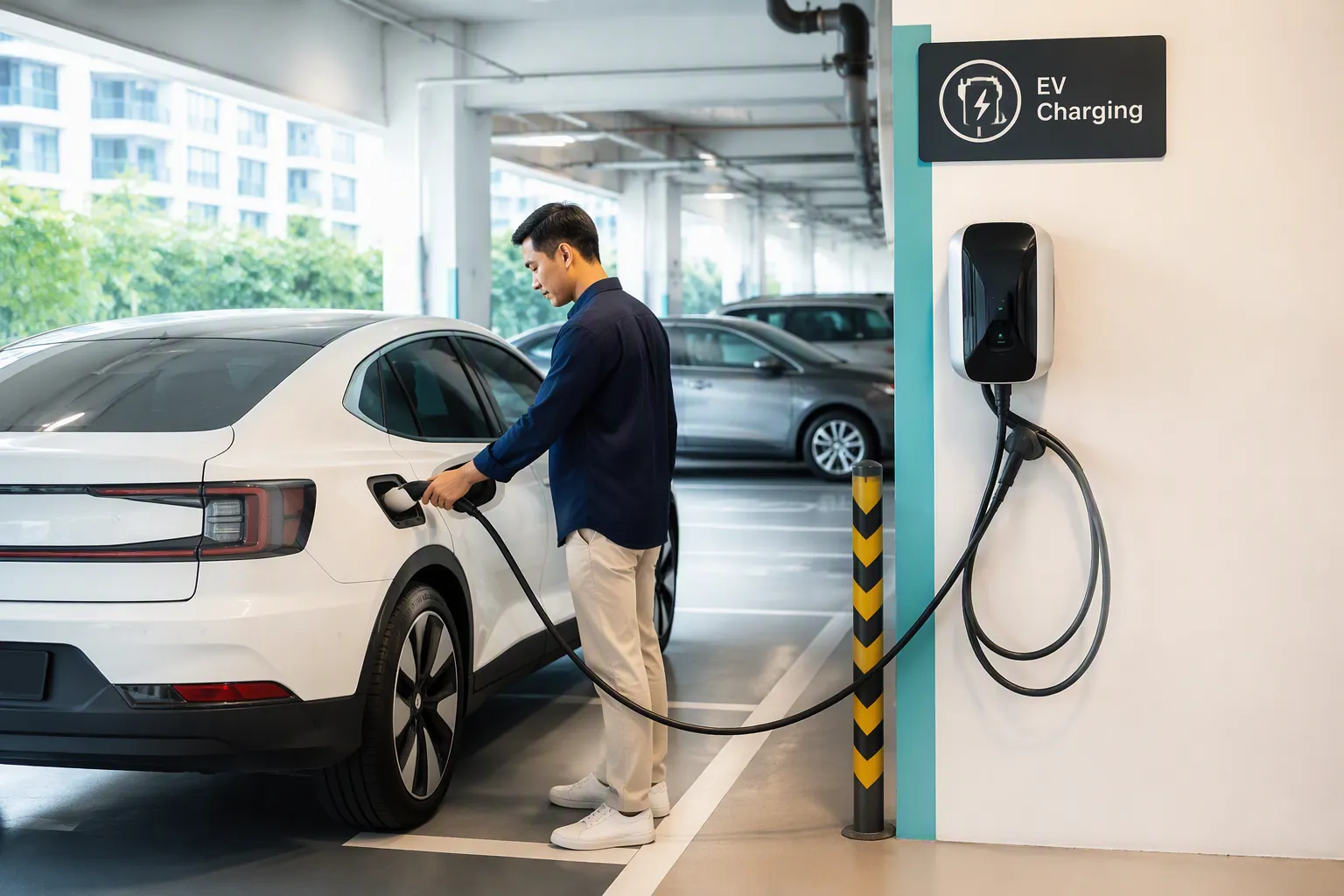
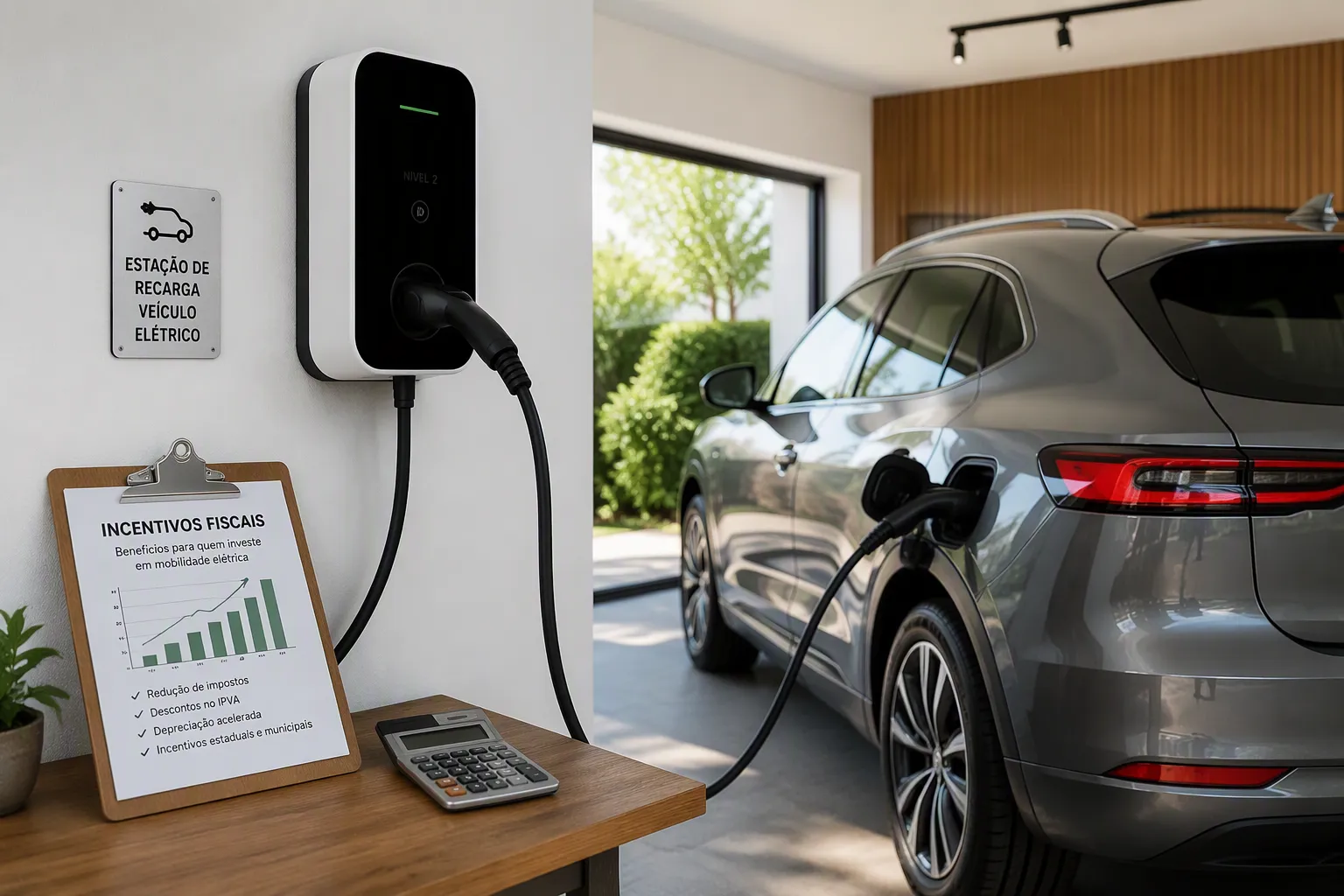
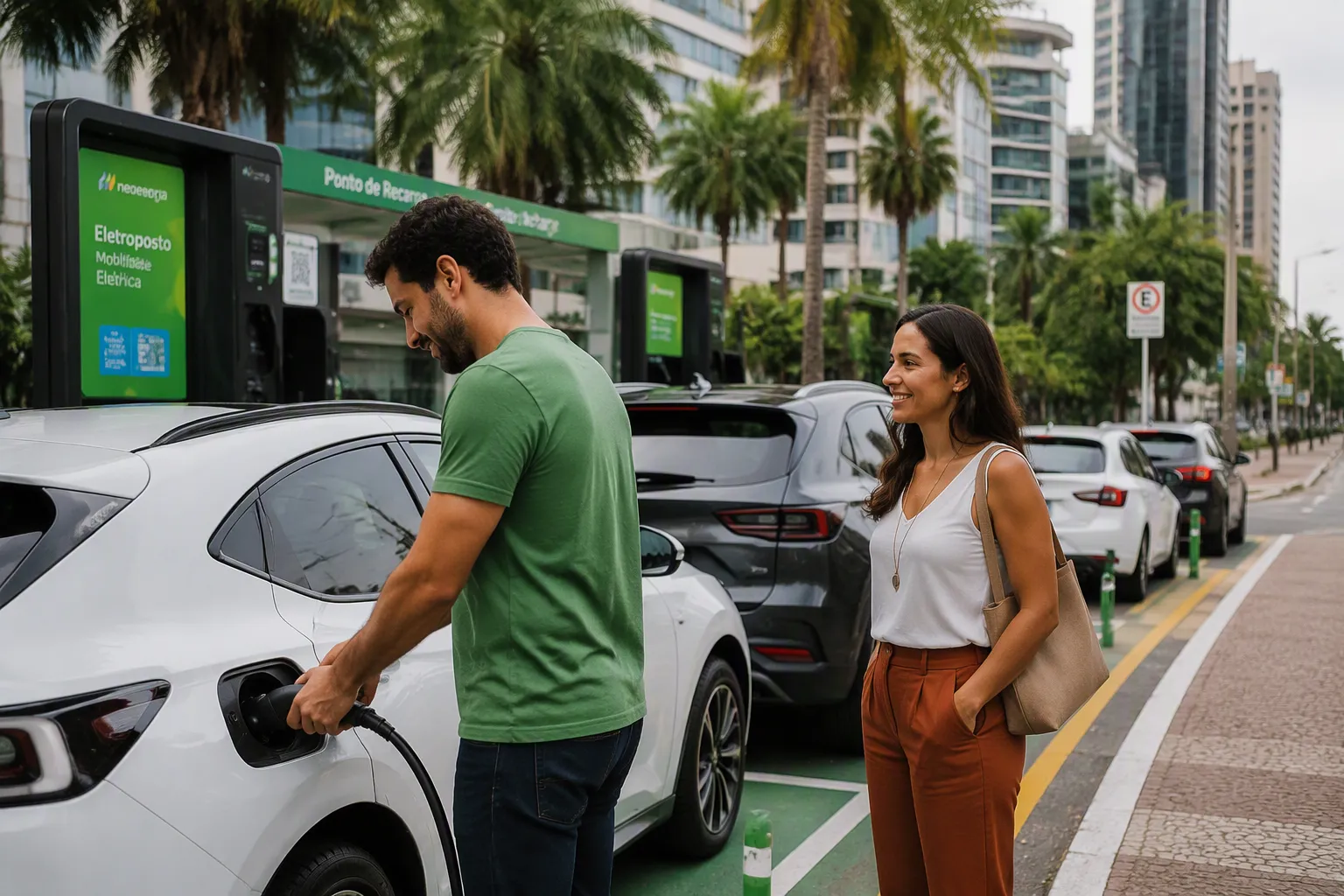
The electric vehicle (EV) market in the Philippines is expanding, making home charging a necessity. This rapid EV growth across the Philippines is clear.
| Metric | Value |
|---|---|
| Newly Registered EVs (First Half) | Over 10,000 units |
| Projected Market Value (2034) | USD 20.57 billion |
A professional installation ensures a safe home EV charger. Successfully installing a charging box for an electric vehicle involves a structured process. EV charger manufacturers like TPSON provide advanced EV charging solutions, from a powerful EV Charger to portable ev chargers. This installation guarantees efficient charging. The journey for your charger begins with assessing your home’s electrical capacity for safe charging and ends with a final inspection.
Pre-Installation Checklist for Your Filipino Home
A successful EV charger installation begins long before any tools are used. Homeowners must complete a thorough pre-installation checklist. This process ensures the home is ready for the new electrical load and that the charger will operate safely and efficiently.
Assessing Your Home’s Electrical System
How to Check Your Current Electrical Load
A homeowner can perform a basic check of their home’s capacity. The main circuit breaker, often found in the main electrical panel, shows the total amperage available (e.g., 60A, 100A). Reviewing past electric bills also provides insight into average consumption. This initial review helps gauge if the system has spare capacity for EV charging.
Contacting Your Utility Provider (Meralco or Local Coop)
The next step involves contacting the local utility provider. An electrician will verify the service drop’s capacity with Meralco or the regional electric cooperative. This confirmation is critical. It determines if the existing infrastructure can support the added demand of an EV charger.
Determining if You Need a Service Upgrade
An EV adds a significant, continuous load to a home’s electrical system. If the assessment reveals that the current system is at or near its limit, a service upgrade is necessary. This upgrade prevents overloads and ensures a safe installation for the EV.
Choosing the Right Location for Your Charging Box
Indoor Garage vs. Outdoor Carport Placement
Choosing a location for the EV charger installation in the Philippines requires climate consideration. An indoor garage offers the best protection from rain and extreme heat, which can extend the charger’s lifespan. An outdoor carport is a good alternative, shielding the unit from direct sun and some rain, but it provides less security and weather protection than a fully enclosed space.
Proximity to Your Electrical Panel and Parking Spot
The ideal location is close to both the electrical panel and the usual EV parking spot. A shorter distance reduces the length of the required conduit and wiring. This proximity simplifies the installation and can lower material costs. The charger must also easily reach the vehicle’s charging port.
Ensuring Accessibility and Safety
The chosen spot must allow for safe and easy access to the EV charger. The area should be free from clutter and potential hazards. For any outdoor installation, ensuring the equipment is properly shielded from direct water spray is a key safety measure for the EV.
Understanding EV Charger Levels
Level 1 Charging: Using a Standard Outlet
Level 1 charging uses a standard 220V outlet. This is the slowest method, adding only a few kilometers of range per hour. It is a workable option for plug-in hybrid EV models or for owners who drive their EV infrequently.
Level 2 Charging: The Recommended Home Standard
Level 2 is the recommended standard for a home EV charger. Technologically advanced providers like TPSON offer powerful Level 2 solutions. This charging method requires a dedicated 240V circuit for the installation. It provides a much faster and more reliable charging experience for any electric vehicle.
Why Level 2 is Essential for Faster Home Charging
The primary benefit of Level 2 electric vehicle charging is speed. A Level 2 charger can fully replenish an EV’s battery overnight, a task that could take days on Level 1. This rapid charging capability makes daily EV driving practical and convenient, ensuring the vehicle is always ready for use.
Selecting the Right Equipment for Your Charging Installation

Choosing the correct equipment is a critical step for any EV owner. The right charger ensures efficient charging and long-term safety for your home and electric vehicle. Homeowners should evaluate several key features before making a purchase.
Key Features to Look for in a Charging Box
Amperage, Power Output (kW), and Charging Speed
The amperage and power output (measured in kilowatts or kW) directly determine the charging speed of an EV charger. A higher amperage delivers more power, reducing the time an EV needs to charge. Most Level 2 chargers for home use range from 32A (7.7 kW) to 48A (11.5 kW). Owners should match the charger’s output to their EV model’s maximum AC charging capability for optimal performance.
Essential Safety Certifications (UL, ETL, CE)
Safety is non-negotiable. Homeowners must select a charger with recognized safety certifications like UL, ETL, or CE. These marks indicate that the product has passed rigorous testing for electrical safety and construction standards. A certified charger protects your EV, your home, and your family from potential electrical hazards.
Smart Features: Wi-Fi, App Control, and Scheduling
Modern EV chargers often include smart features. Wi-Fi connectivity allows the charger to connect to a mobile app. This gives the EV owner remote control to start or stop charging, monitor energy usage, and schedule charging sessions. Scheduling is particularly useful for taking advantage of off-peak electricity rates, making EV ownership more economical.
Cable Length and Built-in Cable Management
The charger’s cable must comfortably reach the EV’s charging port from its installation point. A longer cable offers more flexibility in parking.
Pro Tip: Measure the distance from your proposed installation spot to your EV parking spot before buying. Also, look for a charger with integrated cable management to keep the cord tidy and off the ground, preventing damage and tripping hazards.
Hardwired vs. Plug-In Charging Box Options
Homeowners in the Philippines have two primary installation choices for their EV charger.
Understanding Hardwired Installations
A hardwired installation involves an electrician directly connecting the charger to the home’s electrical panel. This permanent setup offers a very stable and reliable connection. It is often considered the safest method, especially for high-amperage charging.
Understanding Plug-In Installations (NEMA 14-50)
A plug-in installation uses a heavy-duty 240V outlet, such as a NEMA 14-50. An electrician installs the outlet, and the EV owner can then simply plug the charger in. This option provides more flexibility, as the charger can be unplugged and moved if needed.
Comparing Pros and Cons for a Filipino Home
The choice between a hardwired and plug-in installation depends on the homeowner’s needs. A hardwired setup is generally preferred for its clean look and robust connection, while a plug-in offers portability.
| Feature | Hardwired EV Charger | Plug-in NEMA 14-50 Charger |
|---|---|---|
| Installation | Permanent, direct wiring to the panel. | Plugs into a professionally installed outlet. |
| Portability | Fixed in one location. | Can be unplugged and moved. |
| Safety | Often avoids nuisance tripping from GFCI conflicts. | May require a GFCI breaker for the outlet, which can conflict with the charger’s internal GFCI. |
| Best For | Permanent home setups where the EV parks consistently. | Renters or owners who may want to take their charger with them when they move. |
Where to Buy Charging Boxes in the Philippines
Official Car Dealerships
Many car dealerships that sell an EV also offer compatible charging equipment. Buying from a dealership ensures the charger is a good match for your specific electric vehicle.
Authorized EV Charger Distributors
Specialized distributors are an excellent source for EV charging solutions. Technologically advanced providers like TPSON offer a range of powerful EV charging products through their authorized channels in the Philippines. These distributors provide expert advice and support for your installation.
Vetting Sellers on Online Marketplaces
Online marketplaces offer many options, but caution is necessary. A buyer should verify the seller’s reputation, check for authentic safety certifications on the product, and confirm warranty details before purchasing an EV charger online.
The Professional Process for Installing a Charging Box

After selecting the right equipment, the next phase is the physical installation. This stage is not a do-it-yourself project. The professional installation process ensures the safety, compliance, and reliability of your home charging setup. Following the correct procedure is mandatory in the Philippines for the protection of your home and EV.
Why You Must Hire a Licensed Professional in the Philippines
Hiring a licensed professional for installing a charging box is a legal and safety requirement. The high-power nature of Level 2 EV charging demands expert knowledge of the Philippine Electrical Code (PEC), local ordinances, and proper installation techniques.
The Role of a Registered Electrical Engineer (REE)
A Registered Electrical Engineer (REE) typically handles the design and planning stages of more complex electrical projects. For a home EV charger installation, an REE’s involvement ensures the overall electrical plan is sound, especially if the home requires a significant service upgrade. They sign and seal electrical plans required for permits.
The Role of a Registered Master Electrician (RME)
A Registered Master Electrician (RME) is the professional who performs the hands-on installation work. They execute the plans prepared by an REE or handle simpler residential projects directly. Their work is crucial for ensuring the physical installation meets all safety standards. The distinction between these roles is important for compliance in the Philippines.
| Role | Legal Responsibilities & Scope of Work (EV Charger Installation) |
|---|---|
| Registered Electrical Engineer (REE) | Designs and supervises electrical plans. An REE ensures compliance with the Philippine Electrical Code (PEC) for complex systems and handles installations that may exceed 600 volts. |
| Registered Master Electrician (RME) | Performs the installation, maintenance, and repair of wiring and equipment. An RME works on systems not exceeding 600 volts, making them ideal for most home charging projects. |
The Critical Dangers of DIY Installation
Attempting a DIY installation for an EV charger is extremely hazardous. The technical complexity and high-voltage operation create significant risks that only a trained professional can safely manage.
- Electric Shocks and Fires: Incorrect wiring is a primary cause of accidental electric shocks and devastating house fires. The high, continuous load of an EV charger magnifies any small mistake.
- Damage to Your Property: A poor installation can overload and damage your home’s entire electrical system. It can also destroy the EV’s sensitive battery and onboard charging components.
- Voided Warranties: Most EV and charger manufacturers, including advanced providers like TPSON, require professional installation. A DIY job will likely void the warranties for both your vehicle and your charging equipment.
The Step-by-Step Installation Walkthrough
A professional installation follows a structured, multi-step process. This ensures every component is installed correctly, from the electrical panel to the charging unit itself. This installation process is critical for long-term safety.
The Professional’s Initial Site Assessment
The first step is a thorough site assessment. The electrician inspects your main electrical panel to confirm capacity, identifies the best location for the charger, and plans the most efficient route for the new wiring. This assessment determines the exact materials needed for the job.
Installing a New Dedicated Circuit Breaker
An EV charger requires its own dedicated circuit to operate safely. The electrician will install a new two-pole circuit breaker in your home’s main panel. The breaker’s amperage must match the requirements of your new charging station to provide proper overcurrent protection.
Running Electrical Conduit and Wiring
Next, the electrician runs a new electrical line from the circuit breaker to the charger’s location. They use the correct gauge of wire to handle the charger’s power demand safely. The wires are typically housed in a protective conduit (PVC or metal) to shield them from physical damage and environmental factors.
Mounting and Connecting the Charging Box
The final step of the physical installation is mounting and connecting the unit. The electrician securely fastens the charging box to the wall and connects the electrical wiring to the terminals inside the unit. They will test the connection to ensure proper voltage and grounding.
Professional Check: After the installation, a professional will power on the unit and test its charging function with the EV. This confirms that everything is working as expected before they leave the site.
Securing Permits for Your Home Installation
A safe installation is a legal one. In the Philippines, installing a charging box requires securing the proper permits from your local government unit (LGU). This is a non-negotiable step that formalizes the safety of your new equipment.
What is an Electrical Permit and Why is it Required?
An Electrical Permit is an official document issued by your city or municipal engineering office. It certifies that the proposed electrical work—in this case, your EV charging installation—complies with the Philippine Electrical Code. It is required by law to ensure all electrical work is performed safely and to a professional standard.
Who Applies for the Permit: You or Your Electrician?
Typically, the licensed REE or RME you hire will handle the permit application process. They are familiar with the requirements and can prepare and submit the necessary documents, which often include an electrical plan, a bill of materials, and application forms. This service is a key part of a comprehensive installation package.
The Final Inspection and CFEI
After the work is complete, the LGU’s Office of the Building Official (OBO) will conduct a final inspection. An inspector verifies that the installation was done according to the approved plan and the PEC. Upon passing, you will be issued a Certificate of Final Electrical Inspection (CFEI). This certificate is your official proof that the charging setup in your home is safe and compliant.
Costs, Safety, and Maintenance for Your Home Charger
Understanding the full scope of costs, safety regulations, and long-term care is essential for any EV owner. A successful home EV charger installation extends beyond the initial purchase. It involves budgeting for all expenses, adhering to strict electric codes, and performing regular maintenance to ensure lasting performance and safety for your home.
Breaking Down the Total Installation Cost
The total investment for a home charging station includes several components. Homeowners in the Philippines should prepare for these costs.
Charging Box Unit Price
The primary expense is the charging unit itself. Prices for a quality Level 2 charger vary based on brand, power output, and smart features. Technologically advanced providers like TPSON offer a range of reliable options to fit different needs and budgets for your EV.
Professional Labor and Material Fees
A significant portion of the budget goes to the professional installation. This fee covers the electrician’s time and expertise, plus materials like wiring, conduit, and a new circuit breaker. The complexity of the installation will influence this cost.
Permit and Inspection Fees
Local Government Units (LGUs) in the Philippines charge fees for issuing an electrical permit and conducting the final inspection. These fees are a necessary part of a legal and compliant installation.
Potential Costs for Electrical Upgrades
Some older homes may require an electrical system upgrade to handle the new load of an EV. This could involve a new electrical panel or an upgraded service from the utility provider, which can add a substantial amount to the overall installation cost.
Philippine Electrical Code (PEC) Compliance
Adherence to the Philippine Electrical Code (PEC) is non-negotiable. These regulations ensure the safety of your EV charging setup.
Key PEC Rules for EV Supply Equipment (EVSE)
The PEC outlines specific requirements for installing EV Supply Equipment (EVSE). These rules cover everything from wire sizing and circuit protection to the proper placement of the charger, ensuring the entire system is safe.
The Importance of Proper Grounding and GFCI Protection
Proper grounding is a critical safety feature that protects against electric shock. Additionally, Ground Fault Circuit Interrupter (GFCI) protection is required to immediately shut off power if a fault is detected, preventing serious injury.
Using Weatherproof Components for Outdoor Setups
For any outdoor charger installation, the PEC mandates the use of weatherproof components. This includes NEMA-rated enclosures and receptacles that protect the equipment from rain and humidity, which is vital in the climate of the Philippines.
Long-Term Care for Your Charging Box
Proper maintenance ensures your home charger operates safely and efficiently for years. Simple, regular checks can prevent most common problems.
Performing Regular Visual Inspections
An EV owner should periodically inspect the charger, cable, and connector for any signs of wear or damage. Look for cracks in the casing or fraying on the cable. A quick visual check helps catch potential issues early.
How to Keep the Unit and Cable Clean
Keeping the charging equipment clean is crucial for longevity. Before cleaning, always disconnect the charger from the power source and the EV.
- Wipe the charger’s surface with a soft, damp cloth to remove dust and grime.
- Check connectors for debris like pebbles or insects and carefully remove them.
- Clean the inside of connectors with a dry cloth only; never use water.
- Coil the cable neatly after each charging session to prevent damage.
Troubleshooting Common Issues
Note: If your charger fails to start a charging session, first check that the circuit breaker has not tripped. If the problem persists, or if you notice any damage, contact the professional who performed the installation. Do not attempt to repair the unit yourself.
Successfully installing a charging box in the Philippines follows a clear path. A safe home installation ensures a reliable charging experience for every EV.
Key Takeaways for a Safe EV Installation:
- Assess the home electrical system for the new EV.
- Purchase a suitable charger from a provider like TPSON.
- Hire a licensed professional for the installation.
- Pass a final inspection for your EV charging setup.
A professional installation is non-negotiable for the safety of the home, the EV, and the vehicle. Securing permits in the Philippines validates the safety of the home EV charger. This process of installing a charging box provides peace of mind for every EV owner. The proper charging of an EV vehicle begins with a safe installation.
FAQ
How long does a typical installation take?
A standard installation by a professional usually takes a few hours. The electrician completes the wiring, circuit breaker setup, and unit mounting. More complex jobs, such as those needing a full electrical service upgrade, will require more time.
Can I use any charger for my EV?
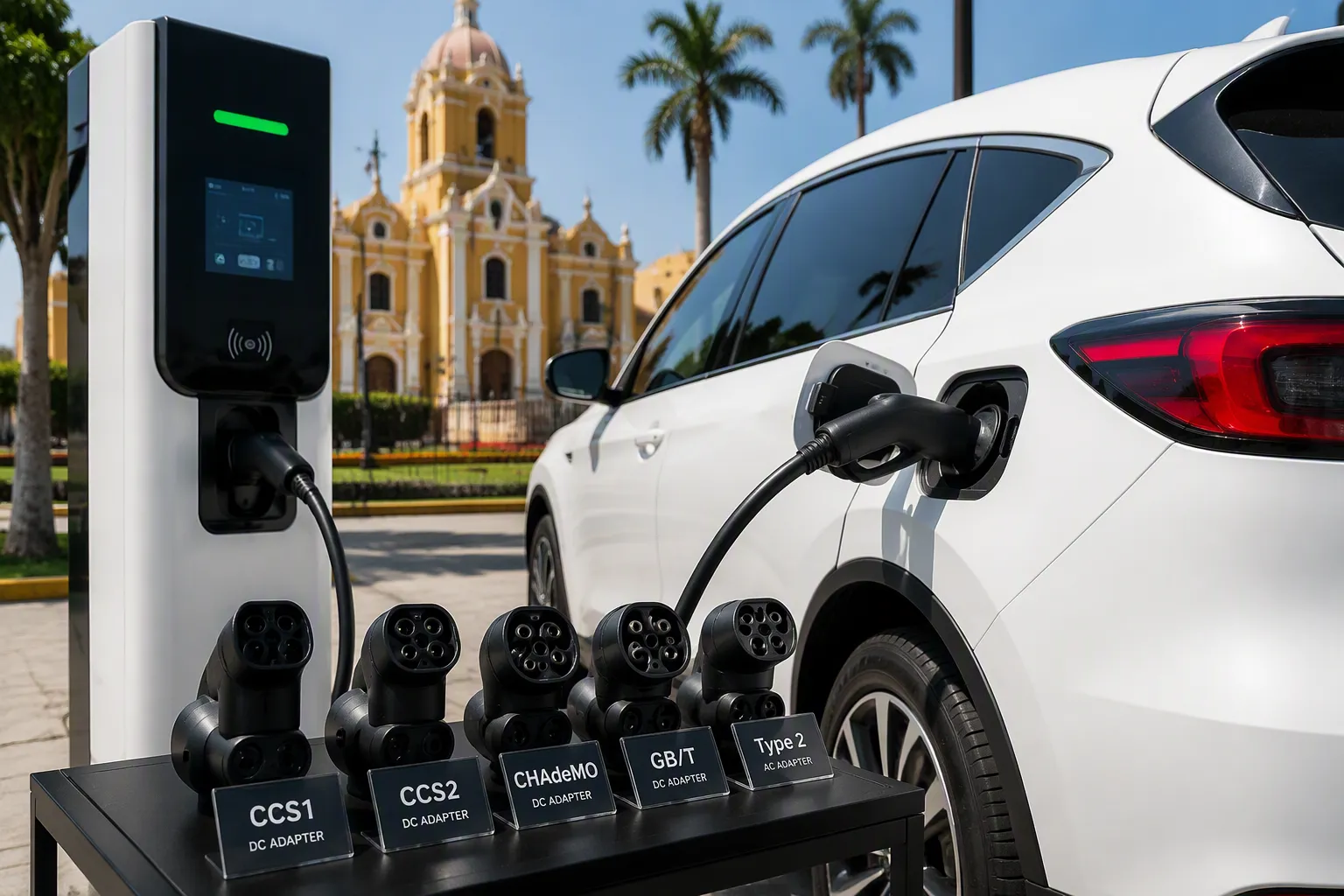
Most EVs in the Philippines use a standard J1772 connector. Homeowners should confirm compatibility with their vehicle model. Technologically advanced providers like TPSON offer powerful charging solutions that work with nearly all electric vehicles available today.
Is a permit always necessary for a home charger?
Yes, an electrical permit is a legal requirement in the Philippines. It ensures the installation complies with the Philippine Electrical Code (PEC). Your licensed electrician or engineer will manage the permit application process for you.
What is the main difference between Level 1 and Level 2 charging?
Level 1 charging uses a standard 220V wall outlet and is very slow. Level 2 charging uses a dedicated 240V circuit for much faster speeds. A Level 2 charger can fully charge most EVs overnight, making it the practical choice for home use.
How much does a complete installation cost in the Philippines?
The total cost varies. It depends on the charger price, labor fees, and any necessary electrical upgrades. A homeowner can expect the total investment to range from 50,000 to over 100,000 Philippine Pesos, including all fees and materials.
Can I install the charger myself to save money?
No. A DIY installation is illegal and extremely dangerous. It creates a serious risk of fire and electric shock. It also voids the warranties for both your EV and the charging unit. Always hire a licensed professional.
What happens during the final inspection?
An inspector from your local government’s building office visits your home. They verify that the installation matches the approved electrical plan and meets all safety codes. Passing this inspection grants you the Certificate of Final Electrical Inspection (CFEI).