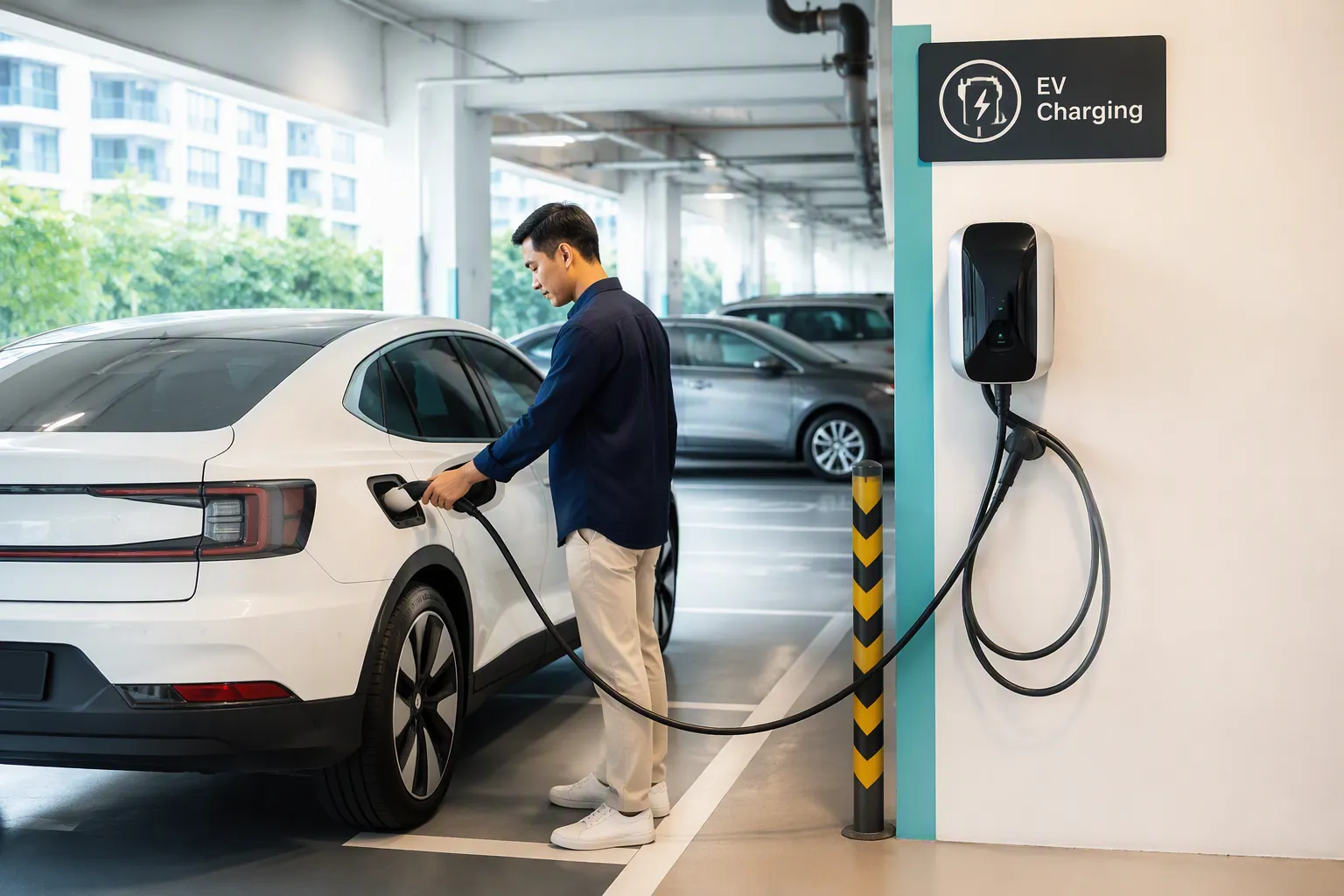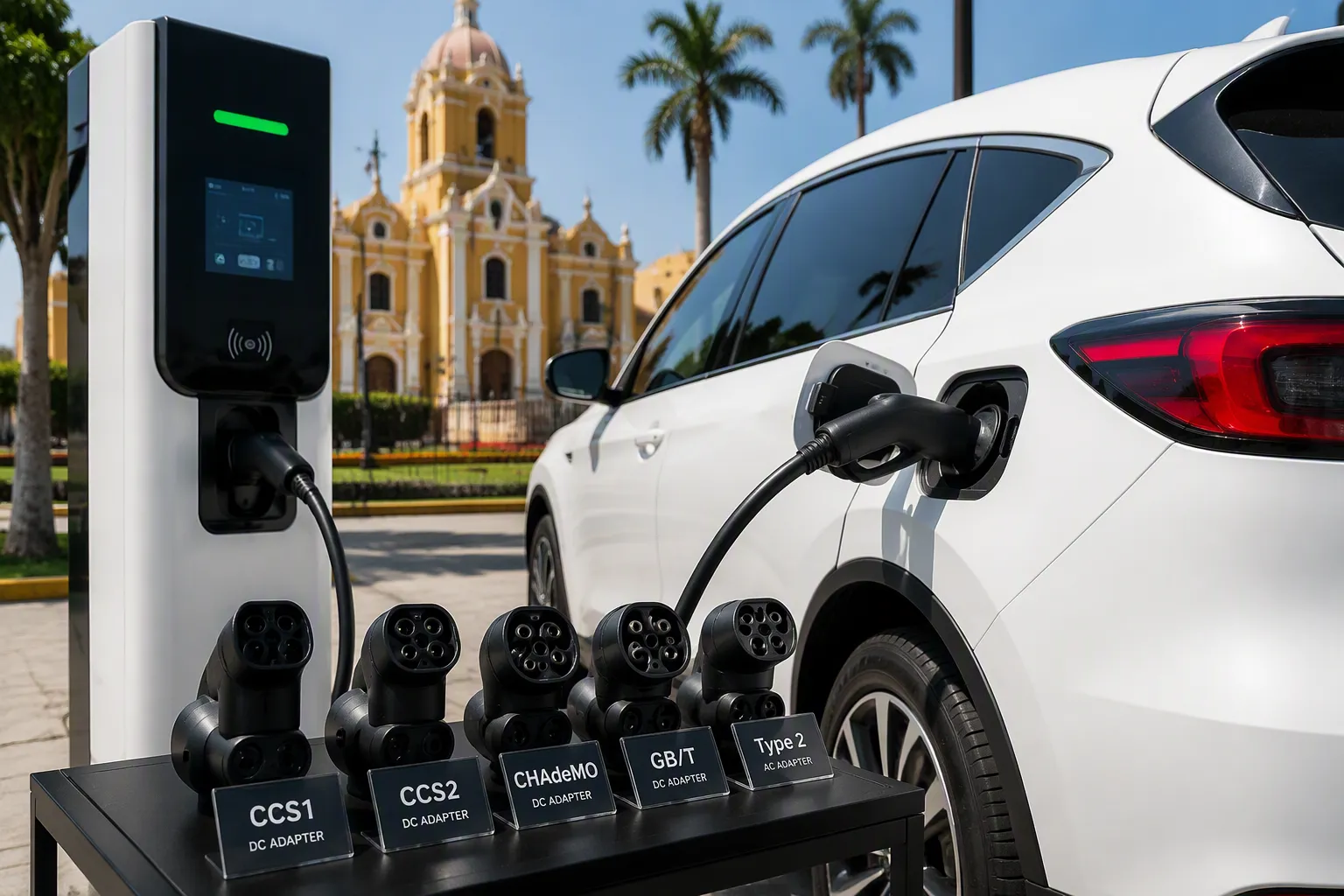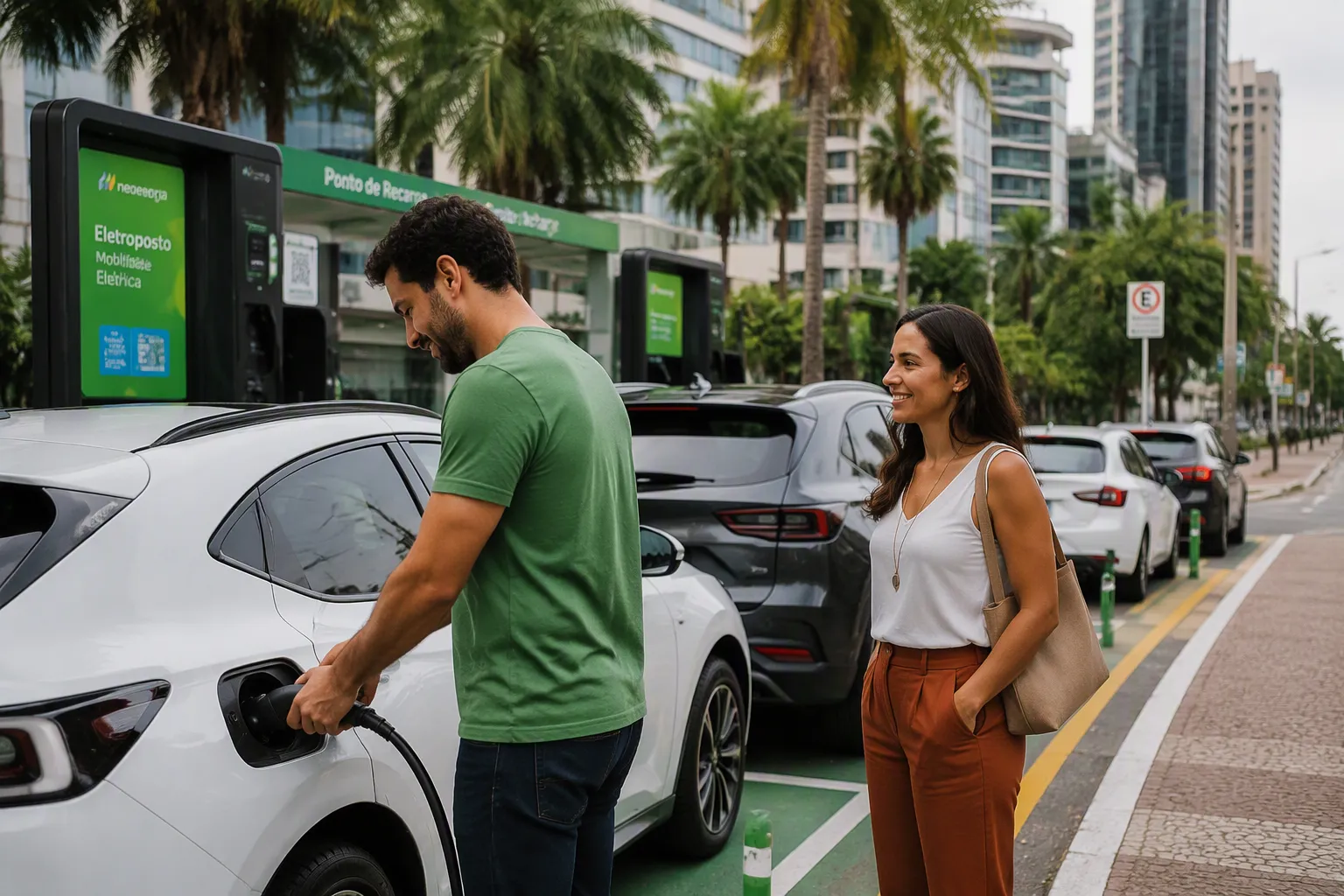
The UK’s roads are rapidly electrifying, defining the future of electric car charging. This shift is powered by groundbreaking technology and a massive expansion of the public charging network. Key innovation is transforming the EV experience, making EV charging as simple as parking your car. These charging trends create a bright future for every EV driver. The UK’s EV charging infrastructure is growing to meet demand from the increasing number of EV owners.
- As of the end of 2024, fully-electric vehicles (EVs) constitute about 3.7% of all vehicles on UK roads.
This expanding infrastructure, which surpassed 75,000 public EV Charger points by March 2025, helps eliminate range anxiety. EV charger manufacturers are central to these public charging developments.
The Need for Speed: Ultra-Rapid and the Future of Electric Car Charging
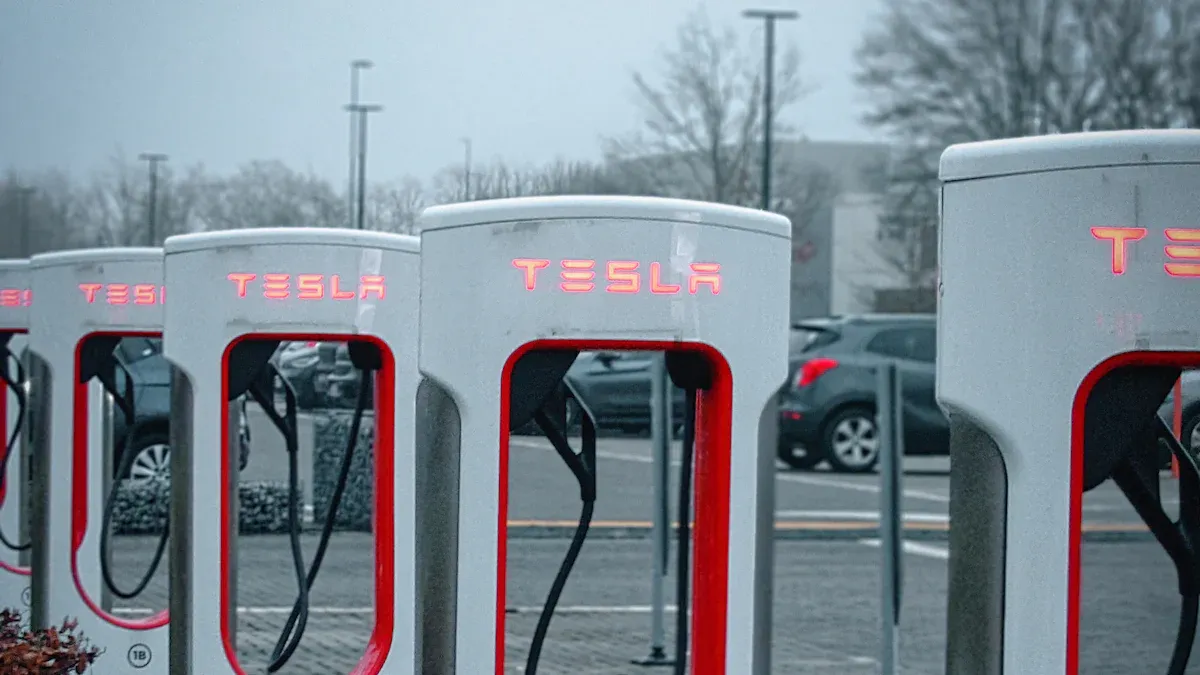
The future of electric car charging is arriving quickly. For many drivers, the time it takes to recharge an EV remains a significant consideration. Ultra-rapid charging technology directly addresses this concern. It promises to make topping up an electric vehicle as fast and convenient as a visit to a petrol station. This evolution in charging speed is fundamental to the UK’s electric transition.
Understanding Charging Power
What is a Kilowatt (kW)?
A kilowatt (kW) is a unit of power. It measures the rate of energy transfer. For an EV, a higher kW rating on a charger means energy flows into the vehicle’s battery more quickly. This results in a faster charging session. Understanding kW is key to grasping the differences in charging speeds.
From Slow to Ultra-Rapid Charging
EV charging options range from slow overnight charging at home to powerful ultra-rapid units on motorways. Each tier of charging serves a different purpose for an EV driver. The following table breaks down the main categories available across the UK public charging network.
| Charging Speed | Power Output (kW) | Common Connector Types |
|---|---|---|
| Slow | 3-6 | Three-pin plug, Type 1, Type 2 |
| Fast | 7-22 | Type 1, Type 2 |
| Rapid | 43-50+ | CHAdeMO, CCS, Type 2 |
| Ultra-rapid | 100-400 | CCS, Tesla Type 2 |
The 350kW+ Power Benchmark
The 350kW+ benchmark represents the pinnacle of current public charging technology. While not all EV models can accept this much power, the infrastructure sets a new standard for the future. A growing number of new electric vehicles are being built to take advantage of these speeds.
High-Performance EVs Leading the Charge
Certain models are already pushing the boundaries. The Lotus Eletre can handle 350kW, while the upcoming Lotus Emeya is designed for an even faster 400kW charging rate. These vehicles showcase the incredible potential of modern EV technology.
The Impact of Ultra-Rapid Charging
Adding 100 Miles in Under 10 Minutes
The most compelling advantage of ultra-rapid charging is its speed. The ability to add approximately 100 miles of range in less than 10 minutes transforms the EV ownership experience. This rapid turnaround minimizes downtime and makes electric travel more efficient than ever before. These charging trends are vital for the EV market.
Transforming Long-Distance UK Travel
Ultra-rapid charging stations are game-changers for long-distance journeys. Strategically placed hubs eliminate range anxiety on routes from Cornwall to Scotland. Drivers can now plan cross-country trips with confidence. They know a quick and powerful charge is available along the way.
Achieving Parity with Petrol Refueling
This new generation of charging technology brings the EV experience closer to the convenience of refueling a gasoline car. A short stop of 10-20 minutes provides enough range for hours of driving. This parity is crucial for encouraging more drivers to make the switch to an electric vehicle.
Locating the New High-Speed Hubs
Motorway Service Area Upgrades
The UK motorway network is undergoing a significant upgrade. As of September 2024, 61 motorway service areas in England feature ultra-rapid charging hubs. These powerful charging stations ensure that drivers on major routes have reliable access to the fastest charging available.
Gridserve’s Dedicated “Electric Forecourts”
Companies like Gridserve are building dedicated “Electric Forecourts.” These large-scale sites offer dozens of high-power chargers alongside amenities like cafes and shops. They provide a comprehensive and pleasant charging experience for every EV user.
Urban High-Power Charging Centers
The focus is not just on motorways. High-power charging centers are also appearing in urban areas. These hubs provide essential fast charging for residents who may not have access to home charging, supporting the continued growth of EV adoption in cities.
A Smarter Approach: Integrating Electric Vehicle Charging with the Grid
Beyond speed, the future of electric car charging is intelligent. Integrating electric vehicles with the national power grid creates a more efficient, resilient, and affordable system for everyone. This approach uses advanced technology to transform an EV from a simple vehicle into an active energy asset. These charging trends are pivotal for the long-term sustainability of the UK’s energy and transport sectors.
The Rise of Smart Charging
How Smart Charging Works
Smart charging establishes a data connection between an electric vehicle, the charger, and the utility provider. This communication allows the charging session to be managed remotely. The system can automatically adjust the time and rate of charging based on grid conditions and energy prices. This intelligent management is a core part of the evolving EV charging infrastructure.
Utilizing Off-Peak Energy Tariffs
A key benefit of smart charging is its ability to align with off-peak energy tariffs. Most energy grids experience peak demand in the late afternoon and early evening. Smart solutions automatically schedule an EV to begin charging later at night when demand is low and electricity is cheapest.
Reducing Costs for EV Owners
This automated scheduling directly translates to lower costs for EV owners. By consistently using cheaper, off-peak electricity, drivers can significantly reduce their running costs. Smart charging makes owning an EV more economical without requiring any manual effort from the user.
Balancing National Grid Demand
Smart chargers are a powerful tool for grid stability. They help balance the UK power grid by spreading the charging load throughout the night. This prevents strain on the system during peak hours. It also makes better use of renewable energy, like wind power, which is often more abundant overnight, enhancing overall sustainability.
Vehicle-to-Grid (V2G) Technology Explained
Turning Your EV into a Power Source
Vehicle-to-Grid (V2G) technology takes smart charging a step further. It enables bidirectional energy flow, allowing an EV not only to draw power from the grid but also to send it back. This technology effectively turns a parked EV into a mobile battery pack that can support the surrounding infrastructure.
How V2G Supports the National Grid
When an EV is plugged in, V2G solutions can discharge a small amount of its battery power back to the grid during times of high demand. This collective action from thousands of EVs can provide a massive power reserve, helping to stabilize the grid and reduce the need for expensive, carbon-intensive power plants.
Financial Incentives for V2G Adoption
Participating in V2G schemes offers direct financial rewards.
A landmark UK trial, Project Sciurus, found that EV owners could save up to £725 per year. The project successfully demonstrated that V2G is a viable and desirable technology for consumers.
Participants in other trials reported that the income from V2G made their driving miles effectively free. This creates a powerful incentive for drivers to keep their vehicles plugged in when not in use.
The Role of AI and IoT in the EV Charging Infrastructure
Predictive Analytics for Charging Demand
Artificial Intelligence (AI) is revolutionizing the planning of charging infrastructure.
- Companies in the UK like Kaluza use AI to predict electric vehicle charging behavior.
- Local authorities use machine learning to forecast future infrastructure needs.
- This data-driven approach helps identify the best locations for new chargers.
Optimizing Network Efficiency in Real-Time
AI platforms also optimize charging networks in real-time. They analyze live data on energy prices, grid load, and charger usage. This allows them to intelligently direct power across the network, ensuring high efficiency and preventing local overloads.
AI-Powered Charger Maintenance
AI contributes to the reliability of the charging infrastructure. Predictive maintenance algorithms can analyze charger performance data to anticipate potential faults before they happen. This proactive approach increases charger uptime, improves the user experience, and ensures the network remains robust.
Charging Everywhere: Innovations in Accessibility and Convenience

The future of EV charging extends beyond fixed hubs. A new wave of innovation focuses on making charging accessible everywhere. These charging trends aim to integrate power into the very fabric of daily life. This makes the EV experience seamless for all users, regardless of where they live or park. The development of this accessible infrastructure is crucial for mass EV adoption.
The Future is Wireless: Inductive Charging
The “Park and Charge” Revolution
Wireless inductive charging represents a major leap in convenience. This technology allows an EV to begin charging automatically when parked over a ground-based pad. It eliminates the need for cables and creates a true “park and charge” experience. This is a key part of the future of EV convenience.
Residential and Driveway Solutions
While the concept is appealing for homes, wireless technology is still emerging. The cost remains a significant barrier for most consumers.
| Item | Estimated Cost (GBP) |
|---|---|
| Individual Wireless Charging Pad | £3,747 – £5,246 |
| Standard Home EV Charger | £695 – £1,395 |
Public Applications in Parking Lots
The UK is actively exploring public applications for wireless charging. The technology is currently in a trial phase.
- Companies like Char.gy and Sprint Power are testing their charging pads.
- Nottinghamshire is part of the WiCET project, a £4.47 million initiative.
- The project analyzes nine electric taxis using wireless charging solutions. This focus on public transport like taxis and buses allows for efficient charging while vehicles wait for passengers.
Dynamic Wireless Charging for Roads
The concept of charging an EV while it drives is also under investigation. The Dynacov project in Coventry is a key feasibility study. It assesses the impact of embedding charging coils into roads to power buses and logistics vehicles on the move.
Solving the Urban Challenge: On-Street Charging
Lamppost Charging Solutions
Many urban residents lack private driveways. Lamppost charging offers a practical solution. This approach converts existing street lighting infrastructure into convenient charging points. Approximately 20,000 lamppost chargers have been installed across the UK, expanding the public network.
Kerbside Charging Units for Residential Streets
Dedicated kerbside units provide another option for on-street charging. These slim bollards are installed along residential streets, offering accessible power for local EV owners.
Pop-Up Chargers for Urban Areas
Trojan Energy has pioneered innovative ‘flat and flush’ pop-up chargers. These units remain completely buried until an EV driver activates them with a smart device. The charger then rises from the ground, providing power without creating permanent street clutter.
On-Demand Power: Mobile and Pop-Up Charging
Emergency Roadside Charging Services
Mobile charging services offer a lifeline for EV drivers who run out of power. Companies like Mr Charge provide on-demand charging in London, delivering enough power for a stranded EV to reach a fixed charging station.
Temporary Charging for UK Events and Festivals
Mobile units are perfect for temporary needs. Vital EV offers mobile DC charging solutions for events and exhibitions, bringing rapid charging infrastructure to any location.
Mobile Charging as a Service
Companies are now offering mobile charging as a flexible service. EVmobile provides a range of on-demand solutions for consumers and businesses, including high-power charging up to 250 kW that operates independently of the local grid.
Government Policy Shaping the UK Charging Landscape
The UK government is a primary force behind the expansion of the nation’s EV charging infrastructure. Through ambitious targets, substantial funding, and evolving regulations, the government is actively shaping a future of sustainable transport. These policy-driven trends are essential for building driver confidence and accelerating the transition to electric vehicles.
Ambitious Targets and Mandates
The Road to 300,000 Public Chargers by 2030
The government has set a clear target to expand the public network to 300,000 EV charging points by 2030. This goal provides a benchmark for the industry. Progress is steady, though distribution remains a focus area for the government.
- The UK had 64,632 public chargepoints as of July 2024.
- A significant 44% of these installations are in London and the South-East.
- Rural areas currently host only 15% of the nation’s public chargers.
The 2035 Zero Emission Vehicle (ZEV) Mandate
The 2035 ZEV Mandate requires an increasing percentage of manufacturers’ new car and van sales to be zero-emission each year. This government mandate directly fuels demand for a robust and accessible charging infrastructure. It ensures that as more EV models arrive, the network is ready to support them.
New Build Regulations for Charge Points
New regulations now mandate the inclusion of EV charging points in new homes and commercial buildings. This forward-thinking government policy helps expand the availability of home charging solutions. It ensures that new property developments are equipped for the electric future from day one.
Funding the EV Charging Infrastructure Expansion
The £1.6 Billion Government Commitment
The government is backing its vision with significant capital. A £1.6 billion fund is dedicated to expanding the UK charging infrastructure. This investment targets various needs, from local on-street charging to high-power motorway hubs.
| Fund/Initiative | Allocation |
|---|---|
| Total Charging Infrastructure Fund | £1.6 billion |
| Local Infrastructure Support Programme | £500 million |
| Local Electric Vehicle Infrastructure (LEVI) Fund | £450 million |
| Rapid Charging Fund | £950 million |
The Rapid Charging Fund for Motorways
A major portion of the funding, the £950 million Rapid Charging Fund, is dedicated to future-proofing England’s motorways. The government will use this fund to pay for grid connection upgrades where necessary. This intervention helps make sites commercially viable for private investment in high-power EV charging.
Home and Workplace Charging Grants
Alongside public infrastructure, the government continues to support private charging. Grants for homeowners and businesses encourage the installation of charge points at homes and workplaces. This comprehensive approach supports the entire EV ecosystem.
Regulatory Hurdles and Future Goals
The Debate Over VAT on Public Charging
A significant regulatory debate centers on the Value Added Tax (VAT) applied to public charging. Drivers currently pay 20% VAT for public charging, compared to just 5% for domestic electricity. This disparity creates a financial barrier for the estimated one-third of UK households without private parking.
Gridserve CEO Daniel Kunkel stated, ‘Removing VAT from public charging would be a significant move towards levelling the playing field and making EV ownership easier for everyone, no matter where they live. The current disparity… puts a disproportionate financial burden on those without home charging facilities.’
Ensuring Fair Pricing and Accessibility
The government is also focused on improving the user experience. The Public Charge Point Regulations 2023 mandate that operators provide contactless payment options, transparent pricing in pence per kWh, 99% reliability, and open data access. These rules for public electric vehicle charging are designed to make the process of finding and using a public charger simple and dependable for every EV driver.
Private Investment Supercharging the Network
While government policy creates a favorable environment, private investment is the engine driving the rapid expansion of the UK charging network. A mix of established energy giants, dedicated EV charging companies, and major retailers are pouring billions into building a dense and powerful infrastructure. This commercial drive is fostering competition and innovation, directly benefiting every EV driver. These business-led trends are crucial for the future of sustainable transport.
Major Players Expanding the UK Network
Gridserve’s Electric Highway Vision
Gridserve continues to revolutionize the charging experience with its large-scale Electric Forecourts. These sites offer dozens of chargers and retail amenities, making the process of charging an EV convenient and enjoyable.
Ionity’s Pan-European High-Power Network
Ionity focuses on high-power charging along major European corridors. In the UK, its strategy involves placing ultra-rapid charging hubs at strategic intervals, ensuring seamless long-distance travel for the latest generation of EV models.
BP Pulse and Shell Recharge Expansion
Legacy energy companies are also making significant investments. BP Pulse and Shell Recharge are leveraging their existing site footprints to deploy thousands of new charging points, from rapid chargers at fuel stations to dedicated EV hubs.
Ambitious Expansion Targets The UK’s leading charge point operators have set clear goals to expand the nation’s charging infrastructure.
Company Target By Year BP Pulse 8,000 additional charge points 2030 Shell Recharge 5,000 charge points 2025 Gridserve 100 electric forecourts 2025 Ionity Triple UK presence 2025
Supermarket and Retail Park Partnerships
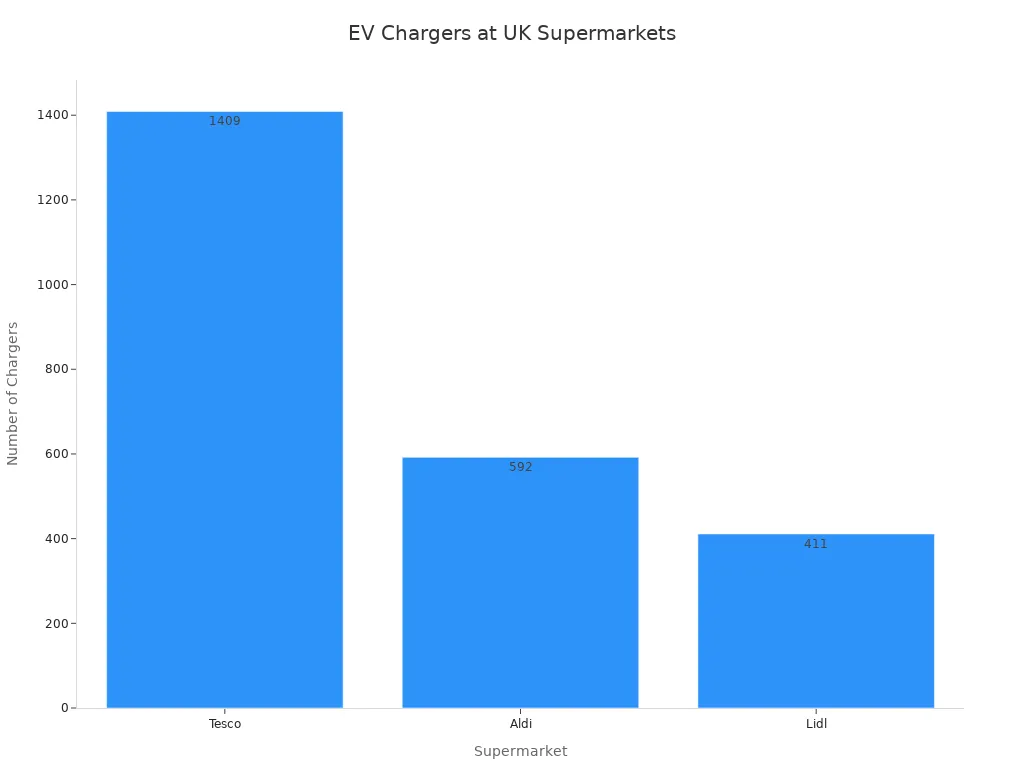
Supermarkets have become key players in the public charging landscape. By installing charging stations in their car parks, they offer customers a convenient way to top up their EV while shopping. Tesco currently leads the sector in the number of available chargers.
The Business of Electric Vehicle Charging
Subscription vs. Pay-As-You-Go Models
Operators offer different pricing models to attract users.
- Subscription Models: Companies like BP Pulse and Shell Recharge offer monthly subscriptions. These provide EV drivers with discounted charging rates, often saving 15-20% on rapid charging costs.
- Pay-As-You-Go (PAYG): Many networks, including InstaVolt, offer simple PAYG access. Drivers pay with a contactless card or app with no commitment, though per-kWh rates can be higher.
The Growth of Charging as a Fleet Solution
Businesses are rapidly electrifying their vehicle fleets. Companies like Royal Mail and BT Group are deploying thousands of electric vans. This shift requires robust workplace charging solutions. On-site charging infrastructure reduces reliance on the more expensive public network and makes EV adoption easier for employees. Technologically advanced providers like TPSON deliver the custom EV charging solutions needed for this commercial transition.
Innovations in Solar-Powered Charging Stations
A key innovation in the sector is the integration of renewable energy. Many new charging stations, particularly larger forecourts, incorporate solar canopies. This approach enhances sustainability by generating clean, renewable power on-site. It reduces the carbon footprint of EV charging and helps manage operational costs, contributing to a greener electric vehicle ecosystem in the UK.
Enhancing the User Experience at the Charge Point
Advanced technology and network growth are only part of the equation. The future success of electric mobility depends on making the public charging experience simple, reliable, and seamless for every EV driver. Key charging trends now focus on improving usability at the charge point itself. This shift addresses the practical frustrations that can discourage EV adoption.
The Push for Standardization and Interoperability
Contactless Payments and App-Free Access
A major step toward simplicity is the removal of payment barriers. The UK government’s Public Charge Point Regulations 2023 are transforming the payment landscape. This legislation mandates that new public EV charging points of 8kW and above, and all existing rapid chargers of 50kW and above, must offer contactless payment. This allows an EV driver to pay easily with a credit card or digital wallet, eliminating the need to download multiple apps for different charging networks.
Creating a Seamless Cross-Network Experience
True interoperability remains a significant challenge. The EV industry currently features a diverse array of payment methods, from apps and QR codes to RFID cards. This fragmentation creates a poor user experience. An EV driver may need several different accounts to access various charging stations. Data segregation is another hurdle, as operators often keep their information private. This practice limits collaboration and stifles innovation from smaller businesses that could offer new solutions.
Standardizing Connectors and Protocols
Standardization extends beyond payment to the underlying technology. Many charging networks use closed communication protocols. This practice ties a charger to a single provider, making upgrades or network changes difficult and costly. The adoption of open standards, like the Open Charge Point Protocol (OCPP), is crucial. Open protocols foster competition and allow for seamless switching between network providers, ultimately improving service and reducing costs for the EV owner.
Improving Reliability and Information
Real-Time Charger Availability Data
Arriving at a charging station to find it occupied or out of order is a major source of frustration for an EV driver. Real-time data on charger availability is essential for a dependable public network. Open data access allows drivers to see the live status of chargers before they begin their journey, which greatly reduces range anxiety and improves trip planning. The availability of this information is a critical component of a mature EV infrastructure.
The Role of Apps like Zapmap
Third-party applications play a vital role in consolidating information. Apps like Zapmap aggregate data from hundreds of UK charging networks into a single interface.
An EV user can check a charger’s location, power rating, cost, and live availability. This service simplifies the process of finding a functional and available charger, making the entire EV experience more predictable. The availability of such tools is key.
Ensuring Charger Uptime and Maintenance
Reliability is the cornerstone of driver confidence. The UK government mandates a 99% average reliability rate for rapid charging networks. However, achieving this standard is a work in progress.
- Recent industry research shows only 4% of operators report an average uptime of 99.5% or higher.
- A majority, 74%, achieve an uptime above 95%. Closing this gap requires a stronger focus on proactive maintenance and rapid repairs to ensure the availability of the public charging infrastructure when drivers need it most. The availability of reliable charging is paramount.
The future of electric car charging in the UK is a dynamic fusion of speed, intelligence, and accessibility. Innovations from ultra-rapid hubs to V2G technology are creating a comprehensive and user-friendly EV charging infrastructure. Strong government policy and private investment drive this progress. The UK is on a clear path to making electric mobility a practical reality for everyone. The government is shaping the future of the public charging infrastructure. The question is no longer if, but how quickly this advanced EV charging infrastructure will redefine travel across the UK. The government supports the public network, securing the future of electric car charging.
FAQ
What is the difference between rapid and ultra-rapid charging?
Rapid chargers typically provide around 50kW of power. Ultra-rapid chargers deliver 100kW or more, with some reaching 350kW. This higher power significantly reduces charging times for compatible electric vehicles, making long journeys more practical.
How does smart charging save EV owners money?
Smart charging automatically schedules an EV to charge during off-peak hours when electricity is cheapest. This process lowers the overall cost of charging without requiring any manual effort from the driver.
What is Vehicle-to-Grid (V2G) technology?
V2G technology enables an EV to send power back to the grid. This function helps balance energy demand and supports the integration of renewable energy sources. EV owners can receive financial incentives for participating.
Why is the government mandating chargers in new homes?
The government mandate ensures new properties are ready for the electric transition. It makes home charging more accessible for new homeowners. This policy supports the goal of long-term transport sustainability.
Do I need a different app for every charging network?
New regulations now mandate contactless payment on new and existing rapid chargers. This change simplifies the payment process for all EV drivers. It removes the need for multiple apps to access different networks.
How do solar canopies help EV charging stations?
Solar canopies generate clean, renewable power directly on-site. This reduces the station’s reliance on the grid and lowers the carbon footprint of charging, making the entire process more environmentally friendly.