
Leading applications help EV drivers find EV charging stations. The premier apps for 2025 include PlugShare, A Better Routeplanner (ABRP), ChargePoint, Electrify America, and EVgo. A driver’s ideal app choice for their EV depends on their vehicle model and preferred charging networks.
Note: A quality EV Charger from reputable EV charger manufacturers can significantly improve the charging experience at any station. Success in locating a reliable ev charging station often comes down to using the right digital tool for your specific EV.
Key Features in a Top-Tier EV Charging Station App

The difference between a seamless journey and a frustrating one often lies in the app an EV driver uses. The best applications go beyond a simple map of locations. They offer a suite of sophisticated features designed to address the most common challenges of public EV charging.
Real-Time Charger Availability Data
Nothing undermines an EV driver’s confidence more than arriving at a charger that is broken or occupied. Studies reveal that over 70% of non-Tesla owners have encountered broken chargers, a major source of frustration. A premier app must provide live, accurate data on charger status. This includes clear indicators for whether a station is available, currently in use, or out of service. Reliable charging point availability information transforms a hopeful guess into a confident decision, ensuring a driver’s time is not wasted. This feature is critical, as some reports indicate that only 78% of public chargers are reliable, making real-time availability data essential.
Comprehensive Filter Options
A quality charging station map allows drivers to eliminate irrelevant options and find the perfect station quickly. Advanced filtering is the key to this customization.
Filter by Connector Type (CCS, NACS, CHAdeMO)
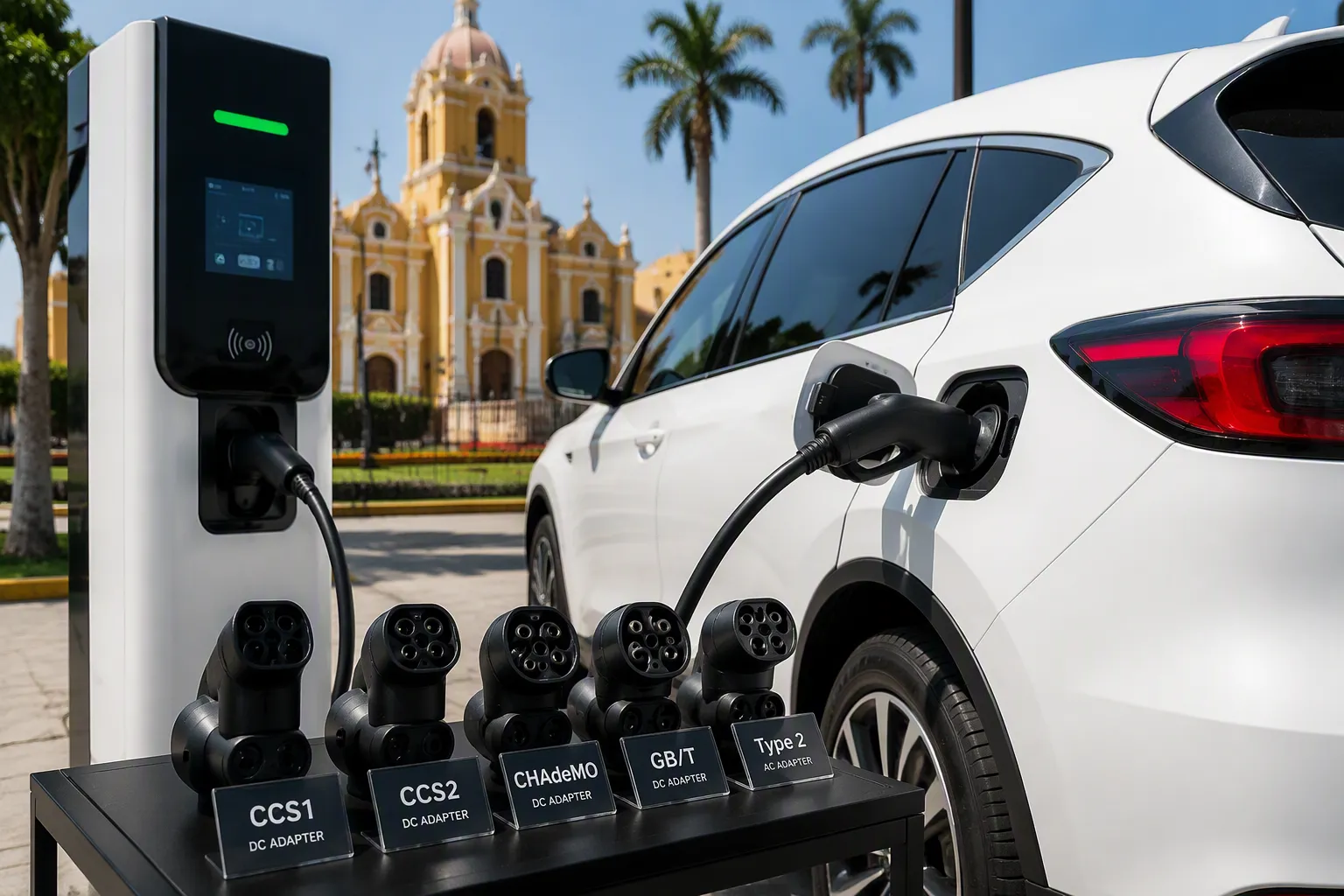
EV models use different physical connectors. An app must allow users to filter the map to show only stations compatible with their specific vehicle, whether it uses CCS, the newly standardized NACS, or CHAdeMO.
Filter by Charging Speed (Level 2, DC Fast Charging)
A driver’s charging needs vary. Filtering by speed allows a user to find a Level 2 station for overnight charging or locate the nearest DC Fast Charging station for a quick power boost on a road trip.
Filter by Network Provider
Many EV drivers have memberships with specific charging networks to take advantage of lower rates or rewards. A filter for network providers helps them quickly locate their preferred charging stations.
Filter by Cost and Payment Method
The public charging landscape often resembles a ‘Wild West’ of unregulated and non-transparent pricing. Top-tier apps combat this by providing clear cost information. This allows drivers to filter the charging station map by price, avoiding the dissatisfaction that comes from unexpectedly high charging costs. Access to this charging station information helps users find the most cost-effective options.
Integrated EV Route Planning
For any trip beyond daily commuting, integrated route planning is a non-negotiable feature. Modern apps do more than just find an ev charging station along a path. They function as intelligent co-pilots.
Pro Tip: Advanced planners calculate an EV’s energy consumption with remarkable precision. They incorporate variables like elevation changes and even the vehicle’s payload weight to predict range accurately. This ensures the suggested charging stops are efficient and realistic, preventing unexpected low-battery situations on the road.
This capability turns a basic map of ev charging stations into a powerful strategic tool for any journey.
User Reviews and Recent Photos
Static data provides a baseline, but crowd-sourced intelligence offers the ground truth. The best apps leverage their user base to create a dynamic, self-correcting ecosystem of information. User reviews, ratings, and recent photos are invaluable for assessing a station’s current condition. A driver can see if a specific charger has been consistently problematic or if a location is poorly lit, blocked by other vehicles, or otherwise inaccessible. This community feedback helps an ev driver make an informed decision and avoid a wasted trip.
Some platforms actively encourage this participation to improve data quality. This feedback loop not only enhances individual charging experiences but also contributes to overall infrastructure improvements.
- Zeemcoin incentivizes users with digital coins for leaving reviews and uses leaderboards to foster participation.
- &Charge rewards users with credits for providing feedback, which they can redeem for charging sessions.
- PlugShare allows users to filter stations by reliability scores derived from community check-ins, creating a powerful tool for finding dependable options.
Seamless In-App Payment and Activation
A fragmented payment landscape remains a significant pain point for many ev drivers. Juggling multiple network-specific accounts and payment methods is inconvenient and inefficient. Top-tier apps solve this problem by consolidating the payment and activation process into a single, streamlined interface. A truly seamless experience depends on features like easy registration, support for multiple payment methods, and the ability to start a session quickly using a QR code.
Roaming agreements between networks are crucial, enabling drivers to use a single app and payment method across various providers. Several apps are leading the charge in creating this unified experience.
| App Name | Seamless Payment/Activation Features |
|---|---|
| Zapmap | Supports in-app payments on many networks through Zap-Pay. |
| Bonnet | Offers one simple plan for access to over 200,000 charge points. |
| Electroverse | Provides seamless charging with integrated billing. |
| Pod Point | Offers automatic charging session tracking and remote activation. |
| BP Pulse | Allows users to start, stop, and pay for charges with ease. |
| Shell Recharge | Includes remote start/stop functionality. |
| ChargePlace Scotland | Accesses free and paid chargers all with one account. |
| Mer | Makes finding and accessing charge points easy through its app. |
By integrating these capabilities, apps remove a major barrier to public charging, making the process as simple as paying for any other modern digital service.
In-Depth Review: PlugShare – The Crowd-Sourced Champion
PlugShare has solidified its position as an essential tool for nearly every EV driver. Its software evolved from a simple locator into a data-rich platform, combining curated information with invaluable crowd-sourced content. This unique approach makes it a go-to resource for navigating the public charging landscape.
Core Strengths
PlugShare’s primary advantage lies in its massive scale and the active community that supports it. These elements create a powerful and dynamic user experience.
Unmatched Global Network Coverage
The app’s most significant strength is its sheer size. PlugShare provides a comprehensive charging station map with access to a vast global network.
- The database includes over 700,000 charging stations worldwide.
- It covers both major networked providers and non-networked public stations.
- This extensive coverage ensures drivers can find a charging option almost anywhere.
Extensive User-Generated Content and Check-ins
PlugShare thrives on community involvement. The app leverages its user base to keep information about each station current and accurate. Drivers can see recent check-ins, user photos, and detailed reviews. This community feedback provides real-world insights into a station’s condition, helping others avoid broken or inaccessible chargers. This feature transforms the map from a static directory into a live, breathing resource.
Advanced Filtering System
Finding the right charger is simple with PlugShare’s robust filtering options. This customization is crucial for an efficient charging journey. Any EV driver can tailor the charging station map to their specific needs.
| Filter Category | Customization Options |
|---|---|
| Connector Type | CCS, NACS, CHAdeMO, J-1772, and more |
| Charging Speed | Level 1, Level 2, and DC Fast Charging (by kW) |
| Network | Filter for specific providers like Electrify America, EVgo, etc. |
| User Ratings | Show only stations with high community-based scores |
Potential Downsides
While powerful, the app’s reliance on user data has some inherent drawbacks.
Data Accuracy Can Be Inconsistent
Because much of the data is crowd-sourced, its accuracy can vary. A station’s status on the map might not always reflect its real-time condition if no recent check-ins are available.
Limited In-App Payment Integration
Unlike network-specific apps, PlugShare has limited direct payment capabilities. While it offers the Pay with PlugShare feature for some networks, it is not universal. Drivers will often need to use a separate app or credit card to initiate a charging session.
Who It’s Best For
PlugShare is an indispensable tool for any EV driver. Its user-friendly interface offers a detailed map, a powerful search function, user reviews, and a convenient trip planner. These features empower every EV owner to make informed choices about where and when to find ev charging stations, enhancing the overall driving experience. It is particularly valuable for drivers who want the most comprehensive view of all available chargers, regardless of network affiliation.
In-Depth Review: A Better Routeplanner (ABRP) – The Road Trip Expert
While PlugShare excels at discovery, A Better Routeplanner (ABRP) distinguishes itself as the definitive tool for strategic long-distance travel. It functions less like a simple map and more like an intelligent logistics co-pilot for an electric vehicle. The app’s entire design philosophy centers on creating the most time-efficient route from point A to point B.
Core Strengths
ABRP’s power comes from a sophisticated algorithm that treats an ev journey as a complex optimization problem, factoring in dozens of variables to produce a reliable plan.
Superior Long-Distance Trip Planning Algorithm
The app’s algorithm prioritizes the quickest total travel time. It understands that an EV battery’s charging speed slows dramatically as it fills. ABRP therefore calculates routes with shorter, more frequent charging stops. This strategy keeps the battery operating in its fastest charging range (typically below 70-80%). The system determines the exact energy needed to reach the next stop with a safe buffer, minimizing time spent waiting at the charger.
Vehicle-Specific Energy Consumption Models
ABRP achieves remarkable accuracy through deep vehicle customization. Its system uses a “reference consumption” value for specific car models that proves highly accurate. Drivers can further refine this with their own data.
- Configurable Parameters: Users can input their typical driving speed, vehicle load, and desired battery level at arrival.
- Live Data Integration: The app can connect to a vehicle’s OBD2 port to pull live consumption data, allowing it to adjust the plan on the fly based on actual energy use.
Real-Time Weather and Traffic Integration
For premium subscribers, ABRP incorporates live traffic data and weather forecasts into its calculations. Headwinds, temperature changes, and elevation gain all impact an EV’s range. Factoring these elements into the plan provides an unparalleled level of predictive accuracy for any road trip.
Potential Downsides
The app’s complexity and business model can present challenges for some users.
User Interface Can Be Complex for Beginners
ABRP’s interface is dense with information, which can be overwhelming for new users.
Users report that simple tasks like saving routes can be difficult. The app also suffers from occasional bugs and crashes during real-time navigation, particularly when used with Android Auto, leading to a frustrating experience.
Key Features Locked Behind a Premium Subscription
The free version of ABRP is excellent for initial planning, but its utility on the road is limited. Core features required for a seamless journey, such as real-time traffic data, live weather, and full turn-by-turn navigation, are only available to premium subscribers.
Who It’s Best For
ABRP is the essential tool for any EV driver who frequently undertakes long-distance journeys. It is specifically designed for those who want to:
- Minimize total trip time by optimizing charging stops.
- Eliminate range anxiety with highly accurate, data-driven plans.
- Customize routes to include preferred charging networks or avoid unreliable ones.
It is the go-to planner for meticulously mapping out a road trip before the wheels ever start rolling.
Network-Specific Apps: Reliability at an EV Charging Station
While aggregator apps provide a wide-angle view of the charging landscape, network-specific apps offer a focused, more reliable experience. These applications are developed by individual providers for their own stations. They grant an EV driver direct access to the most accurate data, exclusive features like loyalty programs, and streamlined customer support for that specific network. Using a dedicated app often ensures a smoother charging session, as the software communicates directly with the hardware.
ChargePoint – The Most Ubiquitous Network
Key Features and Benefits
The ChargePoint app is the key to accessing one of the largest EV charging networks in North America. Its primary benefit is sheer scale. The network operates over 72,000 AC charging ports, giving drivers extensive options for Level 2 charging at workplaces, retail locations, and public lots. The app excels at providing a seamless user experience within its ecosystem.
- Tap to Charge: Users can start a session simply by tapping their phone on the station.
- Real-Time Status: It provides reliable, live data for its own chargers.
- Waitlist Feature: Drivers can get in a virtual line for a busy station and receive a notification when it becomes available.
Drawbacks and Limitations
The main limitation of the ChargePoint app is its scope. It only displays ChargePoint stations, forcing users to switch to an aggregator to find alternatives. Furthermore, because ChargePoint does not own most of its hardware, the maintenance and reliability of an individual ev charging station can vary depending on the property owner.
Electrify America – The DC Fast-Charging Leader
Key Features and Benefits
Electrify America’s app is built for EV drivers who prioritize speed. The network features more than 5,000 DC fast chargers, making it a cornerstone of long-distance travel across the continent. The app is designed to make the fast charging experience as efficient as possible. It offers detailed session monitoring, a clear payment system, and membership plans that reduce charging costs for frequent users.
Drawbacks and Limitations
The network’s focus on high-speed charging means it offers fewer Level 2 options for drivers seeking slower, overnight charging. Like other network-specific apps, its map is a walled garden; if an Electrify America station is down or occupied, a driver must use another app to find nearby ev charging stations from a different provider.
EVgo – The Reliability-Focused Network
Key Features and Benefits
EVgo has made network reliability its core mission, and its app reflects this commitment. The company has invested heavily in its EVgo ReNew program to deliver a consistent and dependable charging experience.
This initiative involves upgrading legacy equipment, implementing predictive maintenance tools to prevent failures, and performing interoperability testing with numerous EV models. Networks often partner with technologically advanced electric vehicle charging solution providers like TPSON to complete these hardware upgrades. The app gives users direct access to this highly monitored network.
Drawbacks and Limitations
While exceptionally reliable, the EVgo network is not as expansive as ChargePoint’s. A driver in a less populated area may find fewer EVgo options available. The app’s utility is therefore highest for users who live and travel in regions with strong EVgo network coverage.
How to Find EV Charging Stations for a Seamless Road Trip
A successful long-distance EV journey relies on a two-pronged digital strategy. Drivers should use a specialized route planner for initial logistics and an aggregator app for on-the-ground verification. This methodical approach minimizes surprises and maximizes efficiency on the road.
Step 1: Initial Route Planning in ABRP
The process begins with creating a data-driven itinerary in A Better Routeplanner (ABRP). This app builds the foundational plan for the entire trip.
Entering Your EV Model and Trip Details
A driver first selects their specific EV model and inputs the final destination. ABRP uses a reference consumption value for the vehicle to ensure high accuracy. Users can also add waypoints to customize the route for scenic drives or specific stops.
Customizing Your Charging Preferences
Next, the driver refines the charging strategy. The app allows for detailed customization of charging parameters.
- State of Charge: Set the desired battery percentage upon arrival at each station and the final destination.
- Stop Duration: Choose between fewer, longer charging stops or more frequent, shorter stops to keep the battery in its fastest charging range.
- Network Preferences: Prioritize preferred charging networks to take advantage of memberships.
Analyzing the Suggested Route and Stops
ABRP then generates an optimized route. It displays the full journey on a map, complete with calculated charging stops, estimated charging times, and projected battery levels. This initial plan serves as the master guide for the trip.
Step 2: Verifying Stops with PlugShare
With a route from ABRP, the next step is to verify each proposed charging stop using PlugShare. This cross-referencing step provides crucial real-world context.
Cross-Referencing Charger Locations
The driver locates each ABRP-suggested station on the PlugShare charging station map. This confirms the station’s existence and precise location, preventing navigation errors.
Checking Recent User Check-ins and Photos
This is the most critical verification task. A driver must examine recent user check-ins, comments, and photos for each station. This crowd-sourced information reveals the true operational status of a charger, helping to avoid broken or inaccessible equipment.
Identifying Backup Charging Options Nearby
Prudent planning always includes a contingency. Using the PlugShare map, a driver should identify at least one or two alternative ev charging stations near each primary stop. This creates a safety net in case the intended station is occupied or out of service.
Step 3: Finalizing Your Itinerary
The final step solidifies the plan and prepares the driver for a seamless experience. Before departing, it is essential to download the apps for all charging networks along the route.
Pro Tip: Drivers should create accounts and register their payment information in these network apps beforehand. This saves valuable time at the charging station and avoids potential issues with poor cell service upon arrival. Having a travel companion download the apps as a backup is also a wise precaution.
This comprehensive process helps a driver find ev charging stations reliably, turning potential range anxiety into confident road-trip enjoyment.
Other Noteworthy Apps to Find EV Charging Stations
An EV driver’s digital toolkit extends beyond the primary planning and aggregator apps. Several specialized applications address specific needs, from brand loyalty to visual simplicity and overnight travel planning. These niche tools can significantly enhance the EV ownership experience by solving unique challenges.
Tesla App – The Gold Standard for Tesla Owners
The Tesla app provides a seamless, vertically integrated experience that remains the benchmark for in-network charging. It is designed exclusively for Tesla owners and offers unparalleled convenience when using the Supercharger network.
- Effortless Navigation: The app integrates directly with the vehicle’s navigation system, automatically routing the driver to Superchargers and preconditioning the battery for optimal charging speeds upon arrival.
- Plug & Charge Simplicity: The charging process is automatic. A driver simply plugs in, and the session starts and bills to their account without any additional steps.
- Real-Time Monitoring: Owners can monitor the charging session, view costs, and receive notifications directly from their smartphone.
While the app is opening up to non-Tesla EV models at select locations, its core strength lies in the flawless, closed-loop experience it provides for Tesla drivers.
Chargeway – The Visual Charging Guide
Chargeway aims to demystify the often-confusing world of EV charging standards. It simplifies the process of identifying compatible stations through an intuitive, visual language. The app uses a system of colors and numbers to help users quickly understand plug types and charging speeds.
Chargeway employs a color-coded navigation system to make station identification simple. Specific colors represent different plug types: green for J-1772/CCS, red for Tesla/NACS, and blue for CHAdeMO. Numbers paired with these colors indicate the power level, or charging speed. This visual approach removes the need for drivers to memorize technical jargon, making it easier to find the right charger for their EV.
EVHotels – Planning for Overnight Stays
For road trippers, overnight charging is a critical component of a successful journey. The EVHotels app specializes in helping drivers find ev charging stations at hotels, allowing them to wake up with a full battery.
The app aggregates hotel listings with on-site charging facilities, saving drivers the hassle of cross-referencing multiple booking sites and charging maps. Users can filter by connector type and see details about the chargers available. This focused tool is invaluable for planning multi-day trips, ensuring that an EV is ready for the next leg of the journey each morning.
The Future of EV Charging Apps in 2025 and Beyond
The world of EV charging apps is evolving rapidly. Developers are moving beyond simple station locators and creating sophisticated tools that integrate more deeply into a driver’s life. The future promises a more connected, intelligent, and efficient charging experience.
Deeper Integration with In-Car Infotainment Systems
The next frontier for charging apps is the vehicle’s dashboard. Moving functionality from a handheld phone to the car’s built-in screen enhances safety and convenience. Developers are increasingly building support for Apple CarPlay and Android Auto, allowing drivers to manage their charging needs without touching their phones.
- The Electric Circuit app now offers both Android Auto and Apple CarPlay support, enabling users to find stations and start a session from their car’s touchscreen.
- The AgmoEV SuperApp launched with this integration, allowing drivers to plan routes and navigate directly from their dashboards.
- Projects like EV Infinity are also developing this capability to provide real-time data seamlessly.
This integration transforms the charging process, making it a natural part of the driving experience rather than a separate task.
AI-Powered Predictive Availability
Real-time availability data is helpful, but artificial intelligence (AI) offers a more powerful solution: predictive availability. AI algorithms analyze massive datasets to forecast charger demand and status. This technology considers historical usage patterns, time of day, weather, and even local events to predict when a station is likely to be busy or free.
For network operators, AI enables predictive maintenance. It analyzes sensor data to identify potential equipment issues before they lead to failure, significantly reducing charger downtime and improving overall network reliability.
This shift from reactive to proactive information means an ev driver can plan a trip with greater confidence. The app will not just show if a charger is open now; it will suggest the best time to arrive to avoid a wait. This intelligent forecasting is key to eliminating uncertainty from the public charging experience.
V2G (Vehicle-to-Grid) and V2H (Vehicle-to-Home) Functionality
Future apps will manage energy flow in two directions. With Vehicle-to-Grid (V2G) and Vehicle-to-Home (V2H) technology, an ev becomes more than a mode of transport; it becomes a mobile battery. Charging apps will serve as the command center for this new capability. Users will be able to:
- Schedule their vehicle to send power back to the grid during peak demand, potentially earning credits or money.
- Use their car’s battery to power their home during a blackout.
This functionality depends on advanced hardware from electric vehicle charging solution providers like TPSON, which create the bidirectional chargers that make V2G and V2H possible. The app will be the user-friendly interface that unlocks the full potential of an EV as a dynamic part of the energy ecosystem.
The Rise of Plug & Charge and Unified Payment Standards
The future of public charging aims to eliminate the friction of payment and authentication. The industry is rapidly moving toward a more streamlined experience with the adoption of the ISO 15118 communication standard, commonly known as Plug & Charge. This technology creates a secure, direct link between an electric vehicle and the charging station, automating the entire process.
With Plug & Charge, a driver simply plugs the connector into their vehicle. The car securely identifies itself to the charger, which then initiates the session and bills the driver’s pre-linked account automatically. This removes the need for fumbling with apps, RFID cards, or credit card readers at the station.
This shift from manual to automated interaction is gaining significant momentum. In the United States, the National Electric Vehicle Infrastructure (NEVI) program now requires new federally funded chargers to be Plug & Charge compliant. This mandate accelerates the technology’s rollout across public networks. Companies like Driivz are already deploying these solutions with operators such as Francis Energy, getting ahead of the NEVI guidelines. The support from automakers is also widespread, with most major brands making their latest models Plug & Charge capable.
- Audi e-tron GT, Q4 e-tron, Q8 e-tron
- BMW iX, i4, i5, i7
- Cadillac Lyriq
- Chevrolet Bolt EV, Bolt EUV, Blazer EV, Equinox EV (Upcoming), Silverado EV
- Ford F-150 Lightning, Mustang Mach-E
- GMC Hummer EV Pickup and SUV
- Lucid Air
- Mercedes-Benz EQB, EQE, EQS
- Porsche Macan EV, Taycan
- Tesla Cybertruck, Model 3, Model S, Model X, Model Y
- Volkswagen ID.4
Europe is enforcing similar standards through its Alternative Fuels Infrastructure Regulation (AFIR).
- From October 2025, all new public chargers must support the foundational ISO 15118 protocols.
- By January 1, 2027, all new chargers must support the advanced ISO 15118-20 standard, which enables both Plug & Charge and bidirectional charging.
As this technology becomes the norm, the role of charging apps will evolve. They will transition from being session activators to sophisticated management dashboards. An ev driver will use their app to monitor automated charging sessions, track expenses across different networks, and manage their payment accounts, all without needing the app for the physical act of starting a charge. This unified approach promises a future where public charging is as simple as plugging in at home.
An EV driver finds the best ev charging stations using the right tool. PlugShare offers the most comprehensive charging station map for discovery. A Better Routeplanner (ABRP) excels at meticulous long-distance trip planning. Network-specific apps provide the most reliable charging station availability information.
The optimal strategy for any EV driver involves combining ABRP for master planning with PlugShare for on-the-ground verification of each station. This ensures a foolproof charging experience.
This summary table compares the top apps on key features, including station availability and map information.
| App | Network Size | Route Planning | Real-Time Data Accuracy | User Interface |
|---|---|---|---|---|
| PlugShare | Excellent | Basic | Good (User-Reliant) | Good |
| ABRP | Excellent | Excellent | Good | Moderate |
| ChargePoint | Good | None | Excellent (Network) | Excellent |
| Electrify America | Moderate | Basic | Excellent (Network) | Good |
| EVgo | Moderate | Basic | Excellent (Network) | Good |
FAQ
Which app is best for EV road trips?
A Better Routeplanner (ABRP) is the expert tool for long-distance travel. It calculates the most efficient route by optimizing charging stops. This process minimizes total trip time and reduces range anxiety for the driver.
Which app shows the most charging stations?
PlugShare offers the most comprehensive map. Its database includes major networks, smaller providers, and even private residential chargers shared with the public. This extensive coverage makes it an essential tool for finding a charger almost anywhere.
Do drivers need an app for each charging network?
While not mandatory, using a network’s dedicated app is often beneficial. These apps provide the most accurate real-time data for their own stations. They also streamline payment and offer access to loyalty programs.
What is Plug & Charge technology?
Plug & Charge automates the charging process. An EV driver simply plugs the connector into their vehicle. The car and charger communicate directly to handle authentication and billing, eliminating the need for an app or credit card.
How can a driver check if a charger is working?
Drivers should use PlugShare to verify a station’s status. The app’s user-generated content, including recent check-ins and comments, provides real-world insight into whether a charger is operational before the driver arrives.
Are all public chargers compatible with every EV?
No, compatibility depends on the connector type. An EV driver must find a station that matches their vehicle’s port. Most modern apps allow users to filter the map by connector type, such as:
- NACS (Tesla)
- CCS
- CHAdeMO
What is the difference between Level 2 and DC Fast Charging?
Level 2 charging is slower, adding about 25 miles of range per hour, making it ideal for overnight use. DC Fast Charging is much quicker. It can add hundreds of miles of range in under an hour, so it is essential for long-distance journeys.