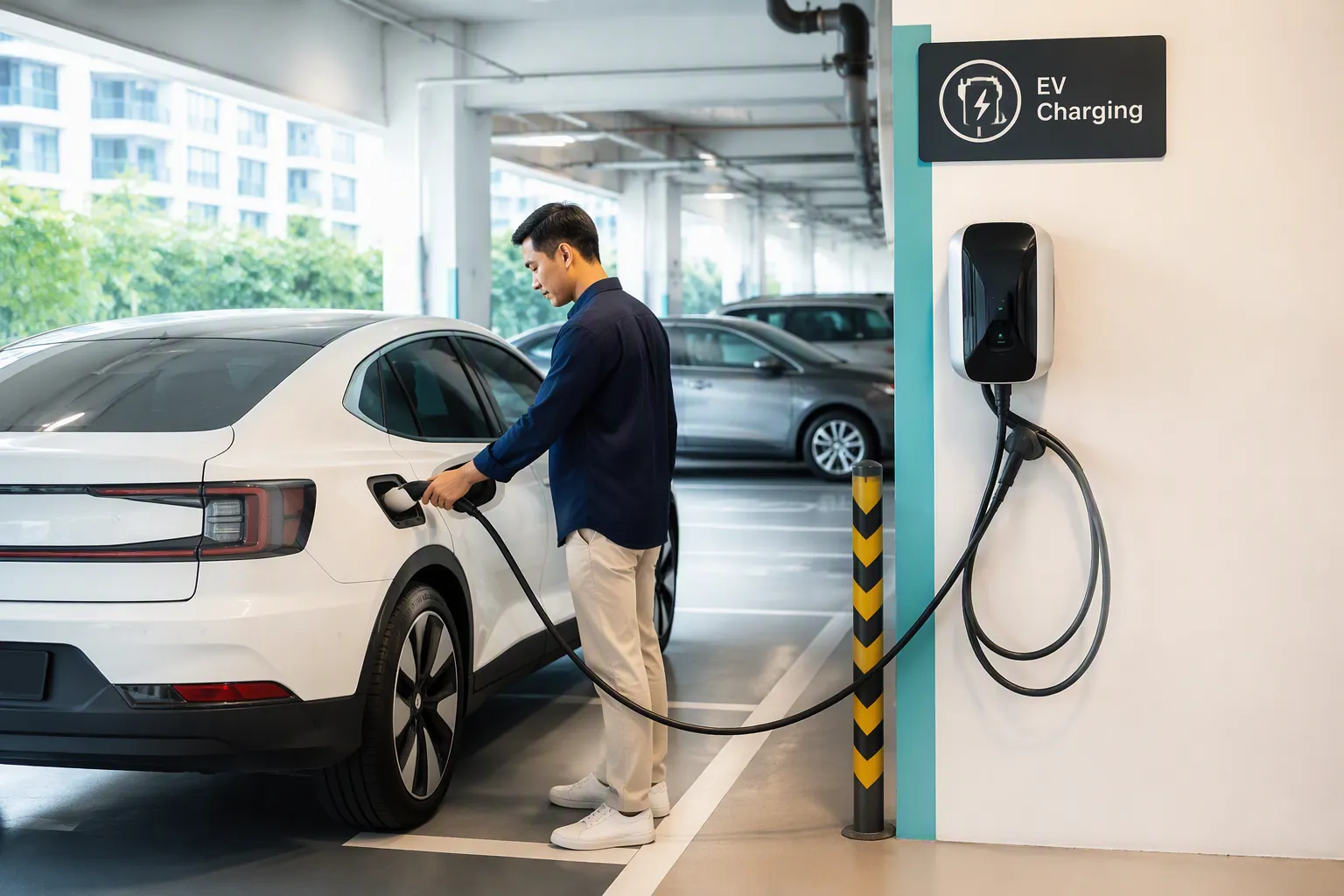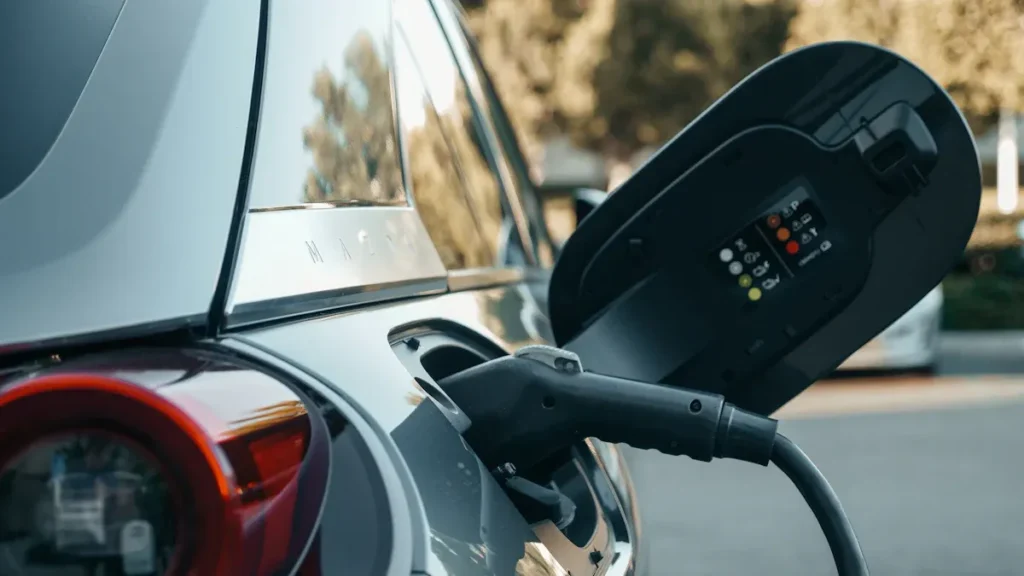
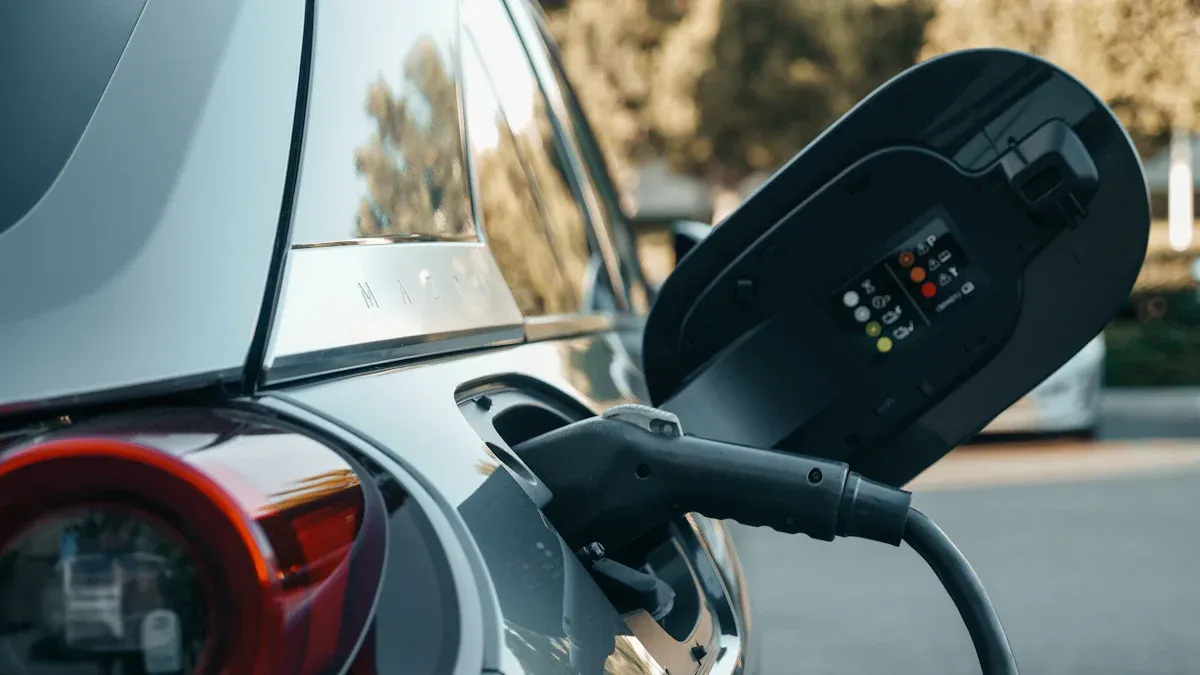
By 2025, the search for fast charging points transforms into the future of convenience. An EV driver’s experience shifts from a desperate search for any available EV Charger to a simple choice between multiple reliable options. Vehicle navigation systems will automatically route drivers to the best location and pre-condition the battery for optimal speed. This enhanced convenience is supported by rapid network growth, with deployment of public DC fast ev charging points expected to hit record levels as technologically advanced EV charger manufacturers like TPSON accelerate station rollouts.
The 2025 Toolkit for Finding Fast Charging Points

By 2025, the tools an EV driver uses to find power will be as sophisticated as the vehicle itself. The era of juggling multiple apps and hoping for an open plug is ending. A new ecosystem of integrated software and intelligent vehicle systems creates a frictionless charging experience. This toolkit moves beyond simple dot-on-a-map navigation. It delivers predictive, personalized, and highly reliable support for every journey.
The Evolution of Charging Apps
Mobile applications remain a cornerstone of the EV experience, but their capabilities will expand dramatically. By 2025, they evolve from simple directories into powerful command centers for managing a vehicle’s energy needs. Technologically advanced providers like TPSON and other industry leaders are pushing the boundaries of what these software platforms can do.
Beyond Location: Real-Time Data
The most significant evolution in charging apps is the depth of real-time data they provide. A 2025-era app does more than show a charger’s location. It displays a live feed of crucial information. Drivers see which specific plugs are currently in use, the power output of each available connector, and the estimated cost per kilowatt-hour. This transparency eliminates the frustration of arriving at a station only to find it occupied or delivering a slower-than-advertised charge. Leading software platforms from companies like ChargePoint and Driivz excel at aggregating this data, offering a comprehensive view of the network’s health and availability.
AI-Powered Recommendations
Artificial intelligence transforms charging apps from passive tools into proactive assistants. AI algorithms analyze a driver’s unique behavior, including common routes, typical charging times, and vehicle energy consumption. The system then provides personalized suggestions. For example, it might recommend a specific station along a daily commute that aligns with lower electricity rates. It can also predict future charging needs based on a driver’s calendar and travel patterns, ensuring they never run low on power. This intelligent system prioritizes optimal ev charging by balancing speed, cost, and convenience based on learned preferences.
Integrated Payments and Reservations
Fumbling for RFID cards or entering credit card details at the charger becomes a thing of the past. The 2025 toolkit features deeply integrated payment systems. A driver’s account is linked directly to the app, enabling a seamless “plug-and-go” transaction. Furthermore, many apps will offer reservation capabilities. A driver on a long trip can book a spot at a high-demand fast charging point, guaranteeing its availability upon arrival. This feature is critical for eliminating wait times and providing certainty during peak travel periods.
The Software Powerhouses of 2025 A competitive landscape of software providers is driving this innovation. These companies offer the integrated platforms that make a seamless experience possible:
- ChargePoint: Offers a complete hardware and software solution for managing stations with real-time monitoring and analytics.
- Driivz: Provides a cloud-based platform focused on energy management and operational efficiency for large networks.
- EVBox: Delivers smart charging hardware paired with a robust remote management platform for all sectors.
- AMPECO: Specializes in white-label software, allowing businesses to create customized charging experiences with advanced billing.
- Tridens: Offers an all-in-one cloud software with features for billing, user management, and real-time monitoring.
Seamless In-Car Navigation Systems
While apps provide powerful tools, the ultimate goal is full integration into the vehicle’s native systems. By 2025, a car’s navigation system becomes the primary interface for managing charging. This integration creates a holistic experience where the vehicle and the charging network communicate directly.
Automatic Charger Routing
Modern EV navigation systems do more than find a route from A to B. They intelligently plan charging stops as an integral part of the journey. The system considers the vehicle’s current state of charge, its efficiency, and the topography of the route. It then automatically adds the most efficient ev charging points to the trip plan. The driver simply enters a destination, and the car handles the rest, ensuring it arrives with sufficient energy and that any necessary charging stops are quick and convenient.
Battery Pre-Conditioning Integration
To accept the fastest possible charging speeds, an EV’s battery must be at an ideal temperature. In 2025, when a driver navigates to a DC fast charger, the vehicle automatically begins pre-conditioning the battery pack. The car warms or cools the battery as needed during the final leg of the drive. This ensures that the moment the driver plugs in, the vehicle can immediately draw the maximum power, significantly reducing total charging time at ev charging points.
Vehicle-to-Grid (V2G) Management
The vehicle’s integration with the grid becomes a two-way street. In-car systems will include Vehicle-to-Grid (V2G) management tools. These allow EV owners to participate in energy markets by selling stored power back to the grid during peak demand hours. The car’s software helps the owner set parameters, such as the minimum battery level to maintain, and automates the process. This turns the vehicle into a mobile energy asset, creating a new potential revenue stream for its owner.
What “Fast” Electric Vehicle Charging Means in 2025
The term “fast charging” evolves significantly by 2025. It no longer refers to just a single power level but describes a spectrum of high-speed, intelligent energy delivery. The experience is defined less by the peak number on a label and more by the actual time spent plugged in. This new era combines more powerful hardware with smarter station management to deliver a consistently rapid and reliable charge.
The New Speed Standard
The baseline for what drivers consider “fast” is rising. While many stations today offer a solid charge, the 2025 network makes higher speeds the norm, not the exception. This shift is driven by advancements in both charger technology and vehicle battery architecture.
350kW Chargers Become Commonplace
Ultrafast charging systems delivering 350 kW become a familiar sight at new installations. These powerful units dramatically reduce wait times for compatible vehicles, capable of adding significant range in just 15 to 20 minutes. This speed makes long-distance travel more comparable to a traditional refueling stop. The industry’s power output standards show a clear progression.
| Charger Type | Power Output (kW) | Typical Time to 80% |
|---|---|---|
| DC Fast | 50 – 130 | 20 – 40 minutes |
| DC Ultrafast | 150 – 350+ | 15 – 20 minutes |
The Push Towards Megawatt Charging
For heavy-duty vehicles like electric semi-trucks and buses, an even more powerful standard emerges: the Megawatt Charging System (MCS). This technology is engineered to deliver over 1,000 kW (1 MW) and up to 3.75 MW of power. Achieving these speeds requires specialized hardware and protocols, including:
- A single, robust conductive plug designed for high currents.
- Operation at up to 1250 volts and 3000 amps.
- Advanced liquid cooling systems for both the cable and connector.
- Secure communication protocols based on ISO/IEC 15118-20.
Understanding Vehicle Charging Curves
A key aspect of the 2025 charging experience is a better understanding of how vehicles accept power. Charging speed is not linear. A vehicle’s battery management system (BMS) requests maximum power only when the battery is at a low state of charge. As it fills up, typically past 80%, the charging speed tapers off to protect battery health. Educated drivers will use this knowledge to their advantage, planning shorter, more frequent stops to 80% instead of waiting for a full 100% charge at fast charging points.
Smarter and More Reliable Stations
Speed is meaningless if a charger is broken. By 2025, network operators prioritize uptime and intelligence, ensuring that ev charging points are not only fast but also consistently available and efficient.
Predictive Maintenance for Uptime
The frustration of arriving at a non-functional charger diminishes thanks to predictive maintenance. Network operators use AI and the Internet of Things (IoT) to monitor station health in real time.
By analyzing data streams from internal components, machine learning algorithms can forecast potential issues before they cause an outage. This allows technicians to perform proactive repairs, replacing parts or updating software remotely, ensuring maximum reliability across the network.
Dynamic Power Sharing Explained
Smarter ev charging points feature dynamic power sharing. Instead of dedicating a fixed power output to each plug, a station with this technology can distribute its total capacity among the vehicles currently connected. If a single car is charging, it can receive the station’s full power. When another car plugs in, the system intelligently splits the power based on each vehicle’s needs and battery status, optimizing throughput for the entire site.
The Rise of Plug & Charge Technology
The payment process becomes invisible with the widespread adoption of Plug & Charge. Based on the ISO 15118 international standard, this technology allows a vehicle to communicate directly and securely with the charger. The process is simple:
- The driver plugs the vehicle into the charging device.
- The vehicle automatically sends encrypted authentication and billing information to the charging network.
- The network validates the information.
- The electric vehicle charging session starts automatically.
This eliminates the need for apps, RFID cards, or credit card swipes. Technologically advanced providers like TPSON integrate these seamless and secure solutions, making the charging experience as simple as plugging in and walking away.
The Expanding Network of EV Charging Points

By 2025, the availability of EV charging points extends far beyond traditional highway corridors. The public charging network is expanding into the places people visit every day. This strategic growth makes EV ownership more practical for a wider audience. The focus shifts from destination charging to “while-you-are-there” charging, integrating seamlessly into daily life.
Charging Beyond the Highway
Convenience drives the expansion of charging infrastructure. Drivers will find reliable power where they shop, work, and relax, reducing the need for dedicated charging trips.
Retail and Grocery Store Hubs
Major retailers and service stations are transforming their parking lots into powerful charging hubs. This strategy provides a valuable amenity for customers.
- Retail Leaders: IKEA leads among big-box stores, offering charging at nearly all its US locations. Grocery chains like Amazon are also expanding their networks.
- Service Station Evolution: Companies like Shell and Chevron are adding DC fast chargers to their stations. Sheetz is partnering with Ionna to install advanced ‘Rechargeries’ at dozens of stores.
Workplace and Fleet Charging
Workplaces are becoming key charging locations for employees and commercial fleets. Fleet operators select charging solutions based on their specific needs. Passenger vehicle fleets often use Level 1 and Level 2 chargers for overnight power. Delivery fleets require at least Level 2, while heavy-duty trucks depend on Level 3 DC fast charging points for efficient operation.
Public Parks and Recreational Sites
State and national parks are installing ev charging points, allowing visitors to explore with confidence. This initiative supports green tourism. It ensures that drivers can recharge their vehicles while enjoying outdoor activities, bridging the gap between adventure and sustainable travel.
The Urban Charging Revolution
Cities face unique challenges with dense populations and limited private parking. Innovative strategies are bringing reliable charging to urban residents.
Curbside Fast Charging Solutions
For city dwellers without garages, curbside charging is a game-changer. Cities are deploying chargers directly on city streets.
Multi-Unit Dwelling Strategies
Solving the charging puzzle for apartment and condo residents requires a multi-faceted approach. Key strategies include:
- Financial incentives for property owners.
- Updated building codes requiring EV-ready parking.
- Smart load management technology to balance power demands.
- Educational outreach to inform residents and building managers.
The Role of Urban Mobility Hubs
Urban mobility hubs are emerging as central points for transportation services. These hubs combine public transit, bike-sharing, and car-sharing with a robust set of ev charging points. Technologically advanced providers like TPSON supply the integrated hardware and software needed to manage these complex energy ecosystems, supporting a flexible and sustainable urban mobility future.
Policy and Investment Shaping the Grid
The rapid expansion of the electric vehicle charging network is not happening by chance. Strategic government policy and massive financial investments are the primary drivers shaping the grid of 2025. This combination of public funding and forward-thinking regulation accelerates the deployment of a reliable and accessible charging infrastructure.
Government Initiatives Driving Growth
Federal and state governments are injecting billions of dollars into the ecosystem. This funding directly supports the construction of new stations and modernizes the existing grid. The U.S. Department of Transportation has committed over $7.5 billion to EV infrastructure through the Bipartisan Infrastructure Law, creating a powerful incentive for growth.
The NEVI Program’s Impact
A centerpiece of this national strategy is the $5 billion National Electric Vehicle Infrastructure (NEVI) program. This initiative focuses specifically on building a network of fast chargers along major highway corridors. While the rollout is methodical, its effects are becoming visible.
As of mid-2025, the NEVI program has already funded the development of 36 charging stations with 148 individual ports across 12 states. This marks a clear transition from planning to physical deployment.
State-Level Rebates and Incentives
States complement federal efforts with their own targeted programs. These rebates encourage private investment in communities and businesses. Successful examples include:
- Charge Ready NY 2.0: Offers up to $4,000 per charging port in disadvantaged communities.
- CALeVIP (California): Provides rebates for installing ev charging points at public sites, workplaces, and multi-unit dwellings.
- Charge Ahead Colorado: Gives grants to businesses and municipalities for installing Level 2 and DC fast chargers.
Building Code Modernization
Forward-thinking policy also includes updating local building codes. Many municipalities now require new construction projects to include EV-ready parking spaces. This simple change ensures that future buildings are prepared for the continued growth in electric mobility, reducing long-term installation costs.
A Global Snapshot: US vs. The World
The United States is in a global race to build out its network. Comparing its progress to other regions like Europe and China offers valuable perspective on different strategies and outcomes.
Comparing Network Density
Network density is a critical measure of accessibility. While China has the world’s largest number of chargers, other regions lead in specific areas. The percentage of fast chargers within a public network reveals a country’s focus on long-distance travel versus urban charging.
| Region | Fast Charger Percentage |
|---|---|
| United States | 10% – 20% |
| Most of Europe | 10% – 20% |
| China (2021) | >40% |
Technology Adoption Rates
Investment directly influences the technology that charge point operators deploy. With significant funding available, operators can install state-of-the-art hardware. Technologically advanced providers like TPSON supply the advanced, reliable solutions needed to meet the high uptime and power-delivery standards required by public programs.
NACS vs. CCS and Roaming Networks
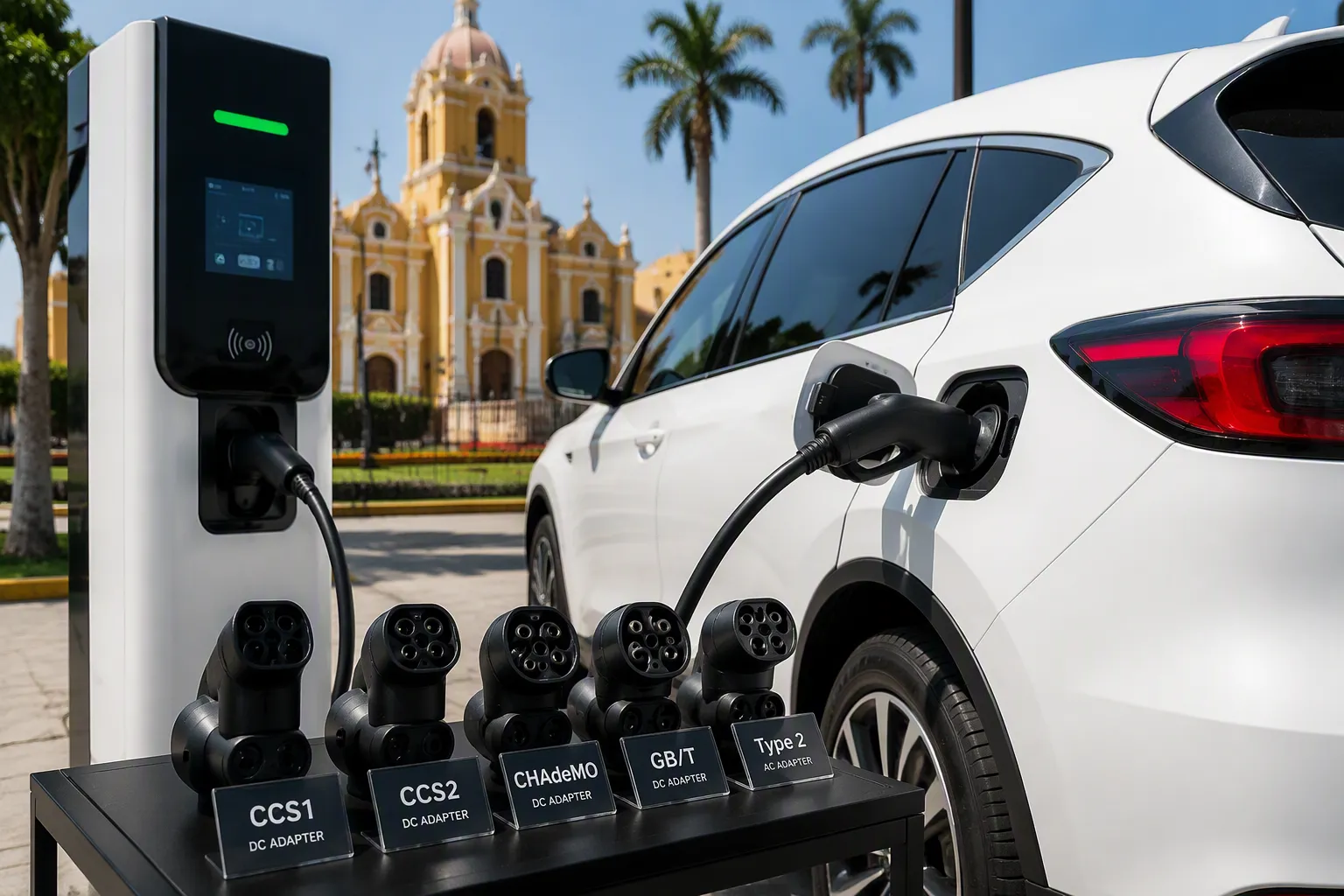
By 2025, the North American charging standard landscape solidifies. The North American Charging Standard (NACS) gains significant momentum, with automakers like Ford and GM adopting the plug for future models. However, the Combined Charging System (CCS) remains essential, as it is a requirement for NEVI-funded projects. This dual reality means most new ev charging points will feature both NACS and CCS connectors, maximizing compatibility for all drivers.
The 2025 EV Driver Experience
An EV driver’s daily life undergoes a fundamental transformation by 2025. The experience shifts from a task-oriented process of managing energy to an intuitive, confident journey. This evolution is not just about more chargers; it’s about a smarter, more reliable, and user-centric ecosystem. The focus moves from mitigating anxiety to enjoying the inherent benefits of electric mobility.
From Range Anxiety to Charging Confidence
The persistent fear of running out of power, known as range anxiety, largely becomes a relic of the past for the average 2025 EV driver. A combination of better technology, denser networks, and greater driver experience fosters a new sense of charging confidence.
Real-Time Data is King
Access to accurate, live information is the cornerstone of this newfound confidence. Drivers no longer guess about a charger’s status. Instead, they see a complete, real-time picture. This data empowers them to make informed decisions, turning uncertainty into predictability. Studies show that range anxiety is highest before purchasing an EV and decreases significantly with ownership experience.
- A 2023 survey found that while 76% of future EV owners worry about range, nearly 59% of current drivers report no anxiety.
- This confidence grows over time, with 78% of owners reporting that their range anxiety lessens the longer they drive their electric car.
- Research also indicates that drivers who feel a stronger sense of control over their vehicle’s charging state experience lower levels of anxiety.
The End of Broken Chargers
Nothing erodes confidence faster than arriving at a non-functional charger. By 2025, network operators, using solutions from technologically advanced providers like TPSON, make reliability a top priority. While uptime figures often look impressive, the real-world success rate is the metric that matters most to drivers. Analysis of over 100,000 charging sessions reveals a more nuanced picture.
| Metric | Industry Benchmark |
|---|---|
| Reported Uptime | 98.7% – 99.9% |
| First-Time Charge Success Rate (FTCSR) | 71% (nearly one in three attempts fail) |
| FTCSR for New Stations | 85% |
| FTCSR by Year Three | 69.9% (below 70%) |
The industry’s focus on predictive maintenance and robust hardware aims to elevate the First-Time Charge Success Rate. The goal is to ensure that a reported 99% uptime translates into a 99% success rate for the driver, effectively ending the problem of broken chargers.
Amenities at Charging Hubs
The charging stop in 2025 evolves from a utilitarian necessity into a pleasant break. As charging hubs become destinations, operators invest in amenities that enhance the driver’s experience. This transforms waiting time into productive or relaxing time, adding a new layer of convenience. Common additions to these modern hubs include:
- Clean restrooms
- A selection of snacks and beverages
- Comfortable indoor and outdoor waiting areas
Cost and Payment Models in 2025
The financial aspect of charging becomes more transparent and flexible. Drivers have a clearer understanding of costs and more choices in how they pay. This shift provides greater control over their transportation budget.
Subscription vs. Pay-Per-Use
Drivers in 2025 can choose between two primary payment models. The pay-per-use model offers maximum flexibility, while subscription plans provide lower per-kWh rates for frequent users. This choice allows drivers to select the most cost-effective option for their specific driving habits. The price difference is significant, rewarding loyalty and frequent use.
| Charger Type | Subscriber Price (GBP/kWh) | Pay-as-you-go Price (GBP/kWh) |
|---|---|---|
| Rapid (AC 43kW / DC 50kW) | £0.53 – £0.63 | £0.67 – £0.77 |
| Ultra-fast (DC 150kW+) | £0.59 – £0.69 | £0.73 – £0.83 |

Understanding Time-of-Use Pricing
Time-of-use (ToU) pricing becomes a common strategy for managing grid load. This model offers lower electricity rates during off-peak hours, encouraging drivers to charge when demand on the grid is low. While this can lead to cost savings, it also presents a challenge. The availability of ultra-fast ev charging points can cause demand to spike at the beginning of off-peak periods, potentially straining the grid. Despite this, many drivers show a willingness to pay a premium for the convenience of faster charging speeds.
The Future of Roaming Agreements
The fragmentation of charging networks, once a major pain point, is resolved through robust roaming agreements and standardized protocols. By 2025, drivers can access ev charging points from multiple operators without needing separate accounts or apps.
Regional partnerships also expand access significantly. For example, a collaboration between Gentari and Shell India is set to provide roaming access to over 450 charging points across India, demonstrating a powerful model for cross-network integration. This interoperability is the final piece of the puzzle, delivering true charging freedom.
The search for fast charging points transforms by 2025. It becomes a seamless, integrated part of the driving experience rather than a separate chore. The convergence of smarter software, powerful hardware, and a strategic charging infrastructure expansion delivers unparalleled convenience. This harmony between vehicle and network defines the future of convenience. It ensures drivers have the power they need, precisely when they need it, making electric mobility more practical than ever before.
FAQ
What is Plug & Charge technology?
Plug & Charge allows a vehicle to communicate directly with a charger. It automates authentication and billing based on the ISO 15118 standard. Drivers simply plug in, and the session starts without needing an app or card, creating a truly seamless experience.
Will my car be compatible with 350kW chargers?
Vehicle compatibility depends on its battery architecture. Many new EVs will accept these speeds. Older models can still use these chargers but will only charge at their own maximum rate. The station automatically adjusts the power output to match the vehicle’s capability.
How do roaming agreements help EV drivers?
Roaming agreements allow drivers to use chargers from multiple networks with a single account. 🤝 Protocols like the Open Charge Point Interface (OCPI) enable different operators to communicate, simplifying billing and access for a hassle-free journey.
What is the Megawatt Charging System (MCS)?
The Megawatt Charging System is an ultra-high-power charging standard designed for heavy-duty electric vehicles like trucks and buses. It delivers over one megawatt of power, enabling rapid charging to minimize downtime for commercial fleets and keep logistics moving efficiently.
How do providers ensure chargers are reliable?
Technologically advanced providers like TPSON use predictive maintenance. They monitor station hardware in real time with IoT sensors and AI. This approach allows them to identify and fix potential issues before a charger fails, maximizing uptime for drivers.
What is dynamic power sharing?
Dynamic power sharing allows a charging station to distribute its total power capacity intelligently among connected vehicles. If one car is charging, it gets maximum power. When another plugs in, the system balances the load to optimize charging for both vehicles.